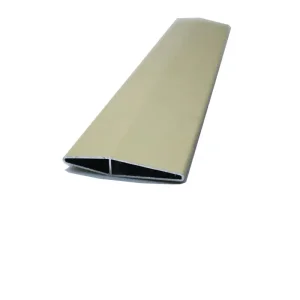
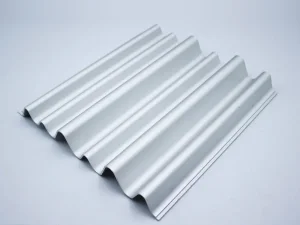
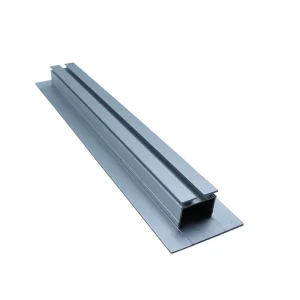
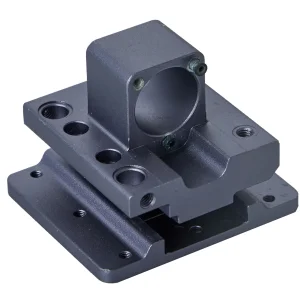
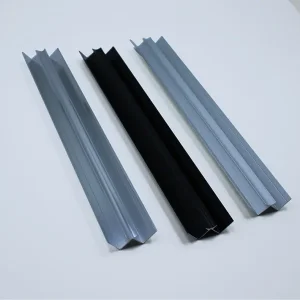
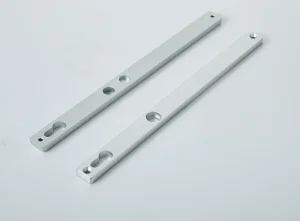
Explore our high-performance engineered components, structural supports, and architectural extrusions.
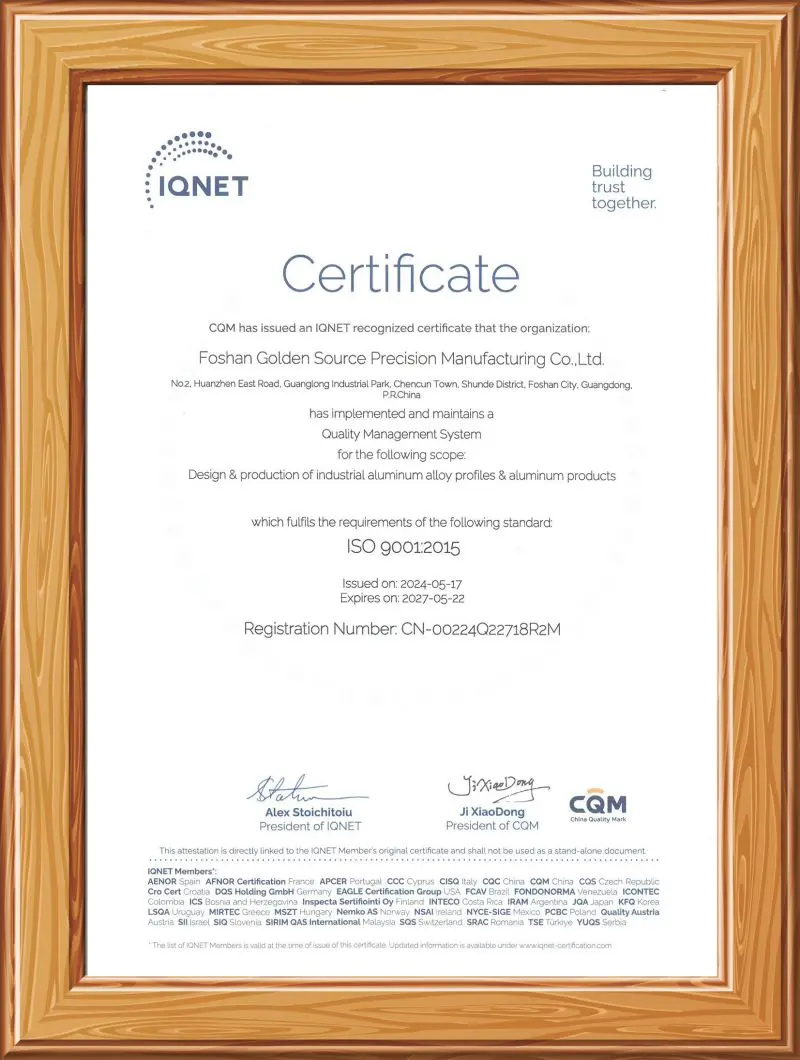
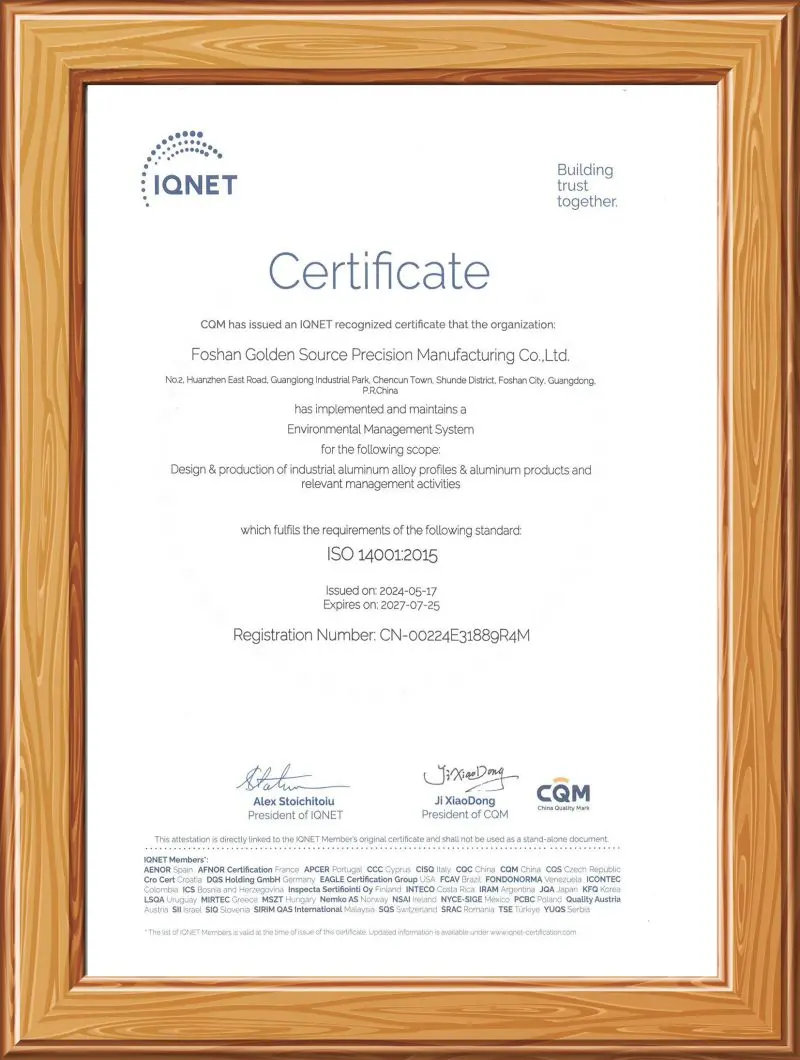
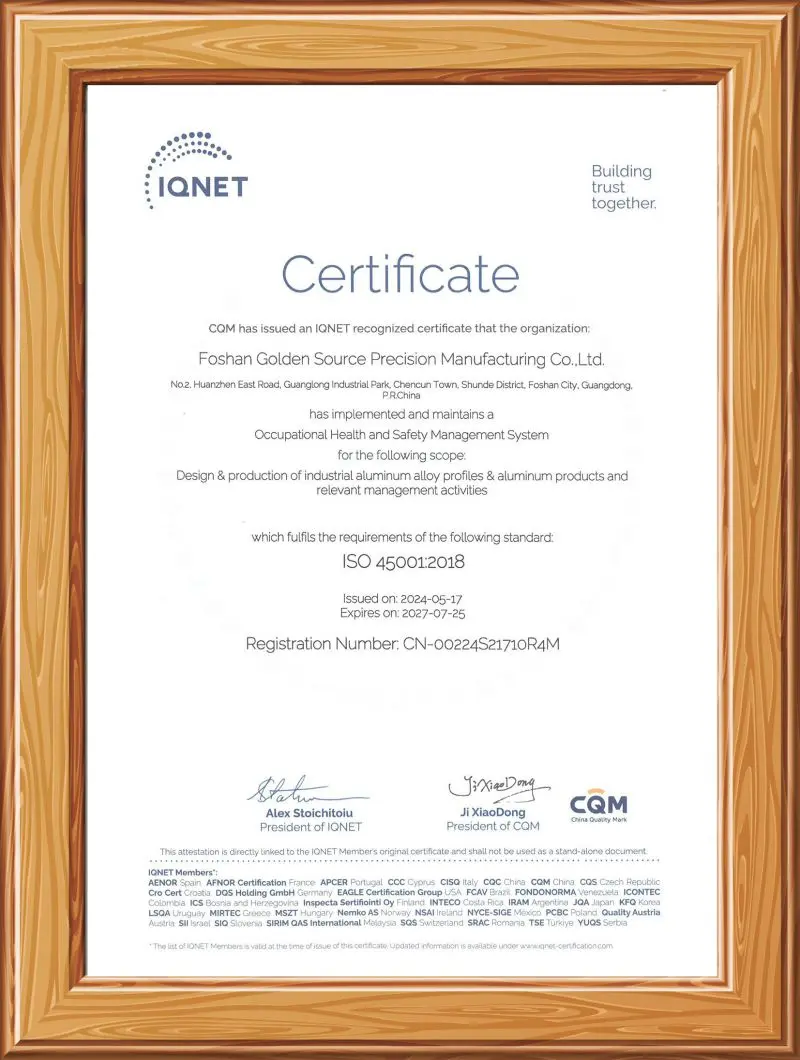
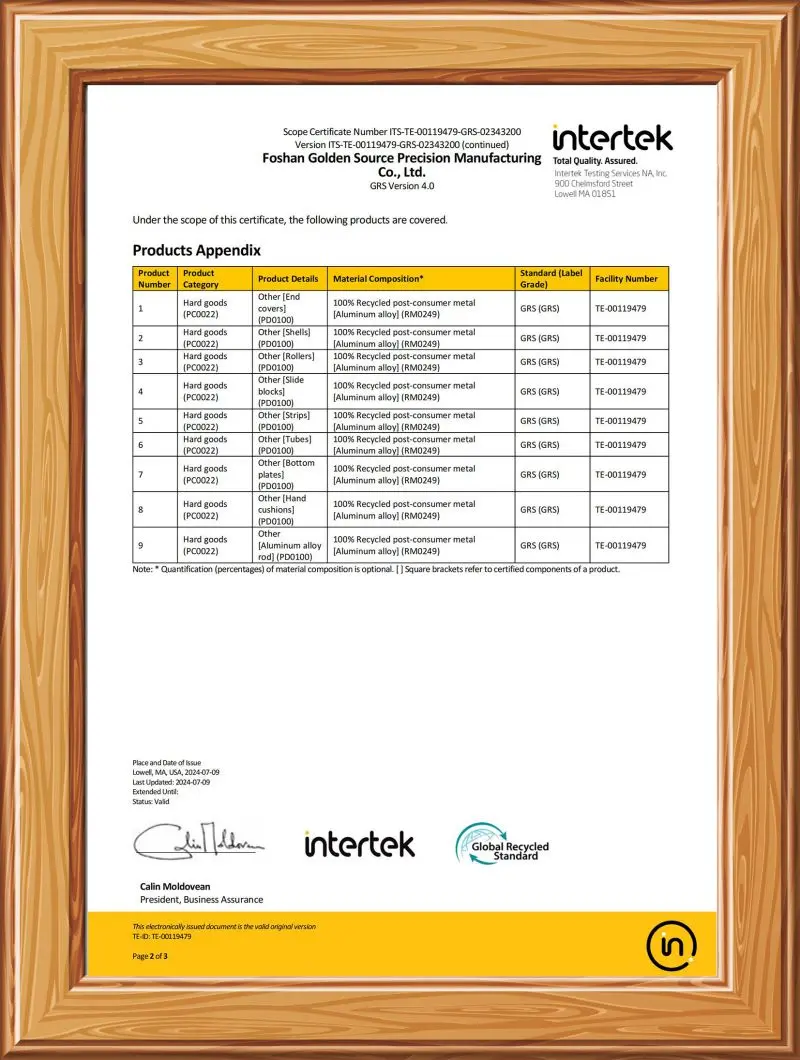
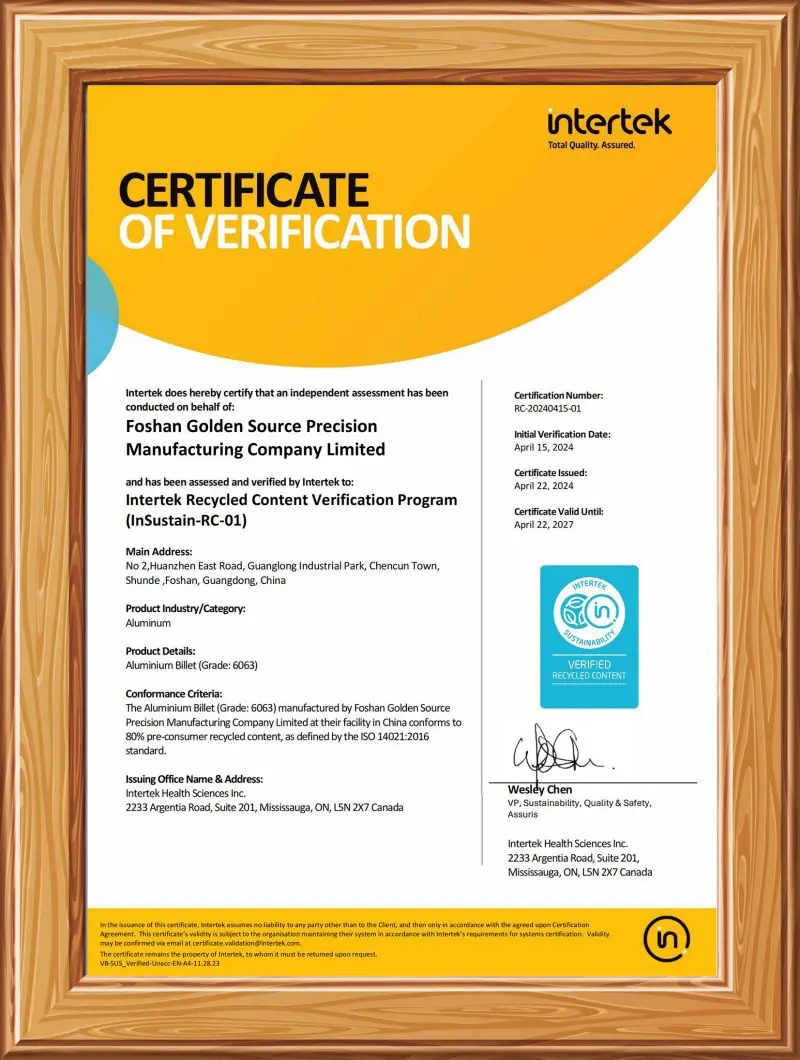
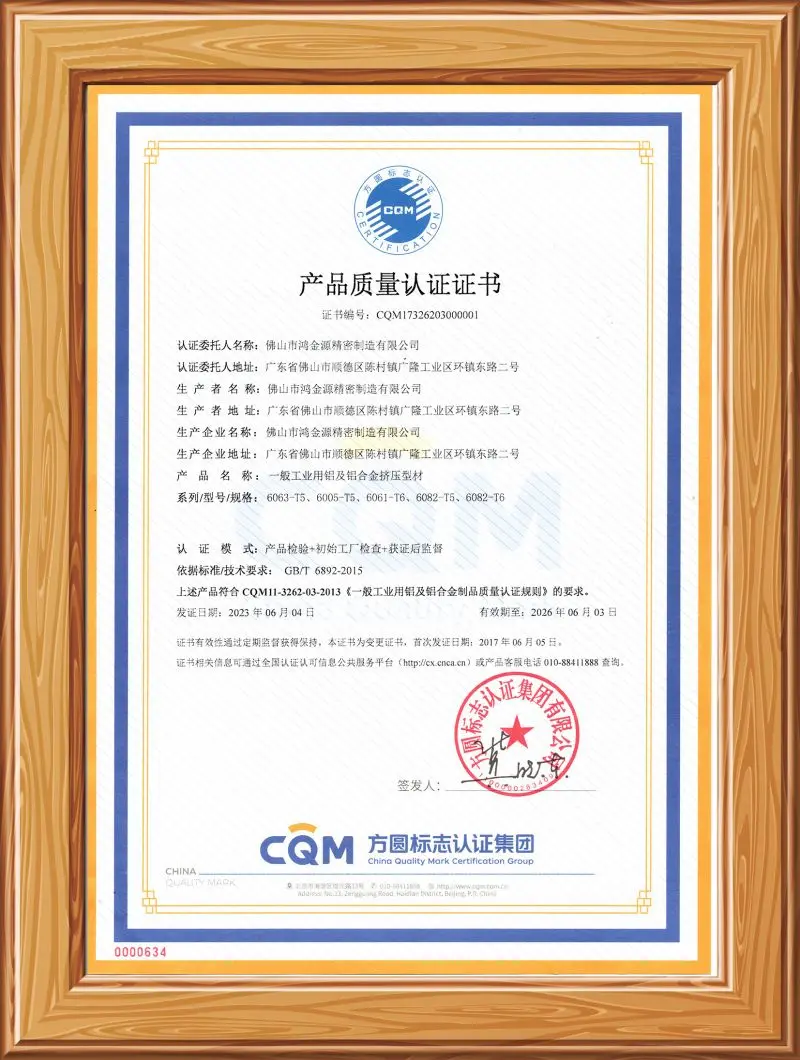
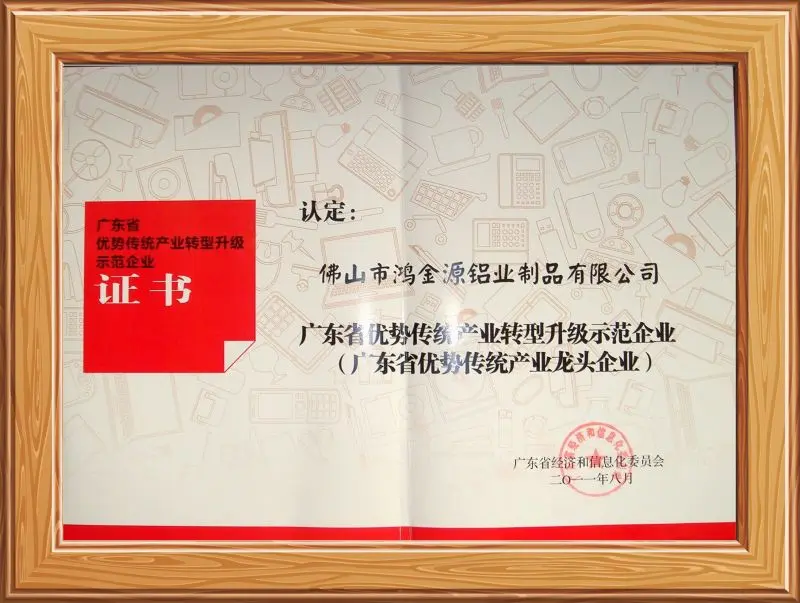
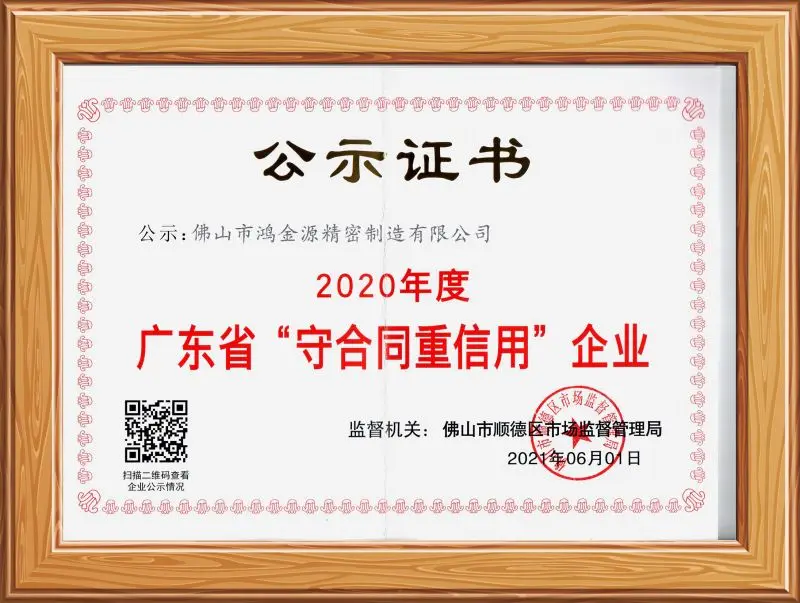
Foshan Golden Source Precision Manufacturing Co., Ltd, established in 1991, is a professional manufacturer of high-strength, high-precision, customized aluminum profiles and precise machining aluminum parts, welded parts, and assembled aluminum products. With a modern and environmentally friendly production base covering an area of over 73,000 square meters, the company offers one-stop service, including alloy casting, mold research & design & building, aluminum extruding, precise machining, welding, assembly and surface treatment. The company holds certifications such as ISO9001, ISO14001, ISO45001, RCV, and GRS, ensuring that its products comply with the environmental requirements of the EU’s REACH regulation. A wide range of aluminum alloy series are available, including: 1XXX, 3XXX, 5XXX, 6XXX, 7XXX alloy, which allow us to meet different demands of various industries and fields, including hardware tools, 3C products, automobile, railway, furniture, decoration, and outdoor products.
Company Catalogue Download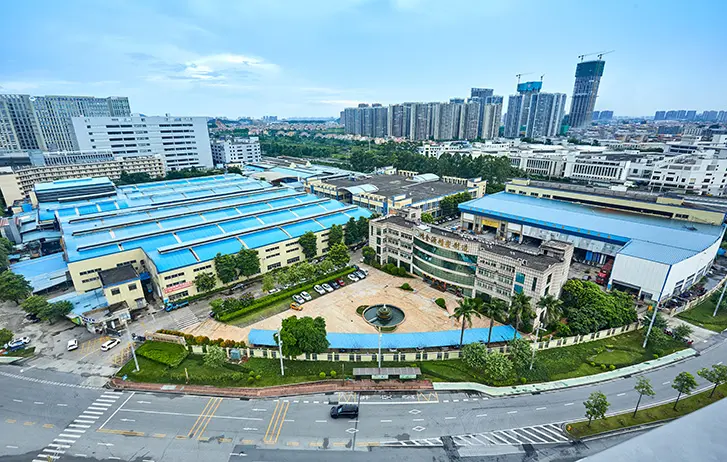
Metallurgical analysis, architectural compliance, global market trends, and manufacturing innovations.
The international construction landscape is witnessing a structural paradigm shift from traditional steel and wrought iron toward advanced Aluminum Railing Systems. This transition is propelled by the architectural demand for lighter dead-loads on buildings, long-term corrosion resistance, and structural adaptability. Modern balustrades must not only serve safety mandates but also complement the clean, minimalist lines of contemporary architectural facades.
In coastal high-rises and urban environments, traditional ferrous materials succumb rapidly to oxidation, resulting in high maintenance costs and structural degradation. Anodized and powder-coated aluminum alloys (predominantly the 6XXX series) provide superior resistance to chloride-induced corrosion and atmospheric pollutants. Furthermore, the push for LEED (Leadership in Energy and Environmental Design) certification has positioned aluminum—thanks to its infinite recyclability and high GRS (Global Recycled Standard) content—as the material of choice for sustainable infrastructure.
"The transition to aluminum railing systems reduces structural load by up to 65% compared to steel, drastically mitigating structural deck thickness requirements while guaranteeing compliance with local safety load regulations."
Global procurement teams in the commercial, residential, and industrial construction sectors face strict compliance and quality assurance burdens. Selecting a manufacturer is no longer just about the unit price; it requires a deep verification of engineering capacity, metallurgical precision, and compliance verification. Key criteria include:
Foshan Golden Source Precision Manufacturing Co., Ltd. represents the peak of Chinese Factory 4.0 evolution. By housing all production processes within a centralized 73,000-square-meter facility, we eliminate supply chain fragmentation. Our system integrates:
In-House Alloy Smelting & Casting: We control the chemical purity of raw aluminum billets. This allows us to modify trace elements (such as Silicon and Magnesium in 6063 and 6061 alloys) to optimize tensile strength, post-extrusion ductility, and anodizing quality.
Advanced Die Design & Tooling Shop: Custom profile extrusion dies are developed via high-accuracy CAD/CAM simulation software and machined on CNC electrical discharge machines (EDM), guaranteeing tight dimensional tolerances.
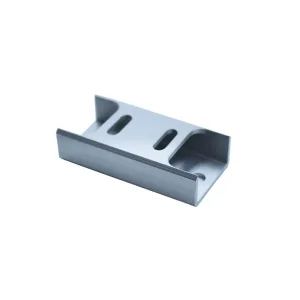
Precision CNC Machining & Fabrication: From high-precision gate-closer components to structural handrail brackets, our multi-axis CNC machines perform drilling, tapping, milling, and counterboring with micron-level accuracy.
| Alloy & Temper | Tensile Strength (MPa) | Yield Strength (MPa) | Elongation (%) | Primary Application Areas |
|---|---|---|---|---|
| 6063-T5 | ≥ 150 | ≥ 110 | ≥ 8 | Standard architectural window framing, light-duty railings, decorative trim. |
| 6063-T6 | ≥ 205 | ≥ 170 | ≥ 8 | Heavy-duty structural railing systems, solar panel mounting structures, marine posts. |
| 6061-T6 | ≥ 290 | ≥ 240 | ≥ 9 | Heavy-duty structural nodes, automotive framing, high-stress mechanical parts. |
| 7075-T6 | ≥ 540 | ≥ 480 | ≥ 11 | Ultra-high strength applications, climbing poles, aerospace brackets, sporting equipment. |
Why architectural firms, industrial developers, and international distributors trust our fabrication pipeline.
We melt the alloy in house so that we can adjust the compositions to achieve the best physical properties of extrusion profiles, best purity of alloy for high quality anodizing.
Machining and surface treatment are done in house will better quality control and saving production costs so that the unit price for product will be lower. Even if the same price as other factory, our quality will be much superior.
"One-stop" manufacturing capacity will provide faster delivery to customers.
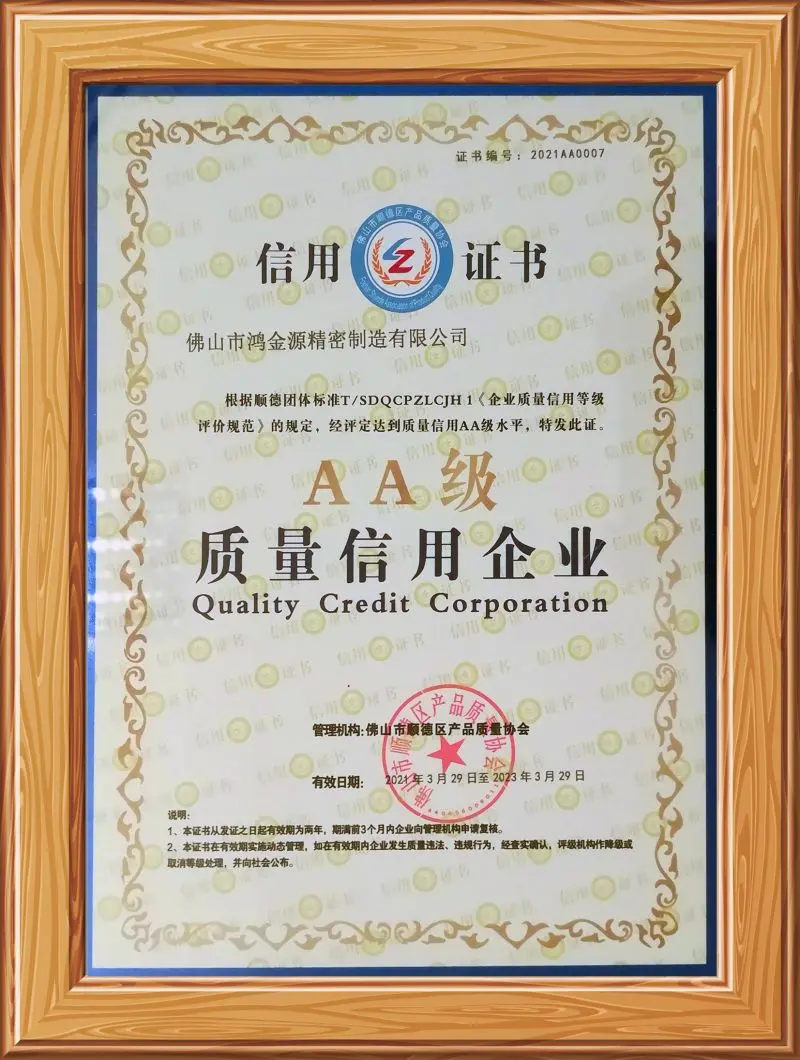
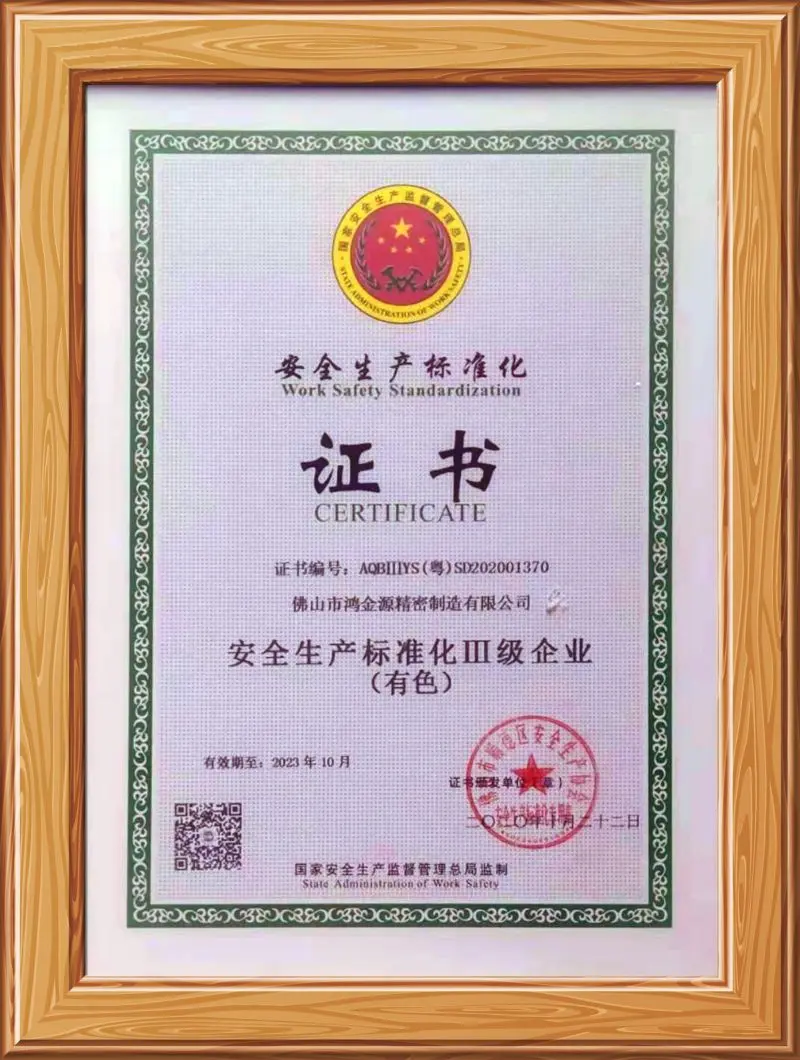
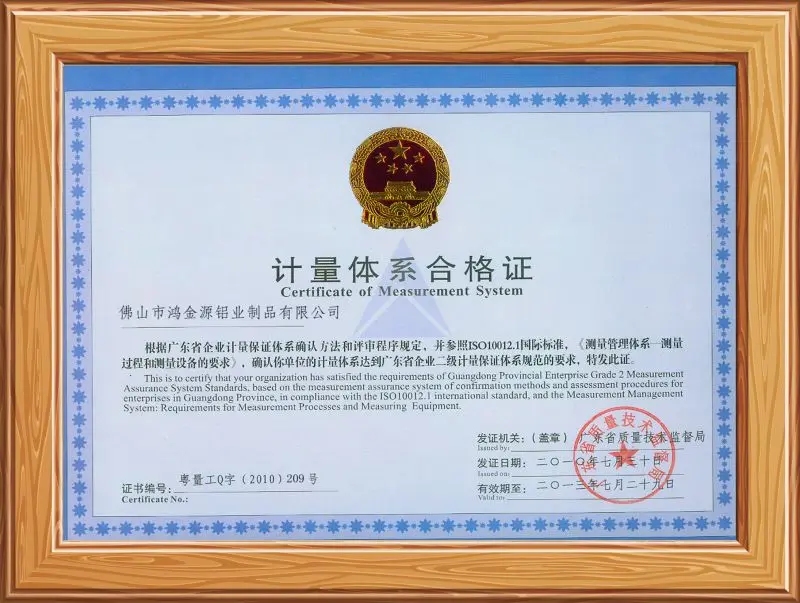
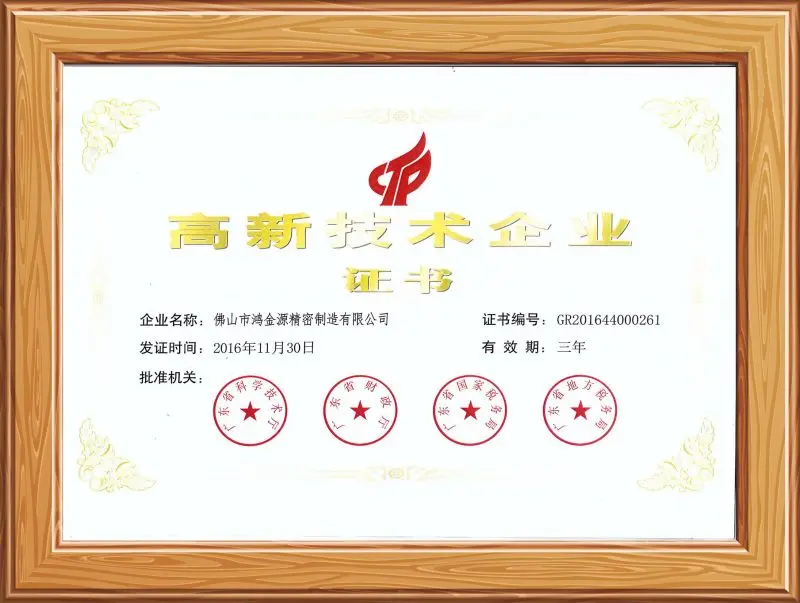
ISO9001, ISO14001, 45001, GRS, and RCV certifications. Our factory meets the environmental regulations of the EU (REACH) and global green building codes.
An authoritative analysis of mechanical stresses, post-extrusion heat treatments, and building codes.
Under international codes (such as EN 1991-1-1 and IBC 2021), balusters and railing posts must resist a uniform load of 0.74 kN/m or a concentrated point load of 0.89 kN (200 lbs) applied at the top handrail. Our engineered 6063-T6 and 6061-T6 profiles feature localized reinforcing webs and optimized wall thicknesses to maximize the section modulus (S) and moment of inertia (I). This prevents permanent structural deformation under extreme load conditions.
Railing systems are exposed to harsh environments, from coastal salt fog to high UV radiation. Our factory-controlled anodizing process produces oxide layers (Class I >25 microns) that are integral to the metal surface. For architectural powder coatings, we utilize high-durability fluoropolymer resins that pass 3,000-hour salt spray testing (ASTM B117), preventing cracking, bubbling, or chalking under harsh weather conditions.
Our GRS (Global Recycled Standard) and RCV certifications verify our use of post-consumer and post-industrial scrap metal. By keeping alloy melting in-house, we reduce energy consumption by up to 95% compared to primary aluminum production. All products comply with the European REACH regulation (EC No 1907/2006) and RoHS directives, eliminating heavy metals and hazardous chemicals from our supply chain.
For large-scale infrastructure projects, procurement teams must balance the cost of custom tooling with project lead times. Off-the-shelf profiles offer lower initial costs but often require on-site modifications that increase labor expenses. Standardizing components across a project allows you to amortize custom extrusion tooling costs while maintaining a consistent design aesthetic.
At Foshan Golden Source, our integrated design and tooling process allows us to produce new custom dies in 7 to 10 working days. By running production and surface finishing in a single facility, we reduce overall lead times by 20% to 30% compared to fragmented supply chains. This fast turnaround minimizes the risk of construction delays and ensures a steady supply of structural materials.
Key technical answers regarding alloy properties, custom fabrication, and international building code standards.
Explore more of our structural extrusions, custom framing profiles, and precision-machined hardware.
 HG Precision