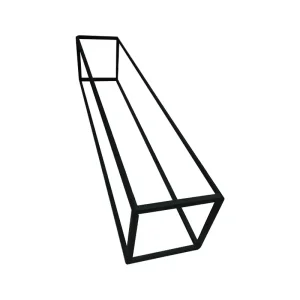
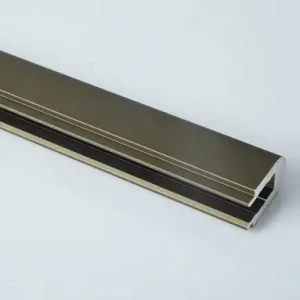
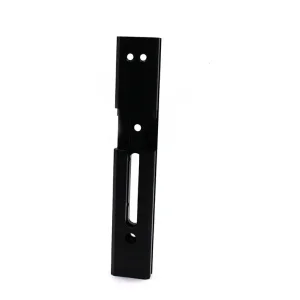
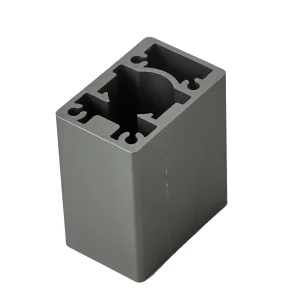
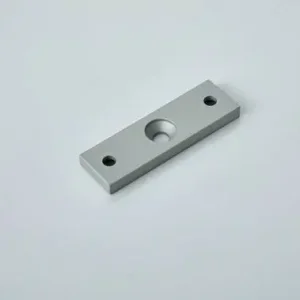
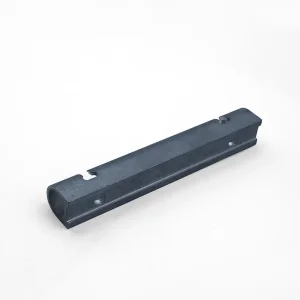
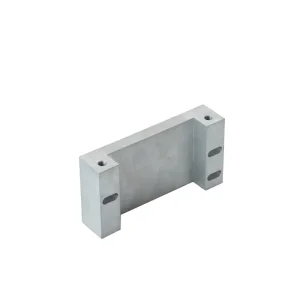
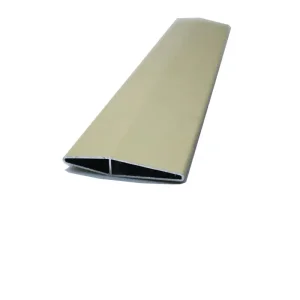
Discover our custom industrial hardware portfolio including alloy stampings, custom extrusions, CNC machined structural items, and anodized finishing.

Industrial insights into global supply chain logistics, fleet operations, and B2B requirements for custom ramps.
The global powersports and logistics sectors are experiencing unprecedented evolution. As urban delivery networks expand, military mobilization requirements tighten, and the recreational powersports market continues to surge, the demand for highly reliable, lightweight, and high-strength OEM motorcycle ramps has shifted from basic commodity purchasing to strategic engineering procurement.
Across Europe and North America, strict regulatory bodies—such as OSHA (Occupational Safety and Health Administration) and various European Union safety agencies—are enforcing rigorous guidelines regarding manual material handling and device loading. Heavy motorcycles, often exceeding 800 lbs (e.g., touring bikes, police-spec cruisers), demand loading equipment engineered with safety margins that double or triple the static load threshold.
This transition has placed aluminum alloy manufacturing at the center of innovation. Compared to steel, which is prone to rust and excessive weight, or composite plastics, which degrade under UV exposure and extreme cold, high-grade structural aluminum extrusions (such as the 6XXX and 7XXX series) offer an optimal strength-to-weight ratio. By developing precise profile designs, OEM manufacturers can integrate anti-slip treads, reinforce stress points, and incorporate reliable hinges directly into the metal extrusion.
Analyzing alloy selection, temper states, and surface treatments optimized for heavy-load operations.
Engineering high-strength ramps requires deep expertise in metallurgy. At Foshan Golden Source, we melt and cast alloys in-house. This allows us to adjust chemical compositions precisely to achieve the physical properties required for demanding structural profiles.
| Alloy Class | Temper | Yield Strength (MPa) | Elongation (%) | Typical Application in Ramp Systems |
|---|---|---|---|---|
| 6063 | T5 | 145 | 12% | Ramp cross-members, anti-slip rungs, and decorative trims. |
| 6063 | T6 | 214 | 8% | Main side rails and hinges bearing structural loads. |
| 6082 / 6005A | T6 | 260 | 10% | Heavy-duty commercial loading ramps and military ramps. |
| 7075 | T6 | 503 | 11% | Critical pins, connectors, and high-stress structural joints. |
Environmental exposure is one of the most critical challenges facing motorcycle ramp components. Salt on winter roads, rain, mud, and chemical residues from tires can cause rapid oxidation on untreated surfaces. Our facilities leverage integrated vertical surface treatment lines to offer:
Over Three Decades of Custom Aluminum Extrusion, CNC Machining, and Global OEM/ODM Supply Chains
Established in 1991, Foshan Golden Source Precision Manufacturing Co., Ltd is a professional manufacturer of high-strength, high-precision, customized aluminum profiles and precise machining aluminum parts, welded parts, and assembled aluminum products.
With a modern and environmentally friendly production base covering an area of over 73,000 square meters, we offer a comprehensive one-stop service. This includes alloy casting, mold research & design & building, aluminum extruding, precise machining, welding, assembly, and surface treatment.
We hold international certifications including ISO9001, ISO14001, ISO45001, RCV, and GRS, ensuring our processes align with strict environmental requirements, such as the EU's REACH regulation.
Company Catalogue Download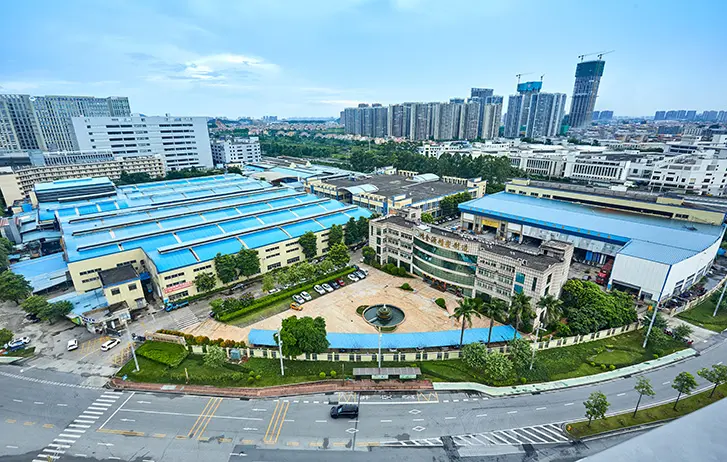
We melt the alloy in-house, enabling us to adjust chemical compositions to achieve optimal physical properties, high structural durability, and high purity for clean, consistent anodized finishes.
By keeping machining, robotic welding, and surface treatment in-house, we maintain rigorous quality control while lowering production costs. This guarantees high quality at competitive unit prices.
Our end-to-end "one-stop" manufacturing capability eliminates third-party delays, ensuring predictable lead times and agile production scheduling for international OEM clients.
Demonstrating our compliance with European and global standards, including GRS, RCV, and REACH regulations.
At Foshan Golden Source, we continuously update our operations to meet strict international environmental and quality benchmarks. We hold certifications for ISO9001, ISO14001, ISO45001, GRS, and RCV. The GRS (Global Recycled Standard) and RCV certifications are critical to meeting the latest environmental mandates in the European Union, guaranteeing low carbon footprints and sustainable sourcing for all aluminum components.
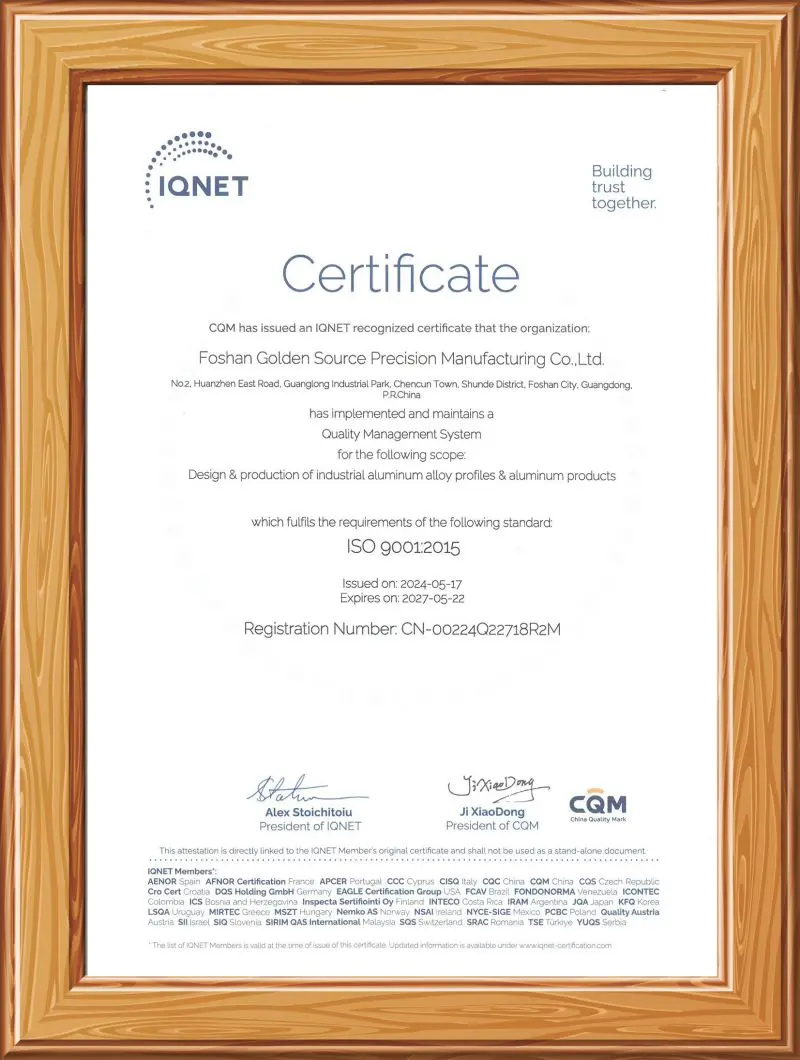
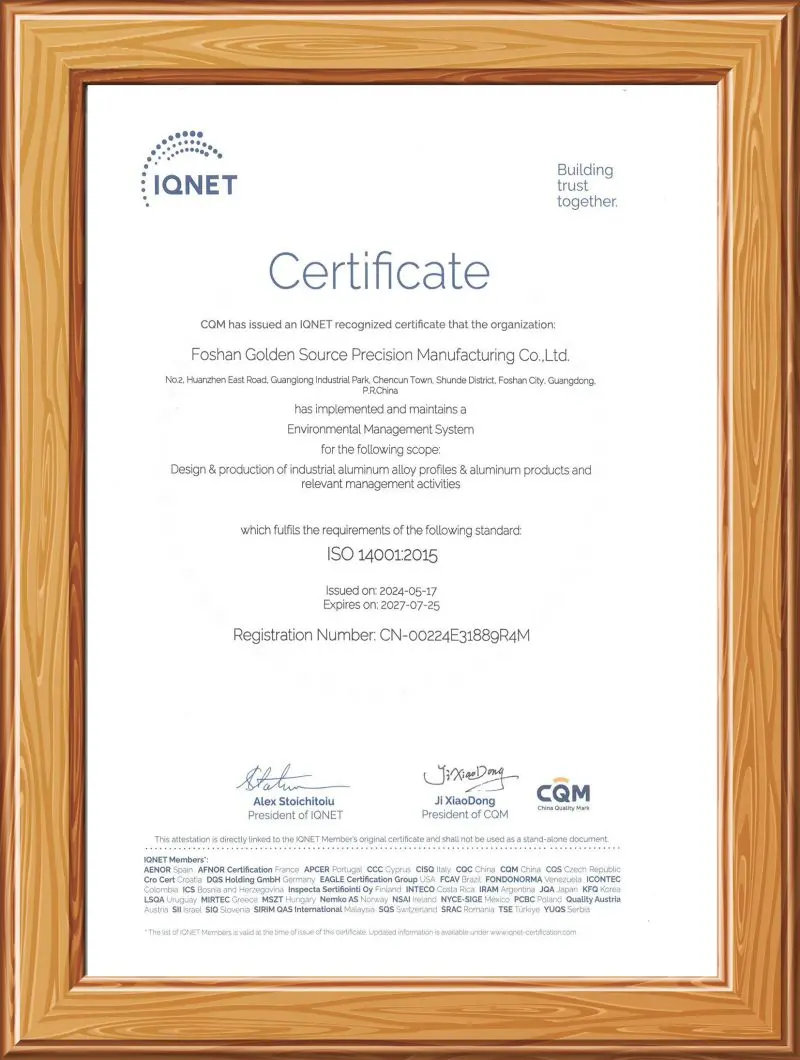
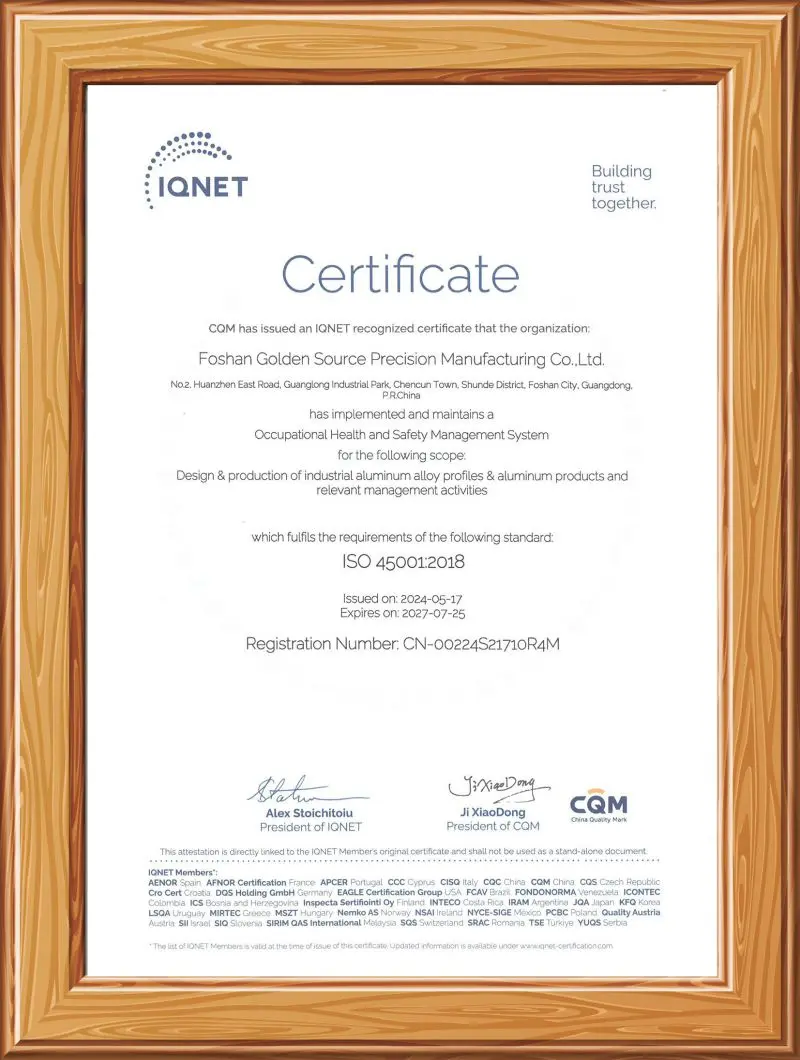
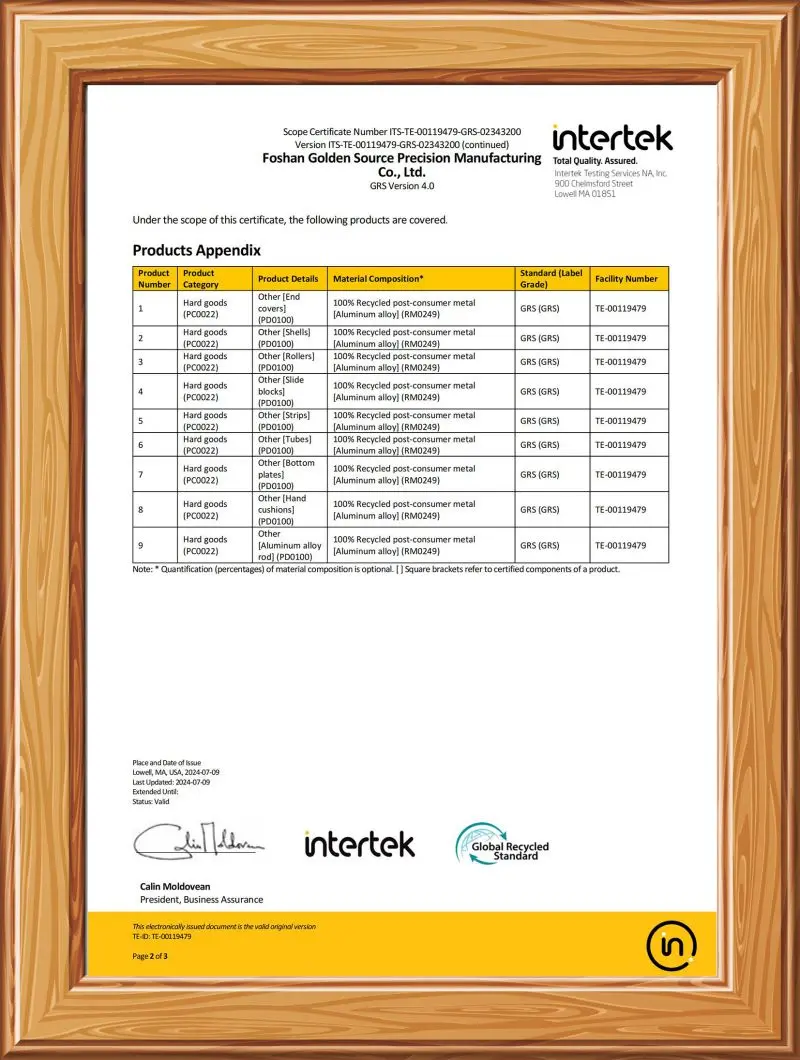
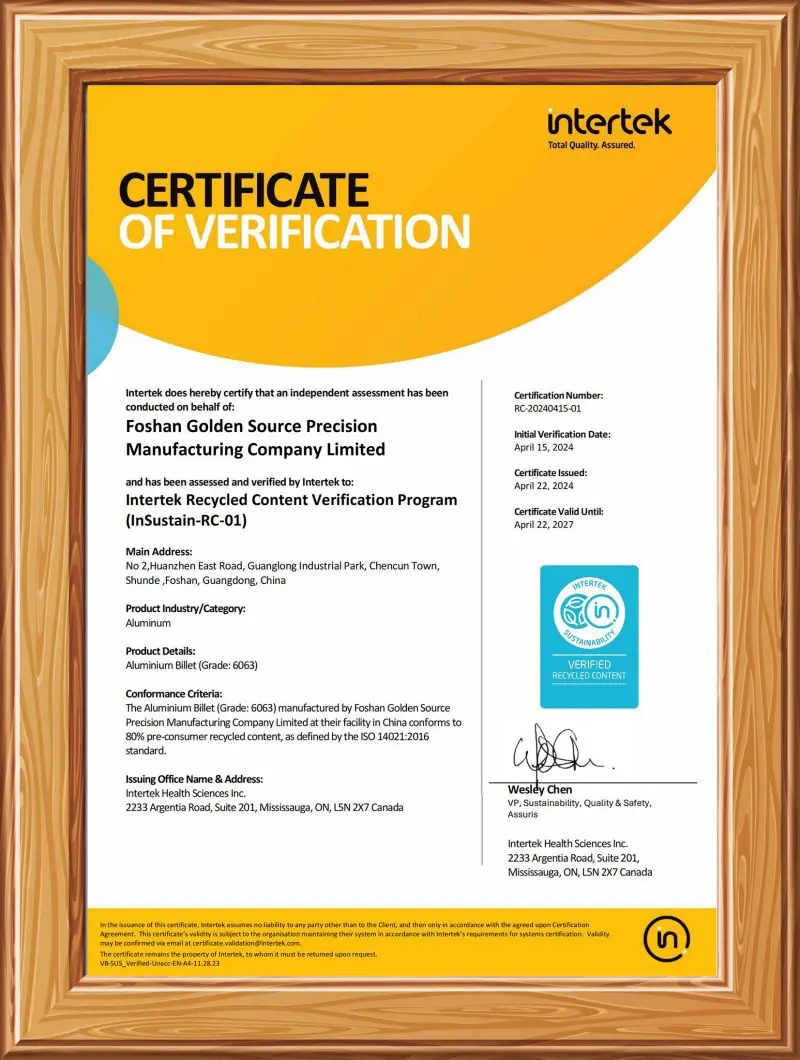
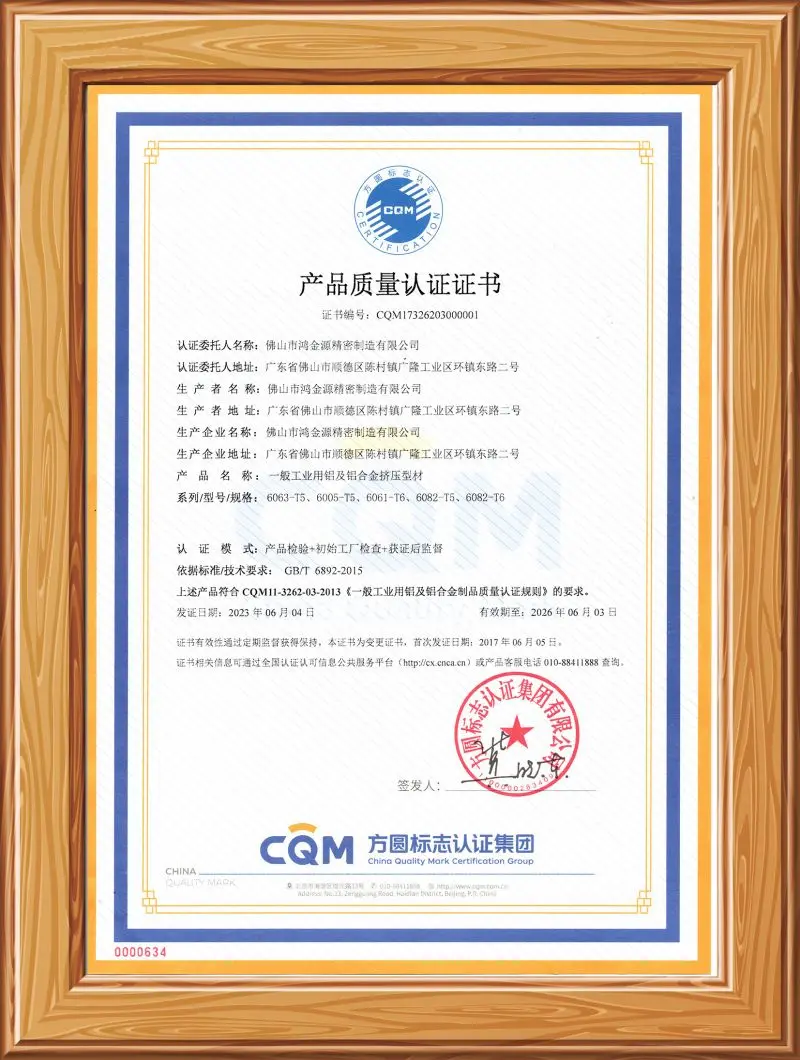
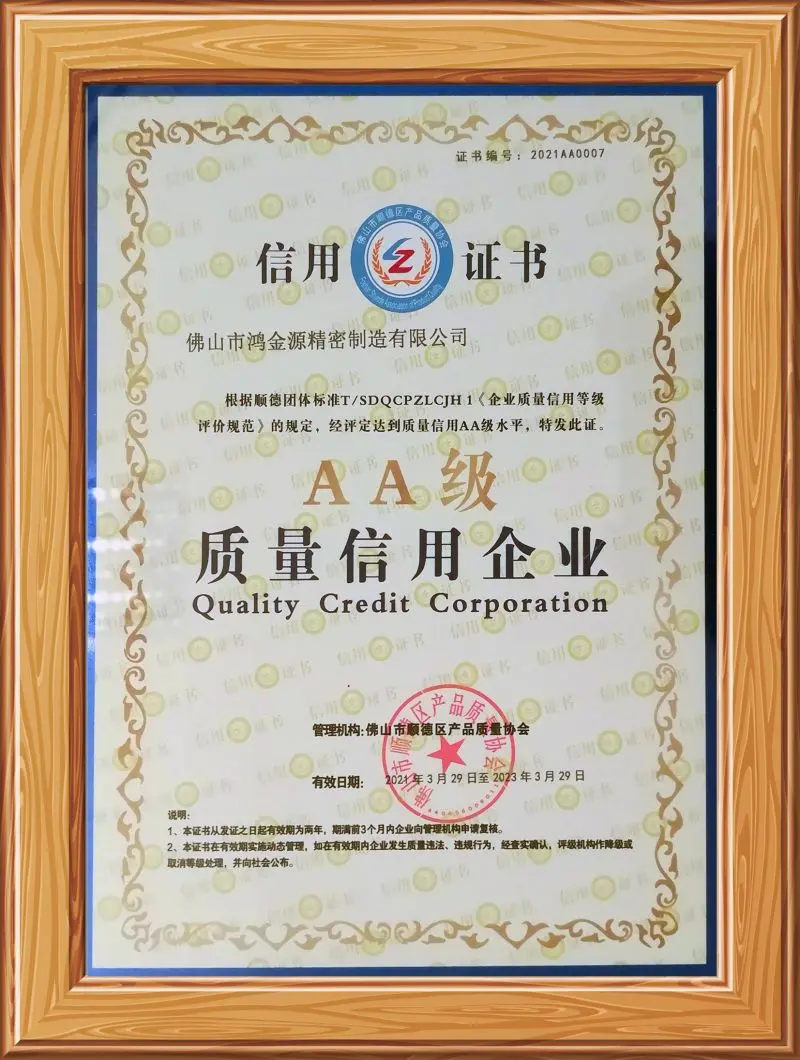
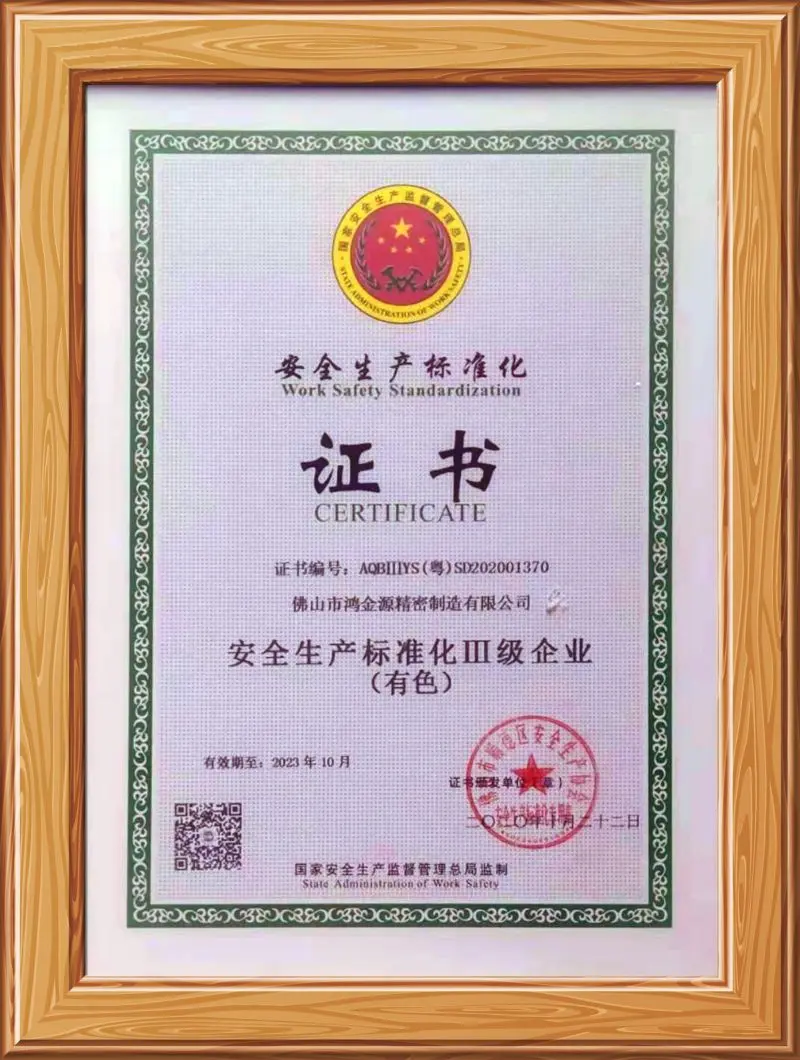
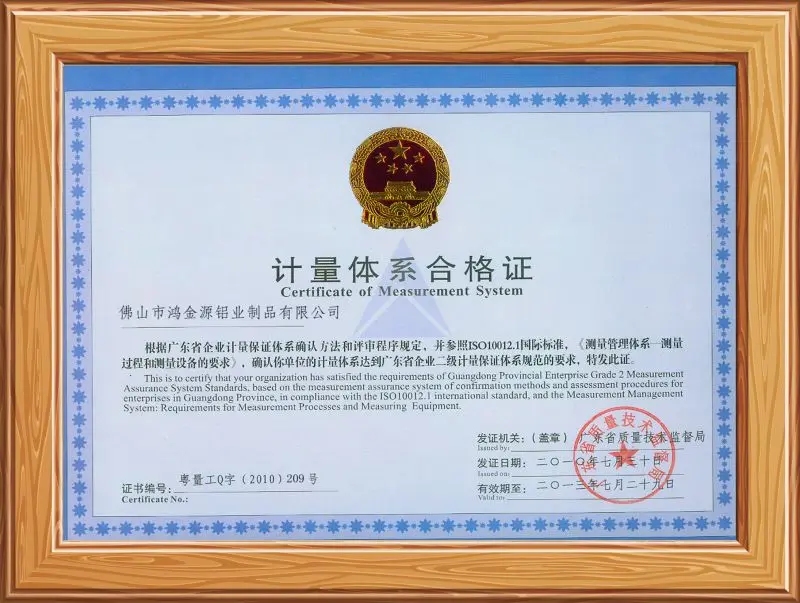
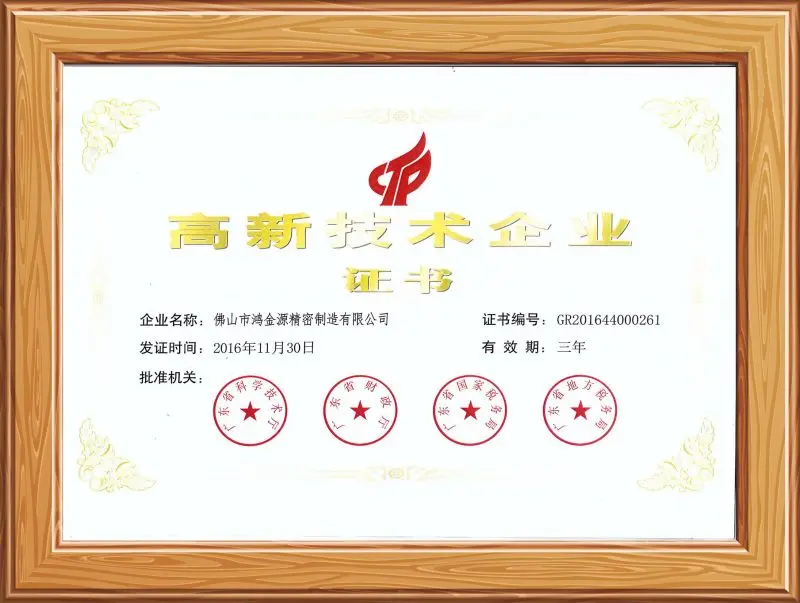
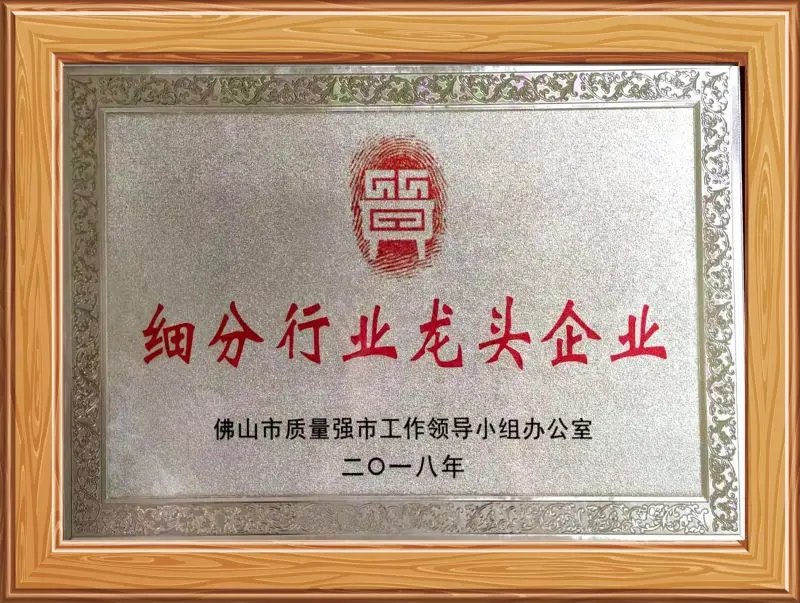
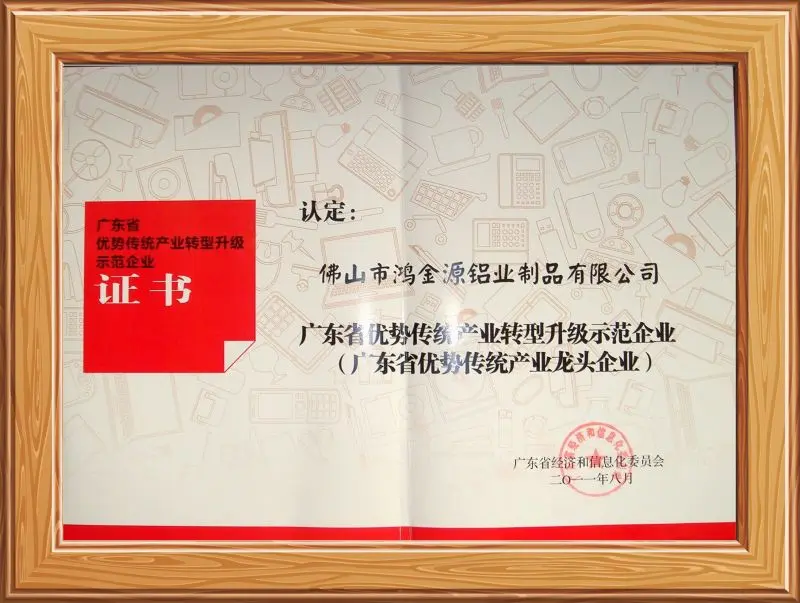
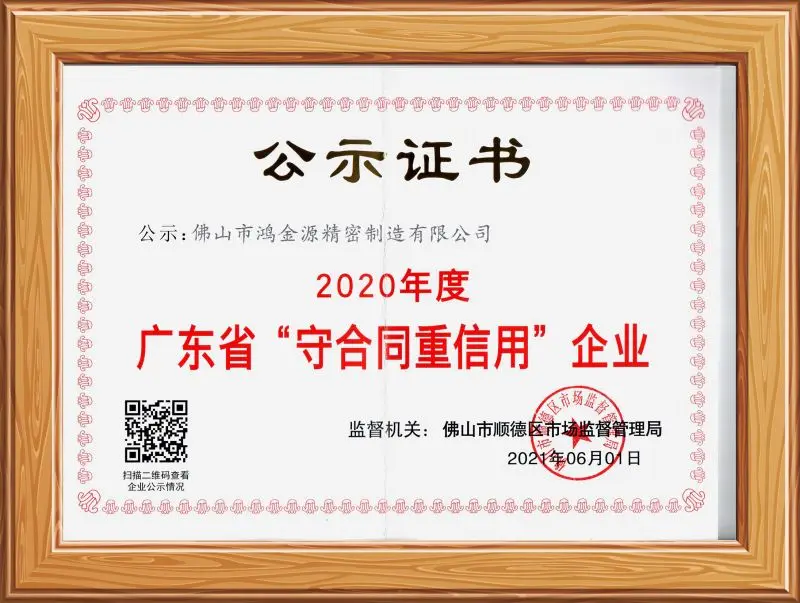
We have received numerous awards and quality designations from municipal, provincial, and central governments, recognizing our contributions to clean production, manufacturing innovation, and local economic development.
How our customized ramp systems are utilized by partners around the world.
Delivery operators in high-density European cities utilize lightweight folding ramps to load electric cargo bikes and light motorcycles into delivery vans. These setups require folding hinges that remain reliable over thousands of cycles, clean anodized finishes to prevent hands from marking, and anti-slip profiles to ensure safe loading in rain or snow.
For defense and first-response applications, aluminum ramps must load heavy tactical motorcycles and ATVs onto command trucks. These ramps use structural 6005A or 6082 alloys with a high yield strength. Our robotic welding processes guarantee consistent weld quality, which is critical for safety-critical loading systems.
Distributors and dealerships load heavy cruiser-style motorcycles on a daily basis. They require extra-wide, multi-panel ramp systems with high weight capacities (up to 1,500 lbs) and a gentle incline angle. To address this, we use advanced CNC machining to create custom interlocking connections that allow multi-panel configurations to remain stable and distribute weight evenly.
Technical details, structural engineering answers, and logistics information for purchasing managers.
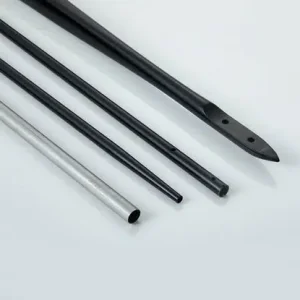
Industrial aluminum cases, custom structural tubes, heat sinks, and customized structural frames.

 HG Precision