Explore our high-precision structural components, custom connectors, and specialized profiles engineered for global industries.
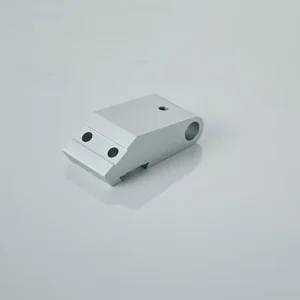
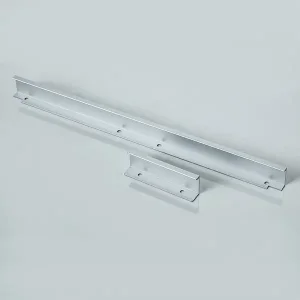
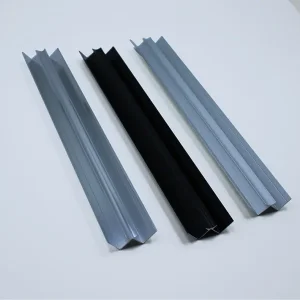
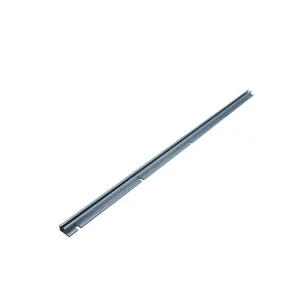
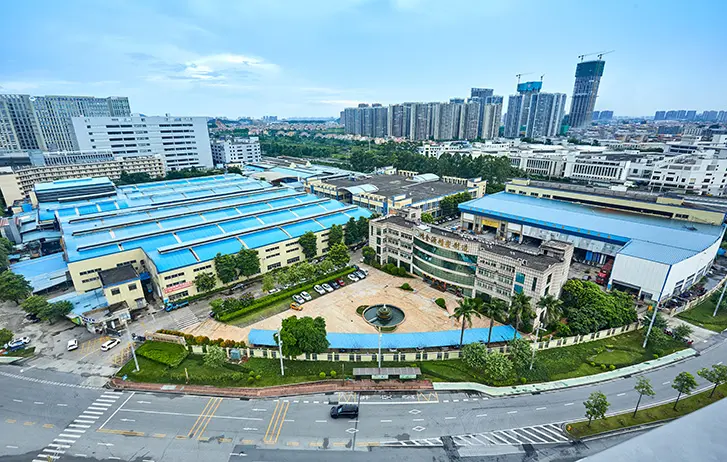
Established in 1991, Foshan Golden Source Precision Manufacturing Co., Ltd is a professional manufacturer specializing in high-strength, high-precision, customized aluminum profiles and precise machining aluminum parts, welded parts, and assembled aluminum products.
With our modern and environmentally friendly production base covering an area of over 73,000 square meters, we offer a comprehensive one-stop service including alloy casting, mold research & design & building, aluminum extruding, precise machining, welding, assembly, and advanced surface treatment.
Company Catalogue DownloadWhy engineering teams and global procurement directors choose Foshan Golden Source as their strategic OEM manufacturing partner.
We melt the alloy in-house, enabling us to adjust chemical compositions precisely to achieve the highest physical properties in extrusion profiles. This guarantees high purity of the alloy, which is vital for premium anodizing finishes.
All precision machining and surface treatment processes are managed in-house under strict quality controls. By mitigating intermediate handling costs, we offer superior mechanical finishes at highly competitive market rates.
Our completely integrated "One-Stop" manufacturing capacity minimizes handling loops and transportation delays, delivering shorter lead times from raw billet processing to final structural validation.
A Professional Engineering Reference Guide for Architects, Structural Engineers, and Industrial OEM Procurement Specialists.
Aluminum rectangular tubing (often designated as structural box tubing or hollow section profiles) is a crucial material choice in modern construction, logistics, subways, aerospace, and general mechanical engineering. The mechanical versatility of the rectangular geometry provides high resistance to bending stresses along the major axis compared to round profiles, making it optimal for structural frames, load-bearing crossbeams, and chassis components.
At Foshan Golden Source, we produce standard and customized sizes. The table below represents the most requested dimensional envelopes alongside their corresponding mechanical performance parameters. Standard architectural profiles are manufactured in accordance with ASTM B221, EN 755, and GB/T 5237 industry norms.
| Nominal Size (Width × Height) | Wall Thickness (WT) Range | Common Alloys Offered | Structural Flexural Strength (MPa) | Typical Applications |
|---|---|---|---|---|
| 20 mm × 10 mm (0.78" × 0.39") | 1.0 mm – 2.0 mm | 6063-T5 / T6 | 186 - 230 MPa | LED heat sinks, office partition framing, light brackets |
| 40 mm × 20 mm (1.57" × 0.78") | 1.2 mm – 3.0 mm | 6063-T5, 6061-T6 | 210 - 290 MPa | Furniture framing, window panels, device rails |
| 80 mm × 40 mm (3.15" × 1.57") | 1.5 mm – 4.0 mm | 6063-T6, 6061-T6 | 230 - 310 MPa | Architectural mullions, solar tracking frames, machinery bases |
| 100 mm × 50 mm (3.94" × 1.97") | 2.0 mm – 6.0 mm | 6061-T6, 6082-T6 | 290 - 350 MPa | Railway carriage supports, heavy automation gantries, structural steps |
| 150 mm × 75 mm (5.91" × 2.95") | 3.0 mm – 8.0 mm | 6061-T6, 6082-T6, 7075-T6 | 310 - 540 MPa | High-stress marine frames, structural construction grids |
| 200 mm × 100 mm (7.87" × 3.94") | 4.0 mm – 12.0 mm | 6061-T6, 6082-T6, 7075-T6 | 350 - 570 MPa | Heavy industrial gantries, defense structures, rail car main frames |
Design Note for Engineers: If your structural calculation demands custom internal fillets (rounded corners) to mitigate stress concentrations, our in-house tooling center can design custom extrusion dies that match precise radius tolerances down to ±0.1 mm.
The performance profile of aluminum extrusions is determined by microstructure control during casting and subsequent thermal treatment (aging). As industries move toward lighter designs without sacrificing structural stability, our material engineering team focuses on three core innovations on our technical roadmap:
Rectangular aluminum tubing serves as the backbone for various heavy industries, each requiring specific alloys and surface finishes:
Solar PV Mounting Systems: Because of the damp environments typical of outdoor solar farms, 6005A-T6 and 6063-T6 rectangular tubes with a 15-20 micron anodized coating are the preferred choice. They withstand high wind loads and resist localized atmospheric corrosion for decades.
Automotive and Rail Transit: Modern electrical vehicle (EV) battery enclosures and structural subframes use multi-chamber rectangular tubes. The lightweight properties of 6000 and 7000-series alloys contribute to longer vehicle ranges, while their controlled crash deformation characteristics provide reliable energy absorption.
Industrial Machinery and Automation: Heavy-duty linear actuator modules and support frames demand excellent straightness and tight twist tolerances. Our automated precision stretching and straightening equipment ensures that our rectangular tubing meets or exceeds EN 755-9 specifications, reducing vibration in high-speed manufacturing setups.
In today's volatile global supply chain environment, minimizing logistical hand-offs is key to managing costs. Foshan Golden Source runs a highly integrated vertical manufacturing facility in Guangdong, China. We control every stage of production on-site:
Our integrated process begins with internal casting, where we melt virgin aluminum and alloy elements to ensure consistent material quality. The cast billets then move to our extrusion presses, which can handle complex, thin-walled, or multi-void profiles. From there, profiles proceed directly to our CNC machining workshop, equipped with multi-axis machining centers for milling, drilling, tapping, and high-precision cutting. Finally, we apply protective surface finishes, including anodizing, powder coating, sandblasting, and liquid painting, in our modern, eco-friendly treatment plant.
This vertical integration eliminates third-party transport risks, ensures consistent quality throughout production, and offers complete batch traceability from raw ingot to finished part.
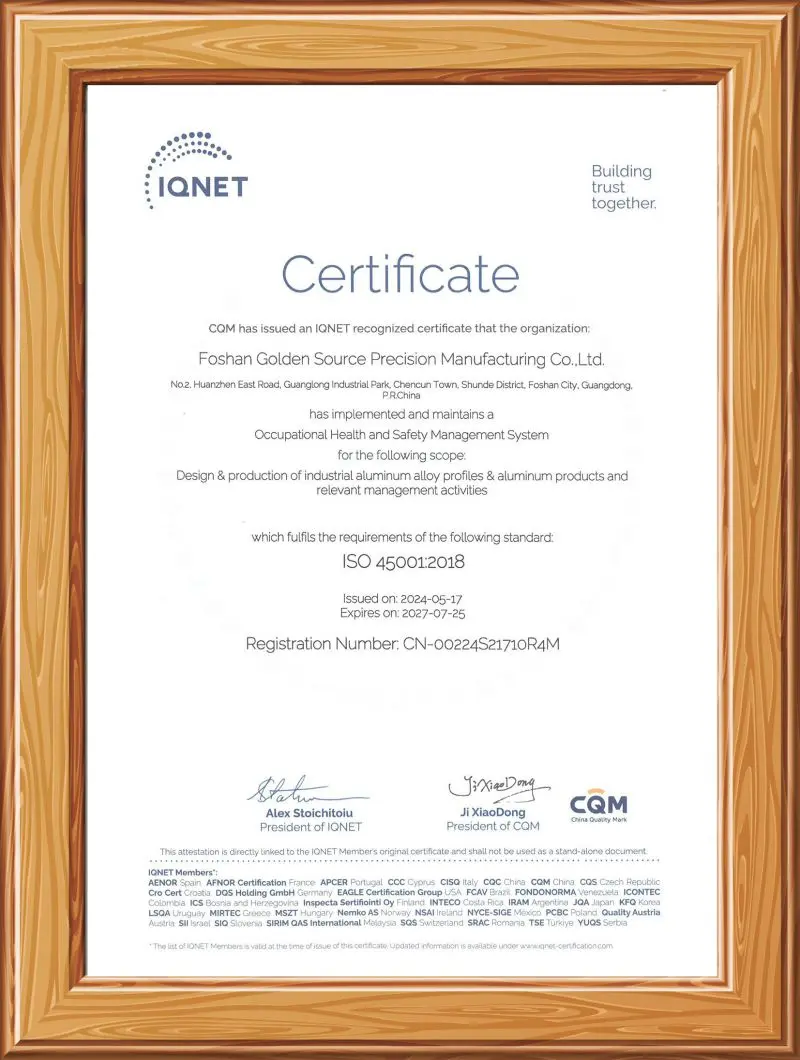
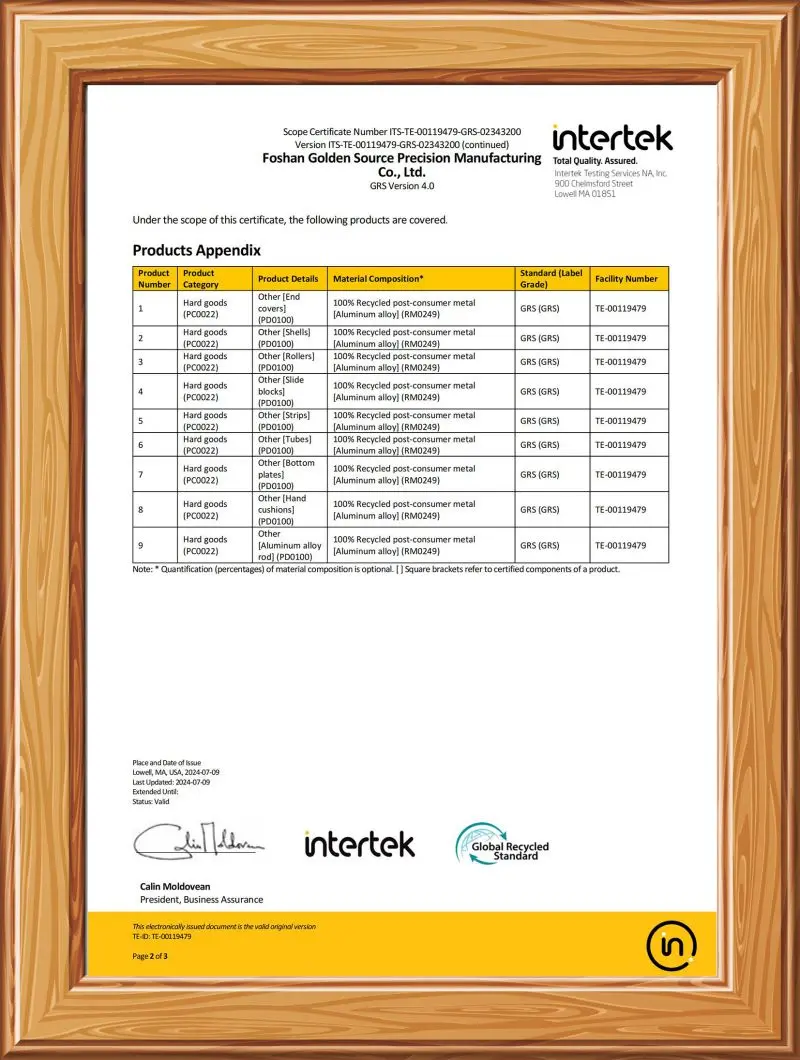
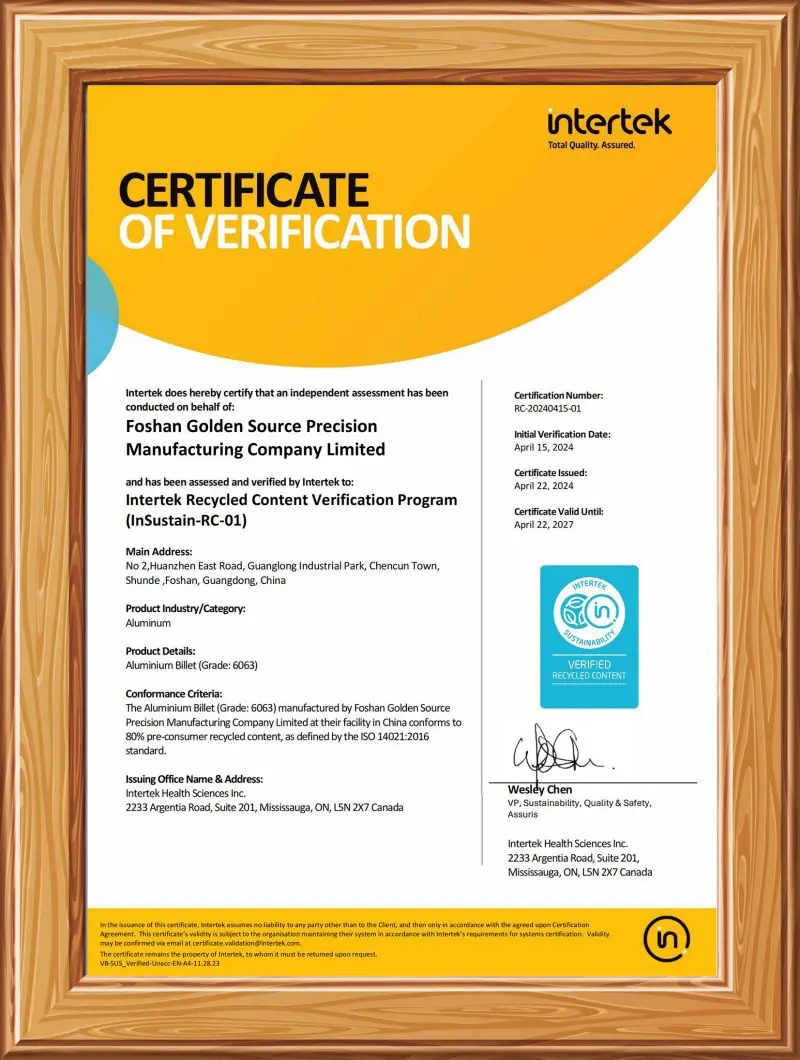
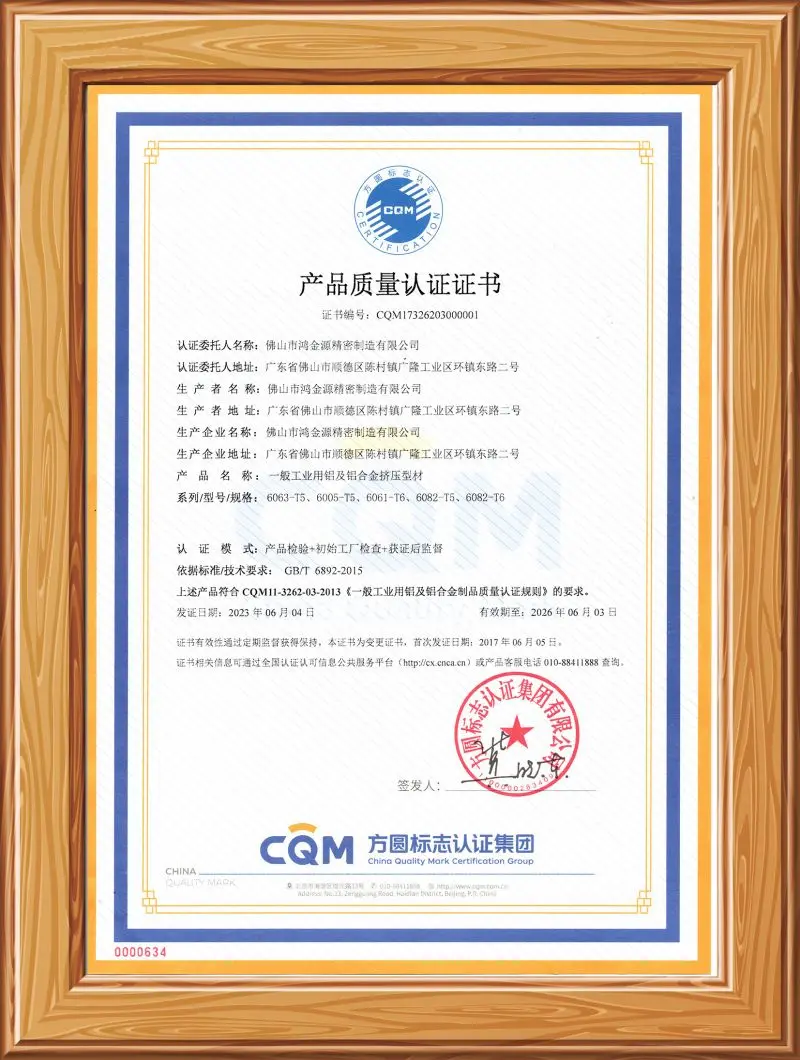
For multinational corporations, compliance is a critical factor in procurement decisions. We maintain rigorous management standards to ensure global product compliance:
To expedite the engineering review process and ensure accurate pricing, we recommend procurement teams specify the following details in their RFQs:
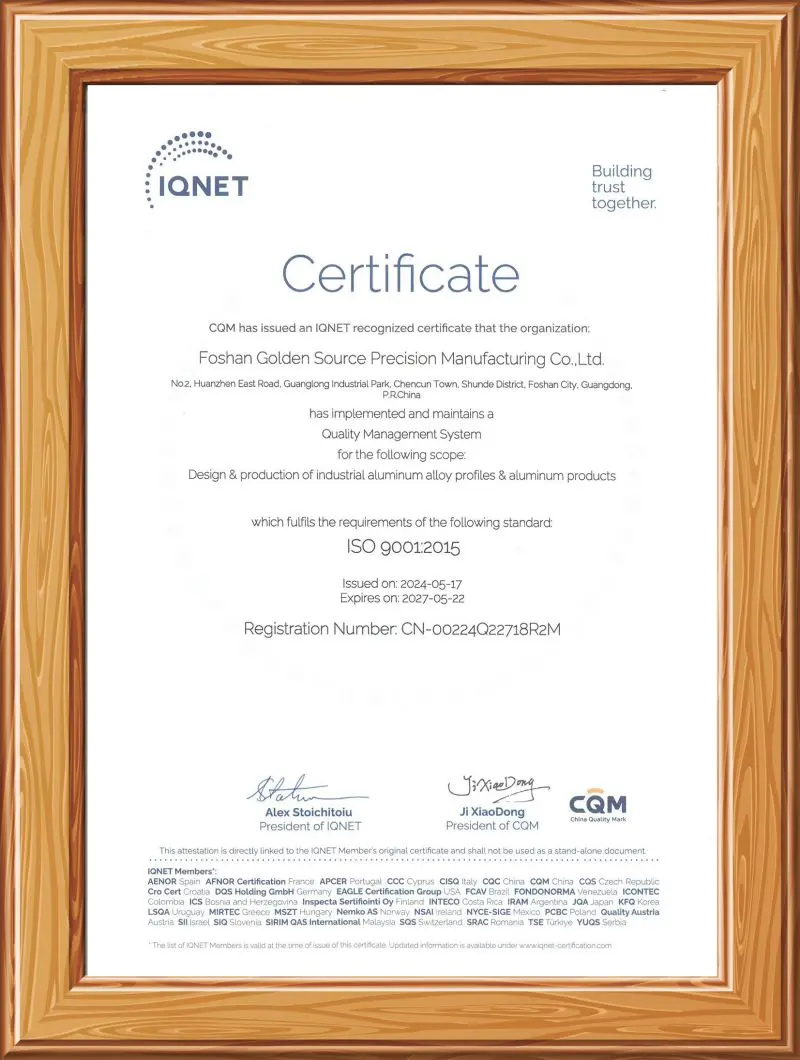
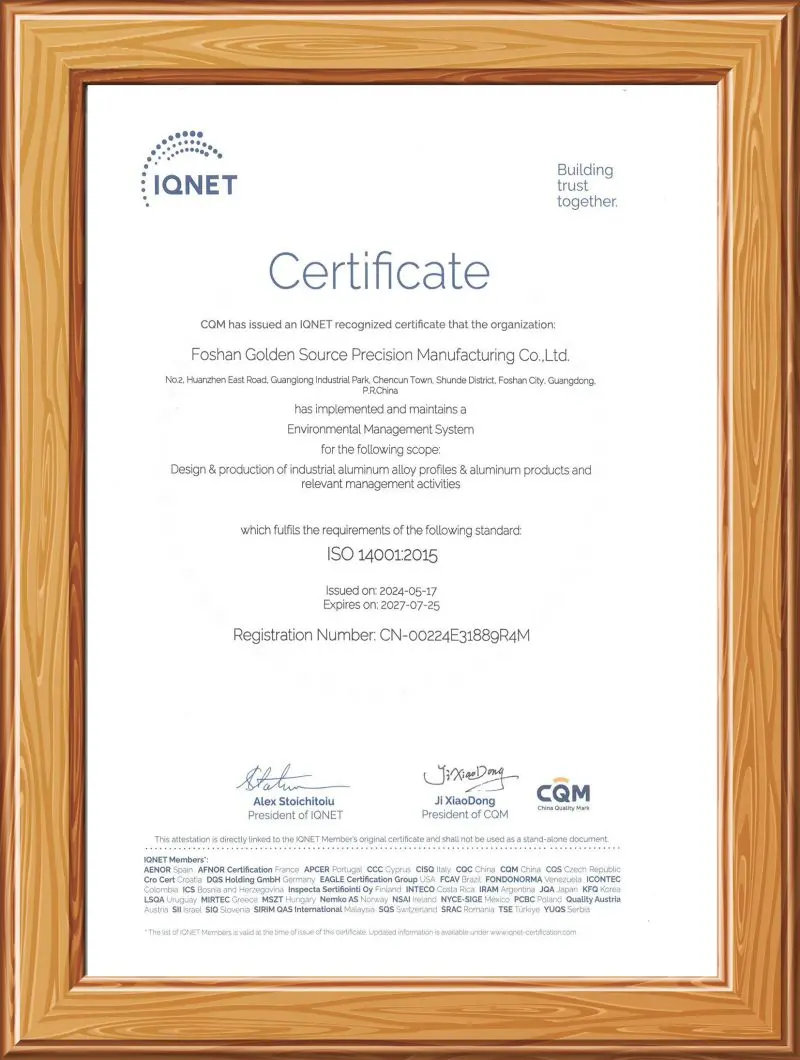
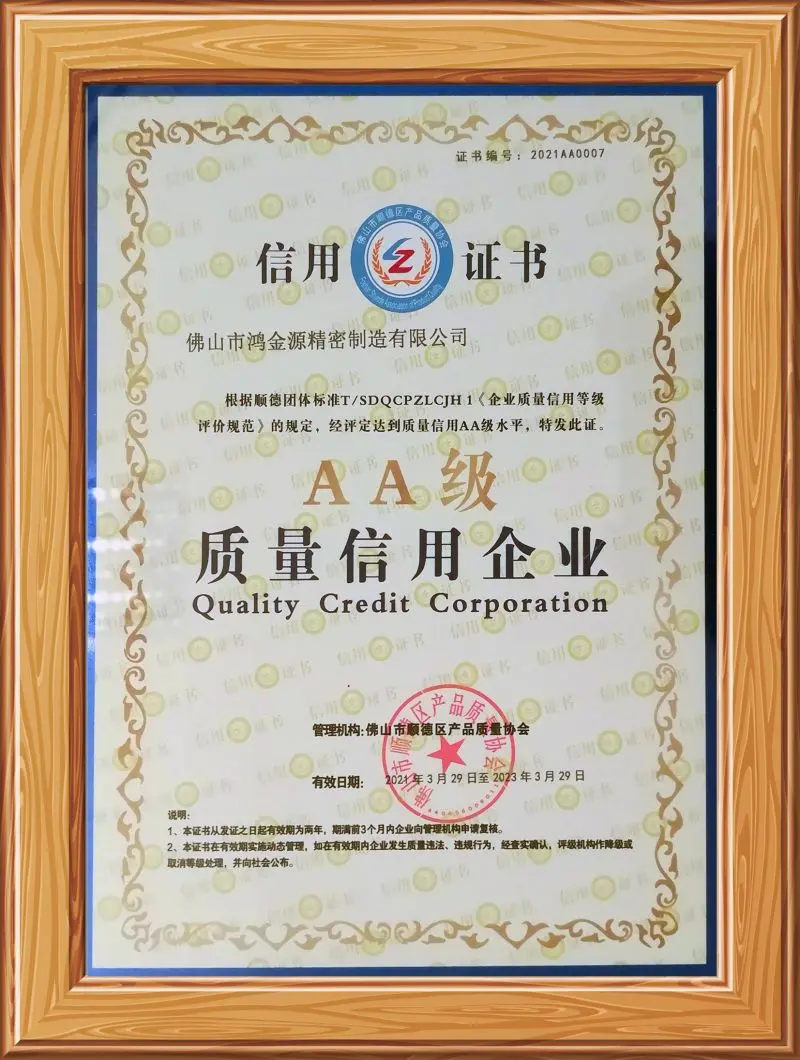
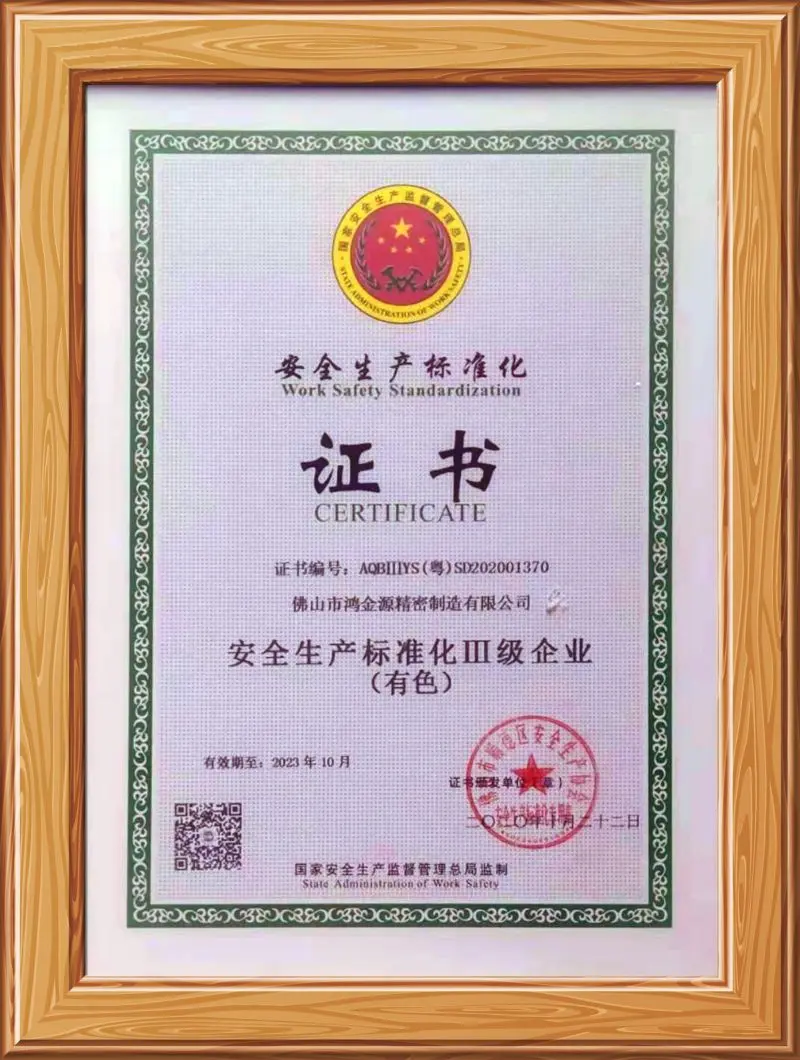
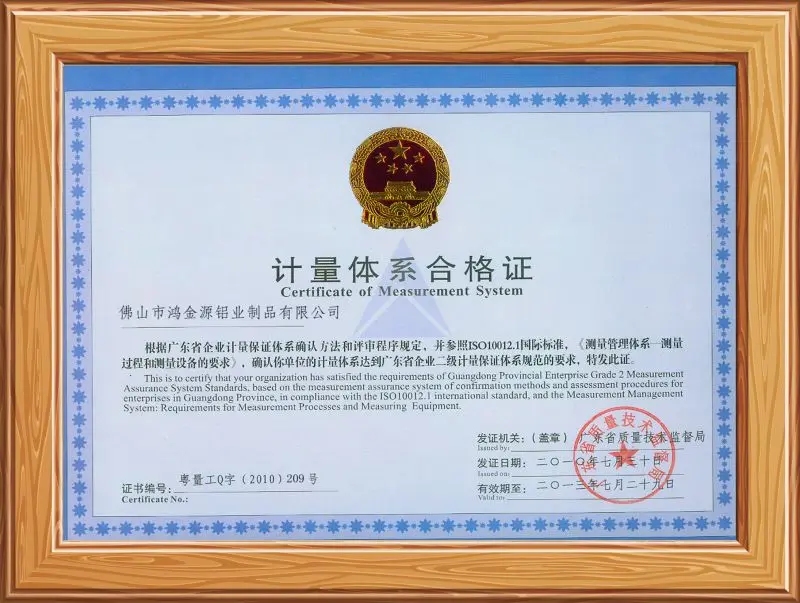
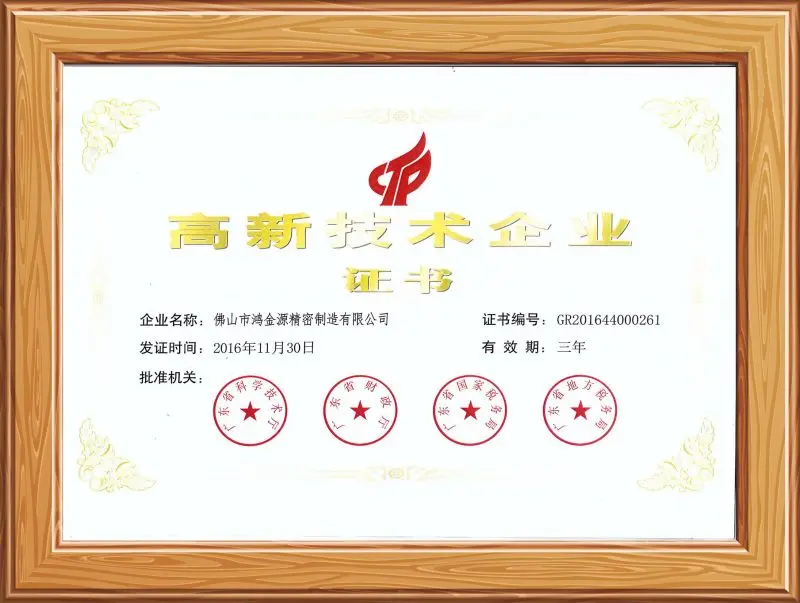
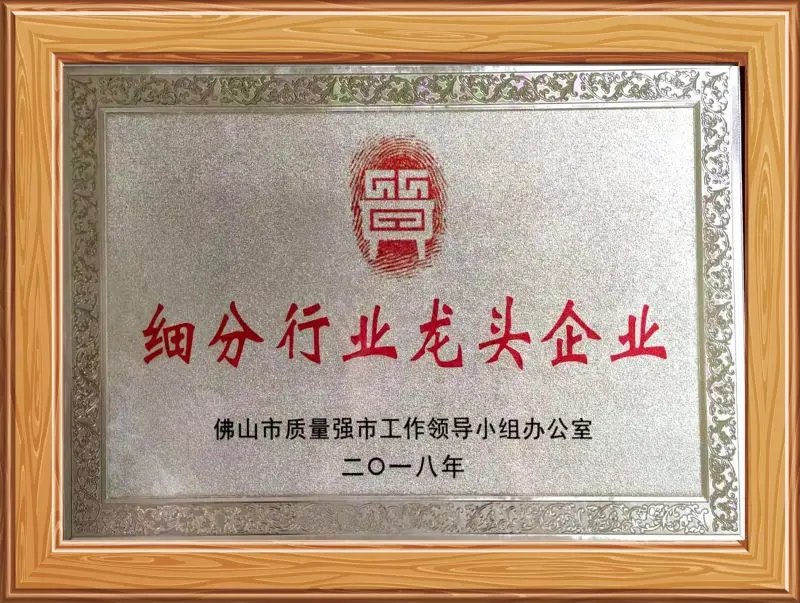
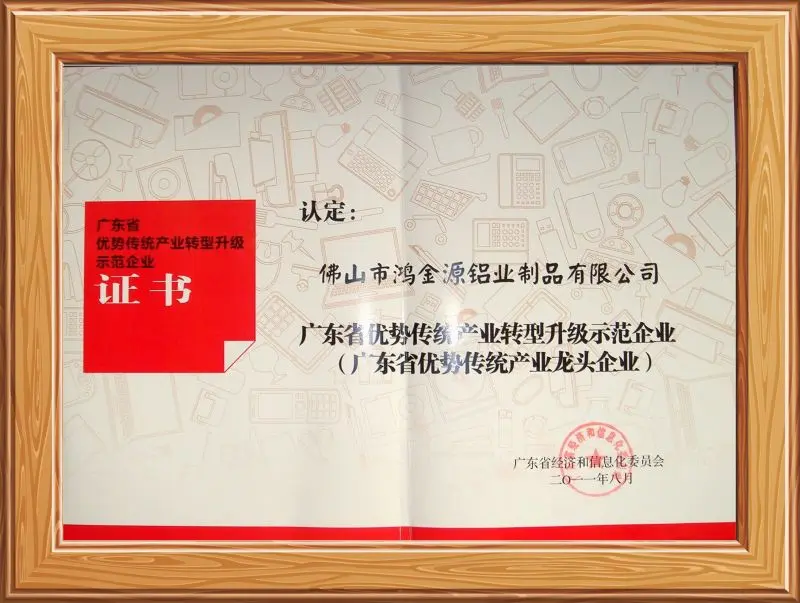
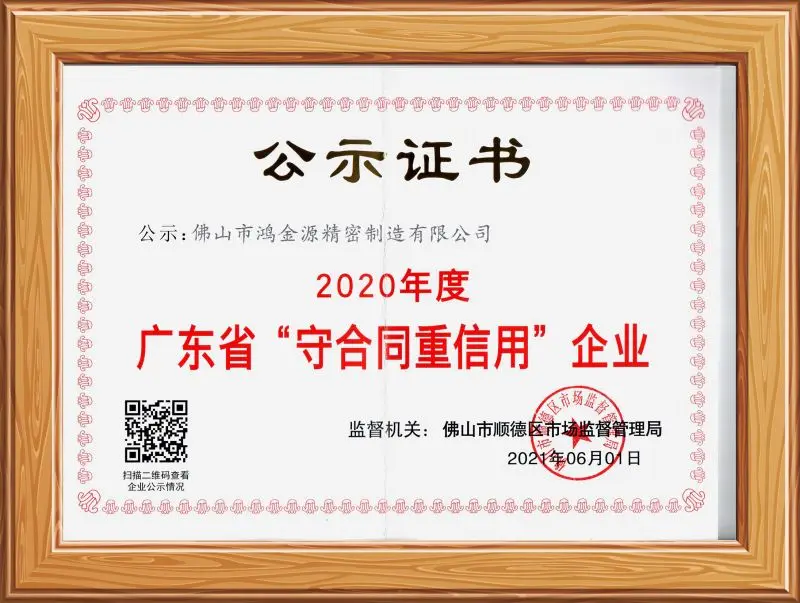
Our commitment to quality, environmental safety, and lean manufacturing is validated by leading international certification bodies.
Explore our structural hinges, styling components, and specialized OEM industrial products.
Expert answers regarding material parameters, custom sizing, surface treatments, and international logistics.
It depends on your structural and finishing requirements. 6061-T6 is the industry standard for high-strength applications like structural frames, marine platforms, and transport carriages, as it offers superior yield strength (minimum 240 MPa). 6063-T6 has lower tensile strength but features a superior surface finish and thinner wall capabilities. This makes it ideal for architectural framing, decorative trim, and components that require high-quality anodizing.
Our standard manufacturing processes meet the specifications of EN 755-9 and ASTM B221. For custom components that require tight clearances or slide fits, we can hold precision tolerances down to ±0.1 mm on cross-sectional dimensions and wall thickness. This precision is supported by our specialized multi-axis CNC machines and inline dimensional monitors.
For outdoor or marine environments, we recommend a clear or color anodized finish (Class I, with an oxide layer thicker than 15-25 microns). This chemical conversion coating protects the raw aluminum against oxidation and pitting. Alternatively, we offer architectural-grade PVDF powder coatings, which provide excellent UV resistance and protect against color fading in harsh outdoor conditions.
Yes, we operate as a complete one-stop shop. Our 73,000 square meter factory features a fully equipped machining workshop. We provide precise multi-axis CNC milling, punching, structural welding (conforming to AWS D1.2 requirements), deburring, stamping, and full product assembly. This allows us to supply complete, installation-ready components directly to your assembly lines.
Our raw materials and surface treatments are fully compliant with EU environmental directives, including REACH and RoHS. Furthermore, our GRS (Global Recycled Standard) and RCV certifications guarantee that our recycled aluminum content is traceably sourced and processed under strict environmental controls, supporting our clients' corporate sustainability metrics.
 HG Precision