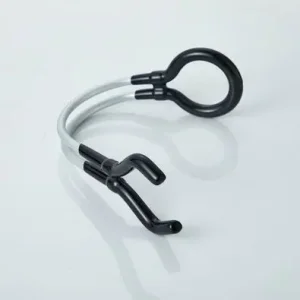
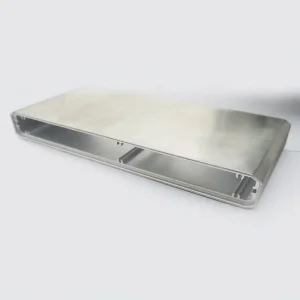
Explore our core product line featuring advanced alloys and surface finishes designed for extreme architectural and industrial duties.
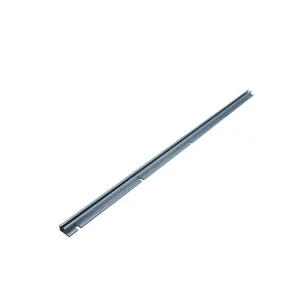
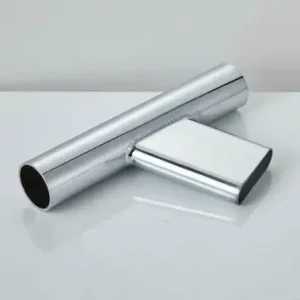
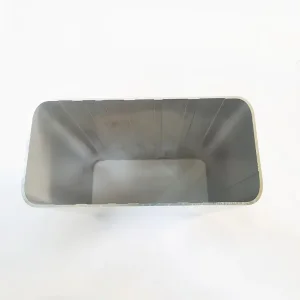
Structural Aluminum H-sections provide equivalent load-bearing capabilities compared to standard structural carbon steel while reducing physical dead-load by up to 60-65%.
Through precise in-house electrolytic anodizing, our H-sections develop a crystalline oxide barrier layer resisting atmospheric, saline, and chemical-induced degradation.
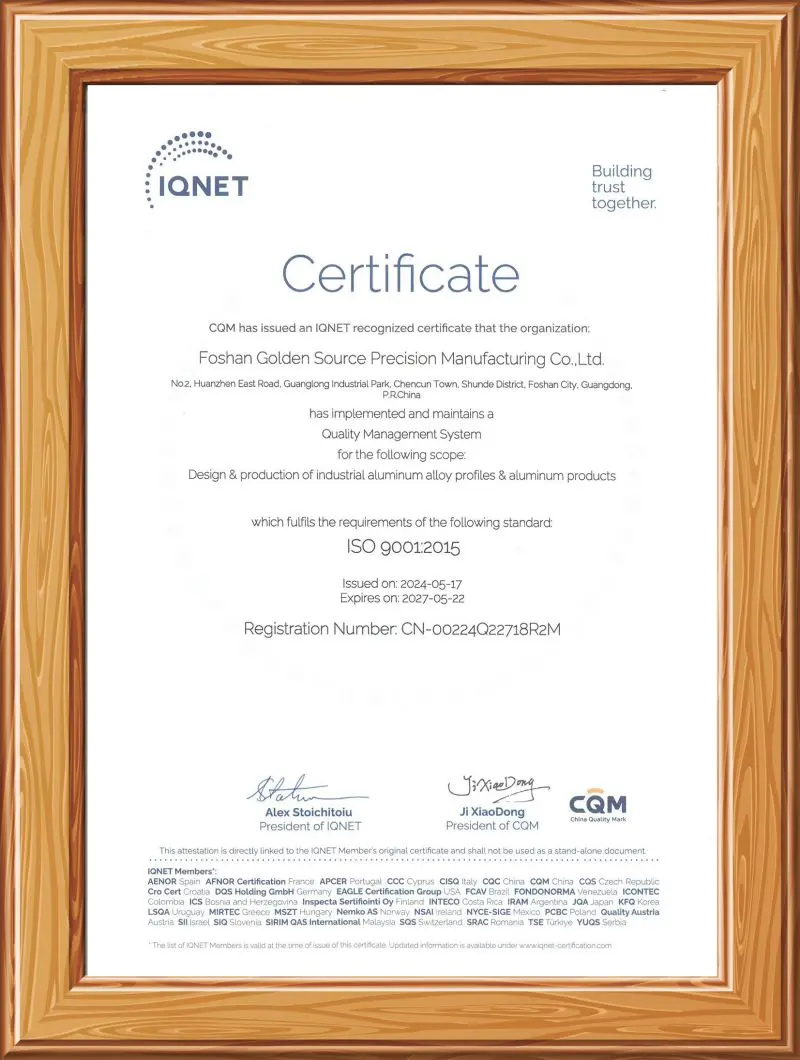
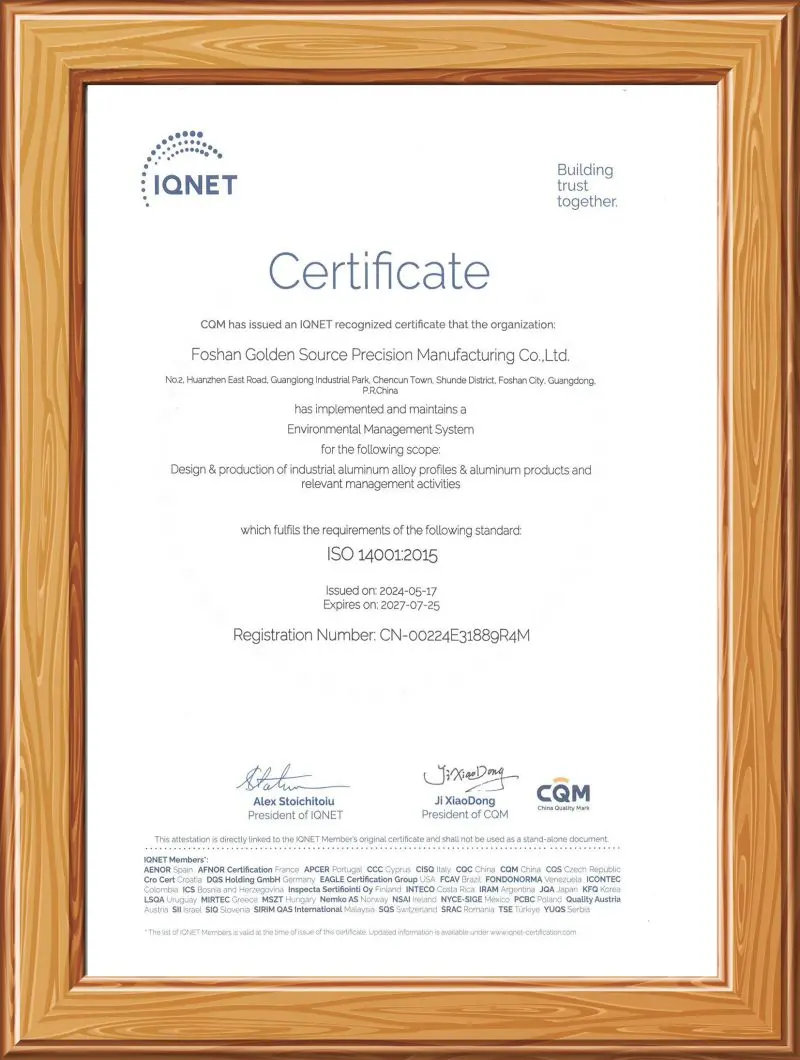
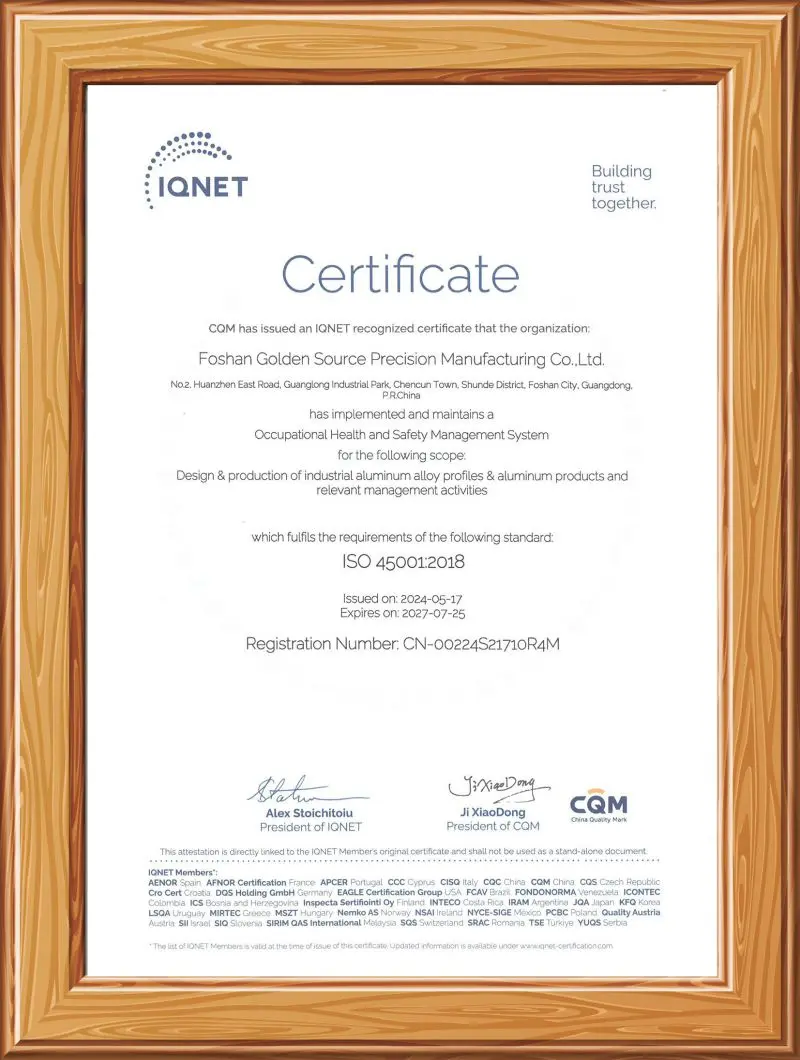
Certified under ISO9001, ISO14001, ISO45001, GRS, and RCV to align directly with demanding European Union REACH and environmental regulatory mandates.
In modern structural engineering, infrastructure development, and industrial equipment design, the choice of raw materials directly dictates the durability, cost-efficiency, and carbon footprint of the asset. The Aluminum H-Section (commonly referred to as the H-beam) represents an essential structural category. Unlike standard steel I-beams or structural timbers, aluminum structural members provide a unique combination of structural resilience, natural oxide defense, and lightweight properties.
For international procurement departments operating across Europe, North America, and high-growth Asian hubs, the acquisition of structural aluminum requires complex trade-off calculations. Factors such as the London Metal Exchange (LME) raw ingot fluctuations, specialized die-making investments, freight container charges, and regional tariff barriers heavily influence the overall Total Cost of Ownership (TCO). Procurement teams must evaluate the technical limits of different alloys, verifying that structural specifications match external environments—whether it's the harsh, saline air of offshore solar mounting arrays or the high-stress, cyclical vibration environments of railway car bodies and industrial conveyor frameworks.
"The modern buyer is no longer just purchasing physical weight; they are purchasing technical certifications, regulatory alignment, and verified supply chain resilience. High-quality extrusions are defined by microstructural integrity, chemical purity, and precise mechanical execution."
From a pure mechanical engineering perspective, the design of the H-beam is optimized to handle high bending moments along its major axis (X-X axis). The wide flanges distribute the tension and compression forces, minimizing buckling risks. While standard square tubes or solid blocks waste material in low-stress center zones, the H-section concentrates material exactly where bending stresses reach their peak.
Furthermore, compared to standard steel sections, Aluminum H-sections demonstrate an exceptional power-to-weight ratio. Aluminum has a density of approximately 2.7 g/cm³, whereas carbon steel sits around 7.85 g/cm³. This weight reduction of roughly two-thirds translates to substantial savings in crane operating hours, logistics handling costs, and foundational reinforcement needs.
The commercial versatility of customized Aluminum H-sections spans a variety of specialized sectors, each demanding distinct mechanical and surface characteristics:
| Alloy Series | Common Tempers | Tensile Strength (MPa) | Yield Strength (MPa) | Primary Industrial Use Case |
|---|---|---|---|---|
| 6063 Series | T5, T6 | 150 - 240 | 110 - 215 | Architectural trim, window framing, light-duty structural H-beams, and heat sinks. |
| 6061 Series | T6, T6511 | 260 - 310 | 240 - 275 | Heavy-duty structural frames, transport brackets, marine hulls, and bridge structures. |
| 6005A Series | T6 | 270 - 290 | 200 - 220 | Railway carriage superstructures, solar frames, and marine decking support. |
| 7075 Series | T6 | 510 - 570 | 430 - 500 | Aerospace structures, high-stress military applications, and specialized tooling. |
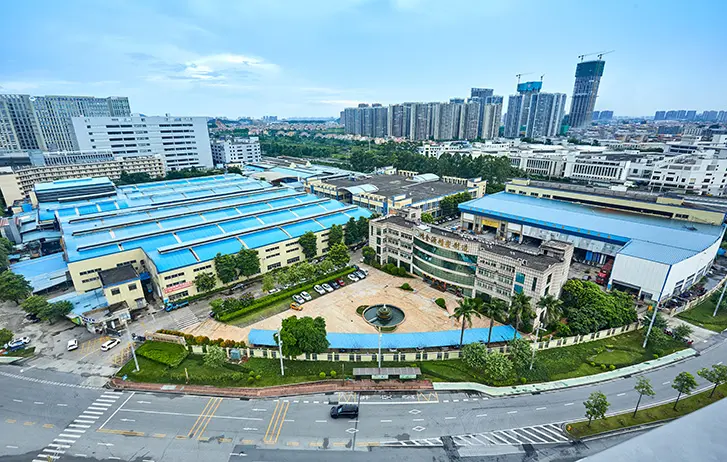
Established in 1991, Foshan Golden Source Precision Manufacturing Co., Ltd. is a leading manufacturer of high-strength, high-precision customized aluminum profiles and custom machined components. Operating from our modern, environmentally compliant 73,000 square meter production facility, we deliver a vertically integrated "one-stop" manufacturing workflow. This configuration allows us to maintain tight quality control at every phase of production.
Our core competitive advantage is our vertical production capability. We melt our alloys in-house, enabling us to adjust chemical compositions to optimize physical properties and ensure high-purity material for anodizing. Our capabilities extend across the entire production cycle:
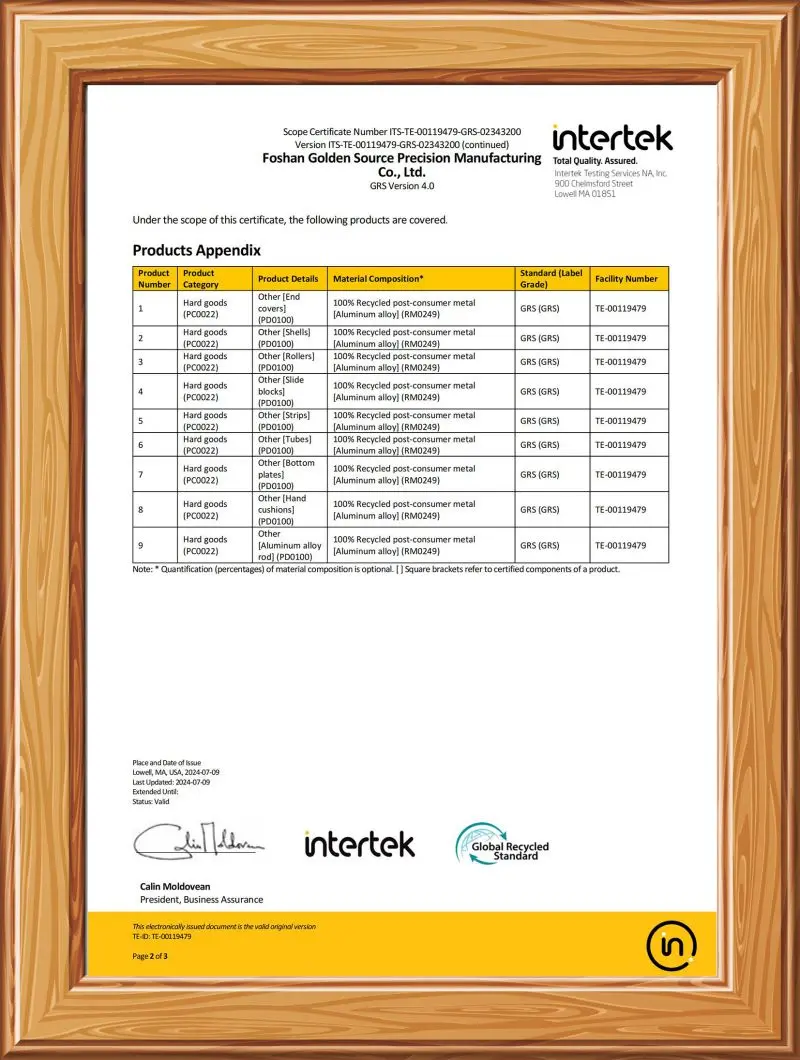
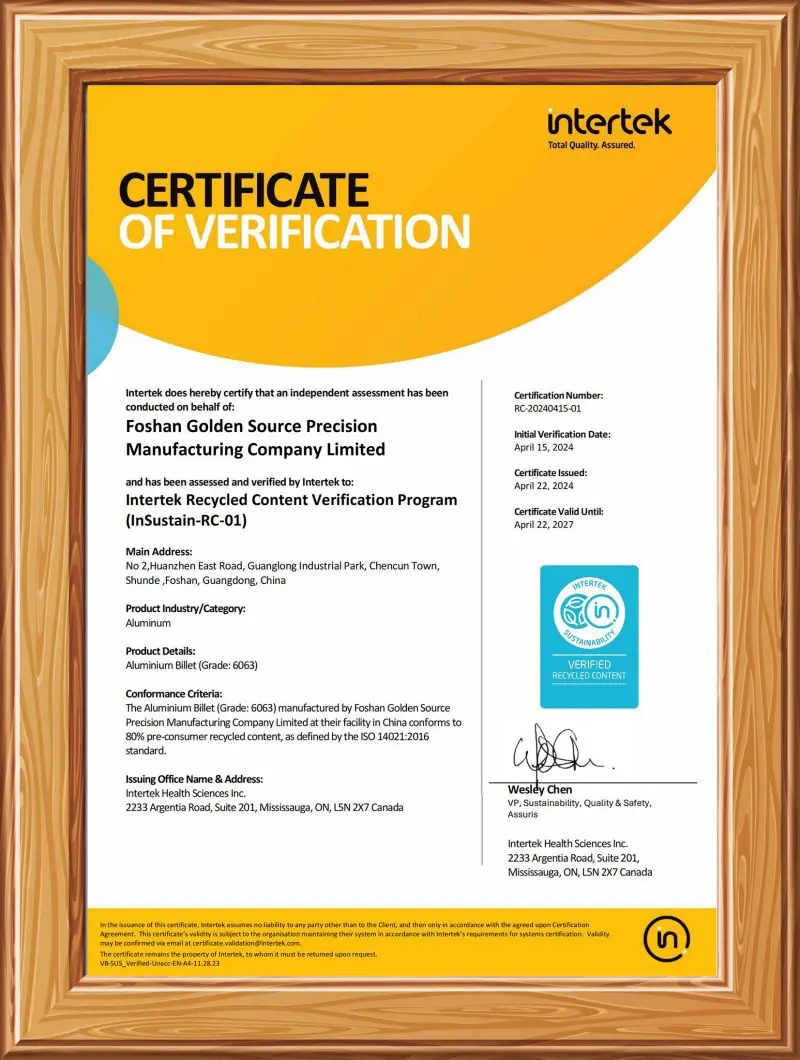
In response to global sustainability initiatives and EU environmental standards (such as the Carbon Border Adjustment Mechanism - CBAM), international buyers require detailed environmental declarations. Foshan Golden Source is proud to hold GRS (Global Recycled Standard) and RCV (Recycled Content Verification) certifications.
These certifications verify that our products meet recycled material criteria and comply with the environmental requirements of the EU’s REACH regulations. We also hold ISO9001 for quality systems, ISO14001 for environmental management, and ISO45001 for occupational health and safety. These credentials help partners navigate strict compliance audits while working toward carbon-neutral supply chains.
The structural aluminum industry is evolving to meet higher strength and sustainability standards. The next generation of H-section extrusions will focus on structural optimization, including the development of multi-hollow configurations to improve moment of inertia without increasing weight.
At the same time, chemical refining is enabling new high-purity alloy chemistries. By introducing trace elements of titanium, zirconium, and manganese, engineers are producing alloys with tensile strengths that approach mild steel while retaining the lightweight benefits of aluminum.
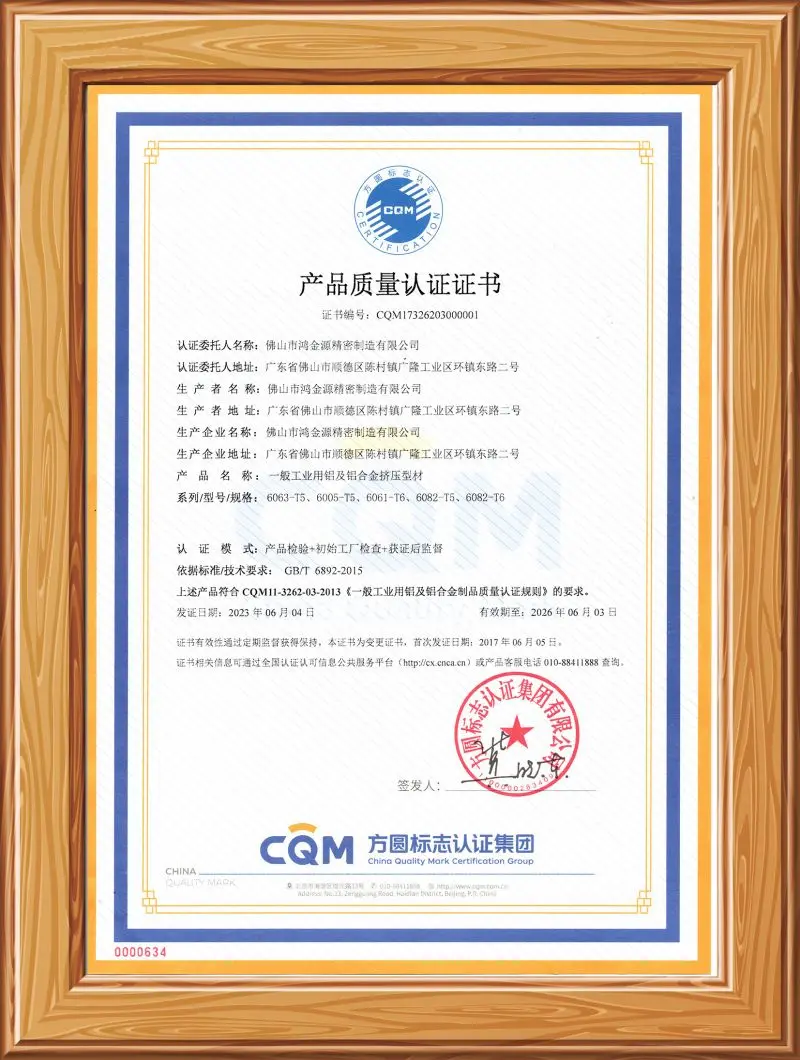
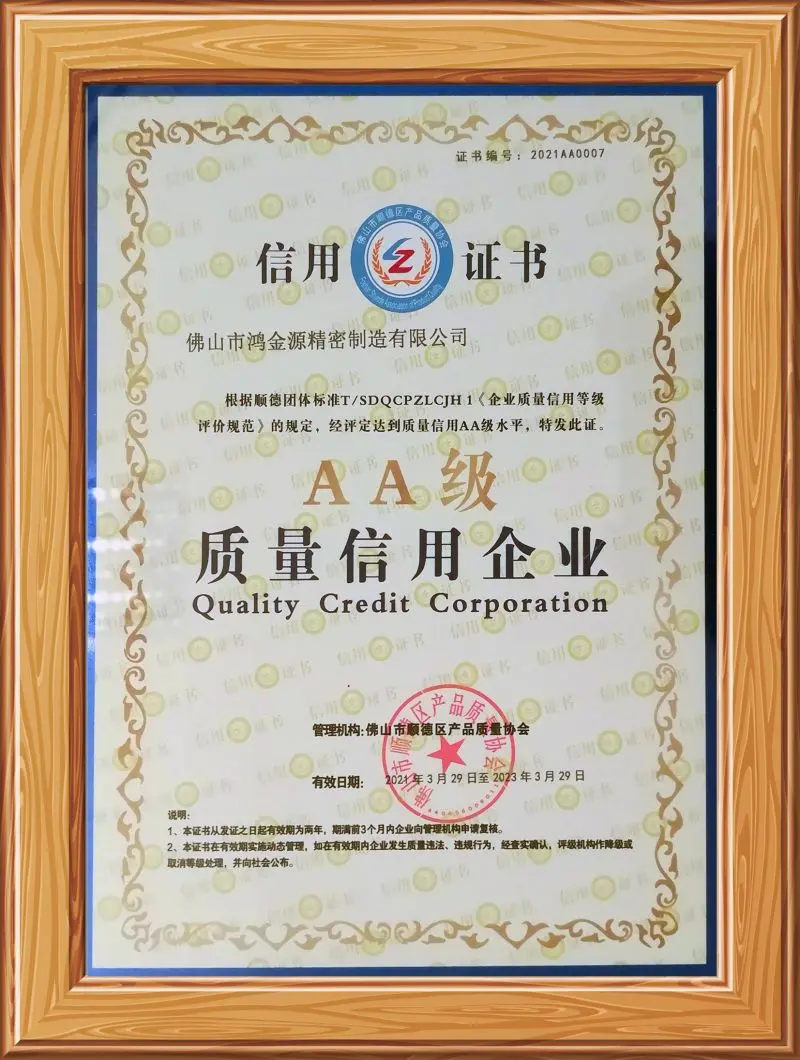
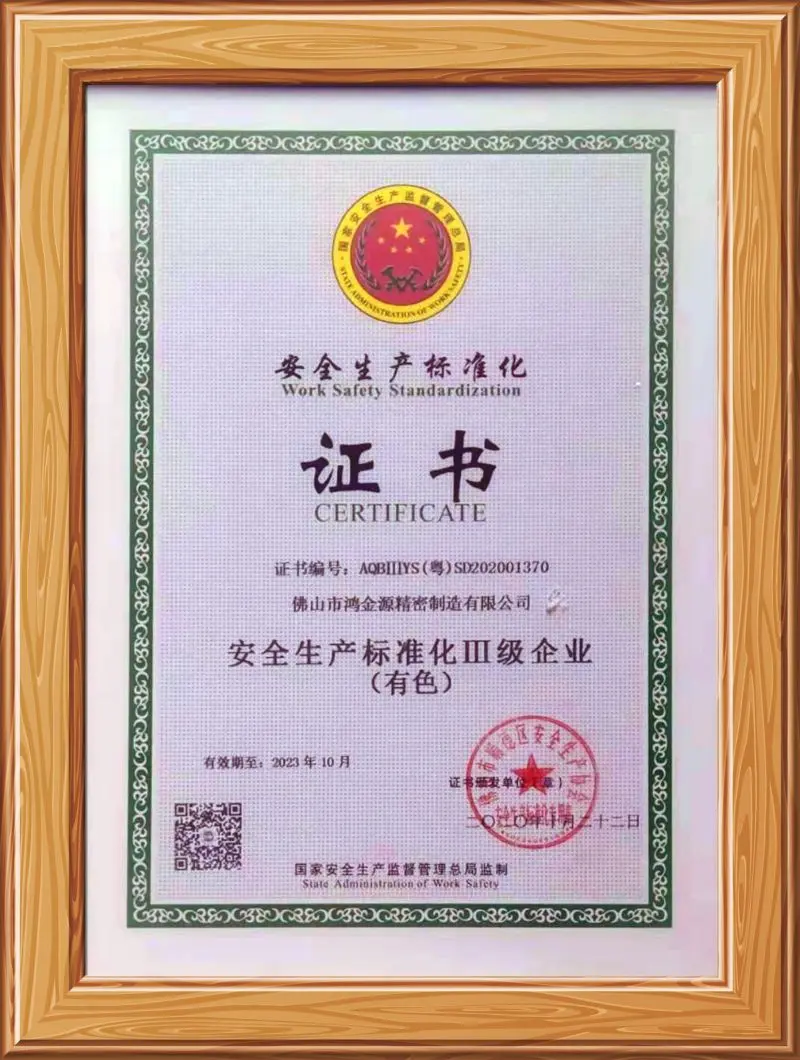
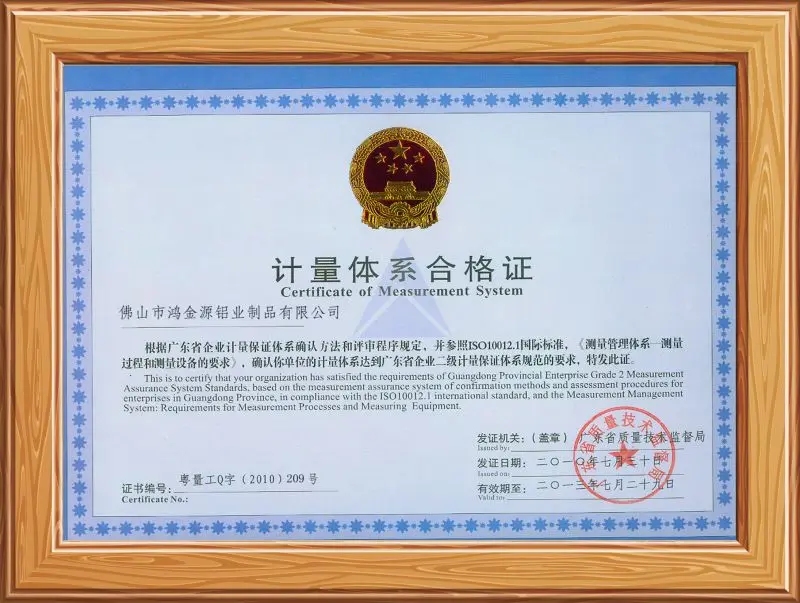
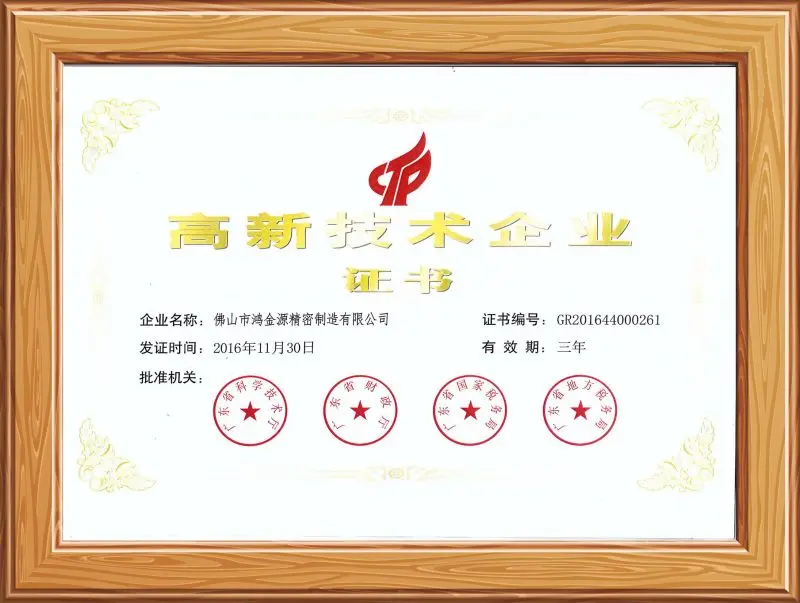
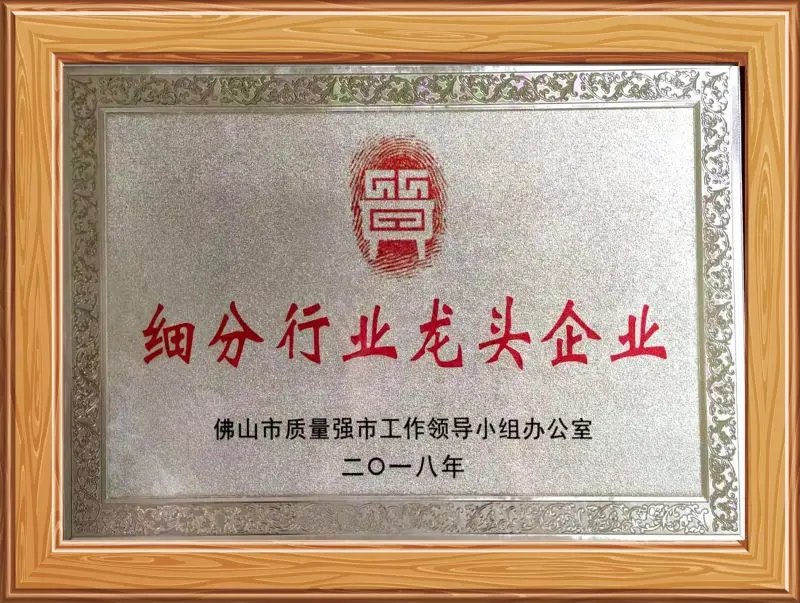
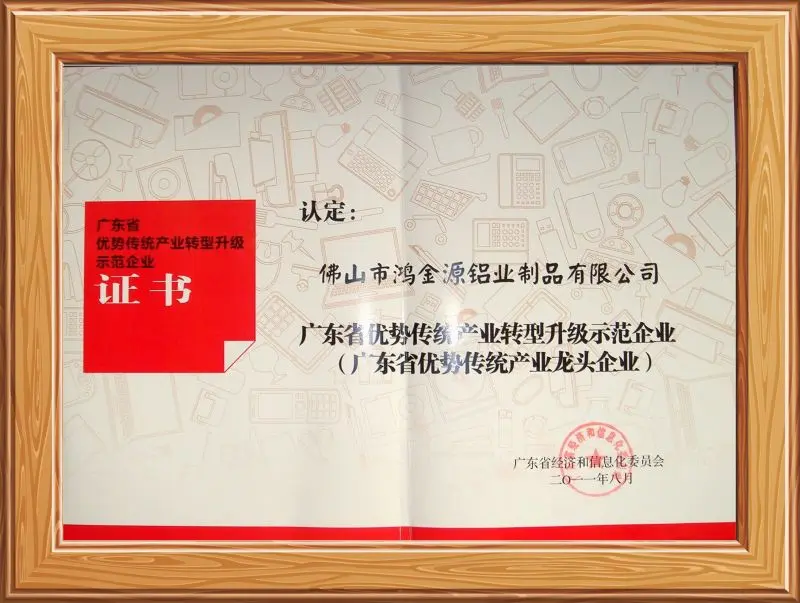
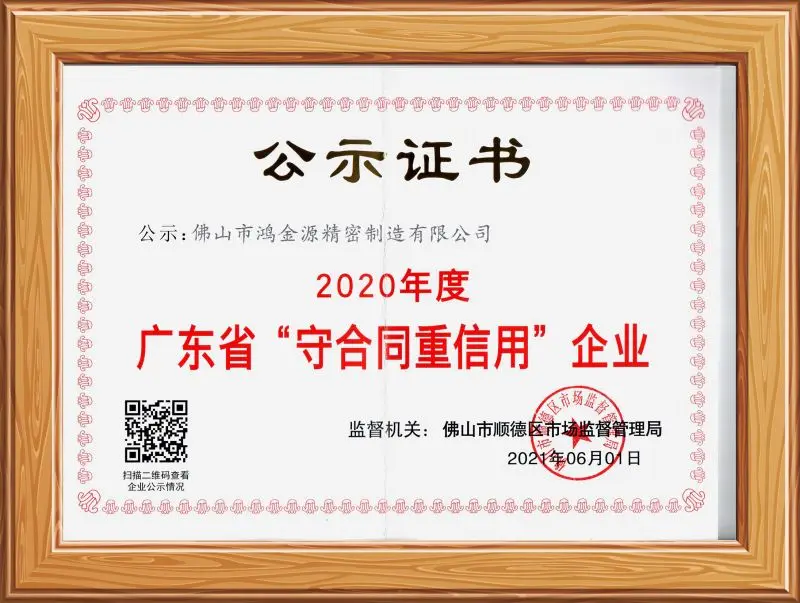
Our commitment to precision is backed by international standards and environmental compliance certifications.
Expert answers to common questions about alloy selection, pricing structures, and order fulfillment.
Our pricing model is based on three main components: the raw material price, the fabrication charge, and the packaging/shipping costs. The raw material cost is determined by the London Metal Exchange (LME) or Shanghai Futures Exchange (SFE) aluminum ingot index at the time of order confirmation. The fabrication charge covers the complexity of the extrusion, the mold service life, and any precision CNC machining or welding required. Surface treatments (such as powder coating, sandblasting, or anodizing) are calculated on a per-square-meter or per-ton basis.
For outdoor applications exposed to wind, rain, or salt, we recommend the 6005A or 6061-T6 alloy series. These alloys offer high yield strength and resistance to stress corrosion cracking. For architectural elements where appearance is key, 6063-T5 or T6 is the industry standard due to its excellent surface finish compatibility, particularly for deep anodizing and sandblasting.
We work to precision tolerances in accordance with EN 755-9 and ASTM B221 standards. For custom shapes, we can achieve tolerances as tight as ±0.1mm on critical dimensions depending on the cross-sectional geometry, wall thickness, and alloy choice. These tolerances are maintained through our in-house tool design and regular inspection protocols.
Our GRS (Global Recycled Standard) and RCV (Recycled Content Verification) certifications confirm that our production lines use a verified percentage of post-industrial and post-consumer recycled aluminum. This helps your company satisfy green building requirements (such as LEED) and comply with environmental regulations like the EU's REACH program, simplifying compliance audits and carbon reporting.
For custom profiles, mold design and manufacturing takes 10 to 15 days. Once the tooling is complete, we produce sample extrusions for dimensional and surface approval. After the samples are approved, mass production takes 15 to 20 days depending on the volume and secondary operations required.
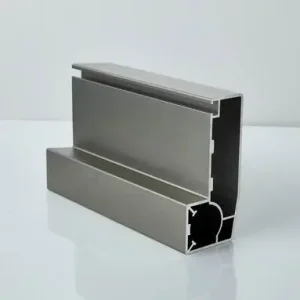
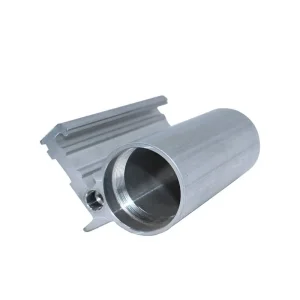
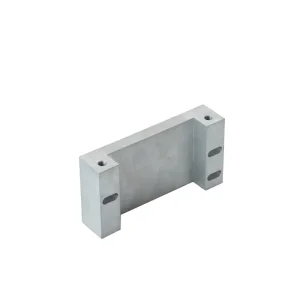
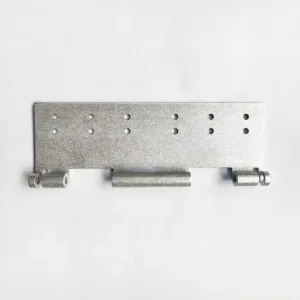
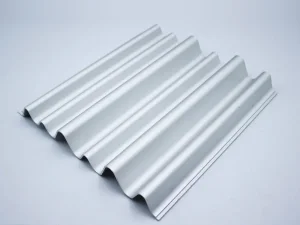
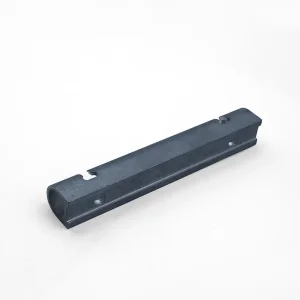
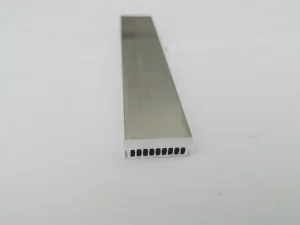
Explore our range of precision-machined elements, custom hinge joints, and surface-finished profiles.
 HG Precision