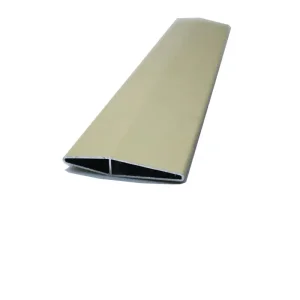
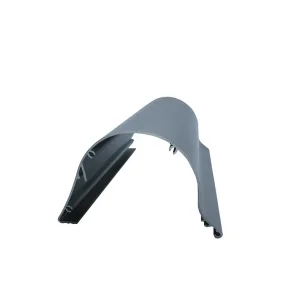
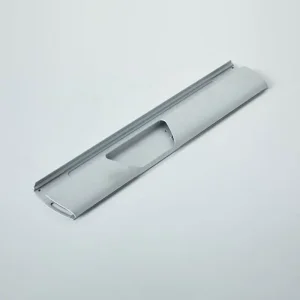
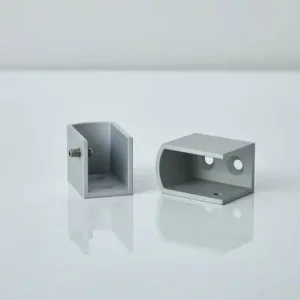
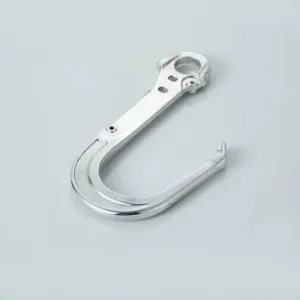
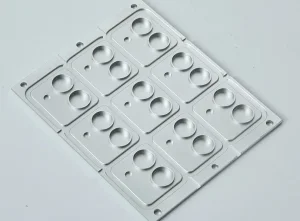
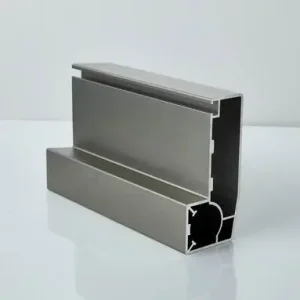
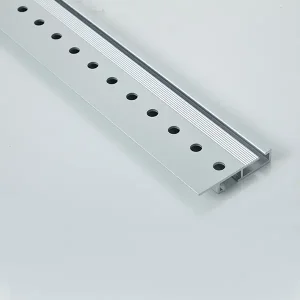
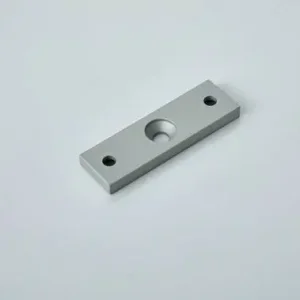
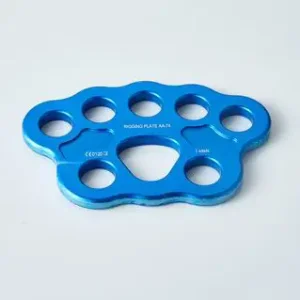
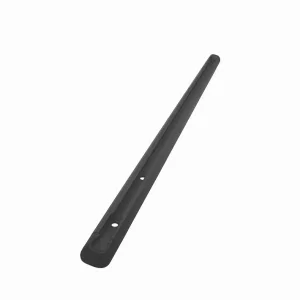
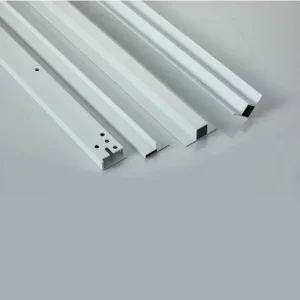
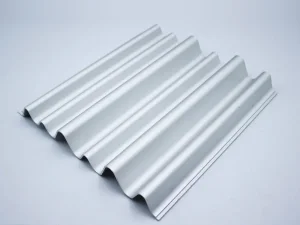
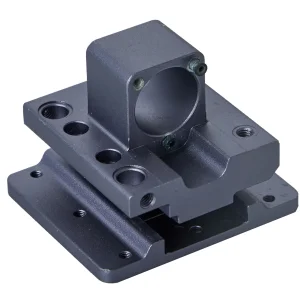
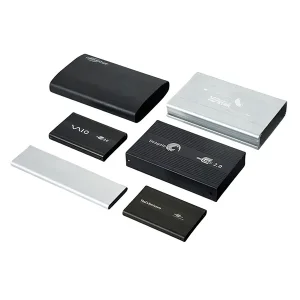
Discover our primary selection of customizable structural profiles, CNC machined chassis component enclosures, and specialized industrial mounting assemblies.
Providing integrated, one-stop extruded aluminum fabrication and precision mechanical component manufacturing.
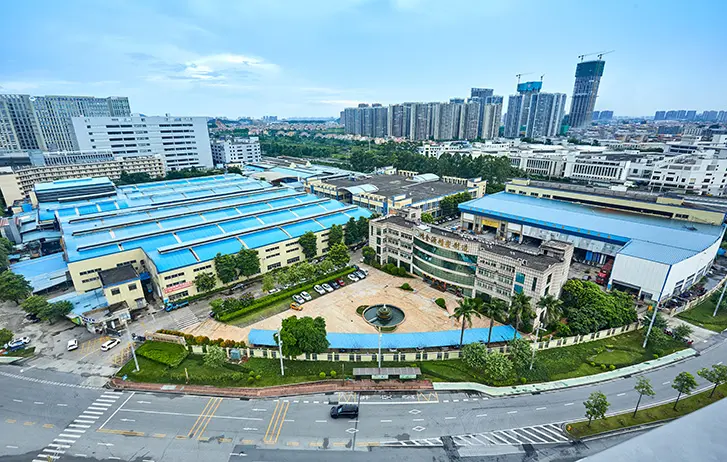
Established in 1991, Foshan Golden Source Precision Manufacturing Co., Ltd. is a leading manufacturer specializing in high-strength, high-precision customized aluminum profiles, structural tubes, precise machining components, structural assemblies, and welded configurations. Operating from a state-of-the-art, eco-friendly 73,000 square meter factory complex, we possess full vertical integration capabilities.
Our service spectrum spans the entire product lifecycle: in-house alloy casting, mold research & structural design, precision extrusion, post-extrusion CNC machining, structural welding, assembly, and advanced surface finishes. By maintaining full structural and operational ownership of each process, we ensure tight control over geometric dimensions, chemical compositions, and mechanical characteristics.
We serve a diverse range of fields, including aerospace, electric vehicle manufacturing, heat transfer units, structural framing, automated machinery components, high-load hardware systems, 3C electronics housings, and outdoor exploration gear. Backed by global management systems, our products comply with complex regulatory requirements like EU REACH, ensuring supply chain integrity for international OEMs.
A deep dive into structural alloy performance, geometric tolerances, and manufacturing workflows.
The global demand for high-strength, lightweight materials is growing rapidly. Industries are shifting toward extruded aluminum tubes to optimize energy efficiency and thermal dissipation. In the automotive sector, particularly electric vehicles (EVs), extruded tubes are widely used in structural battery frames, crash management structures, and cooling lines. The mechanical properties of aluminum help reduce overall weight while maintaining high crashworthiness.
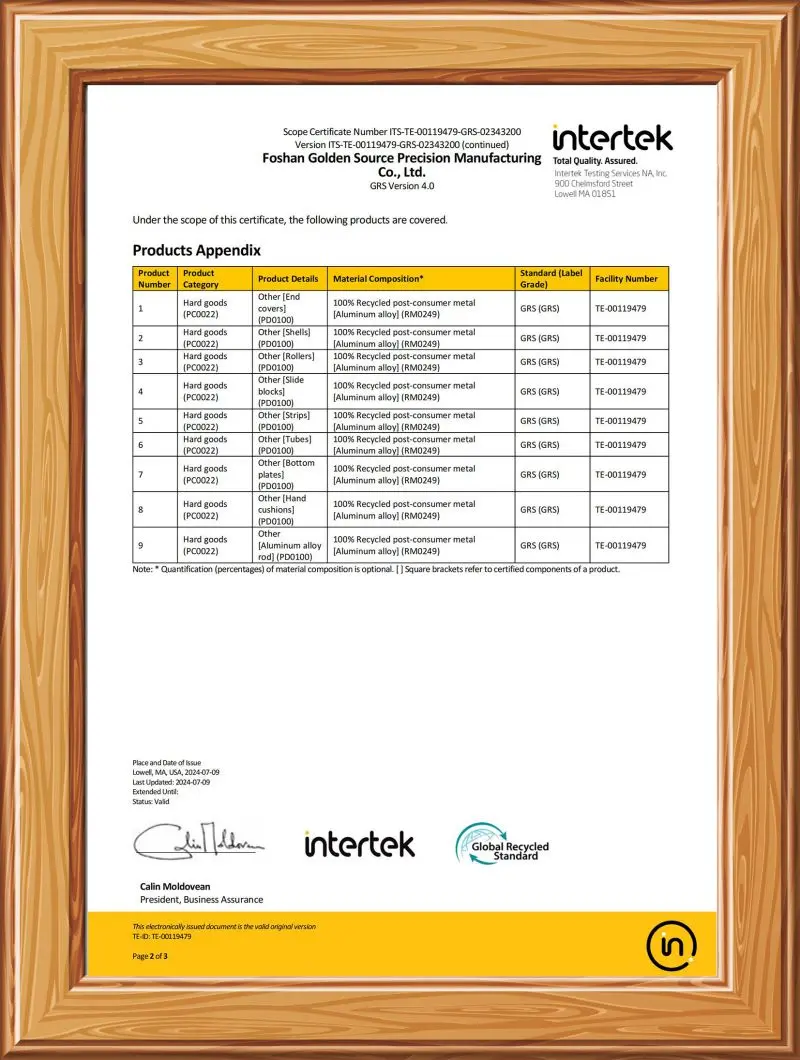
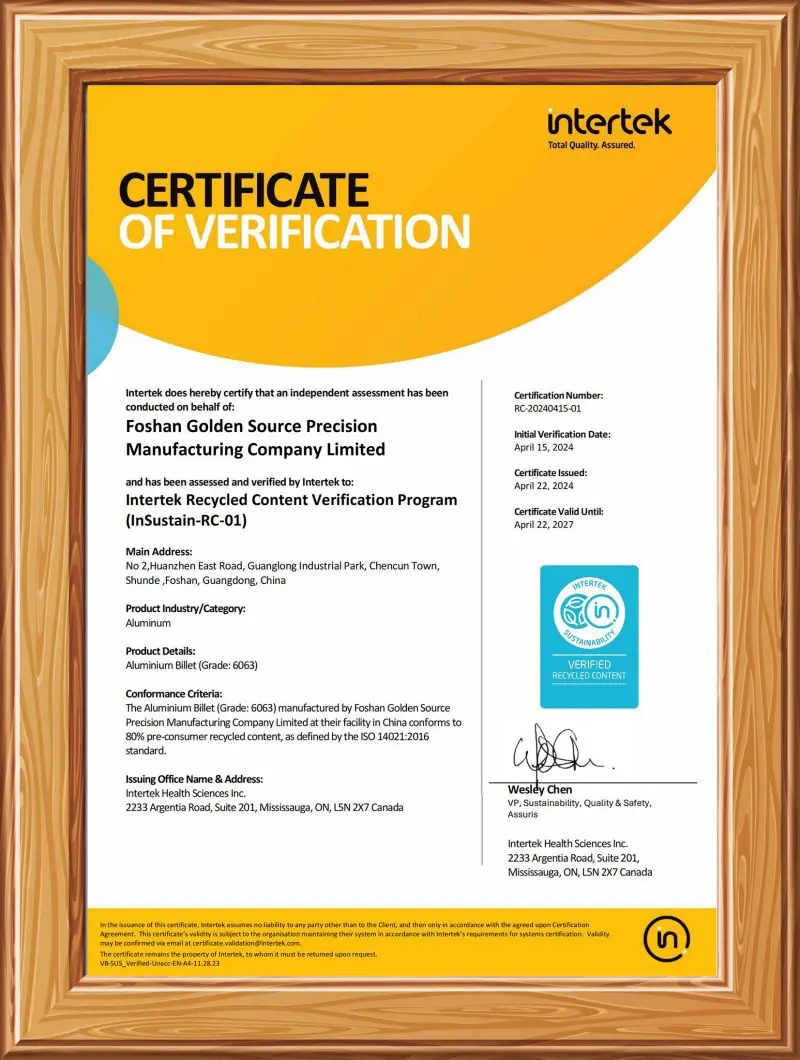
In addition, sustainability has become a priority. Global manufacturers require materials with verified recycled content and low carbon footprints. This shift has driven the adoption of green aluminum and advanced recycling certifications like the Global Recycled Standard (GRS), ensuring the environmental impact of raw materials is kept to a minimum.
Choosing the correct aluminum alloy is essential for achieving the required balance of strength, ductility, corrosion resistance, and surface finish. Different alloy series offer distinct advantages:
The mechanical properties of aluminum tubes are shaped by heat treatment and aging processes. Common tempers include:
| Alloy & Temper | Tensile Strength (MPa) | Yield Strength (MPa) | Elongation (%) | Primary Application |
|---|---|---|---|---|
| 6063-T5 | ≥ 150 | ≥ 110 | ≥ 8 | HVAC, general framing, cosmetic enclosures |
| 6063-T6 | ≥ 205 | ≥ 170 | ≥ 8 | Structural frames, pressure conduits |
| 6061-T6 | ≥ 290 | ≥ 240 | ≥ 10 | Automotive components, structural brackets, heavy machinery |
| 7075-T6 | ≥ 540 | ≥ 480 | ≥ 7 | Aerospace fittings, climbing gear, military devices |
Providing verified metallurgical advantages, consistent product quality, and reliable global delivery.
We melt and cast our alloys in-house. This allows us to adjust chemical compositions to optimize physical properties, reduce structural defects, and ensure high material purity for anodizing and surface finishes.
By carrying out post-extrusion CNC machining, surface treatment, and testing in-house, we maintain complete control over tolerances while saving production costs. This approach keeps unit prices competitive without compromising quality.
Our integrated manufacturing line spans design, tooling, extrusion, machining, and surface treatments. This structure reduces lead times and simplifies communication, allowing for faster response to engineering updates.
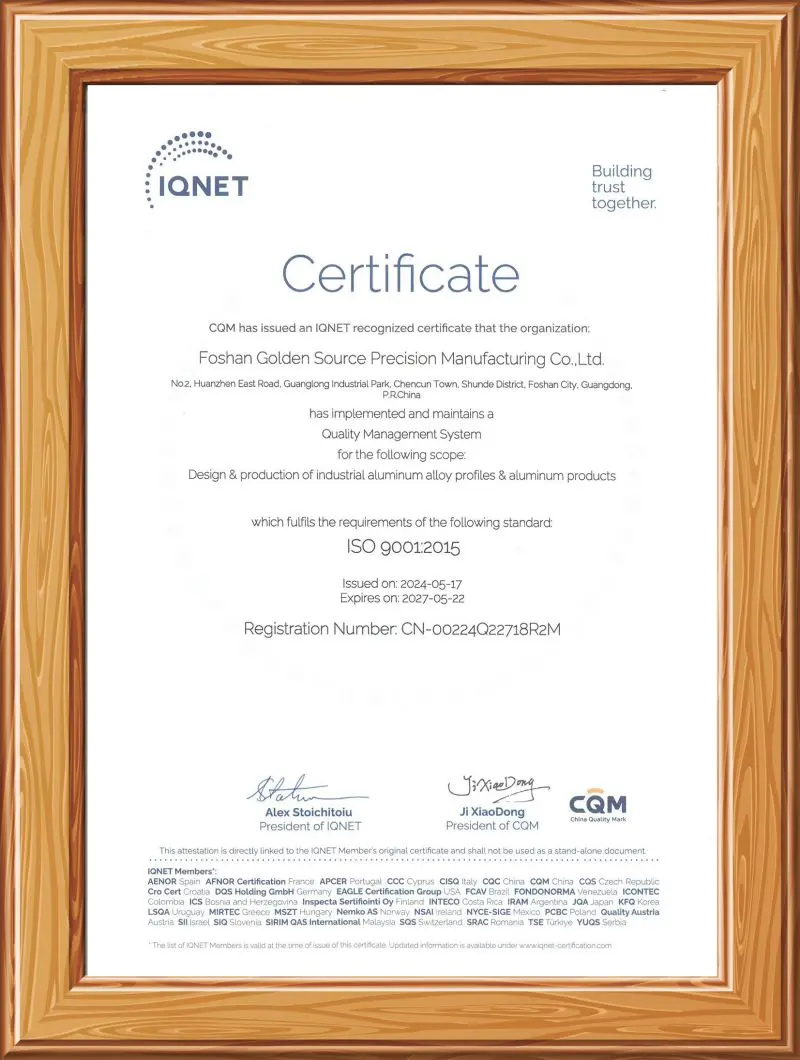
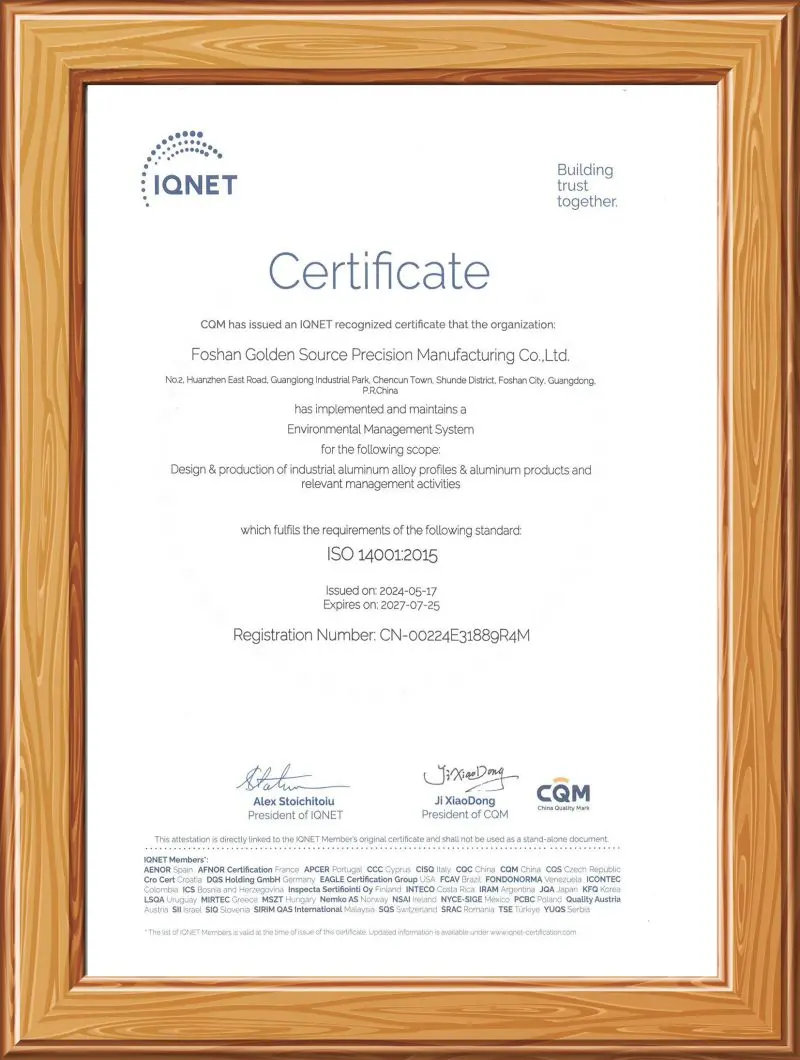
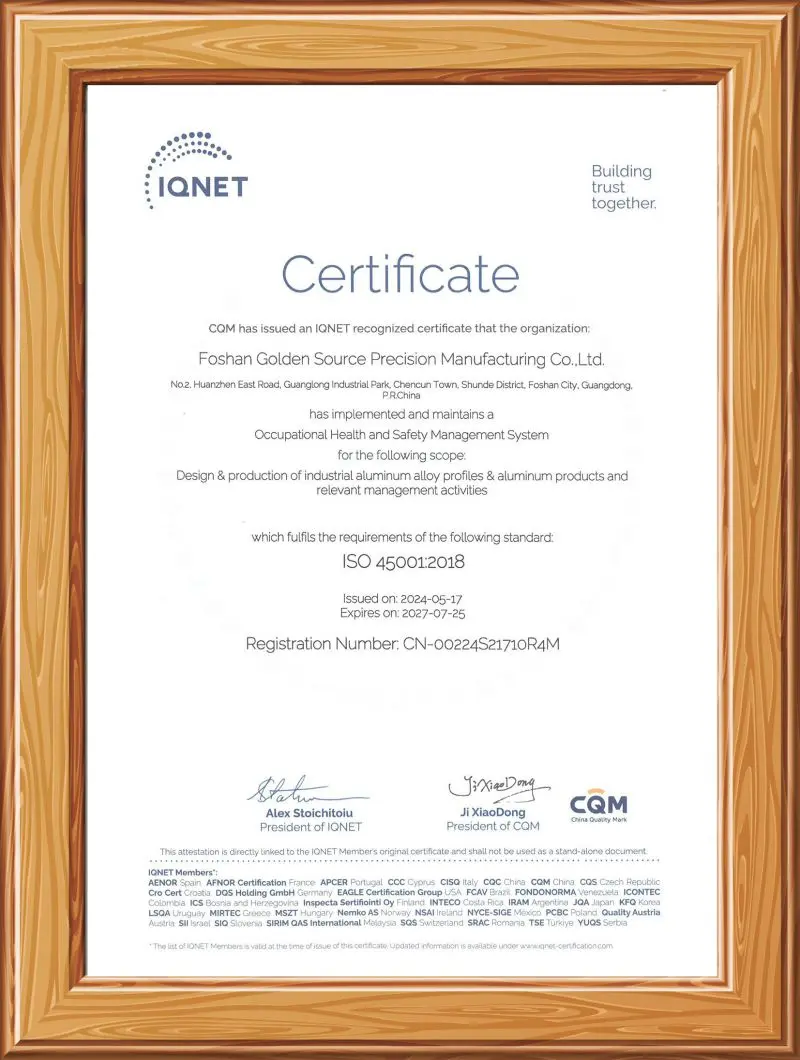
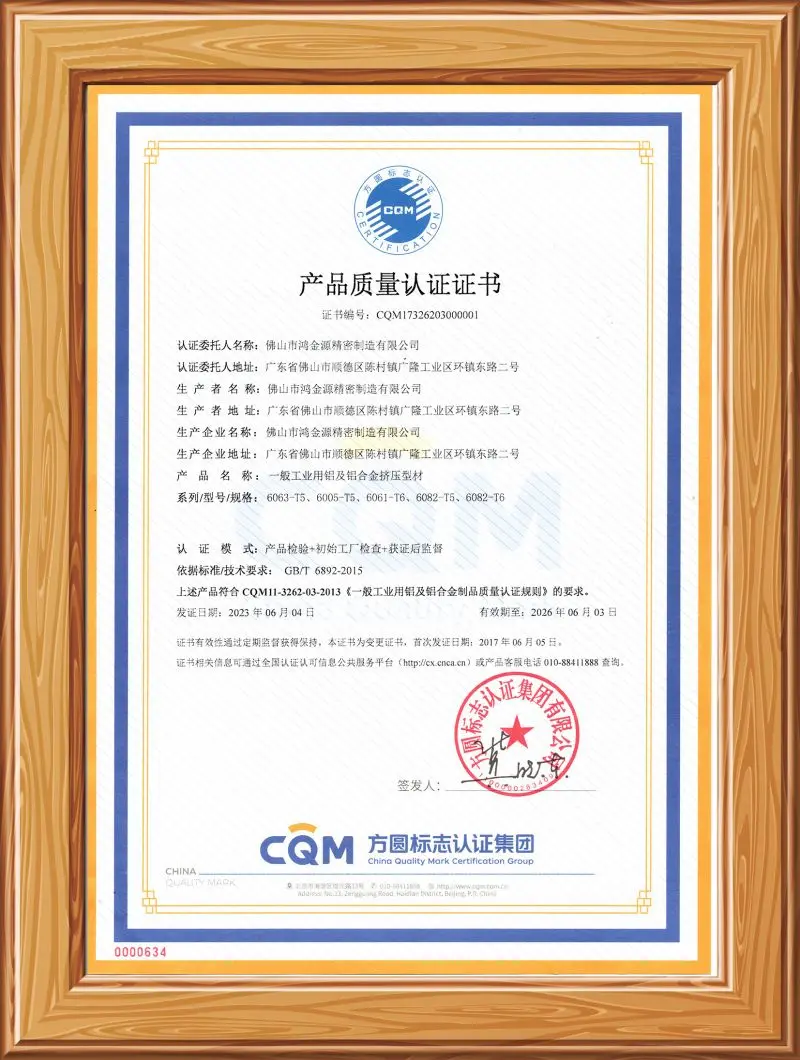
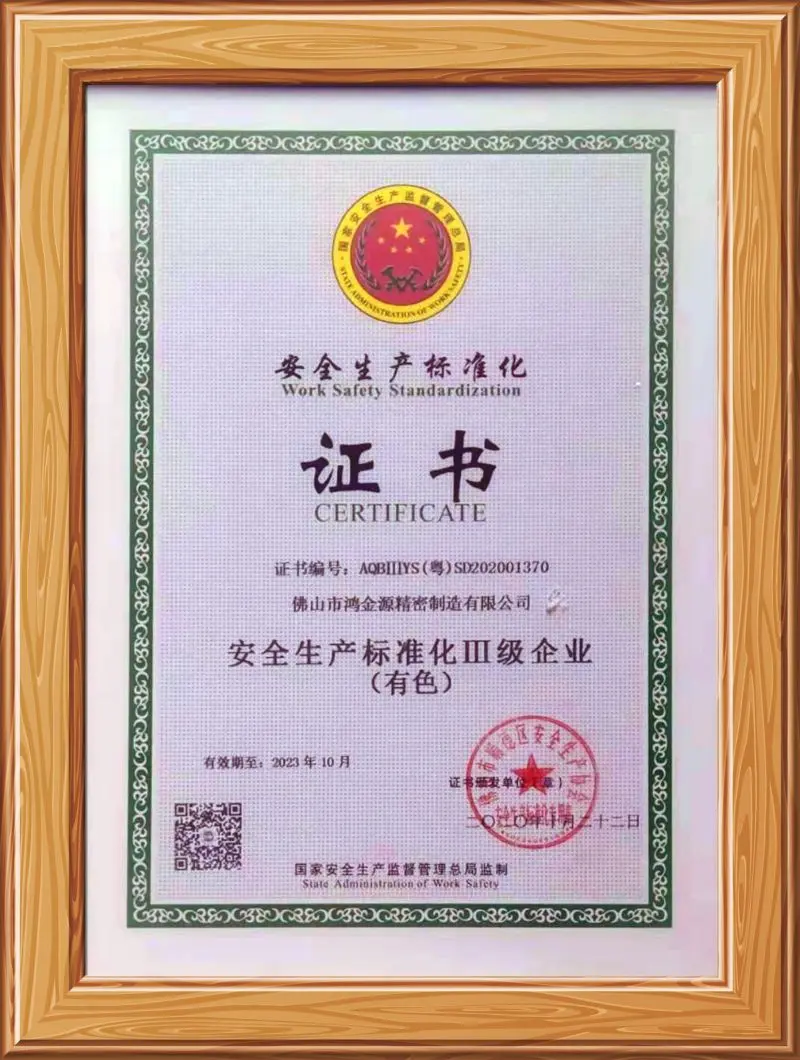
Foshan Golden Source is certified to ISO9001:2015 (Quality Management), ISO14001:2015 (Environmental Management), and ISO45001:2018 (Occupational Health & Safety). To support the environmental requirements of global buyers, we maintain GRS (Global Recycled Standard) and RCV certifications, confirming our adherence to eco-friendly production practices and EU REACH regulations.
Understanding how material costs, fabrication, and surface treatments influence project budgets.
Extruded aluminum tube pricing is determined by several core variables. Knowing these factors helps procurement and engineering teams optimize designs for better cost efficiency:
The following table outlines the general design limits for standard profiles to help align specifications with production capabilities:
| Profile Class | Standard Wall Thickness Range (mm) | Outer Diameter Limit (mm) | Standard Geometric Tolerances | Recommended Finishes |
|---|---|---|---|---|
| Round Hollow Tubes | 0.8 mm - 12.0 mm | φ 10 mm - φ 250 mm | ±0.10 mm to ±0.25 mm | Acid Etched Anodizing / Matt Sandblasting |
| Square & Rectangular Tubes | 1.0 mm - 15.0 mm | 15 x 15 mm to 300 x 150 mm | ±0.15 mm to ±0.30 mm | Polyester Powder Coating / Mill Finish |
| Custom Fin/Ribbed Structures | 1.2 mm - 10.0 mm | Subject to design limits | ±0.20 mm | High-dissipation Anodizing |
We provide full technical documentation and physical test reports with our quotes. This ensures structural calculations can be verified before volume manufacturing begins.
Recognitions for clean production, technological upgrading, and consistent quality management.
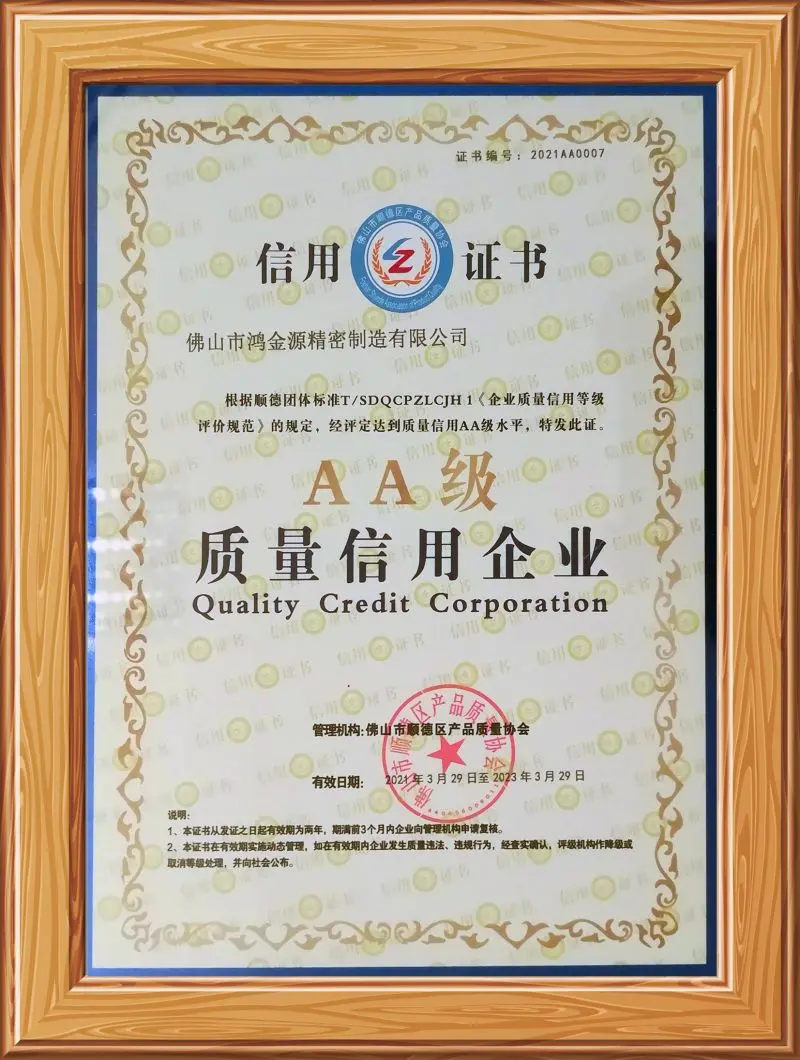
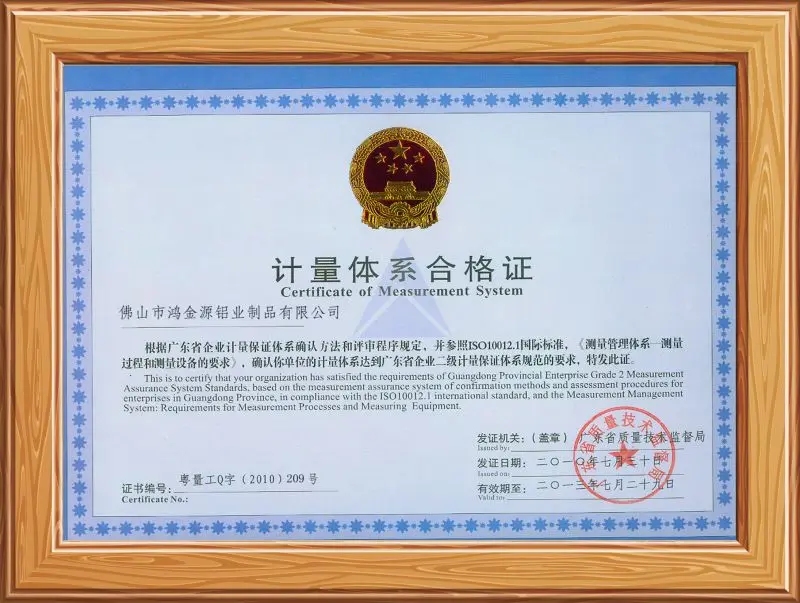
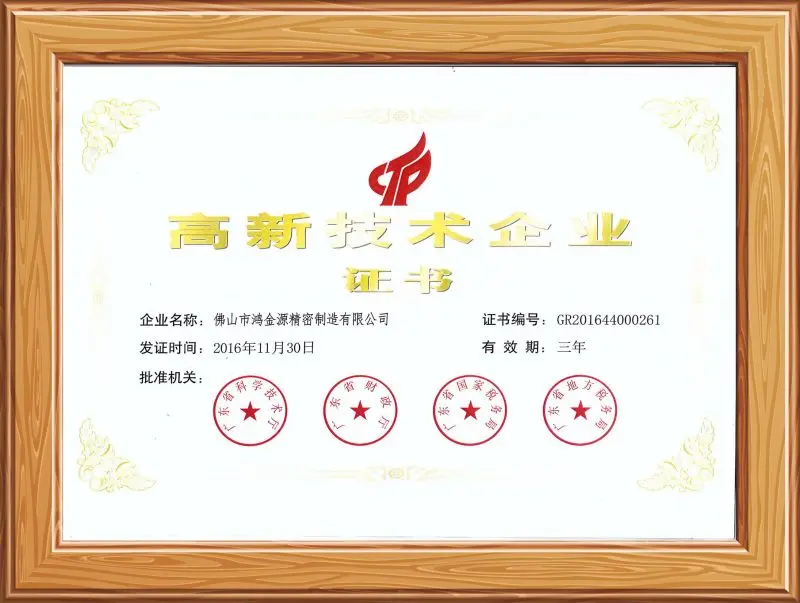
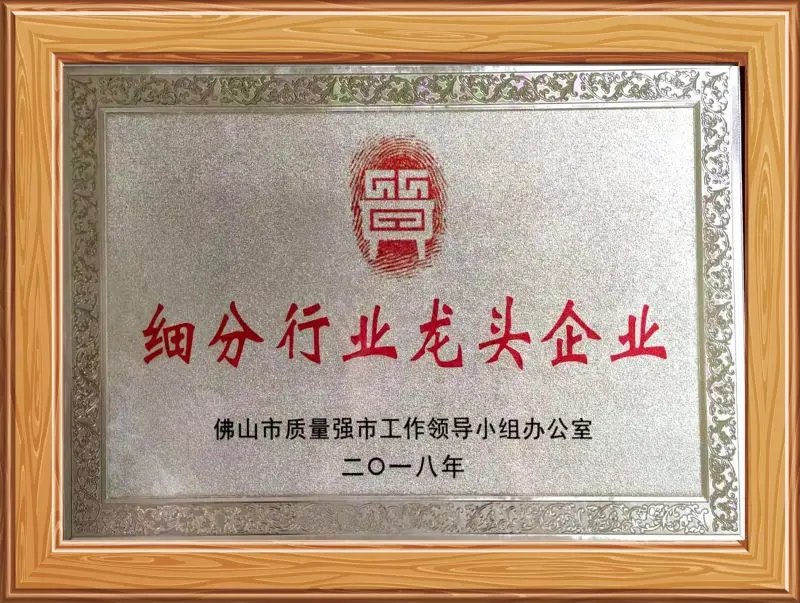
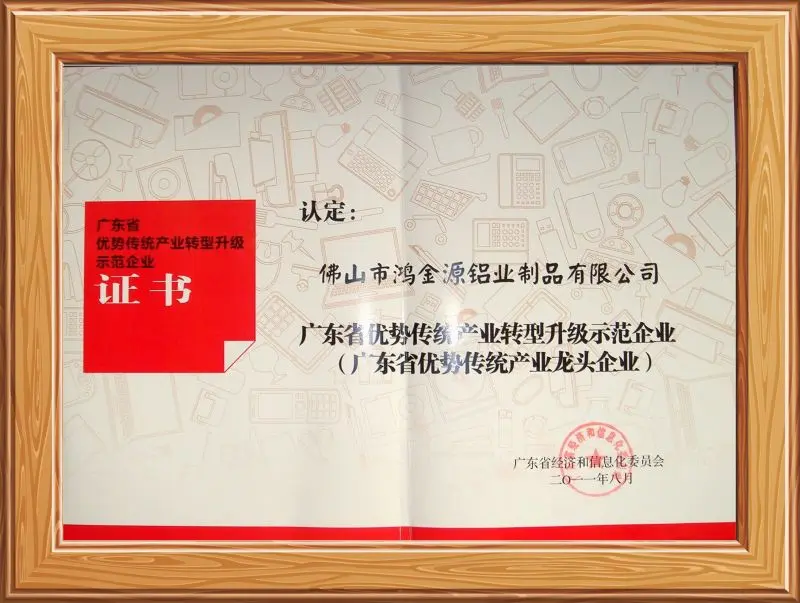
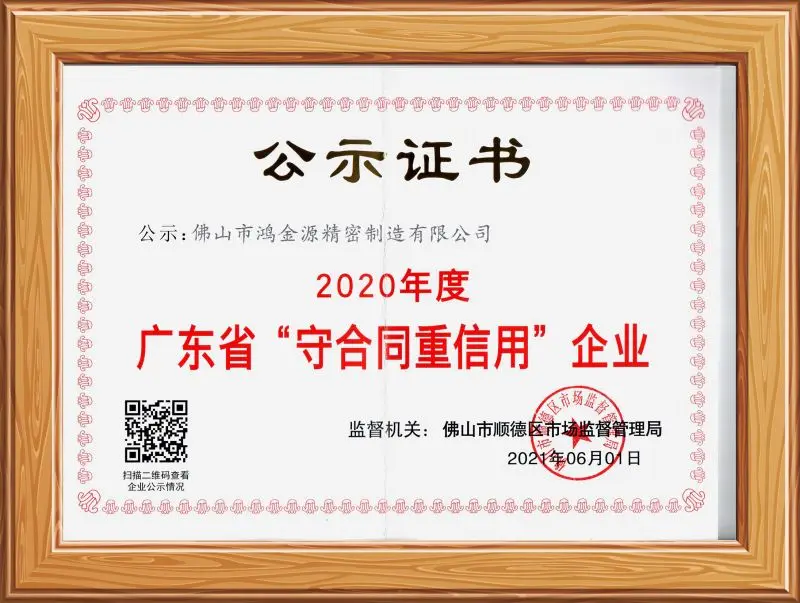
Foshan Golden Source has received numerous awards from municipal and provincial authorities for environmental performance, technical innovation, and enterprise reliability.
Download our complete engineering catalog, detailing custom alloy series, die design guides, and CNC machining tolerances.
Answers to common inquiries regarding material specifications, customization capabilities, and ordering processes.
Explore our technical components, including architectural trims, functional electronics housings, and outdoor structural parts.
 HG Precision