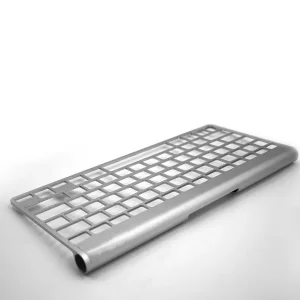
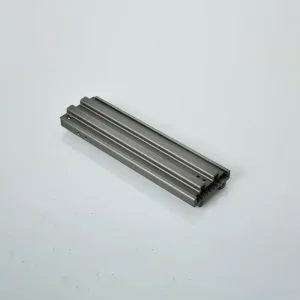
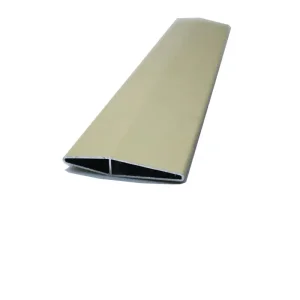
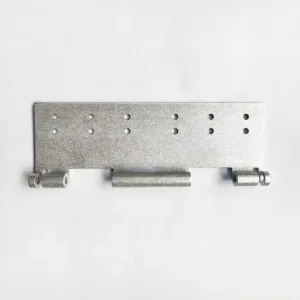
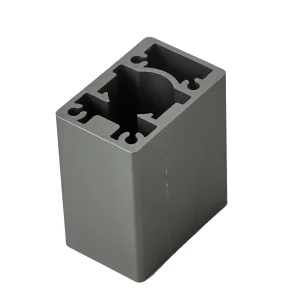
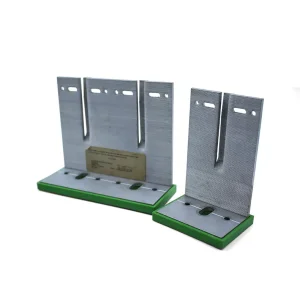
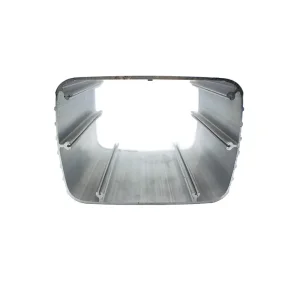
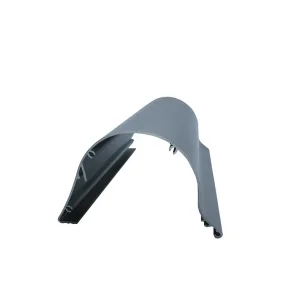
Explore our elite selection of OEM standard components and customized extrusions, configured for rigorous structural, functional, and decorative tolerances.
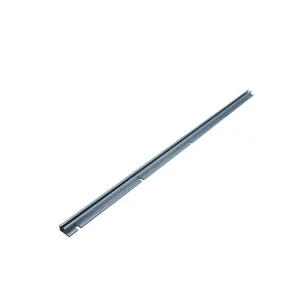
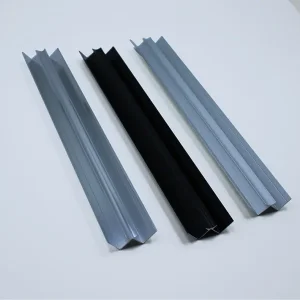
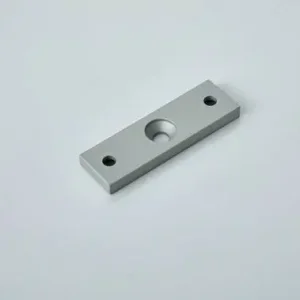
Foshan Golden Source Precision Manufacturing Co., Ltd, established in 1991, has spent over three decades establishing itself as a global leader in high-strength, high-precision custom aluminum profiles. Operating from a modern, eco-conscious, 73,000 square meter manufacturing base, we offer a completely integrated, one-stop OEM and ODM ecosystem.
Our operations span the entire metallurgical and post-processing value chain: from in-house alloy casting, die and mold research, design, and construction, to high-tonnage extrusion, state-of-the-art CNC precision machining, structural welding, complete assembly, and advanced surface finishing techniques. We cater to a diverse array of sectors, delivering customized structural aluminum solutions to the hardware, 3C consumer electronics, automotive, railway, furniture, building decoration, and outdoor product industries.
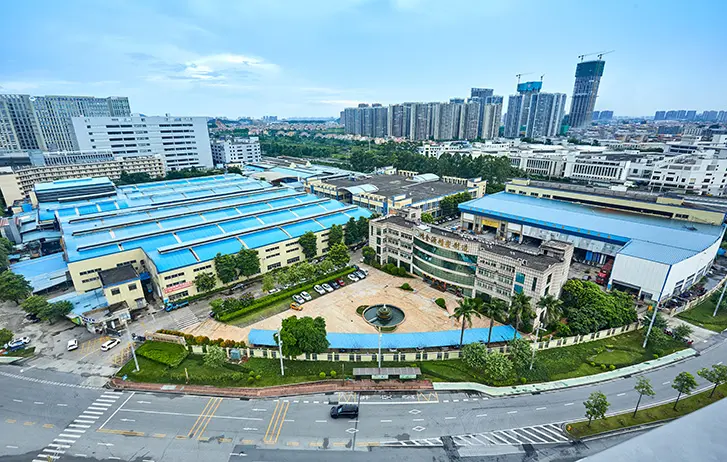
Why lead procurement teams globally choose Foshan Golden Source for custom Aluminum U Channels and structural components.
We melt and cast our alloys in our own casting house. This allows us to adjust raw material compositions at the chemical level, yielding exceptional physical profiles, enhanced tensile strength, and unparalleled purity for premium surface anodizing treatments.
By executing precision machining and specialized surface treatments completely in-house, we eliminate external logistical overhead and maintain total QC. Our clients receive superior component finishes and structural integrity at highly competitive rates.
Our true "one-stop" manufacturing capacity compresses development timelines. Transitioning directly from die fabrication and extrusion to secondary CNC work and packaging eliminates delays, facilitating rapid global delivery.
An engineering whitepaper examining metallurgical selectability, global sourcing benchmarks, and system integration strategies.
The global demand for customized, extruded Aluminum U Channels has shifted dramatically from generic commodity profiles to high-precision engineering components. Driving this shift is the need for lightweight, structurally resilient components in the electric vehicle (EV), clean energy, and high-density computing sectors. High-strength extrusions (such as specialized 6XXX and 7XXX series alloys) are replacing traditional steel components in structural applications. Modern profiles feature complex geometries, thin-walled designs, and integrated mechanical fastening structures designed to minimize processing steps at final assembly.
Furthermore, structural optimization software permits designers to specify exact mechanical limits. Our engineering division works alongside OEM product design teams to adjust local wall thicknesses, create dynamic slip-joint profiles, and minimize grain boundary degradation during extrusion. This ensures high structural performance with minimal raw material weight.
Successful component design hinges upon aligning mechanical demands with metallurgical composition. Our capability to melt custom recipes allows us to engineer specific alloy groups for diverse operating environments:
For international supply chain managers, importing custom extruded profiles requires strict adherence to quality, delivery, and cost metrics. Global sourcing platforms rely on factories with fully vertical capabilities to mitigate risk. Controlling the supply chain from billet casting to CNC precision limits defects and preserves traceability.
Foshan Golden Source meets these needs by conducting in-house tensile testing, micro-hardness validation, and spectrographic chemical composition analysis. By controlling the billet chemistry, we eliminate mechanical failures and anodizing variance (such as color mismatching, blotches, or rough surfaces) that often occur when buying third-party extrusions.
An raw aluminum extrusion is merely the beginning of the component lifecycle. High-value applications require precise secondary operations:
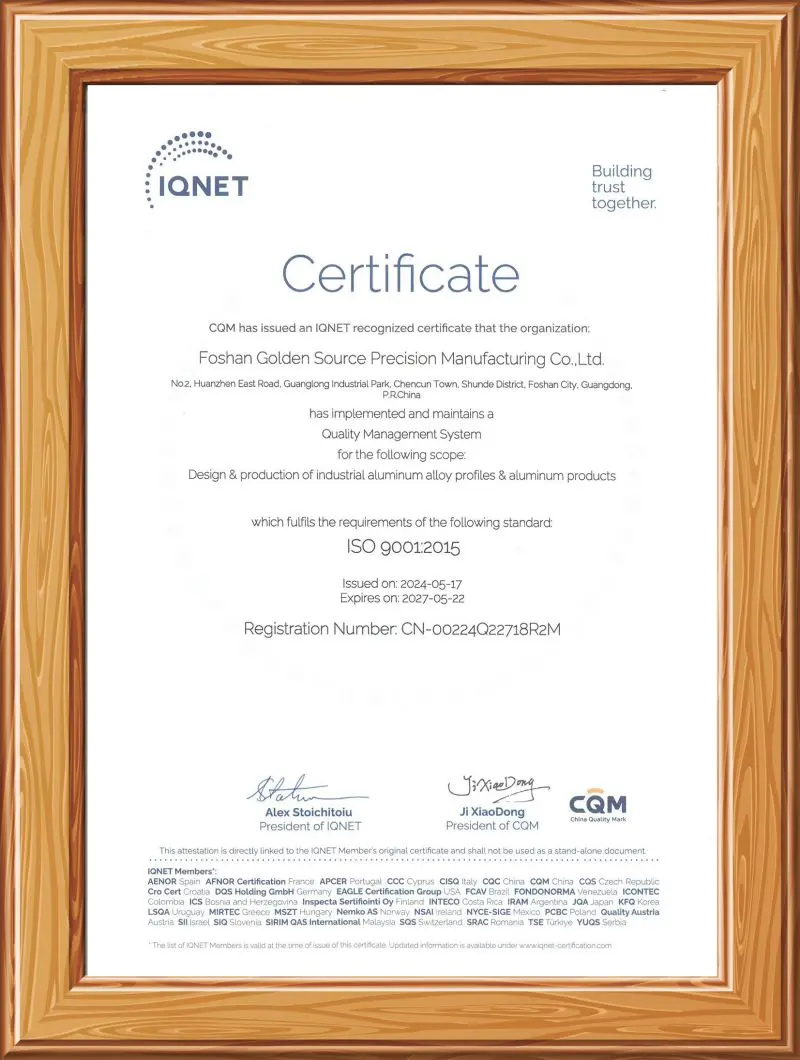
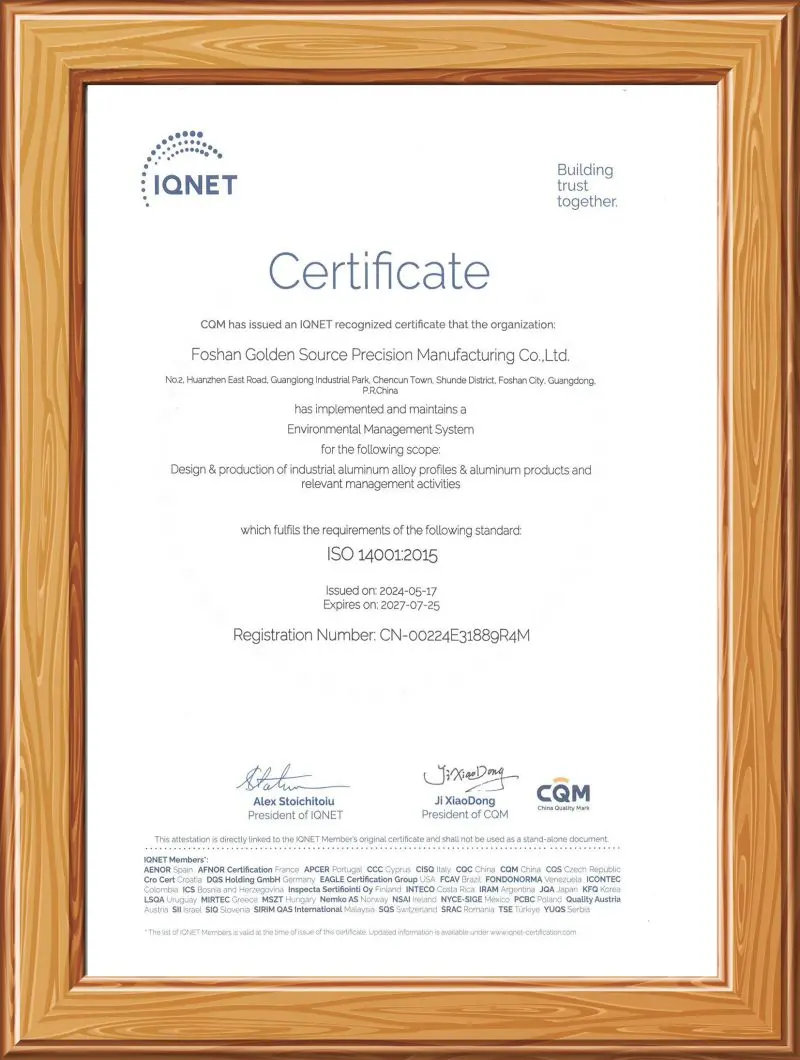
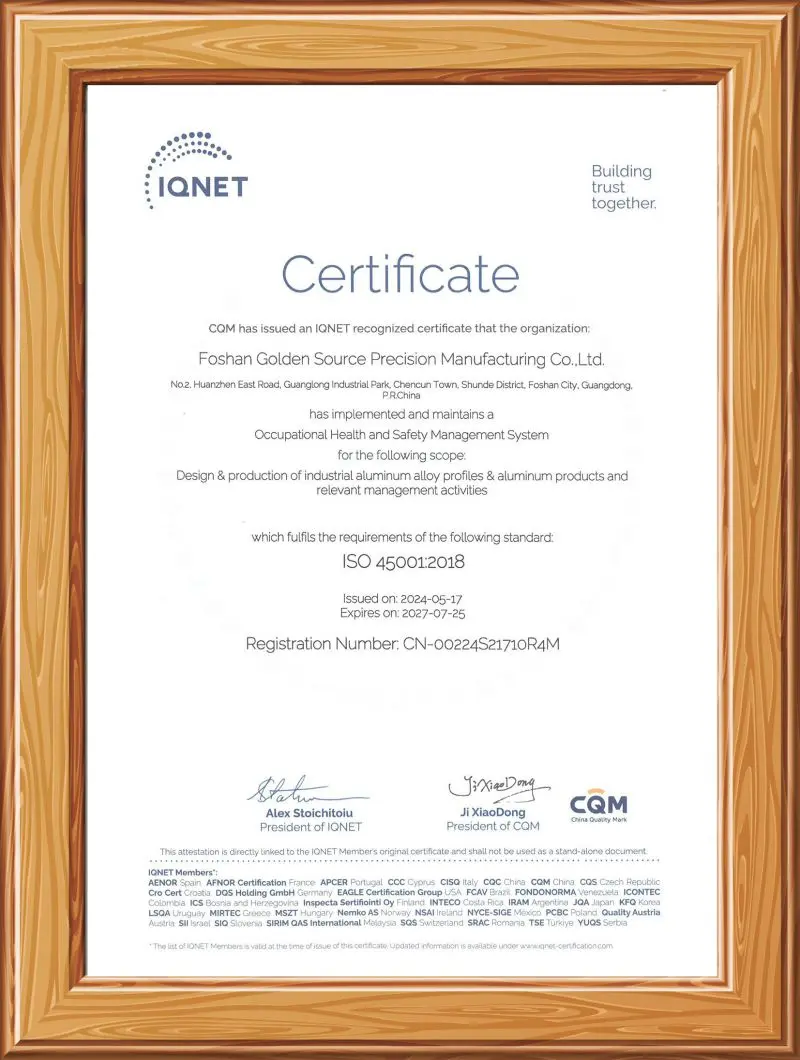
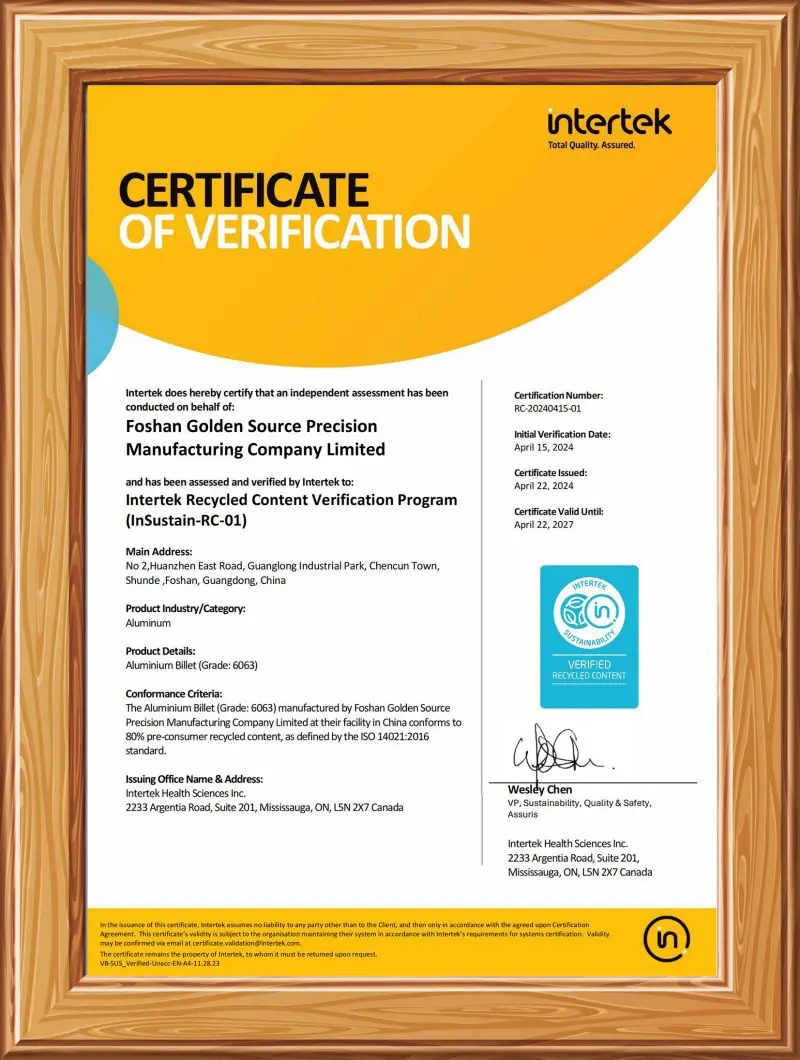
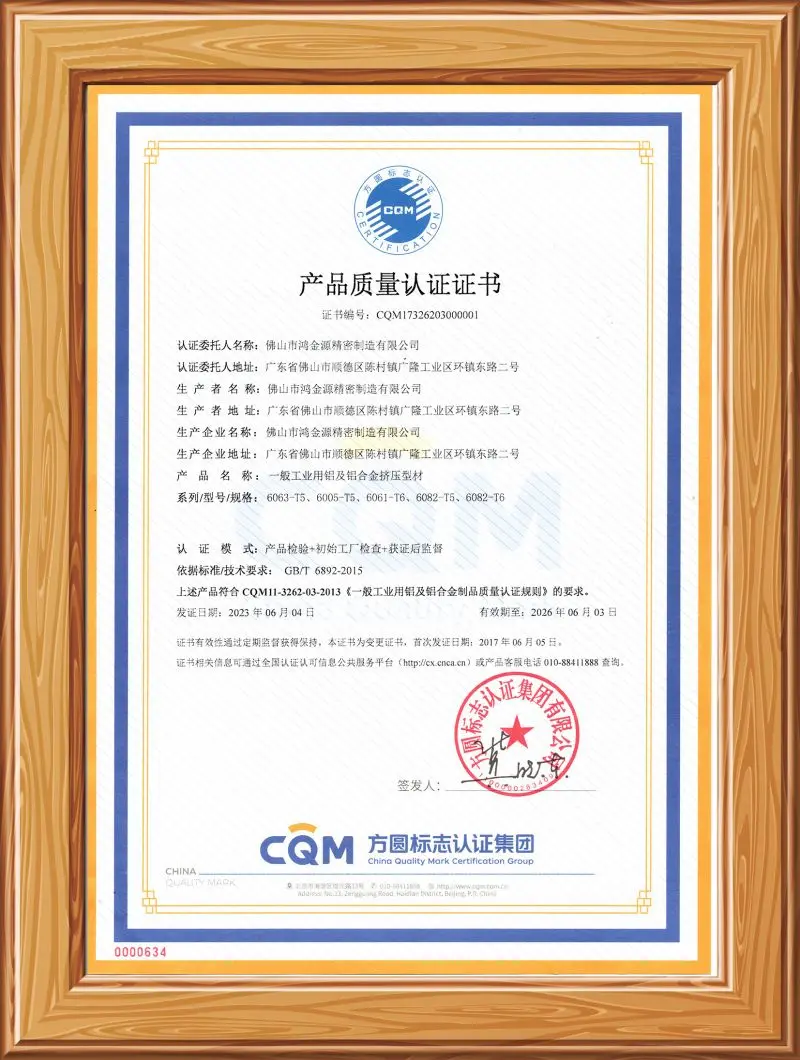
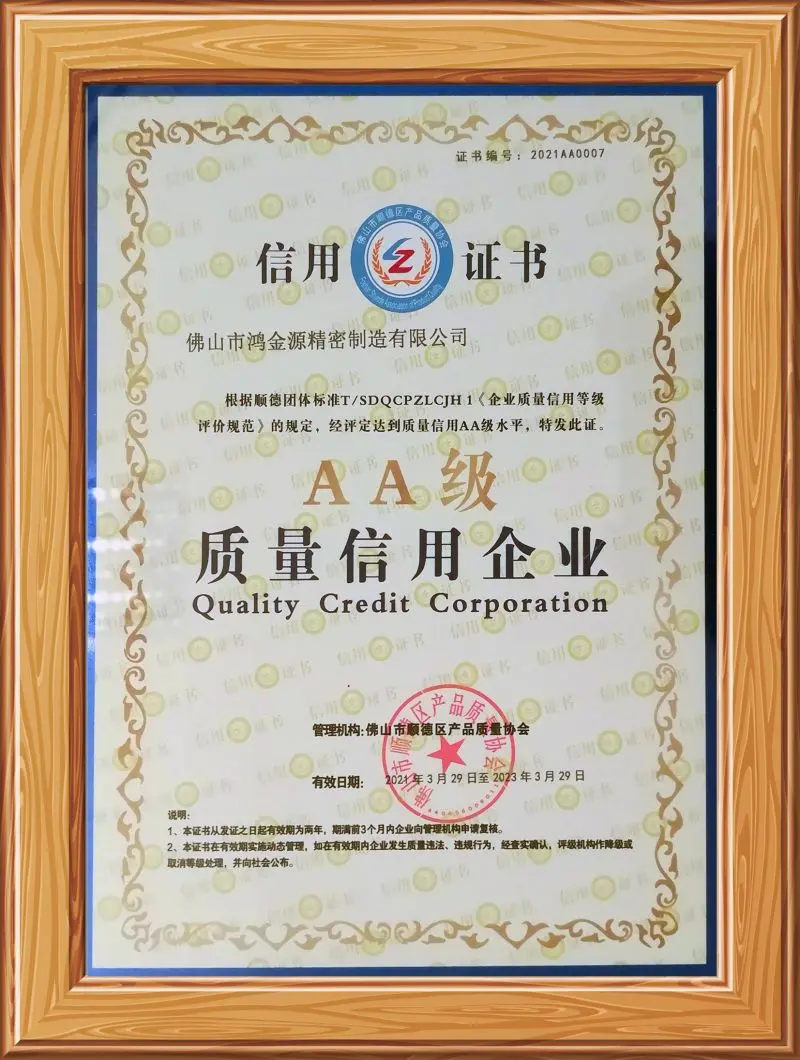
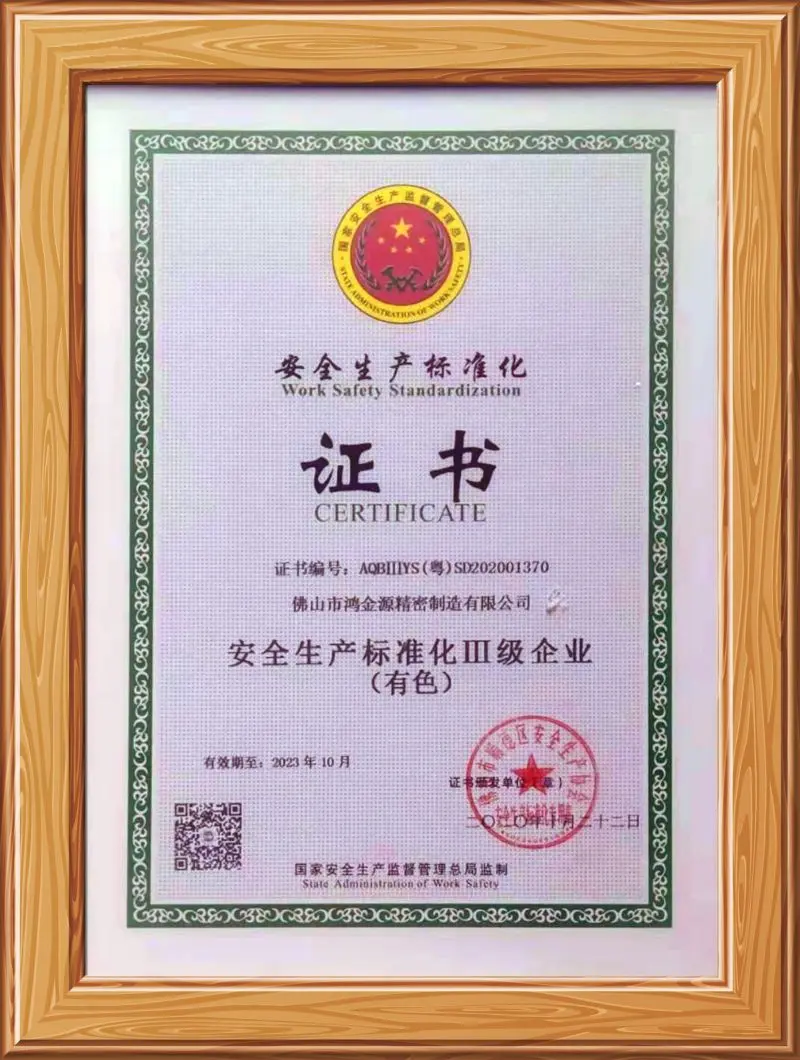
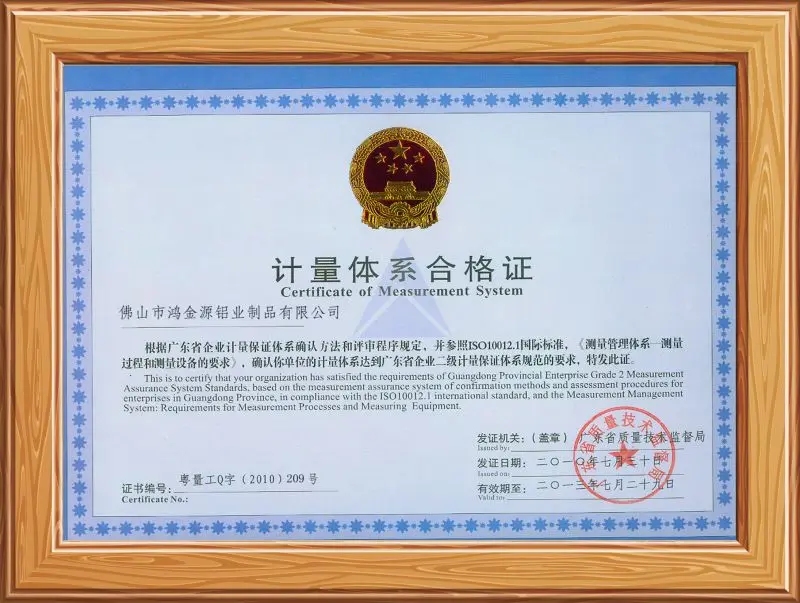
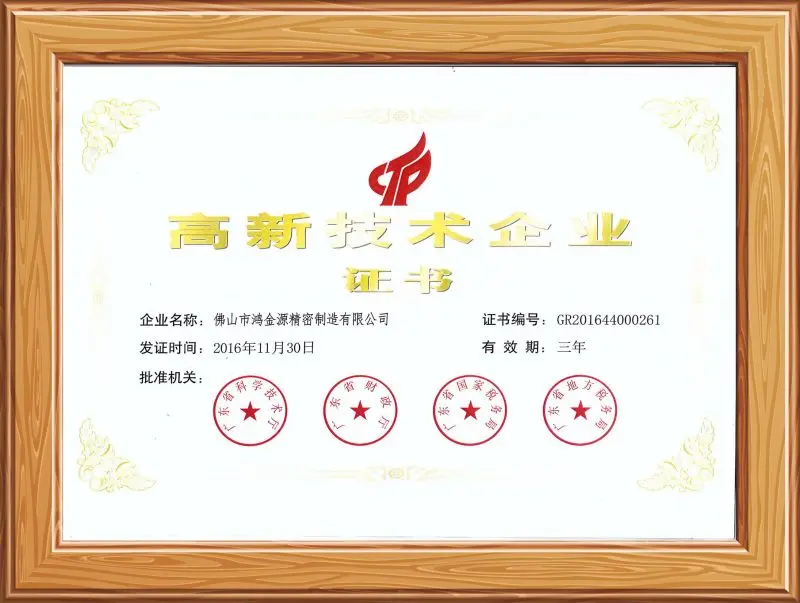
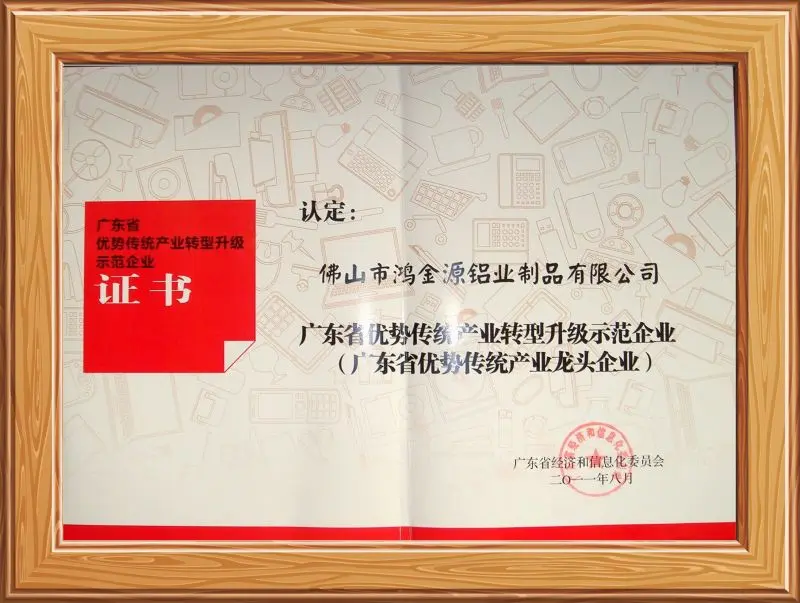
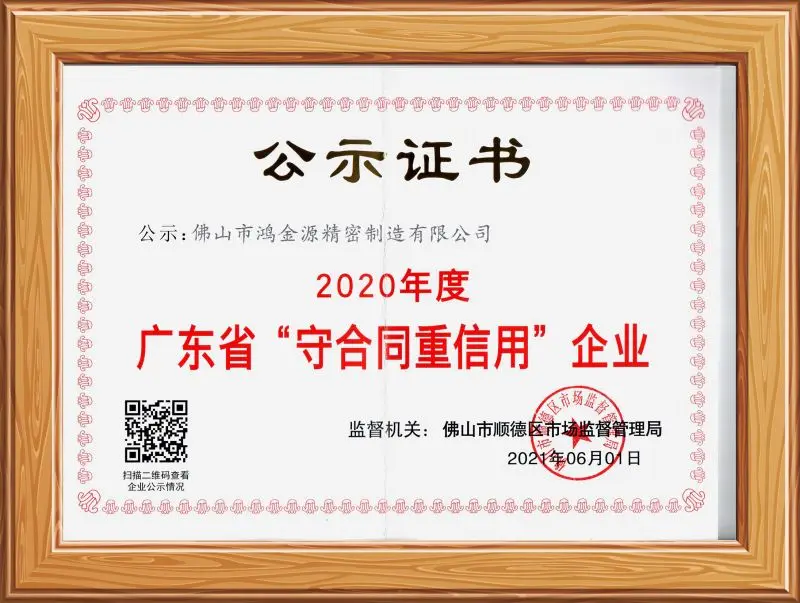
At Foshan Golden Source, sustainable manufacturing isn't a long-term goal; it's our current standard. Our operations comply with the EU's strict REACH and RoHS environmental guidelines. We maintain comprehensive certifications including ISO9001 for Quality Management, ISO14001 for Environmental Management, and ISO45001 for Occupational Health & Safety.
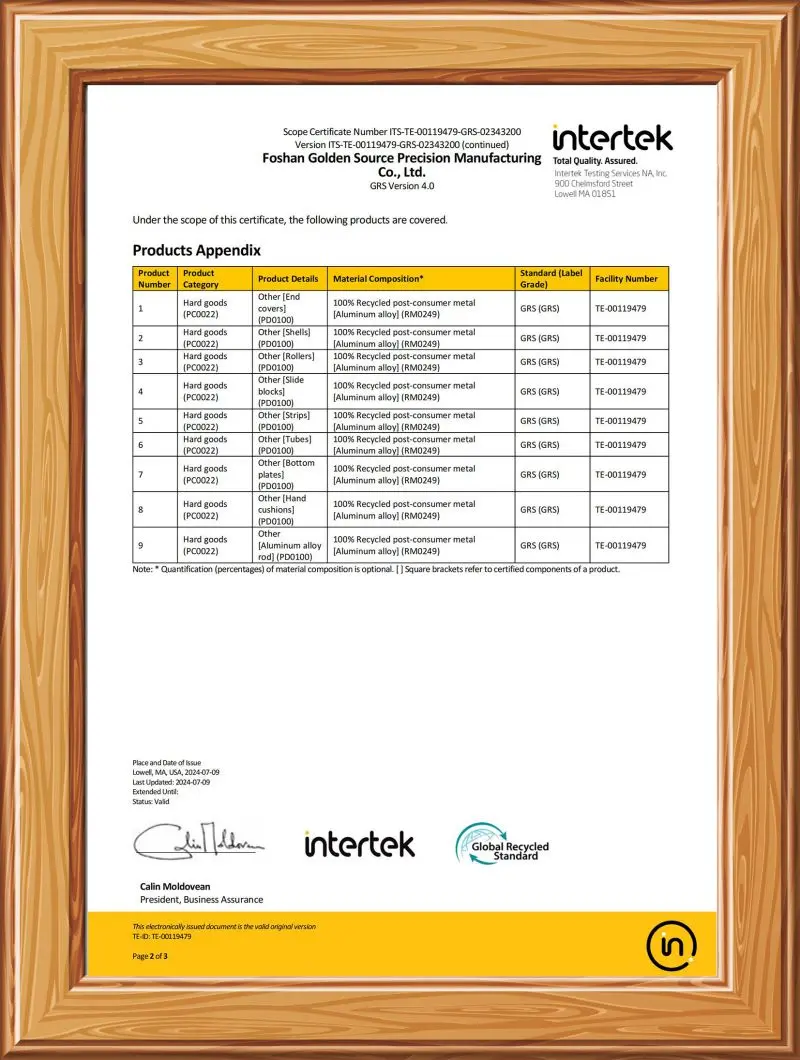
Our commitment to the circular economy is validated by our GRS (Global Recycled Standard) and RCV certifications. These verify our post-consumer and post-industrial aluminum recycling loops, enabling us to provide low-carbon profiles to support our partners' carbon neutrality goals.
Aligning manufacturing capabilities with the demands of the next generation of high-precision engineering.
Our upcoming engineering upgrade includes real-time isothermal extrusion systems. By monitoring temperature right at the die exit, we can automatically adjust extrusion speeds. This ensures uniform mechanical performance and structural stability across the entire profile length, minimizing the risk of internal micro-cracks in sensitive architectural and structural applications.
As EU and North American partners face stricter carbon tax policies, we are expanding our low-carbon recycled aluminum line. Combining clean scrap with primary aluminum under strict metallurgical control allows us to reduce raw material emissions by up to 60% without compromising mechanical or aesthetic performance.
The rise of portable 3C devices, miniature medical instruments, and automated robotics demands ultra-thin, high-tolerance aluminum components. We are actively refining our tooling designs to produce profiles with wall thicknesses under 0.6mm, while maintaining tolerances within ±0.015mm through upgraded, high-speed precision CNC centers.
Expert insights addressing key design questions, material selection criteria, and procurement processes.
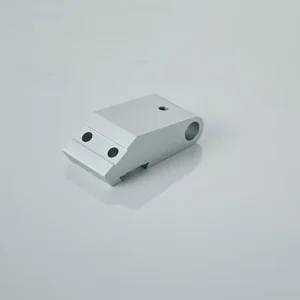
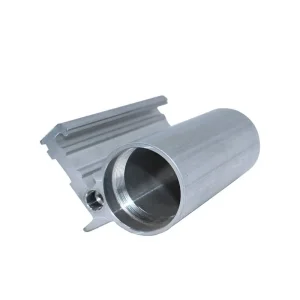
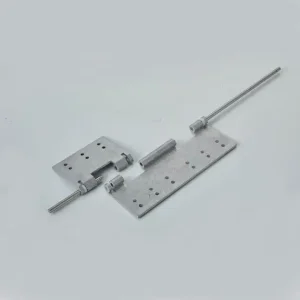
Explore our specialized components, manufactured to meet demanding international quality standards.
 HG Precision