In the modern era of high-speed computation, electric mobility, and telecommunication expansions, thermal management has transitioned from a basic design consideration to a critical performance bottleneck. OEM Aluminum Heat Sinks form the backbone of physical heat dissipation structures worldwide. As microprocessors density scales up and automotive drivetrains electrify, the global demand for custom, lightweight, and thermally efficient structures is expanding exponentially.
Aluminum, specifically alloys such as 6063 and 6061, presents the optimal trade-off between thermal conductivity, cost, yield strength, and ease of machining. With thermal conductivity ranging between 160 and 220 W/(m·K), it serves as the ultimate medium for passive and forced convection setups. Global tech sectors, including 5G base stations, cloud storage servers, and PV inverters, require strict dimensional tolerances and optimized fin profiles to maximize heat dissipation surface areas while minimizing structural weight.
Selecting the appropriate aluminum alloy is crucial for balancing thermal efficiency with physical durability. While standard applications rely on the highly extrudable 6000 series, aerospace, automotive, and heavy machinery require custom mechanical formulations.
| Alloy Series | Key Properties | Common Applications in Thermal Management |
|---|---|---|
| 1XXX Series (e.g., 1050 / 1060) | Pure Aluminum (>99%), maximum thermal conductivity (~220 W/m·K), low structural strength. | Stamped fins, cold-forged thermal bases, and flexible thermal interface linkages. |
| 3XXX Series (e.g., 3003) | Manganese alloyed, superior corrosion resistance, moderate strength. | Liquid cooling heat exchangers, evaporator tubing, automotive radiators. |
| 5XXX Series (e.g., 5052) | Magnesium alloyed, excellent marine corrosion resistance, high weldability. | Structural brackets, maritime electronics enclosures, liquid-cooling cold plates. |
| 6XXX Series (e.g., 6063 / 6061) | Silicon and Magnesium alloyed, highly extrudable, excellent mechanical properties. | Precision extruded active & passive heat sinks, high-fin-ratio optical module coolers. |
| 7XXX Series (e.g., 7075) | Zinc alloyed, ultra-high yield strength, high hardness, lower thermal conductivity (~130 W/m·K). | High-stress structural components, structural heat shields, aerospace brackets. |
By utilizing in-house melting and casting, premium manufacturers can adjust chemical composition down to ppm tolerances. This minimizes trace iron (Fe) and copper (Cu) levels, which degrades anodizing uniformity and lowers native thermal capacity, ensuring high performance in complex anodizing environments.
China's dominance in the global aluminum extrusion supply chain is built on advanced manufacturing clusters, raw material proximity, and highly integrated value-added processing.
From die-casting and custom alloy blending to multi-axis CNC routing and robotic surface treatment, every production phase is executed in-house. This minimizes inter-facility transport overhead, ensures unified quality management, and accelerates lead times by 30-40% compared to fragmented supply chains.
Thermal performance relies heavily on radiative heat transfer. Advanced anodizing (in natural, electrolytic bronze, clear, or custom pigments) changes surface emissivity, while sandblasting, chemical etching, and specialized powder coatings enhance atmospheric corrosion resistance and heat-sink aesthetics.
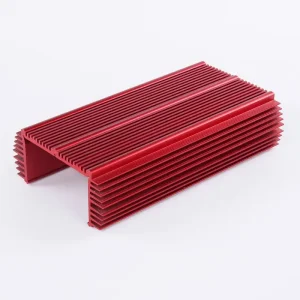
Specialized hydraulic extrusion presses, combined with high-strength H13 steel dies, enable the production of very thin fin geometries (down to 0.8mm) with high extrusion ratios. This achieves maximum thermal surface area within tight spatial limitations.
Over 30 Years of High-Strength, High-Precision Manufacturing Excellence
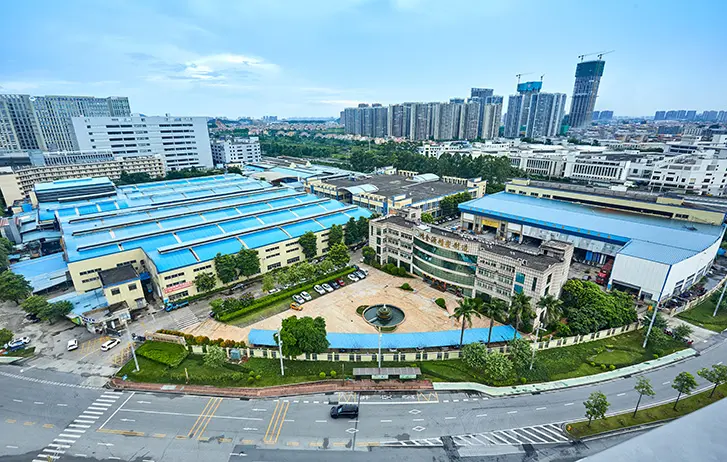
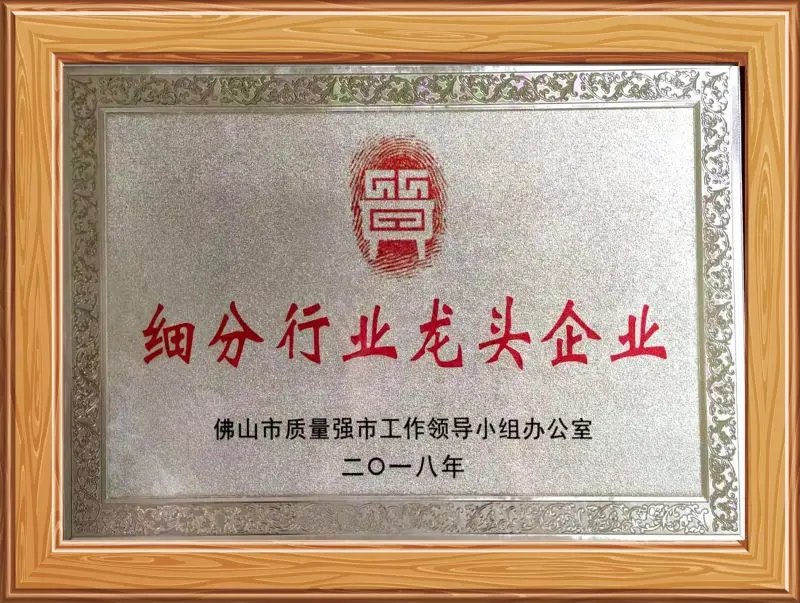
Foshan Golden Source Precision Manufacturing Co., Ltd, established in 1991, is a professional manufacturer of high-strength, high-precision, customized aluminum profiles and precise machining aluminum parts, welded parts, and assembled aluminum products. With a modern and environmentally friendly production base covering an area of over 73,000 square meters, the company offers one-stop service, including alloy casting, mold research & design & building, aluminum extruding, precise machining, welding, assembly and surface treatment.
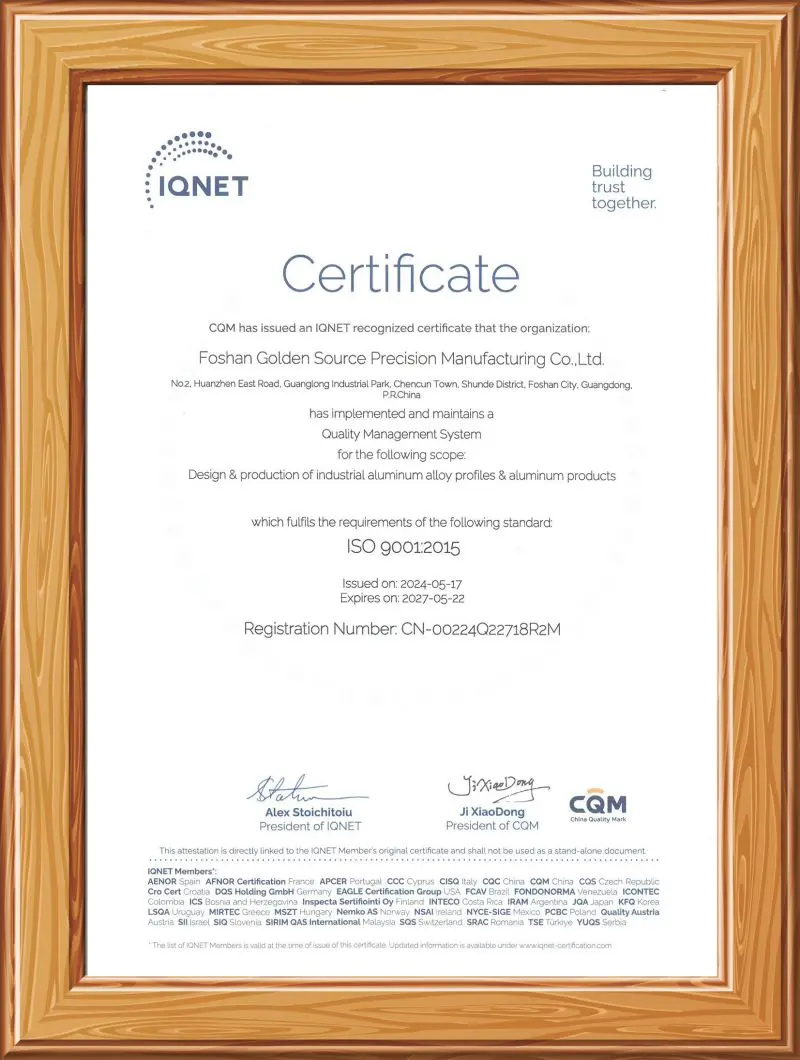
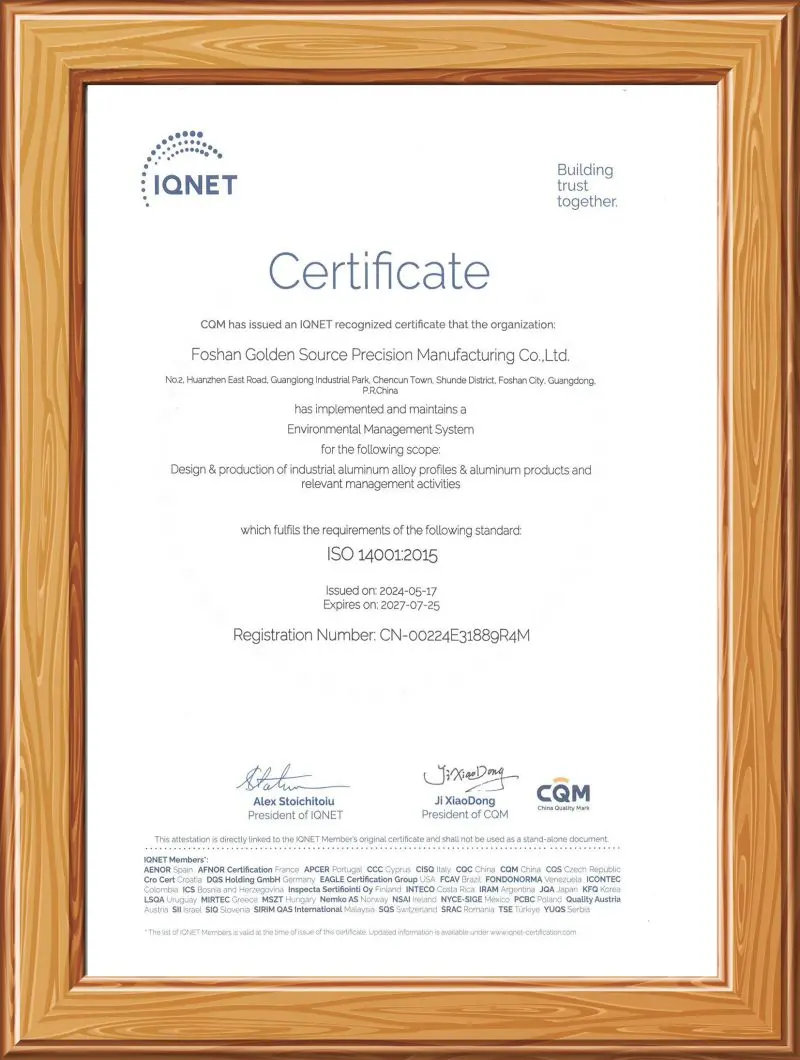
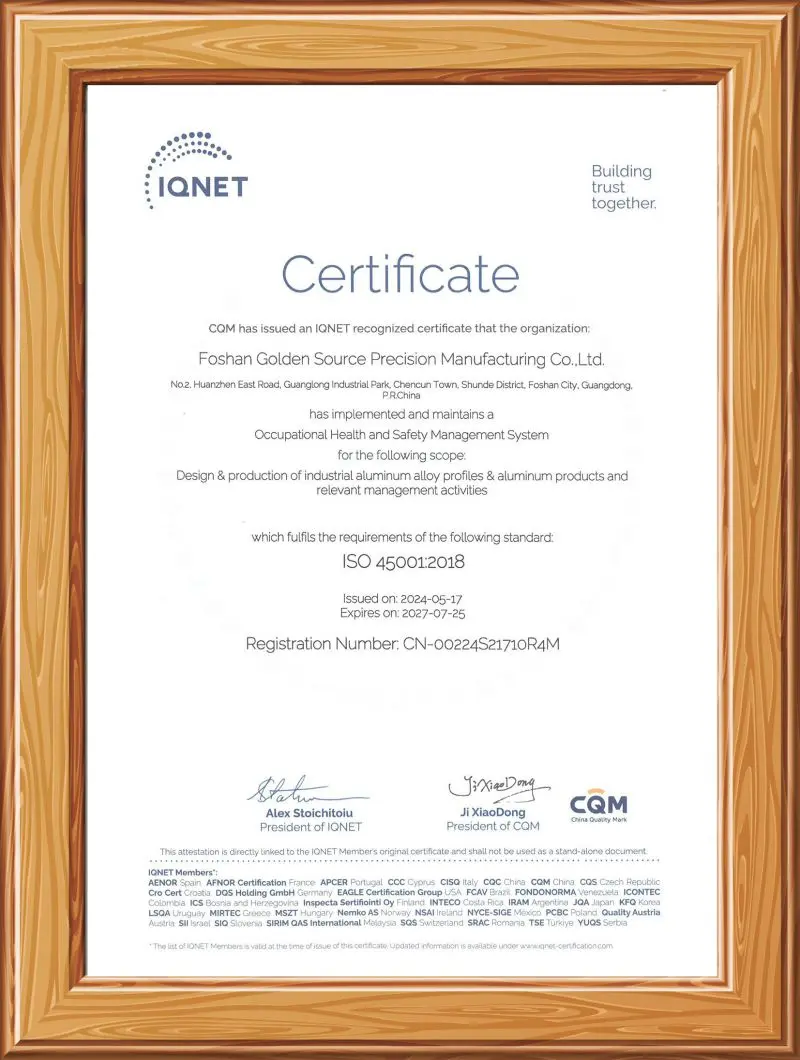
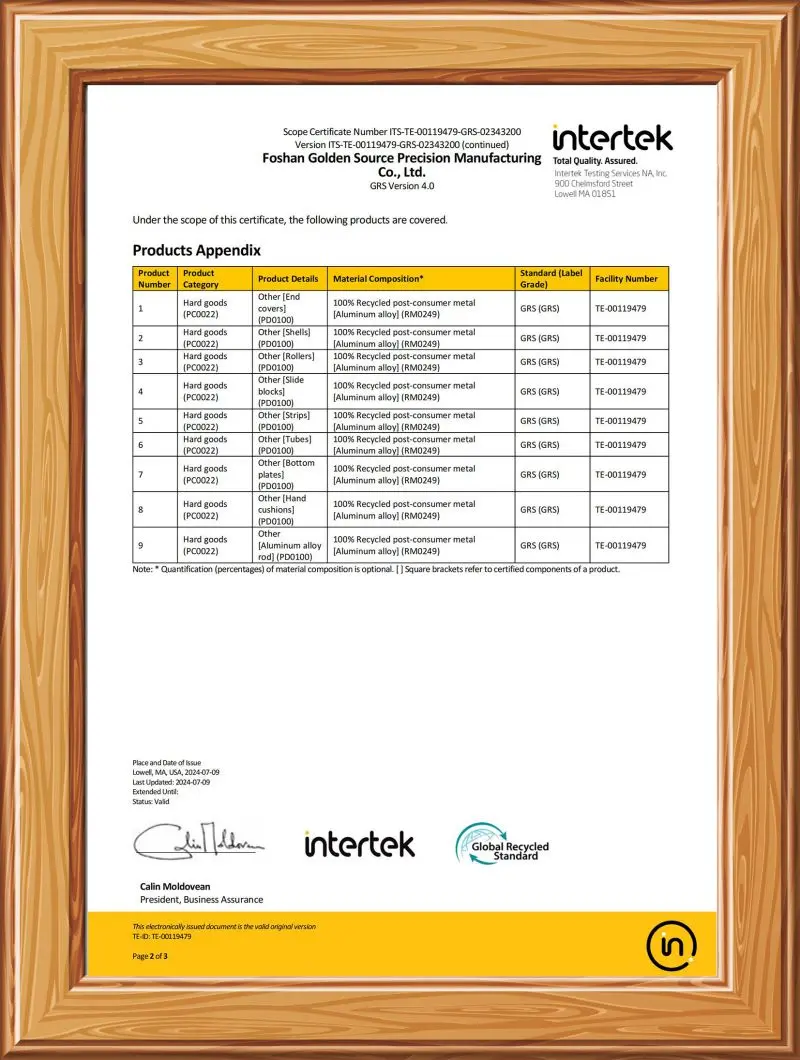
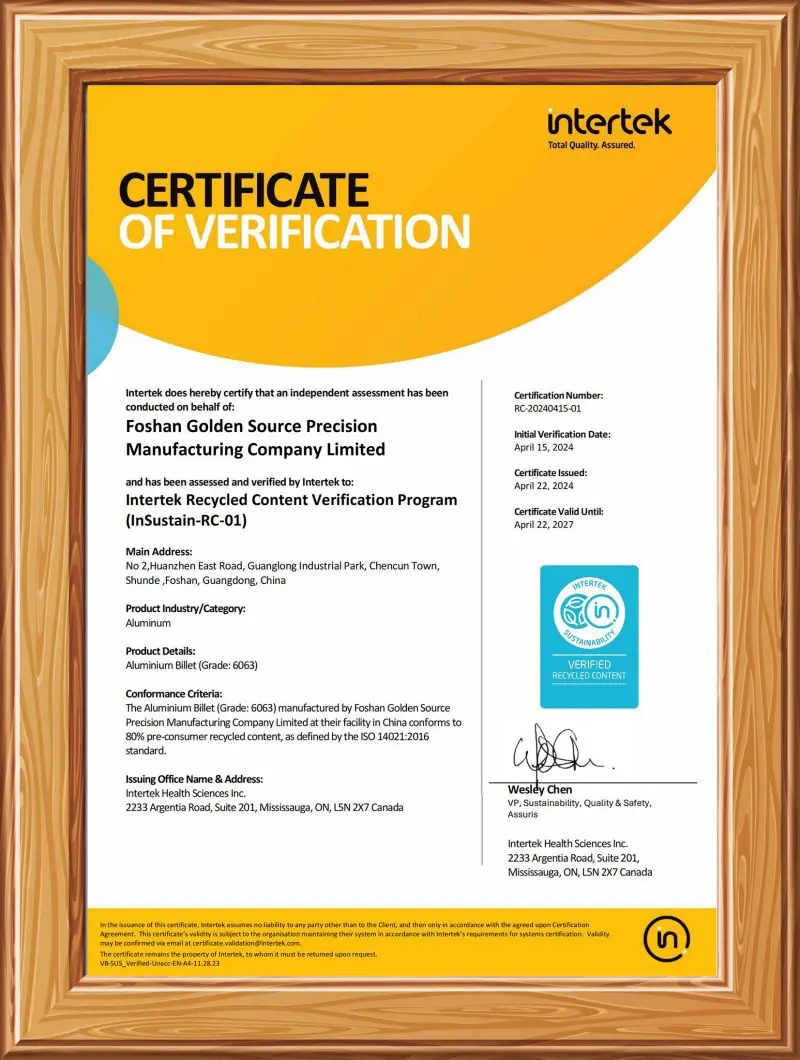
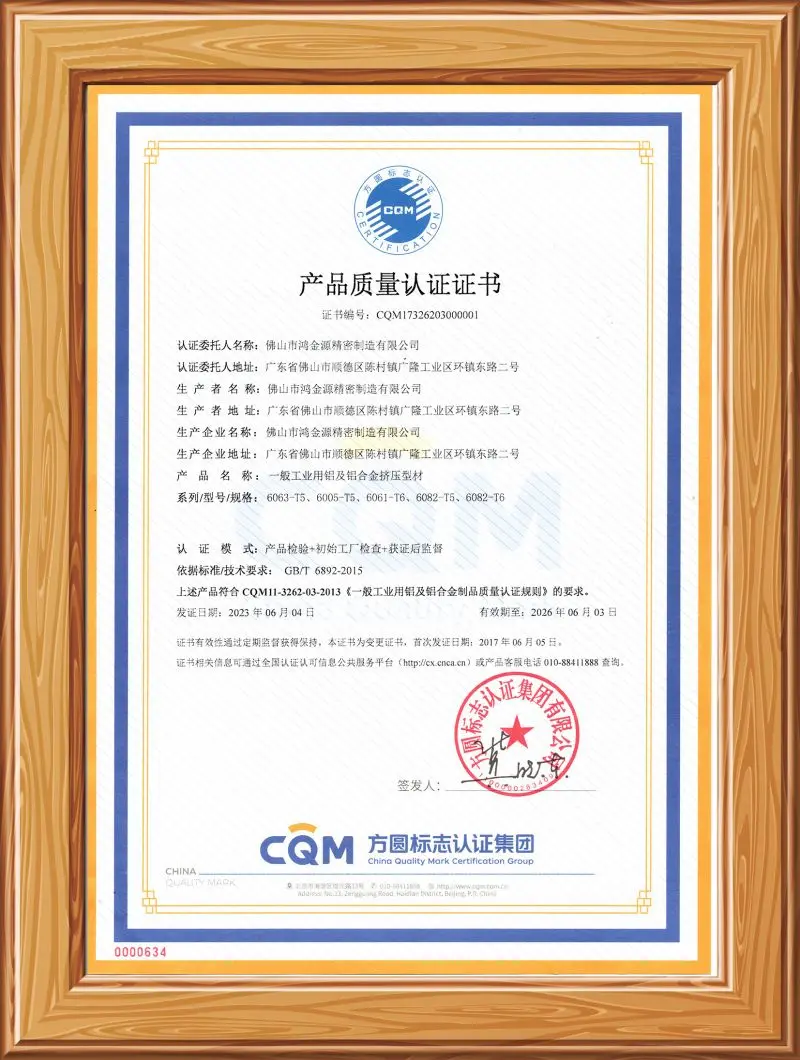
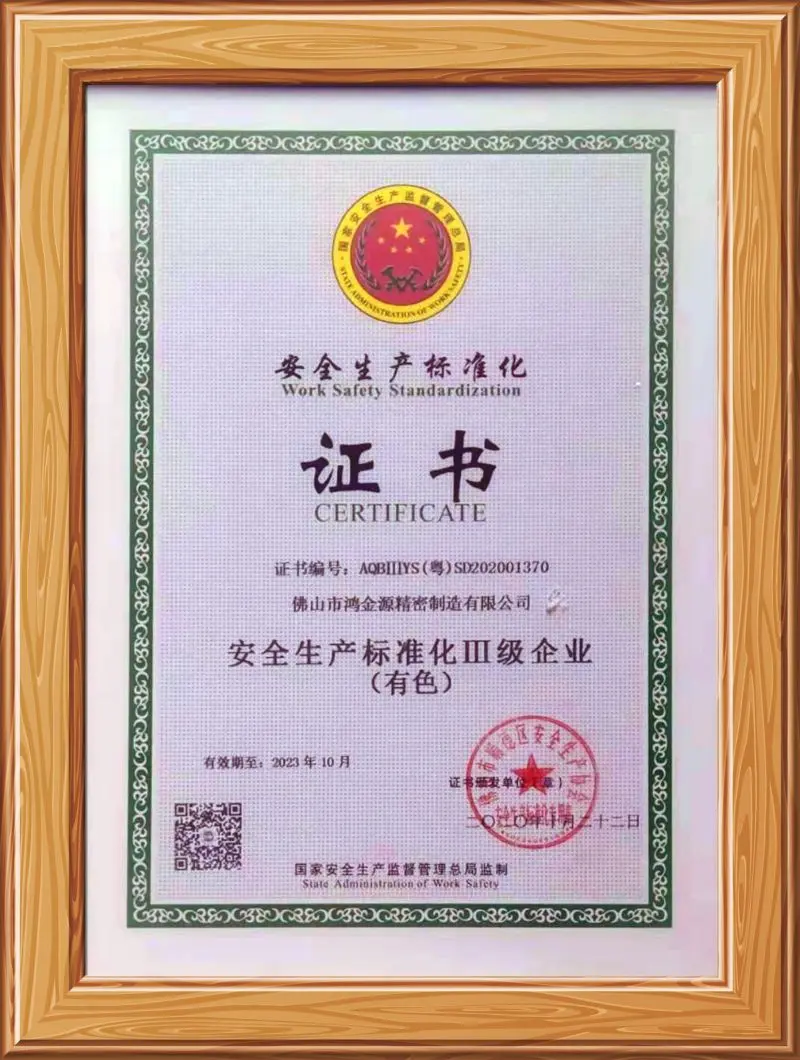
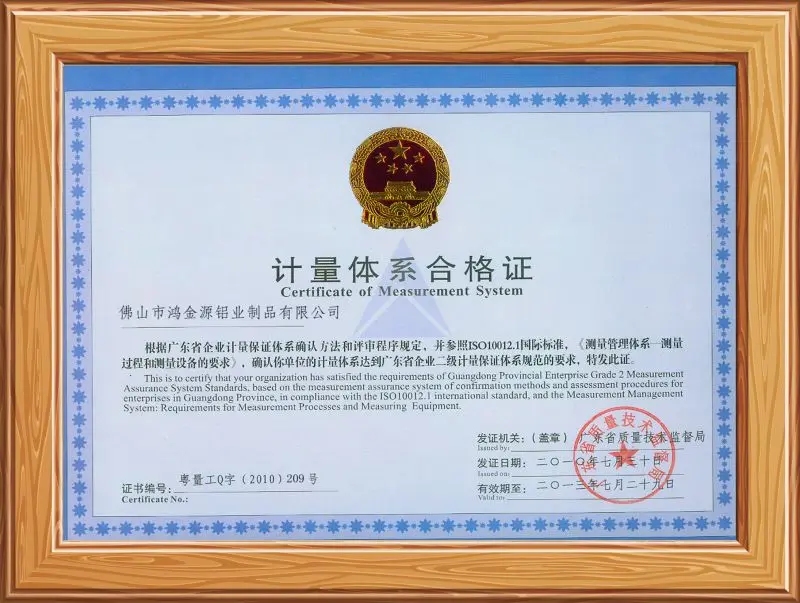
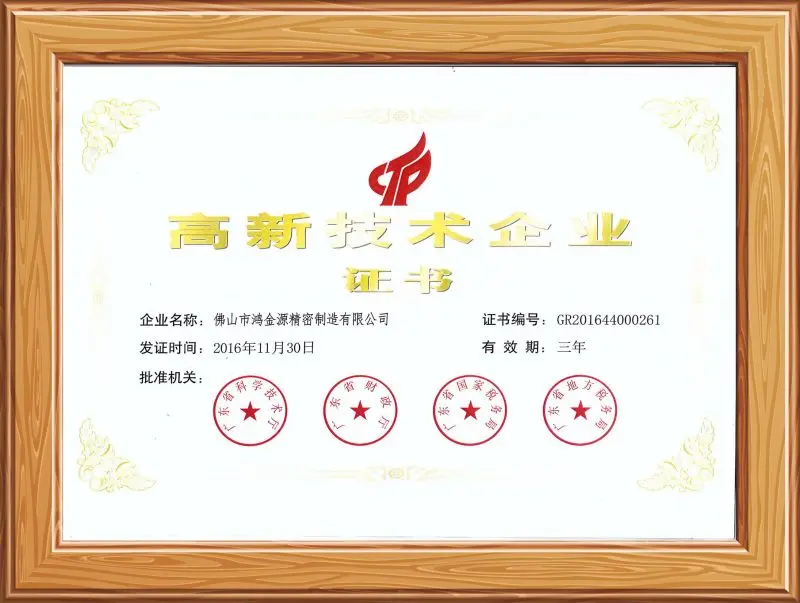
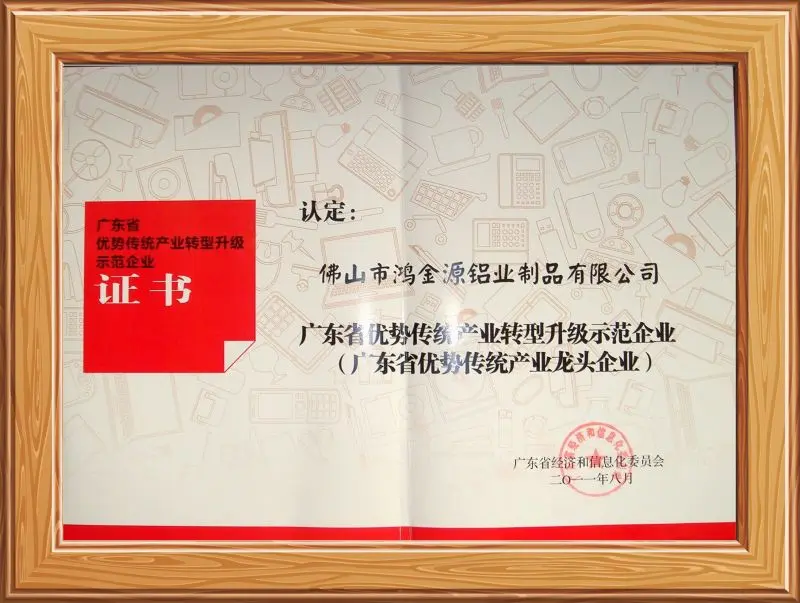
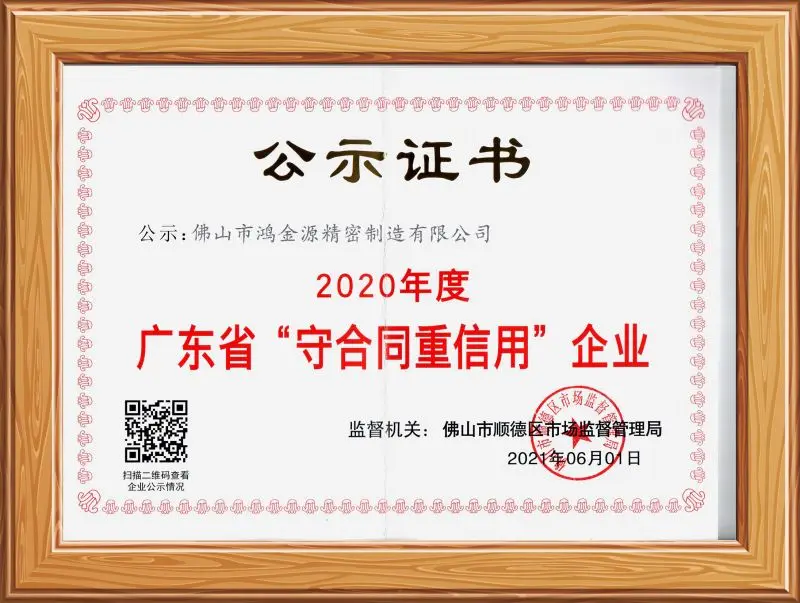
The company holds certifications such as ISO9001, ISO14001, ISO45001, RCV, and GRS, ensuring that its products comply with the environmental requirements of the EU’s REACH regulation. A wide range of aluminum alloy series are available, including: 1XXX, 3XXX, 5XXX, 6XXX, 7XXX alloy, which allow us to meet different demands of various industries and fields, including hardware tools, 3C products, automobile, railway, furniture, decoration, and outdoor products.
Get immediate access to detailed dimensional specifications, alloy data sheets, manufacturing tolerances, and surface finish options for our global OEM projects.
Company catalogue downloadIndustrial thermal management solutions are rarely off-the-shelf. Real-world applications demand specific structural, aesthetic, and mechanical features.
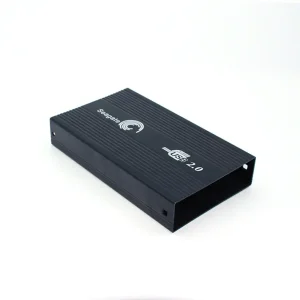
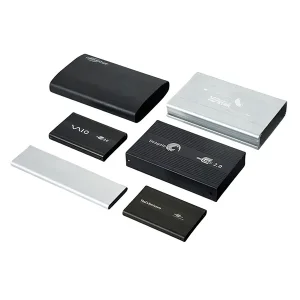
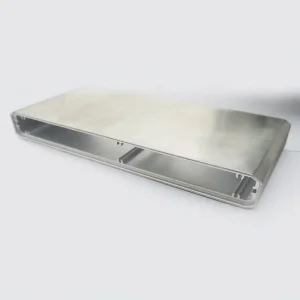
High-density server storage arrays generate localized hot spots. Precision-machined, thin-walled cases with integrated surface cooling fins protect storage devices while maintaining structural alignment and vibration resistance.
High-speed network transceivers (SFP/QSFP) operate within small spaces. This requires thin-fin extrusions, complex multi-axis CNC milling, and high dimensional tolerances to ensure tight thermal contact with high-power laser diodes.
Signal modulation equipment generates significant waste heat. Thick-base extrusions distribute heat quickly across the mounting surface, while widely spaced fins utilize convection currents to cool internal electronics.
Procurement managers and thermal design engineers often face unexpected cost increases when moving from prototyping to mass production. To optimize your OEM aluminum heat sink quote, consider the following parameters:
Foshan Golden Source operates to international standards. Our quality assurance processes and material tracking comply with REACH and RoHS standards, ensuring a reliable supply chain.
Find answers to common technical, metallurgical, and sourcing questions about custom heat sinks and aluminum profiles.
6063 aluminum is the preferred alloy for extruded heat sinks. It has higher thermal conductivity (approx 200 W/m·K) and is easier to extrude into complex, thin-walled shapes. 6061 has slightly lower thermal conductivity (approx 160-170 W/m·K) but higher yield and tensile strength, making it better suited for structurally loaded parts or components that require heavy CNC machining.
Melting alloy in-house allows the manufacturer to control the raw material composition. By adjusting elements like Silicon and Magnesium, we ensure consistent mechanical performance. It also lets us minimize trace impurities (like Iron), which can cause visual defects after anodizing and reduce native thermal conductivity.
GRS (Global Recycled Standard) and RCV (Recycled Content Verification) confirm that the manufacturer uses recycled materials and eco-friendly processes. These standards verify compliance with EU REACH and RoHS regulations, helping global buyers meet sustainability goals and simplify customs clearance.
The main limit is the extrusion die's ratio, calculated as fin height divided by the gap between fins. For standard setups, this ratio is usually kept below 10:1. Specialized manufacturers using high-strength tooling and advanced hydraulic controls can achieve ratios up to 14:1 or higher, allowing for taller, denser fin designs.
Anodizing creates a thin aluminum oxide layer that increases surface emissivity, improving radiative heat transfer, especially in natural convection environments. Powder coating provides better corrosion protection but acts as a mild thermal insulator. This coating is best used in forced-air or liquid-cooled systems where convective transfer is dominant.
 HG Precision