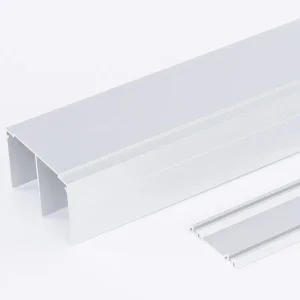
Global Industrial Outlook: ODM Anodizing Aluminum Services
In modern B2B manufacturing, the demand for high-durability, lightweight, and cosmetically uniform structural components has driven anodized aluminum to the forefront of engineering materials. Anodization—an electrochemical process that converts the metal surface into a decorative, durable, corrosion-resistant, anodic oxide finish—is not merely a coating; it is an integral structural change of the underlying aluminum substrate. The global market size for anodized aluminum continues to expand rapidly, driven by strict standards in industries such as automotive lightweighting, aerospace engineering, consumer electronics (3C), solar panel brackets, and structural architectural systems.
The Technical Mechanism of Quality Anodizing: During the anodization process, the aluminum profile acts as the anode in an acid electrolyte bath. When an electric current is passed through the medium, oxygen ions are released from the electrolyte to combine with the aluminum atoms at the surface, creating a microscopic, porous aluminum oxide structure. Controlling this pore diameter and thickness (typically measured in microns, e.g., 10μm to 25μm) is crucial. High-precision industries demand extreme uniformity to guarantee electrical insulation, wear resistance, and dye absorption consistency.
Understanding Chinese Factory Efficiency in the Global Supply Chain
China, particularly the industrial cluster of Foshan, represents the pinnacle of global supply chain consolidation for aluminum extrusion and anodizing services. The efficiency advantage of Chinese ODM factories is not merely based on labor scale, but on vertical integration and regional ecosystem density.
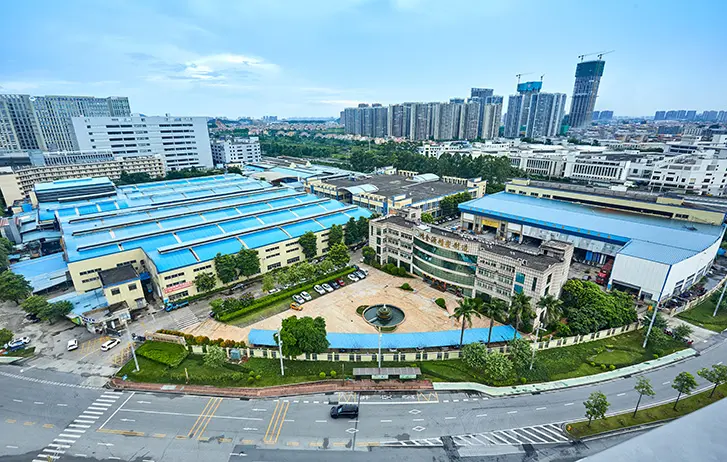
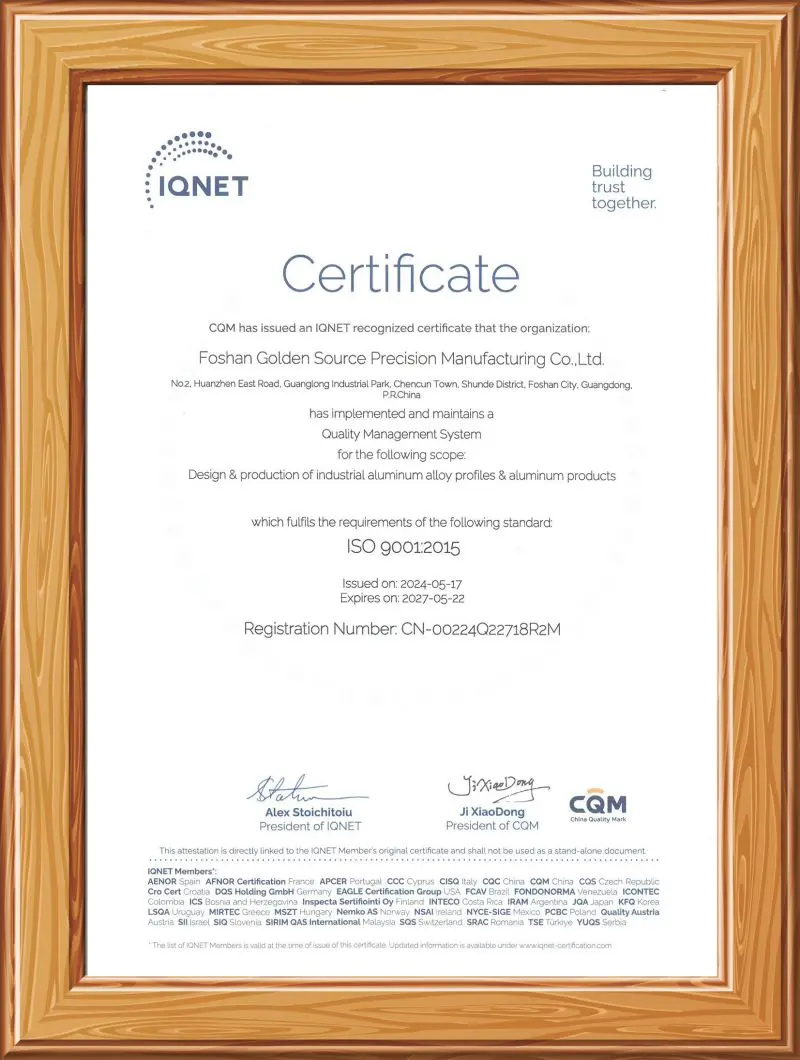
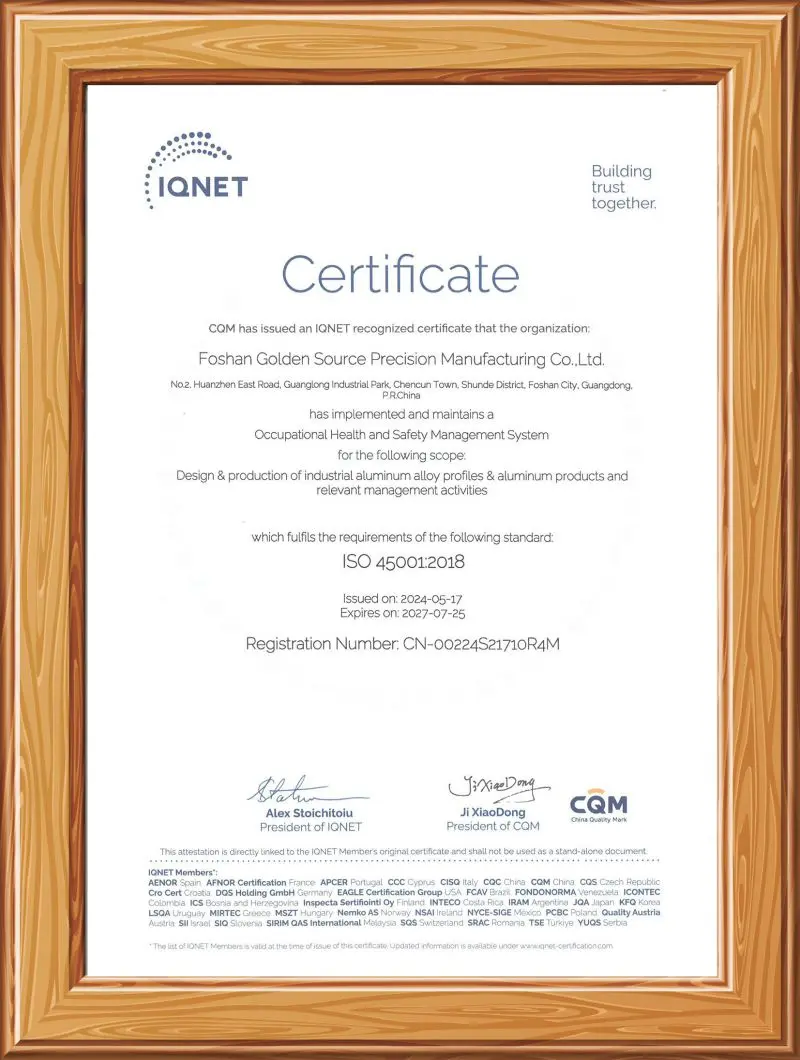
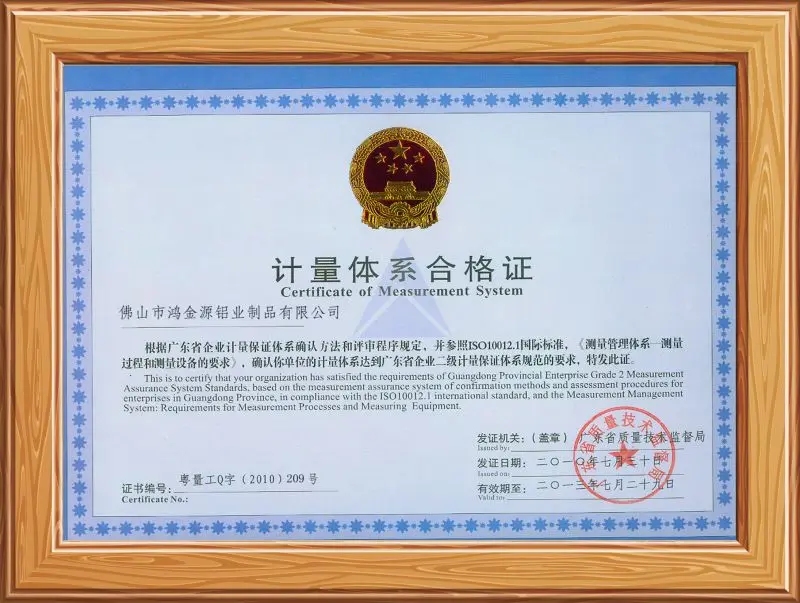
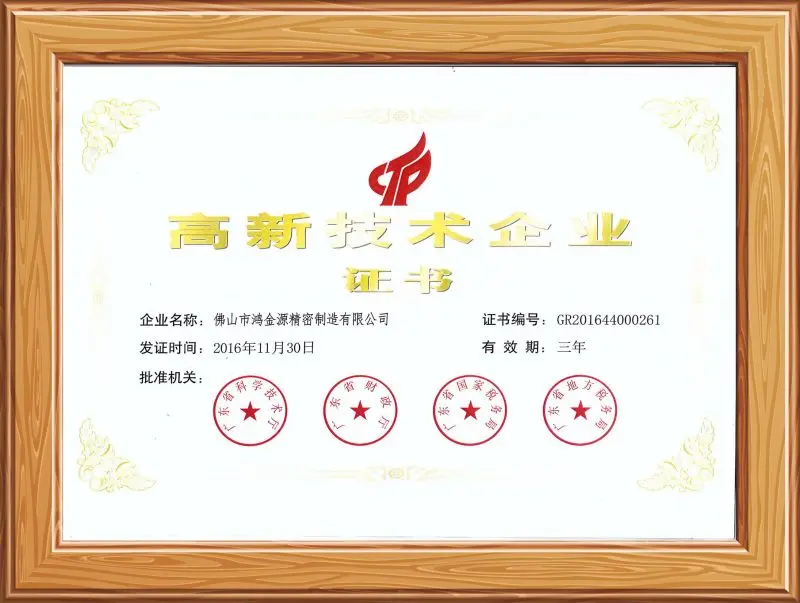
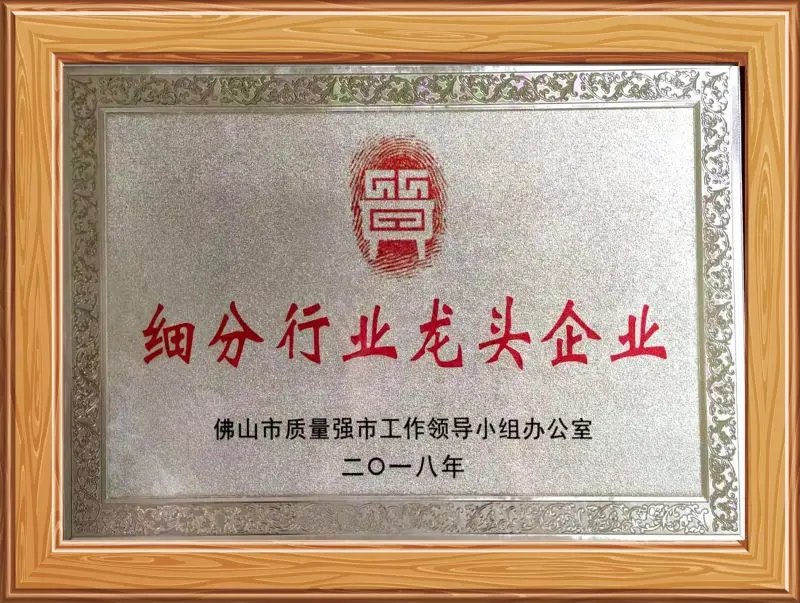
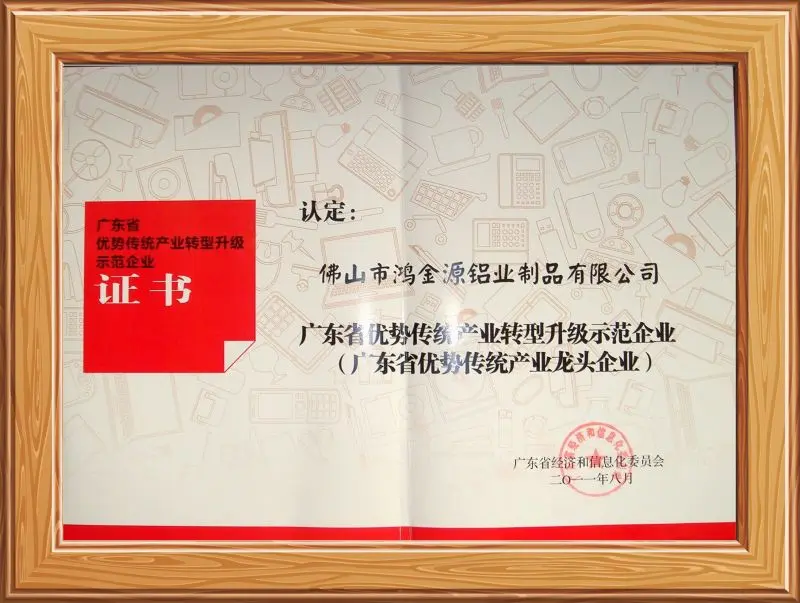
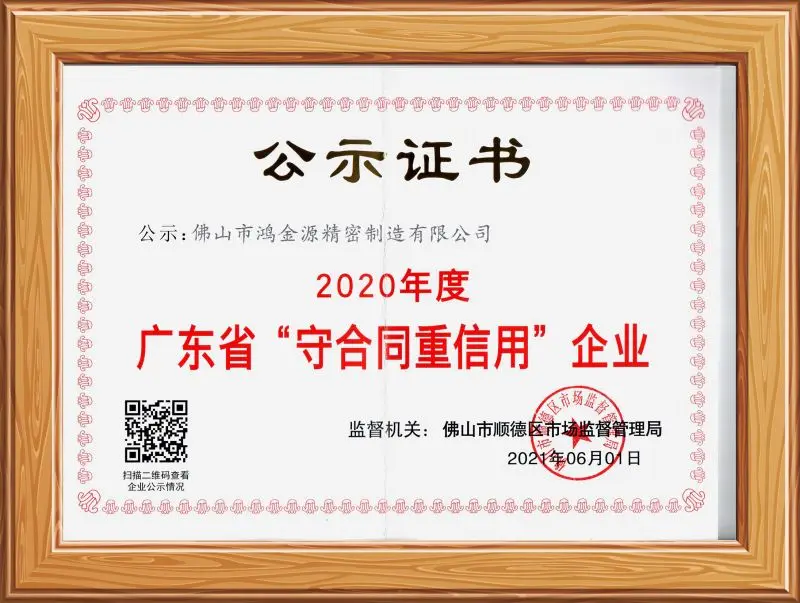
Foshan Golden Source Precision Manufacturing Co., Ltd showcases this capability by keeping every major production phase within a single 73,000 square meter location. In standard manufacturing setups, raw extrusion, CNC precision machining, manual welding, and chemical anodizing are often split across multiple subcontracted factories. This dispersion introduces mechanical scratches during shipping, oxide layer contamination, and significant logistical delays. By combining alloy casting, mold research, extrusion, machining, and surface finishing under one roof, we eliminate intermediate transport risks, protect product surfaces, and maintain strict quality control.
Critical Material Science: Why In-House Alloy Casting Matters
A primary failure mode in high-end anodizing (such as mirror polishing or satin champagne finishes) is surface cosmetic variance—often caused by microscopic impurities, structural silicon segregation, or iron inclusions in the raw aluminum alloy billets. When outsourcing billet purchasing, factories cannot guarantee the consistency of the microstructure.
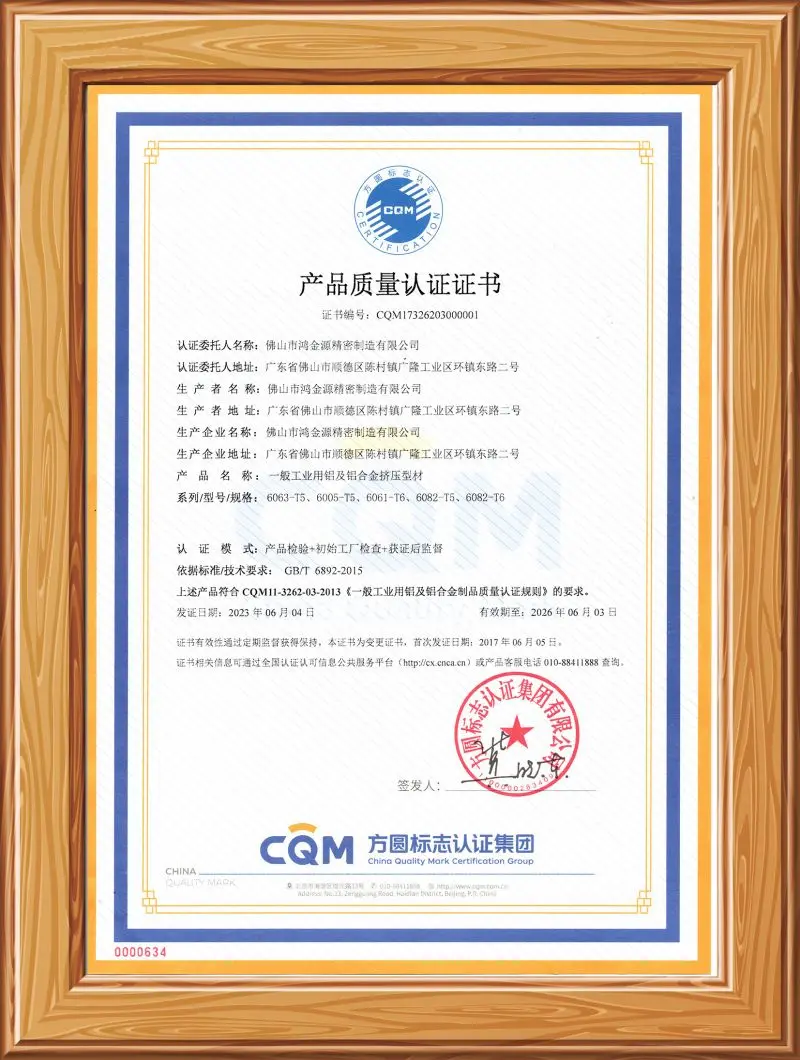
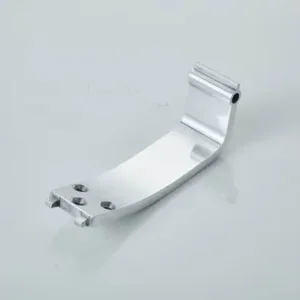
By melting and casting our alloys in-house, Golden Source can control the elemental composition of our 1XXX, 3XXX, 5XXX, 6XXX, and 7XXX series billet materials. For example, for parts requiring bright anodizing (such as high-end furniture profiles or climbing gear), we limit iron content to prevent a gray tint. For high-strength structural parts (like metro train doors or truck clamps), we balance magnesium and silicon ratios to achieve high tensile strength while maintaining a uniform, clean anodic film.
Localized Application Profiles
Our custom services adapt to specific application environments across the globe:
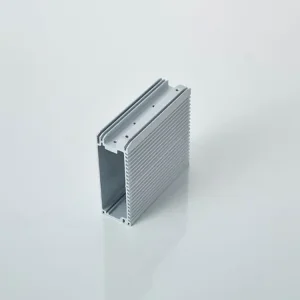
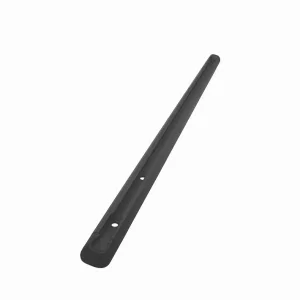
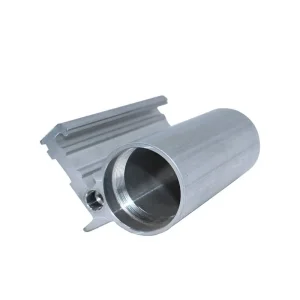
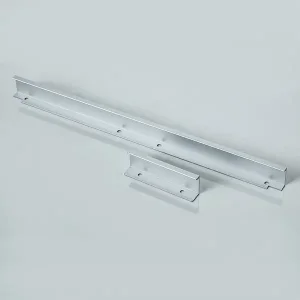
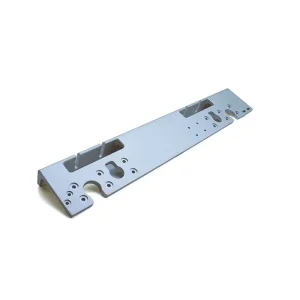
- Automotive & Transit: Precision CNC-machined structural rails for metro train doors (6063-T6) and vibration-damping heat sink casings for active noise cancellation systems.
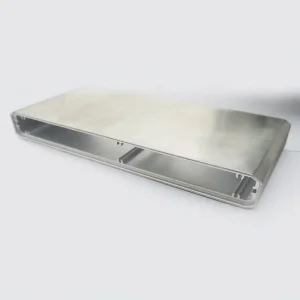
- Consumer Electronics: High-tolerance printer and camera enclosures with bead-blasted, matte-anodized finishes to prevent fingerprints.
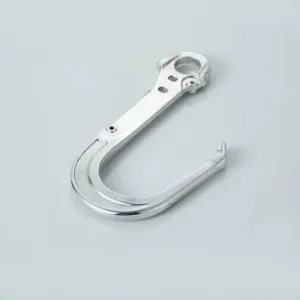
- Outdoor & Heavy-Duty: High-tensile 7075 alloy climbing hooks and truck-mounting clamps built to withstand humid, corrosive environments.
Future Development Trends
Industry directions are shifting toward environmental compliance and extreme precision:
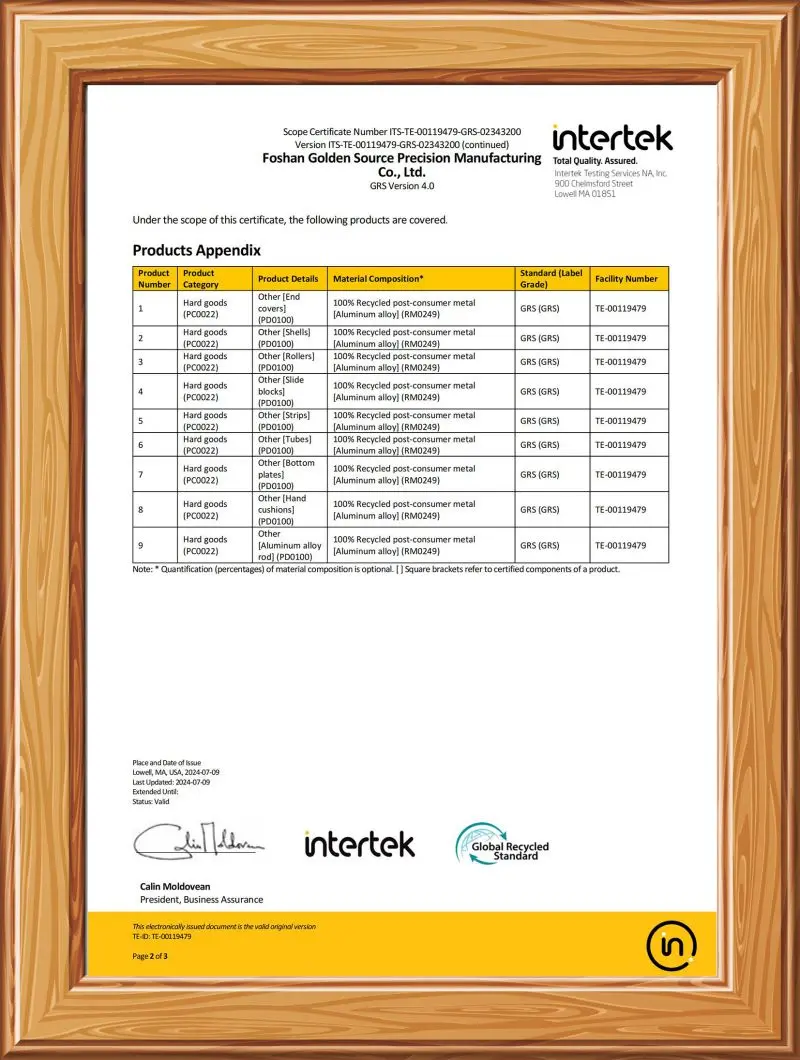
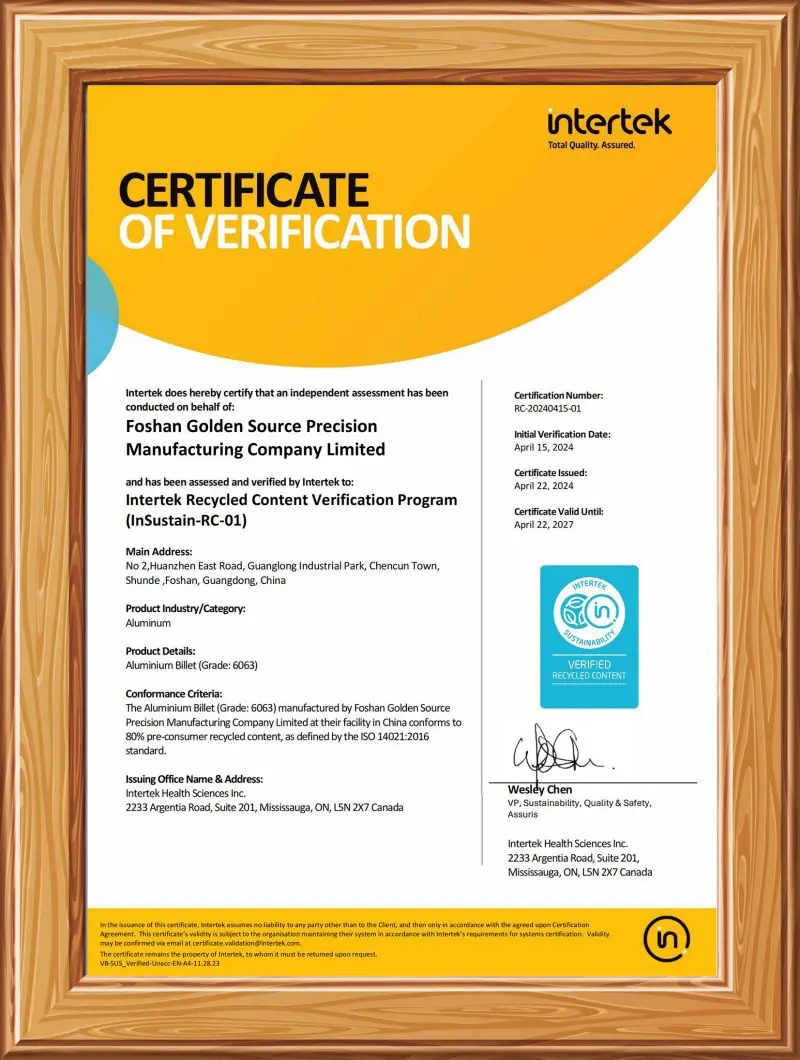
- Green Manufacturing (GRS Certified): Implementing circular manufacturing models by utilizing recycled post-industrial aluminum scrap.
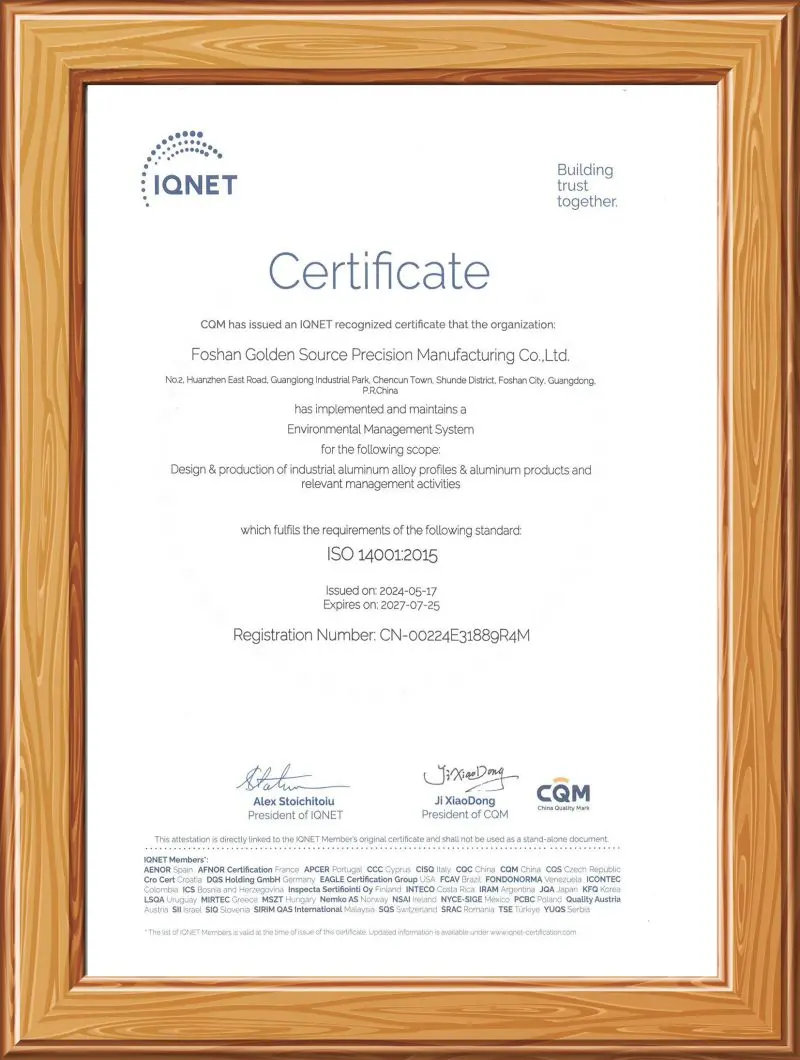
- Nickel-Free Sealing: Eliminating heavy metals in the final sealing phase of anodizing to comply with strict REACH and RoHS regulations.
- Micro-Arc Oxidation (MAO): Developing advanced ceramic coatings on aluminum for specialized defense and aerospace use.
 HG Precision