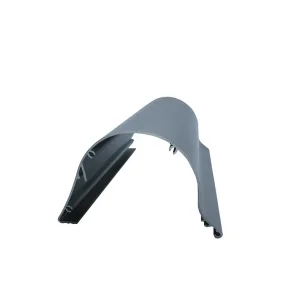
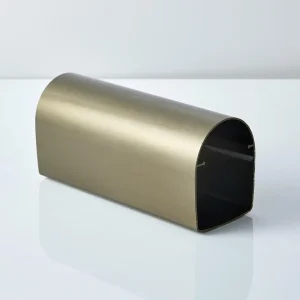
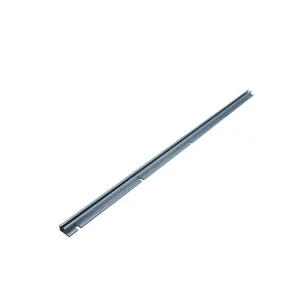
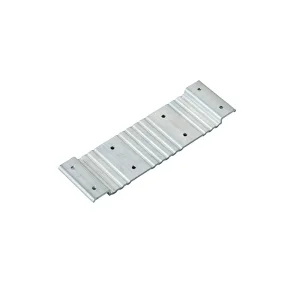
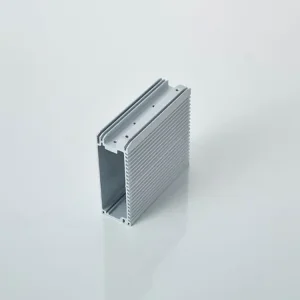
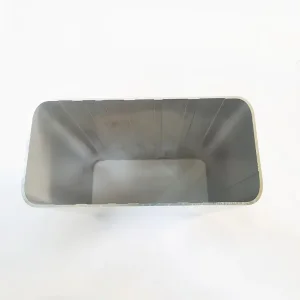
Precision-extruded, CNC-machined, and surface-finished structural components designed to rigorous global standards.
Modern commercial, industrial, and residential sectors demand structural materials that minimize structural deadweight while maximizing yield strength. Structural aluminum extrusions have emerged as the primary alternative to structural steel. Through in-house chemical composition modifications and precise physical extrusion processing, we provide structural components that are crucial for solar mounting networks, high-voltage battery enclosures, lightweight transport frameworks, and automated robotics framing.
The global structural aluminum extrusion market is undergoing a major transition driven by decarbonization policies, smart manufacturing trends, and strict environmental regulations. Modern engineering projects prioritise structures that lower carbon footprints without compromising strength or durability. As a result, sectors like automotive engineering, rail transit, renewable energy, and architectural envelope design are increasingly shifting to aluminum profiles.
This structural shift is supported by advanced metallurgy. The development of custom micro-alloying techniques—such as adding trace elements to 6061 and 6063 matrices—allows manufacturers to design profiles with mechanical properties comparable to traditional structural steels, but at one-third of the weight. This lightweighting trend is particularly critical in the electric vehicle (EV) sector, where extruded battery enclosures and structural crash rails directly translate to extended driving range and improved safety profiles.
For global procurement officers, project managers, and engineers, sourcing structural aluminum extrusions involves navigating complex supply chain challenges. Critical issues include:
To address these issues, manufacturers are adopting "One-Stop" integrated supply chain models. Working with a supplier that manages the process from initial alloy casting to precision machining and final packaging helps minimize these risks.
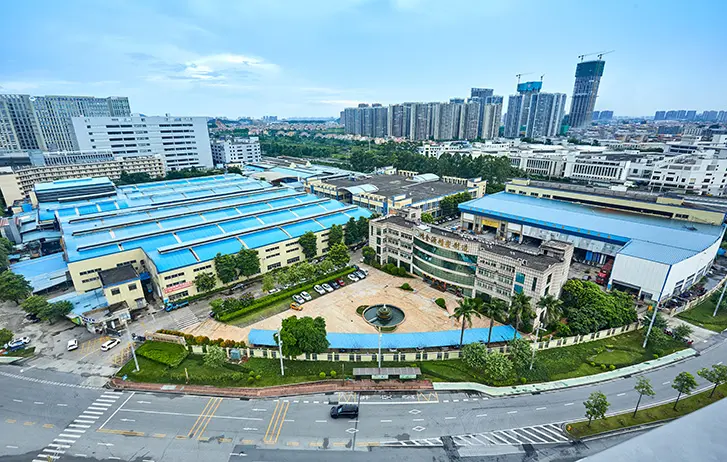
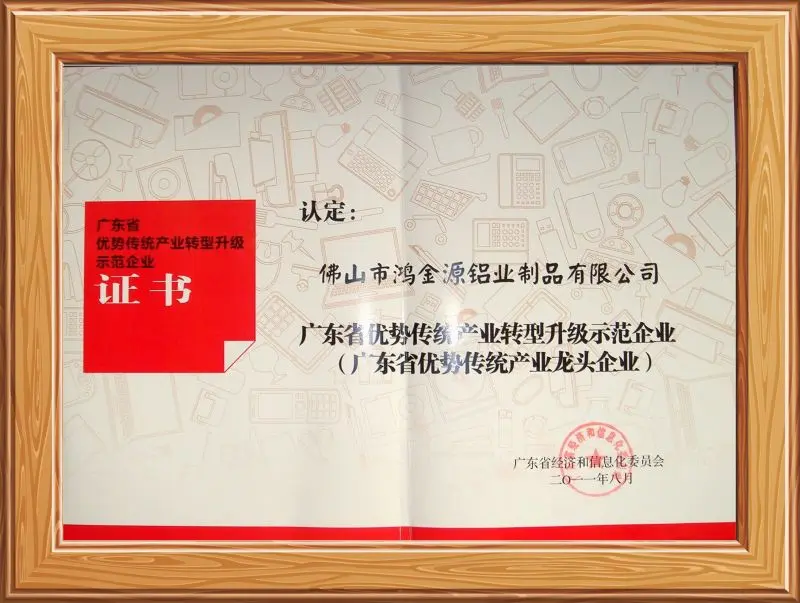
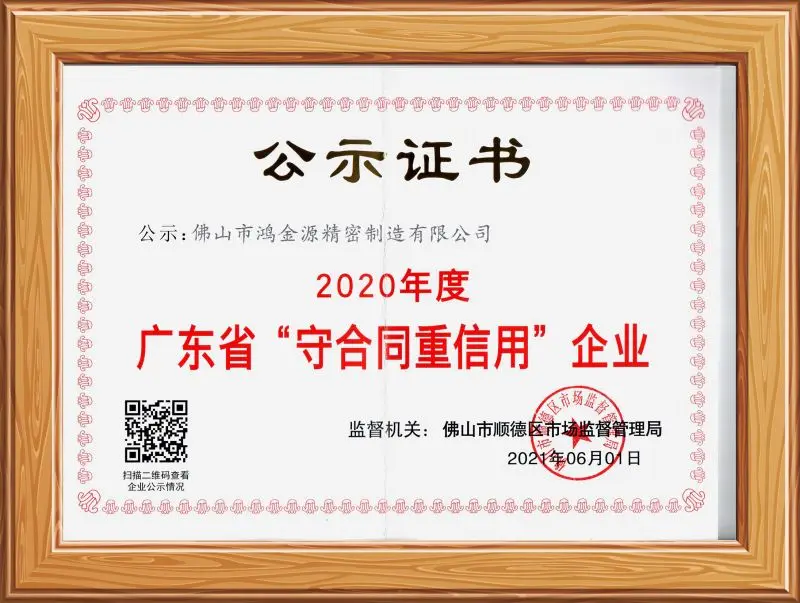
Foshan Golden Source Precision Manufacturing Co., Ltd., established in 1991, operates a modern 73,000 square meter production facility. We address global sourcing challenges by offering a fully integrated, in-house manufacturing process.
Unlike manufacturers that rely on external suppliers for billet casting, Foshan Golden Source performs all melting, refining, and alloy composition adjustments in-house. This capability allows us to customize physical properties and ensure high alloy purity, which is critical for consistent surface treatments and structural integrity.
Selecting the correct aluminum alloy series is essential for structural performance. Foshan Golden Source works with a wide range of alloy classes to meet varying industry needs:
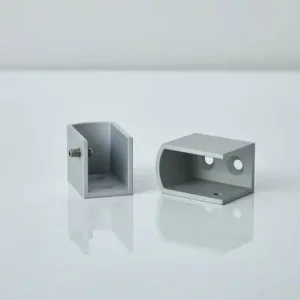
Structural extrusions often require secondary processing before installation. Foshan Golden Source provides extensive precision CNC machining and surface treatment options at our facility. Our capabilities include:
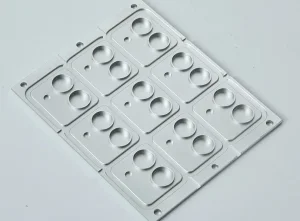
Downstream Processing: Precision CNC milling, multi-axis machining, stamping, tapping, automated robotic welding, and complete structural assembly.
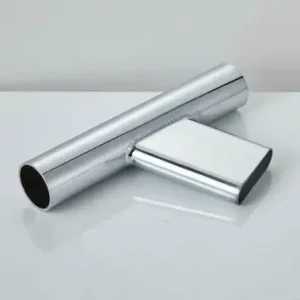
Surface Treatments: Sandblasting, clear and color anodizing, bronze anodizing, powder coating, and bright chrome plating. These finishes provide corrosion protection and wear resistance for industrial, marine, and architectural environments.
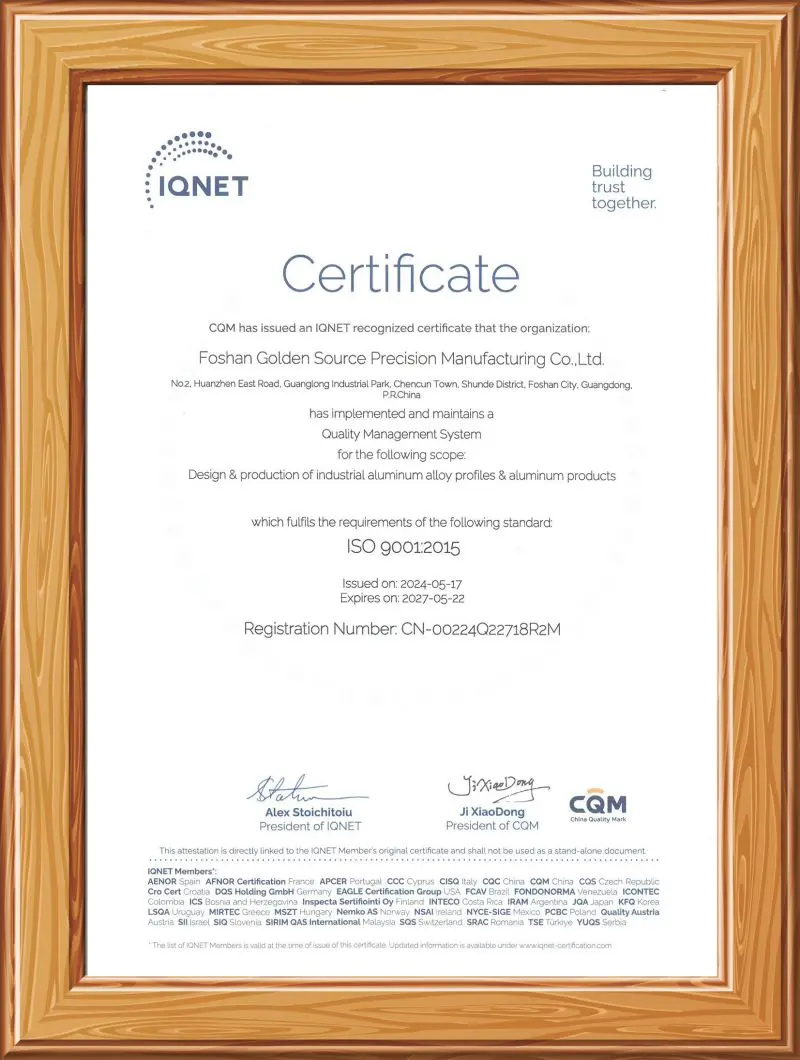
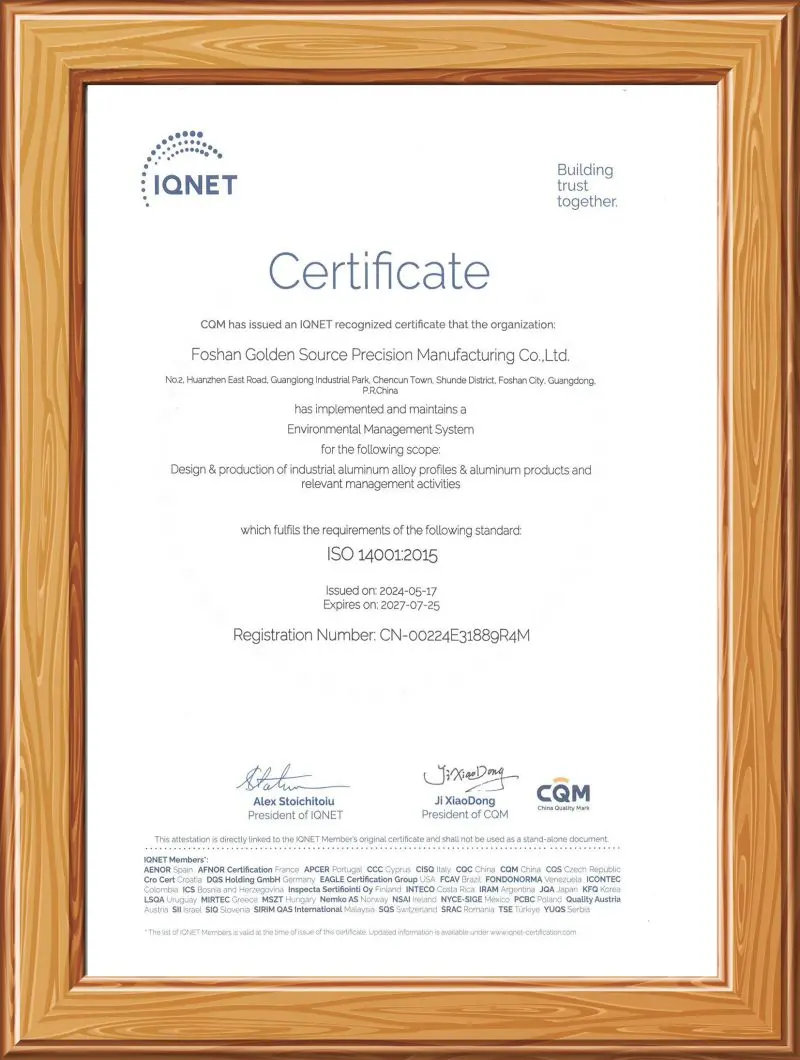
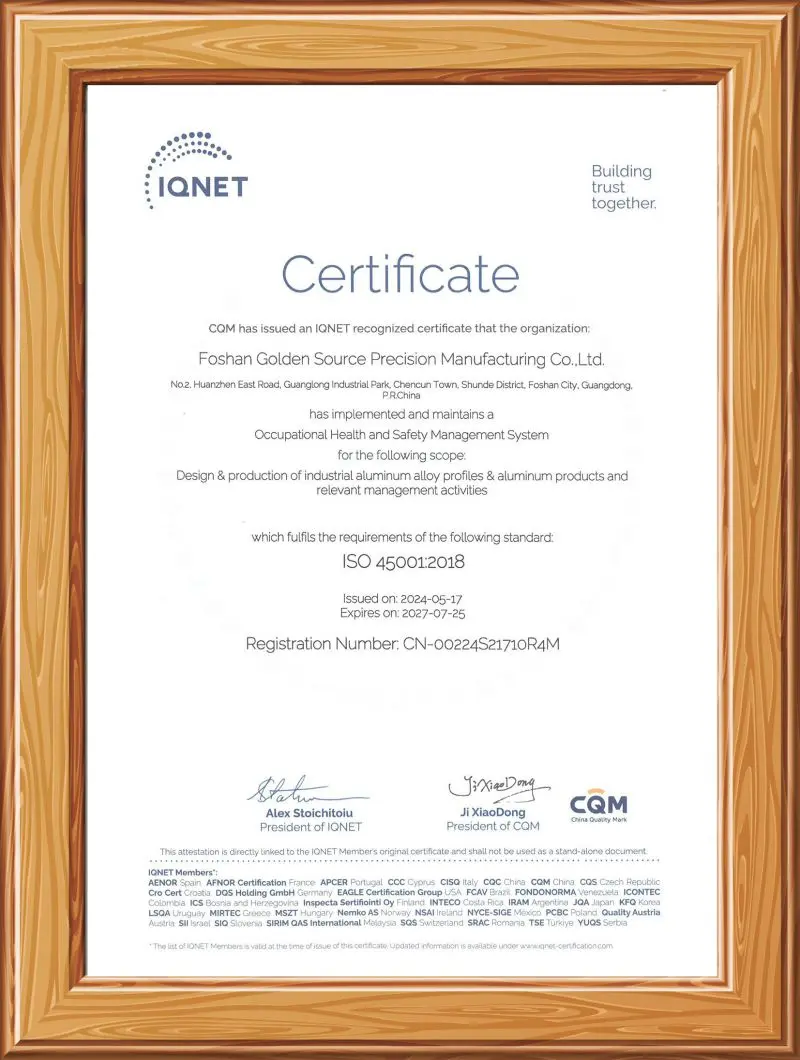
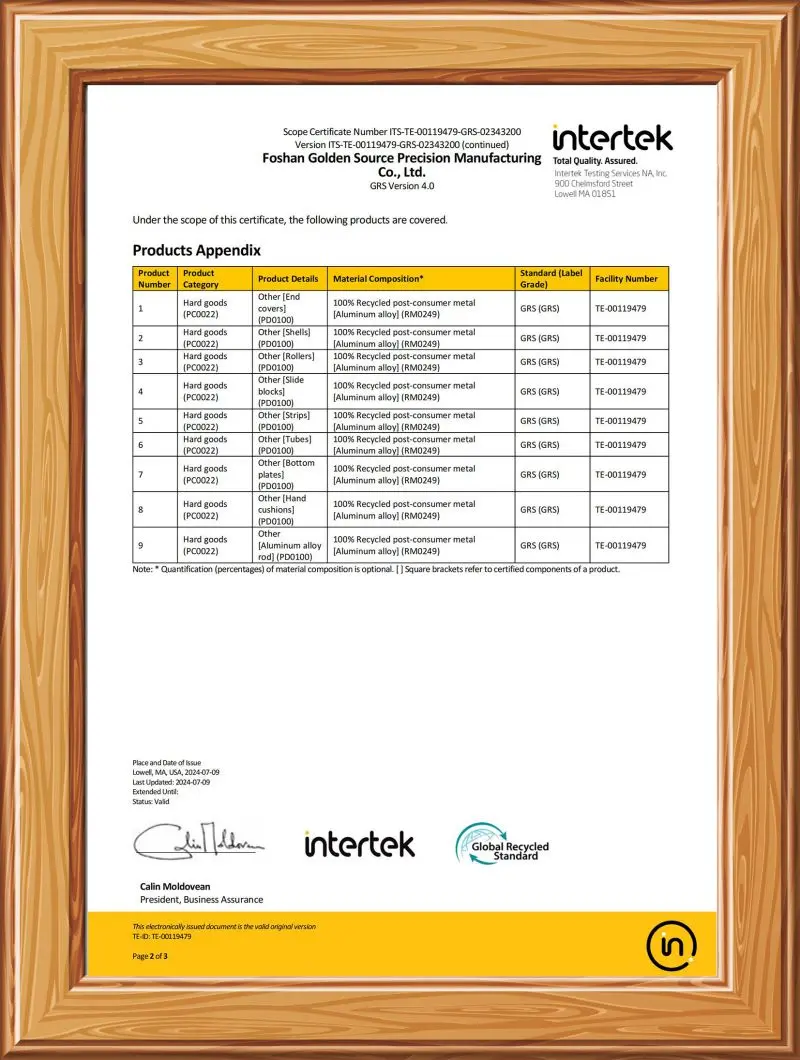
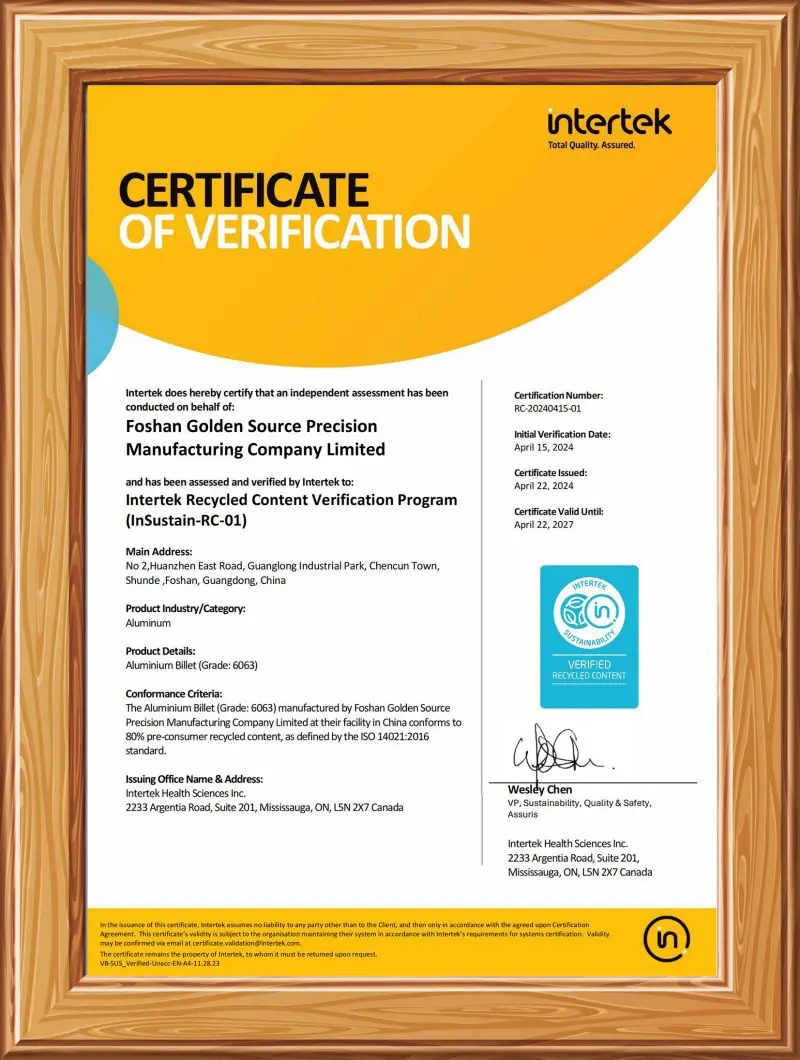
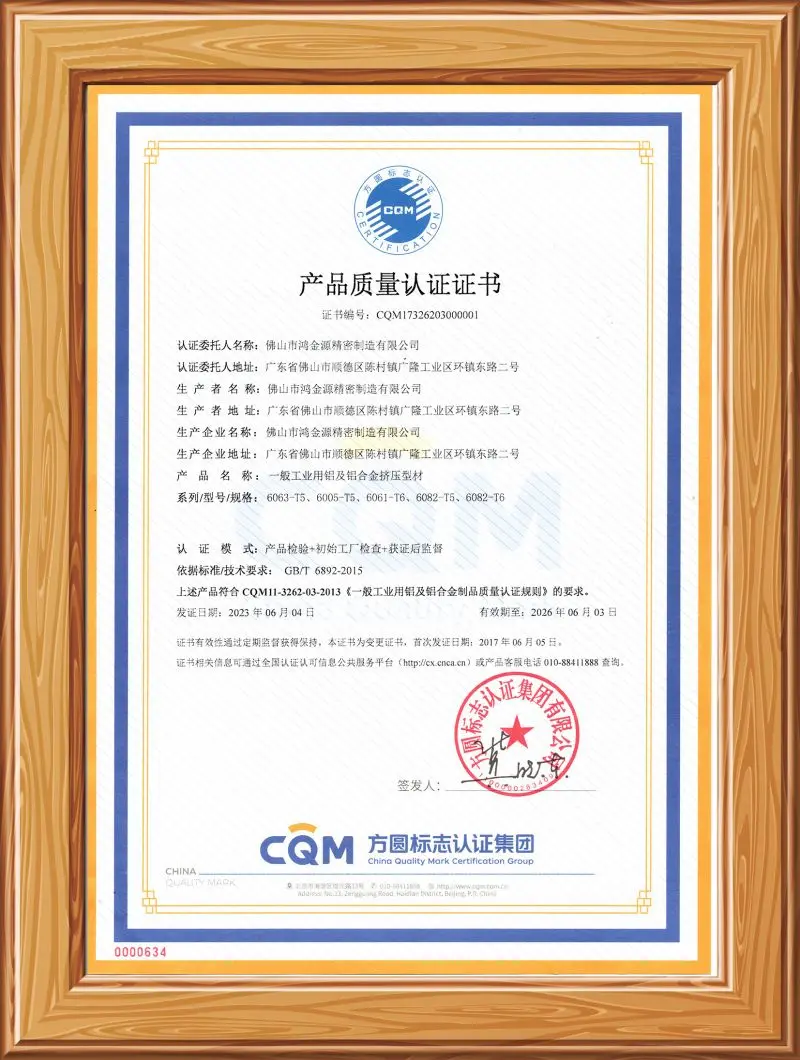
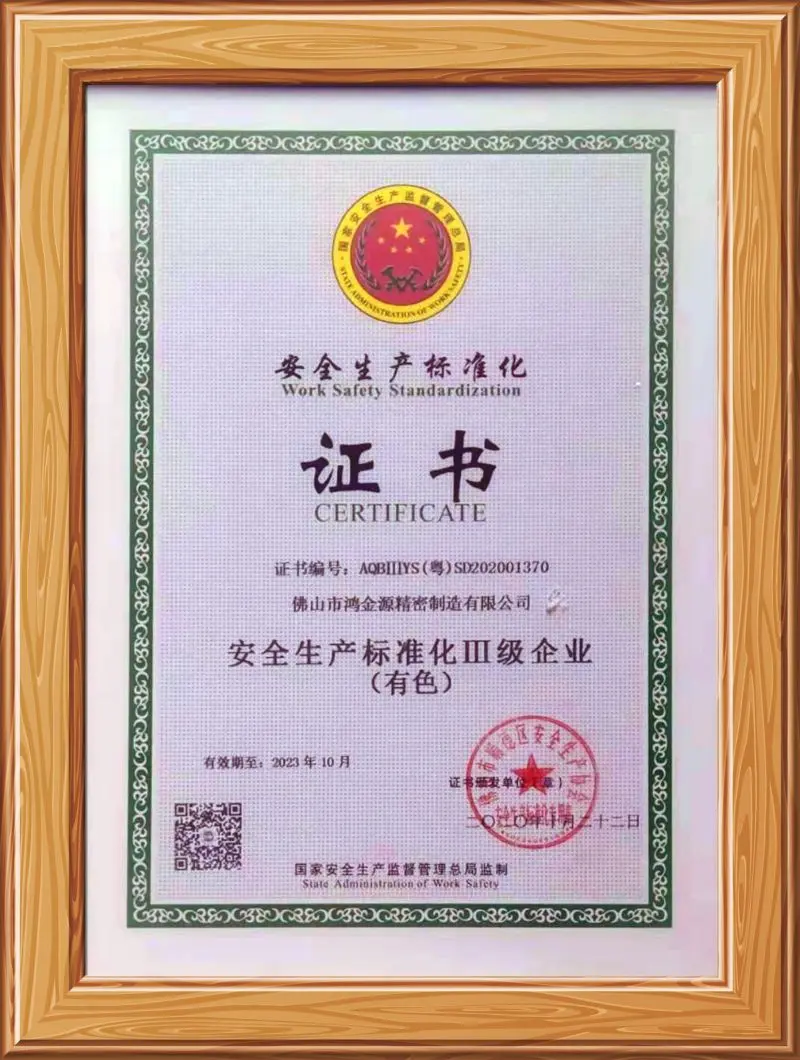
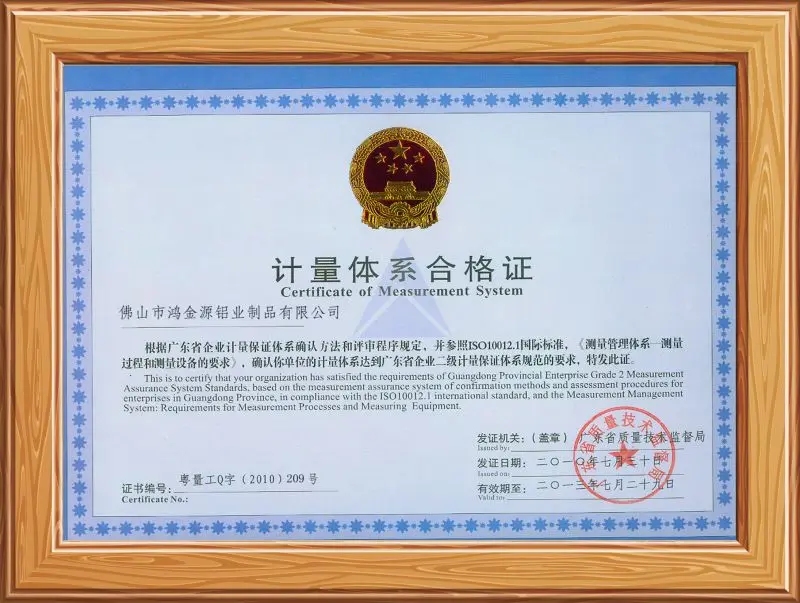
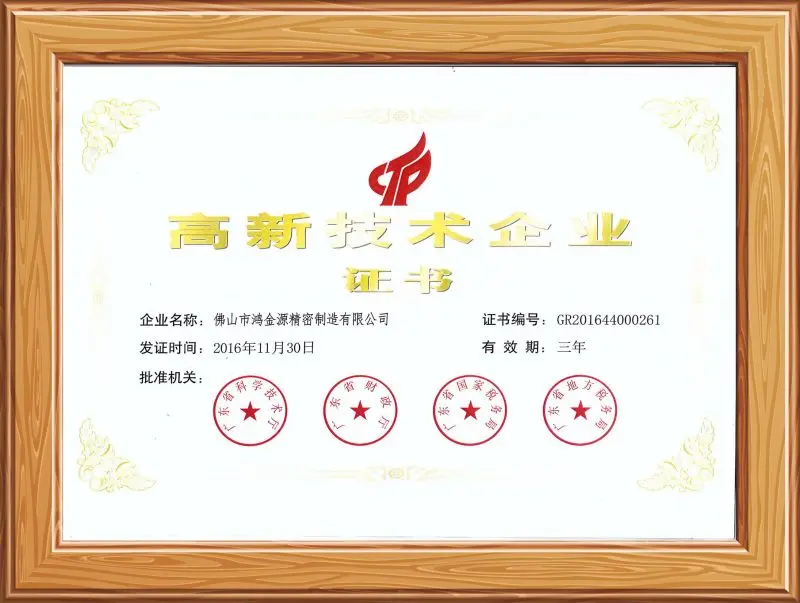
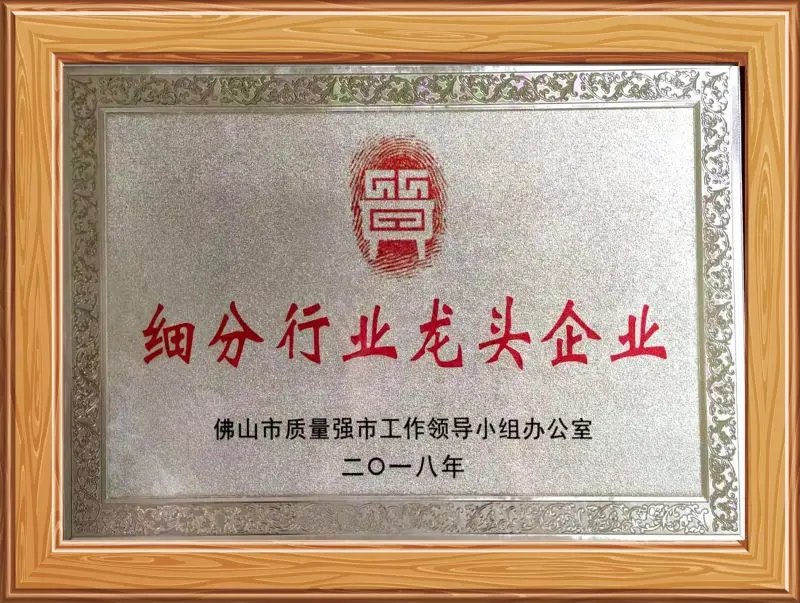
As environmental standards tighten globally, compliance is a key sourcing consideration. Foshan Golden Source maintains ISO 9001, ISO 14001, and ISO 45001 certifications. We have also earned GRS (Global Recycled Standard) and RCV (Recycled Content Validation) certifications.
These certifications demonstrate our compliance with EU REACH regulations and support circular economy practices. We track recycled content and manage energy use throughout production to help clients meet their sustainability goals and Scope 3 emissions targets.
Company: Foshan Golden Source Precision Manufacturing Co., Ltd.
Established: 1991
Facility Size: 73,000+ sqm
Specialties: In-house Casting, Custom Extrusions, Multi-axis CNC, Robot Welding, Premium Surface Finishing.
 Download Company Catalogue
How our components are used across different industries globally.
Our custom aluminum structural rails support solar mounting networks and tracker frames, providing corrosion resistance in outdoor environments and reducing installation times.
We supply high-strength 6061-T6 and 6063-T5 components for EV battery enclosures and structural crash rails, helping to optimize vehicle weight and performance.
Our T-slot modular extrusions and framing elements support robotics and automated assembly lines, offering high dimensional stability and simple integration.
Technical and logistical insights from our engineering and metallurgy teams.
We perform all alloy melting and casting in-house. This allows us to adjust chemical compositions within standard parameters to optimize properties like mechanical strength, corrosion resistance, or anodizing response.
Handling extrusion, machining, and surface treatment under one roof simplifies quality control. It reduces material handling risks, lowers logistics costs, and helps shorten delivery lead times.
Our manufacturing processes are certified under ISO 9001, ISO 14001, and ISO 45001. We also hold GRS (Global Recycled Standard) and RCV (Recycled Content Validation) certifications, verifying our compliance with environmental and recycled-content standards.
For high mechanical stress, we recommend heat-treated 6XXX series alloys (such as 6061-T6 or 6082-T6) or specialized 7XXX series alloys. These alloys provide high yield strengths and structural stability.
We monitor our supply chain to ensure all raw materials and surface treatments comply with EU REACH regulations. Our GRS and RCV certifications track the use of recycled materials in our production lines.
Our surface finishing options include sandblasting, clear and color anodizing, bronze anodizing, powder coating, and bright chrome plating. These finishes are applied to meet specified corrosion-resistance and cosmetic standards.
We manufacture custom extrusions ranging from small, precise profiles to larger structural components. Our tooling team designs custom molds in-house to achieve complex geometries and hold close tolerances.
We verify each production run through mechanical testing, spectral chemical analysis, and dimensional inspections. Since we melt our own billets, we can verify material composition starting from the raw alloy stage.
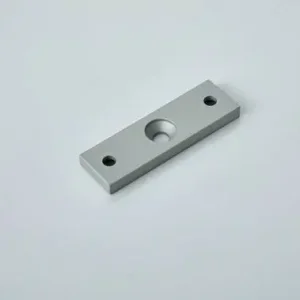
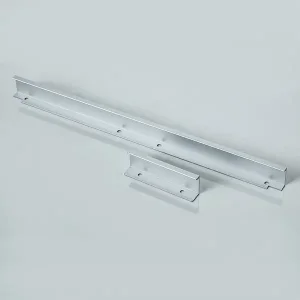
Additional custom components developed for international B2B clients.
 HG Precision