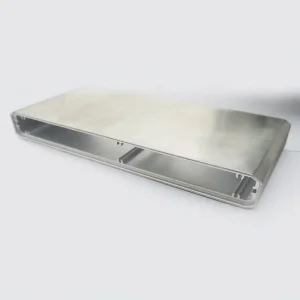
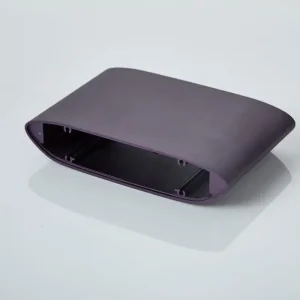
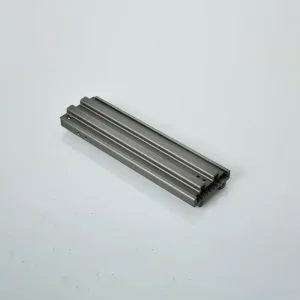
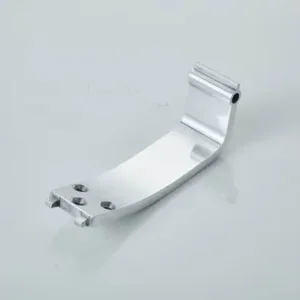
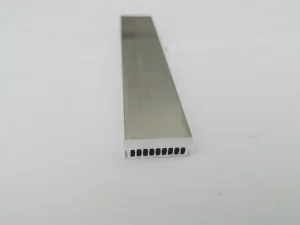
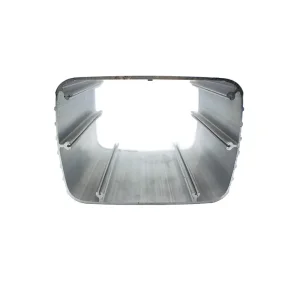
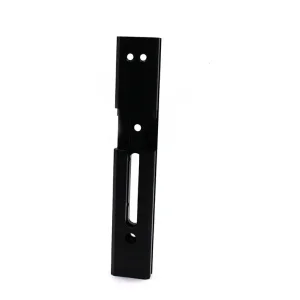
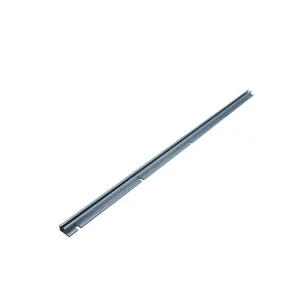
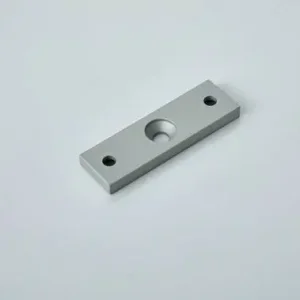
Leading the paradigm shift from heavy steel constructions to high-strength, lightweight, customizable structural aluminum beam systems.
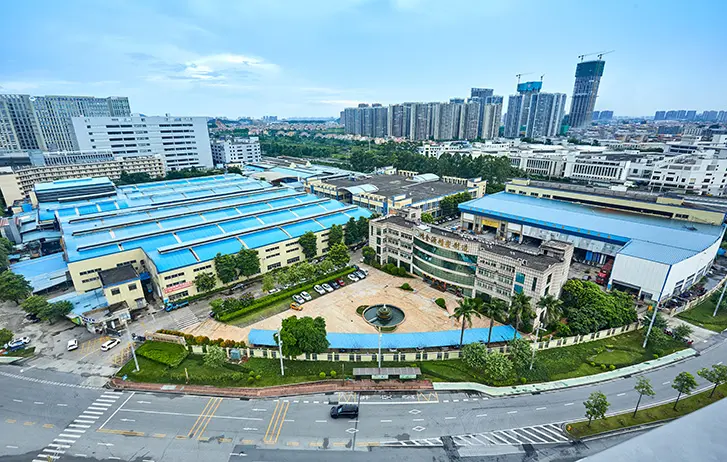
Foshan Golden Source Precision Manufacturing Co., Ltd, established in 1991, is a professional manufacturer of high-strength, high-precision, customized aluminum profiles and precise machining aluminum parts, welded parts, and assembled aluminum products.
With a modern and environmentally friendly production base covering an area of over 73,000 square meters, the company offers a true one-stop service. This fully integrated process encompasses alloy casting, mold research, design & building, aluminum extruding, precise CNC machining, structural welding, final assembly, and premium surface treatment.
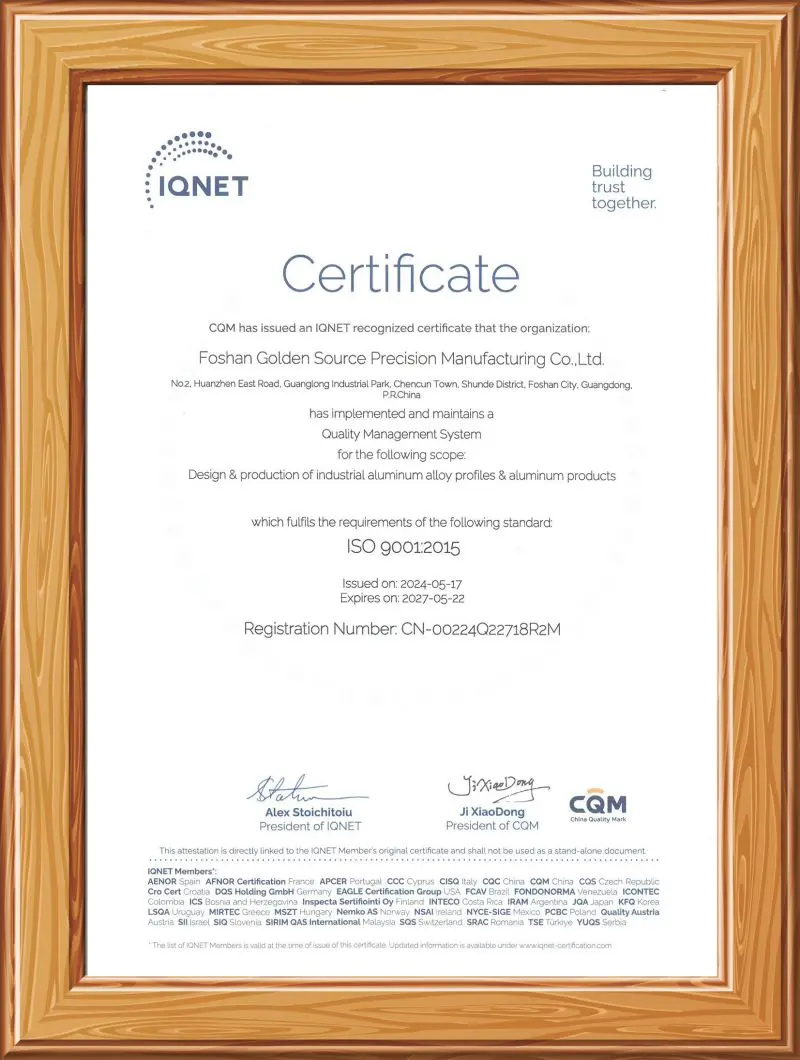
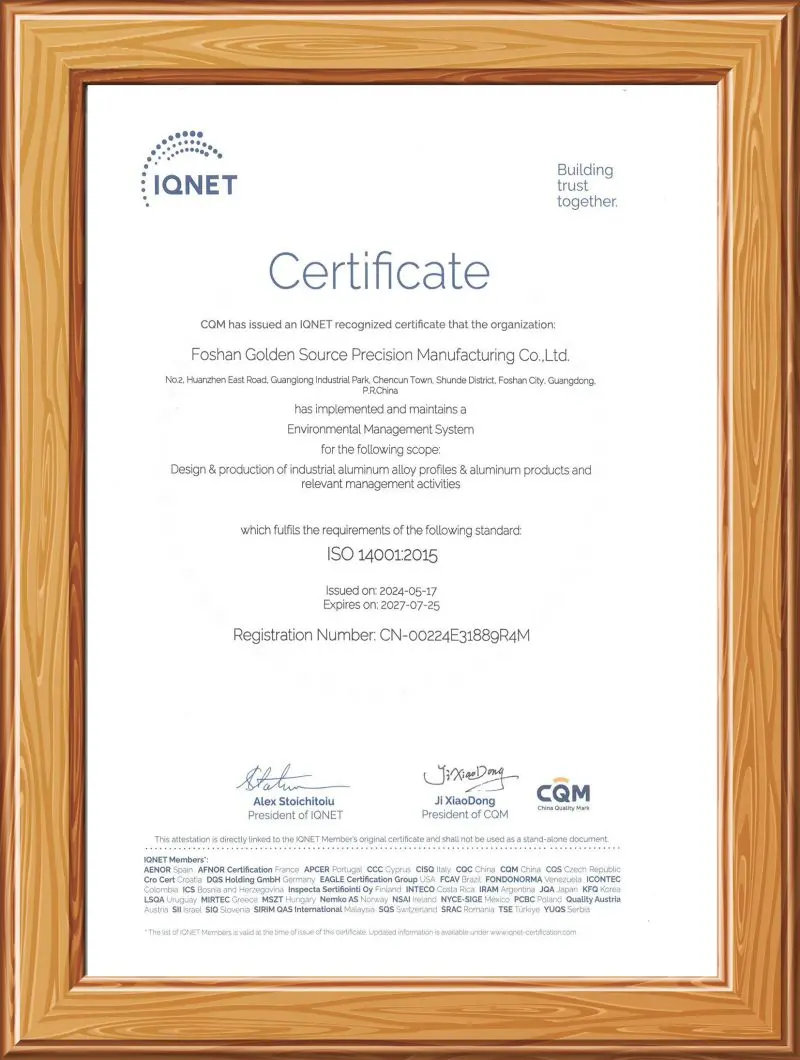
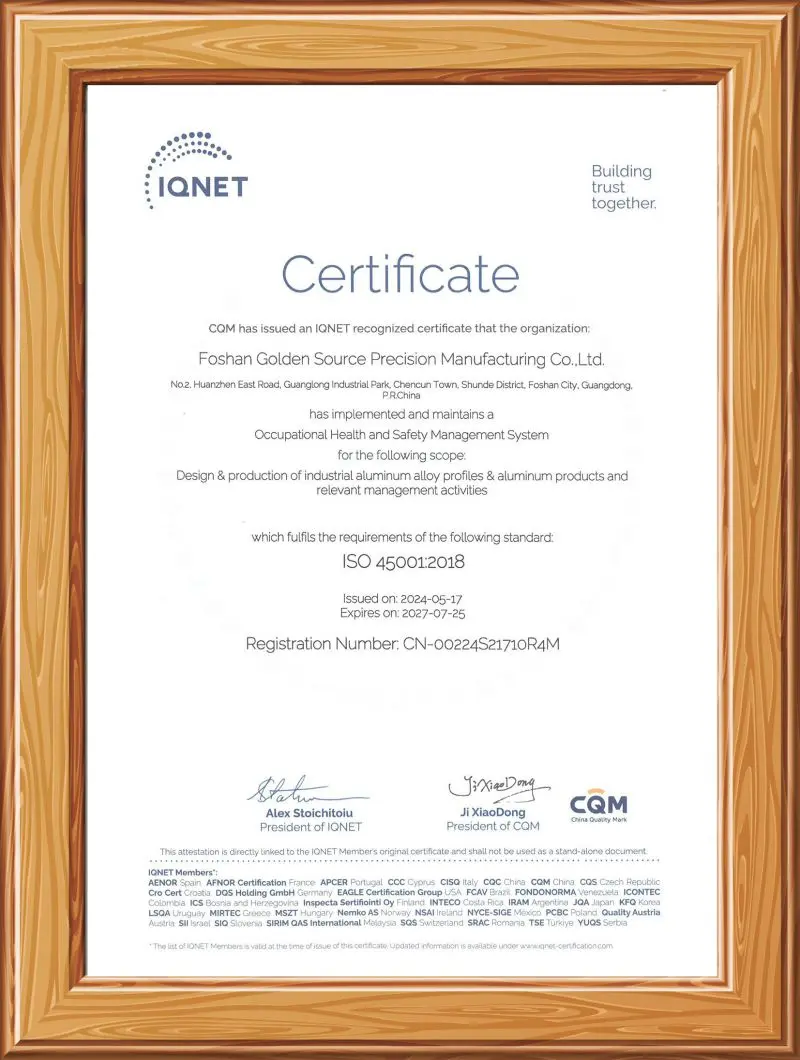
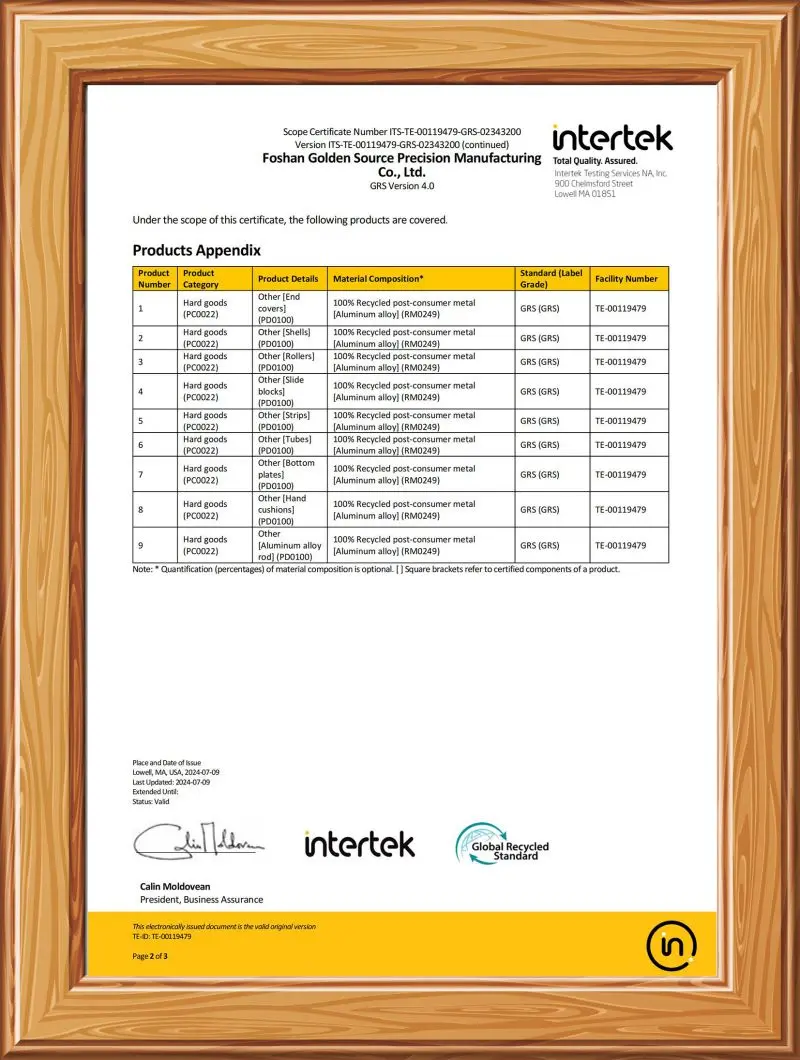
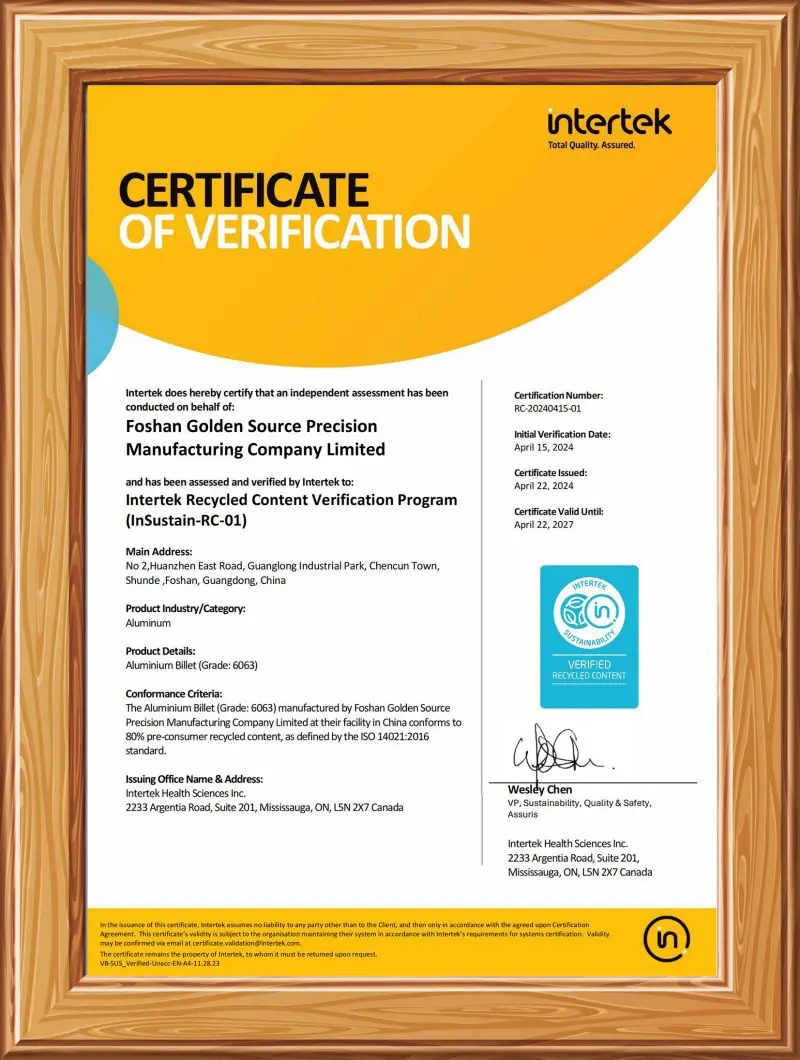
The company holds prestigious global certifications such as ISO9001, ISO14001, ISO45001, RCV, and GRS, ensuring that all products comply strictly with the environmental requirements of the EU’s REACH regulation. A wide range of aluminum alloy series are available, including 1XXX, 3XXX, 5XXX, 6XXX, and 7XXX, allowing us to meet the diverse and rigorous demands of hardware tools, 3C products, automobile engineering, railway transport, architecture, high-end furniture, decoration, and rugged outdoor equipment.
Analyzing the global industrial demand shifts from heavy steel structures to custom-engineered structural aluminum components.
In modern industrial design, structural frames require materials that optimize load-bearing capacity without adding unnecessary dead weight. The structural aluminum beam has emerged as the definitive solution for architects, automotive developers, aerospace engineers, and machine builders globally. Its high strength-to-weight ratio, integrated corrosion resistance, and extrusion versatility offer clear economic advantages over structural steel.
Today, the global market demands strict customization (OEM/ODM). Standard structural shapes such as I-beams, T-slots, and hollow channels are frequently redesigned to incorporate secondary features—such as integrated conduits, thermal heatsinks, or custom fastening channels. As a result, the transition from stock profile distribution to direct collaboration with advanced OEM manufacturers has become a key driver of supply chain efficiency.
How our vertically integrated, in-house metallurgical and manufacturing workflows guarantee superior product performance and cost control.
We melt the alloy in-house, enabling us to adjust chemical compositions precisely. This achieves optimal physical properties for specific extrusion profiles and ensures maximum purity for high-quality anodizing.
Machining and complex surface treatments are completed entirely in-house. This centralized quality control limits risk, reduces production scrap, and minimizes unit costs. We deliver premium quality at highly competitive prices.
Our true "one-stop" manufacturing capacity eliminates transport delays between separate extrusion, anodizing, and CNC machining vendors, reducing lead times by up to 30% compared to typical segmented supply chains.
Selecting the appropriate structural aluminum alloy based on mechanical load, surface treatment, and machinability parameters.
| Alloy & Temper | Yield Strength (MPa) | Tensile Strength (MPa) | Corrosion Resistance | Primary Industrial Applications |
|---|---|---|---|---|
| 6063-T5 | 110 - 130 | 150 - 186 | Excellent | Architectural frames, kitchen cabinet structural elements, printer cases, and detailed electronics enclosures. |
| 6061-T6 | 240 - 276 | 290 - 310 | High | Heavy-duty structural components, marine brackets, automotive frames, and CNC load-bearing parts. |
| 6082-T6 | 250 - 290 | 295 - 330 | Excellent | Highly stressed applications in transport, trusses, bridges, and heavy industrial machinery structural parts. |
| 7075-T6 | 435 - 503 | 510 - 572 | Moderate | Aerospace structures, high-stress climbing hardware, defense parts, and mobile phone internal structures. |
*Note: The structural performance of extruded beams relies heavily on cross-sectional geometry, profile thickness, and the grain direction established during extrusion.
How customized structural aluminum beams are implemented across leading global industries to improve performance and efficiency.
In electric vehicles, extruded structural profiles act as protective collision frames and rigid battery box enclosures. The high impact-energy absorption rate of alloys like 6000-series makes them ideal for safety-critical components.
Solar trackers and utility-scale PV mounts depend on lightweight, high-yield structural aluminum profiles. They resist environmental weathering and corrosion, minimizing maintenance costs across long-term solar projects.
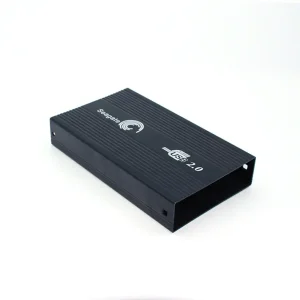
From precise hard disk cases to laser printer enclosures, custom-extruded aluminum components combine high dimensional stability with clean aesthetic finishes, supporting heat dissipation for internal electronics.
Premium modular furniture and kitchen cabinetry rely on structural aluminum profiles for their high load-bearing capacity, resistance to moisture-induced degradation, and compatibility with modern finishes.
Exploring the manufacturing cluster benefits and raw material advantages that position Southern China as a hub for precision aluminum engineering.
Operating a 73,000-square-meter facility in Foshan gives us direct access to the world's most robust aluminum supply chain network. The regional concentration of raw materials, tooling designers, logistics suppliers, and specialized engineers allows us to run a highly efficient operation. In-house alloy melting helps control material chemistry from the start, mitigating upstream supply volatility and ensuring consistent mechanical properties across production batches.
For international buyers, this localization translates to reliable delivery dates and cost-effective production. By managing extrusion, CNC machining, welding, and anodizing in-house, we eliminate the delays and quality gaps associated with outsourcing. The result is a highly responsive production line capable of scaling from initial prototype builds to high-volume manufacturing runs.
Demonstrating our commitment to environmental sustainability, quality control, and workplace safety via third-party audits.
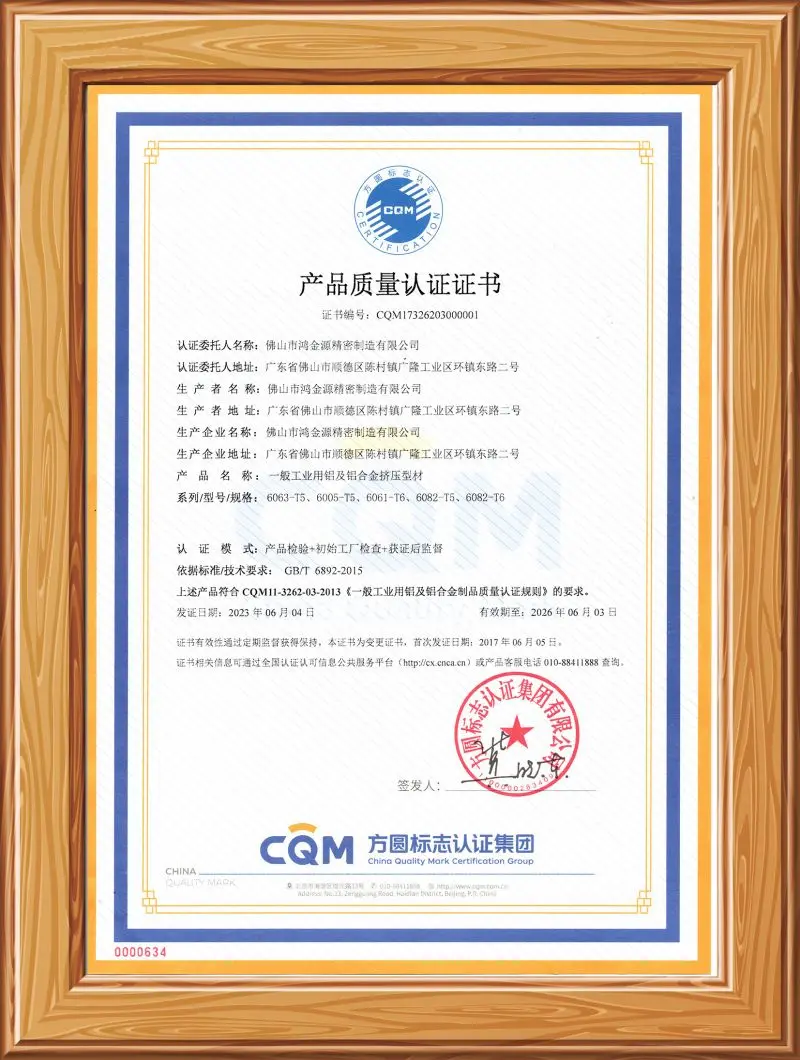
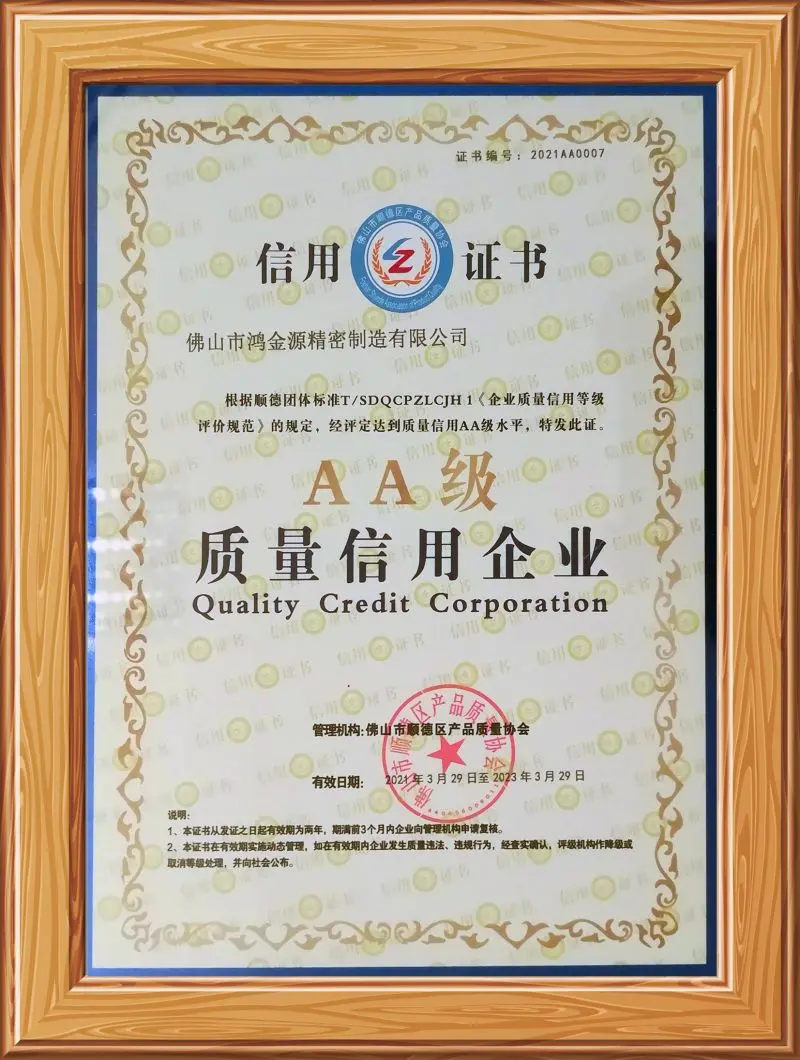
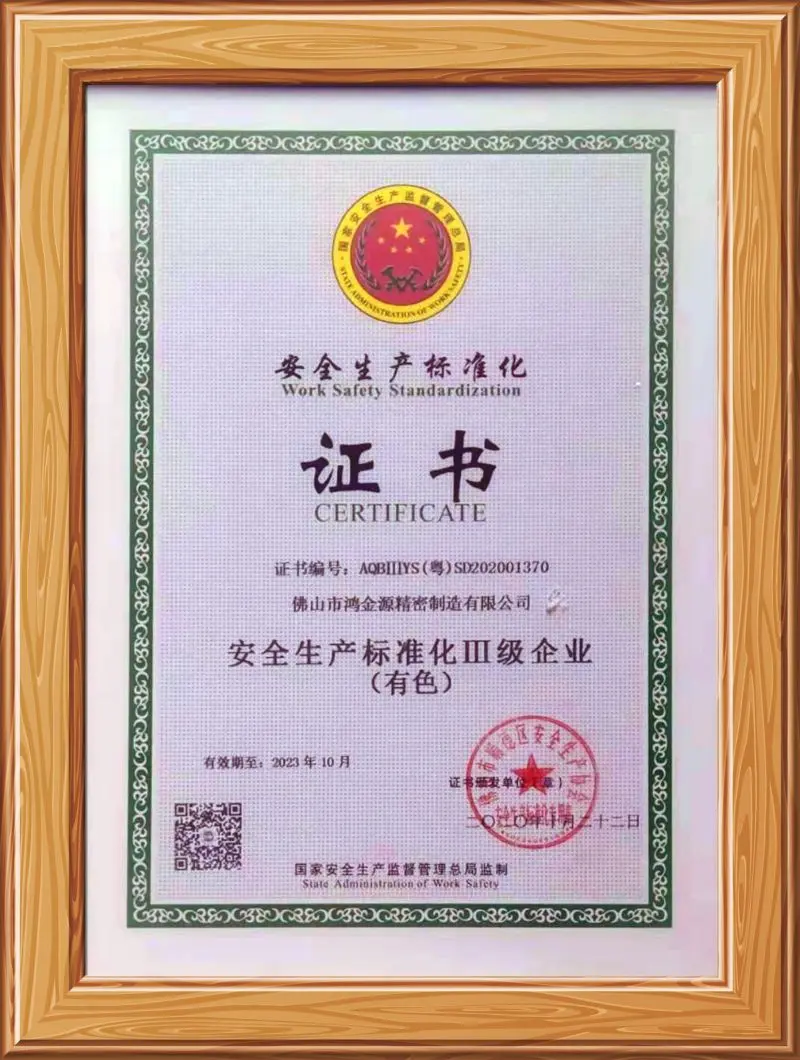
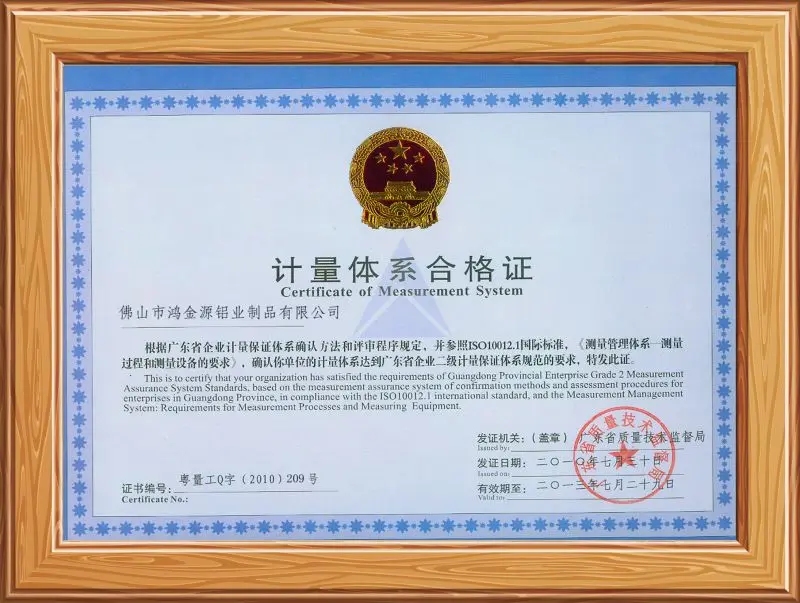
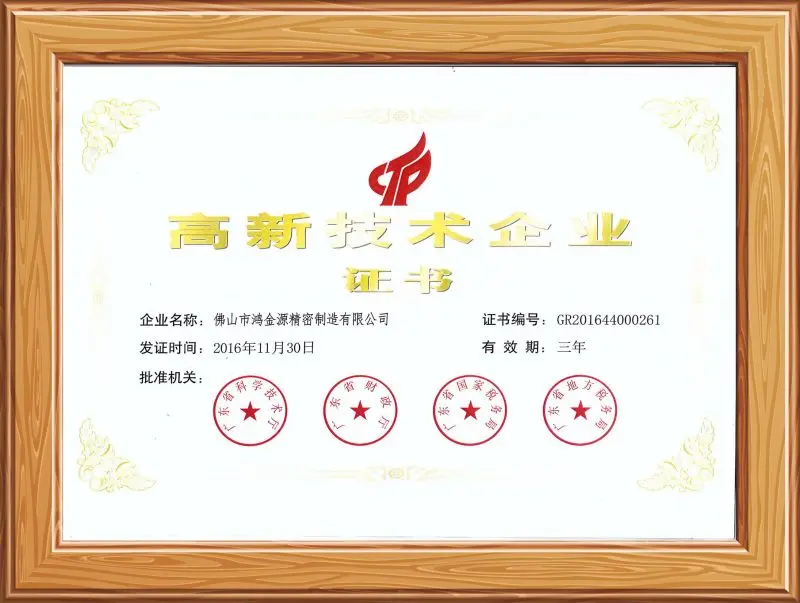
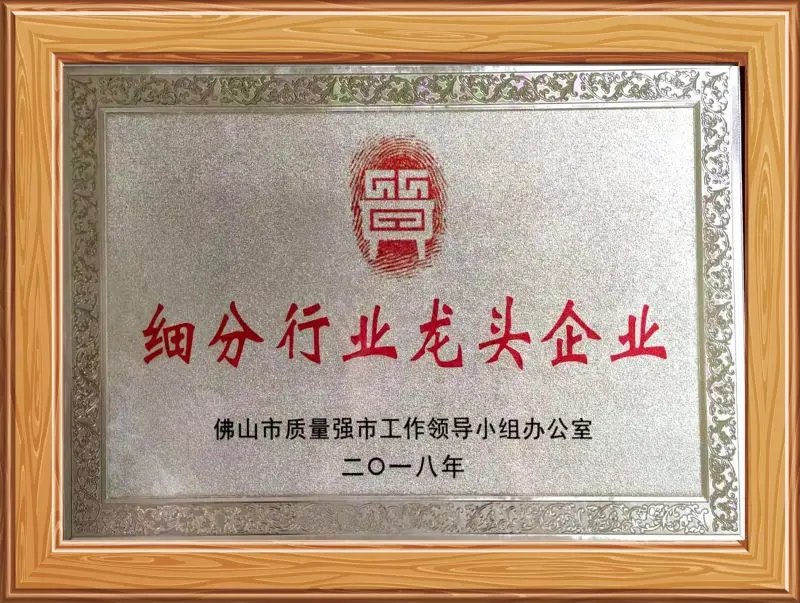
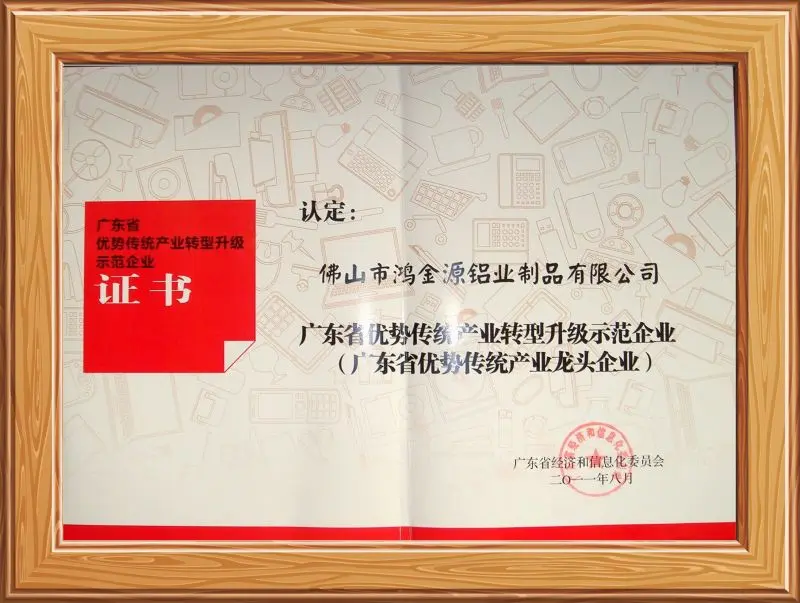
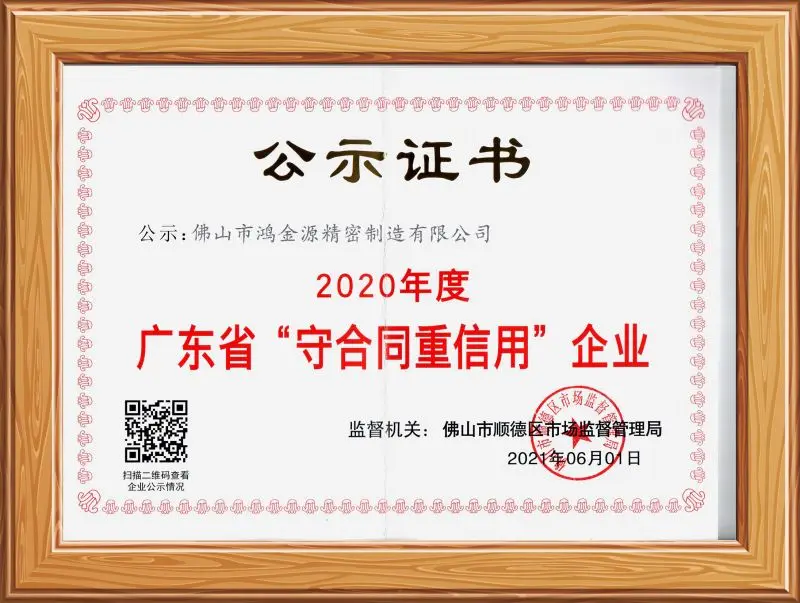
We hold certifications including ISO9001, ISO14001, ISO45001, GRS, and RCV. The GRS (Global Recycled Standard) and RCV certifications demonstrate our ability to meet the strict environmental and sustainability regulations of the European Union. We also maintain records of clean production, environmental management, and technological upgrades recognized by municipal and provincial authorities.
How advanced extrusion technologies, automated quality inspection, and low-carbon initiatives are shaping the next generation of structural profiles.
1. Carbon Reduction & Recycled Content (GRS compliance): With increasing pressure to reduce scope 3 emissions, global buyers are seeking low-carbon aluminum solutions. Our GRS (Global Recycled Standard) certification ensures a traceable supply chain for recycled alloys, allowing us to supply low-carbon structural profiles that meet strict corporate environmental goals.
2. Micro-Alloying & Custom Heat Treatment: Modifying trace elements (such as iron, silicon, manganese, and chromium) during our in-house casting process allows us to control grain structure. Combined with automated aging furnaces, this optimization achieves higher yield strengths in 6000-series alloys, bridging the gap to more costly 7000-series alloys while retaining ease of extrusion and anodizing.
3. Advanced CNC Integration for Complex Assembly: Modern structural components require more than just cut-to-length profiles. We are expanding our 5-axis CNC machining, robotic welding, and structural assembly lines to supply ready-to-install components directly to automotive and industrial automation clients.
Answers to common technical, design, and supply chain questions from structural engineers and sourcing managers.
 HG Precision