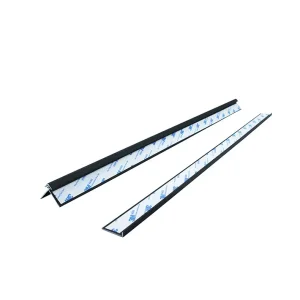
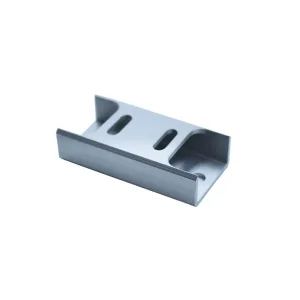
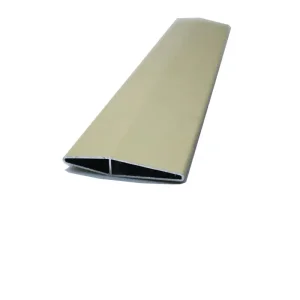
Explore our custom manufactured structural profiles, CNC machined components, and custom surface solutions.
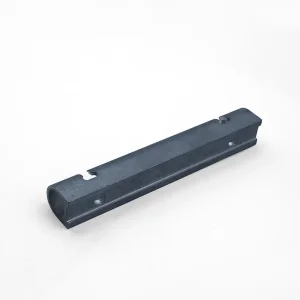
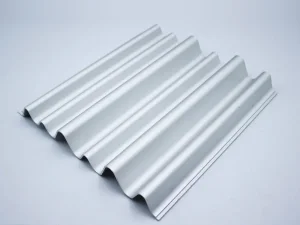
Vertical Integration & Technology Leadership at Foshan Golden Source Precision Manufacturing
Foshan Golden Source Precision Manufacturing Co., Ltd, established in 1991, stands as a global pioneer in the high-strength, high-precision, custom aluminum profile extrusion and surface treatments domain. For over three decades, we have continuously optimized our comprehensive one-stop manufacturing capabilities to meet the highly technical requirements of global OEMs, structural engineers, and industrial designers.
Covering a modern, eco-conscious manufacturing base exceeding 73,000 square meters, our facilities are fully vertically integrated. This means we command the entire value chain in-house: from initial chemical composition verification during alloy casting, precision mold design & CNC tooling building, to raw extrusion, detailed 3/4/5-axis CNC machining, structural welding, complete product assembly, and cutting-edge surface finishes. Our surface processing specialized lines cater to the exact standards of the 3C electronics, high-end construction, transportation, and furniture industries.
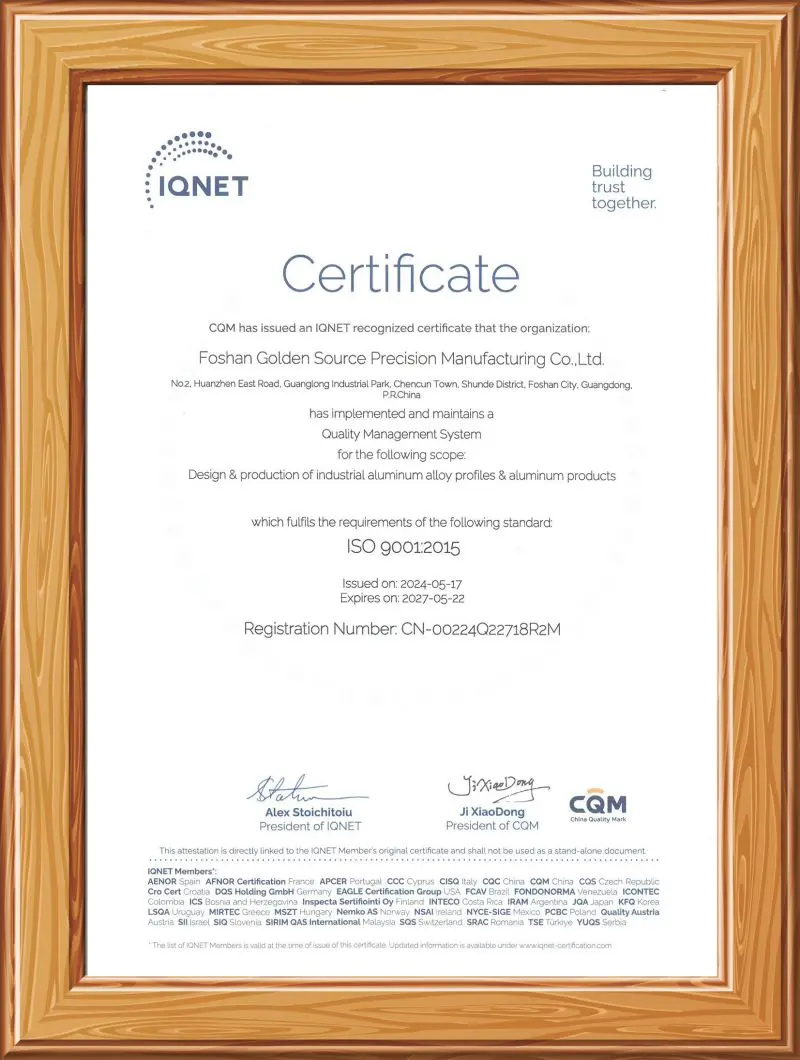
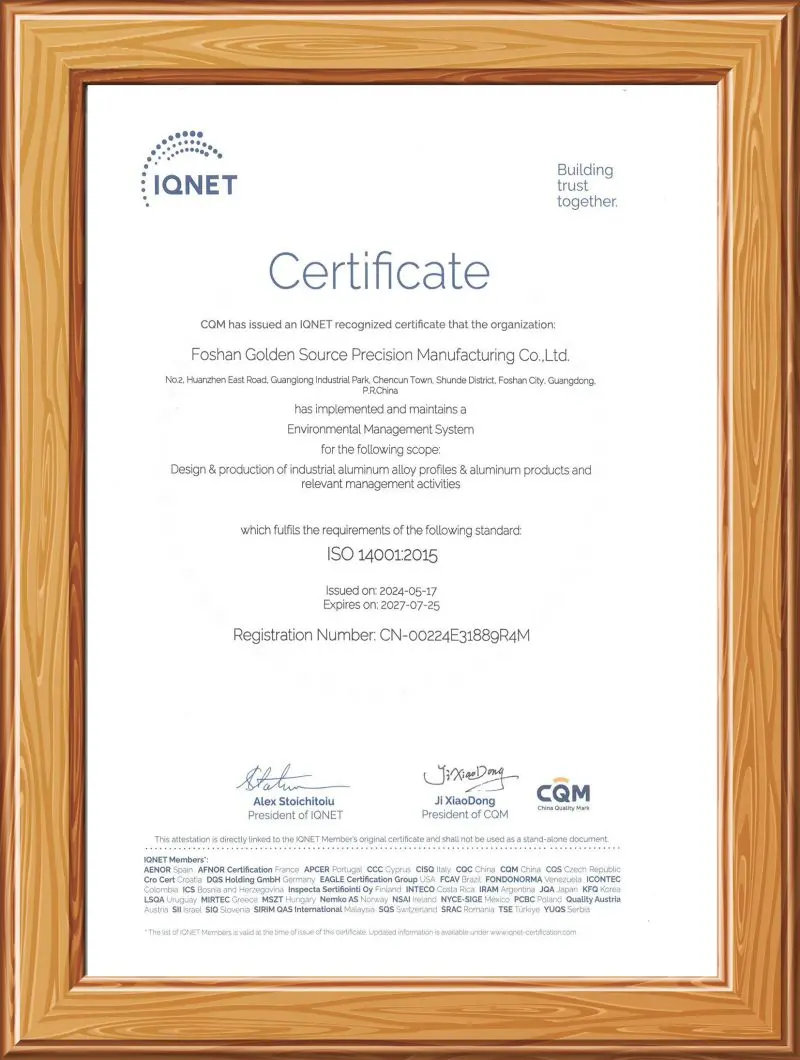
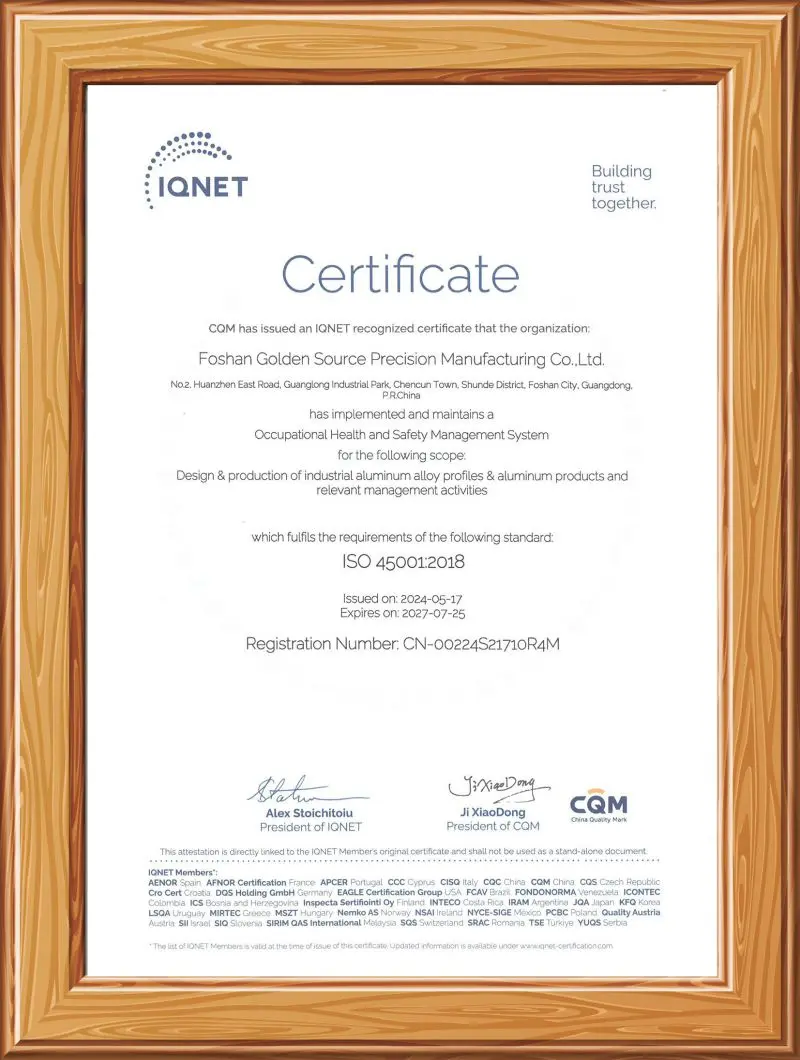
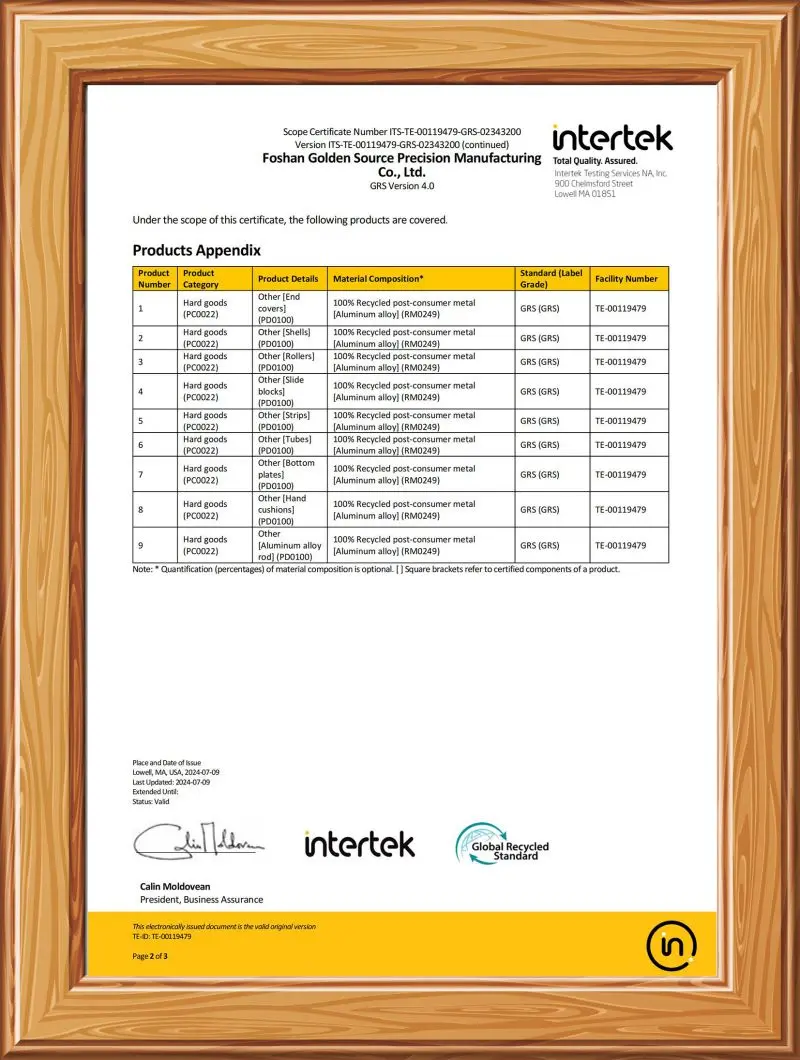
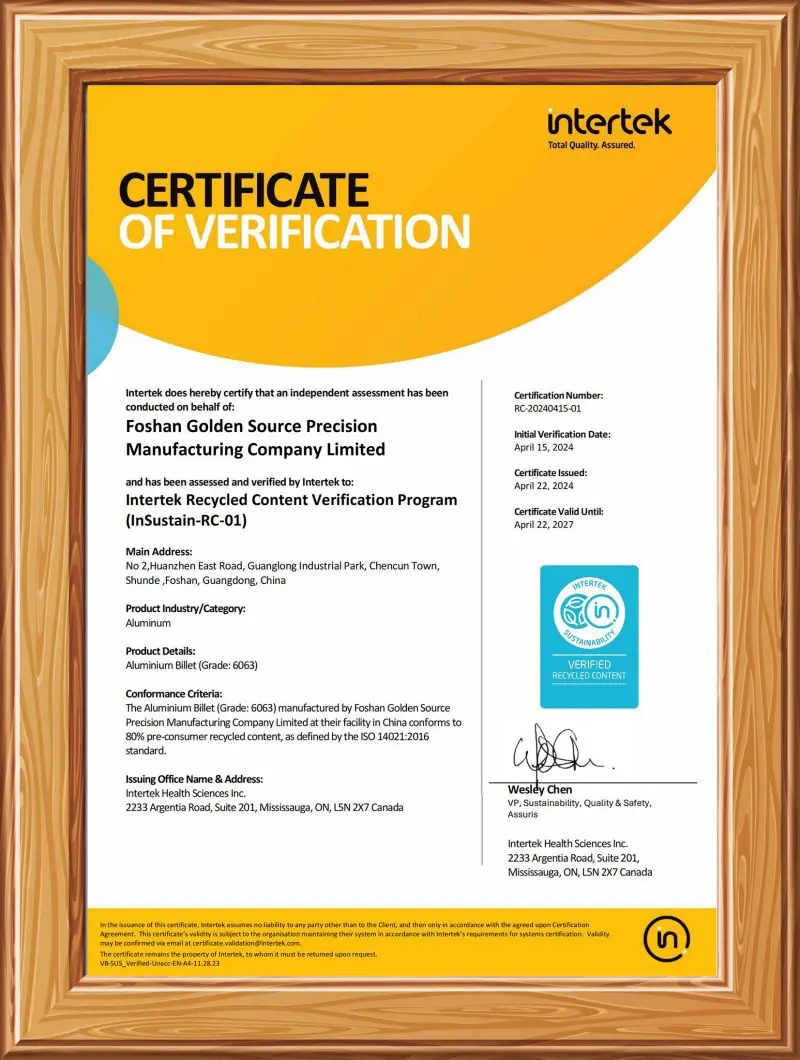
By enforcing an unyielding commitment to environmental stewardship and quality, we hold structural certifications including ISO9001, ISO14001, and ISO45001. Furthermore, our newly obtained GRS (Global Recycled Standard) and RCV certifications guarantee full trace-to-source supply chain verification for recycled aluminum materials. All raw components and processes comply thoroughly with the strict chemical safety limits dictated by the European Union's REACH and RoHS regulations, giving our global procurement partners an unparalleled risk mitigation shield.
Company Catalogue Download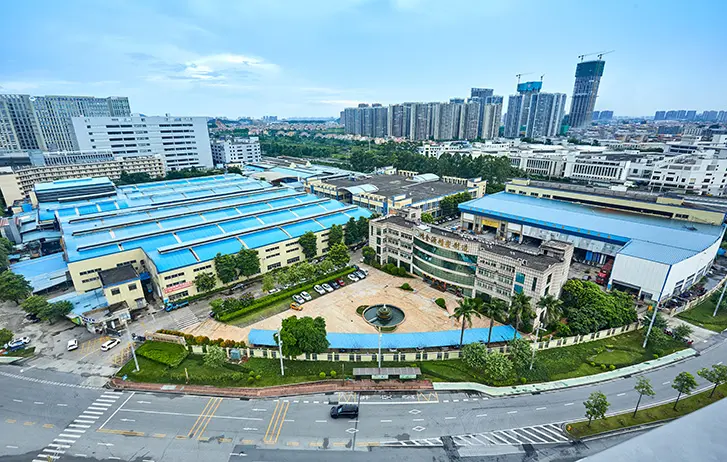
An in-depth look at mechanical grain alignment and electrochemical oxide synthesis.
The visual appeal and wear resistance of anodized brushed aluminum are governed by two distinct manufacturing layers: a mechanical texturing phase followed by electrochemical oxidation. Understanding the interaction between these processes is critical for engineers developing structural and cosmetic components for extreme conditions.
Linear grain creation relies on physical abrasion. Utilizing specialized abrasive wheels or Scotch-Brite pads rotating at controlled linear speeds, the natural surface oxide is stripped, creating micro-grooves. Controlled grit grades determine surface roughness (Ra), balancing satin reflectivity with fingerprint and scratch masking.
Submerging the brushed aluminum into an acid electrolyte bath (sulfuric acid) and applying direct electrical current forces oxygen ions to migrate to the aluminum surface. This grows a highly organized, porous aluminum oxide (Al2O3) layer. Anodizing preserves the mechanical grain while increasing surface hardness and corrosion resistance.
Unsealed anodic coatings are highly porous, making them susceptible to chemical damage. We utilize hot-water hydration sealing or nickel-free cold-temperature sealing to hydrate the oxide structure into boehmite, locking out corrosive agents and ensuring long-term structural integrity in harsh environments.
This dual treatment guarantees that the underlying alloy retains its high strength-to-weight ratio while gaining a hard exterior. Since the oxide layer is an integrated growth of the parent material, it cannot peel or flake off, unlike paint or electroplating. This makes it an ideal surface treatment for architectural panels, automotive trim, and consumer electronics housings.
A comparative breakdown of chemical properties and mechanical suitability.
Selecting the correct aluminum alloy series determines the efficiency of both the extrusion and finishing stages. At Foshan Golden Source, we melt and cast alloys in-house, allowing us to regulate iron, silicon, and copper impurities. Lowering iron levels prevents cosmetic streaking during anodization, yielding a pristine finish.
| Alloy Series | Common Tempers | Anodizing Capability | Brushing Definition | Ideal Application Scenarios |
|---|---|---|---|---|
| 1XXX Series (99.0%+ Pure) | H14, H18 | Excellent (Highly reflective) | Soft grain structure | Reflective light fixtures, chemical process equipment |
| 3XXX Series (Al-Mn Alloy) | H14, H24 | Fair (Slight grayish cast) | Moderate clarity | Heat exchangers, roof panels, acoustic tiles |
| 5XXX Series (Al-Mg Alloy) | H32, H34, H112 | Very Good (Excellent corrosion resistance) | High grain definition | Marine fittings, structural automotive brackets, appliance panels |
| 6XXX Series (Al-Mg-Si Alloy) | T5, T6 | Excellent (Industry standard) | Pristine grain definition | Architectural curtain walls, window frames, consumer electronics, hinges |
| 7XXX Series (Al-Zn-Mg-Cu Alloy) | T6, T651 | Good (Protective anodizing preferred) | Requires specialized abrasives | High-stress structural brackets, climbing hardware, aerospace components |
For high-end finishes, Alloy 6063 is preferred due to its fine grain structure, which yields consistent anodizing colors. For structural strength, Alloy 6061 or 7075 is chosen. Our in-house casting facility allows us to customize chemistries, adjusting trace elements to optimize structural and cosmetic performance.
How Single-Site Control from Alloy Melting to CNC Machining Eliminates Risk.
Modern global logistics require strict supplier validation. Relying on multiple vendors for extrusion, machining, and anodizing introduces delays, quality disputes, and transit damage risks. Foshan Golden Source mitigates these vulnerabilities through our vertically integrated facility.
By designing, simulating, and cutting extrusion dies in-house using advanced CAD/CAM systems, we reduce tool validation times from weeks to days, optimizing profiles for cosmetic quality and strength.
Our machining department features high-speed CNC routing centers, multi-axis milling, and precision drilling machinery, allowing us to deliver ready-to-assemble components straight from the factory floor.
Doing casting, extrusion, machining, and surface finishes in-house enables a single quality team to trace defects immediately, lowering the cost of quality and ensuring competitive pricing.
This integration ensures consistent quality. If a cosmetic defect is found after anodizing, our production team can check the extrusion speed or casting chemistry immediately. This feedback loop is impossible with fragmented supply chains, securing Foshan Golden Source's position as a reliable OEM partner.
Custom solutions engineered for challenging environments and high-traffic applications.
Anodized brushed aluminum is specified across diverse industries due to its balance of durability and visual appeal. Our custom extrusion profiles and CNC-machined parts are designed to meet the demands of these primary sectors:
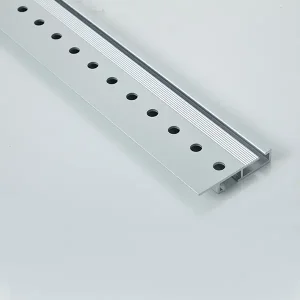
Designed for architectural facades, curtain wall profiles, wave boards, and mirror frames. Heavy-duty anodized coatings (Class I, >18μm) protect structural elements from UV degradation and atmospheric corrosion while maintaining design aesthetics.
For keyboard frames, mouse boxes, and bracket components. Brushing removes extrusion lines, while anodizing creates a scratch-resistant finish with high thermal conductivity, helping extend component lifespans.
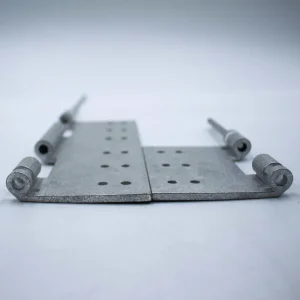
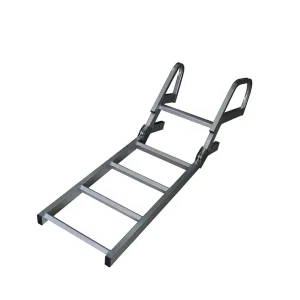
Specified for roof racks, RV trim, skylight hinges, and ladder steps. Marine-grade 5xxx and 6xxx series alloys are structural and corrosion-resistant, protecting hardware in high-humidity and marine environments.
Whether for high-traffic glass door hardware or architectural curtain walls, our engineering team optimizes product dimensions, alloy chemistry, and surface finishing protocols to match your application requirements.
Sustainable Manufacturing and Advanced Electrochemical Technologies.
With environmental regulations like the EU's Carbon Border Adjustment Mechanism (CBAM) coming into effect, the carbon footprint of structural materials is a key consideration for global buyers. Foshan Golden Source is investing in sustainable technology and manufacturing practices.
Our Global Recycled Standard (GRS) certification verifies the tracking of post-consumer and pre-consumer scrap. We melt and refine scrap in-house, reducing energy consumption by up to 95% compared to primary smelting.
We are replacing traditional chrome pretreatments with eco-friendly alternatives. By using zirconium-based coatings and trivalent chromium options, we comply with REACH and RoHS standards.
Our research roadmap includes pulse-current anodizing technology. This method reduces process temperatures and energy consumption while increasing oxide film density, improving wear resistance.
These practices allow us to provide clear environmental reporting to global OEMs. By purchasing GRS-certified aluminum profiles from Foshan Golden Source, brands can support their sustainability goals with documented verification.
Accredited testing processes securing material traceability.
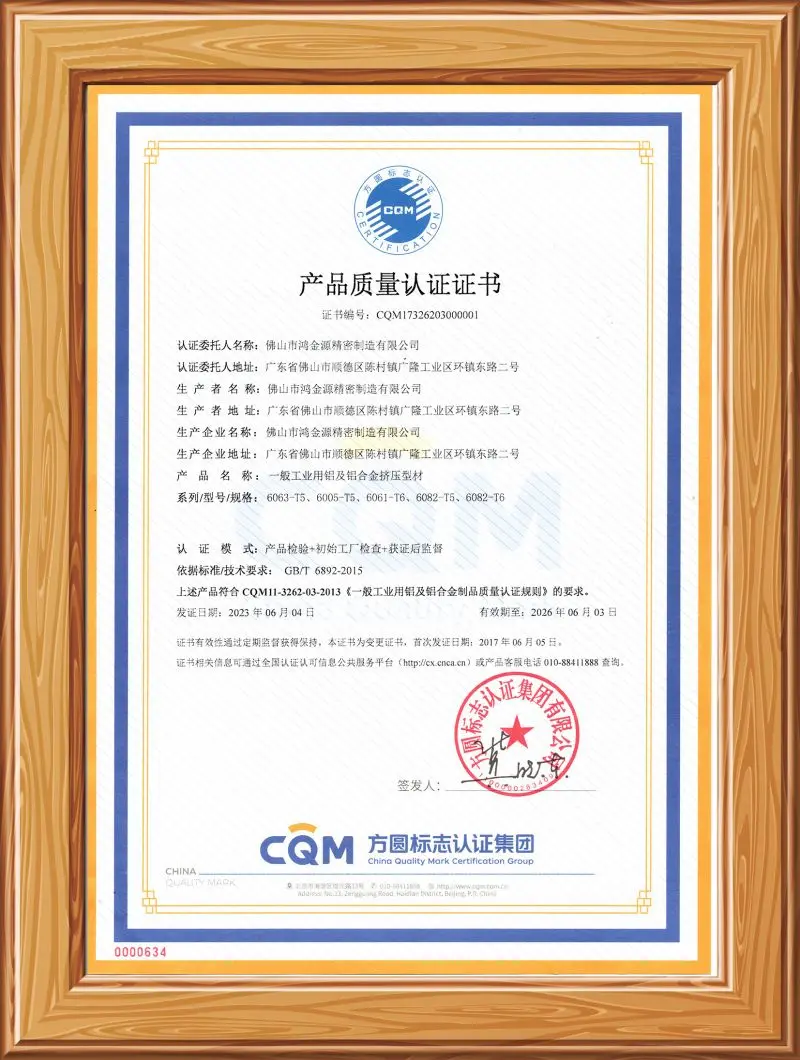
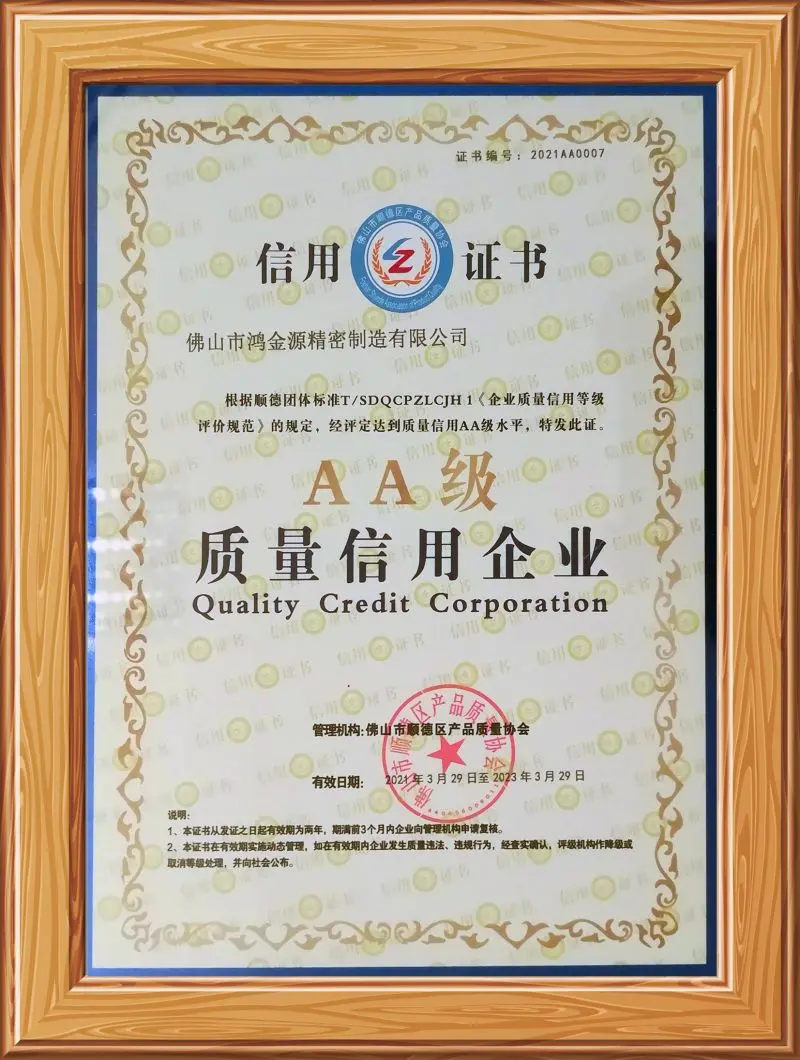
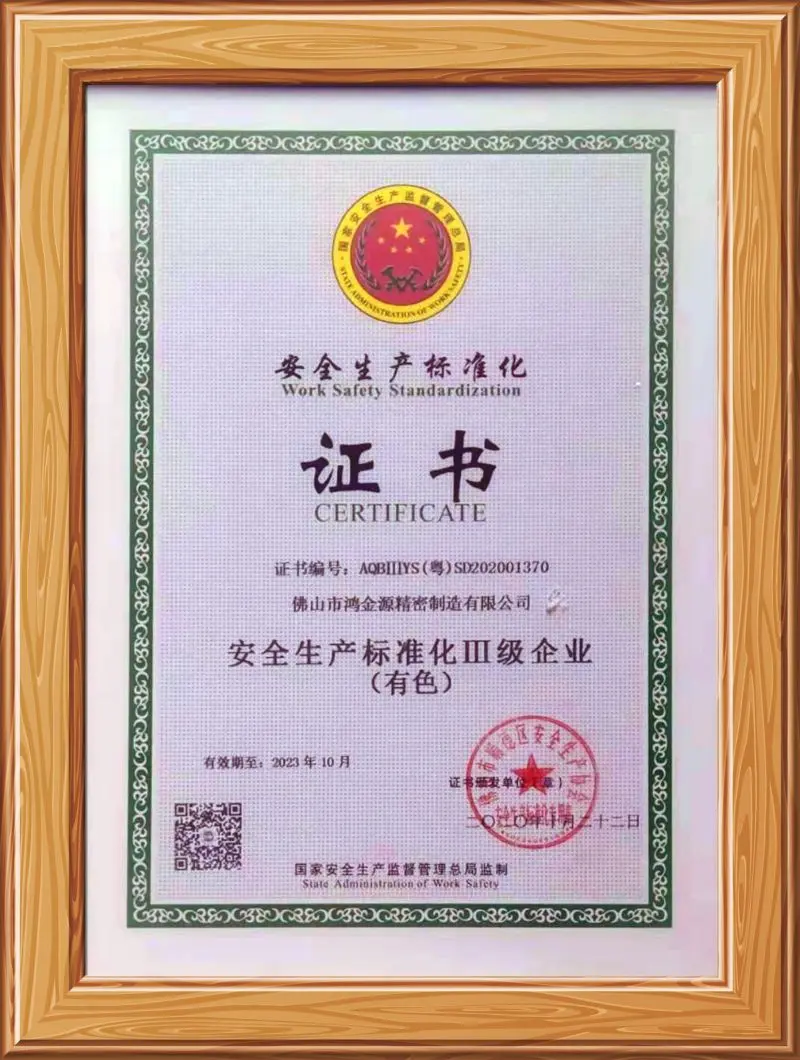
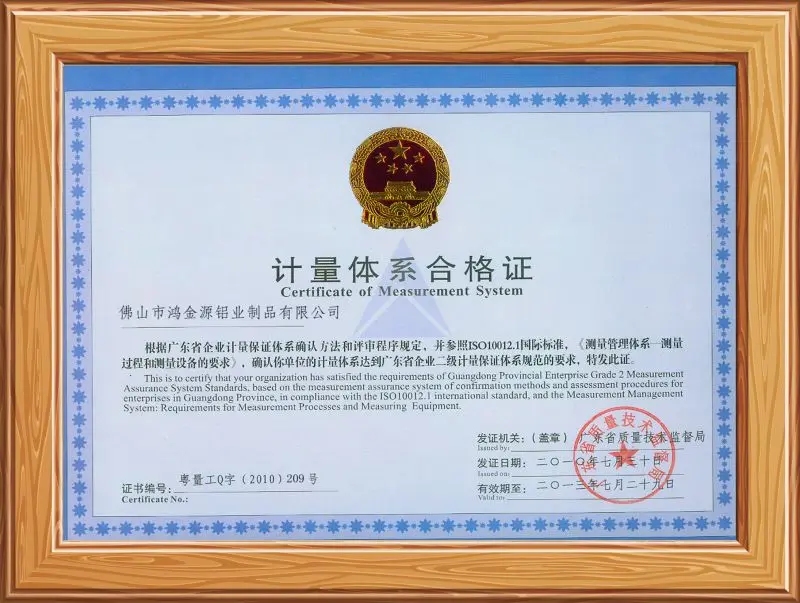
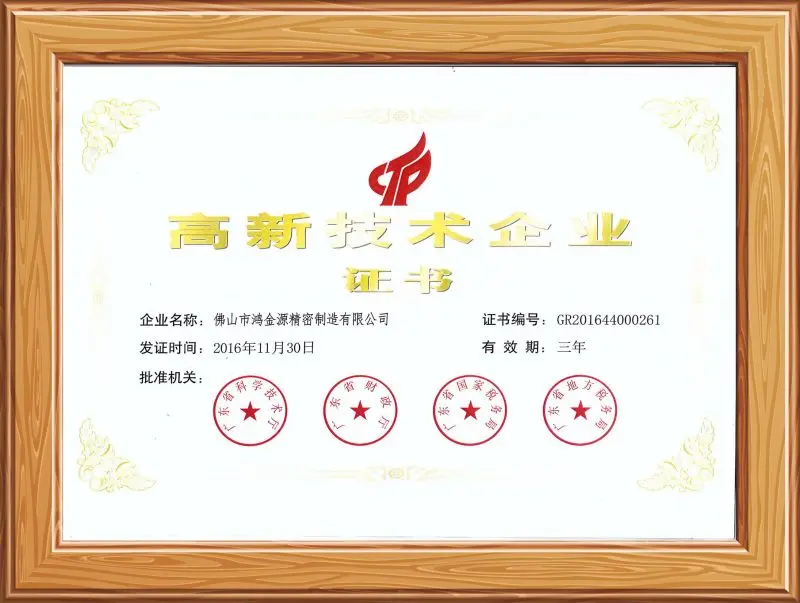
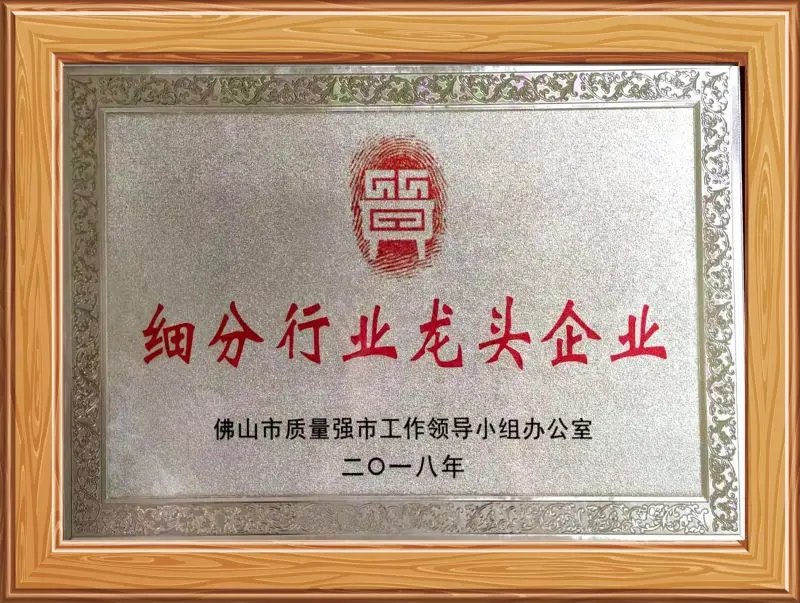
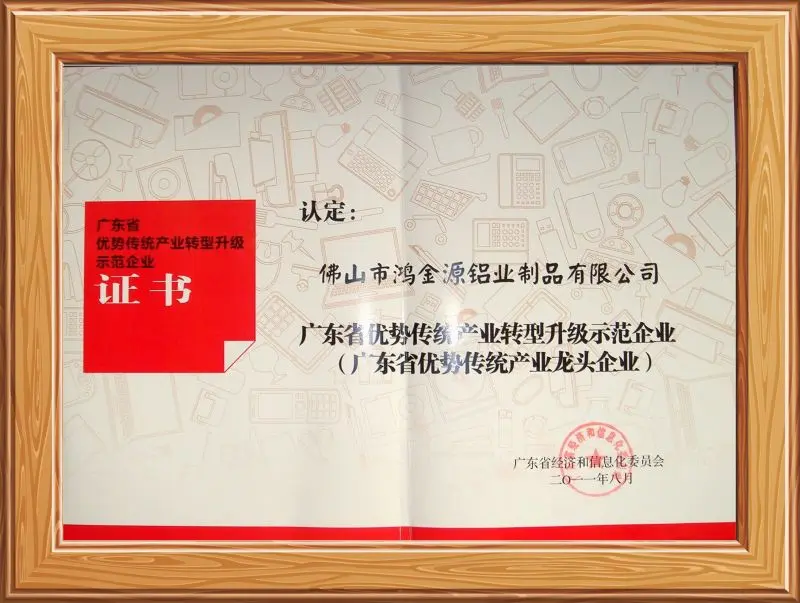
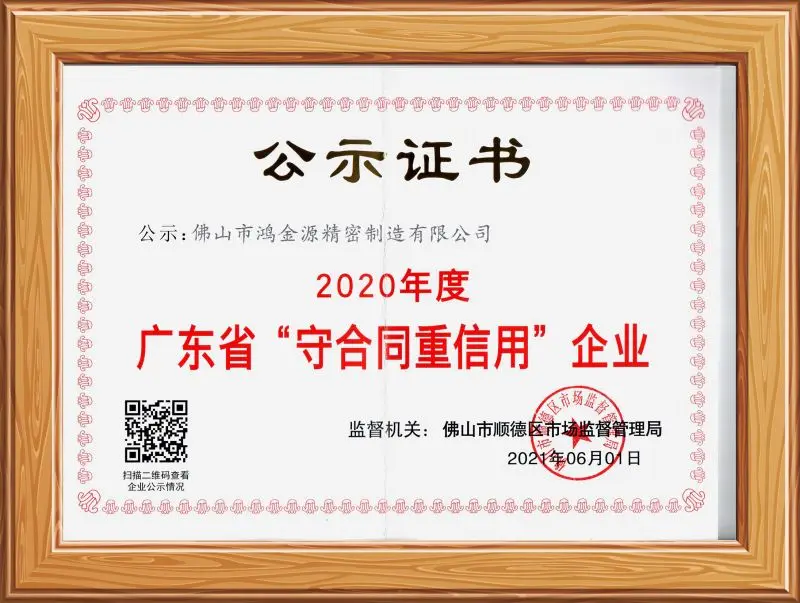
Our quality management system is based on ISO 9001:2015, ISO 14001:2015, and ISO 45001 standards. We maintain a laboratory with testing equipment for chemical, mechanical, and surface properties. Every order is shipped with a material test report confirming physical properties and chemical composition.
Technical answers regarding tolerances, alloy choices, tooling, and order processes.
Thickness depends on the final application. For indoor, low-wear components (e.g., electronic frames, mouse boxes), a thickness of 5μm to 10μm is typical. For outdoor architectural profiles, marine brackets, or transit parts exposed to weather, we recommend Class I (18μm to 25μm) or Class II (10μm to 18μm) coatings to resist wear and corrosion.
Standard aluminum extrusions can contain trace metallic impurities (like iron and copper) that can cause discoloration during anodizing. By casting billets in-house, we control these elements, ensuring consistent color response across manufacturing batches.
Yes. We can adjust the brushing parameters by varying the abrasive wheel grit size (typically from #80 for coarse, visible lines to #400 for a fine, satin feel) and altering wheel speeds to match specified roughness metrics (Ra/Rz) and gloss levels.
For custom profile shapes, our in-house die tooling shop typically delivers sample extrusions within 10 to 14 working days. Once the dimensional profiles and surface finishes are approved, bulk production takes 15 to 21 days, depending on geometry and volume.
Our GRS (Global Recycled Standard) and RCV certificates document the chain of custody for recycled aluminum content. This provides third-party verification of carbon reduction, helping global procurement departments meet environmental requirements like Europe's CBAM or internal ESG targets.
Standard extrusion tolerances comply with EN 755-9 or GB/T 14846 high-precision grades. For CNC secondary machining, we can hold linear tolerances down to ±0.02mm and angular tolerances within ±0.1° using our multi-axis machining centers.
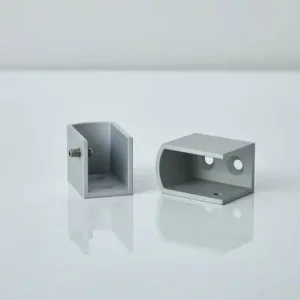
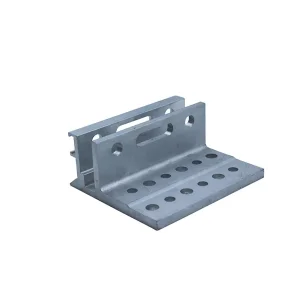
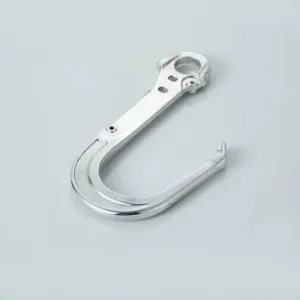
OEM hardware components, functional enclosures, and custom structural designs.
 HG Precision