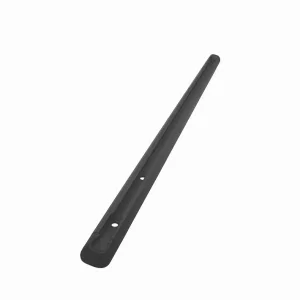
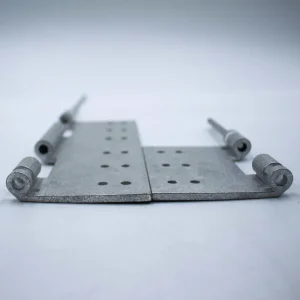
Explore our diverse capabilities in precision-machined aluminum alloy products, serving demanding industrial and commercial operations globally.
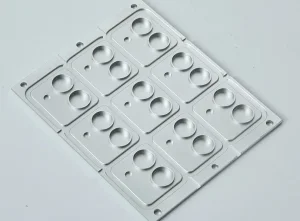
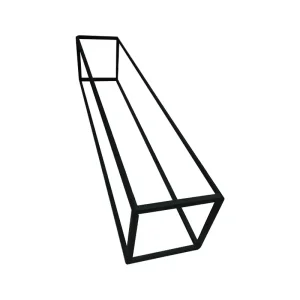
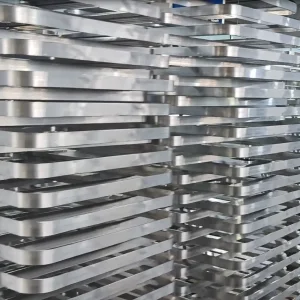
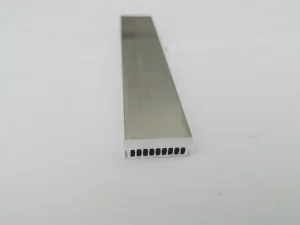
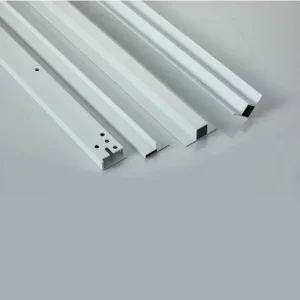
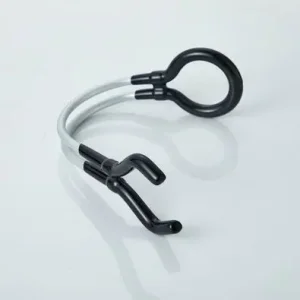
Established in 1991, Foshan Golden Source Precision Manufacturing Co., Ltd has stood as an industry pioneer, crafting custom-engineered high-strength and high-precision aluminum profiles. Over the past three decades, we have scaled our production facilities to cover an environmentally responsible footprint of more than 73,000 square meters.
We deliver integrated manufacturing solutions spanning alloy casting, mold research & design, precision extrusion, CNC machining, architectural welding, assembly, and advanced surface finishing. By maintaining in-house metallurgy, we ensure all extrusions satisfy the strict performance demands of global industries.
Our commitment to compliance and quality control is certified by international bodies, including ISO9001, ISO14001, ISO45001, RCV, and GRS (Global Recycled Standard), verifying that our operations align with European REACH and RoHS standards.
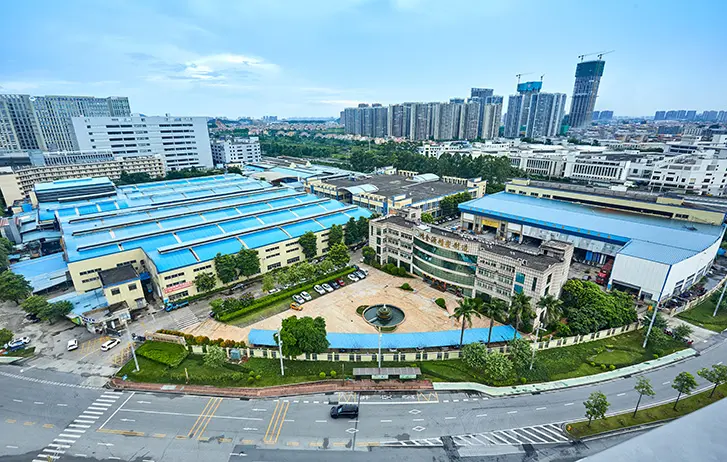
Why architectural engineering and global lighting firms rely on our vertically integrated Chinese facility.
We melt and refine our aluminum alloy billeting in-house. This dynamic control allows us to adjust silicon, magnesium, and iron contents to guarantee peak thermal conductivity and structural purity for flawless anodization.
By executing precision machining, mitering, and surface treatments under one roof, we eliminate intermediate shipping costs and maintain micro-tolerance quality control, keeping production efficient.
From initial CAD analysis and custom tooling fabrication to high-tonnage extrusion and finishing, our integrated workflow ensures you receive custom aluminum profiles up to 35% faster than fractured supply chains.
In modern architectural and commercial lighting systems, LED strip light fixtures have transitioned from accent features to primary illumination sources. Crucial to this transition is the aluminum profile (LED channel). As flexible and rigid linear LED engines produce higher lumen outputs, they generate significant heat. High-purity aluminum profiles act as structural heat sinks, protecting the diodes from thermal degradation and ensuring they meet their rated L70 lifetimes (often exceeding 50,000 hours).
The global demand for customized linear profiles is driven by building decarbonization initiatives, urban lighting developments, and the integration of lighting into smart-building automations. Architectural, retail, and commercial office specifiers require bespoke profiles that blend into walls, ceilings, floors, and furniture. This design shift requires OEM manufacturers to supply not just standard catalog shapes, but custom structural extrusions built to precise tolerances.
Foshan, China, is widely recognized as the global capital of aluminum extrusions. The local manufacturing cluster offers unparalleled supply-chain integration, providing access to raw bauxite, customized alloying agents, high-precision tooling makers, and chemical processing suppliers. For global B2B procurement professionals, this density translates to unmatched cost efficiencies and speed.
At Foshan Golden Source Precision Manufacturing, we build on this regional foundation with our 73,000-square-meter integrated facility. Unlike factories that outsource machining and anodizing, we handle the entire process in-house. This vertical integration addresses two major risks in global sourcing: quality variance across different vendors and shipping delays between processing sites. Whether anodizing architectural profiles in custom colors or CNC milling thin-fin heat sinks for optical applications, our single-roof process controls costs and ensures consistent quality.
Selecting the correct aluminum alloy is essential for balancing thermal dissipation, mechanical strength, and surface finish quality. Below is an engineering overview of the primary alloys used in LED profile manufacturing:
| Alloy & Temper | Thermal Conductivity (W/m·K) | Tensile Strength (MPa) | Anodizing Performance | Primary Application Areas |
|---|---|---|---|---|
| 6063-T5 | 200 - 209 | ≥ 150 | Excellent (High luster & uniformity) | Standard and custom architectural profiles, recessed office linear lights. |
| 6063-T6 | 200 - 209 | ≥ 205 | Excellent (High luster & uniformity) | Structural lighting tracks, heavy-duty suspension rails, display systems. |
| 6061-T6 | 160 - 170 | ≥ 290 | Good (Slightly matte/darker finish) | Heavy structural frameworks, outdoor mounting brackets, battery cases. |
For most LED strip channels, 6063-T5 is the ideal choice. It offers excellent thermal dissipation, structural stability, and a smooth surface finish that anodizes cleanly. For heavy-duty industrial fixtures, structural suspension frames, or battery enclosures for clean-energy applications, 6061-T6 provides higher tensile strength to handle structural loads.
To meet varied installation needs, we manufacture LED profiles in several structural shapes, each optimized for specific applications:
Environmental standards like the EU's REACH and RoHS directives make sustainable material sourcing critical for global projects. Foshan Golden Source addresses this with modern, clean manufacturing processes, backed by newer certifications like GRS (Global Recycled Standard) and RCV.
These credentials verify that our aluminum uses post-industrial and post-consumer recycled content, reducing carbon footprint without sacrificing mechanical properties. For international buyers, sourcing GRS-certified aluminum profiles helps satisfy carbon-disclosure mandates and LEED/BREEAM building certification criteria.
Custom OEM extrusion pricing depends on several key commercial factors:
To secure a precise quote, procurement teams should supply 2D/3D CAD drawings (DXF, DWG, STEP), desired alloy temper specifications, anodizing layer thicknesses, and annual projected volumes.
Our compliance with Global Standards including ISO, GRS, and RCV ensures reliable, high-standard production.
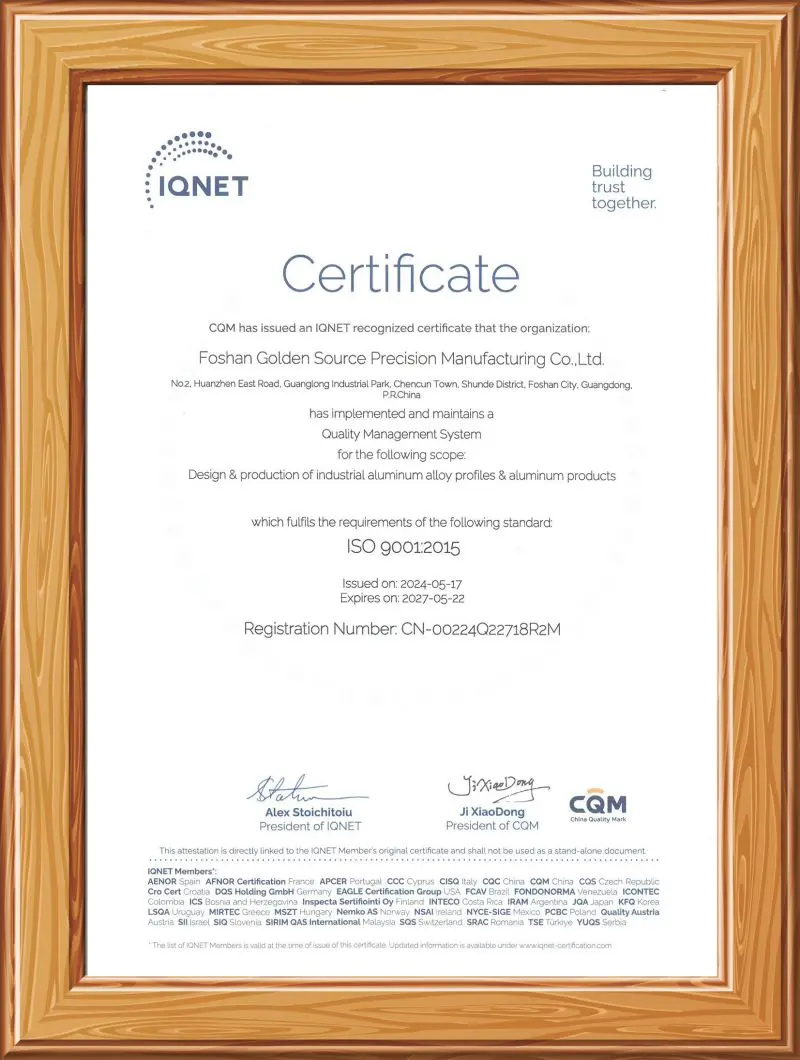
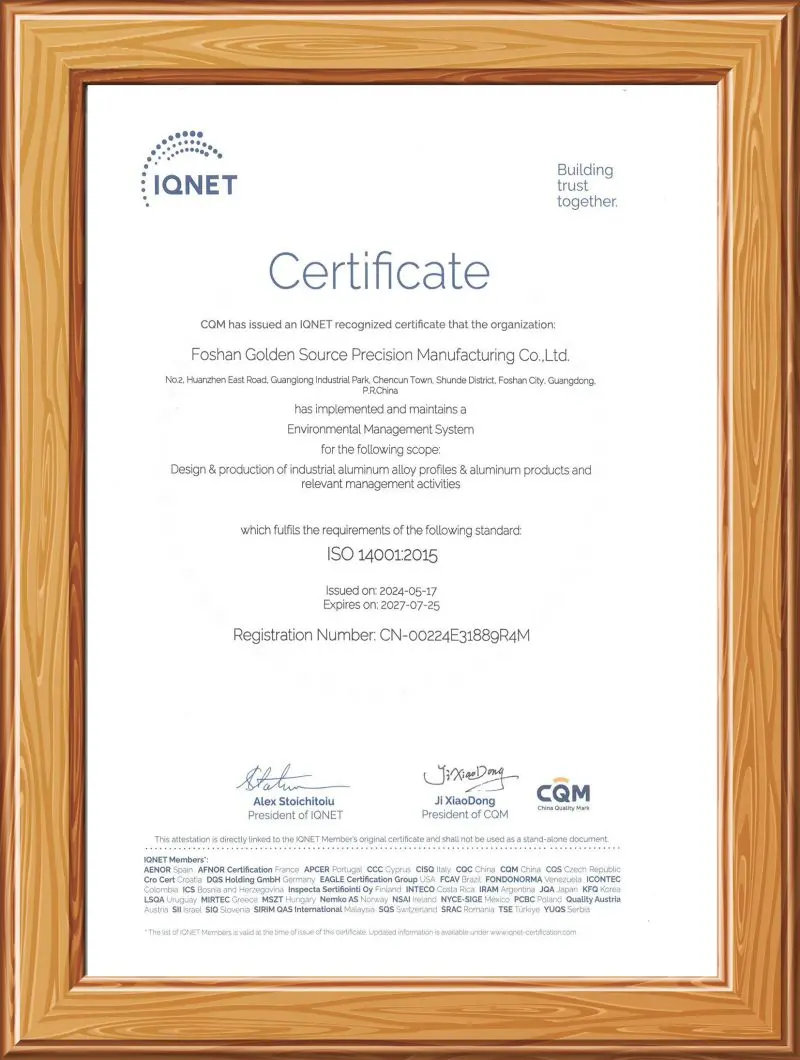
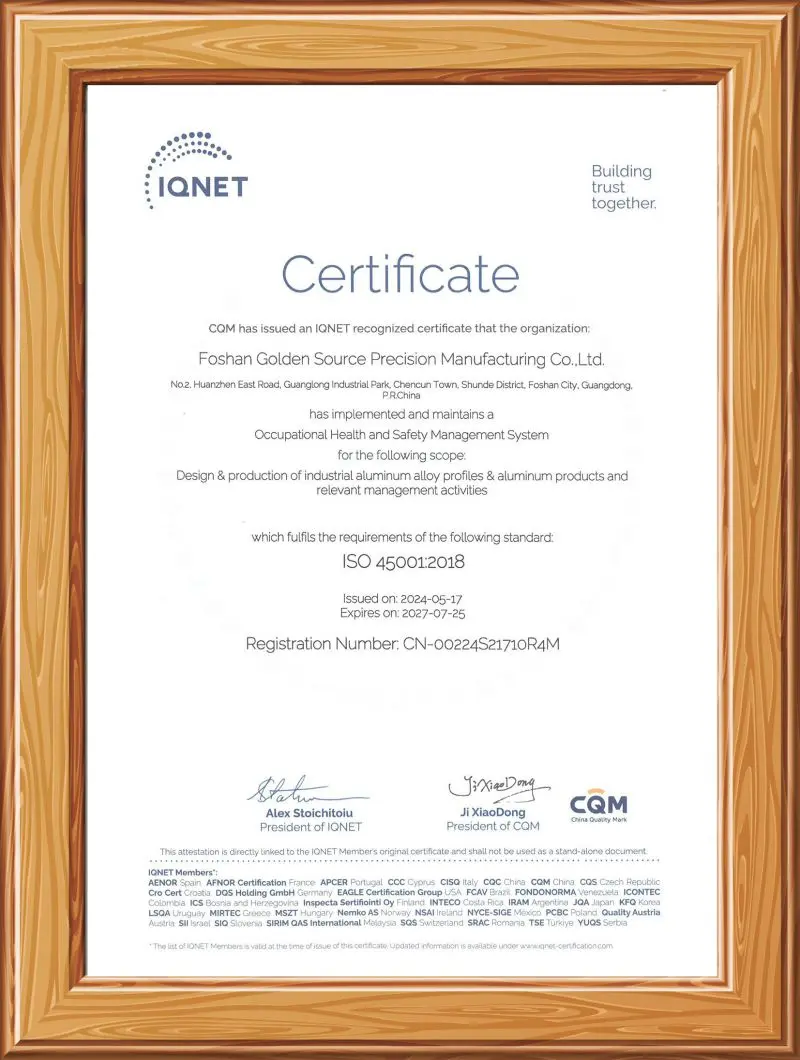
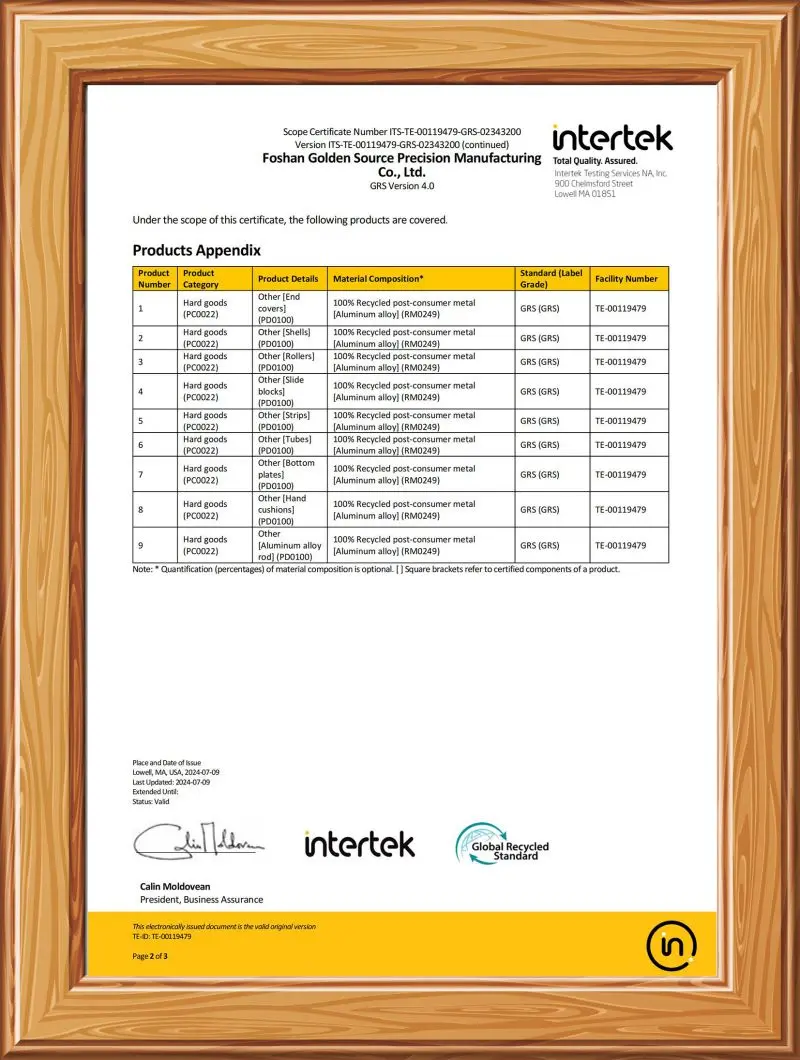
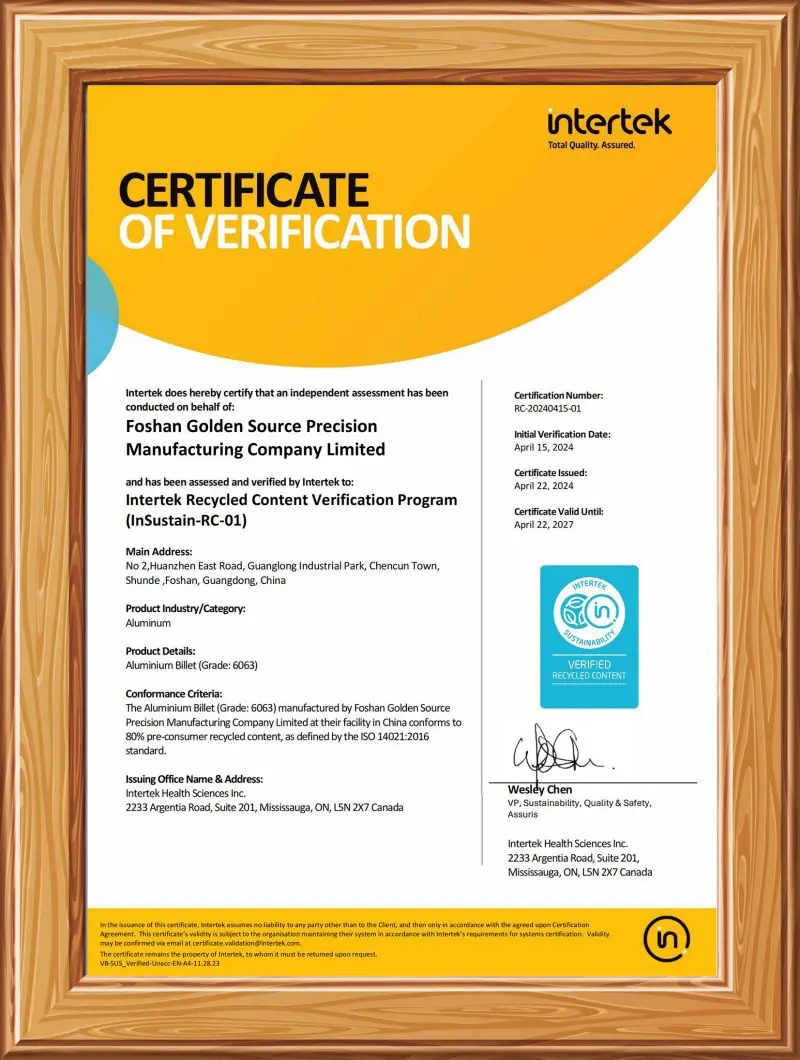
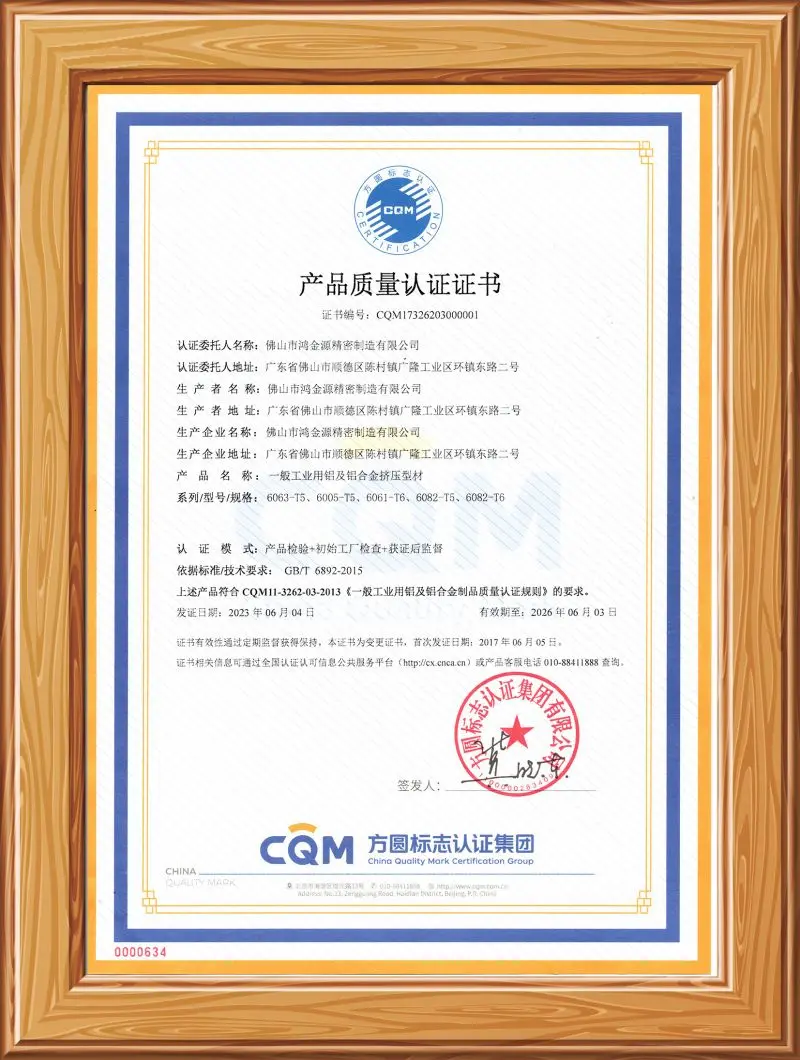
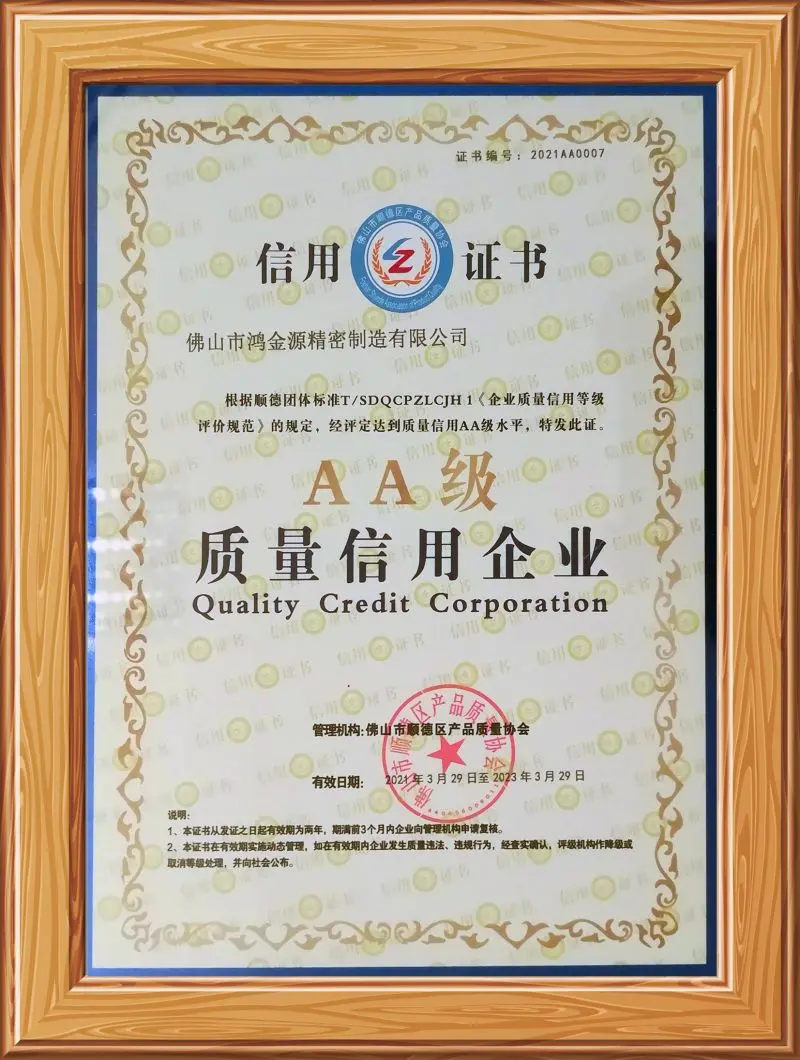
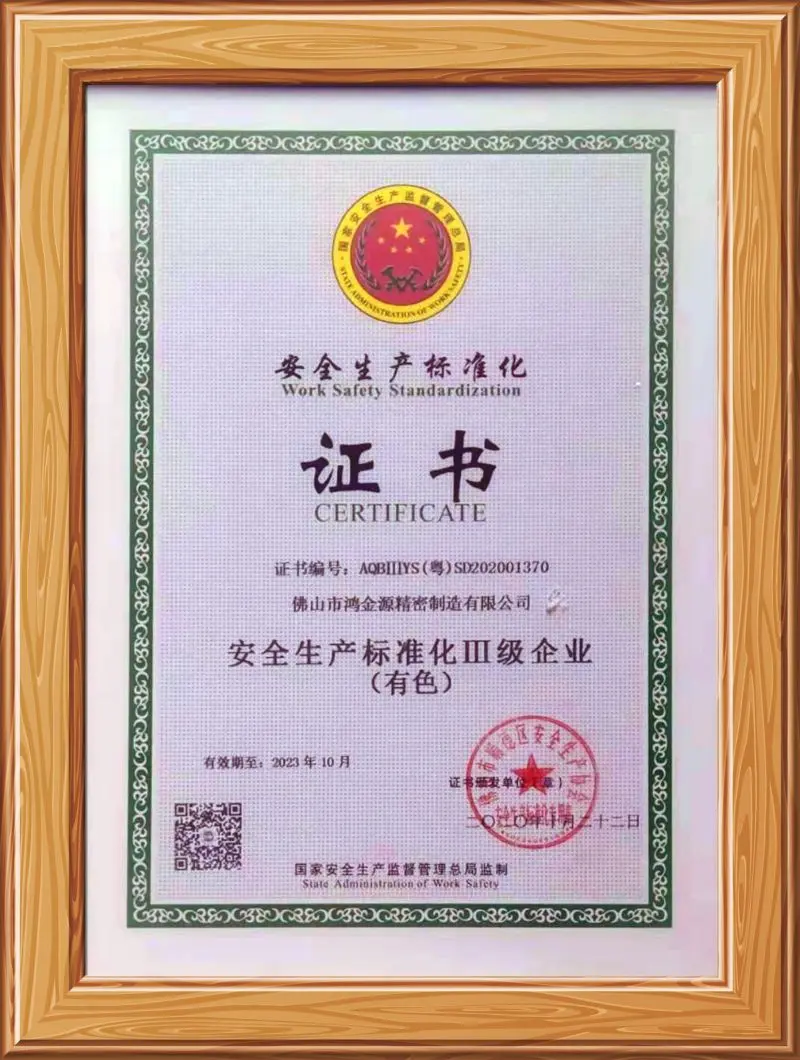
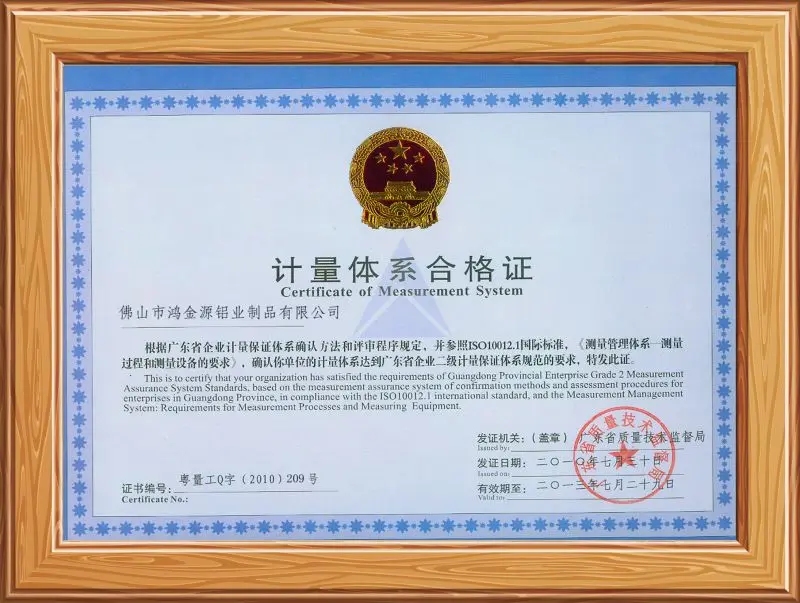
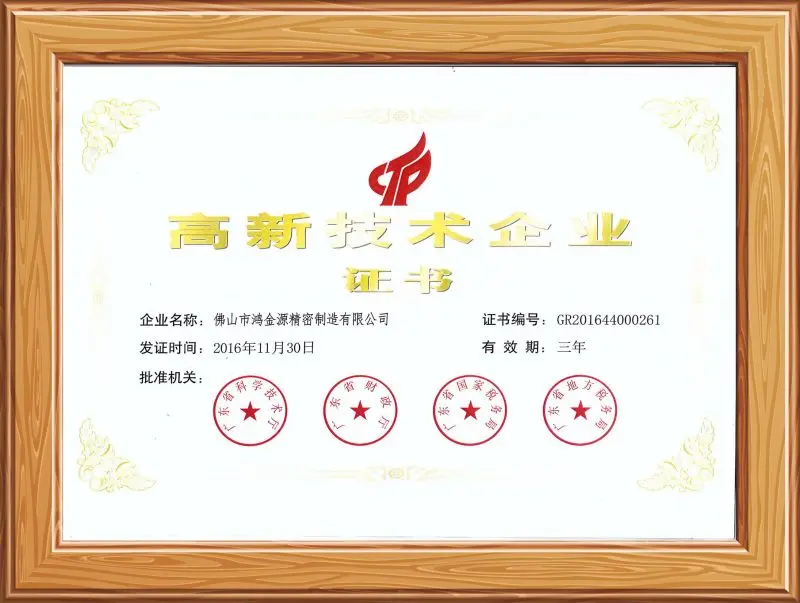
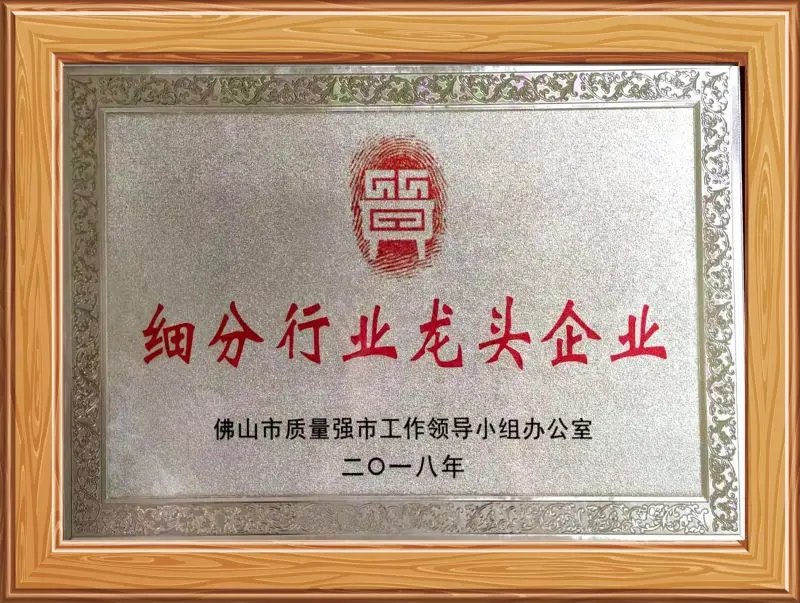
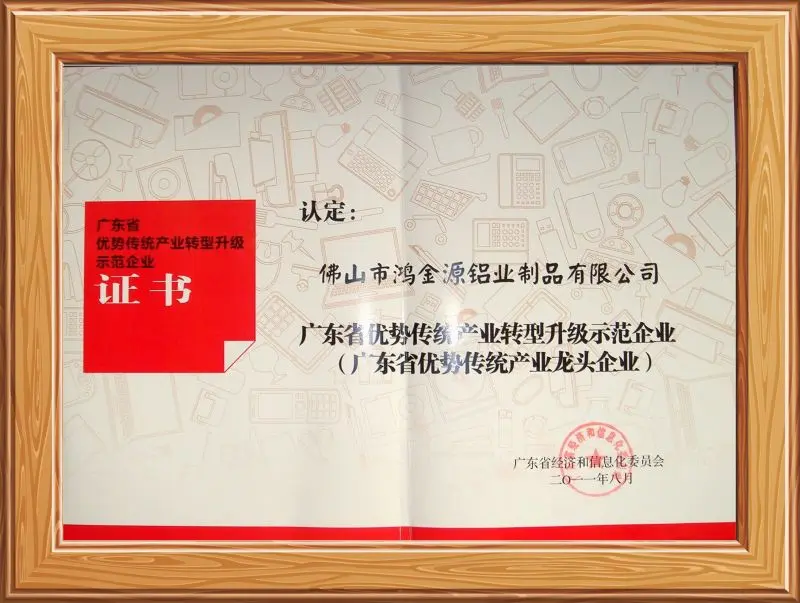
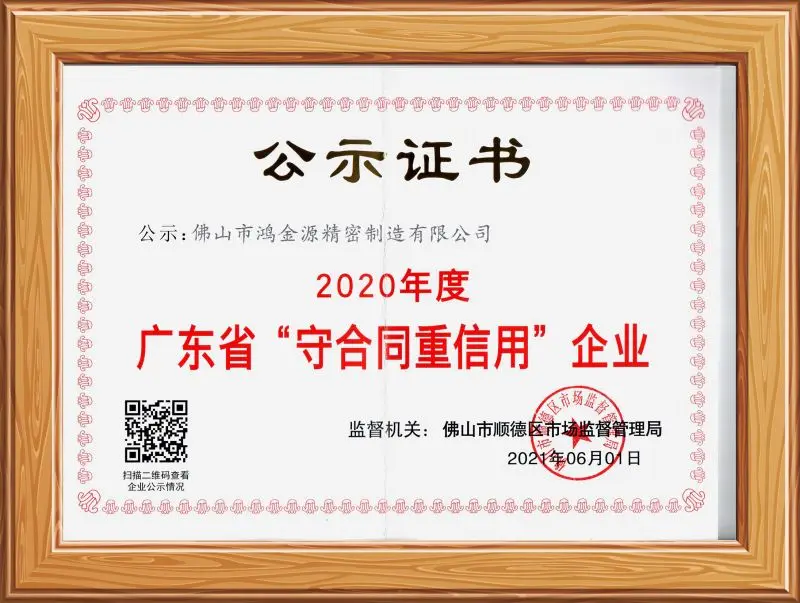
Acknowledged by regional and national industrial authorities for sustainable production and technological development.
Answering critical technical and commercial questions from lighting designers, project specifiers, and purchasing managers.
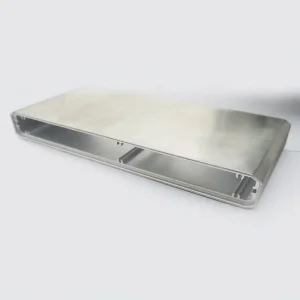
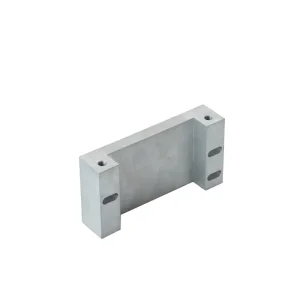
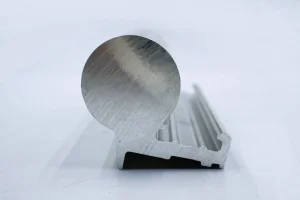
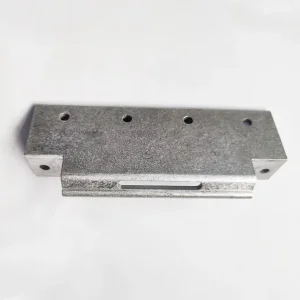
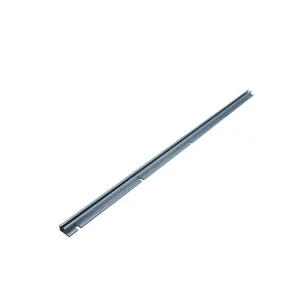
Explore additional specialized aluminum profiles and CNC-machined structural parts from our catalog.
 HG Precision