Engineered components fabricated to exact specifications with advanced surface finishes and metallurgical control.
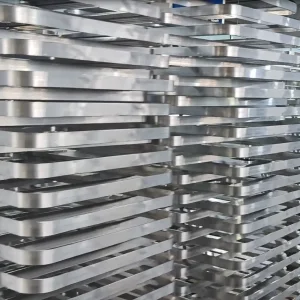
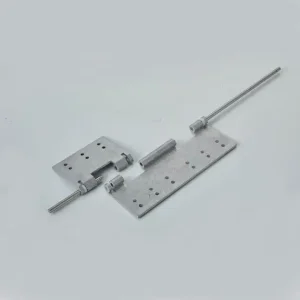
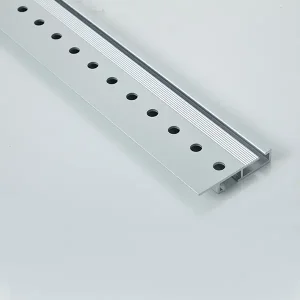
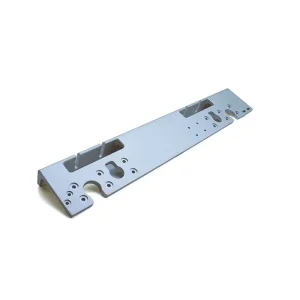
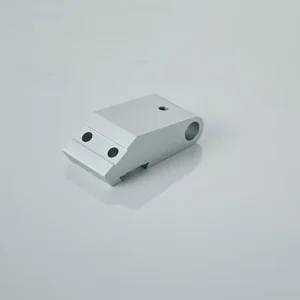
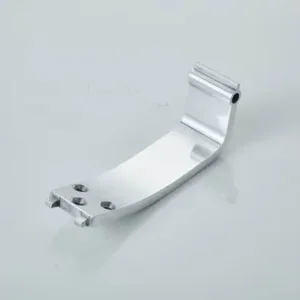
Why leading global enterprises partner with Foshan Golden Source for precision engineering.
We melt the alloy in house so that we can adjust the compositions to achieve the best physical properties of extrusion profiles, best purity of alloy for high quality anodizing.
Machining and surface treatment are done in house will better quality control and saving production costs so that the unit price for product will be lower. Even if the same price as other factory, our quality will be much superior.
"One-stop" manufacturing capacity will provide faster delivery to customers without relying on multiple tiers of third-party vendors.
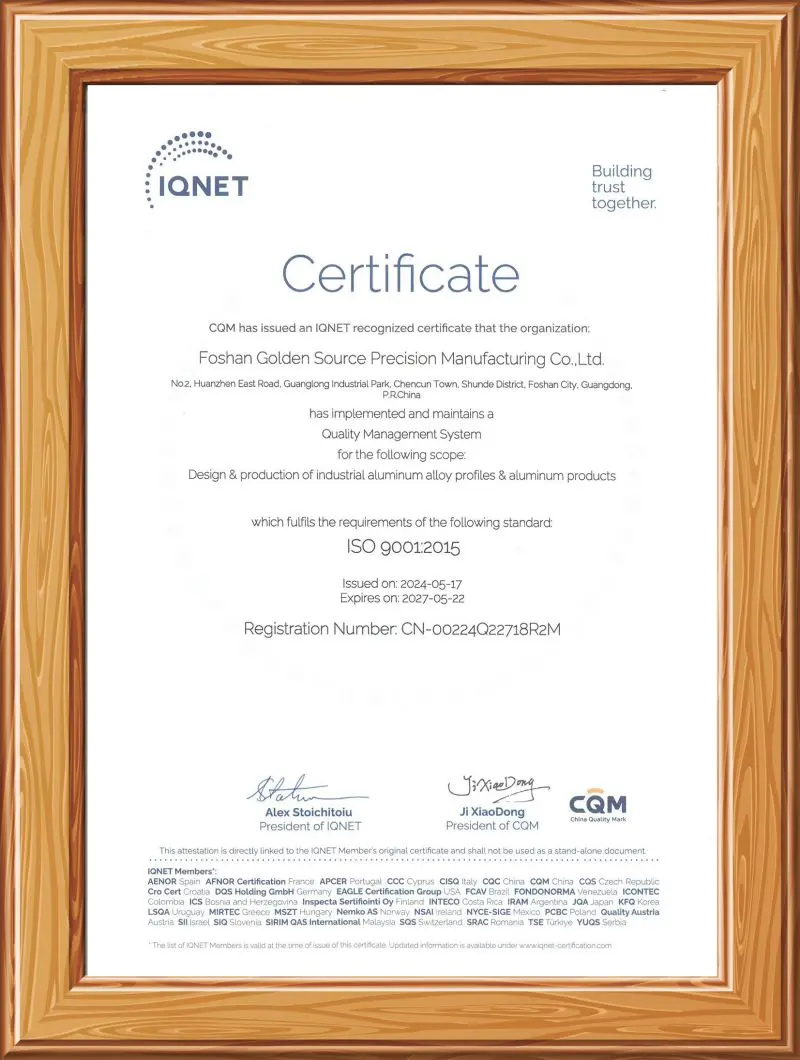
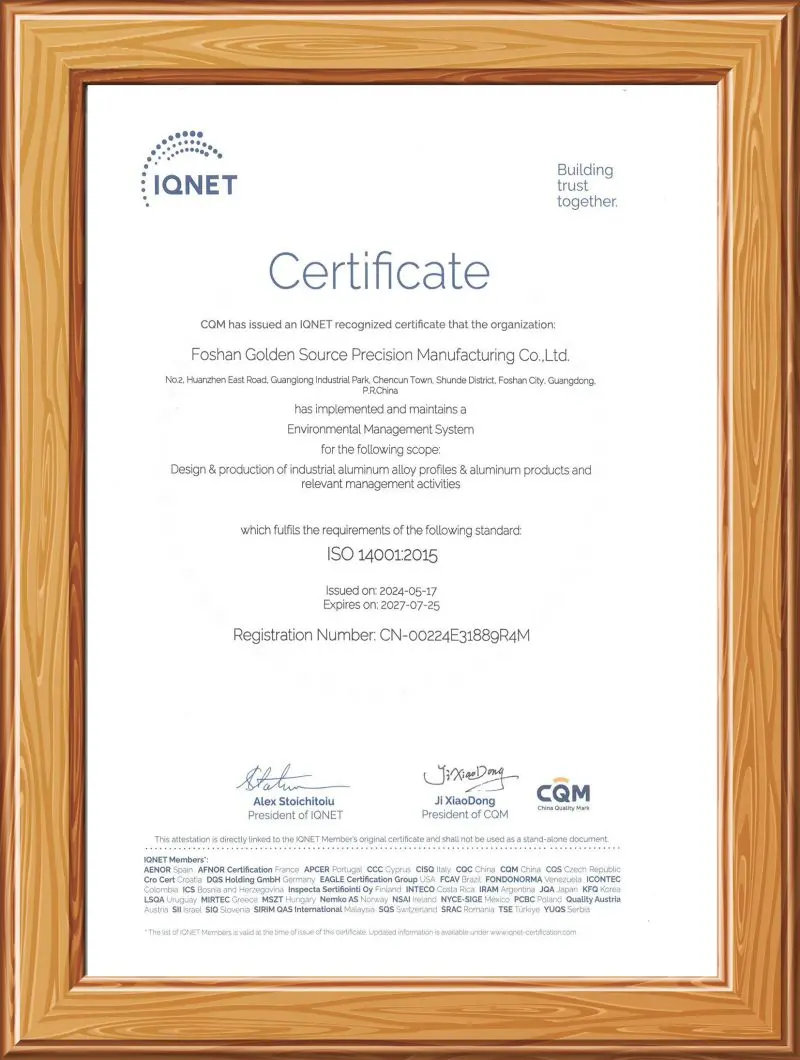
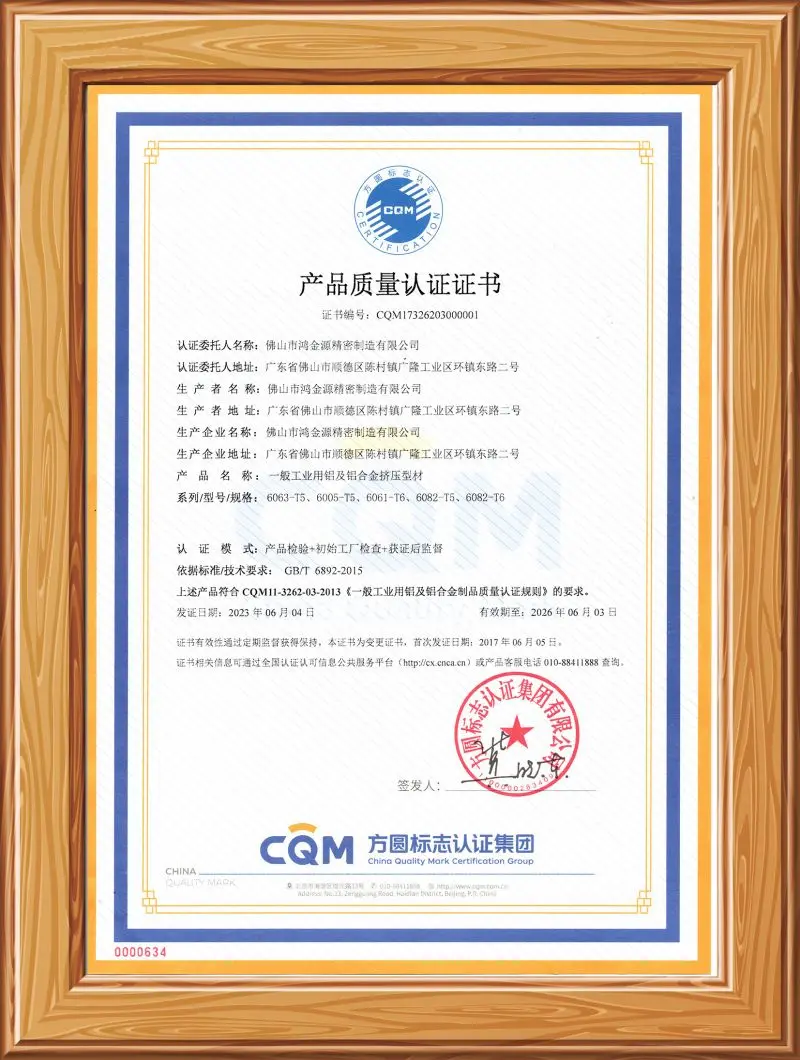
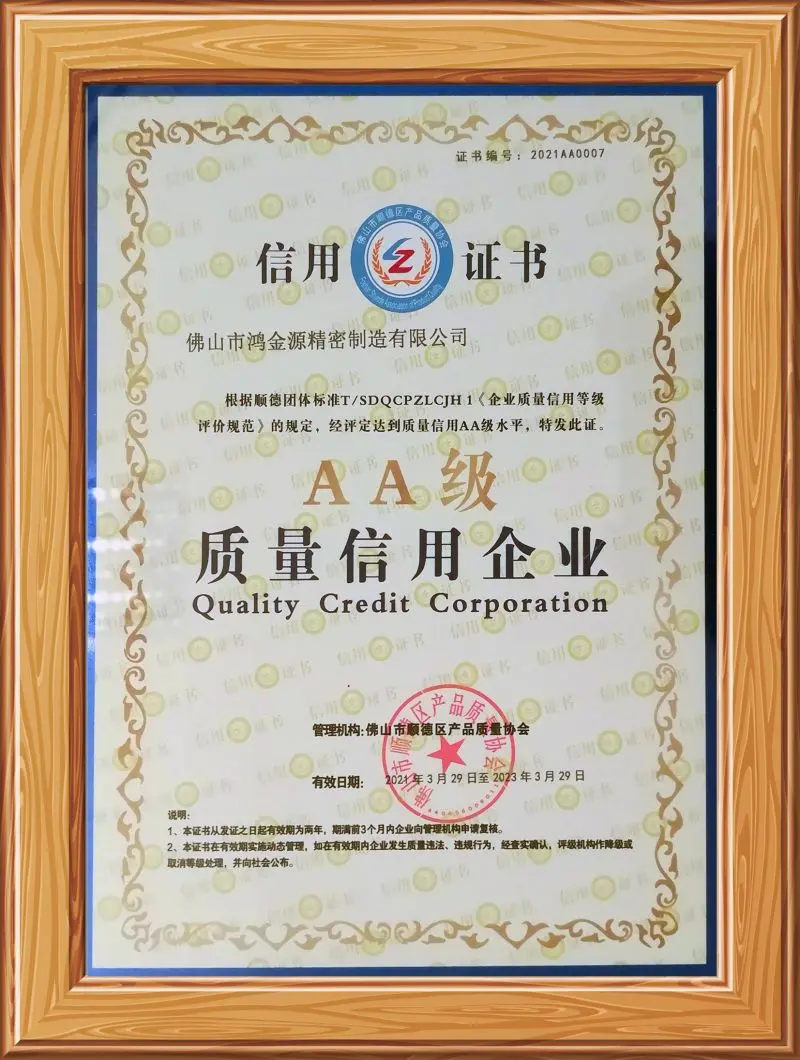
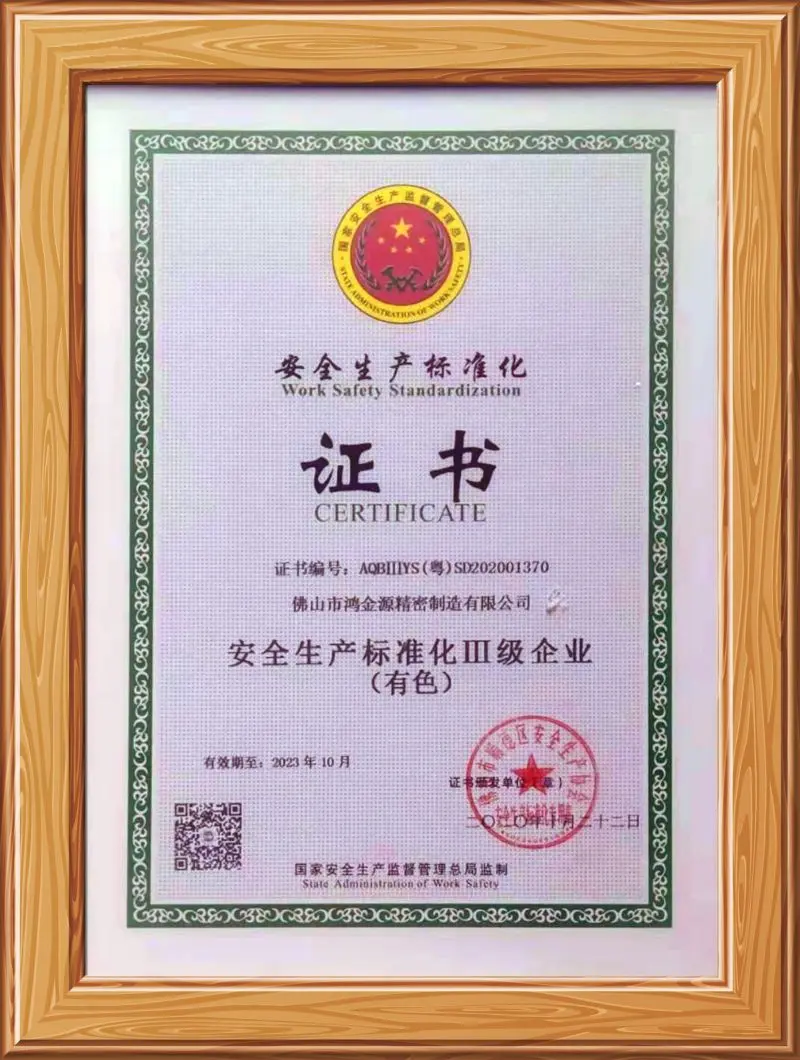
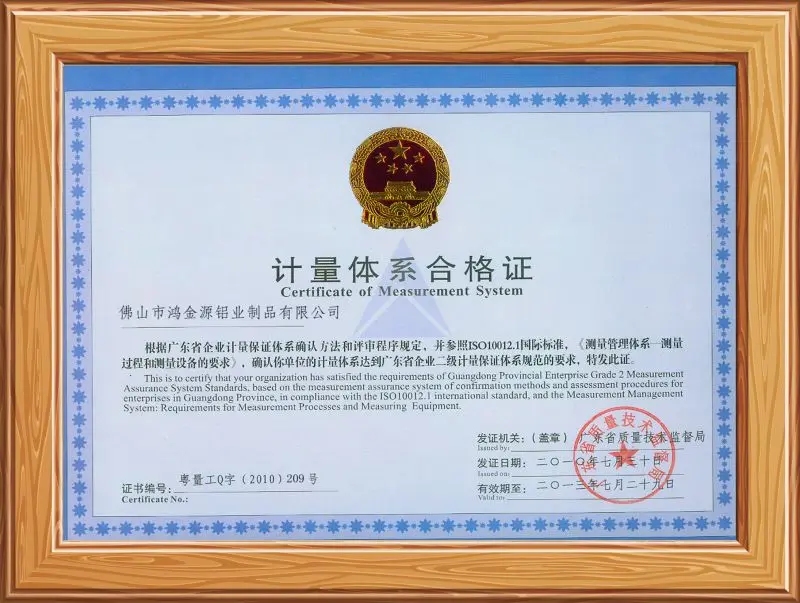
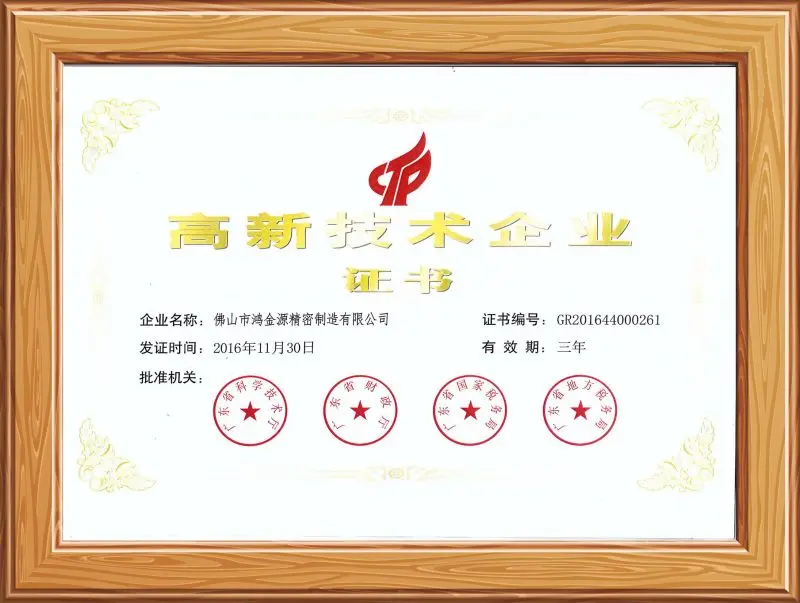
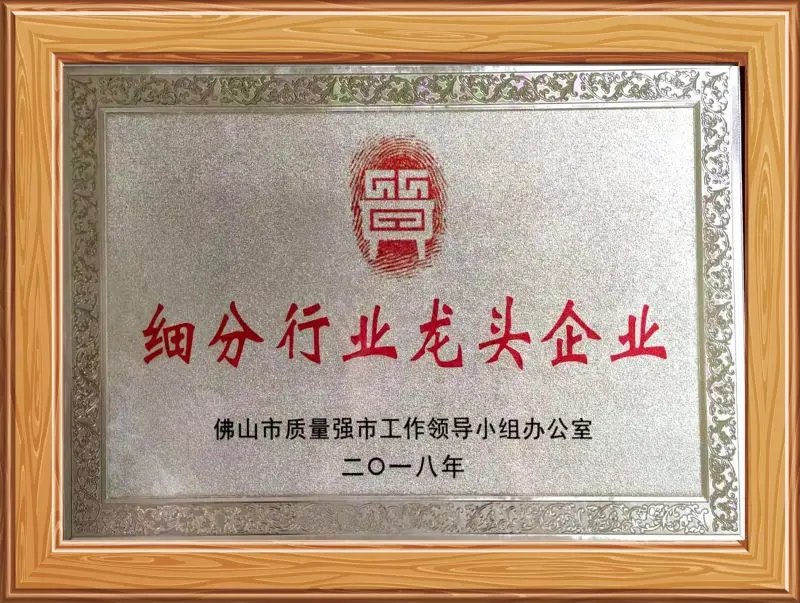
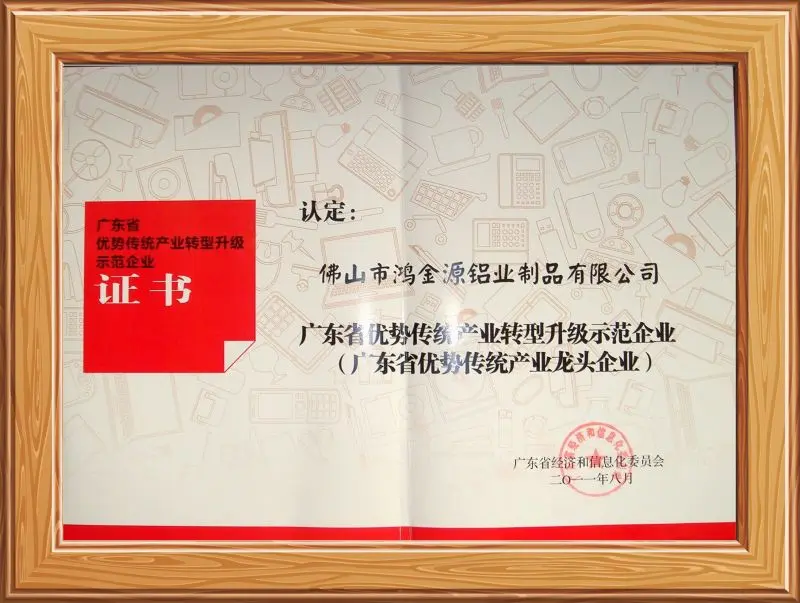
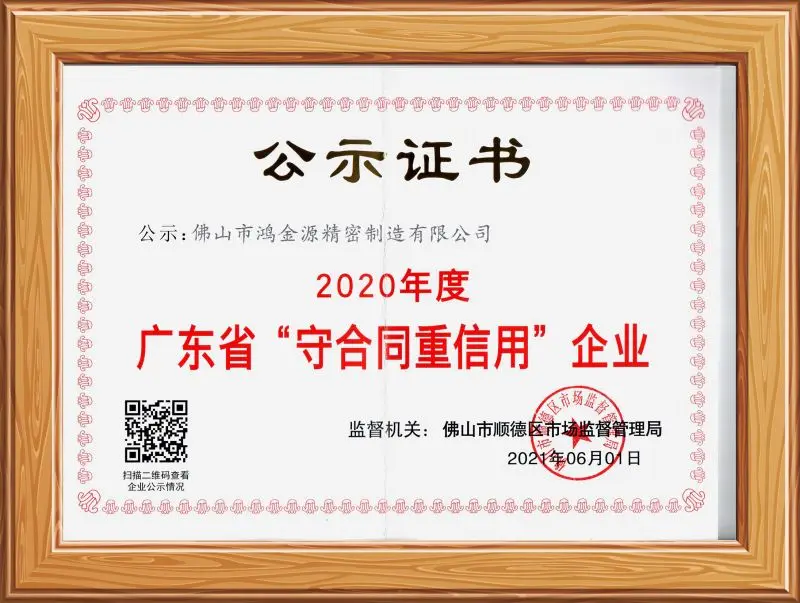
Verified regulatory compliance catering to stringent environmental and quality requirements globally.
An authoritative guide to global trends, procurement methodologies, and technological route maps.
The global industrial landscape is undergoing a massive shift towards lightweight, highly recyclable, and high-performance structural components. Aluminum alloys stand at the forefront of this evolution. Within markets like the European Union and North America, the emphasis on decarbonization has shifted the focus toward supply chain transparency and low-carbon metallurgical sourcing.
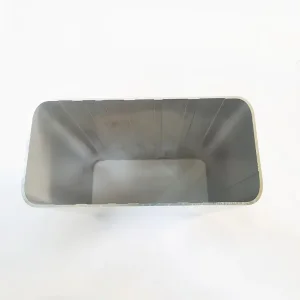
Industries such as automotive manufacturing, mass transit systems (such as high-speed rail and metro networks), and architectural engineering are replacing traditional steel structures with high-strength-to-weight ratio aluminum extrusions. By incorporating complex internal hollow profiles, manufacturers can decrease component weights by up to 50% without compromising tensile strength or structural integrity.
Procuring custom fabricated aluminum parts involves balancing mechanical engineering parameters with supply chain logistics and sustainability compliance. Modern procurement officers utilize multi-attribute matrices to assess potential manufacturing facilities. Key parameters evaluated include:
| Alloy Group | Primary Alloying Elements | Mechanical Attributes | Common Industrial Applications |
|---|---|---|---|
| 1XXX Series | Pure Aluminum (>= 99.00%) | High thermal & electrical conductivity, superior corrosion resistance, low mechanical strength. | Electrical conductors, chemical processing vessels, reflective trims. |
| 3XXX Series | Manganese (Mn) | Moderate strength, excellent workability, high corrosion resistance. | Heat exchangers, cooking utensils, architectural roofing panels. |
| 5XXX Series | Magnesium (Mg) | High tensile strength, exceptional weldability, excellent marine corrosion resistance. | Marine hulls, transport pressure vessels, heavy structural welded parts. |
| 6XXX Series | Silicon & Magnesium (Si/Mg) | Highly versatile heat-treatable alloys. Good extrudability, moderate-to-high strength, exceptional finishing. | Architectural frames (6063-T5), structural automotive assemblies (6061-T6), rail doors. |
| 7XXX Series | Zinc (Zn) | Extremely high mechanical strength, high fatigue resistance. Poor general corrosion resistance. | Aerospace structural elements, mobile device chassis, high-stress climbing gear (7075). |
Automotive & Canopy Support Systems: Automotive components, such as custom vehicle roof racks or battery enclosures, necessitate precise dimensional tolerances to fit vehicular frames. Employing 6063-T5 or 6061-T6 alloys with post-extrusion CNC machining ensures that bolting points, slots, and structural interfaces line up perfectly with assembly coordinates. Surface finishes, like matte black powder coatings, must undergo rigorous salt-spray testing to guarantee long-term UV and corrosion protection.
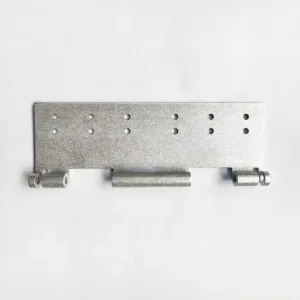
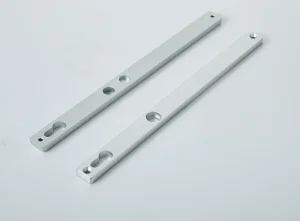
Metro and High-Speed Railway Transit: Metro train door assemblies are subject to intense, repetitive dynamic loads. Hanging kit closing parts and door frames must combine structural rigidity with lightweight characteristics. Precision CNC milling, glass sandblasting, and clear anodizing provide the structural parts with a wear-resistant oxide layer, preventing oxidation and guaranteeing smooth operation over millions of open-close cycles.
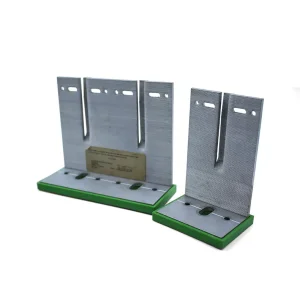
Architectural Curtain Walls: Large-scale commercial construction projects utilize custom-angled aluminum profiles paired with specialized components (like plastic boots) to handle thermal expansion and contraction. High-volume extrusion profiles with pre-drilled holes streamline construction, eliminating on-site machining and speeding up architectural installation.
Operating within a globalized industrial ecosystem requires deep compliance with localized environmental and toxicological regulations. At Foshan Golden Source, compliance with the European Union’s REACH (Registration, Evaluation, Authorization and Restriction of Chemicals) regulation is ensured at the metallurgical phase. By avoiding restricted substances in our alloy formulations, we prevent environmental and human hazard risks.
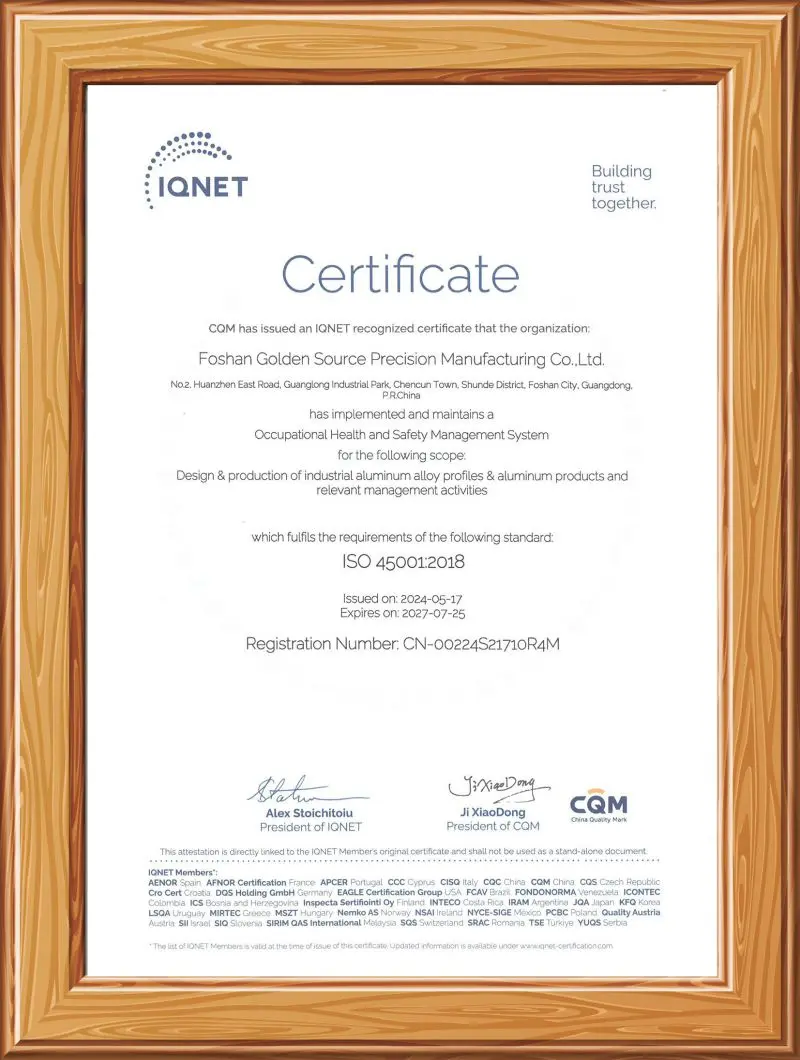
Additionally, our production plants adhere closely to the ISO 9001 (Quality Management System), ISO 14001 (Environmental Management System), and ISO 45001 (Occupational Health and Safety Management System) frameworks. This structured ecosystem guarantees that every shipment is backed by material mill test reports (MTRs), metallurgical analysis certs, and complete dimensional quality inspection sheets.
Looking to the future, Foshan Golden Source is actively integrating smart manufacturing principles into our production lines. This technological roadmap includes:
Technical answers to key engineering and procurement queries.
In-house melting allows us to control the exact chemical composition of the melt. By limiting trace elements like iron (Fe) and copper (Cu), we can prevent structural defects and guarantee high purity. This control is vital for cosmetic components requiring consistent, high-clarity clear or colored anodizing.
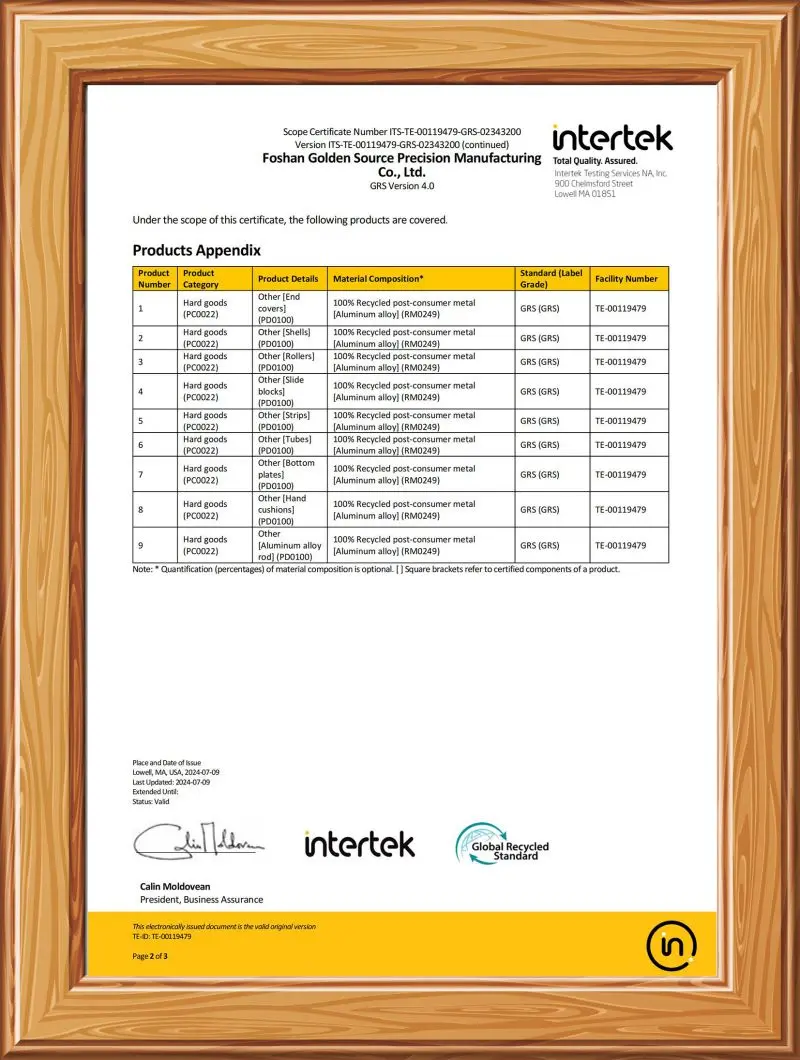
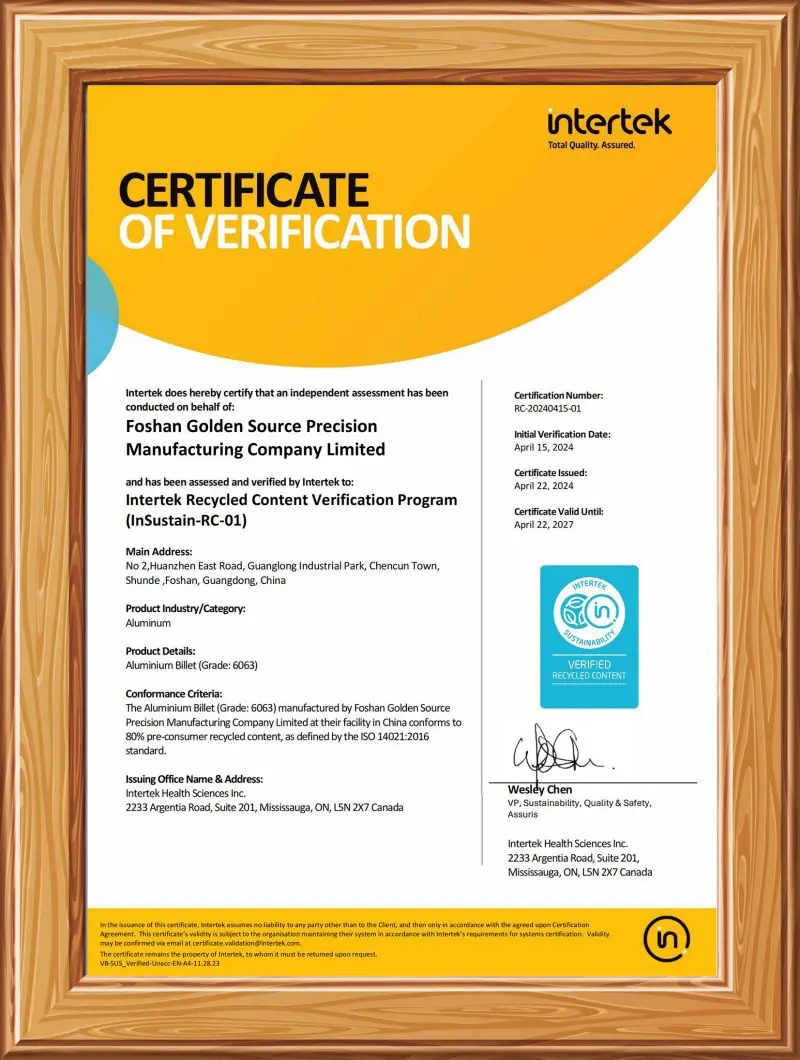
GRS certification provides verifiable proof of recycled content throughout the manufacturing chain. This allows global brands to calculate carbon footprints accurately and comply with green initiatives, international ESG standards, and government supply chain mandates.
For high-stress structural parts, 6061-T6 and 7075-T6 are preferred due to their high mechanical strength and excellent chip-forming characteristics during milling. For decorative parts requiring complex extrusion profiles, 6063-T5 or T6 offers a good balance of strength, extrusion speed, and surface finishing quality.
We offer a complete suite of in-house finishing options, including glass bead sandblasting, mechanical mirror polishing, chemical etching, multiple colors of anodizing (clear, bronze, black, gold), and powder coatings in various RAL colors.
We utilize coordinate measuring machines (CMM), optical profile projectors, and in-line laser measuring tools during extrusion and machining phases. Our strict adherence to ISO 9001 quality guidelines guarantees that all dimensional tolerances match the customer's technical drawings.
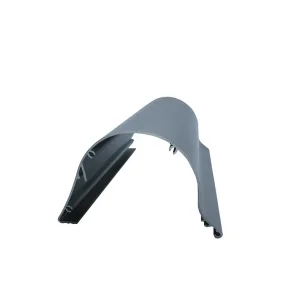
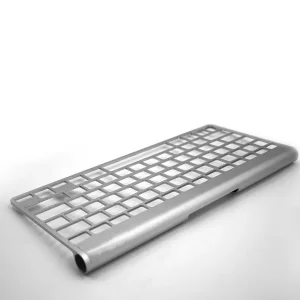
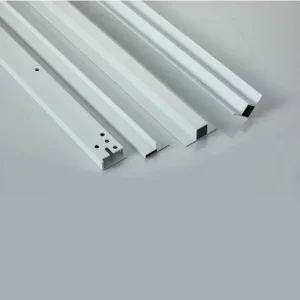
Explore our diverse capabilities in rail, automotive, architecture, and consumer electronics components.
 HG Precision