Premium OEM/ODM extrusions, CNC machined parts, and architectural aluminum products
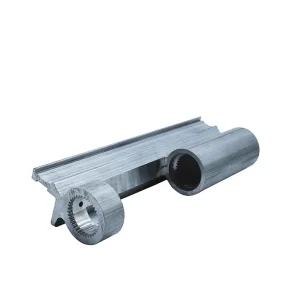
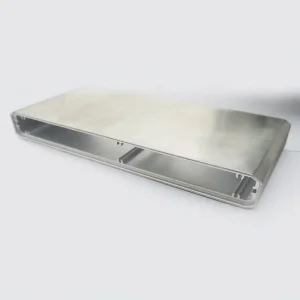
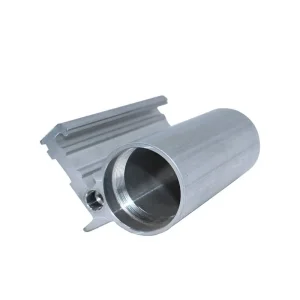
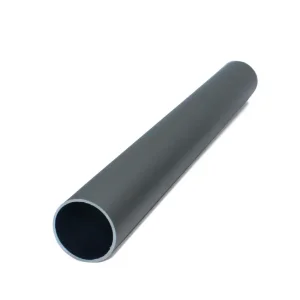
In the modern era of precision engineering, thin-wall aluminum tubes (typically defined as tubes with wall-to-diameter ratios below 5%) have emerged as critical structural and fluid-handling elements across advanced industries. The global drive toward weight reduction—spurred by automotive electrification, aerospace optimization, and portable consumer electronics—has magnified the demand for high-strength, low-density materials.
Unlike standard structural tubes, manufacturing thin-wall profiles requires sophisticated die controls and precise control over alloy chemistry to prevent cross-sectional collapse, wall tearing, or eccentric thickness distribution during extrusion. Key global regions rely heavily on advanced precision factories to supply these components with dimensional stability. These tubes find applications in heat exchanger microchannel matrices, medical endoscopic devices, high-speed rail HVAC systems, and lightweight camera stabilizers.
Established in 1991, Foshan Golden Source Precision Manufacturing Co., Ltd stands at the forefront of high-precision, customized aluminum profile extrusion and advanced CNC processing. Spanning a modern, eco-friendly footprint of over 73,000 square meters, the enterprise offers an integrated, one-stop solution. This encompasses alloy casting, tooling design & fabrication, custom extrusion, precision CNC machining, specialized welding, assembly, and multi-option surface treatments.
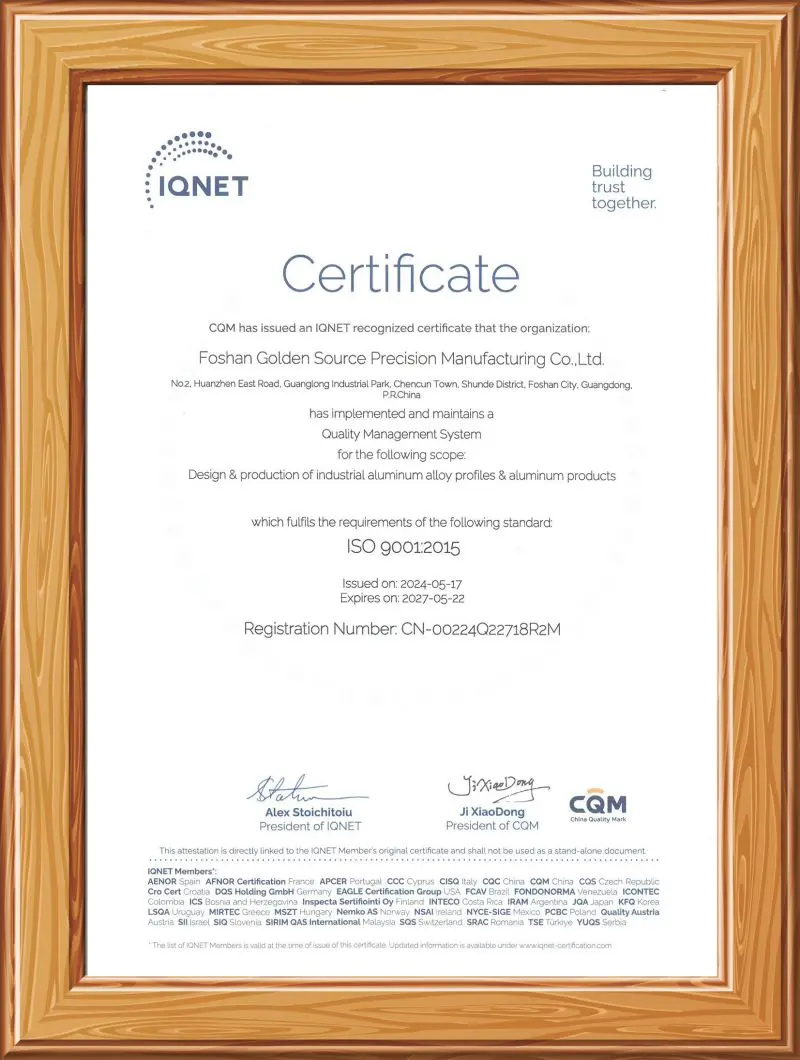
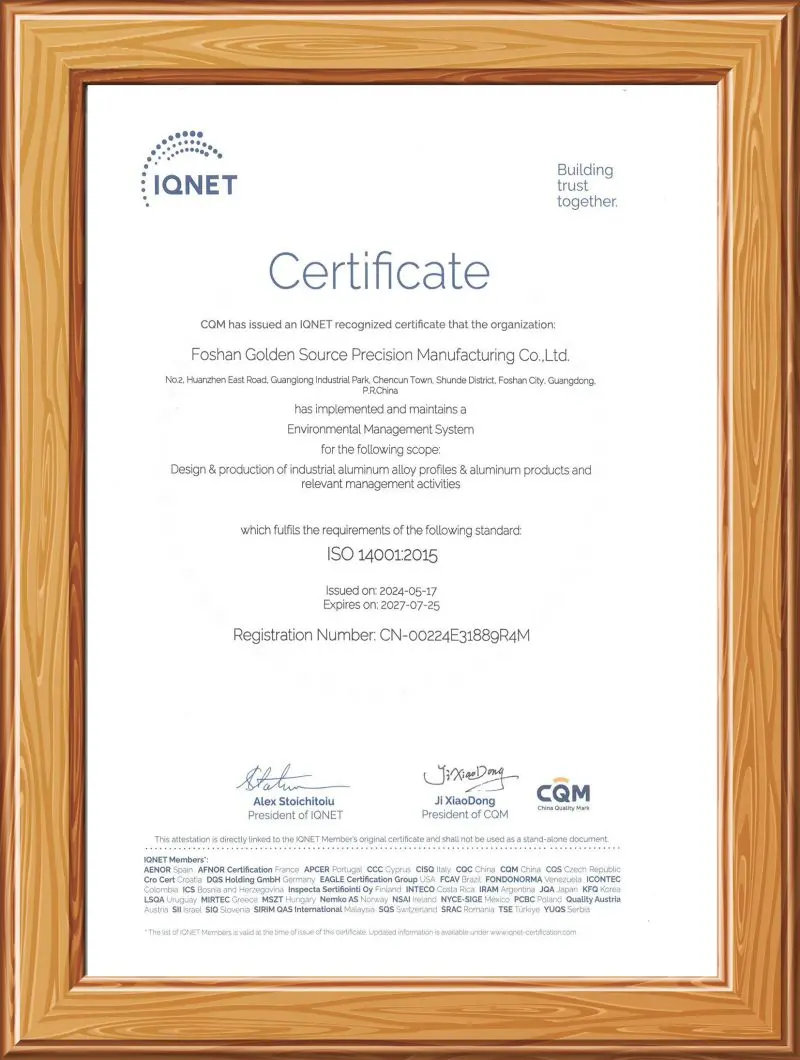
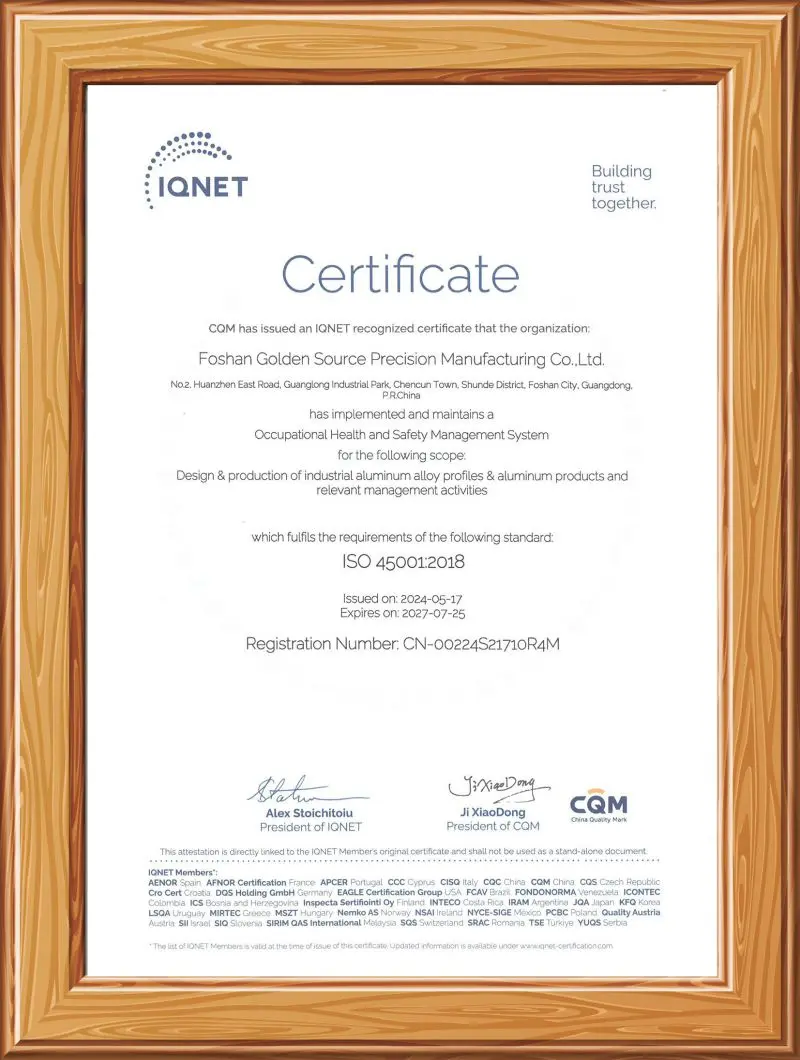
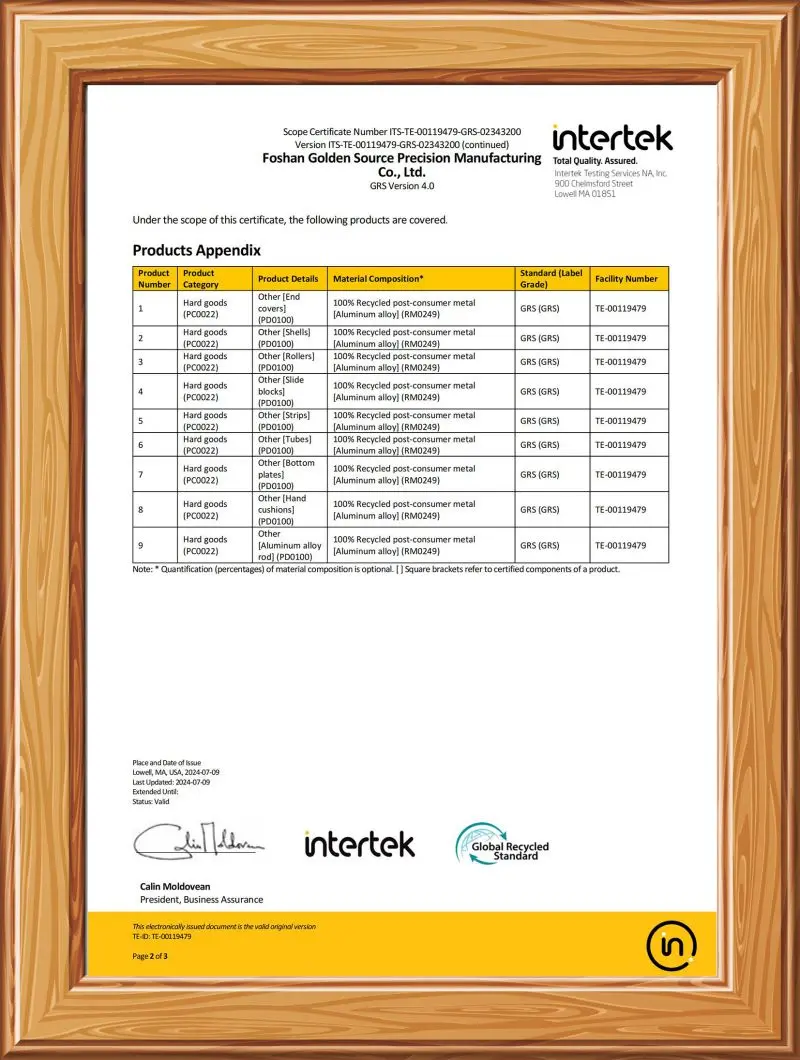
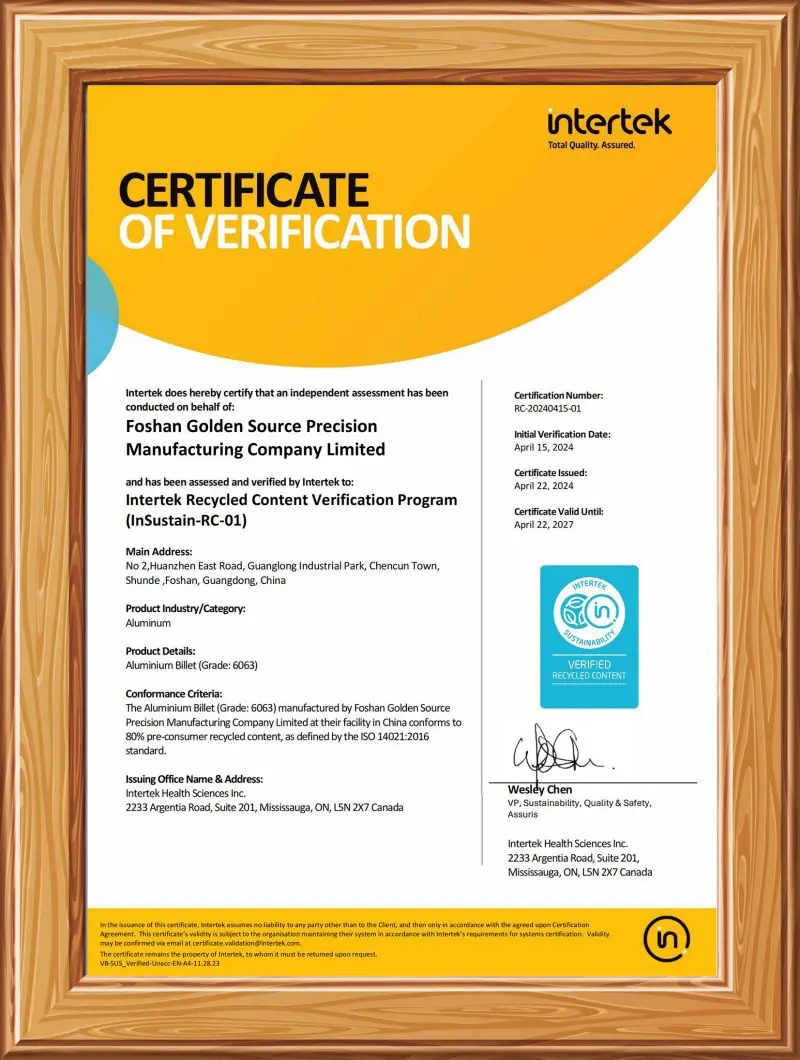
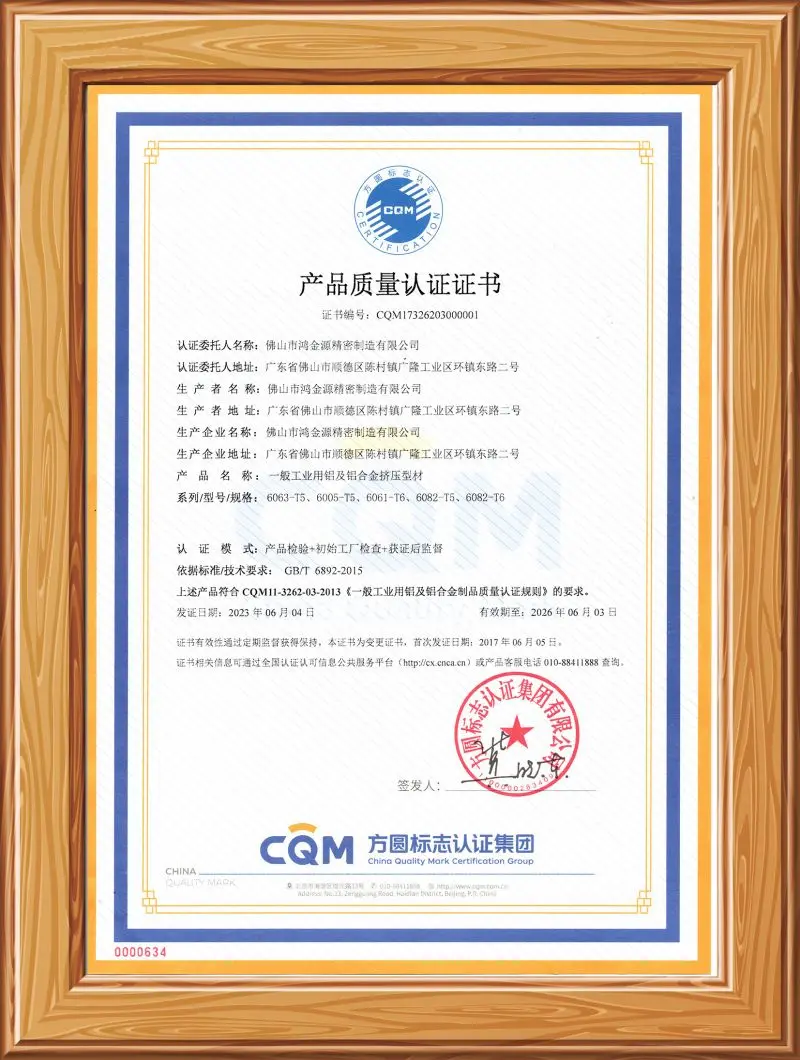
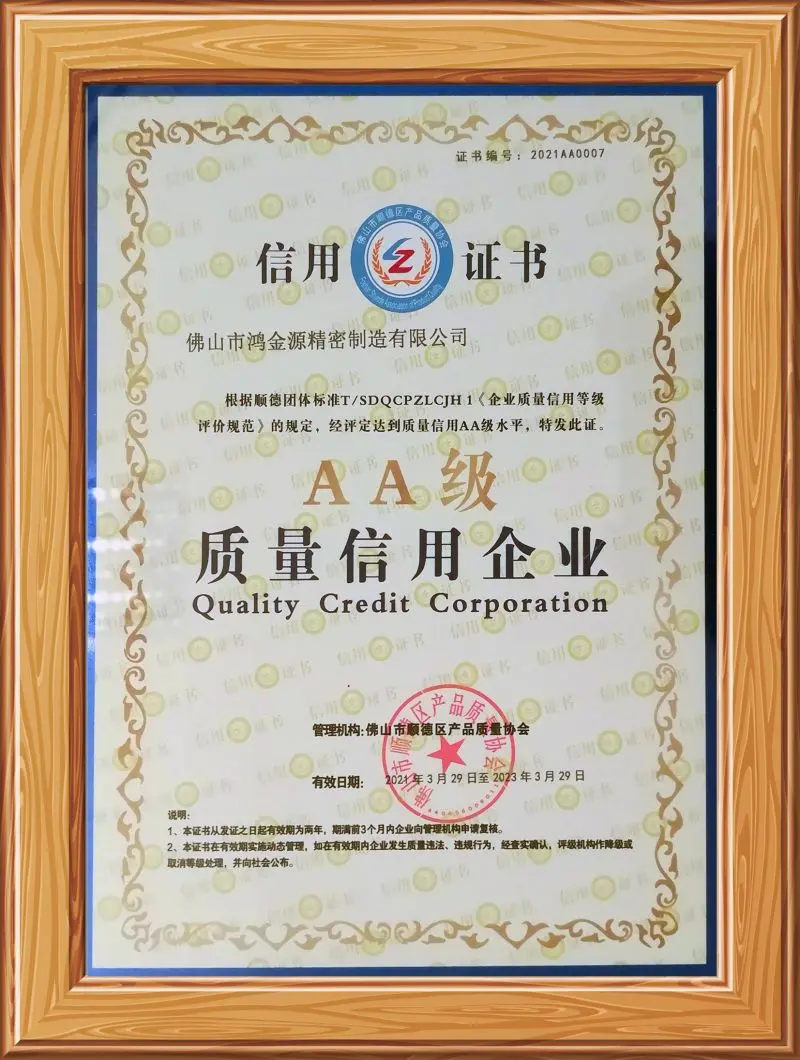
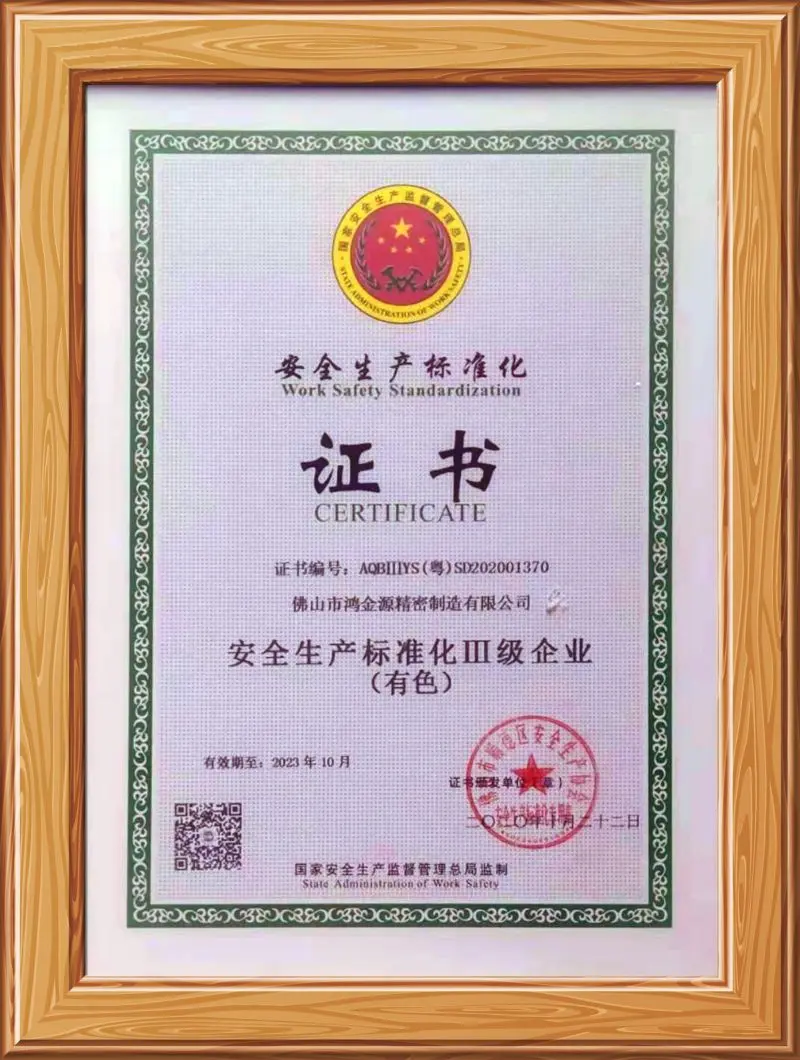
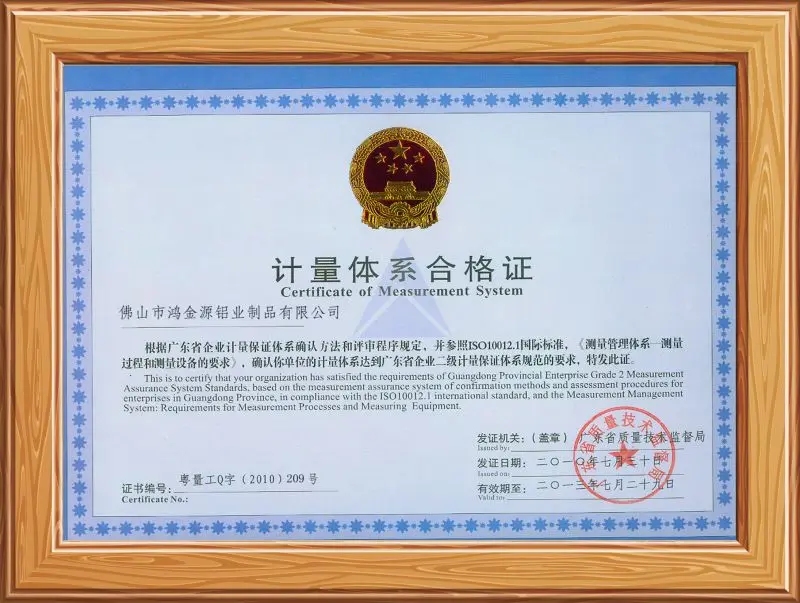
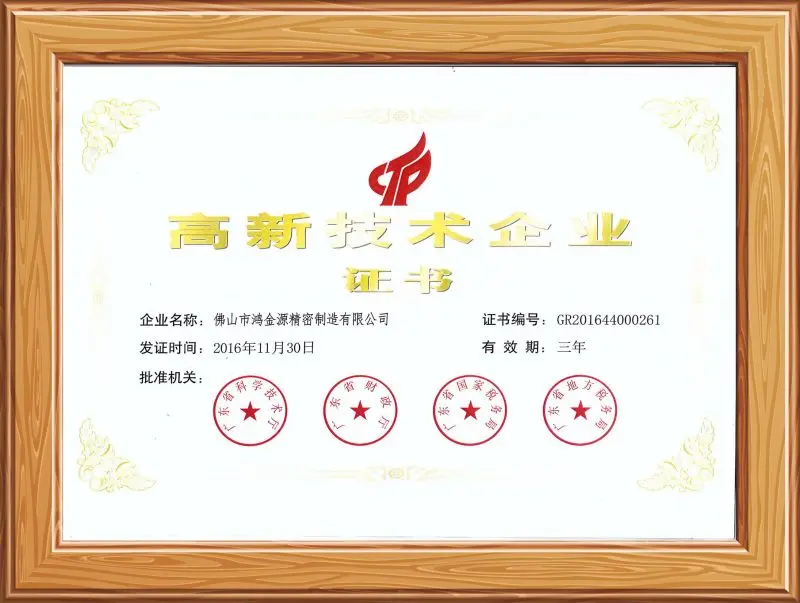
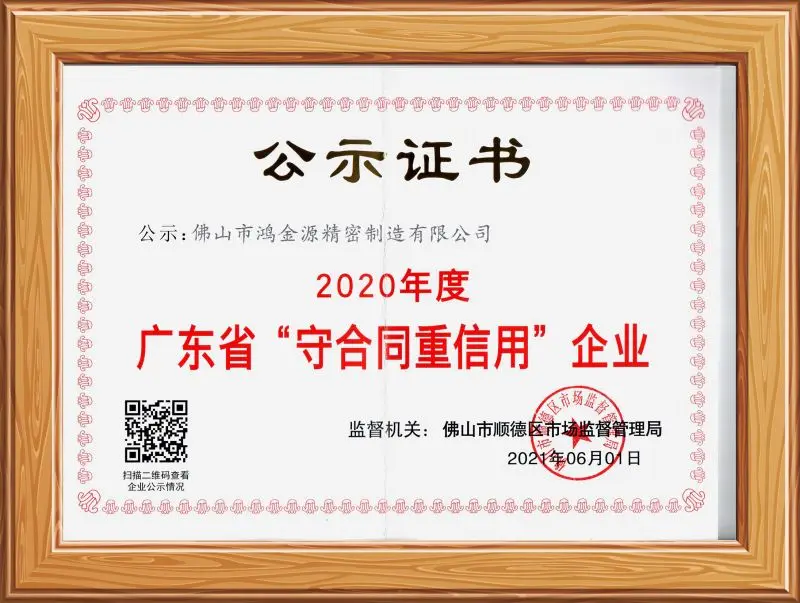
Operating with a strong commitment to quality and sustainability, we hold comprehensive global management certifications, including ISO9001, ISO14001, and ISO45001. To meet strict international environmental compliance standards, including EU REACH and RoHS regulations, Golden Source has also obtained RCV and GRS (Global Recycled Standard) certifications. Our capabilities cover a wide range of aluminum alloys—from the highly workable 1XXX and 3XXX series to the structural 5XXX, 6XXX, and high-strength 7XXX series—servicing sectors such as precision hardware, 3C electronics, automotive assemblies, and outdoor equipment.
Download Company Catalogue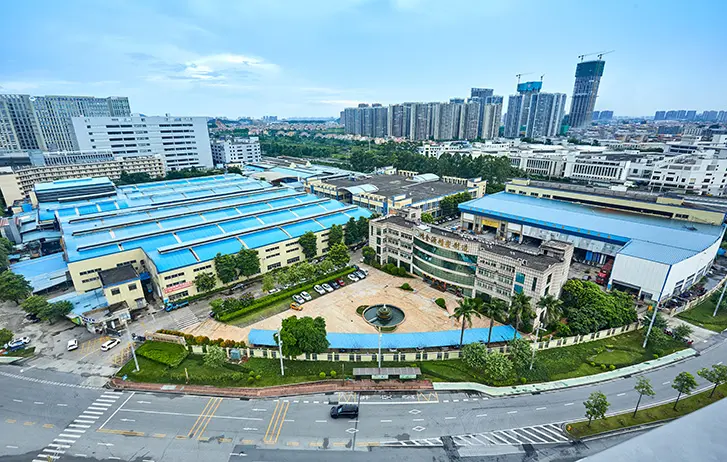
How our vertically integrated production delivers superior mechanical consistency and cost performance
We melt and cast raw aluminum billets in-house. This allows us to adjust trace elements (such as Fe, Si, Mg, and Mn) to optimize grain structures, prevent extrusion surface tearing, and prepare the alloy for high-purity decorative and protective anodizing.
CNC machining, drilling, punching, and advanced surface finishes (sandblasting, chemical etching, mechanical brushing, powder coating, and anodizing) are performed on-site. This consolidated workflow helps minimize transportation risks, reduce manufacturing overhead, and ensure consistent dimensional accuracy.
By controlling every stage of production—from digital tooling simulation to packaging—we shorten lead times. Our synchronized departments handle design, tooling modification, and high-volume extrusion production within unified schedules.
Selecting the appropriate alloy and temper is essential for achieving the required balance of structural strength, weight, corrosion resistance, and post-extrusion machinability. The table below highlights the standard specifications for our precision thin-wall aluminum tubing:
| Alloy Series | Common Tempers | Wall Thickness Range | Outer Diameter Tolerance | Primary Industrial Applications |
|---|---|---|---|---|
| 6063 Alloy | T5, T6, T66 | 0.5 mm - 1.5 mm | ±0.05 mm | Consumer Electronics, Architectural Trims, HVAC, 3C Enclosures |
| 6061 Alloy | T4, T6 | 0.8 mm - 2.5 mm | ±0.08 mm | Automotive Structural Elements, Aerospace Fuel Pipes, Robotics |
| 1XXX / 3XXX | H14, H18, O | 0.4 mm - 1.2 mm | ±0.04 mm | Microchannel Condensers, Heat Exchanger Coils, Electrical Busbars |
| 7075 Alloy | T6 | 1.0 mm - 3.0 mm | ±0.10 mm | High-End Sports Equipment, Aerospace Structural Rods, Military Drones |
As wall thickness decreases, the metal's flow resistance through the extrusion die increases exponentially. This requires precise thermal management of the billet and container, alongside calculated die design. Key considerations include:
Minor variations in trace elements can lead to hot shortness or tearing at the die exit. By casting billets in-house, we control grain refinement, ensuring consistent material flow even at high extrusion speeds.
For hollow tubes, porthole dies split the aluminum flow around bridges before reuniting it in the welding chamber. Proper tool design ensures high weld-line strength, which is vital for pressure containment in HVAC tubes.
Sourcing precision aluminum components from specialized manufacturers in China offers structural and supply chain advantages. In South China regions like Foshan, integrated manufacturing ecosystems bring together raw alloy sourcing, tooling specialists, surface finish suppliers, and deep-water ports. This concentration of resources helps streamline production timelines and reduce handling overhead.
Additionally, one-stop factories mitigate common supply chain risks. In a fragmented workflow, profiles extruded at one facility are shipped to a CNC shop, and then to a surface finisher. This increases transit times, risk of cosmetic damage, and QC disputes. A single unified facility manages quality control from raw ingot to final anodized assembly, establishing clear accountability.
Modern engineering relies on precision thin-wall aluminum tubing to address demanding performance criteria across several fields:
Ensuring global compliance and quality control for international supply chains
To secure accurate quotes and avoid unexpected costs during procurement, it helps to understand how pricing is structured. A typical formula for a customized aluminum profile quote includes:
Key factors to detail when requesting a quote include:
Detailed answers to common engineering and procurement questions
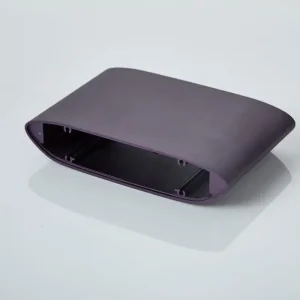
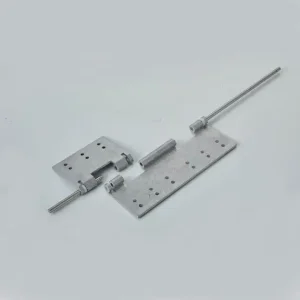
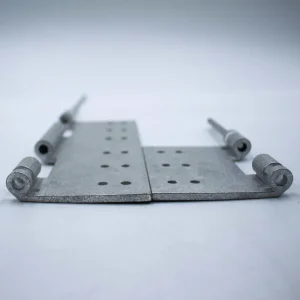
Explore our range of custom housings, structural clips, skylight hinges, and thin-wall tubing

 HG Precision