Explore our high-performance ODM & OEM custom aluminum extrusions engineered for high durability, structural aesthetics, and tight tolerance parameters.
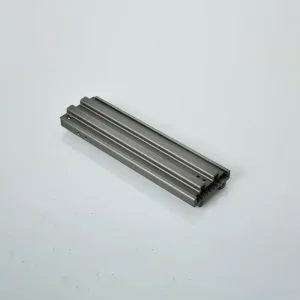
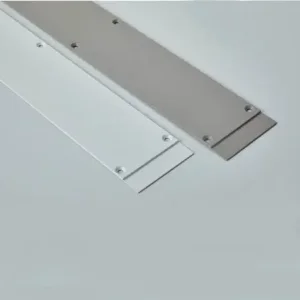
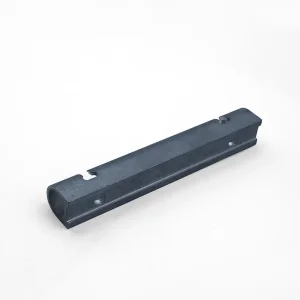
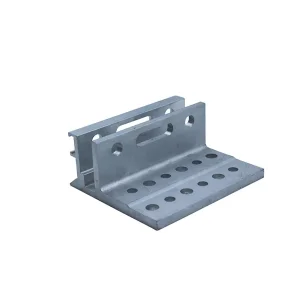
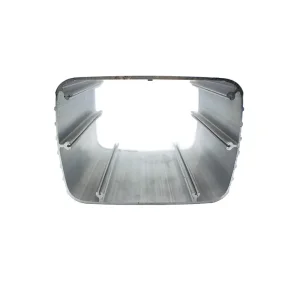
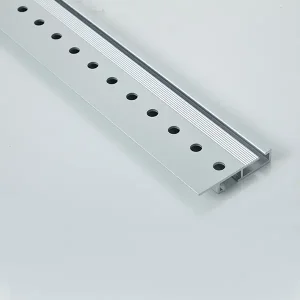
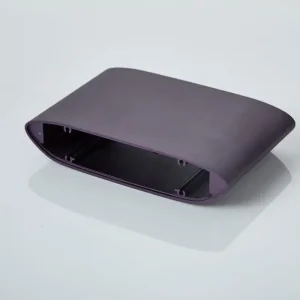
In modern industrial and structural engineering, the pursuit of materials that optimize the strength-to-weight ratio while maintaining sleek aesthetic profiles is relentless. Oval aluminum tubing represents a pivotal advancement over standard circular or rectangular hollow sections. By optimizing the distribution of material away from the neutral axis in a non-symmetrical cross-section, oval profiles maximize bending resistance in a primary load direction, minimizing mass without sacrificing structural integrity.
Globally, sectors ranging from automotive and aerospace to high-end architectural trim and consumer electronics are turning to specialized oval aluminum profiles. Traditional extrusion challenges, such as maintaining consistent wall thickness tolerances across varying radii and preventing structural collapses during bending operations, require advanced metallurgical and engineering expertise. As a premier ODM supplier, we integrate scientific casting, precision toolmaking, and tight-tolerance extrusion processing to deliver custom oval solutions that exceed expectations.
Oval profiles provide functional integration capabilities that standard round tubes cannot achieve. In aerodynamic structures, the minor and major axes of an oval profile minimize wind resistance while maintaining high rigidity along the structural load path. Furthermore, within interior systems, architectural glass facades, and specialized furniture frames, the ergonomic contours of the oval geometry improve tactile user interactions and physical space utilization.
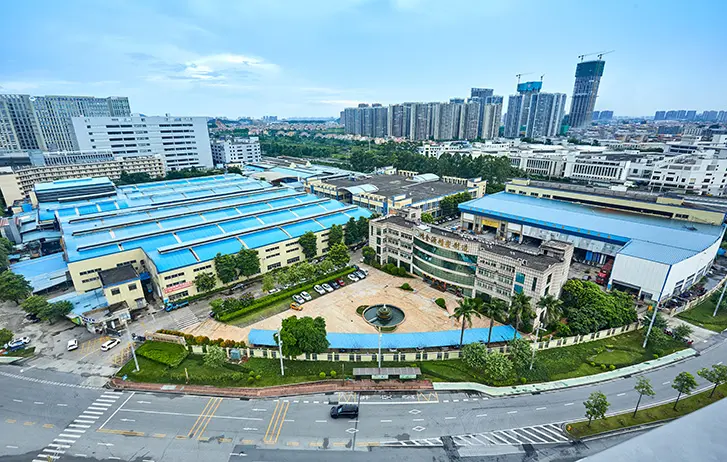
Foshan Golden Source Precision Manufacturing Co., Ltd., offers comprehensive vertically integrated manufacturing configurations to accommodate complex industrial requirements.
Download CatalogueThe rising demand for structural lightweighting is accelerating the adoption of specialized non-circular extrusion profiles across global markets.
The global demand for high-strength aluminum extrusions is driven by the structural shifts in the automotive and renewable energy markets. In electric vehicle (EV) design, optimizing the weight of sub-frames, battery housings, and structural brackets directly correlates to range extension. Oval tubing profiles are increasingly specified for structural cooling circuits, side-impact protection beams, and fluid conduit assemblies due to their fluid dynamics and space efficiency.
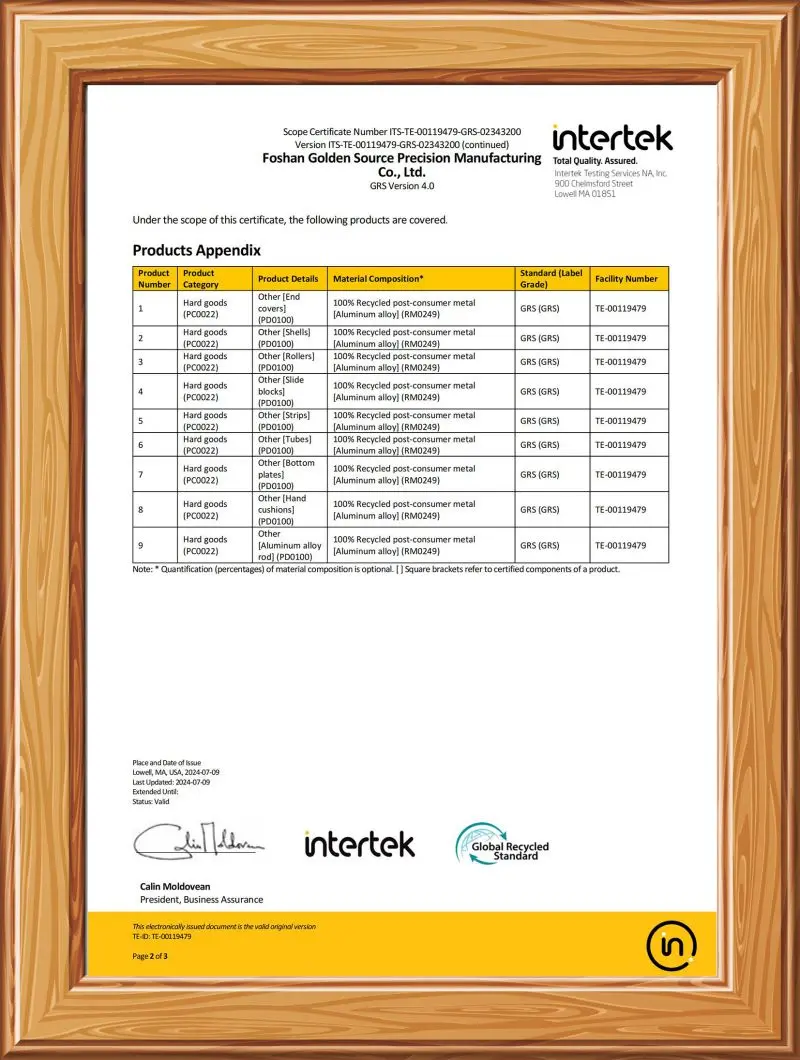
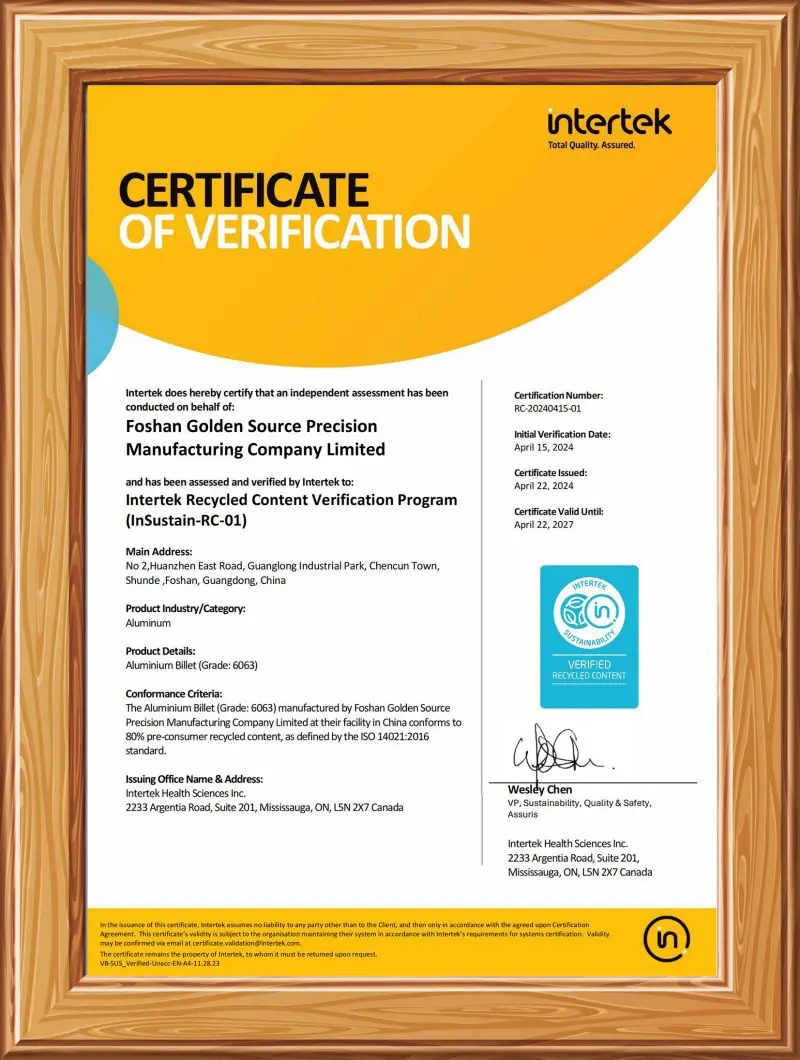
Simultaneously, the global drive for carbon neutrality is putting pressure on suppliers to demonstrate clean supply chains. Leading manufacturers must leverage advanced certifications like the Global Recycled Standard (GRS) and Recycled Content Verification (RCV) to guarantee compliance with EU REACH and RoHS environmental mandates. As global trade dynamics demand localized agility, having a production source capable of managing alloy smelting, die development, extrusion, precise CNC machining, and surface finishes under one roof is key to reducing lead times and ensuring component traceability.
A comprehensive breakdown of structural alloys, dimensions, and mechanical limits supporting precise product designs.
| Alloy Series | Typical Temper | Tensile Strength (MPa) | Yield Strength (MPa) | Key Industrial Applications | Surface Adaptability |
|---|---|---|---|---|---|
| 1XXX Series (e.g., 1060) | H14, O | 70 - 120 | 30 - 90 | Electrical conductors, heat exchangers, chemical storage systems. | High reflectivity, excellent anodizing response. |
| 3XXX Series (e.g., 3003) | H14, O | 110 - 170 | 40 - 140 | HVAC cooling coils, structural fluid lines, general sheet metal. | Moderate, accepts powder coatings and protective films. |
| 5XXX Series (e.g., 5052) | H32, H34 | 190 - 260 | 90 - 200 | Marine enclosures, transport structures, fuel tanks. | Highly corrosion resistant; excellent basic anodizing. |
| 6XXX Series (e.g., 6063) | T5, T6 | 150 - 240 | 110 - 210 | Architectural frames, trim, furniture, window profiles, electronics. | Superior; highly compatible with sandblasting, bronze and clear anodizing. |
| 6XXX Series (e.g., 6061) | T6 | 260 - 310 | 240 - 275 | Structural brackets, automotive components, aerospace tooling. | Good; industrial-grade anodizing and hard coat finishes. |
| 7XXX Series (e.g., 7075) | T6 | 500 - 570 | 430 - 500 | High-stress aviation frames, premium sports gear, military hardware. | Requires specialized processes; primarily used for structural mechanical properties. |
By managing the alloy composition in-house, we control trace element concentrations (such as Iron, Silicon, and Magnesium) to adjust grain structure. This control improves chemical response during electrolytic bronze anodizing, powder coating, and sandblasting processes. It also prevents the "orange peel" defect and micro-cracking when forming complex oval geometries under high extrusion ratios.
Established in 1991, Foshan Golden Source Precision Manufacturing Co., Ltd. is a vertically integrated provider of high-strength, custom aluminum extrusions and machined components.
Our operations are centered in a modern, environmentally compliant manufacturing facility spanning over 73,000 square meters. We provide an integrated manufacturing process under one roof: in-house alloy casting, mold research & design, die construction, heavy-duty aluminum extrusion, multi-axis CNC machining, structural welding, assembly, and advanced surface finishing. This single-source control eliminates third-party logistics margins, reduces cycle times, and keeps our quality standards uniform across all batches.
We work with a broad spectrum of alloy series (1XXX, 3XXX, 5XXX, 6XXX, and 7XXX) to meet the requirements of demanding sectors, including hardware tools, 3C consumer electronics, automotive assemblies, mass transit networks, premium furniture, and architectural installations.
We melt and alloy raw billets in-house, enabling us to adjust chemical compositions for specific physical properties, high tensile strength, and clean finishes during decorative anodizing.
Extrusion, multi-axis CNC machining, and surface finishes are completed in-house. This centralized production lowers unit costs and maintains strict control over final tolerances.
Our vertically integrated "one-stop" workflow eliminates external production loops, accelerating prototype iterations and scale shipments for tight build schedules.
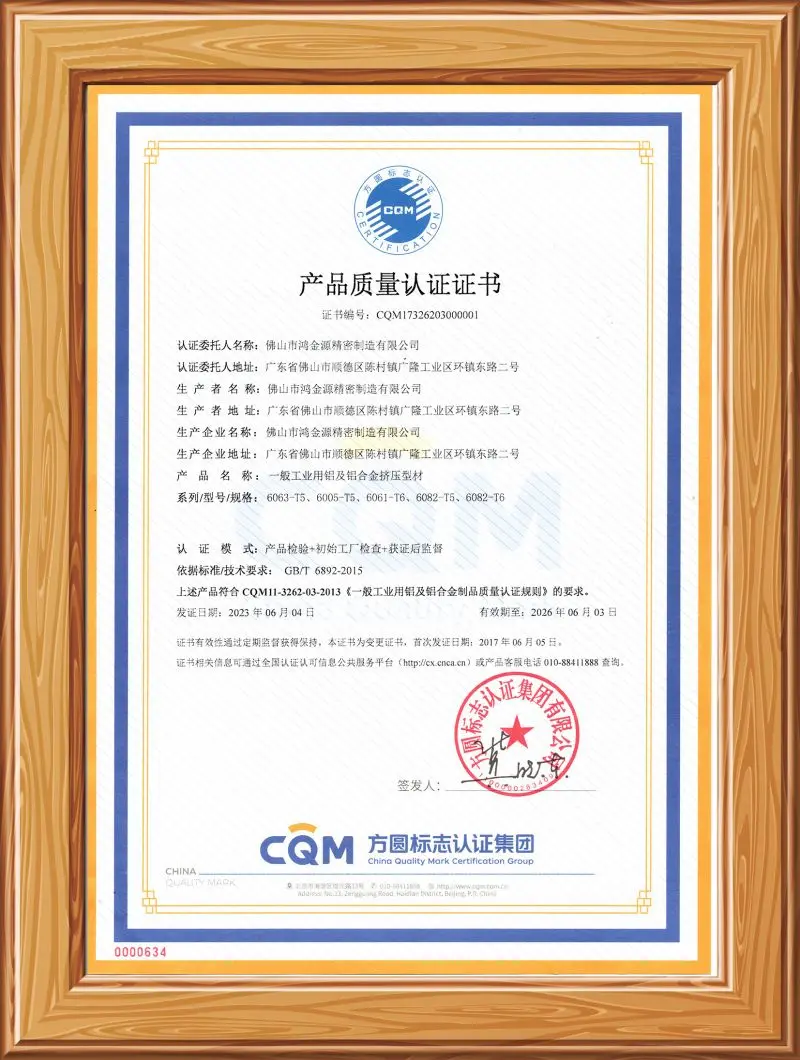
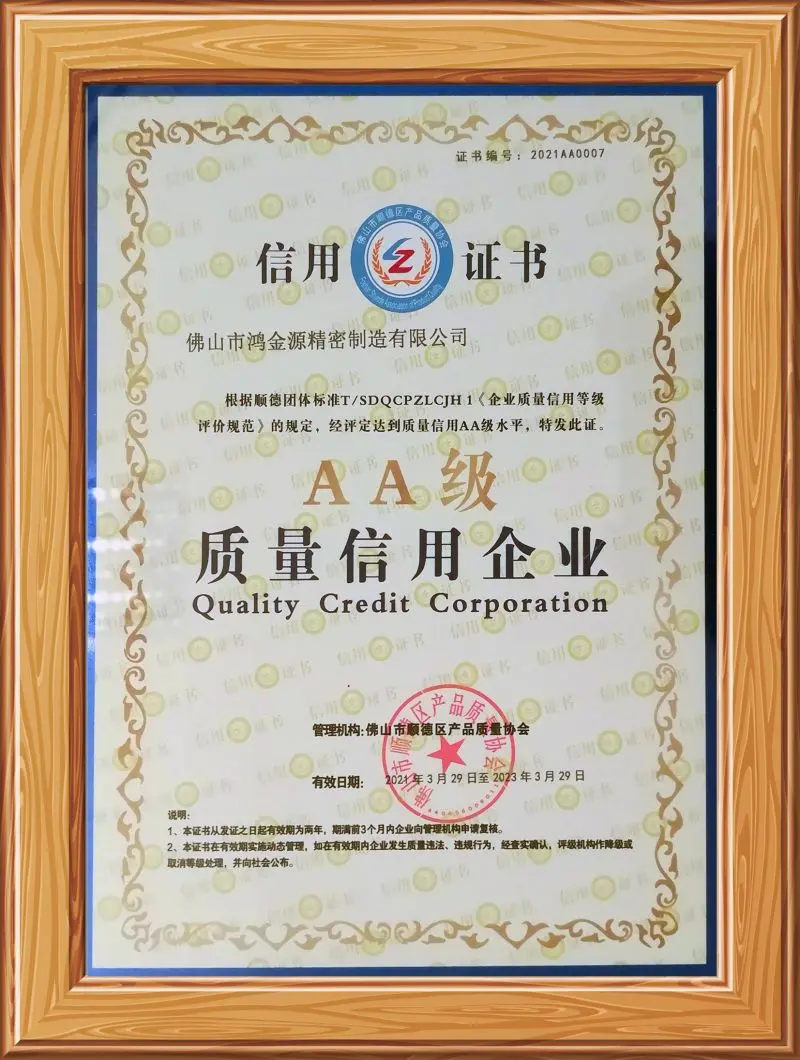
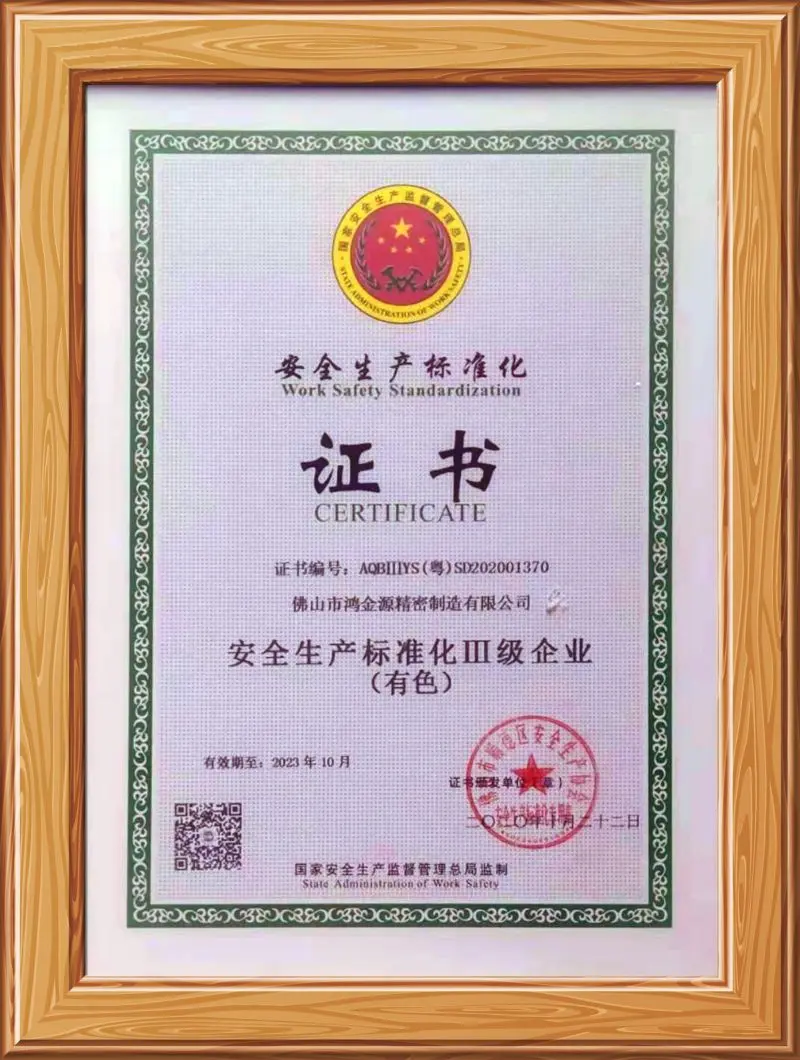
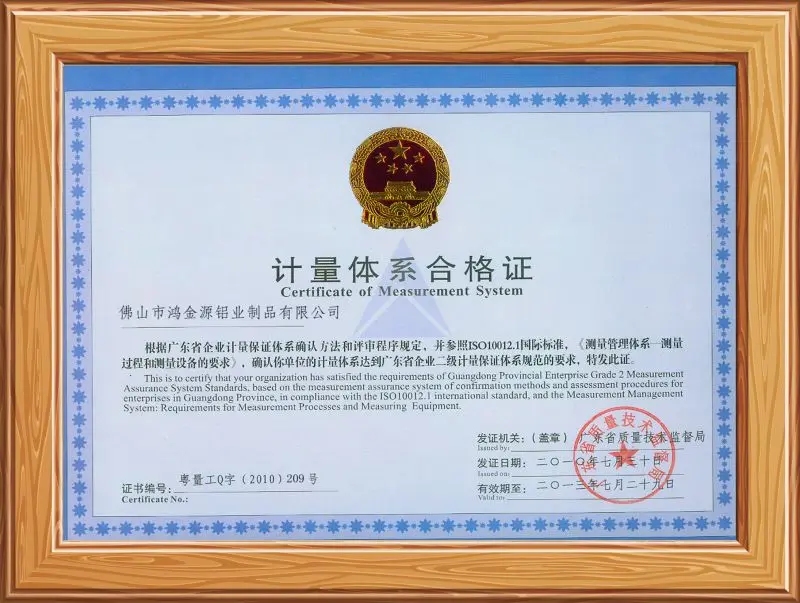
We maintain a comprehensive certification portfolio to meet the strict regulatory frameworks of European and North American markets.
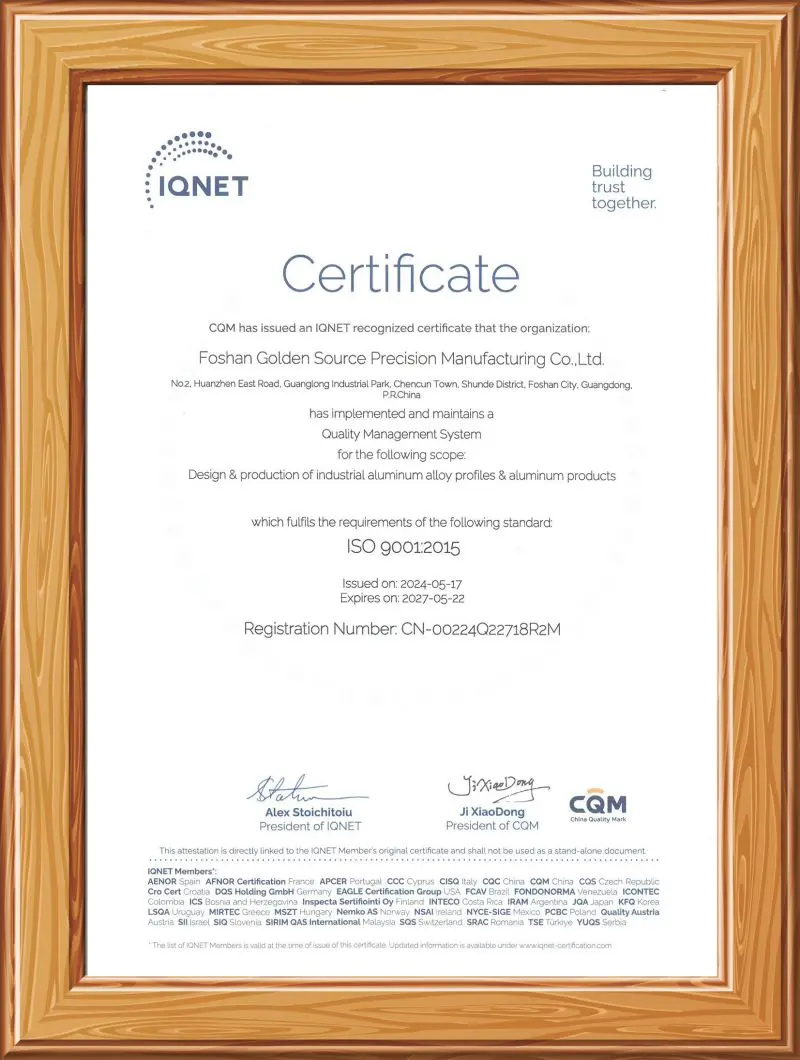
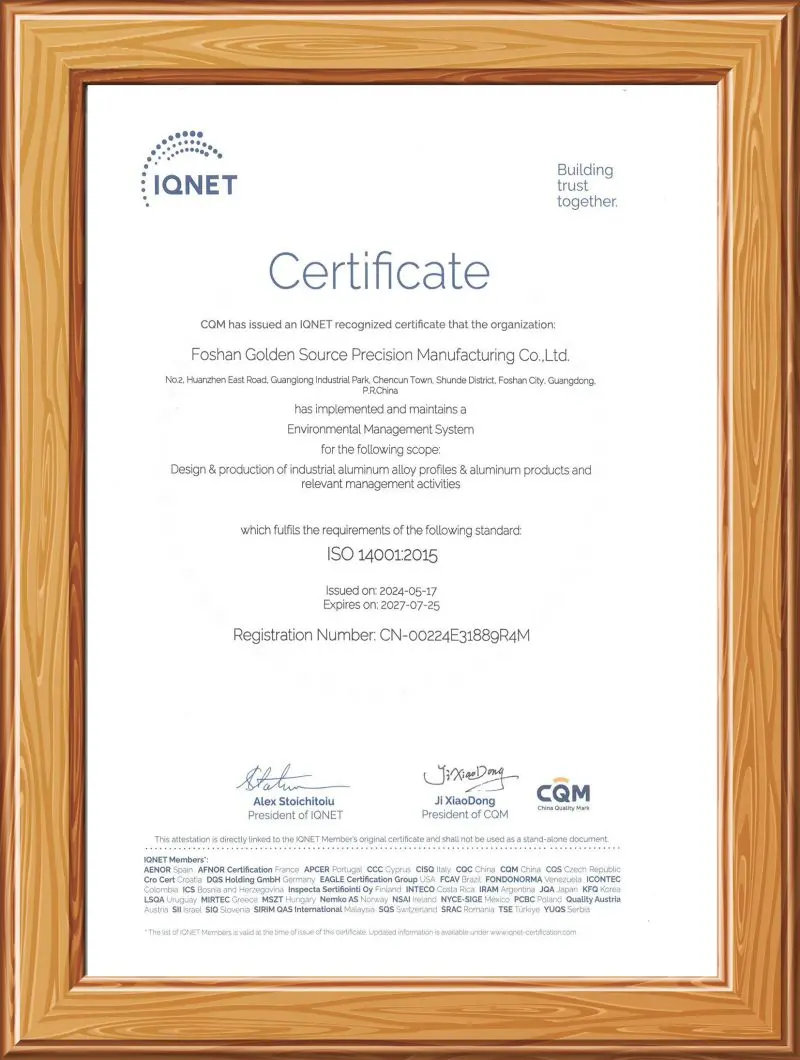
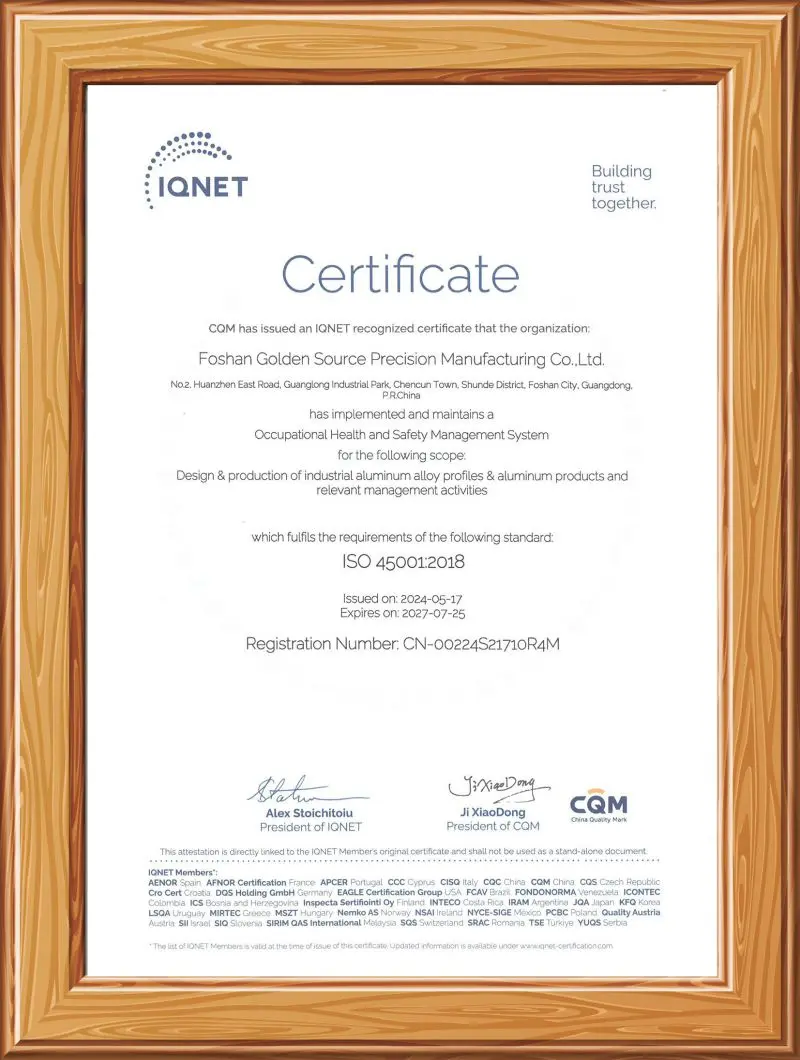
Our manufacturing practices are audited and certified against ISO 9001 for quality management, ISO 14001 for environmental management, and ISO 45001 for occupational health and safety. Importantly, our factory holds GRS (Global Recycled Standard) and RCV (Recycled Content Verification) certifications. These verifications ensure our aluminum profiles align with the environmental parameters of the EU's REACH regulation and RoHS directives, helping our clients reach their carbon reduction targets.
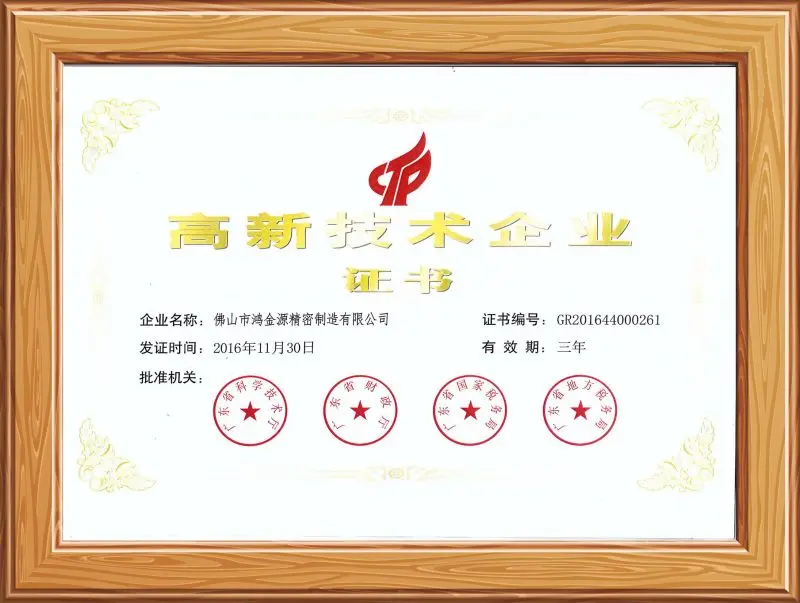
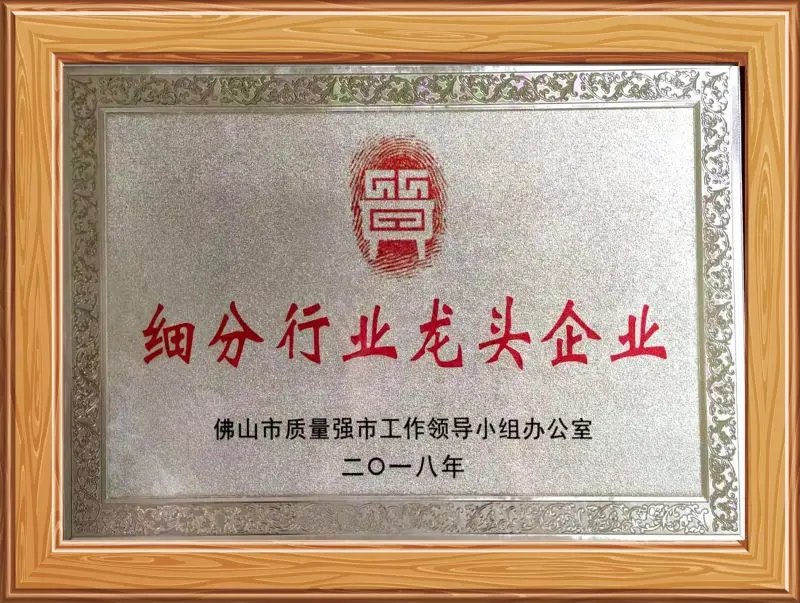
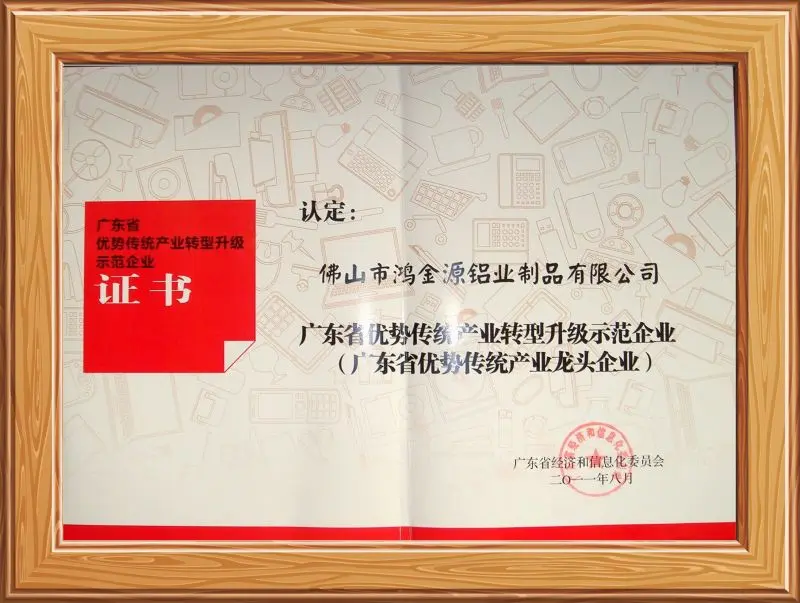
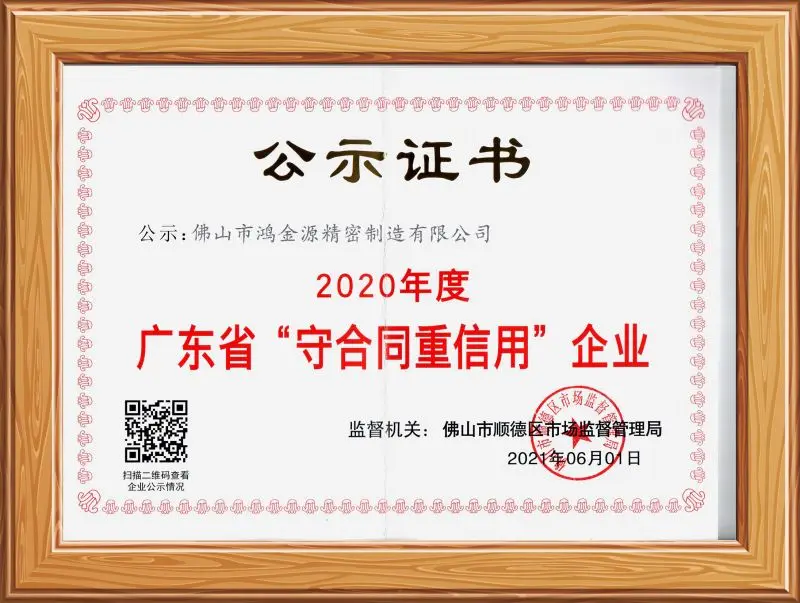
Delivering high-precision oval profiles engineered for demanding operating environments worldwide.
Structural body frames, fuel line systems, cooling conduits, and internal safety rails where weight reduction and aerodynamic cross-sections are needed.
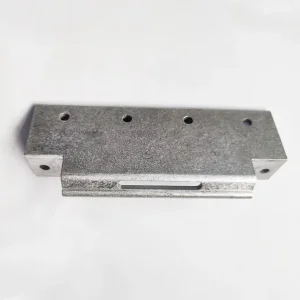
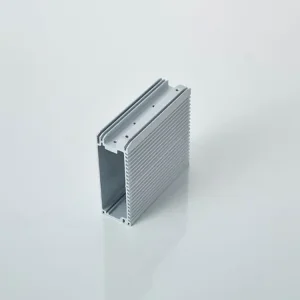
Internal brackets, heat sinks for noise cancellation modules, house-hold printer frames, and roller mouse boxes utilizing clean sandblasted finishes.
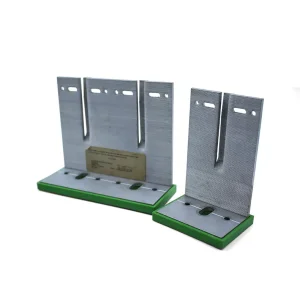
Curtain wall angles, skylight hinges, sliding system tracks, and high-end kitchen cabinet profiles that require aesthetic consistency and corrosion protection.
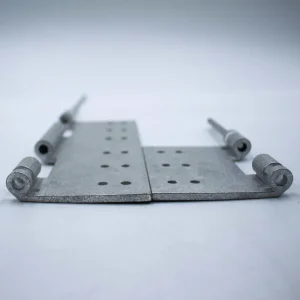
For custom engineering projects, the mechanical integration of mating parts is essential. For example, our skylight hinges and sliding system tracks use precise mating tolerances to maintain smooth physical operation over long periods. When fabricating kitchen cabinet frames or furniture profiles, we coordinate extrusion parameters with sandblasting and champagne anodizing techniques to achieve high surface finish consistency across batches.
Adapting to evolving global industrial standards through metallurgy and advanced manufacturing processes.
The manufacturing process for non-circular hollow profiles is shifting toward high-speed CNC precision machining and automated, closed-loop extrusion presses. By implementing automated cooling tables and nitrogen-shielded die zones, we minimize dimensional variations down to ±0.05mm. This degree of control is critical for high-volume automotive sub-assemblies and structural electronics enclosures.
Our long-term development focuses on three primary areas:
Technical answers to key engineering and manufacturing queries regarding custom oval aluminum extrusions.
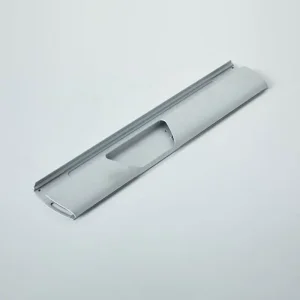
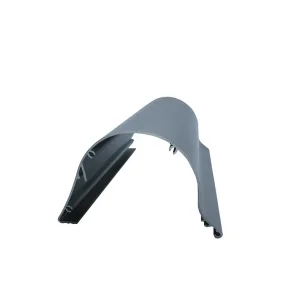
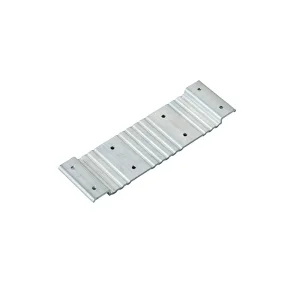
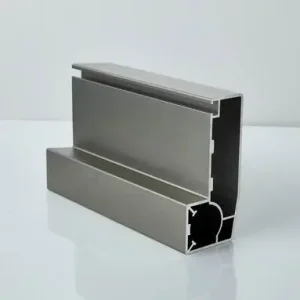
A further selection of our custom structural and machined solutions tailored for specialized applications.
 HG Precision