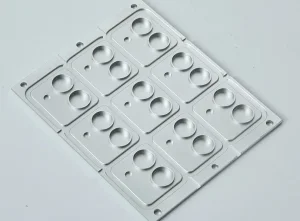
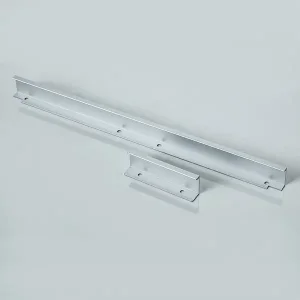
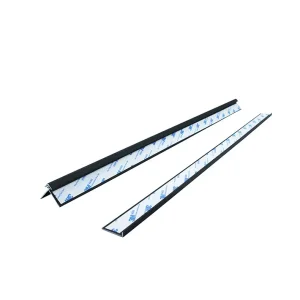
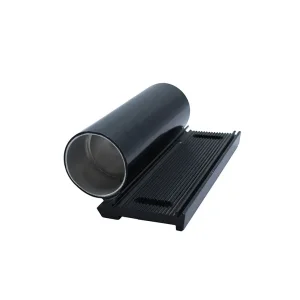
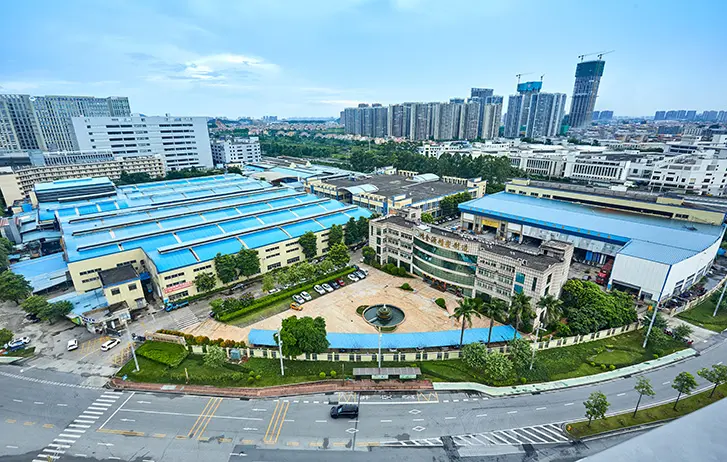
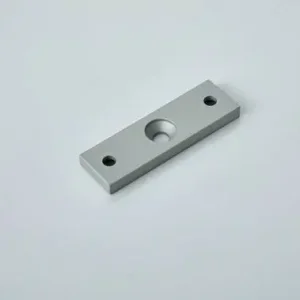
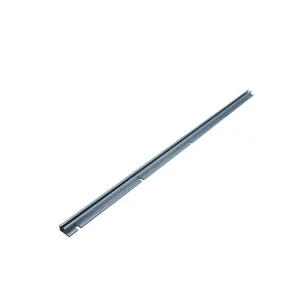
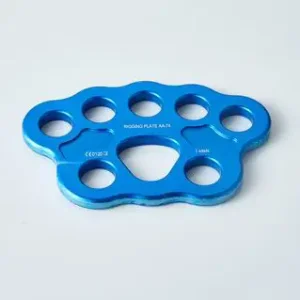
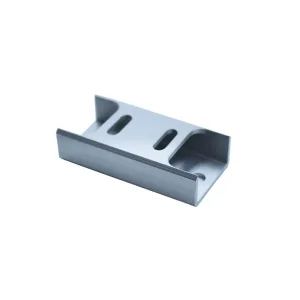
Established in 1991, Foshan Golden Source Precision Manufacturing Co., Ltd has grown to become a leading, environmentally responsible manufacturer of high-strength, high-precision customized aluminum profiles and precision CNC machined aluminum parts, welded structures, and complex sub-assemblies.
Spanning an advanced 73,000 square meter production facility, we operate a fully integrated one-stop industrial environment. Our scope of work stretches from direct alloy casting and custom mold design & development to state-of-the-art aluminum extrusion, mechanical CNC machining, high-performance welding, modular assembly, and high-spec surface finish refinement.
Our commitment to quality, environmental governance, and health & safety is backed by a suite of international certifications, including ISO9001, ISO14001, ISO45001, RCV, and the Global Recycled Standard (GRS). These frameworks guarantee that our complete product catalog complies with strict European Union environmental guidelines, including the REACH and RoHS standards.
We melt and refine aluminum alloys directly in our foundry. This allows us to calibrate specific compositions, ensure chemical purity, and deliver consistent mechanical properties for specialized extrusion processes and anodizing requirements.
Executing precision machining and specialized surface treatments under one roof keeps our costs competitive and simplifies quality control. This vertical setup translates into lower per-unit pricing and reliable quality standards.
By bypassing external sub-contractors for anodizing, painting, or CNC milling, our one-stop manufacturing process streamlines supply chain touchpoints, speeding up overall delivery times.
The global precision manufacturing market is moving quickly toward lighter materials, tighter dimensional tolerances, and lower environmental footprints. Aluminum's favorable strength-to-weight ratio, thermal conductivity, and natural corrosion resistance make it a staple across advanced engineering sectors. From structural parts in electric vehicles to thermal management components in high-performance electronics, demand continues to grow.
In response, modern CNC machining is evolving past traditional 3-axis milling. Multi-axis CNC centers (4-axis and 5-axis machines) are now standard for producing complex geometries in a single setup, which helps minimize human positioning errors and improve geometric dimensioning & tolerancing (GD&T).
Furthermore, sustainability has shifted from a corporate target to an operational requirement. Global buyers now look for partners utilizing green energy, recycled post-industrial scrap (Global Recycled Standard compliance), and eco-friendly surface treatments that avoid VOC emissions and heavy metals. This makes clean, certifiable production a key differentiator for top-tier suppliers.
“Industry 4.0 is not merely about automation; it is about creating digital continuity from raw ingot selection to the final micrometer inspection, ensuring every batch meets the client's mechanical design criteria.”
Procurement teams at international firms look for suppliers that balance technical competence with reliable business practices. When sourcing custom aluminum components, global buyers generally prioritize three main pillars:
Our operation addresses these sourcing needs. By running our own metallurgy foundry, we can fine-tune raw chemical elements (controlling iron, silicon, and copper ratios) to optimize structural characteristics and prepare surfaces for clean, uniform anodizing.
| Alloy Series | Key Elements | Primary Industrial Applications | Machinability Rating |
|---|---|---|---|
| 1XXX Series | Al (Min. 99.0%) | Electrical conductors, busbars, chemical processing equipment | Moderate (gummy, requires sharp tooling) |
| 3XXX Series | Al-Mn | Heat exchangers, general sheet metal fabrication | Good |
| 5XXX Series | Al-Mg | Marine fittings, structural components, pressure vessels | Very Good (excellent corrosion resistance) |
| 6XXX Series | Al-Mg-Si | Structural frames, automotive parts, structural extrusions (6063, 6061) | Excellent (highly versatile for CNC milling) |
| 7XXX Series | Al-Zn-Mg | Aerospace structures, climbing gear, high-stress parts (7075) | Excellent (high strength, clean chip formation) |
Western manufacturing relies heavily on distributed supply networks, which can introduce delays and quality issues at the interfaces between companies. Our Factory 4.0 model in Foshan, China, solves this problem by centralizing all production stages within a single, vertically integrated facility.
From the moment an engineering drawing (STEP/IGES file) enters our system, our tooling department starts designing the extrusion dies. At the same time, our foundry prepares the corresponding aluminum billet. Once extruded, the profiles are sent directly to our CNC hall, where multi-axis milling machines handle the final machining. The finished parts then move to our surface treatment line for anodizing or powder coating, followed by final assembly and packaging. This integrated approach reduces transport times, prevents handling damage, and eliminates disputes between separate extrusion shops, machine shops, and finishing houses.
This localized efficiency keeps production moving smoothly and provides reliable quality control. When any stage of production encounters an issue, our on-site engineers can resolve it immediately, preventing costly delays.
Our machined and extruded components serve several key industries worldwide:
Our manufacturing processes comply with strict global standards, including ISO9001, ISO14001, and ISO45001. We also hold GRS and RCV certifications, ensuring that our products meet the latest EU environmental and recycling requirements.
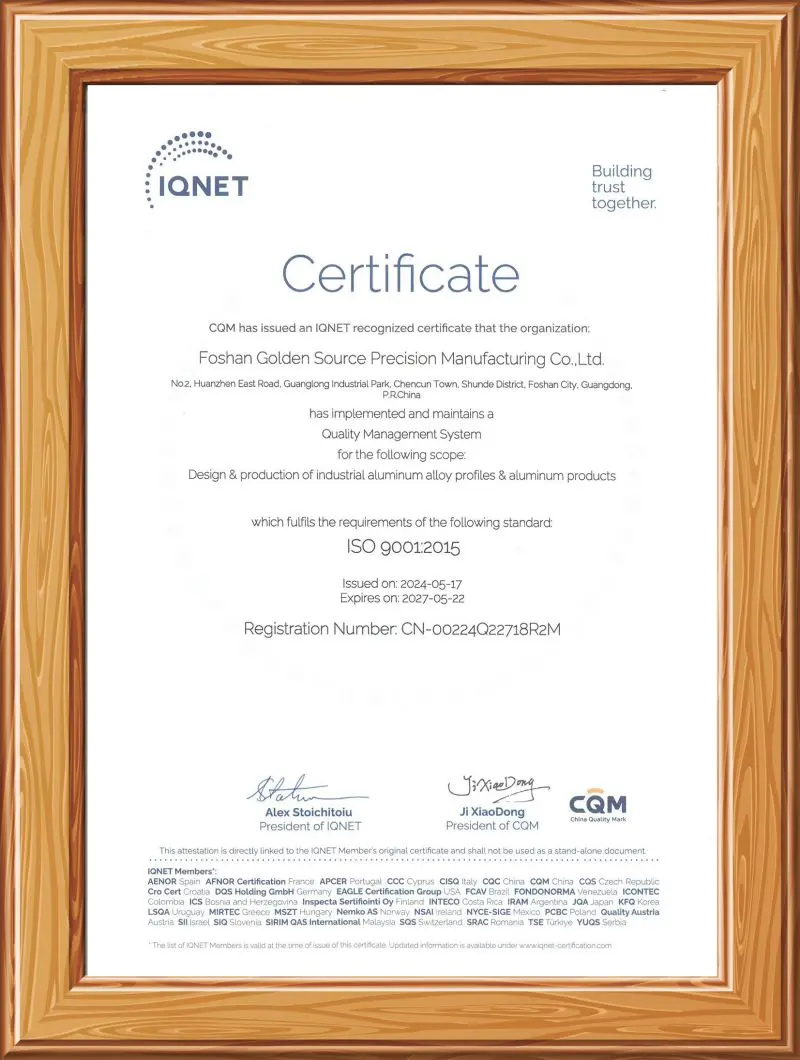
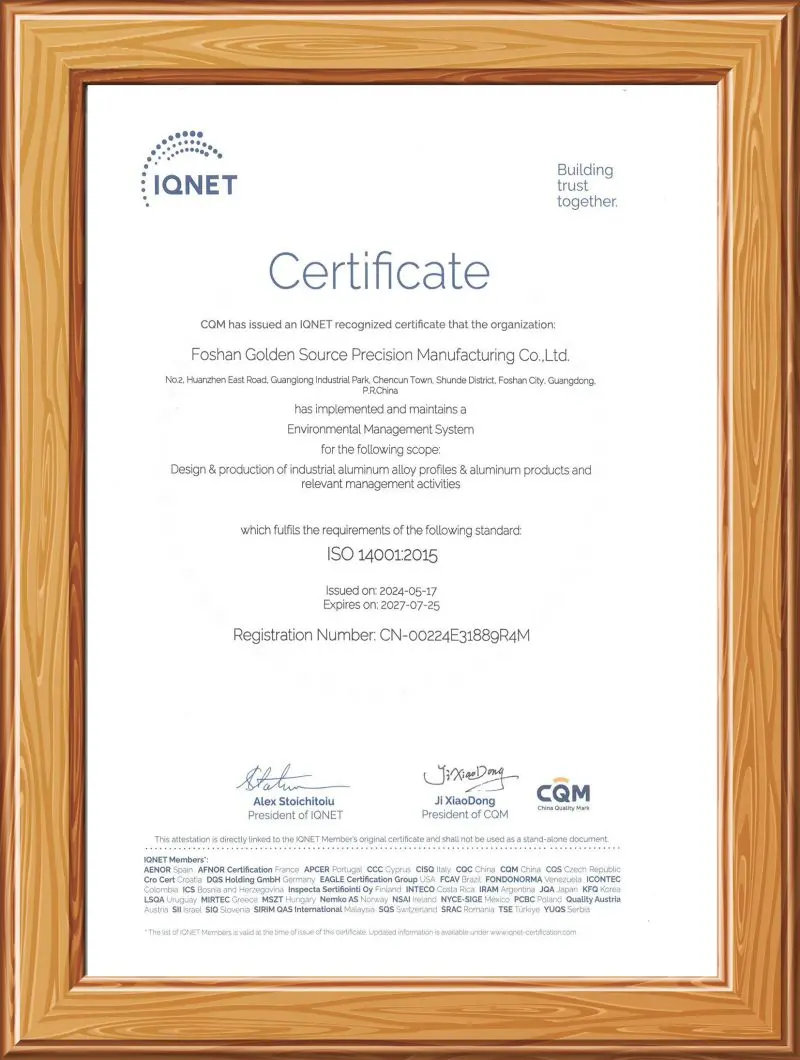
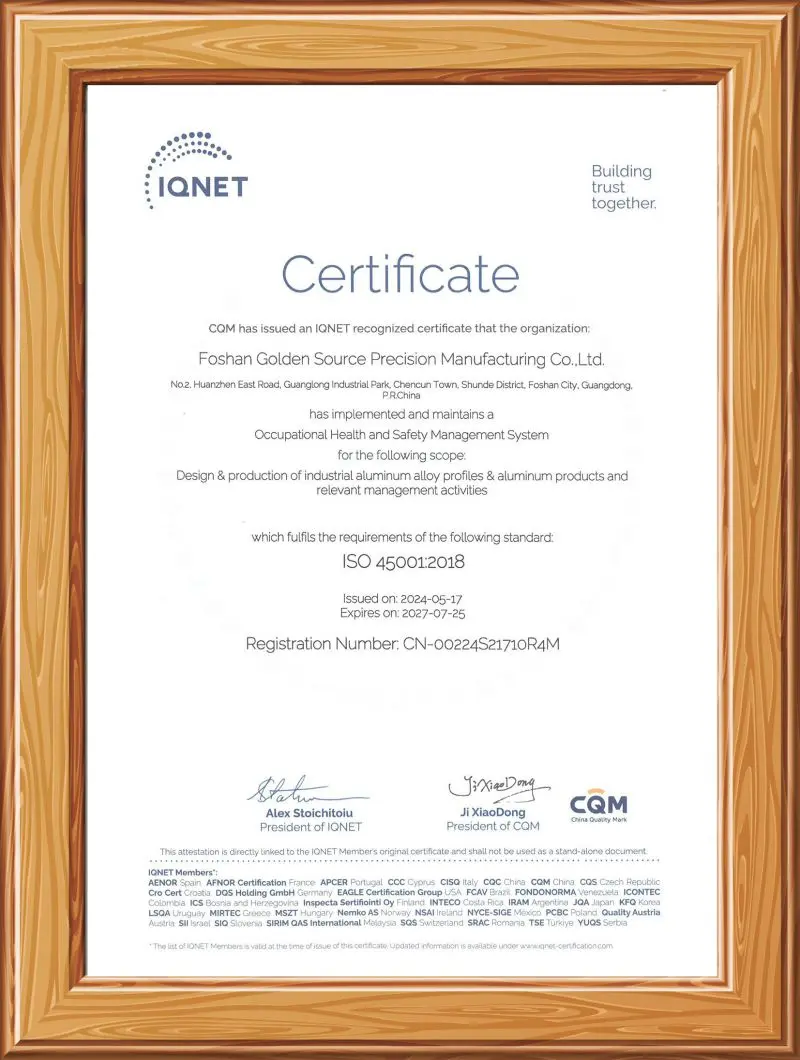
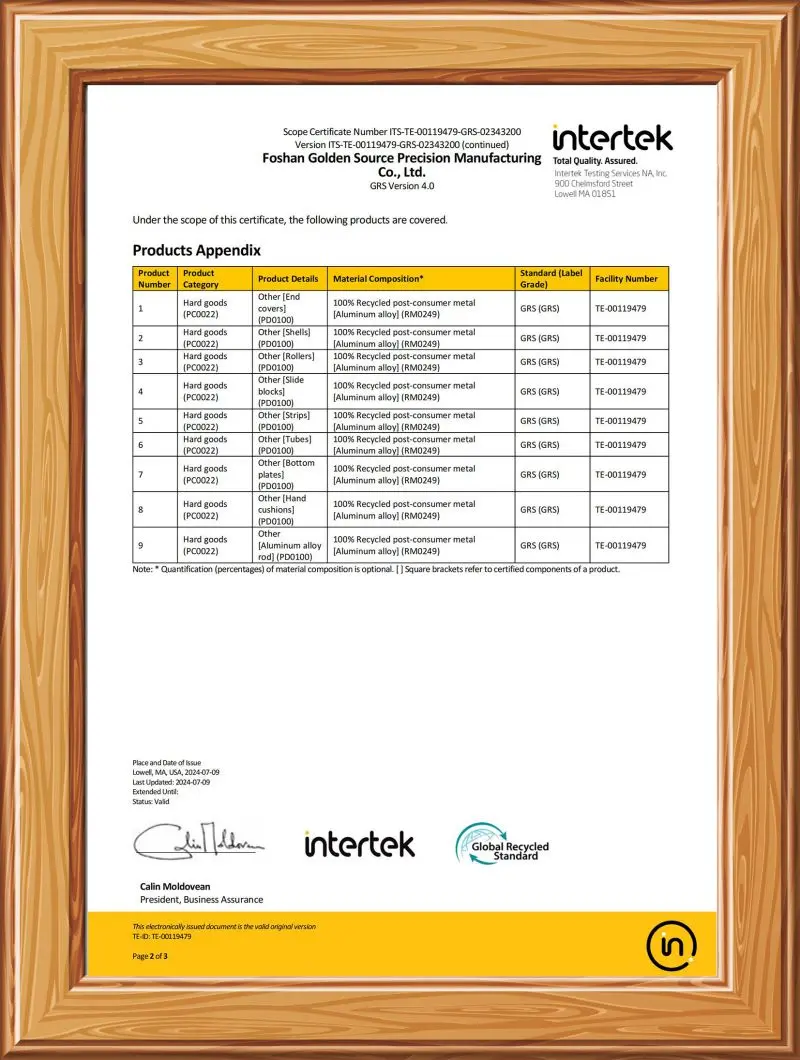
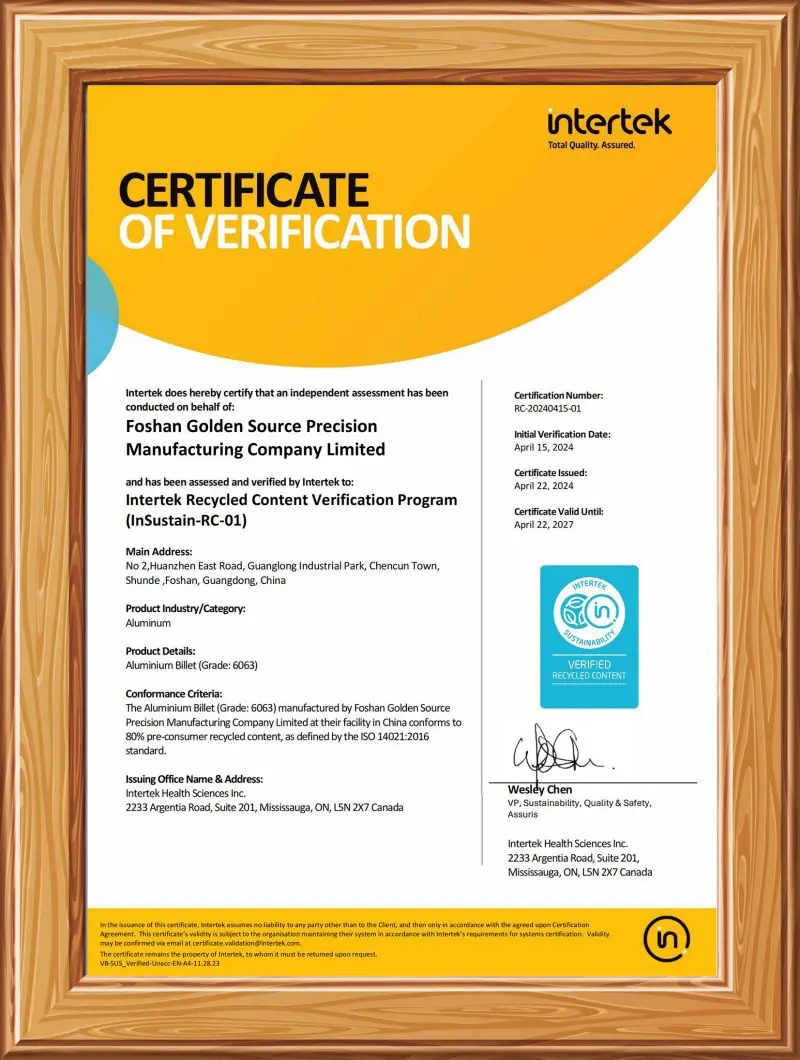
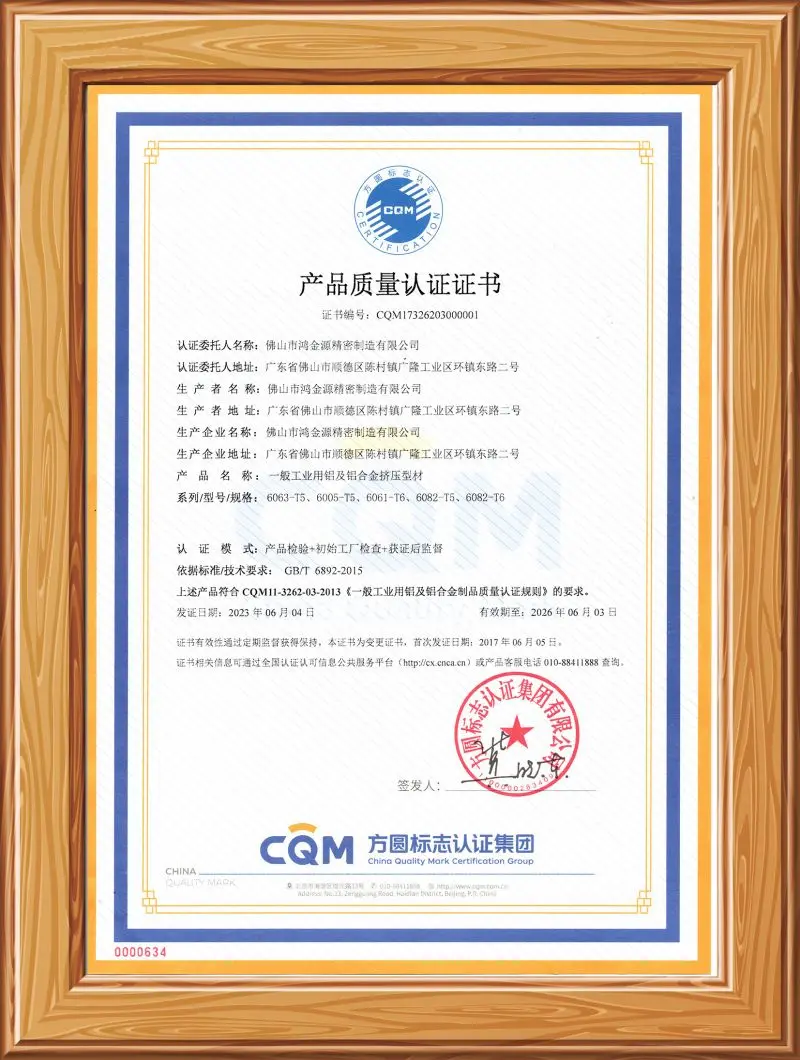
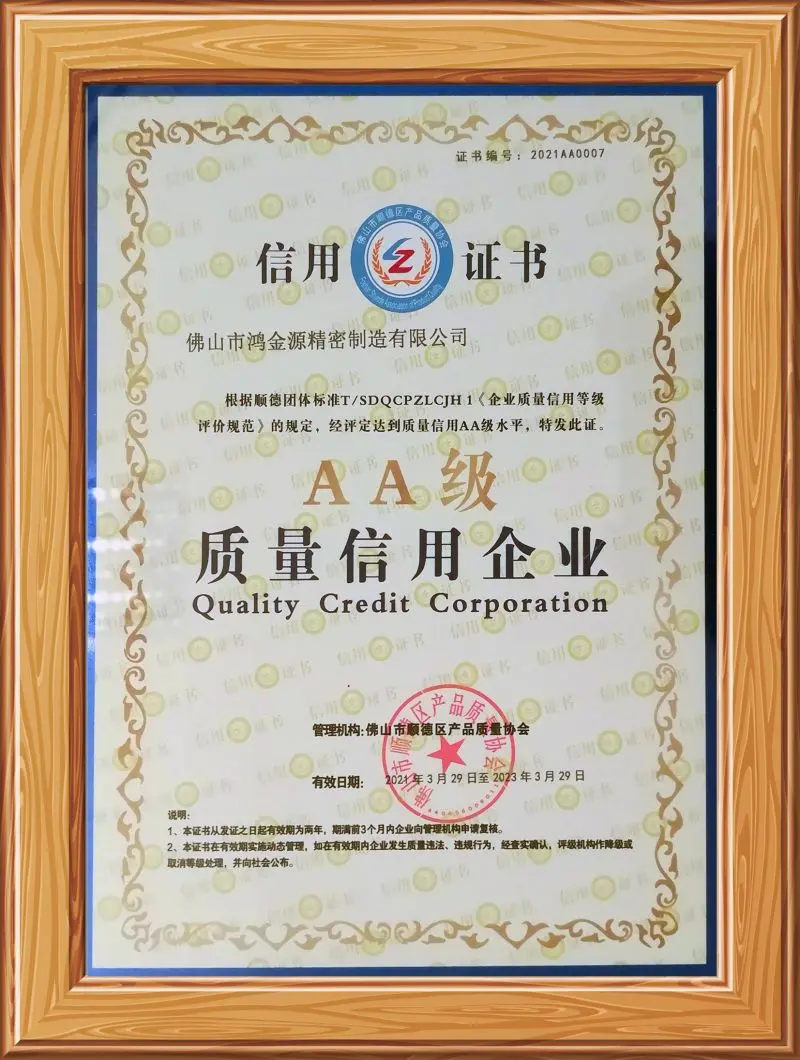
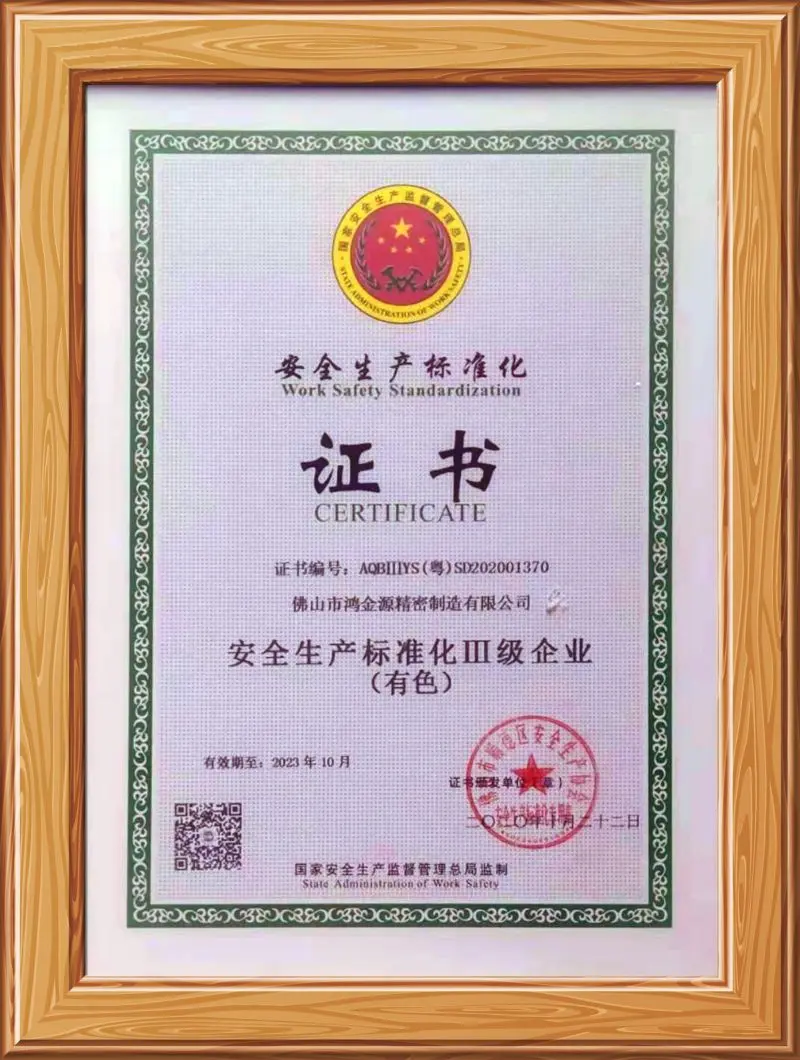
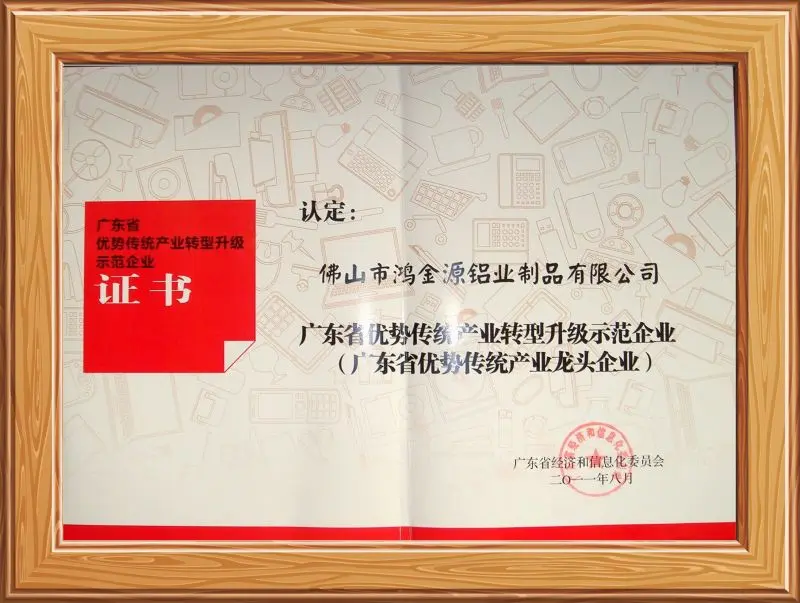
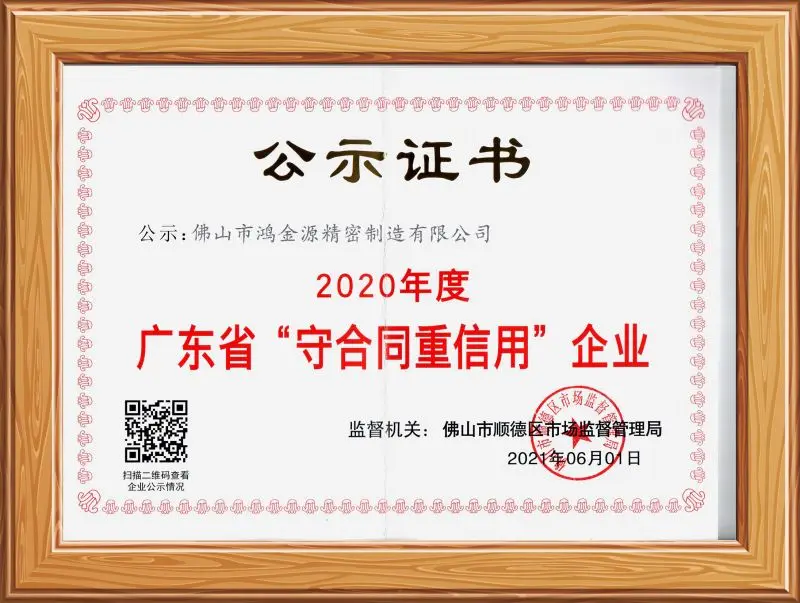
We have been recognized for clean production, credit history, and technical innovation by various regional, provincial, and national authorities, highlighting our status in the precision manufacturing sector.
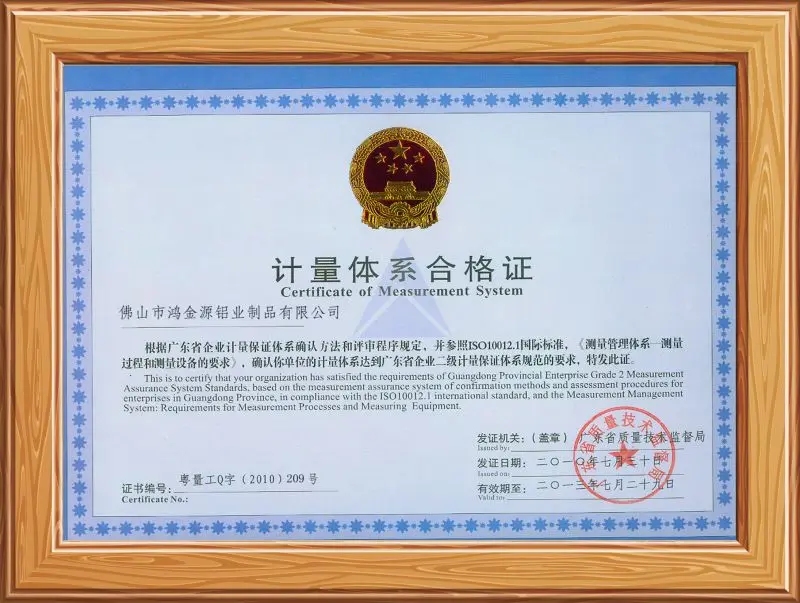
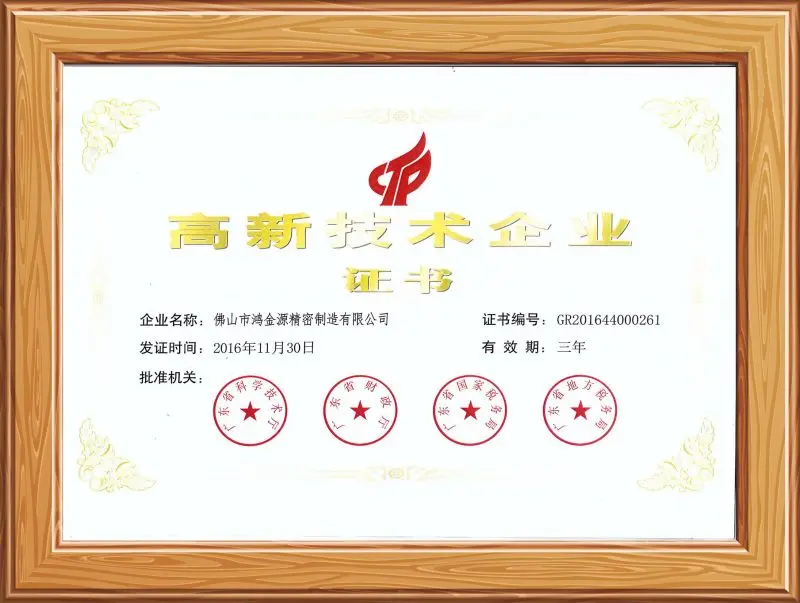
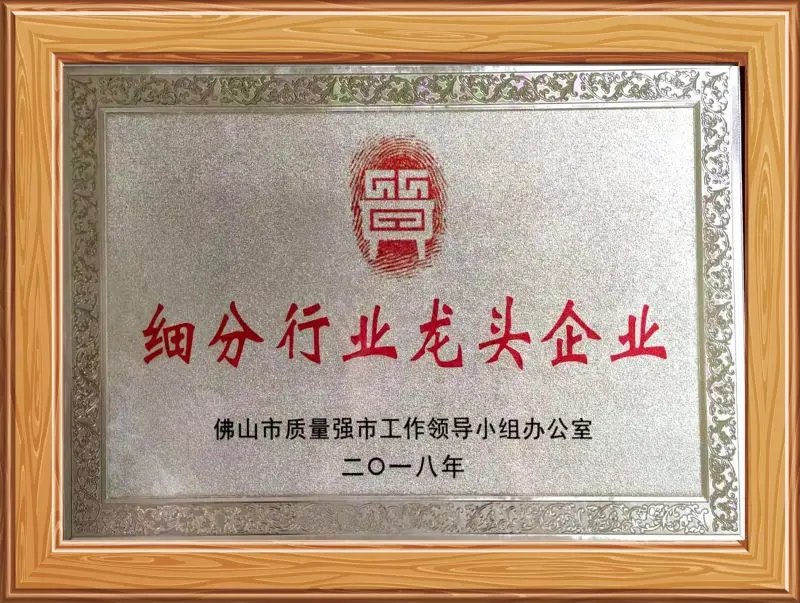
Anodizing quality depends heavily on the chemical purity of the underlying aluminum. By melting our alloys in-house, we control impurities like iron, silicon, and copper. This precision prevents visual streak patterns and structural variations, producing a clean, uniform finish across every batch.
We regularly machine aluminum components to tolerances within ±0.01mm on our multi-axis CNC setups, depending on the geometry and design requirements. We use coordinate measuring machines (CMM) and digital profile projectors to verify every critical dimension.
Our production lines are certified under ISO14001, GRS, and RCV. We monitor raw material sourcing, waste recycling, and chemical use to ensure that every shipment conforms to REACH and RoHS standards, facilitating trouble-free custom clearance and product compliance.
We process alloys across the 1XXX, 3XXX, 5XXX, 6XXX, and 7XXX series. For structural applications, 6061-T6 and 6063-T5 are standard. For high-stress applications like climbing gear, we use 7075-T6, while 5XXX alloys are selected for marine or highly corrosive environments.
Yes. We provide complete surface finishing on-site, including clear and color anodizing, sandblasting, brushing, polishing, and powder coating. This integrated finishing helps keep costs down and ensures consistent quality control.
 HG Precision