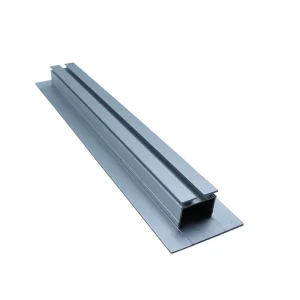
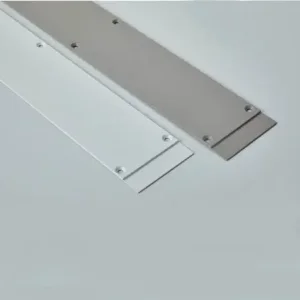
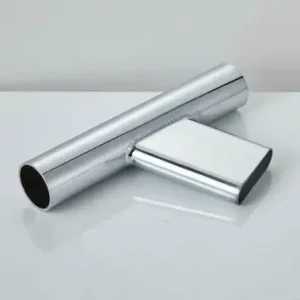
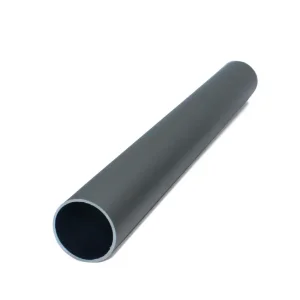
Explore our collection of custom-designed, precision-engineered anodized aluminum pipes, structural profiles, and components developed for demanding global industries.
In modern industrial manufacturing, lightweighting, structural integrity, and exceptional environmental resistance are paramount. Anodized aluminum pipes have emerged as a cornerstone material across critical sectors including aerospace engineering, automotive design, solar energy infrastructure, consumer electronics (3C), and structural architectural framing. The global demand for these components is driven by the necessity to replace heavier steel structures without compromising yield strength or longevity.
Procurement teams today face dual challenges: satisfying strict mechanical metrics while conforming to evolving environmental dictates like the European Union's REACH regulation and carbon-neutrality initiatives. The procurement cycle has evolved from simple transactional purchasing to a search for vertically integrated ODM (Original Design Manufacturer) partnerships. B2B buyers look for manufacturers that possess in-house alloy configuration, precision extrusion, complex CNC multi-axis milling, and state-of-the-art anodizing lines under one roof. This single-source paradigm minimizes quality variations, mitigates international logistics risks, and drives down unit costs.
How in-house alloy melting, custom chemistry adjustments, and thermodynamic heat treatments determine the micro-structural integrity of premium anodized aluminum pipes.
The performance of an anodized aluminum pipe starts at the atomic level. Many extrusion mills purchase generic aluminum billets from external smelters, which limits their control over secondary phase particles and impurities. At Foshan Golden Source, we melt and cast our alloys in-house. This metallurgical control enables us to modify chemical compositions to meet specific physical properties and high-purity standards required for optical-grade anodizing.
For instance, in 6063 and 6061 magnesium-silicon (Mg-Si) alloys, the ratio of Mg to Si dictates the formation of Mg2Si precipitation phases. Precise thermal homogenization resolves micro-segregation in the cast billets, ensuring that when the alloy passes through the extrusion die, it exhibits a uniform grain structure. This is critical for preventing cosmetic defects such as "die lines" or "galvanic scaling" during the subsequent chemical anodization process.
| Alloy Series | Common Tempers | Key Chemical Elements | Primary Industrial Applications | Anodizing Performance Grade |
|---|---|---|---|---|
| 1XXX Series (e.g., 1060) | O, H14, H18 | Min 99.0% Aluminum purity | Electrical conductors, chemical processing tubes, reflective sheets | Excellent (High clarity, glossy finish) |
| 3XXX Series (e.g., 3003) | H14, H24 | Al-Mn (Manganese additions) | Heat exchangers, HVAC systems, automotive cooling tubes | Good (Slightly grey tint due to Mn) |
| 5XXX Series (e.g., 5052) | O, H32, H34 | Al-Mg (Magnesium additions) | Marine piping, structural fuel tanks, transportation panels | Very Good (Protective and clean matte finishes) |
| 6XXX Series (e.g., 6063, 6061) | T4, T5, T6 | Al-Mg-Si (Magnesium & Silicon) | Structural frames, solar mounts, CNC printer axes, premium furniture | Superior (Optimized for satin, clear, and colored anodize) |
| 7XXX Series (e.g., 7075) | T6, T651 | Al-Zn-Mg-Cu (Zinc, Magnesium, Copper) | High-stress structural brackets, aerospace components, sporting equipment | Moderate (Requires special process parameters due to copper content) |
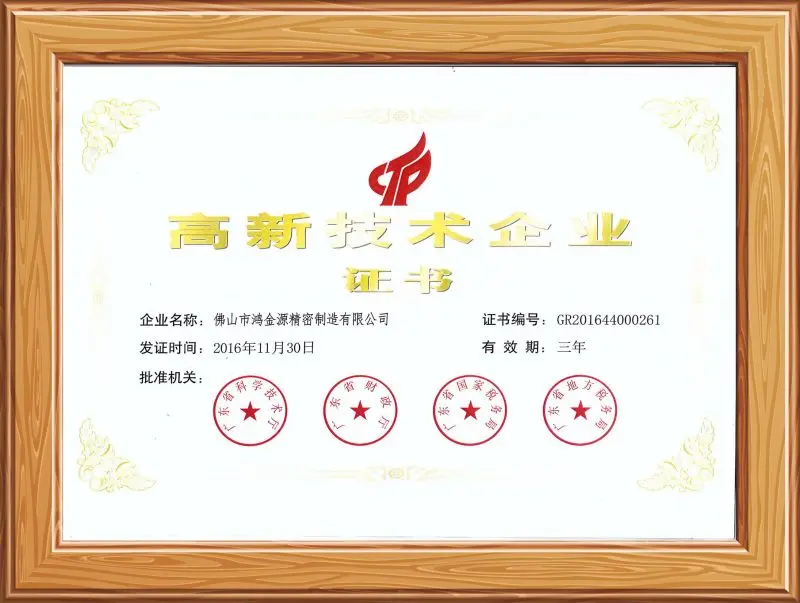
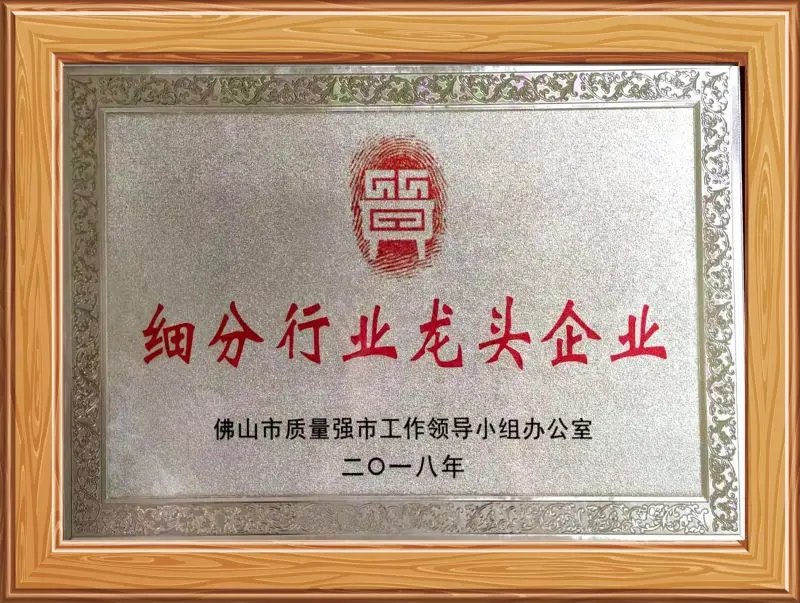
Established in 1991, Foshan Golden Source Precision Manufacturing Co., Ltd has developed into an industry-leading manufacturer of high-strength, high-precision, customized aluminum profiles and processed aluminum parts, welded components, and integrated structural assemblies. Spanning a modern, eco-friendly manufacturing hub of over 73,000 square meters, our facilities provide a complete, vertically integrated production flow.
Our integrated services include: Alloy Melting & Casting > Custom Die Research, Design & Tooling > Advanced Aluminum Extrusion > High-Speed Precision CNC Machining > Structural Welding (TIG/MIG) > Multi-Component Assembly > Specialized Surface Finishing (including anodizing, sandblasting, satin polishing, and powder coating).
Our material capabilities encompass a broad range of alloy choices—including 1XXX, 3XXX, 5XXX, 6XXX, and 7XXX series—which allows us to support varied mechanical, structural, and aesthetic requirements for consumer electronics, automotive design, heavy rail transportation, architectural systems, and outdoor hardware.
Company catalogue download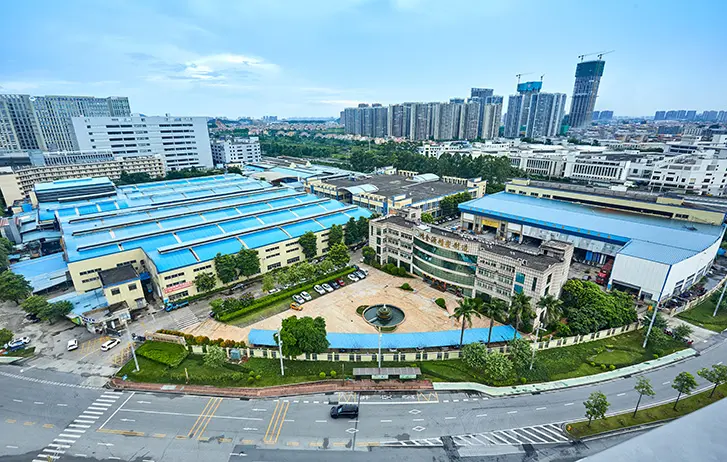
Aligning mechanical extrusion design, precision tooling, and protective finishing to solve application challenges in global industrial sectors.
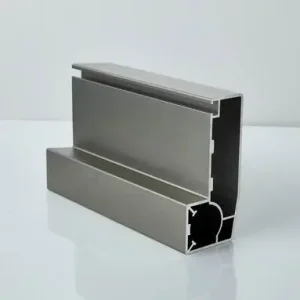
Utilizing 6063-T5 aluminum extrusions for cabinet systems, glass wall frames, and structural partitions. Our specialized brushed-satin anodizing and sandblasting protect profiles against atmospheric degradation while meeting contemporary interior design standards.
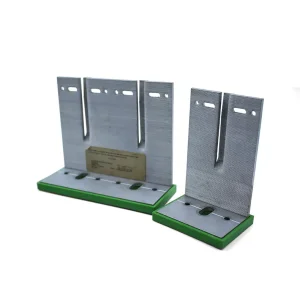
Providing heavy-duty, structural supports extruded from high-tensile 6063-T6 alloys. A thick, clear anodized barrier layer shields the structures from salt spray and UV degradation, extending service life in coastal and desert environments.
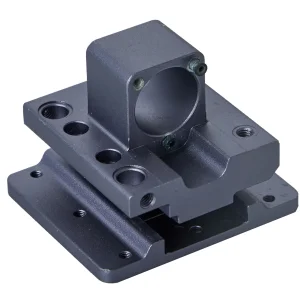
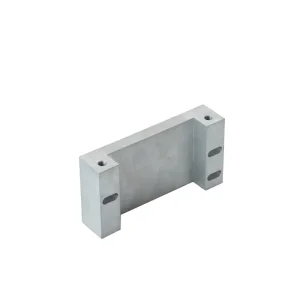
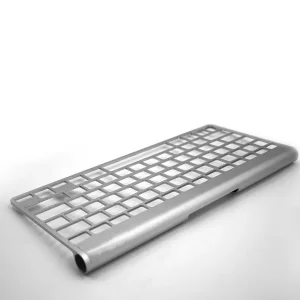
Producing precision keytops, structural enclosures, and linear axis holders requiring strict dimensional tolerances (down to ±0.02 mm). Our computer-controlled CNC machining and bead-blasting yield flawless satin and sky-grey anodized finishes.
Optimizing production efficiencies from melting to delivery to provide cost savings and consistent quality control.
By melting and blending alloys in our own casting house, we control the chemical purity and phase distribution of our materials. This eliminates the risk of contamination from secondary scrap and prepares the metal for high-aesthetic anodized finishes.
Machining, welding, assembly, and surface treatments are kept entirely within our 73,000-square-meter facility. This direct operational oversight eliminates third-party handling markups, reduces quality variations, and lowers total manufacturing costs.
Our integrated "One-Stop" supply chain model streamlines product handoffs. Lead times are reduced by coordinating tooling fabrication, extrusion runs, multi-axis CNC milling, and anodizing lines under unified scheduling software.
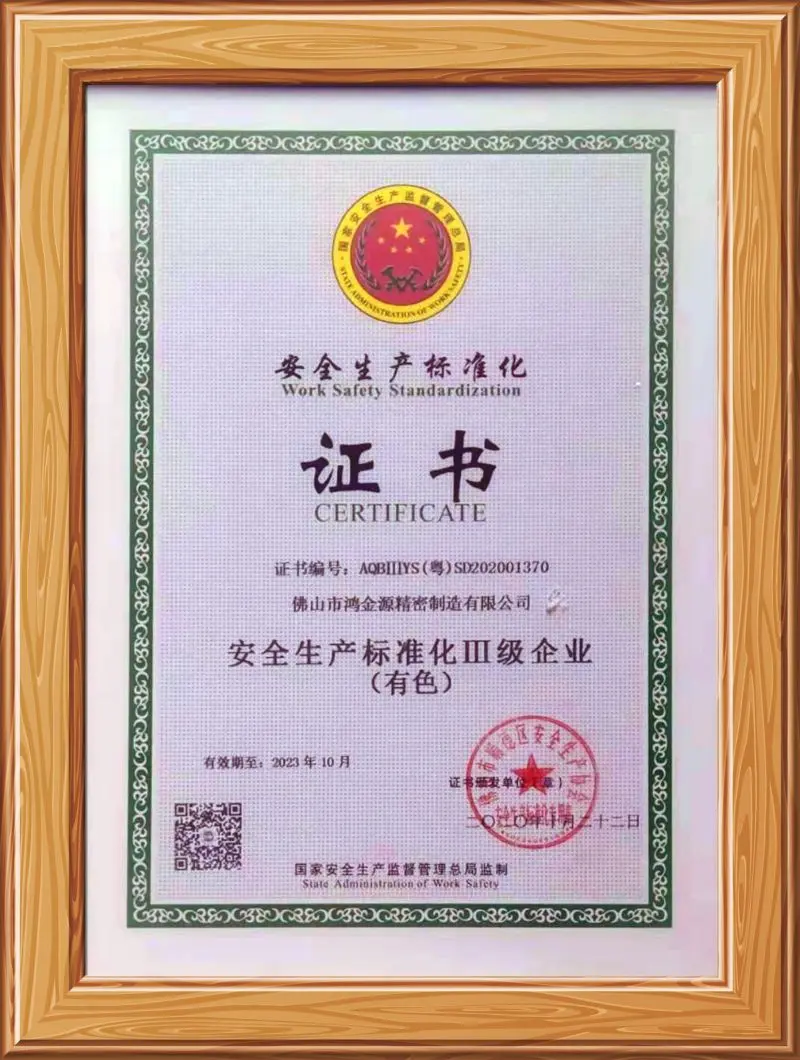
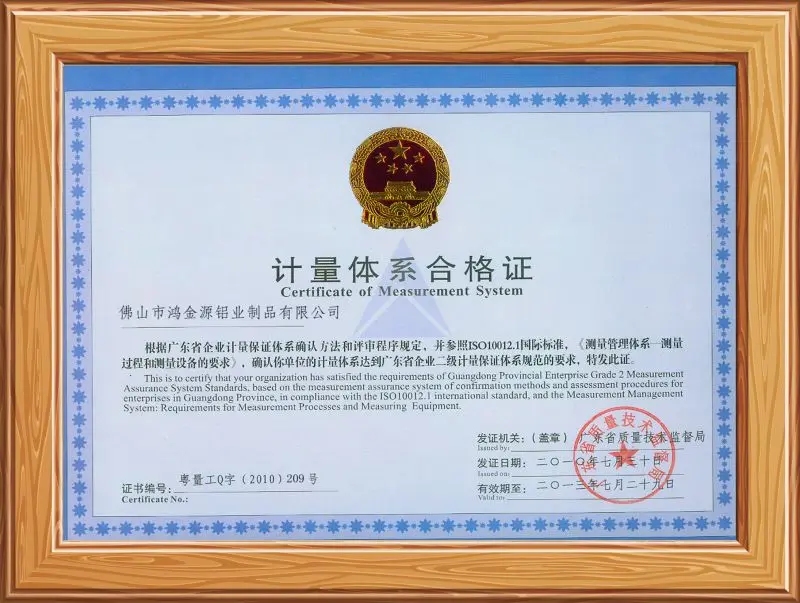
Our operations comply with global quality, safety, and environmental standards, including ISO 9001, ISO 14001, ISO 45001, GRS, and RCV to meet EU REACH regulations.
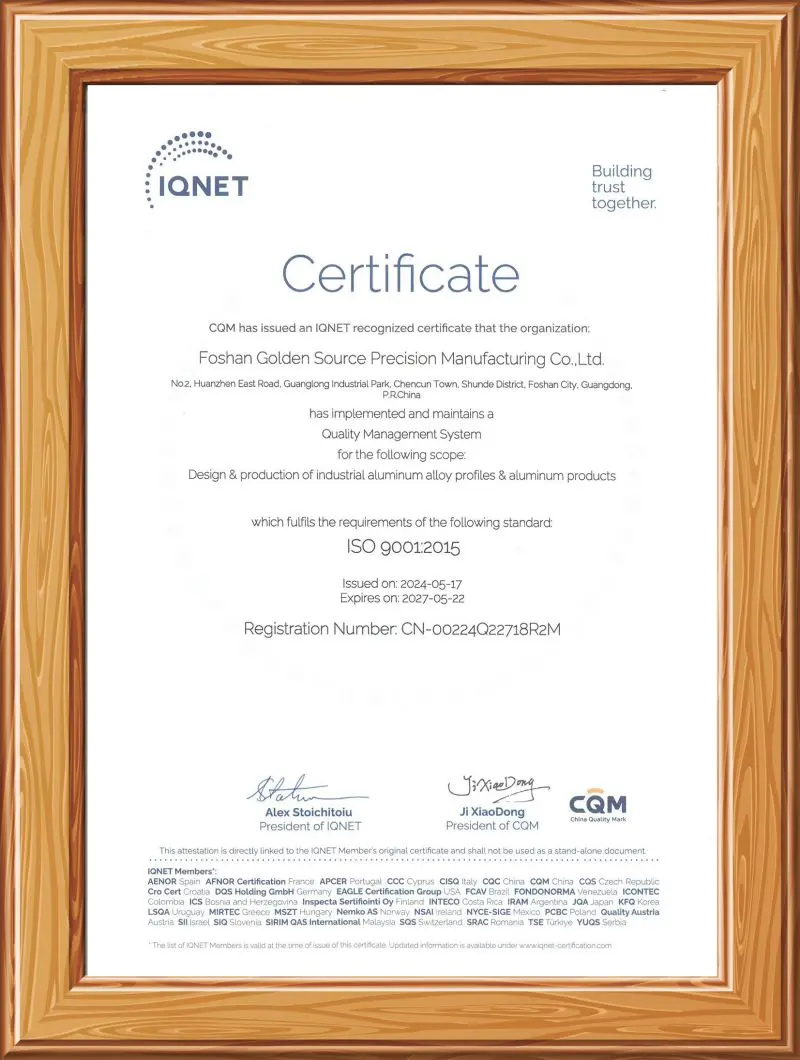
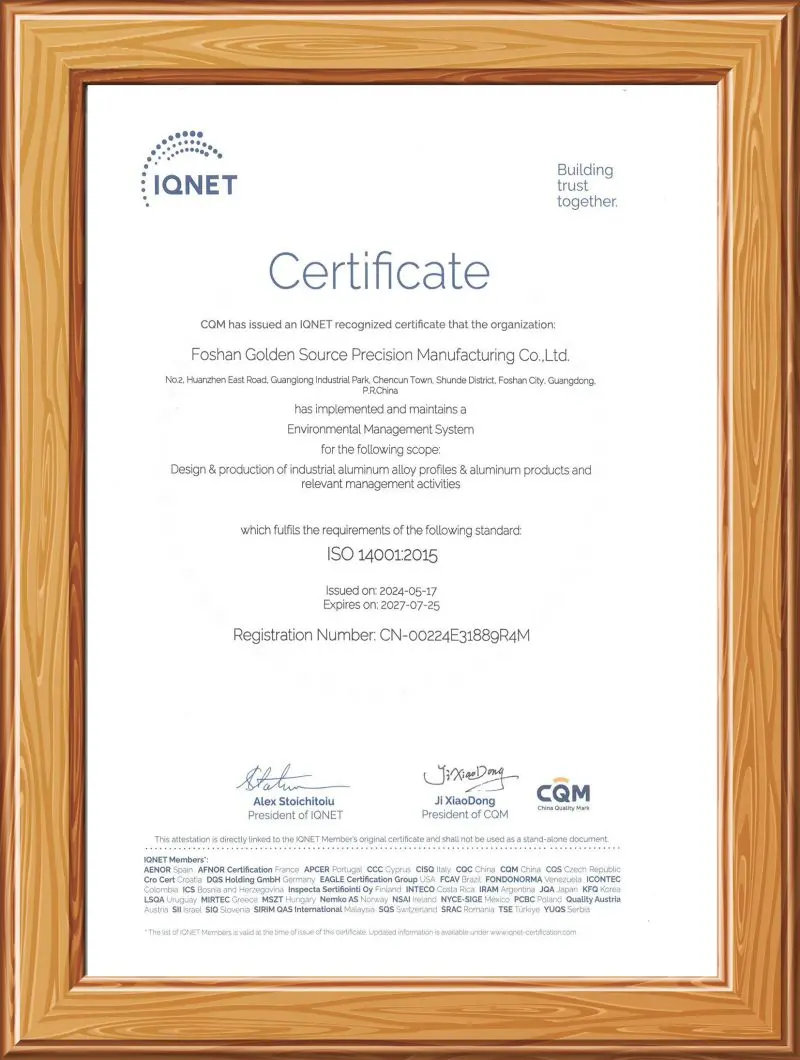
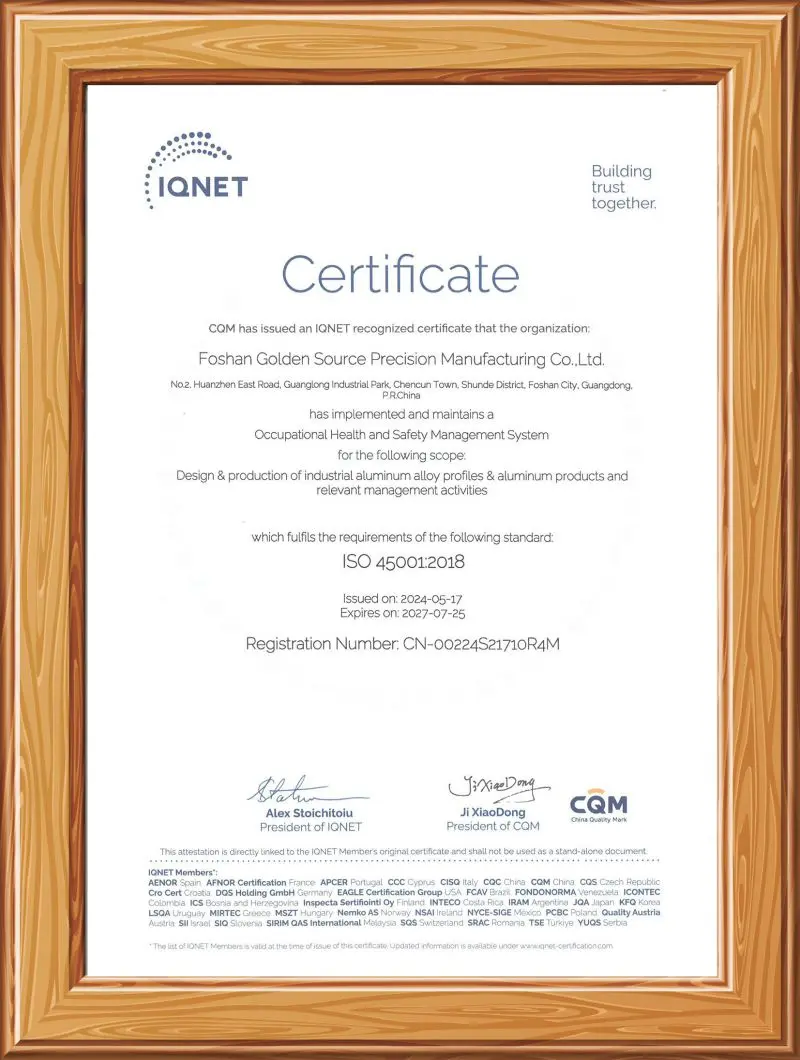
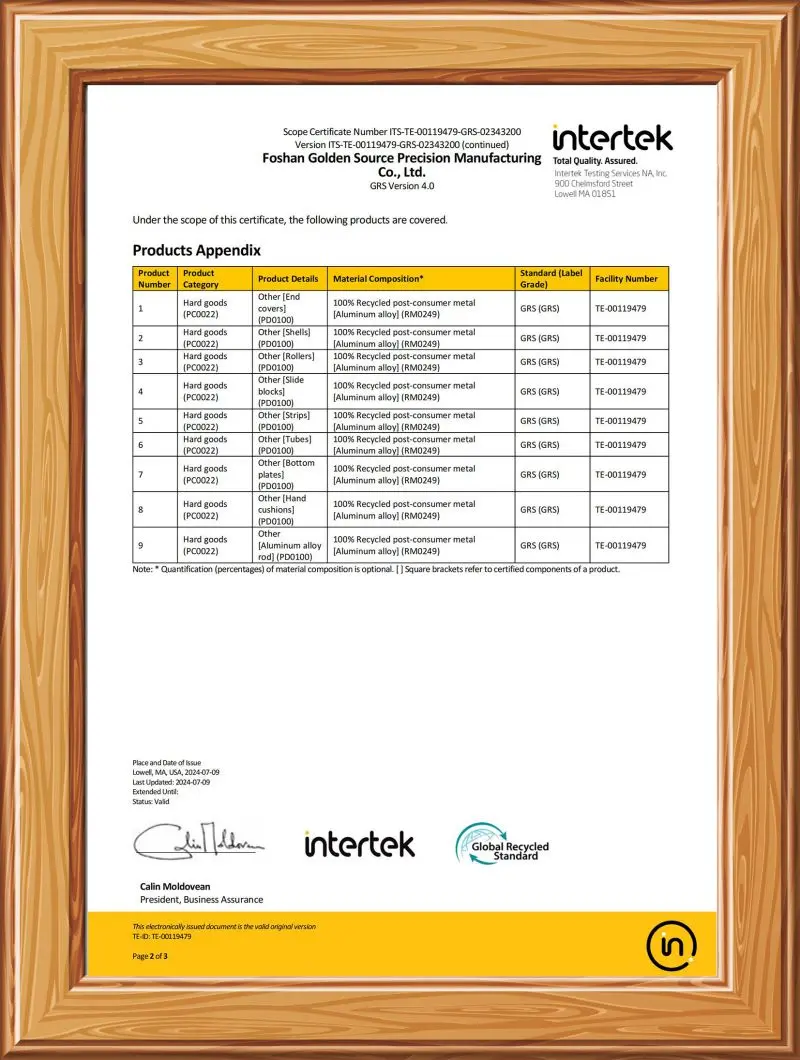
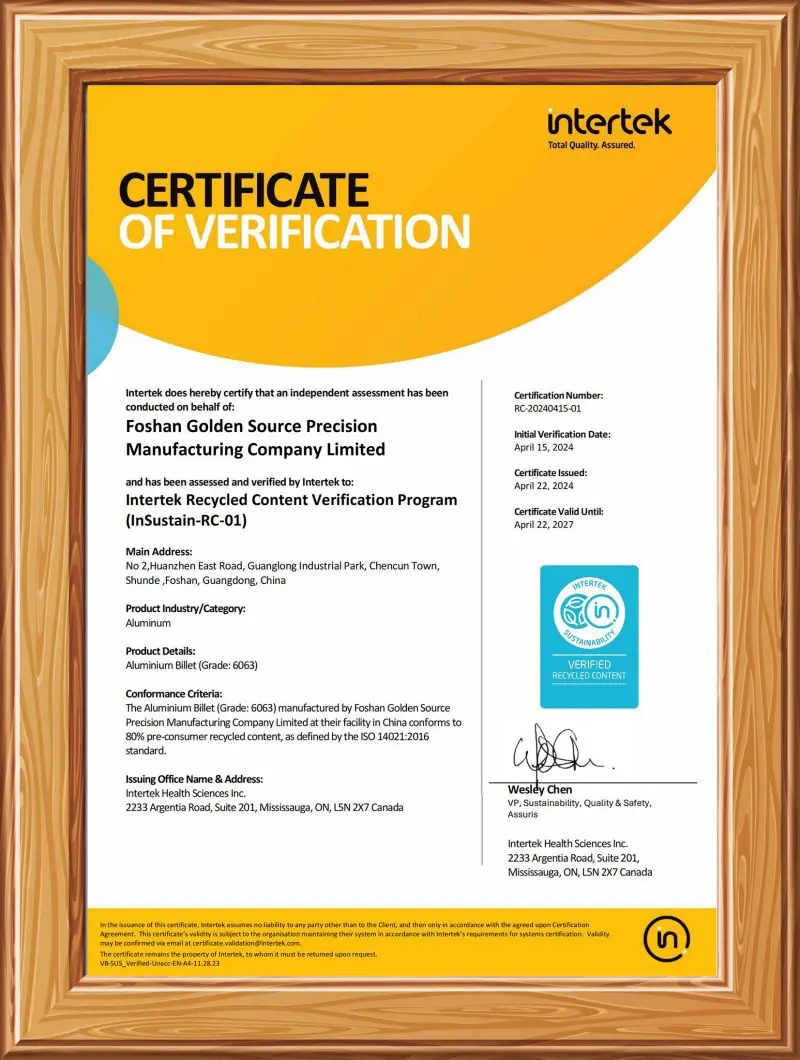
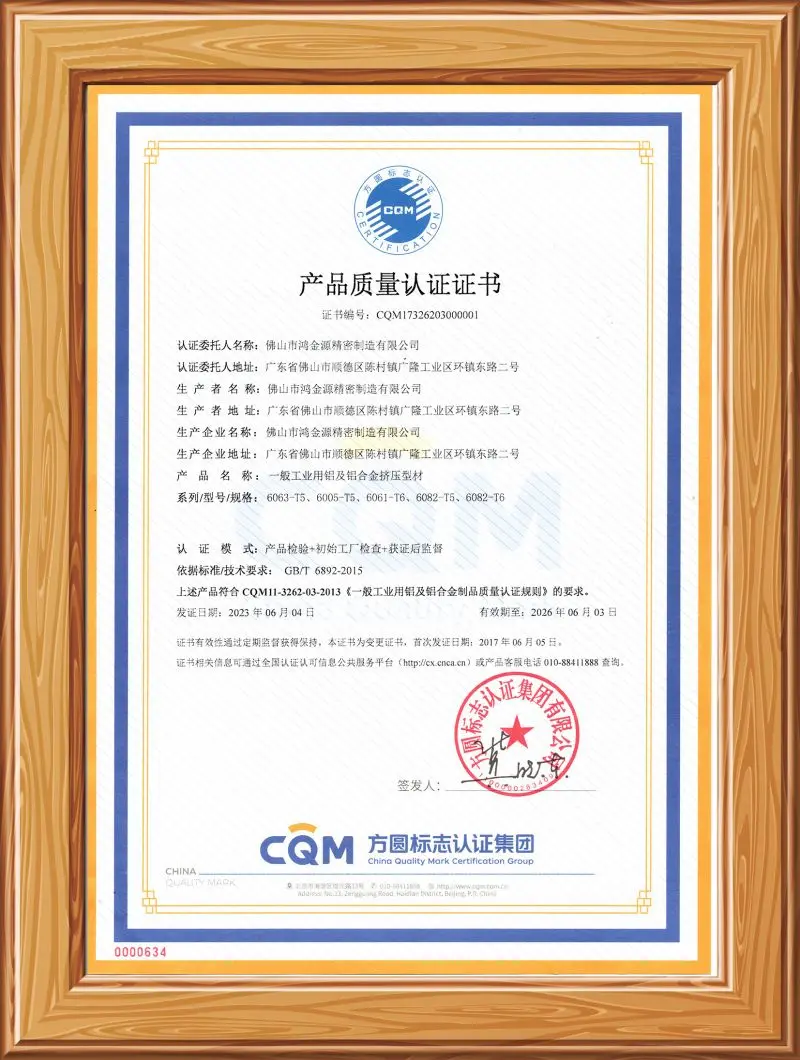
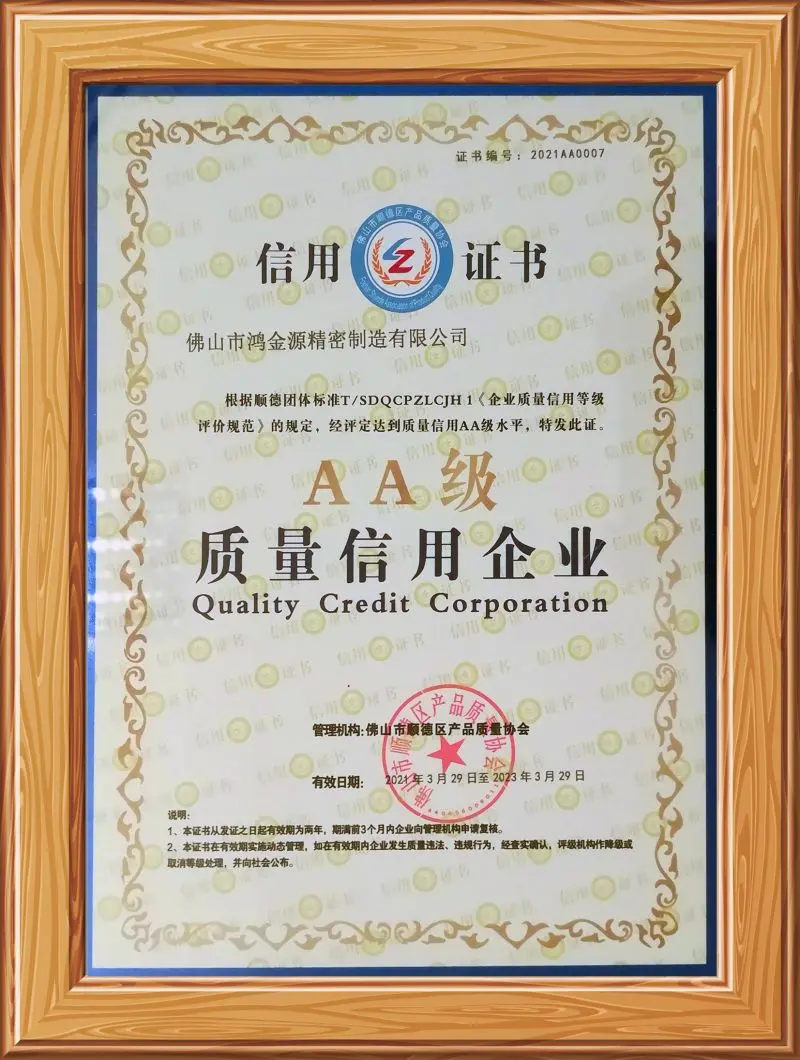
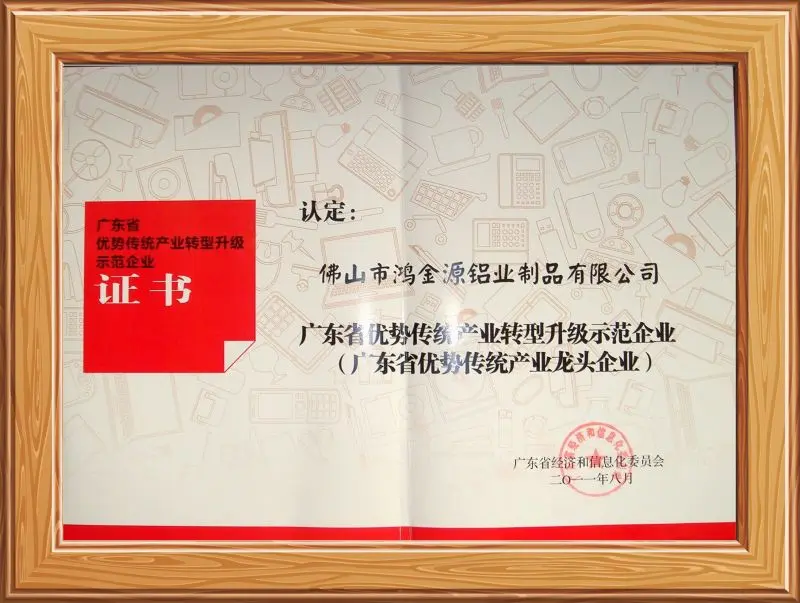
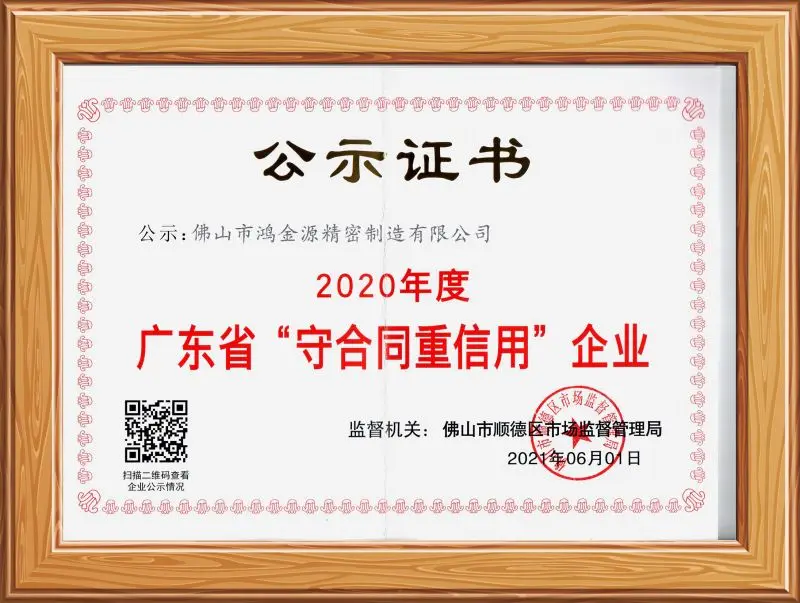
The manufacturing landscape for extruded aluminum is shifting toward low-carbon alloys and digital production tracking. As global supply chains work to reduce Scope 3 emissions, Foshan Golden Source is implementing green manufacturing initiatives to minimize environmental impact.
Our product roadmap focuses on three main developments:
Addressing key technical questions regarding material selection, anodizing specifications, and ODM manufacturing capabilities.
Browse our second collection of custom-designed, precision-engineered anodized aluminum pipes, structural profiles, and components developed for demanding global industries.
 HG Precision