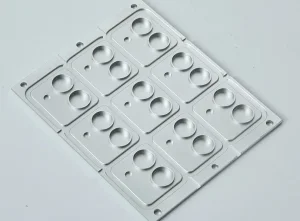
Engineered components fabricated with state-of-the-art aluminum alloys and superior finishing processes.
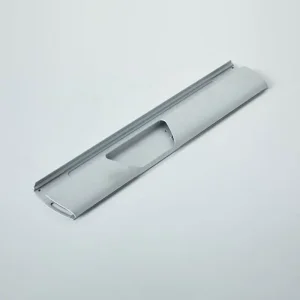
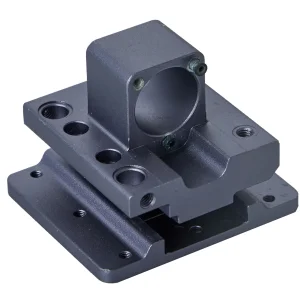
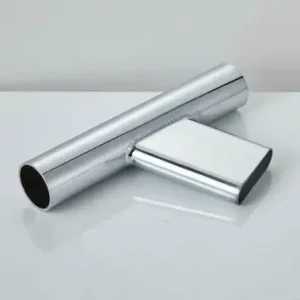
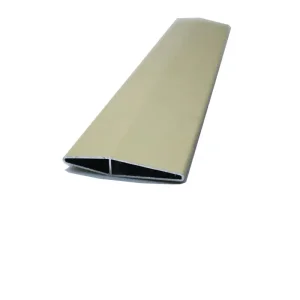
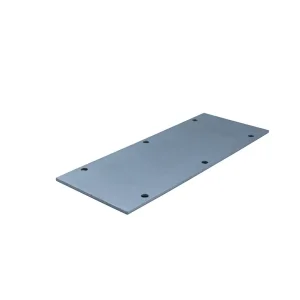
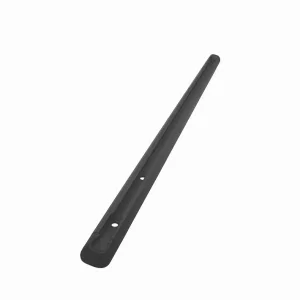
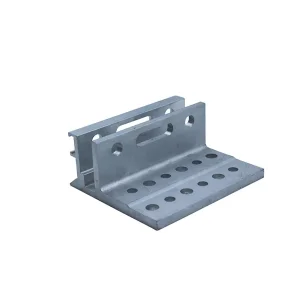
The contemporary architectural and interior design sectors are experiencing a massive structural transition. Traditional joinery materials, such as solid wood and medium-density fiberboards (MDF), are rapidly being replaced by specialized metal extrusions. The global market for wardrobe aluminum profiles is no longer a localized niche; it is an industrial force driven by urbanization, modular construction paradigms, and the growing demand for sustainable, circular-economy products.
Aluminum profiles for wardrobes represent the optimal marriage of mechanical capability and aesthetic minimalist design. Structural rigidity, combined with a remarkable strength-to-weight ratio, enables engineers to design ceiling-high cabinet doors (exceeding 3 meters) without the structural warping risks inherent to timber materials. Globally, the demand is heavily propelled by premium residential construction projects, smart home integrations, and B2B contract hospitality furniture manufacturing.
In high-growth regions like Western Europe and North America, strict environmental codes and building regulations, such as the EU's REACH compliance and Leadership in Energy and Environmental Design (LEED) criteria, have mandated a shift towards fully recyclable metals. This structural shift has positioned customized aluminum profiles as a foundational element of modern green building and modular architectural design.
| Key Parameter | Traditional Timber Frame | Aluminum Extruded Profile |
|---|---|---|
| Structural Deflection Ratio | High (Warping over 2m) | Extremely Low (Stable up to 4m) |
| Recyclability Rating | Low (Composite Glues/Resins) | 100% Recyclable (Circular economy) |
| Moisture/Corrosion resistance | Degrades in humid areas | Excellent (Anodized/Powder coated) |
| Integration Capabilities | Difficult manual routing | Built-in LED, hinge & glass channels |
Modern residential design prioritizes sleek, functional integration. The industry is currently defined by several major engineering and design trends:
Established in 1991, Foshan Golden Source Precision Manufacturing Co., Ltd. is a professional manufacturer of high-strength, high-precision, customized aluminum profiles and precise machining aluminum parts, welded parts, and assembled aluminum products.
With a modern and environmentally friendly production base covering an area of over 73,000 square meters, the company offers an all-inclusive one-stop service. This encompasses alloy casting, mold research & design & building, aluminum extruding, precise CNC machining, welding, structural assembly, and advanced surface treatment.
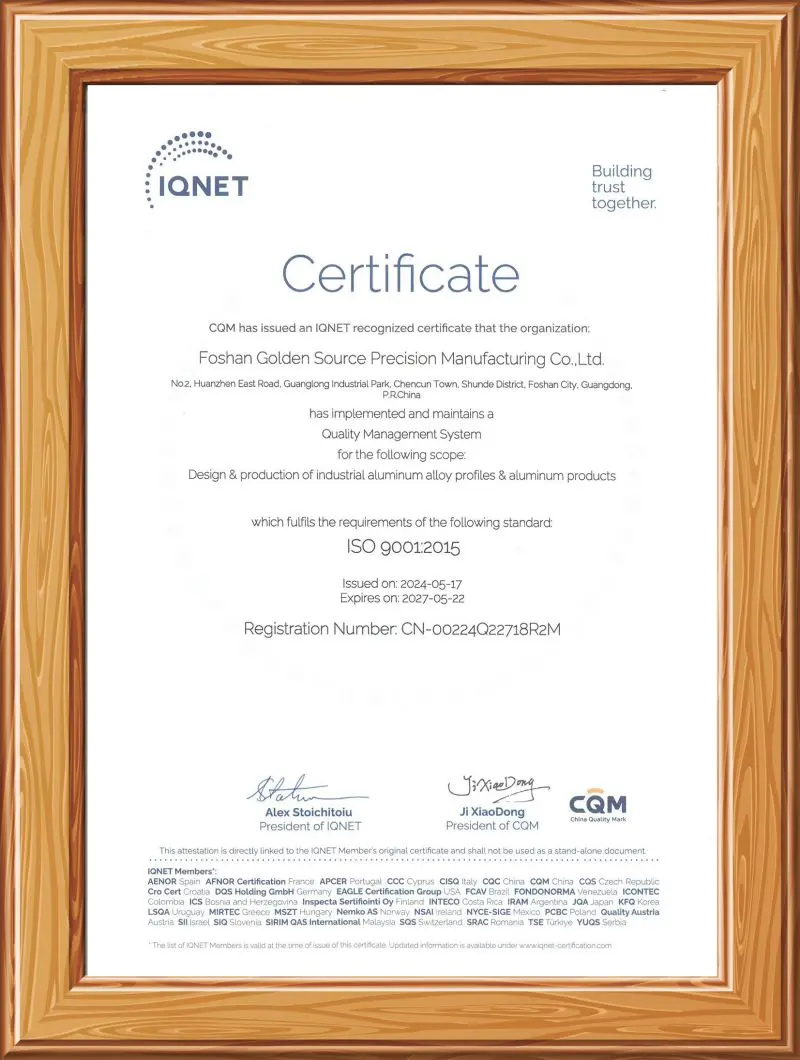
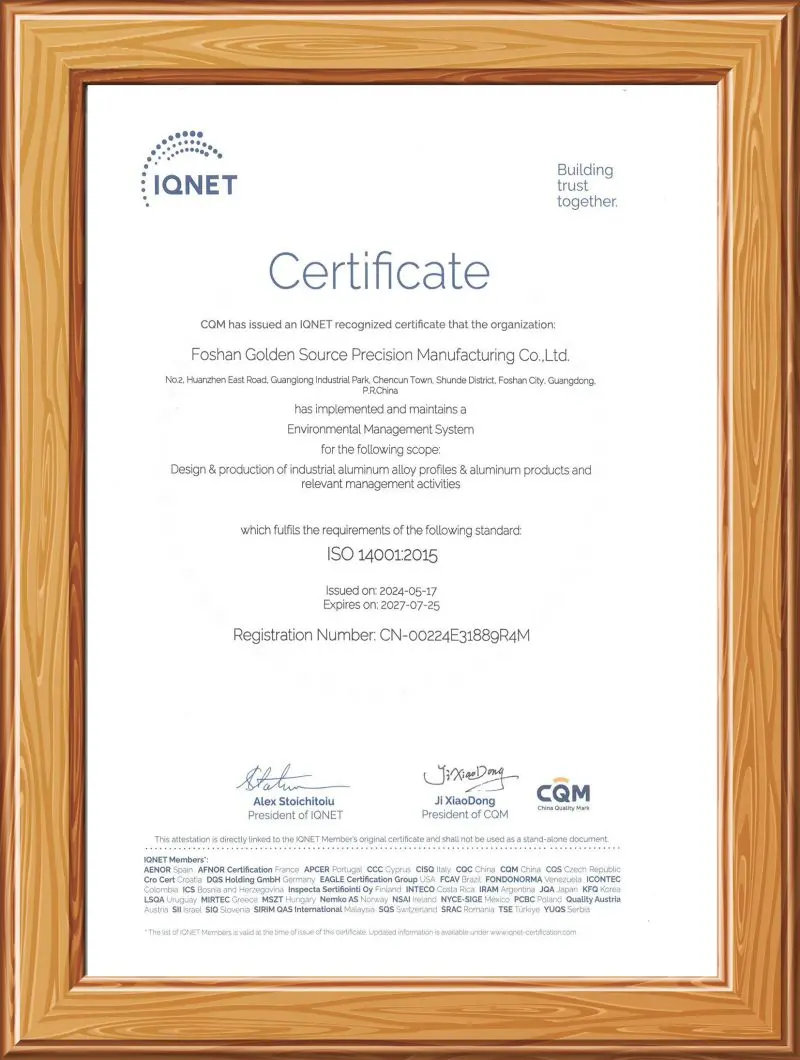
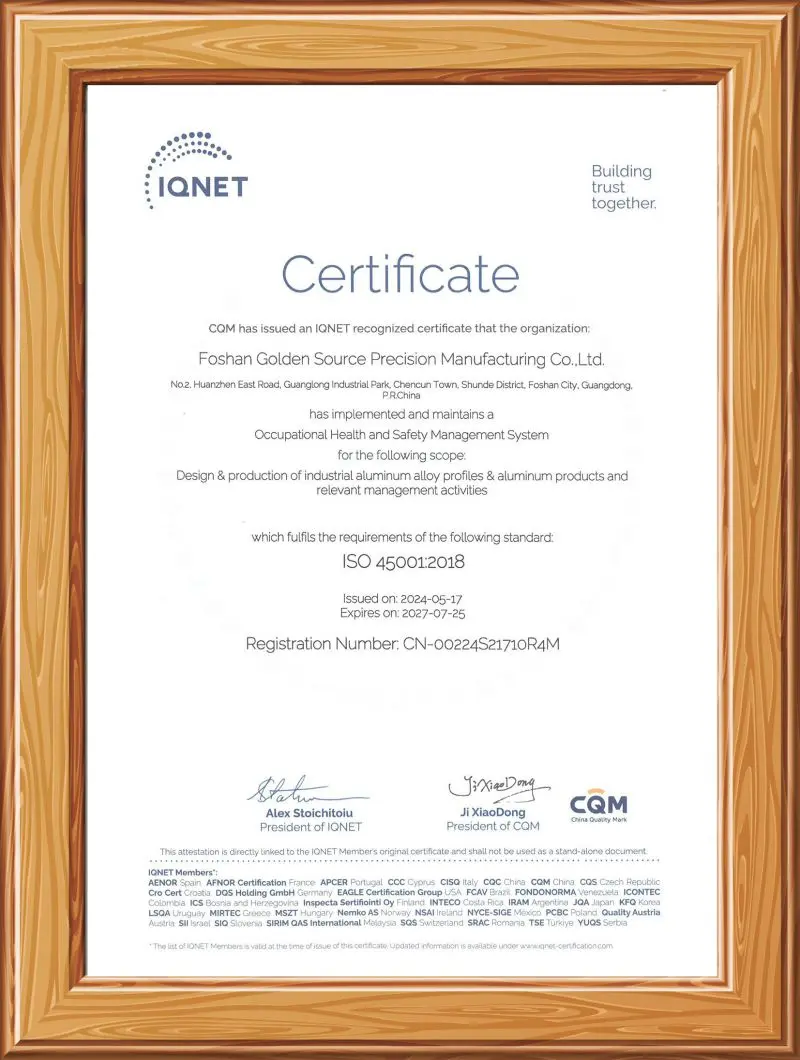
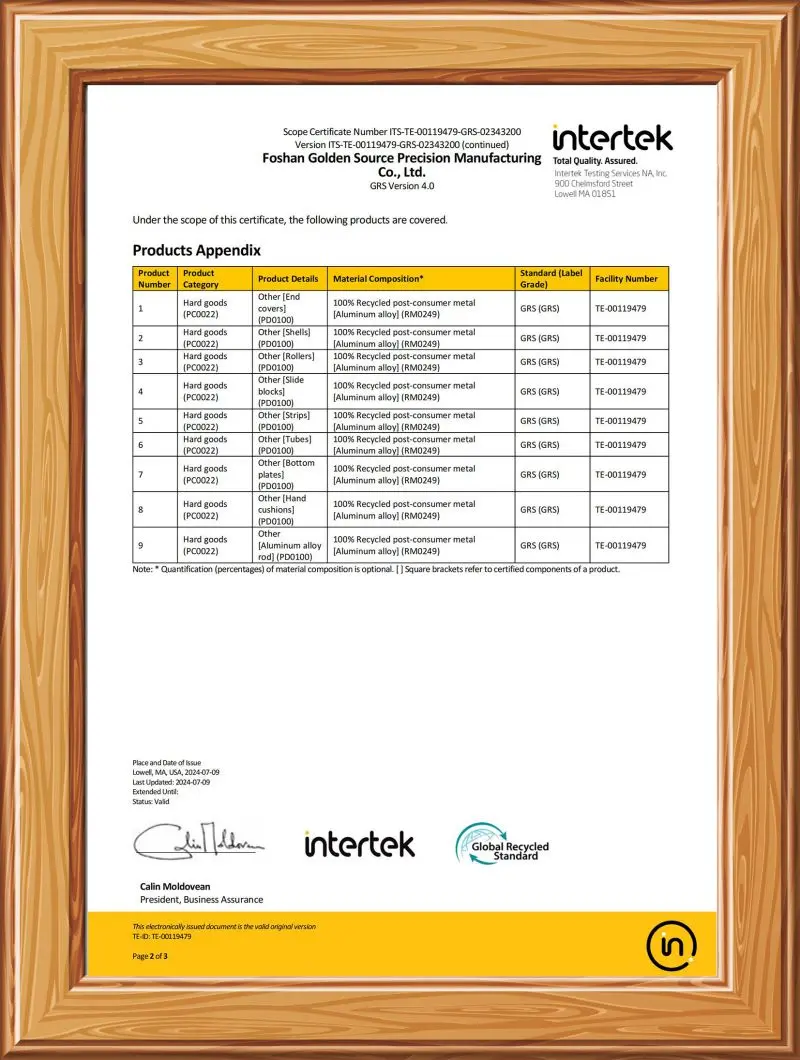
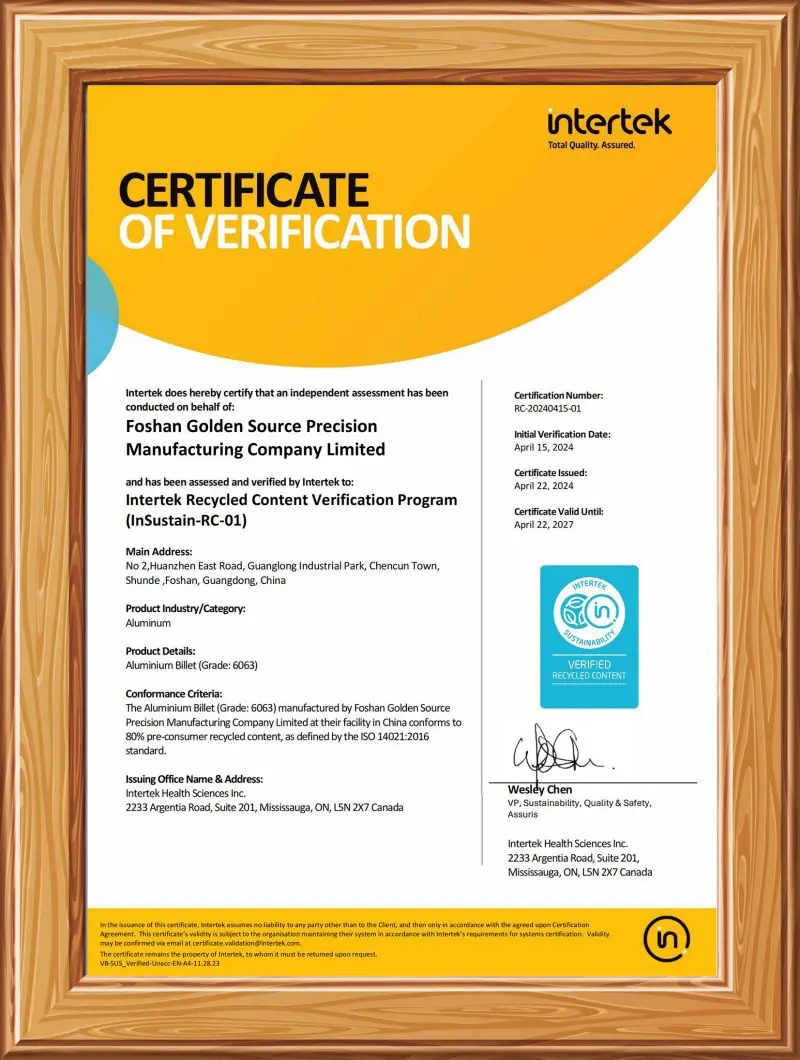
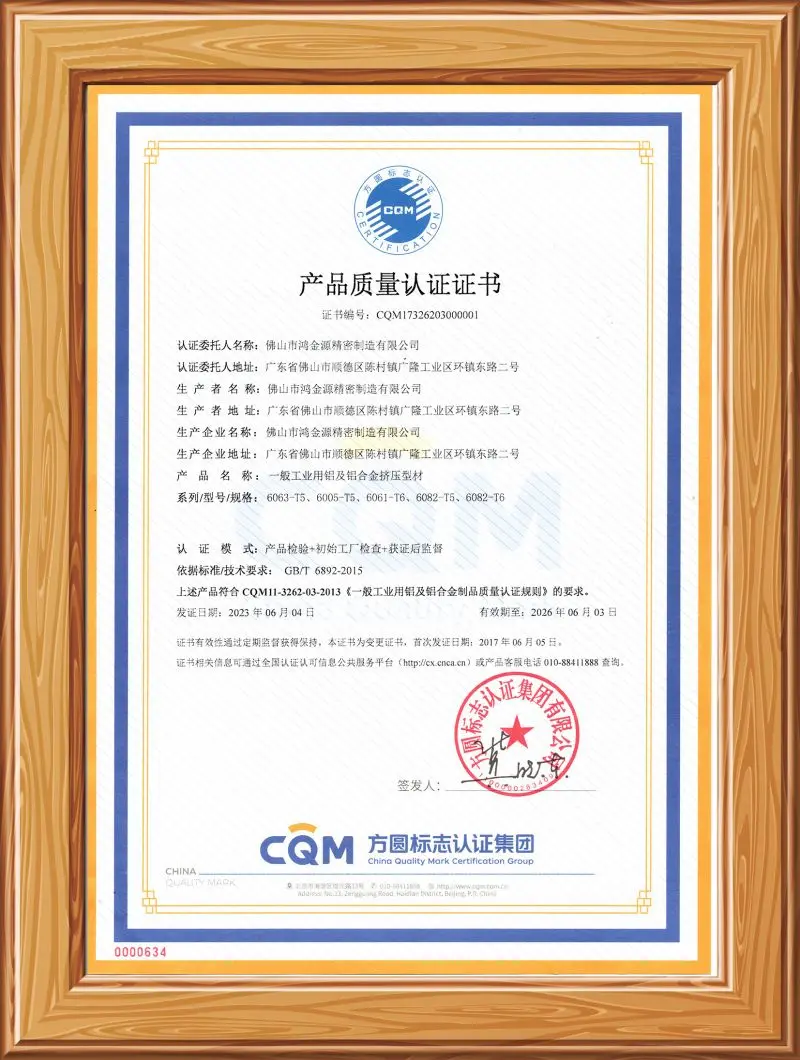
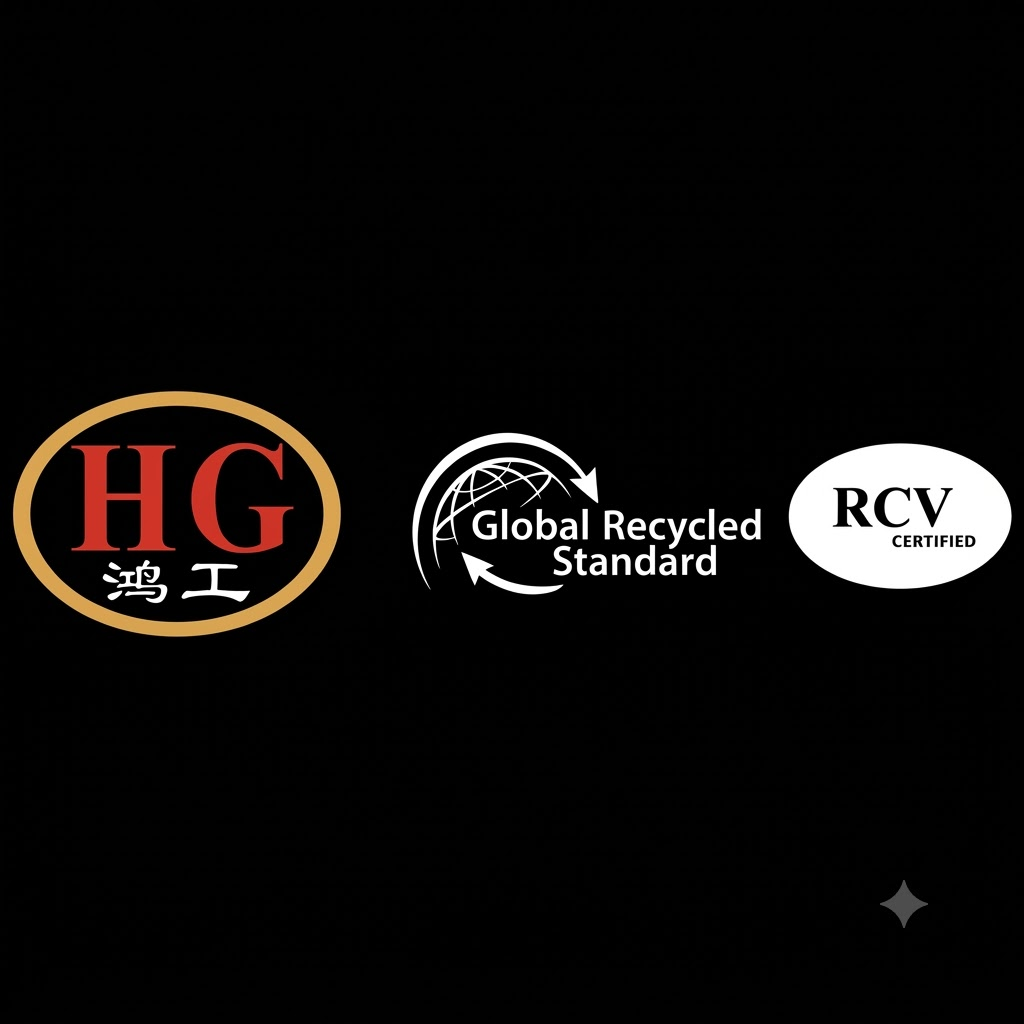
Our facilities hold prestigious global certifications including ISO9001, ISO14001, ISO45001, RCV, and GRS (Global Recycled Standard). These standards guarantee that our complete line of products complies with the strict environmental requirements of the European Union's REACH regulation. We process a wide range of aluminum alloys (including the 1XXX, 3XXX, 5XXX, 6XXX, and 7XXX series) to support industrial fields like hardware tools, 3C products, automotive components, railway systems, high-end furniture, architectural decoration, and outdoor products.
Company Catalogue Download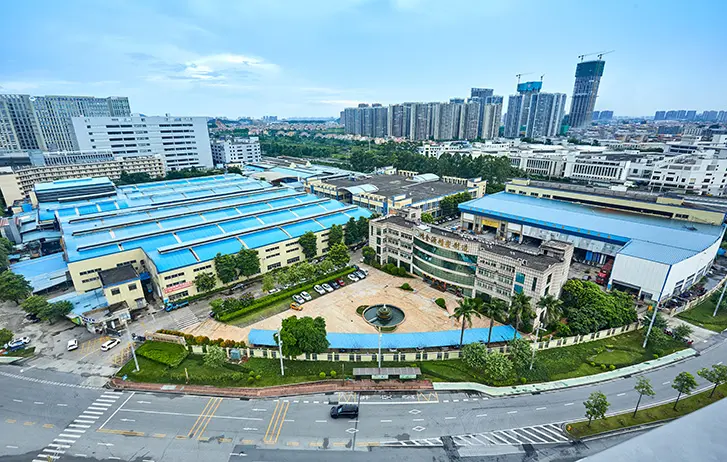
Why global OEMs and B2B sourcing agents select Foshan Golden Source as their strategic extrusion partner.
We melt the alloy in-house, enabling us to adjust chemical compositions precisely to achieve optimal physical tensile strength, high corrosion resistance, and structural purity for flawless high-quality anodizing.
Both precision machining and complex surface finishes are executed in-house. This comprehensive process control ensures rigorous quality monitoring, limits transport damages, and lowers final manufacturing costs.
Our full-spectrum production workflow—from die design to finished assembly—dramatically reduces production lead times and streamlines communication for high-priority B2B projects.
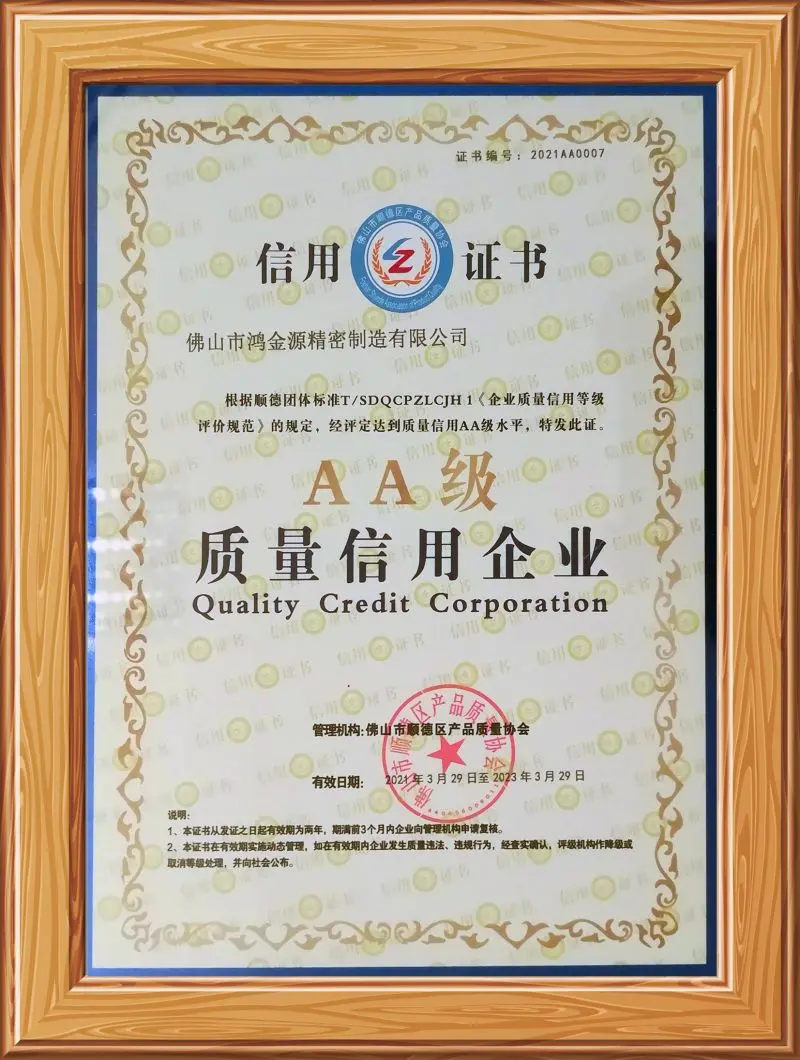
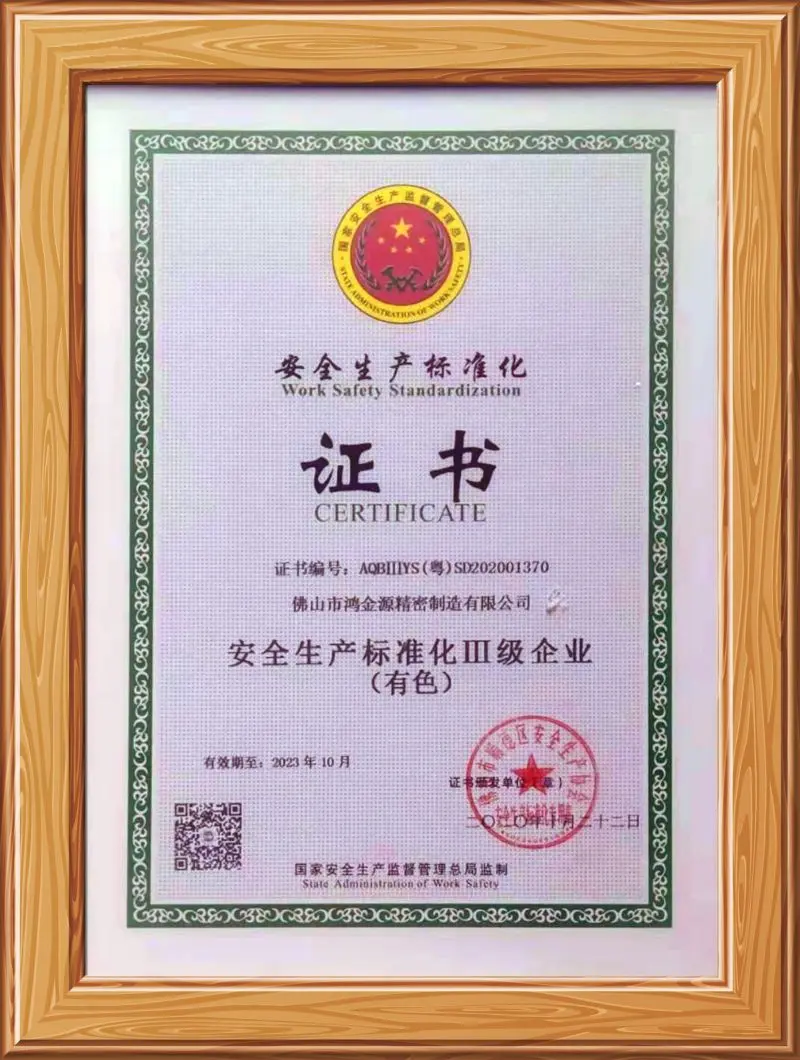
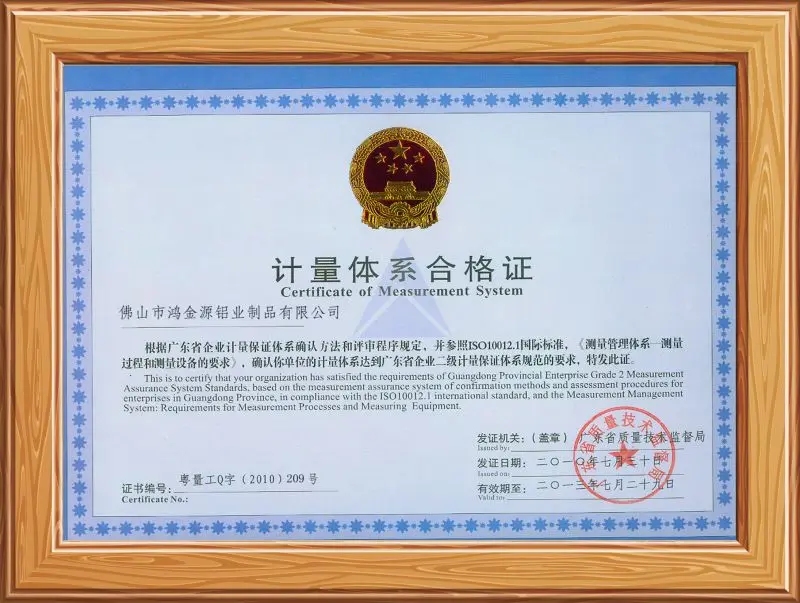
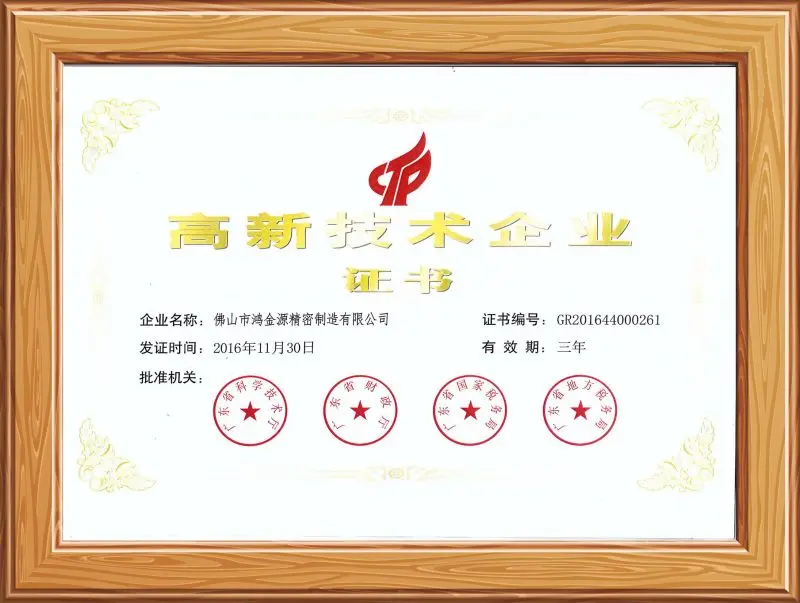
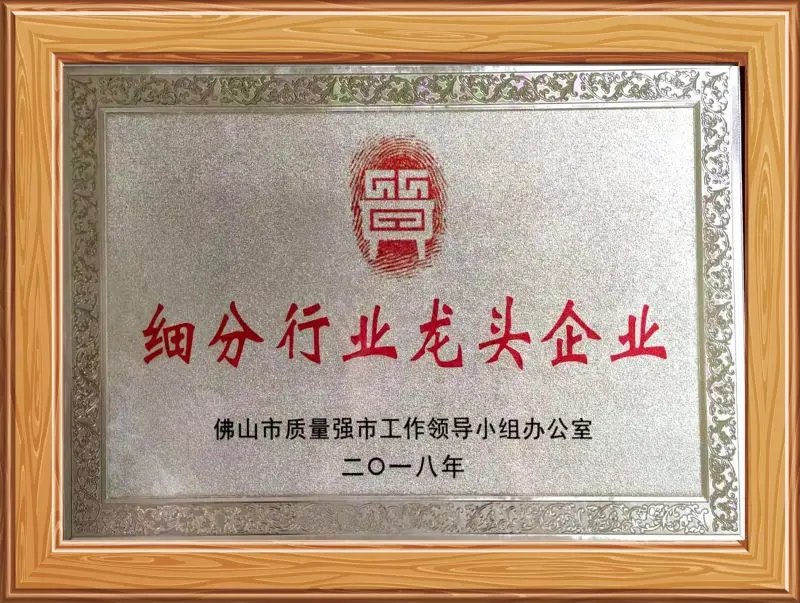
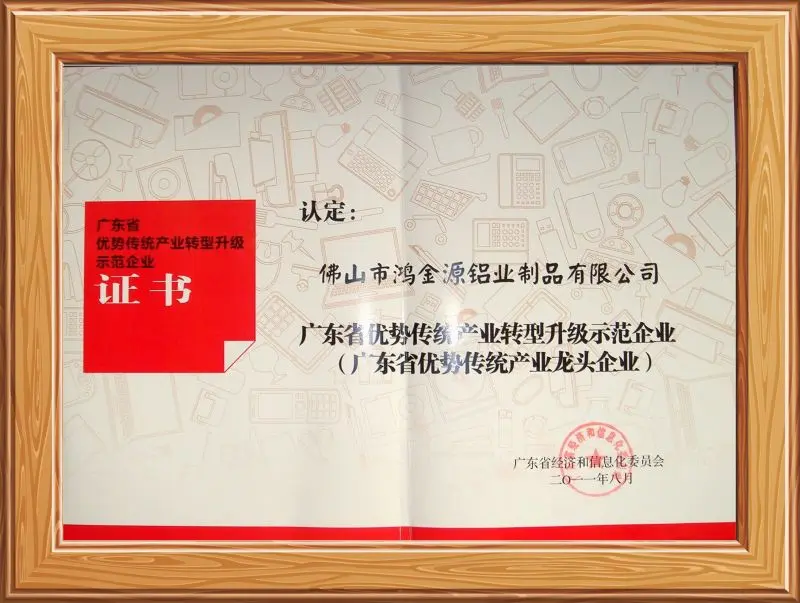
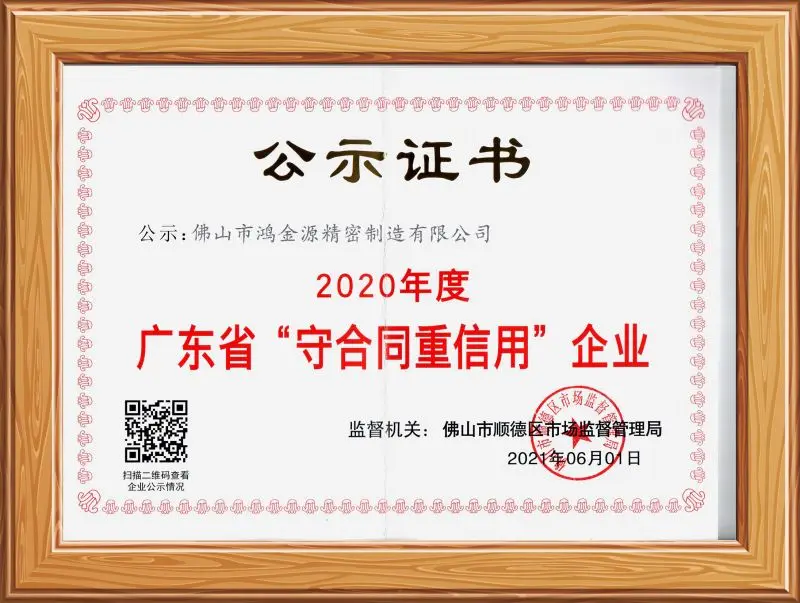
Our facility is certified under ISO9001, ISO14001, ISO45001, GRS, and RCV. These modern environmental certifications ensure compliance with international circular-economy initiatives and green building practices. We have also earned numerous technology and environmental honors from district, municipal, and provincial government bodies.
Designing modern wardrobe systems requires a deep understanding of metallurgy and physical stress tolerances. The primary alloy of choice, 6063 aluminum, is an architectural-grade material with magnesium and silicon as its primary alloying elements. When subjected to the T5 or T6 temper treatments, this alloy exhibits a balance of mechanical properties, surface smoothness, and corrosion resistance.
Understanding which alloy class to select is vital for balancing structural deflection and overall component cost. Below is the technical roadmap for material selection based on stress levels and application requirements:
Precision tolerances are managed through state-of-the-art CNC machining and digital optical inspection systems. By holding cross-sectional dimensional variations within ±0.1mm, we ensure that mitered corners align cleanly and sliding door tracks function smoothly, preventing vibration noise or uneven wear on roller assemblies.
The visual impact of wardrobe extrusions relies heavily on surface finish quality. Our facilities offer in-house advanced surface treatment capabilities that ensure long-lasting durability and high aesthetic appeal:
Creates an integrated aluminum oxide layer that cannot peel or flake. Standard anodizing film thickness ranges from 10 to 25 microns, providing superior wear and corrosion protection.
Utilizes ultra-durable powders baked at high temperatures to provide robust protection. Available in a wide variety of RAL colors and matte textures designed to match luxury paint finishes.
Includes sandblasting with glass beads, wire brushing, and mechanical mirror polishing. These methods prepare the metal surface to achieve diffuse light reflection and hide structural defects.
For B2B distributors, high-end real estate developers, and large cabinet manufacturers, sourcing customized aluminum profiles is not just about purchasing metal—it is about securing a reliable supply chain. Foshan Golden Source simplifies this complexity through integrated structural and logistical solutions:
Answers to key questions from B2B sourcing managers, product designers, and structural engineers.
We recommend 6063-T5 or 6063-T6. 6063-T5 provides a highly smooth surface finish, which is critical for clean anodizing and powder coating. 6063-T6 is preferred for tall door frames (above 2.7 meters) where higher tensile and yield strength are required to resist deflection under wind load or daily physical stress.
Our GRS (Global Recycled Standard) certification ensures that our recycled content is verified throughout the supply chain. In-house smelting allows us to monitor material inputs, and regular chemical testing ensures all profiles are free of hazardous substances listed under the EU REACH directive, including heavy metals and phthalates.
For structural frames, we recommend a minimum wall thickness of 1.2mm to 1.5mm. Trim profiles or non-load-bearing LED channels can be extruded down to 0.8mm or 1.0mm. Sourcing custom ODM profiles allows clients to optimize wall thickness selectively to control cost and weight.
Yes. Through a combination of mechanical brushing, chemical etching, and custom anodizing dyes, we produce finishes like champagne gold, rose gold, brushed bronze, brushed titanium, and matte black. Our technical team matches color chips to ensure consistency across different production batches.
Generally, mold design and fabrication take 10 to 14 days. Once the mold is complete, sample extrusions are produced and sent to the client for dimensional sign-off. Bulk extrusion and surface treatments typically take 15 to 20 days after sample approval.
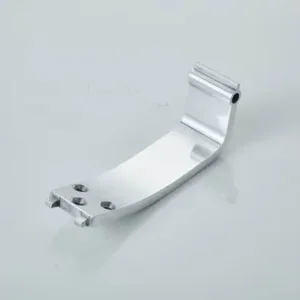
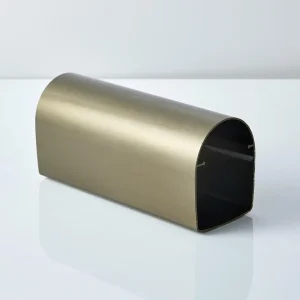
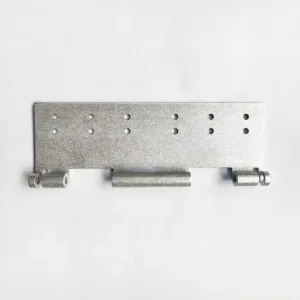
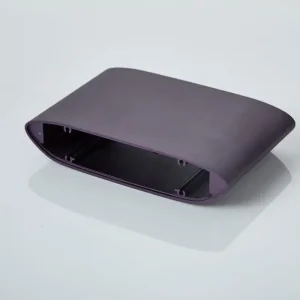
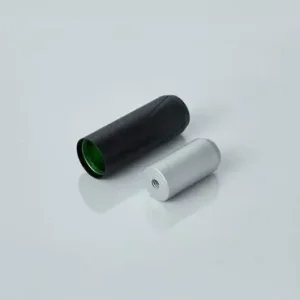
High-performance custom fabricated components for furniture, hardware, and structural applications.
 HG Precision