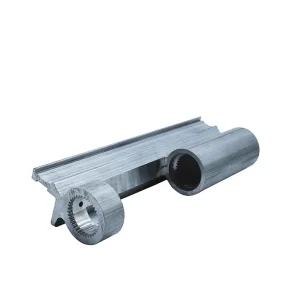
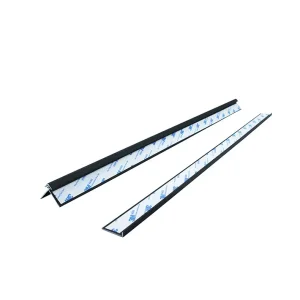
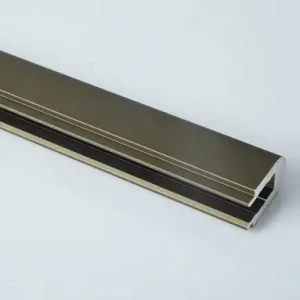
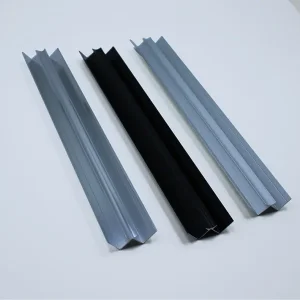
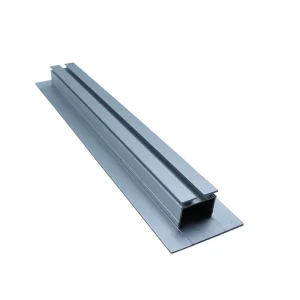
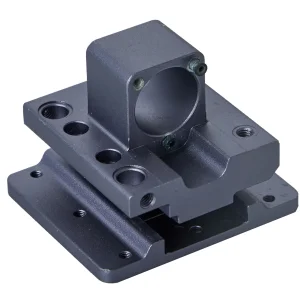
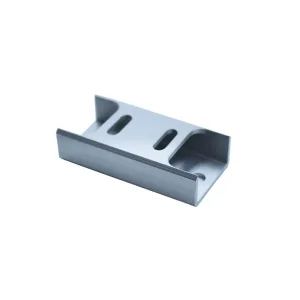
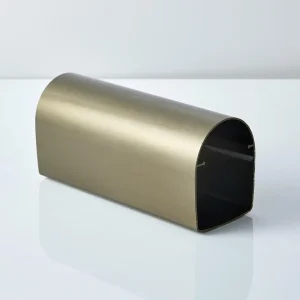
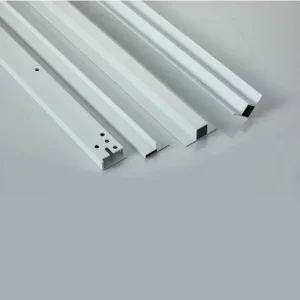
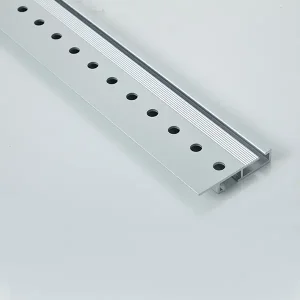
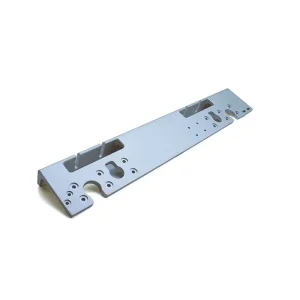
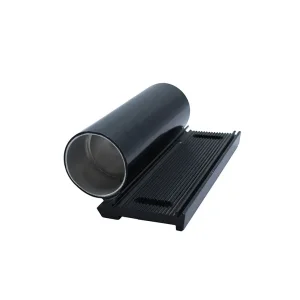
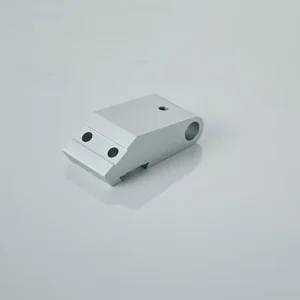
Explore our high-performance engineered profiles below, featuring extreme dimensional accuracy and custom finishing.
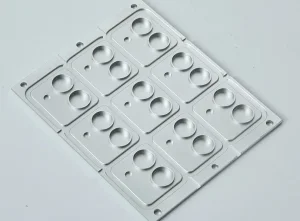
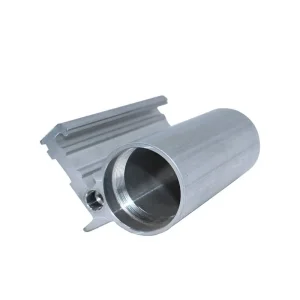
A Comprehensive Guide to Architectural Fit, Slip Tolerances, and Design Strategies
Telescopic aluminum tubing represents a pinnacle of structural versatility. To transition from standard hollow profiles to high-precision nested assemblies, engineers must optimize complex parameters: slip-fit tolerances, wall thickness consistency, eccentricity, and internal/external mating mechanisms. These metrics govern how reliably a series of aluminum tubes slide into one another without binding or exhibiting structural wobble.
Designing a high-performance telescoping tube assembly requires balancing sliding clearance against structural play. In engineering terms, this is specified as the clearance envelope between the Outside Diameter (OD) of the inner tube and the Inside Diameter (ID) of the outer tube. For precision applications (e.g., medical supports, imaging hardware, optoelectronic booms), we target a clearance fit of 0.1mm to 0.2mm. When the design calls for standard utility extensions, a clearance of 0.3mm to 0.5mm is acceptable to accommodate post-extrusion surface coatings, such as anodizing or powder coating.
The choice of alloy fundamentally determines the structural limits, weldability, and surface polish of the telescoping assembly:
Standard round tubes naturally rotate within each other. For applications requiring fixed orientation (such as measurement tools, tripod stands, and display columns), we design custom profiles with built-in rotational locks. Key profiles include:
Your Trusted Partner for Extruded and Machined Aluminum Solutions
Foshan Golden Source Precision Manufacturing Co., Ltd, established in 1991, is a professional manufacturer of high-strength, high-precision, customized aluminum profiles and precise machining aluminum parts, welded parts, and assembled aluminum products.
With a modern and environmentally friendly production base covering an area of over 73,000 square meters, the company offers a comprehensive one-stop service, including alloy casting, mold research & design & building, aluminum extruding, precise machining, welding, assembly, and advanced surface treatment.
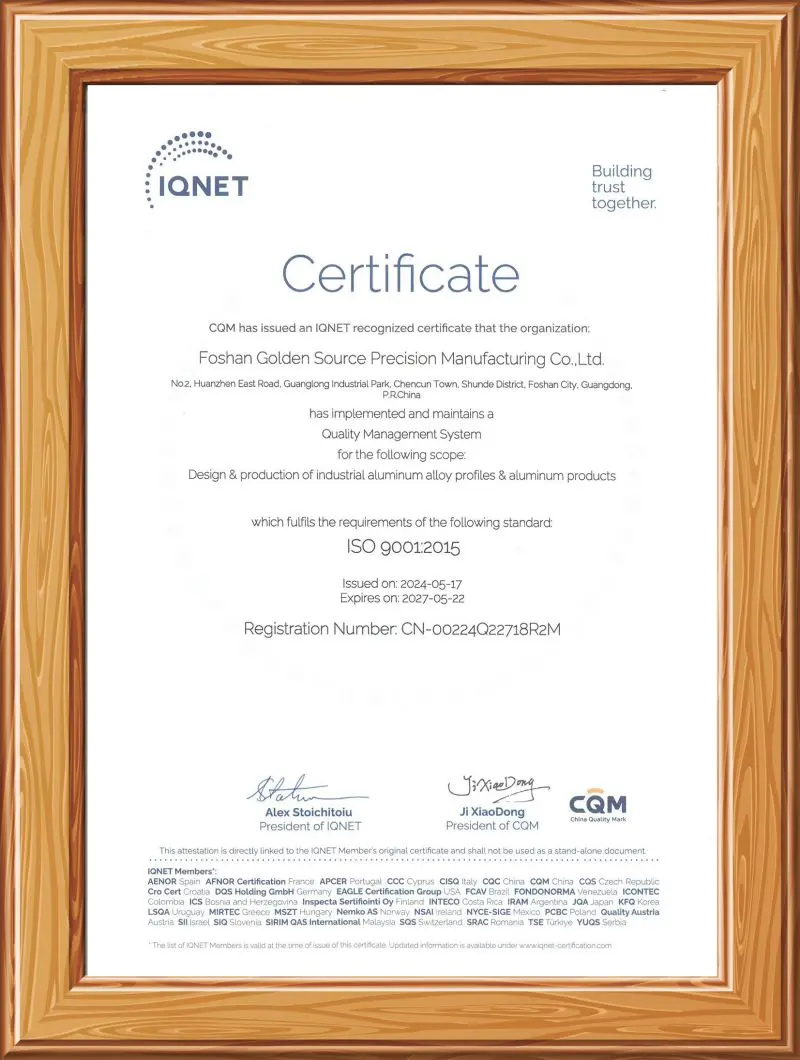
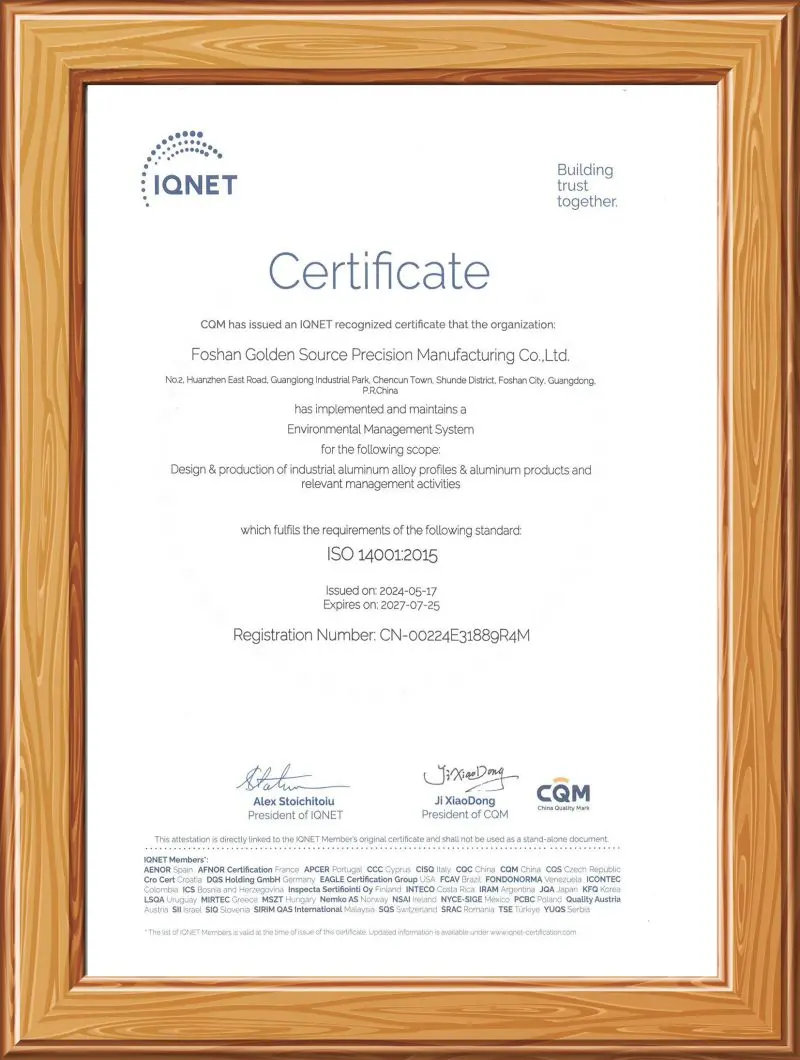
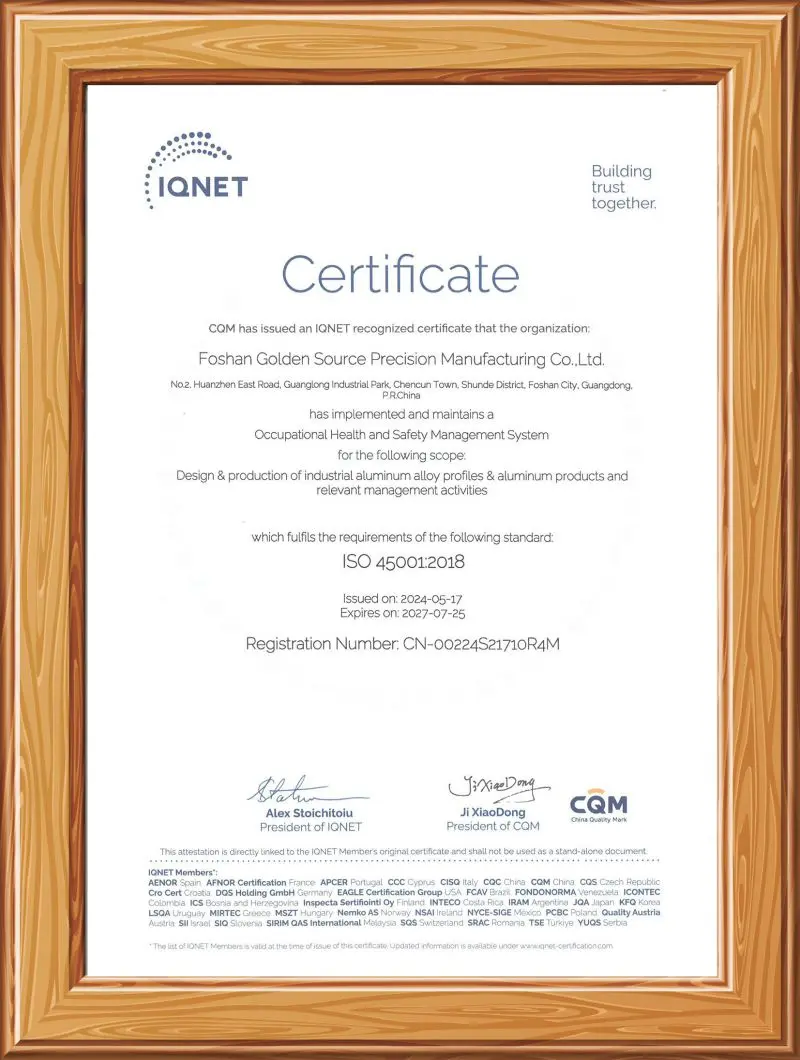
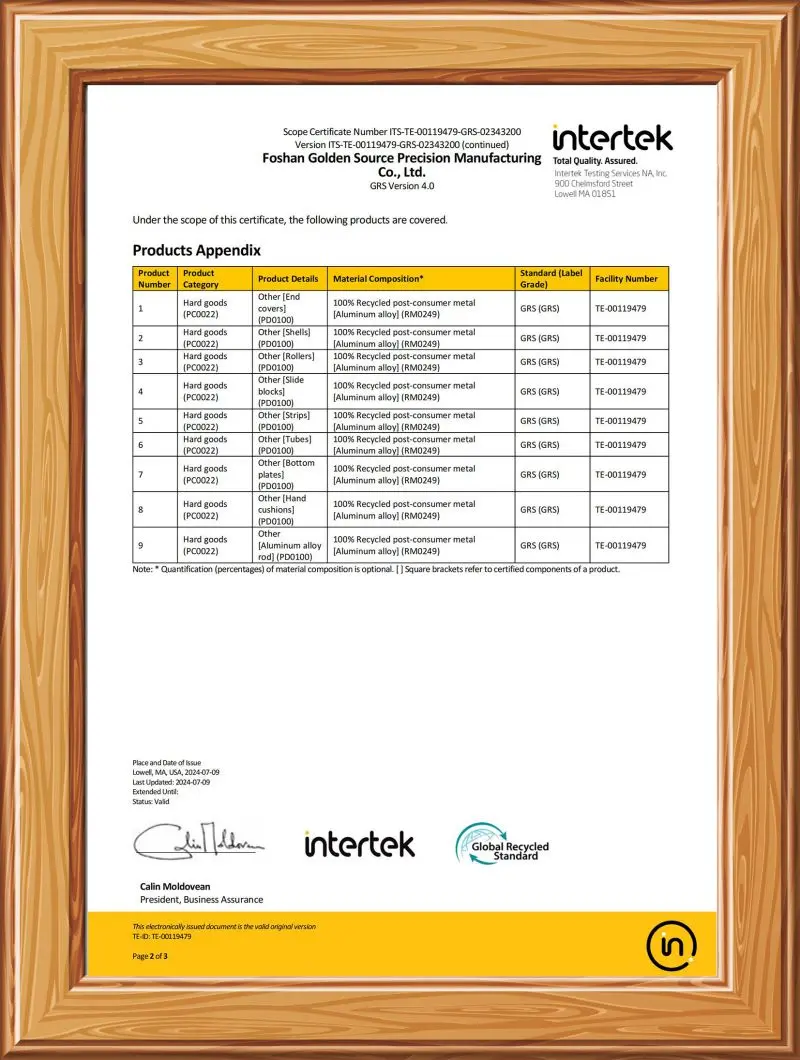
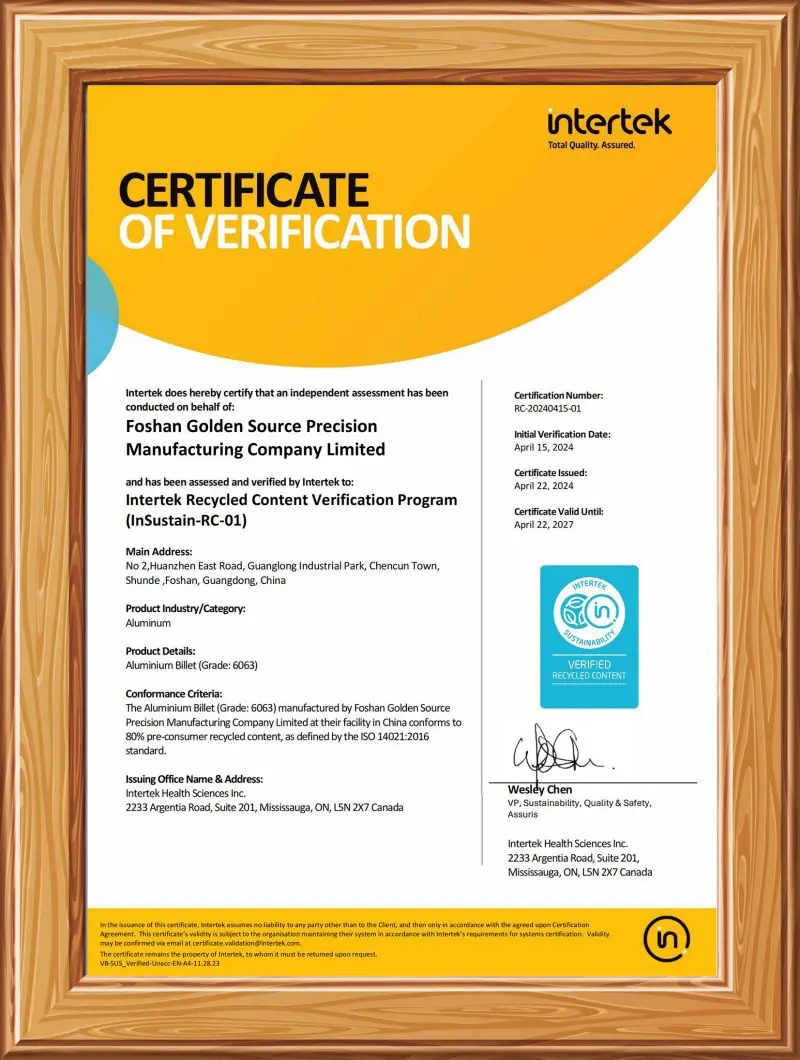
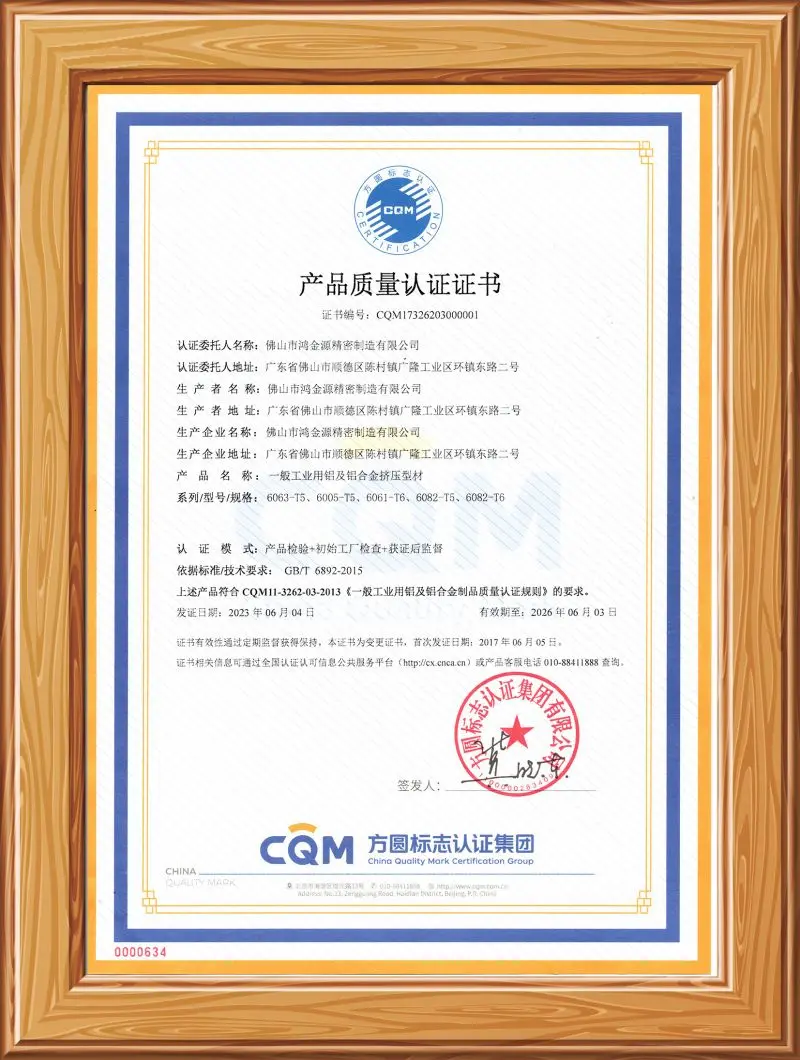
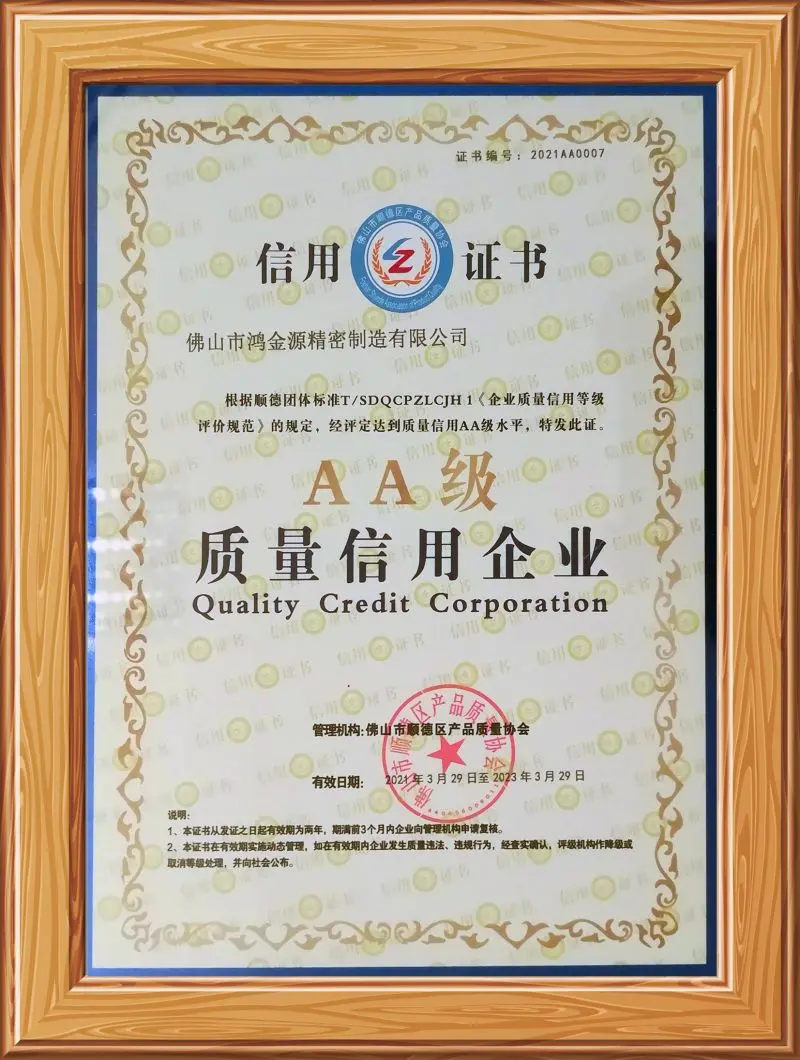
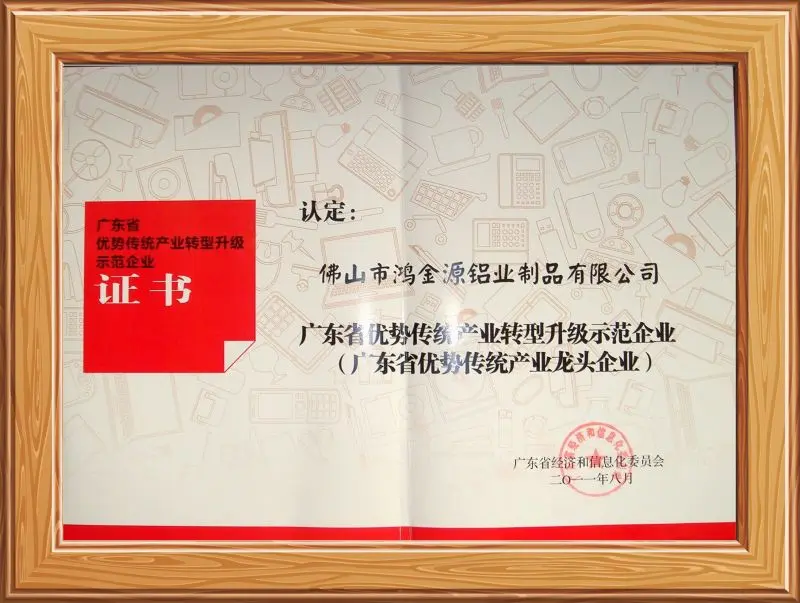
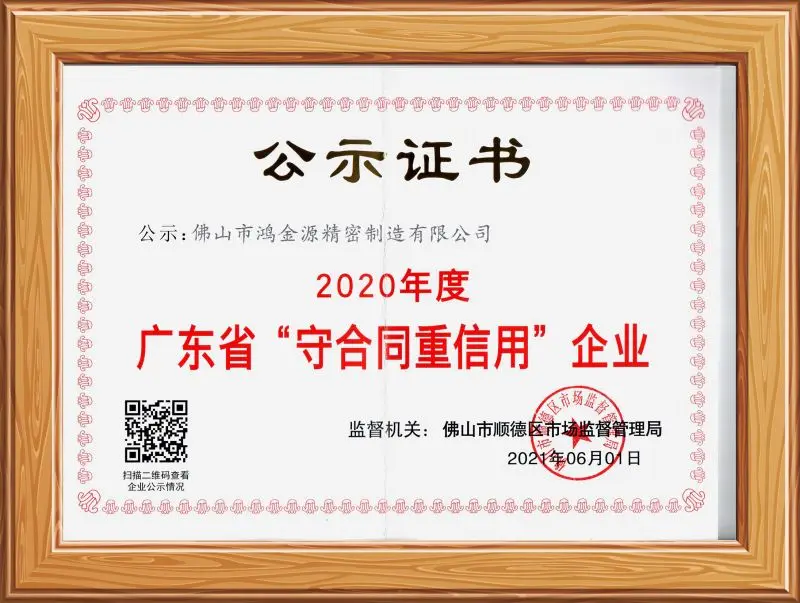
We hold certifications such as ISO9001, ISO14001, ISO45001, RCV, and GRS, ensuring that all our products comply with the environmental requirements of the EU’s REACH regulation. A wide range of aluminum alloy series are available, including: 1XXX, 3XXX, 5XXX, 6XXX, and 7XXX alloy, which allow us to meet different demands of various industries and fields, including hardware tools, 3C products, automobile, railway, furniture, decoration, and outdoor products.
Company Catalogue Download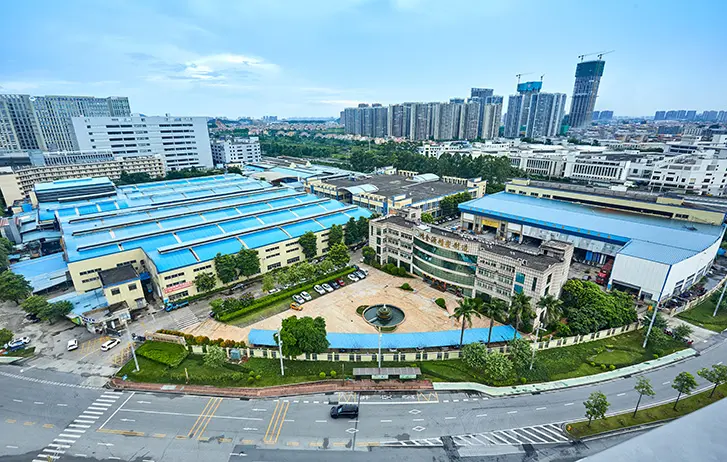
Pioneering the Next Generation of Smart and Sustainable Aluminum Components
As industries seek to reduce structural weight and improve efficiency, the design of telescopic aluminum components is undergoing significant innovation. Foshan Golden Source is at the forefront of these structural transitions, focusing development on key technical advancements:
Transitioning from traditional tooling standards to CNC-machined die orifices, enabling tolerances down to ±0.03mm. This eliminates the "wobble" effect in long-extension telescoping poles without increasing manufacturing costs.
Developing structural joints that integrate thin-wall high-strength aluminum alloys (like 7075) with carbon fiber sleeves. This reduces weight while maintaining torsional stiffness and resistance to bending forces.
Transitioning to chromium-free pretreatment cycles and utilizing water-soluble sealants. These systems meet the strictest EU guidelines for recyclability while maintaining excellent wear and corrosion protection.
A Technical Comparison of Mechanical Performance and Surface Options
| Alloy Grade | Tensile Strength (MPa) | Yield Strength (MPa) | Corrosion Resistance | Recommended Finish | Best Match Application |
|---|---|---|---|---|---|
| 6063-T5 | ≥ 186 | ≥ 145 | Excellent | Bright Anodize / Satin Anodize | Clean-room products, camera mounts, telescopic consumer goods. |
| 6061-T6 | ≥ 290 | ≥ 240 | Very Good | Sandblast + Hard Anodize | High-load structural framing, hydraulic housings, train door components. |
| 6082-T6 | ≥ 310 | ≥ 260 | Very Good | Electrophoretic / Powder Coat | Heavy transport profiles, railway engineering, outdoor rigging. |
| 7075-T6 | ≥ 572 | ≥ 503 | Moderate | Hard Coat Anodizing | Aerospace fasteners, military telescopic poles, structural stabilizers. |
Ensuring Regulatory Compliance, Material Traceability, and Agile Shipping Cycles
Managing an international manufacturing supply chain requires strict adherence to quality standards and environmental regulations. Industrial buyers require more than raw manufacturing capacity—they need verified compliance, material traceability, and logistics reliability.
With environmental regulations tightening in the European Union (such as REACH and RoHS directives) and North America, material transparency is essential. Foshan Golden Source’s certifications—including the Global Recycled Standard (GRS) and Recycled Claim Standard (RCV)—verify that our raw material streams utilize documented recycled fractions. This helps our clients meet their corporate ESG goals.
Outsourcing components to multiple suppliers for casting, extruding, machining, and anodizing introduces lead-time delays and quality control risks. Our one-stop factory model handles the entire process in-house: from initial alloy melting to custom CNC machining and final surface treatment. This vertical integration reduces production cycle times and guarantees consistent quality across production batches.
Ensuring Superior Mechanical Properties, Consistent Quality, and Fast Turnaround Times
We melt the alloy in-house so that we can adjust the compositions to achieve the best physical properties of extrusion profiles, ensuring optimal purity for high-quality anodizing.
Machining and surface treatment are completed in-house, enabling tight quality control and reduced production costs. This vertical integration allows us to deliver high-quality components at competitive price points.
"One-stop" manufacturing capacity will provide faster delivery to customers.
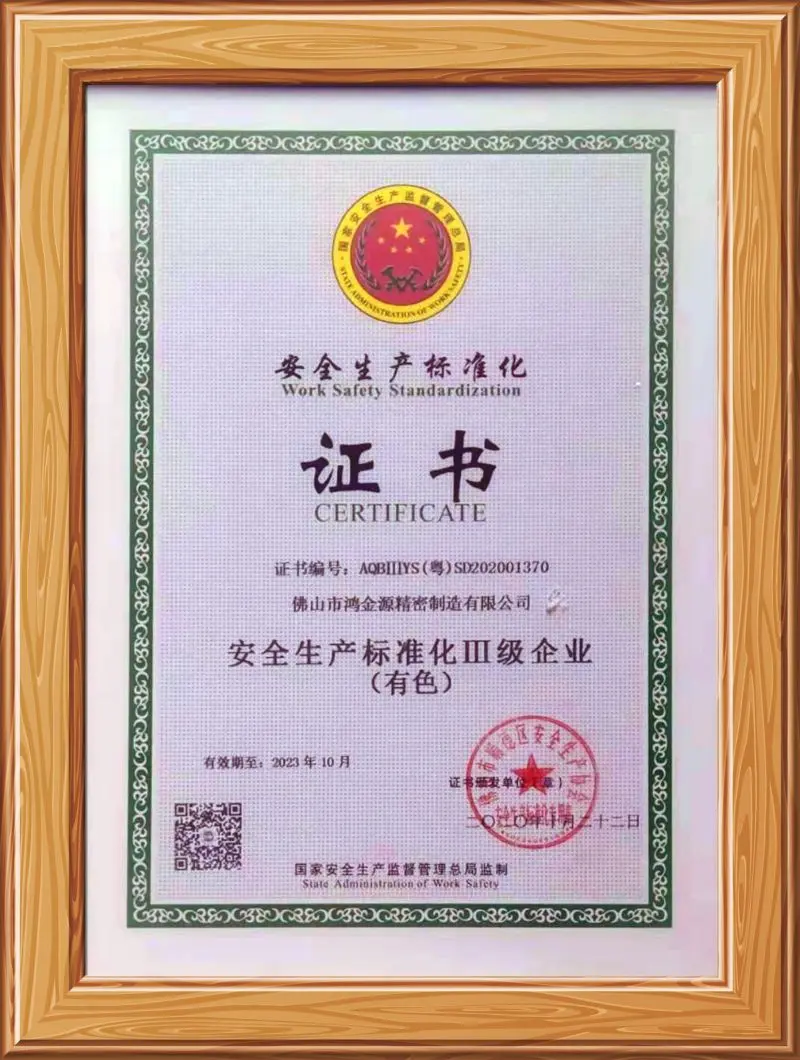
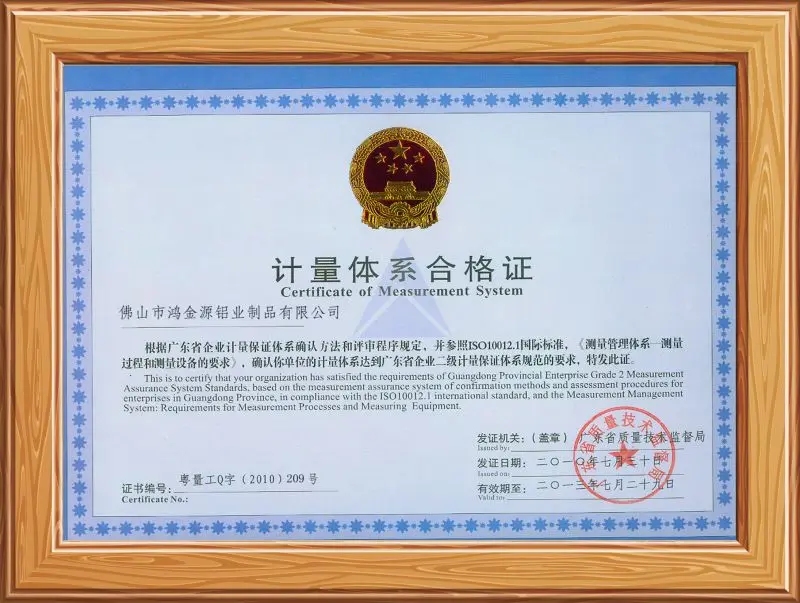
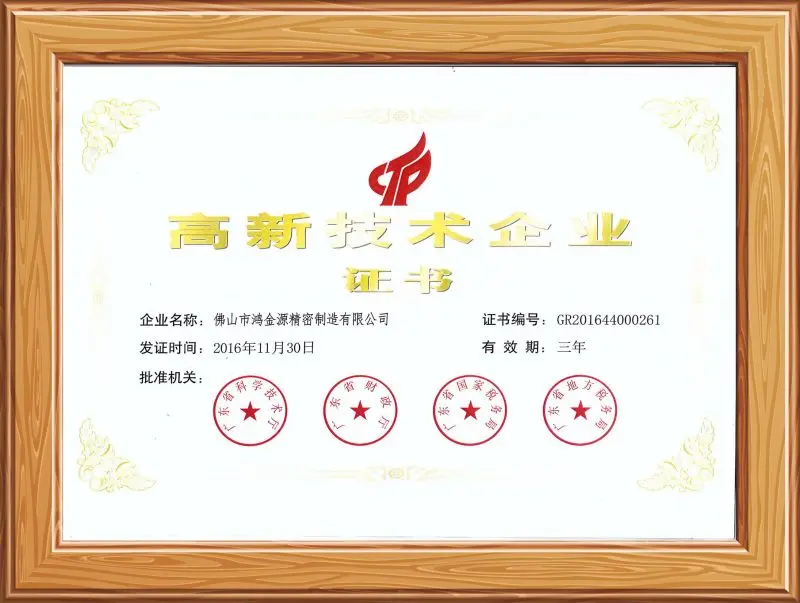
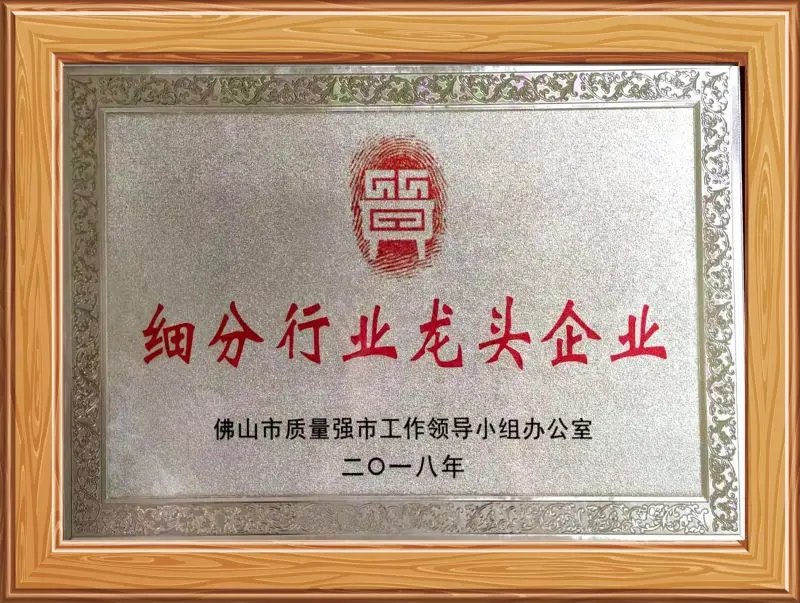
ISO9001, ISO14001, 45001, GRS, and RCV certifications ensure our compliance with international clean production and environmental safety standards.
Technical Insights from Our Engineering & Metallurgy Teams
For high-precision applications, we design and extrude telescopic tubing with sliding tolerances down to ±0.05mm. Standard utility-grade applications typically use tolerances between ±0.15mm and ±0.25mm to allow for surface finishing treatments without binding.
Anodizing adds an oxide layer that increases dimensions: typically 5 to 25 microns per surface, depending on whether it is standard or hard anodizing. We calculate these dimensional changes during the initial mold design and extrusion steps to prevent binding during final assembly.
For applications prioritizing complex geometries and a clean anodized finish, 6063-T5 is ideal. If the application requires high load-bearing capacity and structural stiffness, 6061-T6 is recommended due to its higher tensile and yield strength.
We hold ISO9001, ISO14001, ISO45001, GRS (Global Recycled Standard), and RCV certifications. These audits verify that our materials and manufacturing processes comply with international environmental requirements, including the EU's REACH regulation.
Yes. Our in-house mold design and tooling manufacturing facility allows us to create customized square, rectangular, and internally ribbed profiles. These shapes prevent relative rotation between the telescoping segments while maintaining linear motion.
Explore our high-precision CNC components, custom hinges, and finished framing assemblies.
 HG Precision