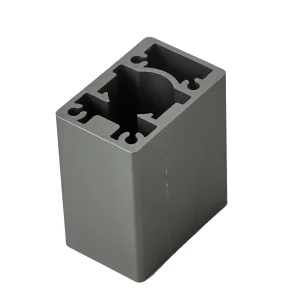
Premium aluminum components manufactured under rigorous ISO standards, engineered for severe structural loading limits.
Analyzing the evolution of aerodynamic design, structural alloys, and ecological demands in the modern automotive supply market.
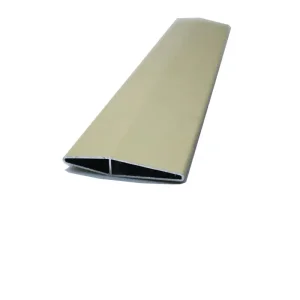
With the rapid transition toward Electric Vehicles (EVs), drag coefficients ($C_d$) represent a critical engineering bottleneck. Contemporary universal roof racks are shifting away from traditional square structural profiles toward dynamic, teardrop-shaped extruded crossbars. This aerodynamic profile minimizes wind noise and preserves EV battery ranges, necessitating high-precision tolerances during custom extrusion.
Aluminum alloys such as 6063-T6 and 6082-T6 have become the structural standard for safety-critical load-bearing profiles. Transitioning parts from heavy carbon steels to structural aluminum profiles maintains ultimate yield strength (up to 250 MPa) while significantly reducing vehicle roof load margins and maintaining mechanical resilience.
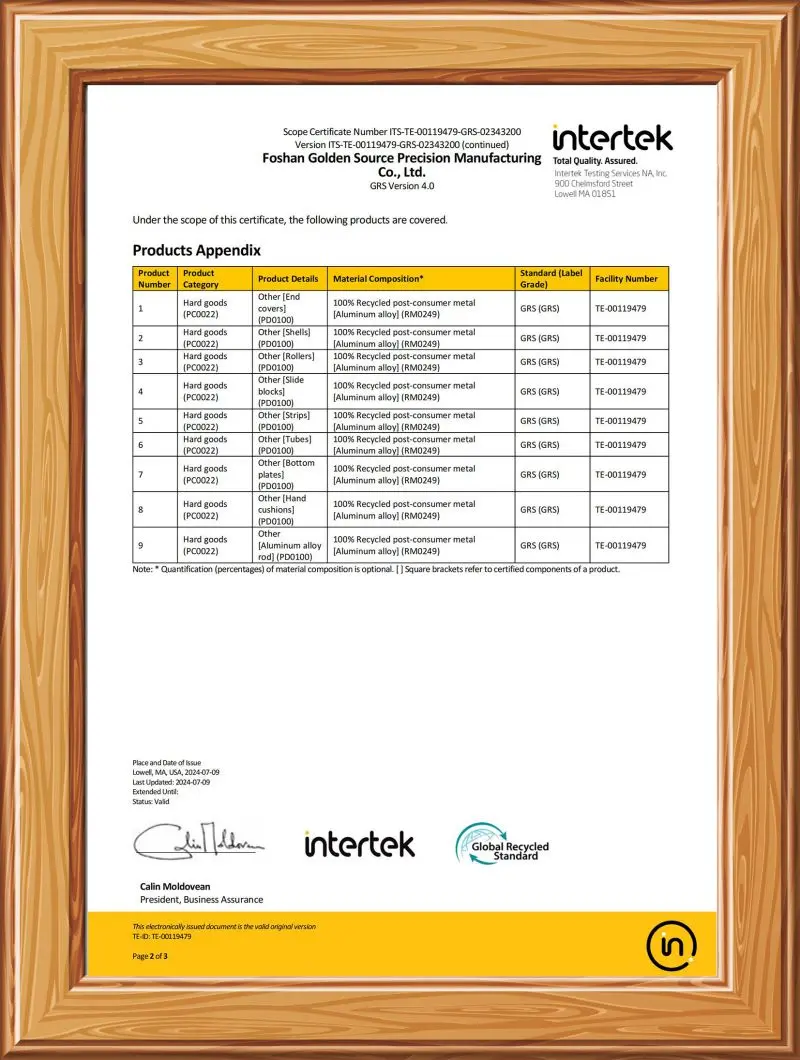
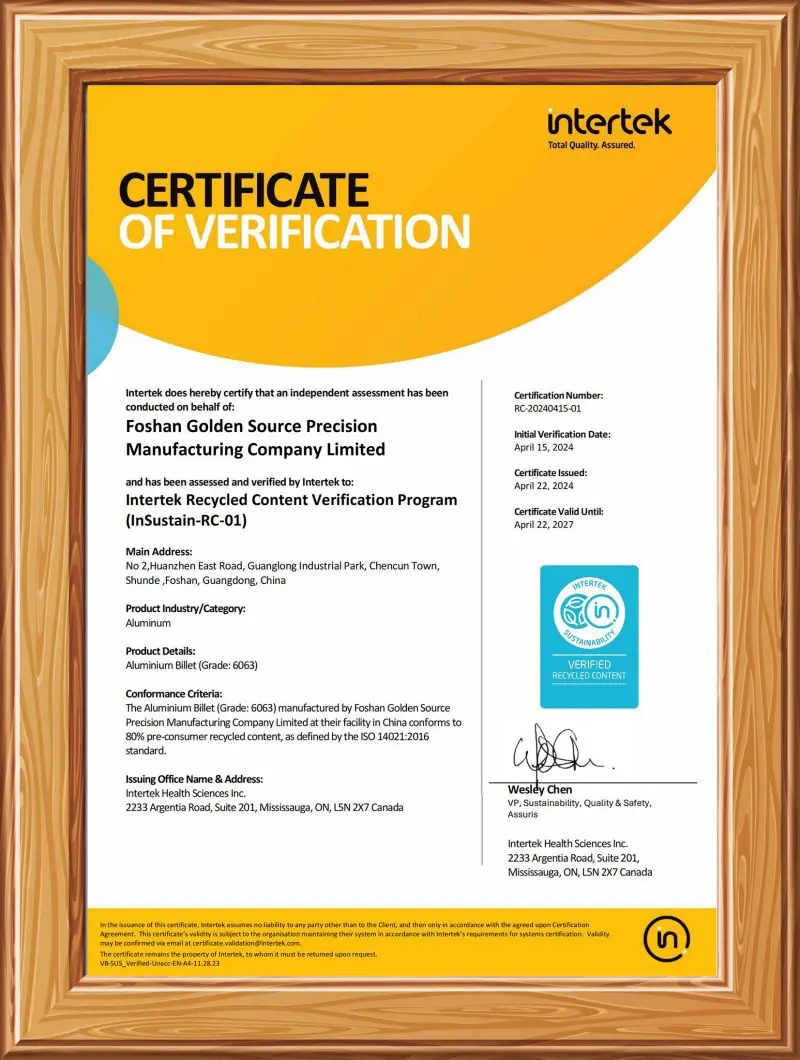
Global regulatory landscapes, specifically within EU markets, heavily favor supply channels verified by Global Recycled Standard (GRS) and REACH compliance. B2B automotive programs increasingly demand traceably sourced, low-carbon post-consumer scrap alloys, aligning corporate infrastructure directly with sustainable and transparent circular supply chains.
Established Industry Presence
Advanced Production Footprint
Alloy Series Cast In-House
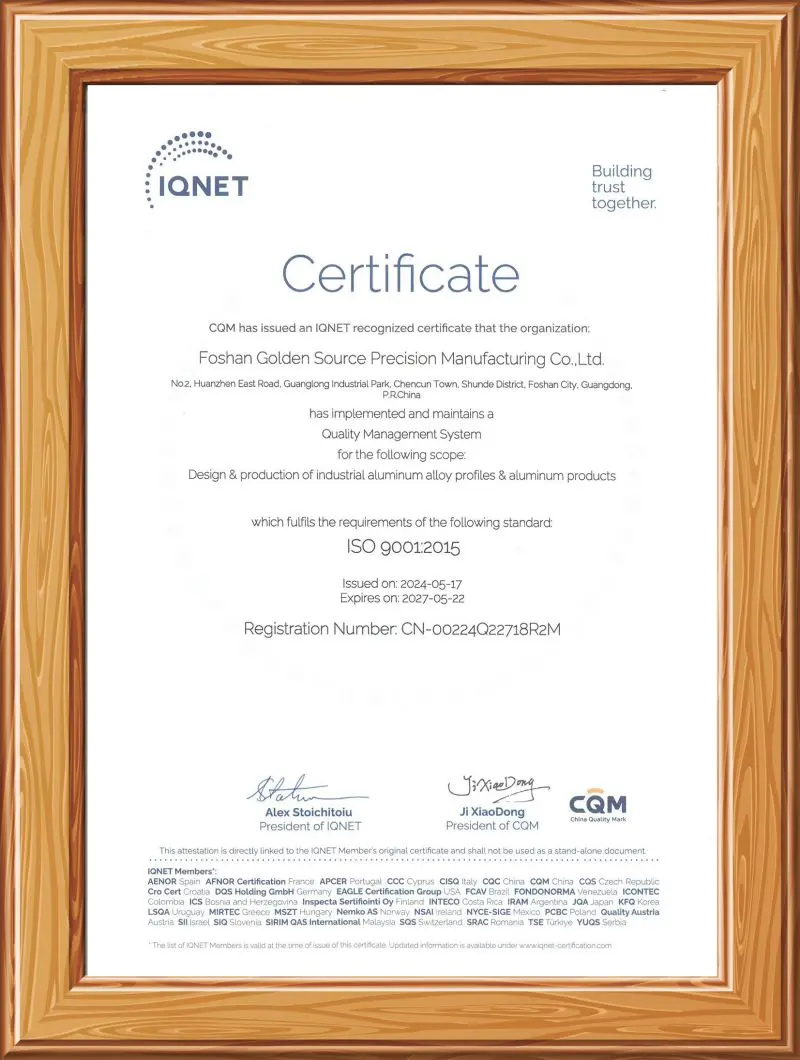
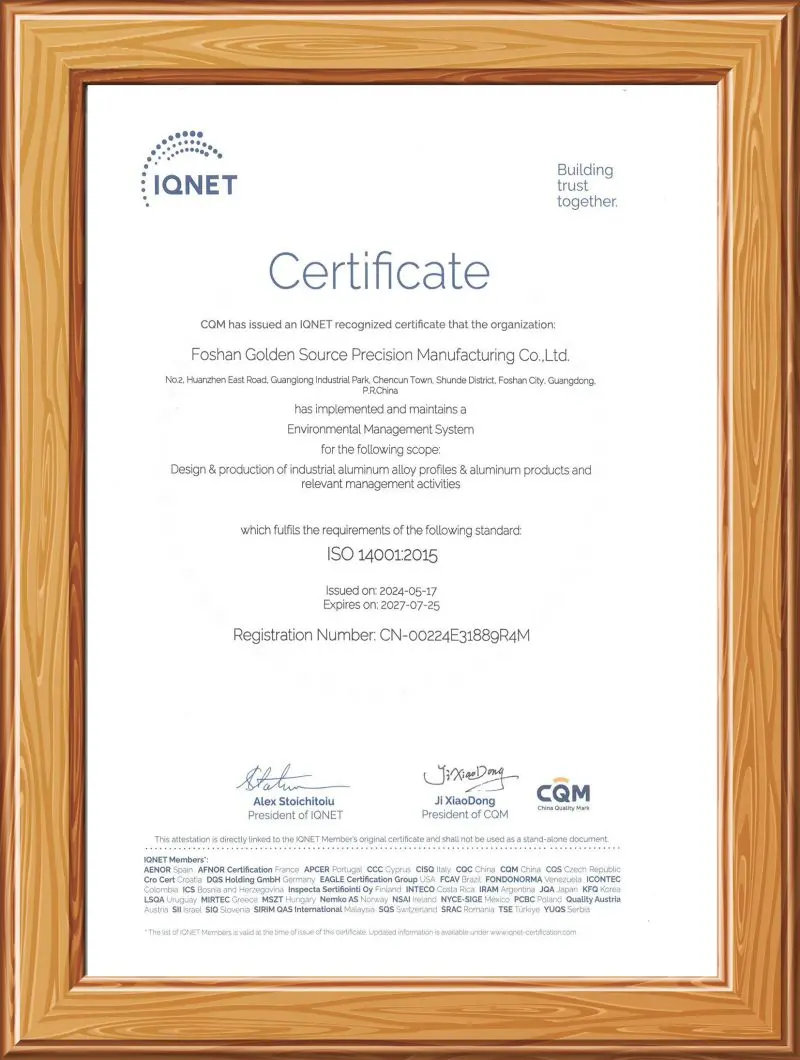
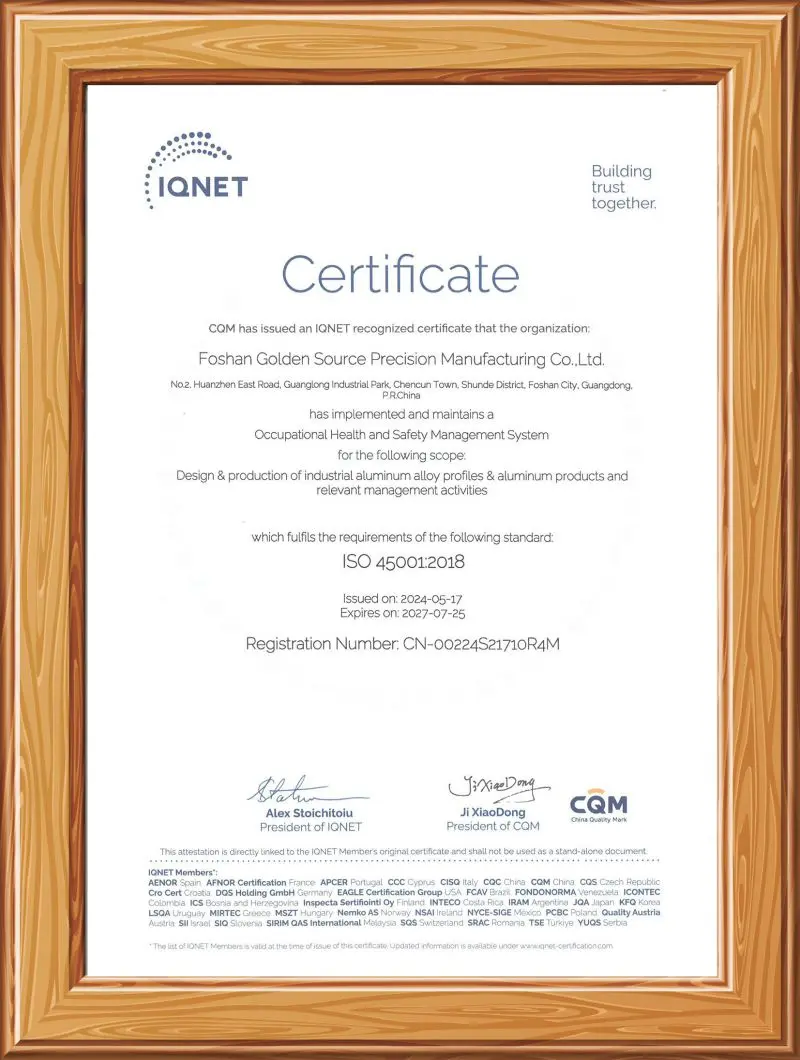
9001, 14001, 45001 Standards
B2B buyers, fleet procurement managers, and specialized overlanding accessory brands operate under strict logistical and safety pressures. Sourcing structural products like multi-fit universal roof racks requires clear compliance, consistent quality control, and scalable logistics.
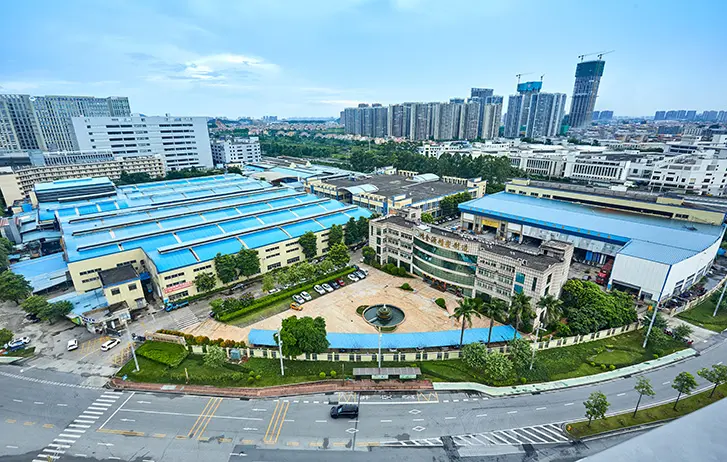
Leveraging internal capacity at Foshan Golden Source to control quality from raw casting to finished custom assembly.
By melting and refining aluminum alloys in-house, composition levels of silicon, magnesium, and iron are strictly regulated. This direct control ensures optimal structural properties and high-purity raw extrusions, forming a clean base for durable anodizing and powder coat finishes.
Completing post-processing steps under one roof eliminates third-party handling risks. Operations including precision cutting, CNC routing, slot punching, structural welding, and custom packaging are performed locally, reducing total lead times and minimizing scrap rates.
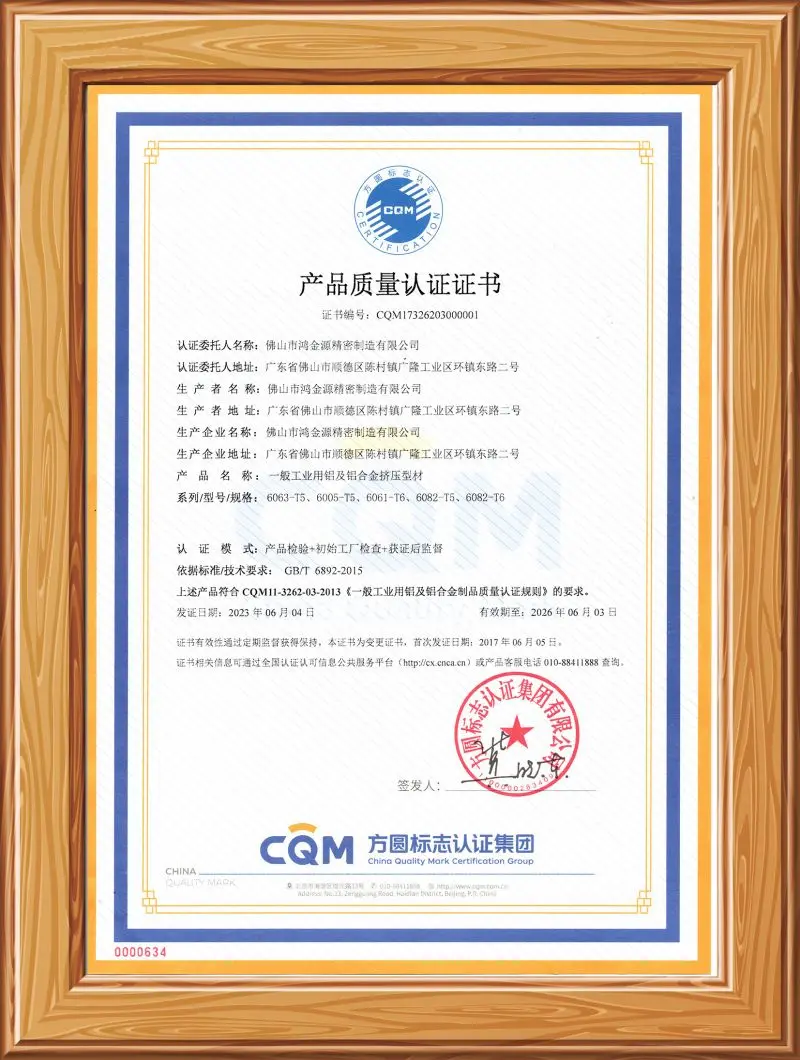
We actively comply with evolving global environmental mandates. Our facilities hold modern ISO 9001, ISO 14001, ISO 45001, RCV, and GRS (Global Recycled Standard) certifications, supporting buyers seeking verified carbon footprint reductions and compliant supply channels.
A reference guide for engineering parameters, structural load capabilities, and material treatment options.
| Specification Parameter | Standard Option / Value | Premium / Heavy-Duty Option | Key Testing & Verification Standards |
|---|---|---|---|
| Alloy Designation | 6063-T5 / 6063-T6 Premium grade | 6082-T6 / 6061-T6 High tensile | ASTM B221, EN 755-2 Mechanical limits |
| Structural Load Limit | 75 kg (165 lbs) dynamic load rating | 150 kg+ (330 lbs) dynamic heavy-duty | ISO PAS 11154 Roof Load Safety compliance |
| Surface Anodizing | 10 - 12μm Sandblast & clear anodized | 15 - 25μm Protective marine-grade film | ASTM B117 Salt spray test (exceeds 480H) |
| Powder Coat Thickness | 60 - 80μm Static electrostatic application | 90 - 120μm Premium outdoor AkzoNobel coat | ISO 2409 Cross-cut tape adhesion testing |
| Aerodynamic Profile Shape | Standard Oval Profile design | Custom engineered low-drag teardrop shape | Wind tunnel testing (Drag Coefficient < 0.28) |
| Slot Integration | Standard T-Slot 20mm interface profile | Custom structural channels for custom bracketry | Go / No-go gauge slot clearance check (±0.05mm) |
How universal roof rack structural systems adjust to regional demands, off-road applications, and fleet requirements.
Overlanding in NA environments demands robust utility cargo setups. Rooftop tents, structural recovery boards, and heavy fuel packs place high static loads on rack channels. These platforms rely on heavy-duty T-slot extrusions and high yield strength (T6 temper) to handle torsional stress from rough, unpaved off-road routes.
European commercial fleets operate under strict height, noise, and fuel efficiency mandates. Lightweight roof racks are optimized for low aerodynamic drag, reducing cabin noise at highway speeds. They must also comply with REACH standards and secure CE certification to meet safety regulations.
Australian driving conditions expose vehicles to intense heat, high UV, and salty coastal winds. Universal racks destined for this region require thick anodized coatings (often combined with UV-stabilized powder coatings) to protect the metal from corrosion and premature wear in harsh environments.
An overview of cost variables, alloy pricing indices, tooling processes, and quantity-based volume scales.
Base raw materials are priced according to London Metal Exchange (LME) aluminum spot rates. High-purity casting in our local foundry manages alloy compositions to control chemical makeup, providing stable pricing for production lines.
Initial production runs require custom extrusion tooling dies. Depending on shape complexity and T-slot specifications, die creation takes 10 to 18 days. The setup costs are amortized over larger production volumes.
Applying finishes like anodizing or architectural powder coats affects cost structures. Advanced CNC processes like drilling, slot milling, and deburring are billed by cycle time, which varies by structural complexity.
Direct answers to questions regarding material specifications, load ratings, tooling lead times, and factory processes.
6063 aluminum offers excellent surface finish characteristics, corrosion resistance, and extrusion performance. It is well-suited for the complex, aerodynamic shapes and smooth T-slots required for roof rack crossbars. When heat-treated to a T6 temper, 6063 provides a yield strength of around 214 MPa, ensuring structural safety for dynamic roof loads while maintaining clean aesthetics.
Universal roof racks must meet safety guidelines such as ISO/PAS 11154, which specifies test methods and requirements for roof carriers. Testing includes static pull forces, dynamic crash tests (like city crash tests), and environment aging tests (ASTM B117 salt spray for corrosion resistance and UV testing for powder coatings).
Refining the raw alloy composition in our own casting plant allows us to control the ratios of elements like iron, silicon, and magnesium. Reducing impurities prevents surface defects and structural variations, creating extrusion profiles that respond uniformly to anodizing and coating treatments.
Standard tooling creation and die development take between 10 and 15 days, depending on profile complexity. After die verification, initial sample extrusions are produced and finished within 5 to 7 days. Once the samples are approved, volume production typically begins in 20 to 25 days.
Our manufacturing processes carry ISO 9001, ISO 14001, ISO 45001, GRS (Global Recycled Standard), and RCV certifications. Our aluminum profiles comply with EU REACH regulations, preventing import delays and assisting buyers in meeting their environmental procurement targets.
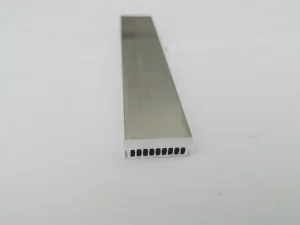
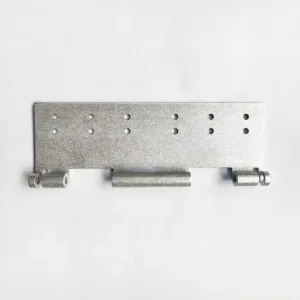
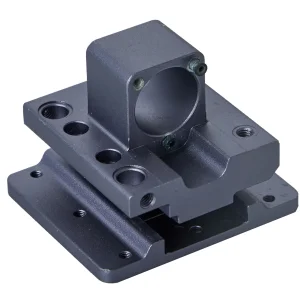
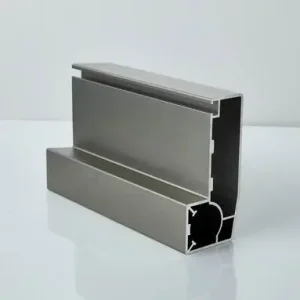
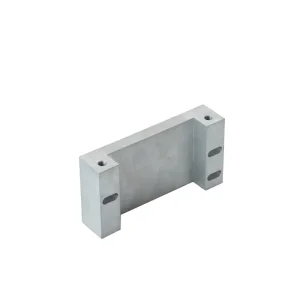
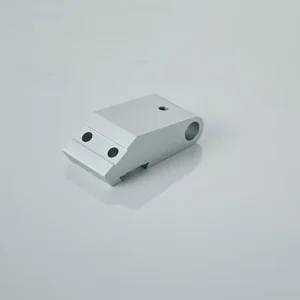
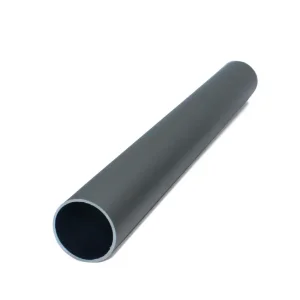
Premium OEM-designed industrial extrusions, connector mounts, and sub-assembly profiles.
Established in 1991, Foshan Golden Source is a professional manufacturer of high-strength, high-precision, customized aluminum profiles, precise machining parts, welded structures, and assembled products. Our modern, environmentally friendly production facility spans over 73,000 square meters.
We offer integrated, one-stop services including alloy casting, mold research & development, profile extrusion, CNC machining, welding, assembly, and surface treatment. We work with a wide range of aluminum series (1XXX, 3XXX, 5XXX, 6XXX, 7XXX) to meet the diverse needs of the hardware tool, automotive, rail transport, furniture, and outdoor equipment industries.
In-house melting ensures precise control over compositions for physical strength and anodizing purity.
Anodizing, coating, and assembly completed under one roof to manage manufacturing costs.
Streamlined workflows maintain consistent project schedules and lead times.
Our plant complies with ISO 9001, ISO 14001, ISO 45001, GRS, and RCV standards, ensuring environmental compliance with EU regulations.
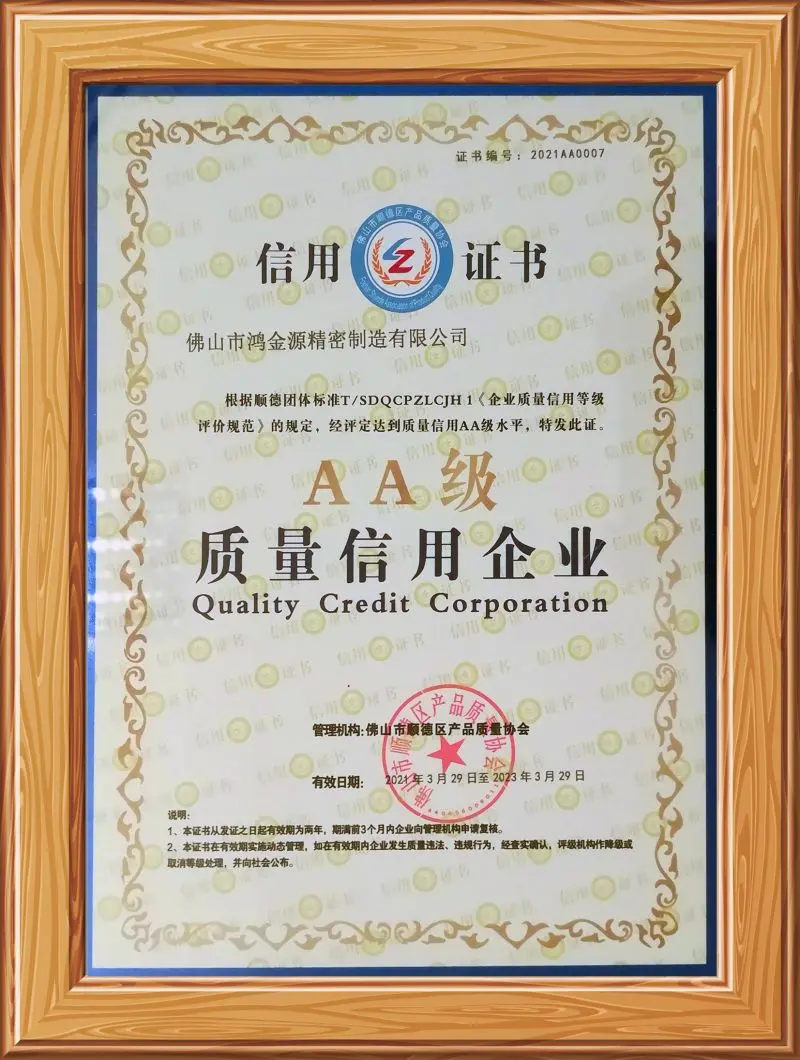
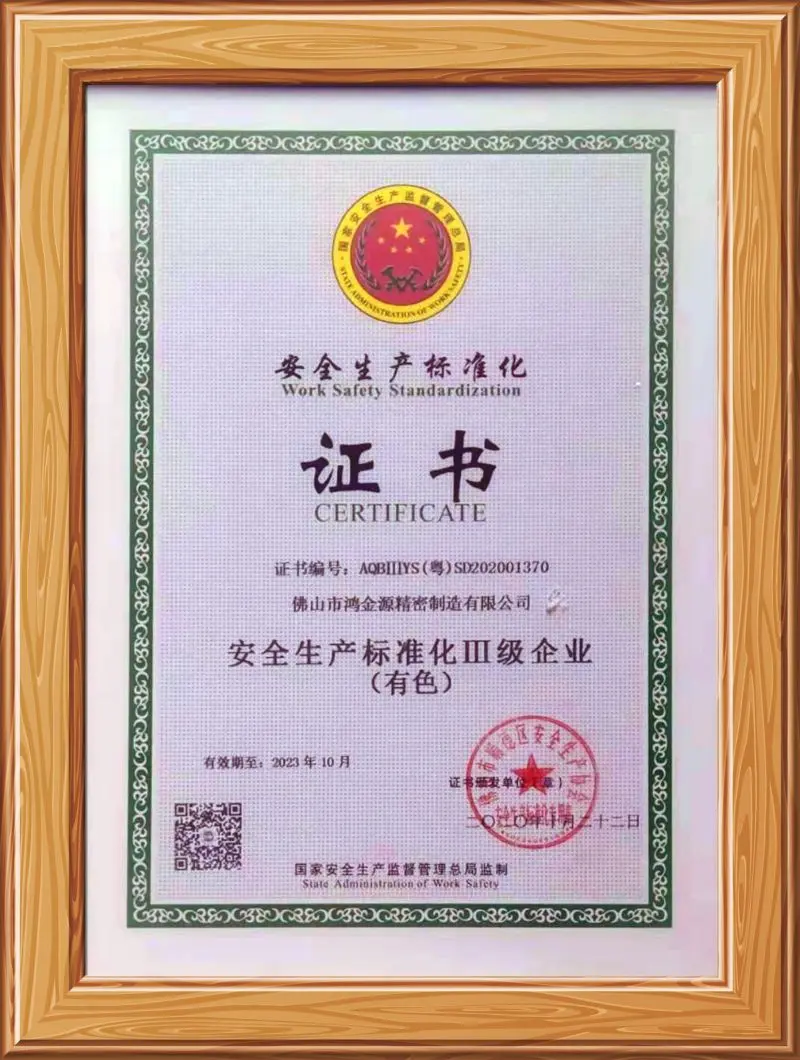
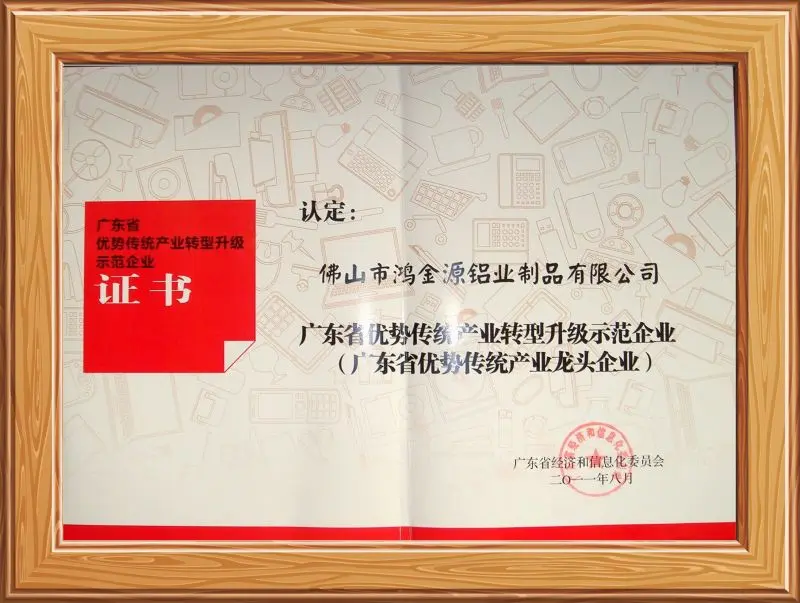
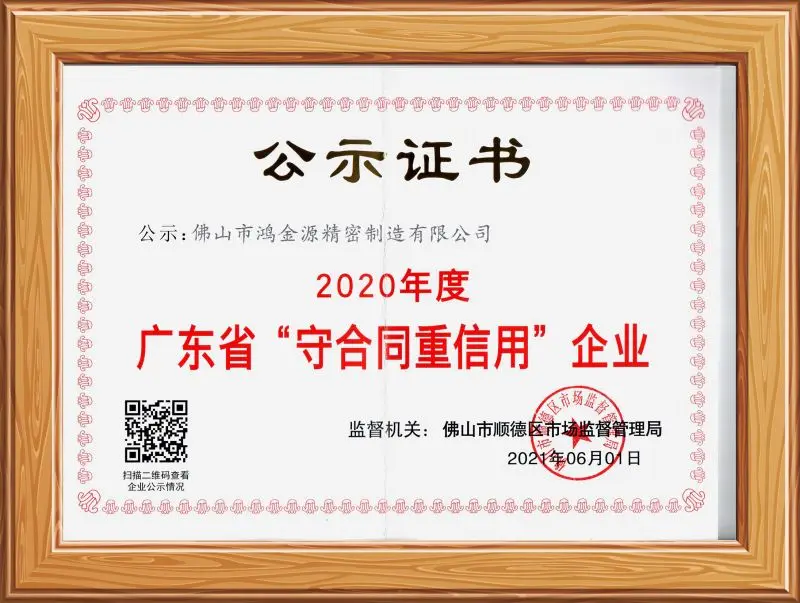
A history of performance milestones, safety awards, and manufacturing recognitions.
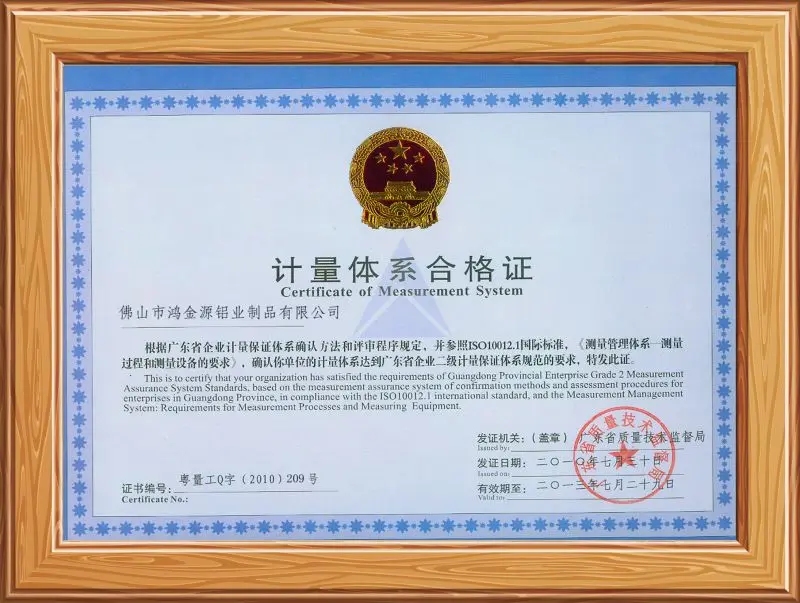
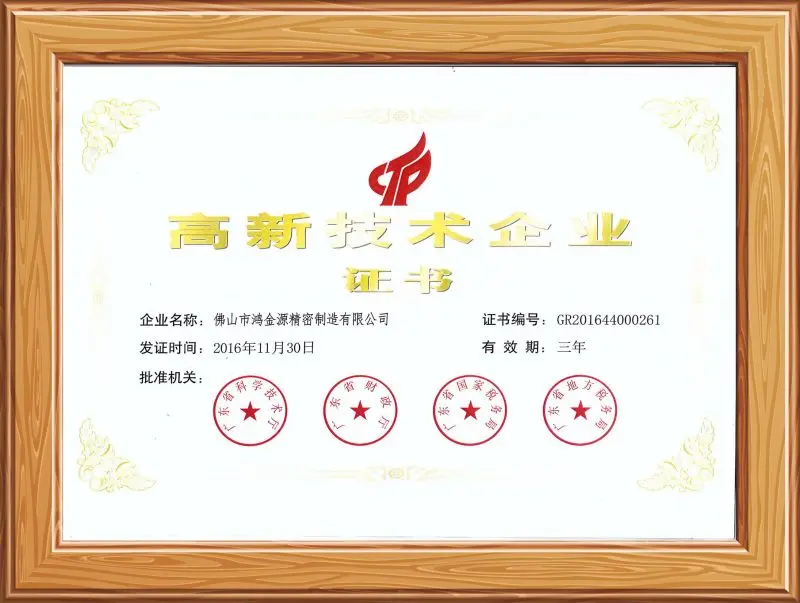
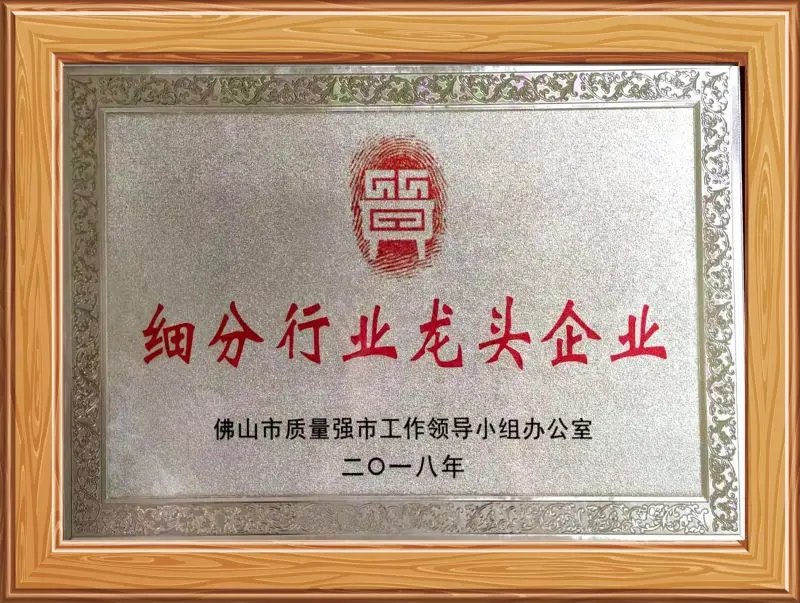
 HG Precision