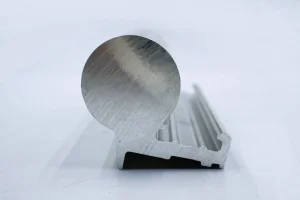
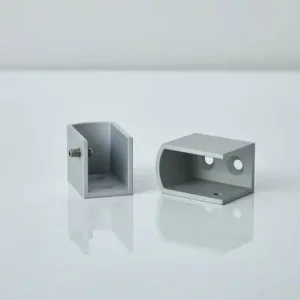
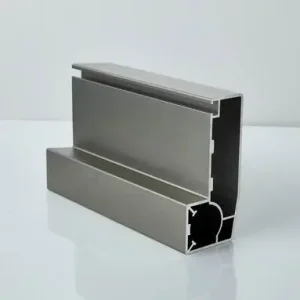
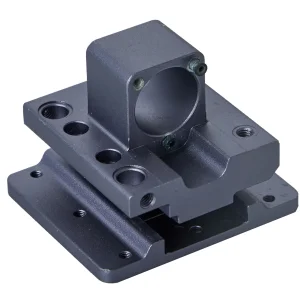
Explore our premium architectural, structural, and custom-machined aluminum profiles manufactured to strict tolerances.
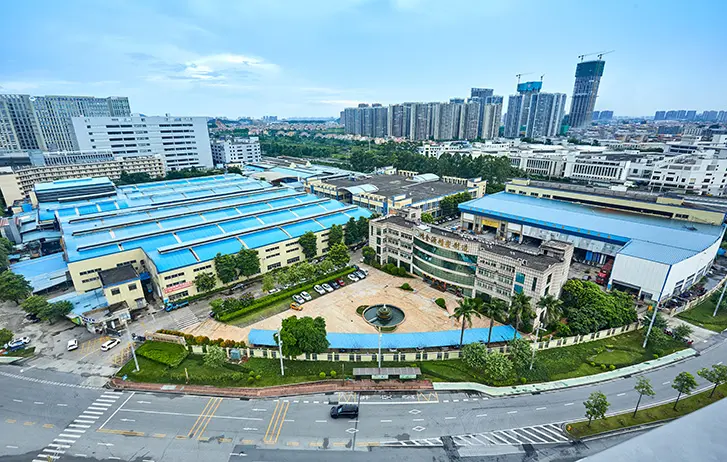
Foshan Golden Source Precision Manufacturing Co., Ltd is an industry-leading manufacturer specializing in high-strength, high-precision, customized aluminum profiles and precise machining parts, welded assemblies, and complete structural aluminum products. Spanning a modern, eco-friendly production facility exceeding 73,000 square meters, we provide a complete, vertically integrated one-stop manufacturing process.
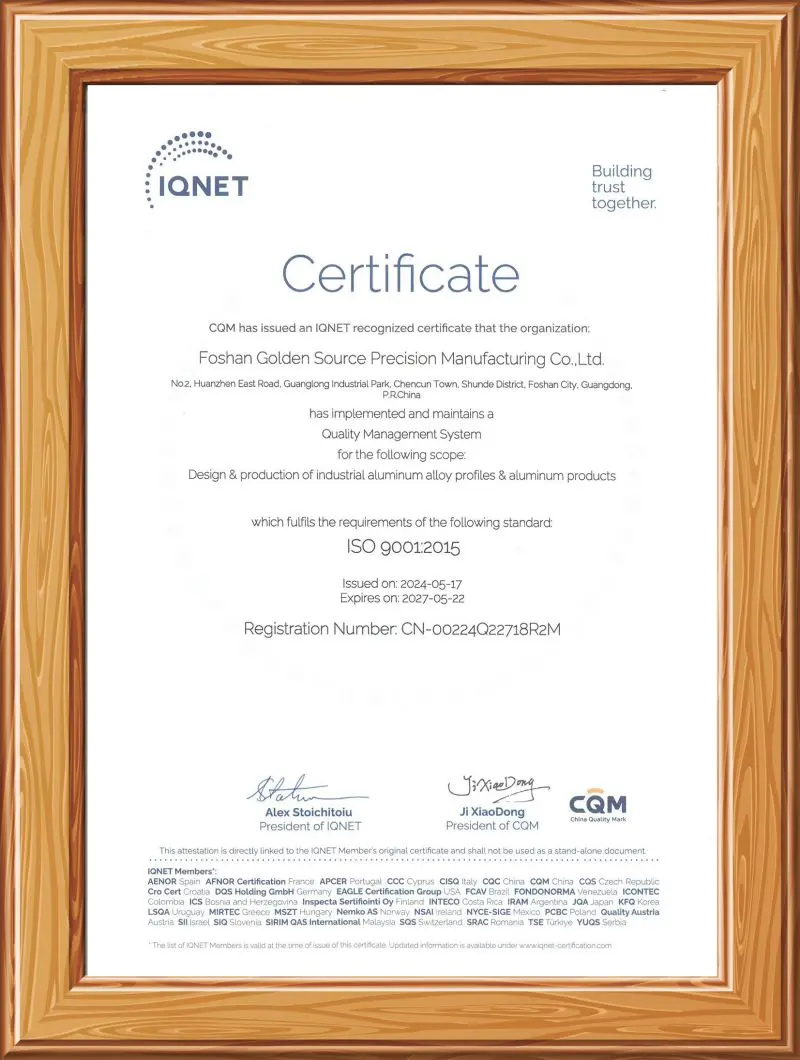
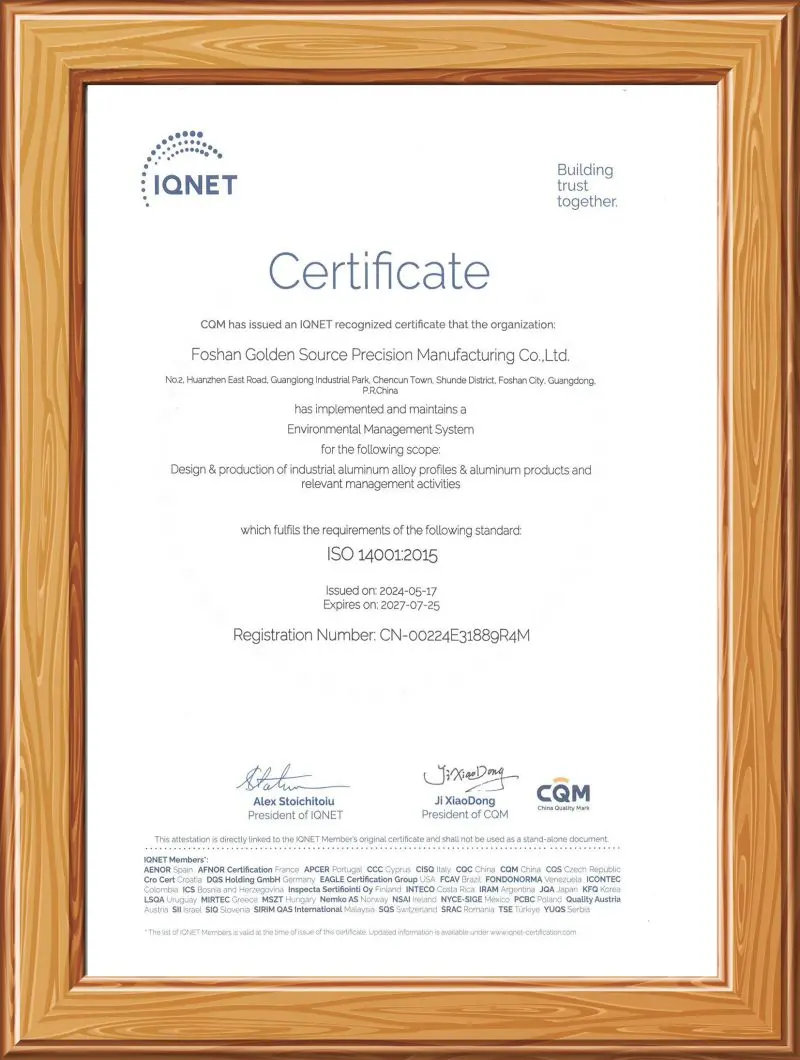
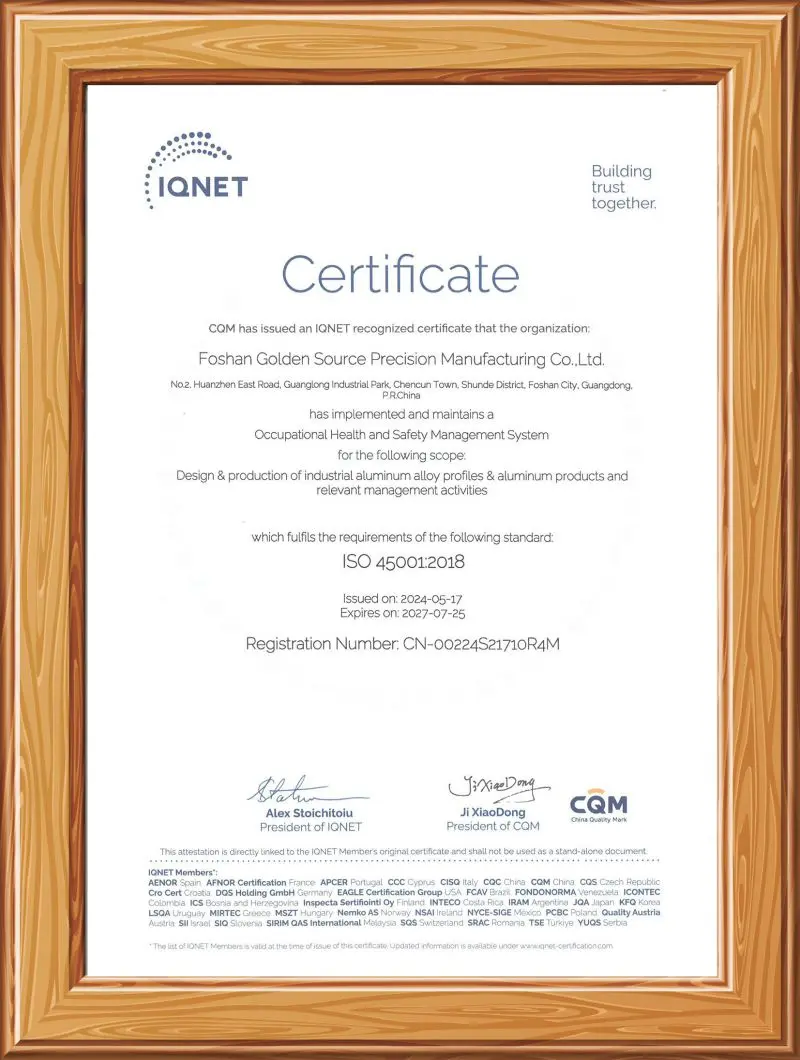
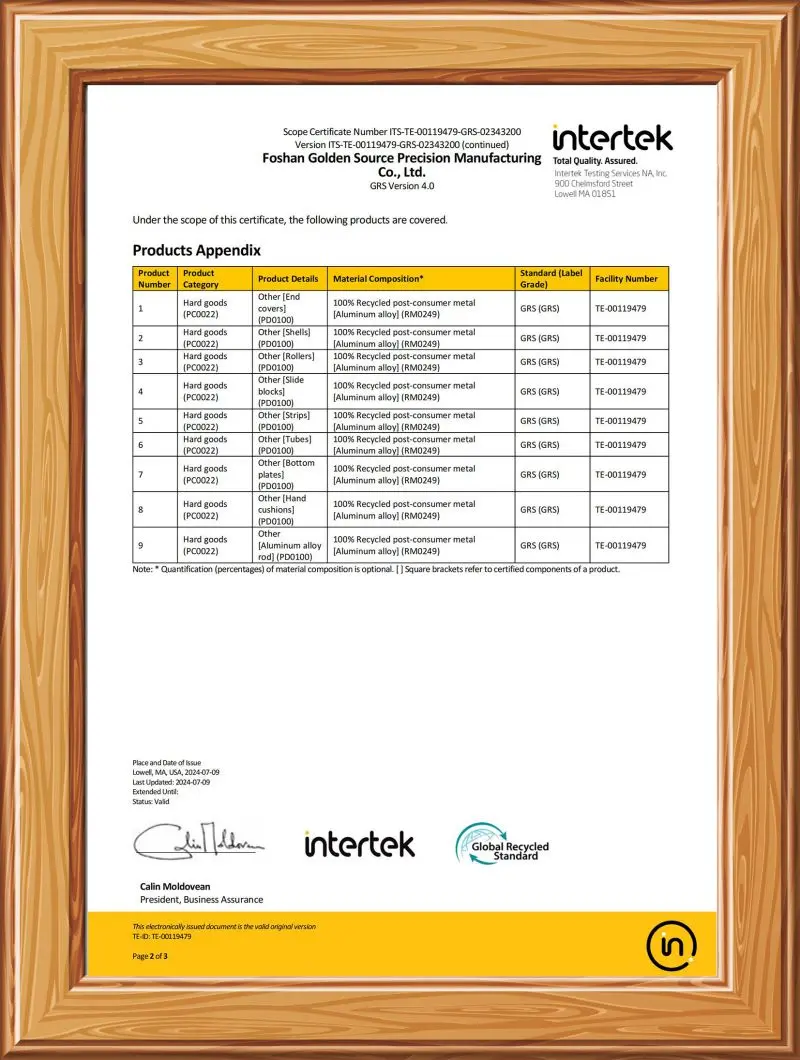
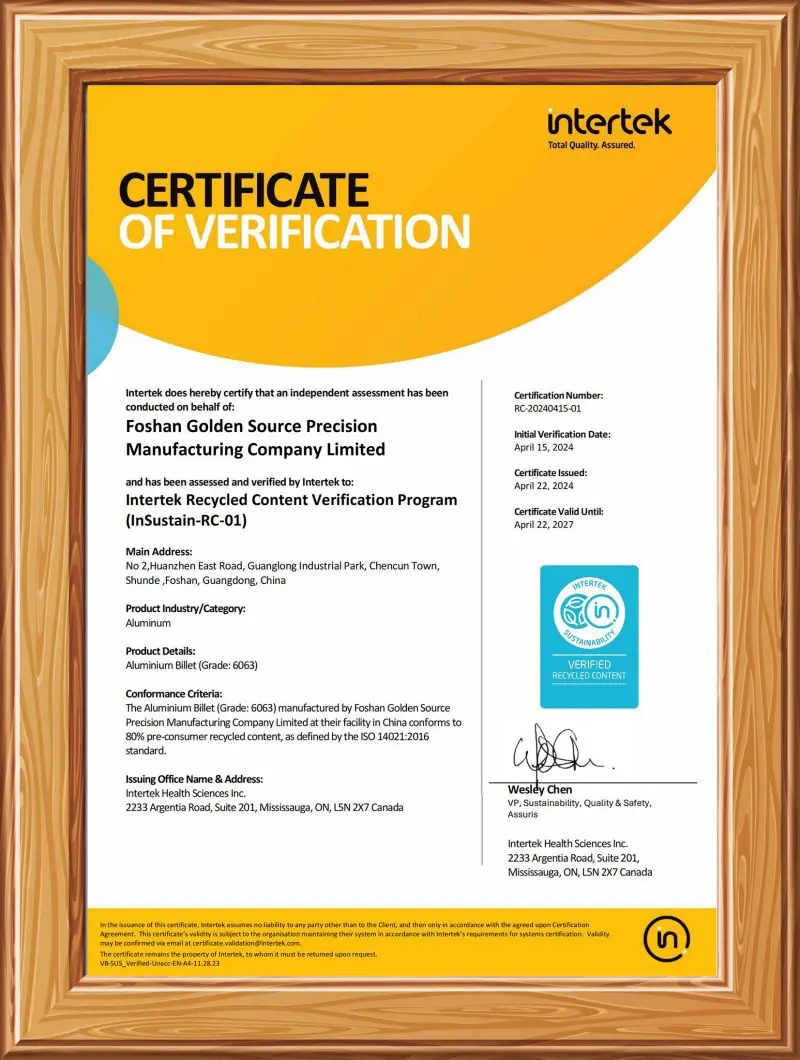
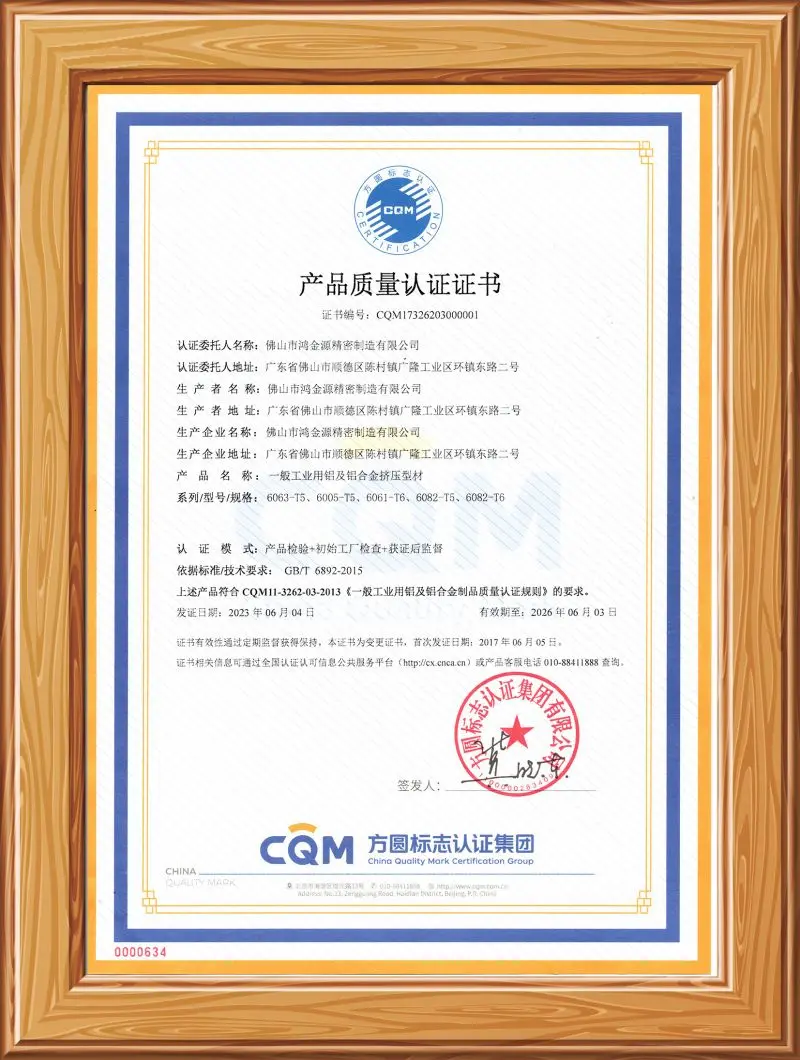
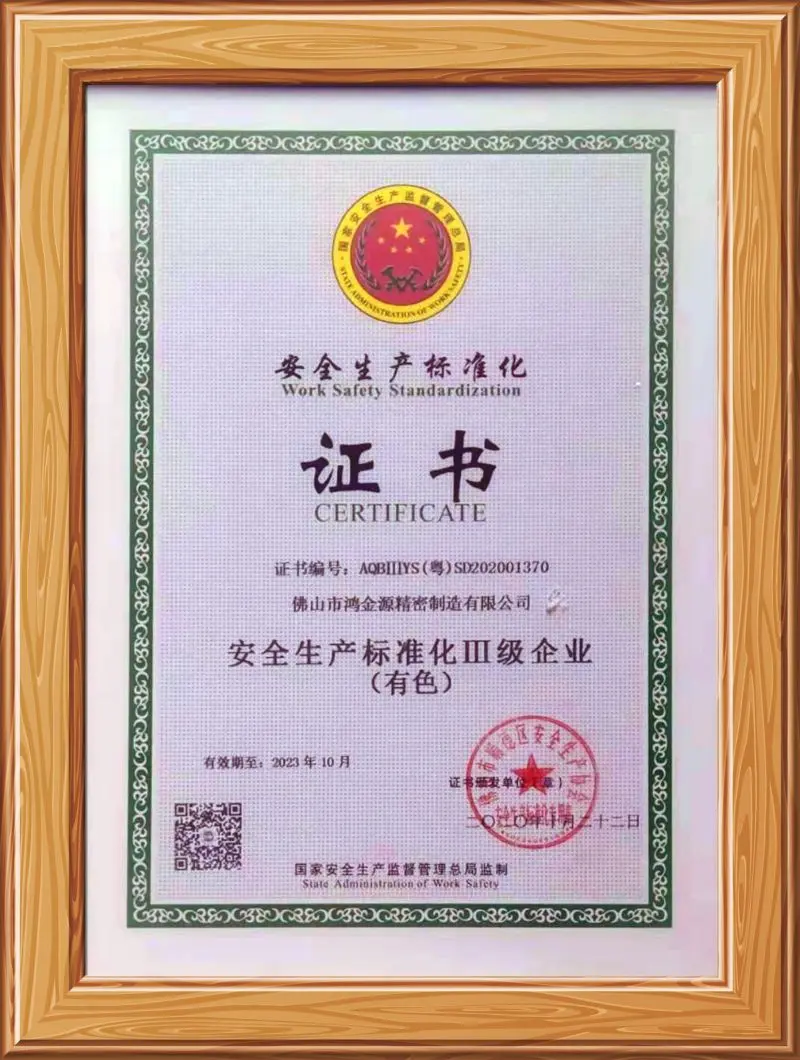
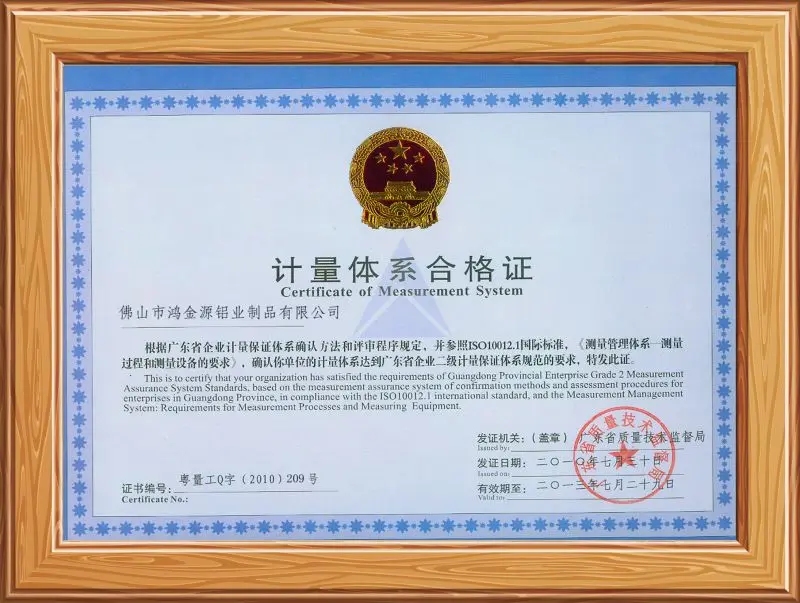
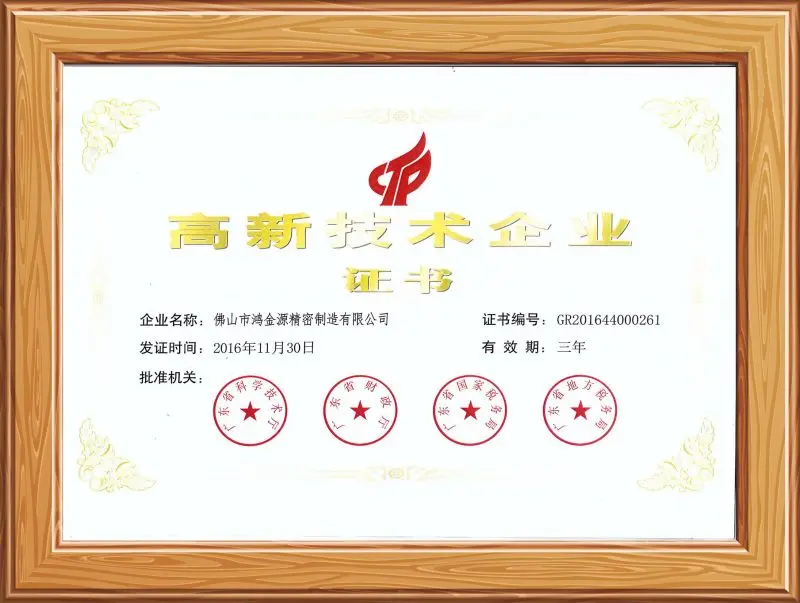
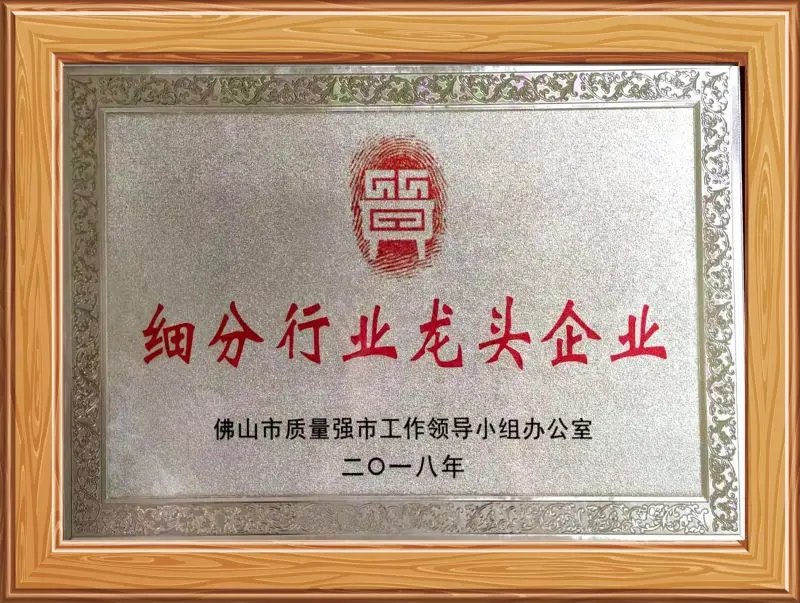
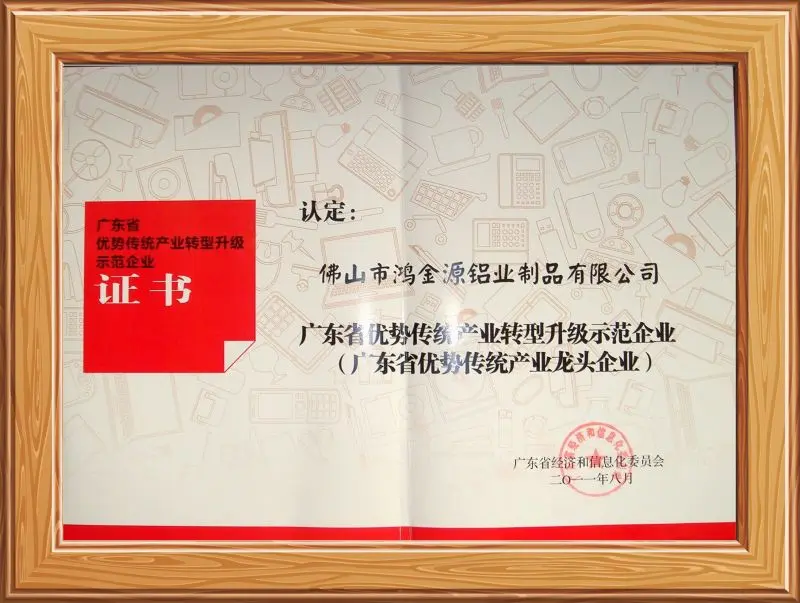
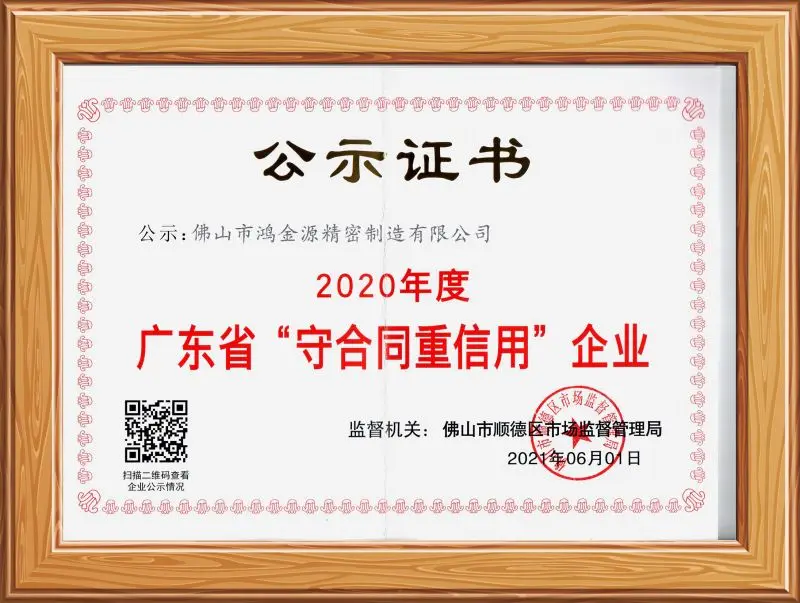
Our in-house capabilities encompass alloy casting, mold research & design, tool building, aluminum extrusion, precision CNC machining, welding, surface treatments, and testing. Guided by environmental standards, our facility and management systems carry official ISO9001, ISO14001, ISO45001, RCV, and GRS (Global Recycled Standard) certifications, fully conforming with European REACH and RoHS regulations.
A technical overview of heat sink optimization, alloy thermodynamics, and fabrication methodologies.
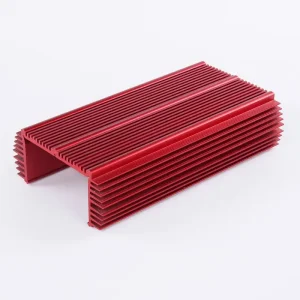
Aluminum extrusions remain the primary method for thermal management in modern power electronics. Due to its outstanding thermal conductivity (exceeding 200 W/m·K for select alloys) and lightweight profile, extruded aluminum enables cost-efficient heat dissipation. Achieving optimal performance requires careful optimization of the fin profile, spacing, and aspect ratio.
In high-density electronics, maximizing the surface area of the fins directly enhances convective heat transfer. However, if the spacing between the fins is too narrow, natural convection is impeded by boundary layer interference, which increases thermal resistance. Conversely, if the fins are too thick, they add unnecessary weight and cost without improving heat rejection. Our engineers design tooling that achieves high aspect ratios (ratio of fin height to fin gap) up to 20:1 or higher using specialized high-strength extrusion techniques.
| Aluminum Alloy Group | Typical Thermal Conductivity (W/m·K) | Tensile Strength (MPa) | Best Application Fields |
|---|---|---|---|
| 6063-T5 / T6 | 200 - 209 | 186 - 230 | Complex geometry heat sinks, standard profiles, electronic housings |
| 6061-T6 | 167 - 180 | 290 - 310 | High-structural-load parts, heavy industrial heat sinks, automotive structural components |
| 1050 / 1060 | 220 - 230 | 75 - 110 | Pure thermal transfer pads, highly formable fins, non-structural heat pipes |
The global push for green technology, electrification, and high-speed data transmission has created a surge in the demand for customized heat sink aluminum extrusions. Different regions face unique operational challenges, requiring tailormade thermal profiles to withstand local conditions.
Foshan Golden Source Precision Manufacturing Co., Ltd stands as a key partner in the international aluminum supply chain. By housing all production stages under one roof within our 73,000-square-meter facility, we eliminate the transit delays, handling fees, and quality fluctuations common to fragmented manufacturing processes.
Our vertically integrated workflow follows a structured progression:
As microprocessors shrink and heat densities rise, traditional solid aluminum heat sinks must adapt. The future of thermal management lies in hybrid designs that combine active fluid dynamics with advanced metallurgy.
Our engineering team is actively researching two primary pathways: Micro-channel liquid cooling loops and vapor chamber integration. By combining thin-walled extruded channels with internal fluid flow, our cooling blocks dissipate heat loads exceeding 500W/cm². Additionally, we are incorporating recycled aluminum alloys to meet global carbon neutrality goals without compromising structural strength or thermal performance.
Why Tier-1 industrial brands choose Foshan Golden Source as their thermal management manufacturing partner.
We melt and cast the alloy in-house. This allows us to adjust compositions for optimal physical properties, high thermal transfer coefficients, and excellent surface purity for anodizing.
CNC machining, precision deburring, and advanced surface finishes are completed in-house. This reduces intermediate handling, maintains strict quality control, and helps lower the unit cost.
Our integrated manufacturing line enables faster turnarounds. Eliminating the need to ship parts between separate casting, extruding, machining, and plating shops reduces lead times by up to 30%.
Holding key certifications like GRS and RCV to meet strict global environmental regulations.
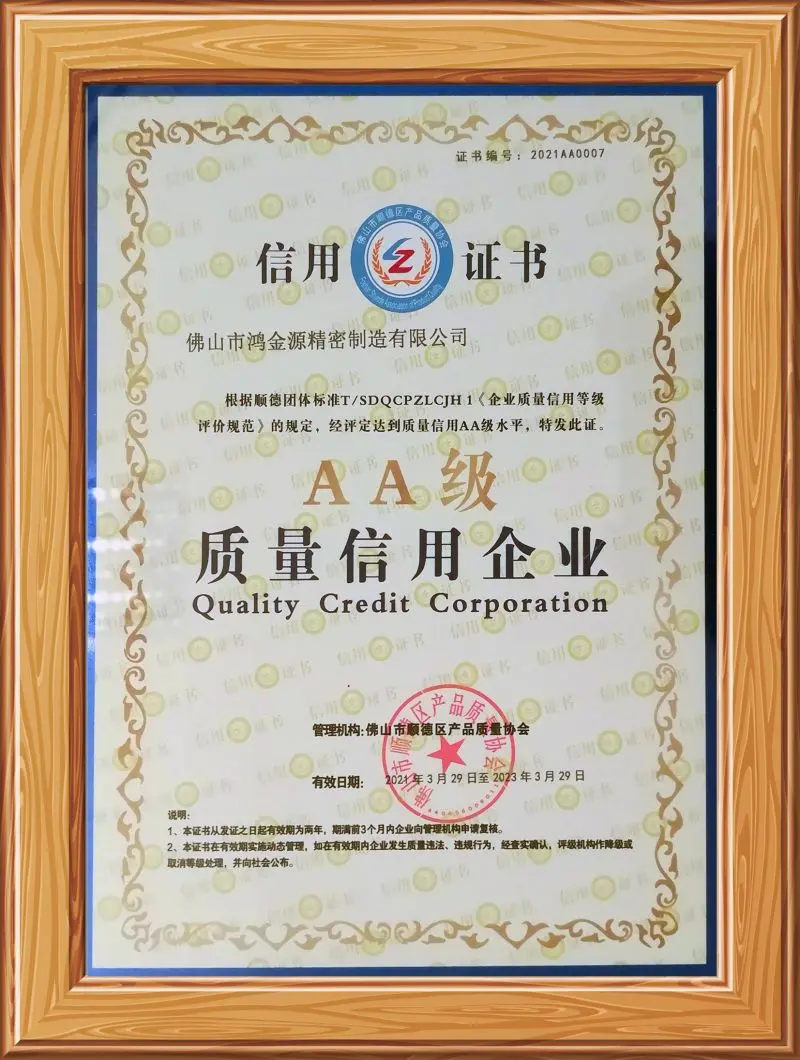
Our manufacturing plant operates under ISO9001, ISO14001, and ISO45001 standards. To align with international environmental directives, we have secured GRS (Global Recycled Standard) and RCV certifications, verifying the sustainability and traceability of our raw materials. These credentials enable our partners to comply with EU REACH, RoHS, and local green building and manufacturing regulations.
Clear, technical answers to common questions about extruded aluminum heat sinks.
Browse our selection of specialized housings, custom clamps, and high-strength industrial assemblies.
 HG Precision