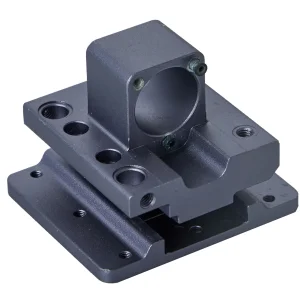
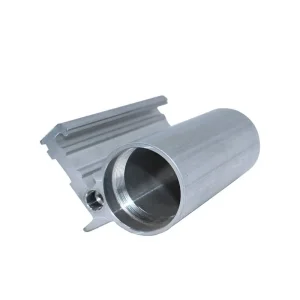
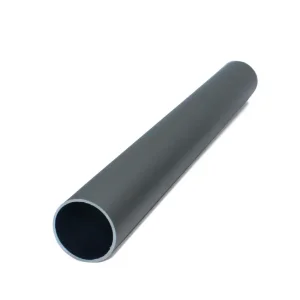
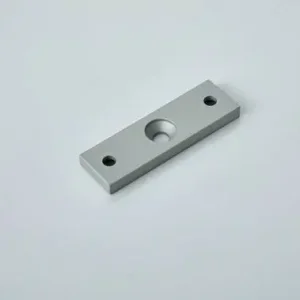
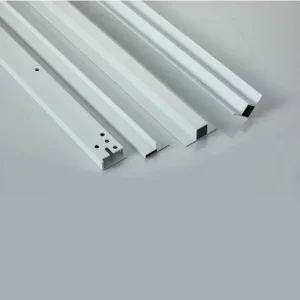
Explore our high-precision structural products manufactured under rigorous ISO standards, engineered for durability and architectural performance.
In modern architecture and premium interior fit-outs, the materials paradigm is undergoing an unprecedented structural shift. Historically dependent on wood, steel, and plastics, the high-end residential and commercial furniture sectors are actively moving toward precision furniture aluminum profiles. This shift is driven by mechanical physics, structural sustainability, and visual minimalism.
From an engineering perspective, modern aluminum alloys (most notably the 6000-series family) provide an incomparable strength-to-weight ratio. They enable interior architects to design ultra-thin, load-bearing frameworks for kitchen cabinets, floor-to-ceiling glass systems, smart storage fixtures, and architectural lighting ducts. This lightweight composition reduces overall building deadweight while allowing modular systems to be easily assembled and configured on-site. It also minimizes structural wear and tear on adjacent hardware systems such as hinges, runners, and sliding tracks.
Concurrently, macro environmental mandates, particularly the EU’s Circular Economy Action Plan, are shaping product lifecycles. Global furniture brands and institutional developers must transition to materials that are infinitely recyclable without compromising structural integrity. Aluminum extrusions meet these green standards perfectly. As furniture factories transition to meet strict GRS (Global Recycled Standard) and EU REACH guidelines, selecting suppliers with verified raw billet sourcing has become a commercial necessity. High-purity recycled aluminum reduces carbon footprints by up to 95% compared to primary ingot production, positioning certified suppliers as critical nodes in modern sustainable supply chains.
Achieving structural stability and immaculate surface finishes requires absolute control over metallurgical variables. Most aluminum factories operate strictly with standard pre-melted commercial billets. However, premium applications—such as sandblasted grey anodized parts, active noise-cancelling heat sinks, and tight-tolerance hardware components—require custom raw alloy formulations. Controlling the chemistry of the melt directly prevents surface defects like structural streaking, micro-cracking, and uneven anodization coloring.
For example, in the widely utilized 6063-T5 and 6063-T6 structural systems, the ratio of Magnesium (Mg) to Silicon (Si) must be precisely balanced. This ratio optimizes the precipitation of magnesium silicide ($Mg_2Si$) during heat treatment. Too much silicon yields a brittle structure prone to stress fracture under CNC milling, while excessive magnesium dulls the surface finish during subsequent chemical polishing or anodizing. By smelting alloys in-house, manufacturing operations can adjust chemical compositions to guarantee material ductility, clean anodizing aesthetics, and uniform color absorption.
| Alloy Series | Key Elements | Primary Physical Properties | Common Furniture & Industrial Applications |
|---|---|---|---|
| 1XXX Series | Pure Al (≥99%) | Maximum thermal & electrical conductivity, high ductility, lower yield strength. | Electrical conductors, heat shield foils, decorative trim. |
| 3XXX Series | Manganese (Mn) | Excellent corrosion resistance, moderate strength, high formability. | Structural tubing, cooling pipes, decorative sheet panels. |
| 5XXX Series | Magnesium (Mg) | Superior marine resistance, high tensile strength, great weldability. | Outdoor marine accessories, structural brackets, load-bearing frames. |
| 6XXX Series | Mg & Si | Excellent balance of strength, extrusion speed, and high-quality anodizing response. | Kitchen cabinet profiles, CNC-machined hinges, structural tracks, electronic casing. |
| 7XXX Series | Zinc (Zn) | High strength comparable to structural steels, excellent fatigue limits. | High-stress structural brackets, heavy-duty gate closers, safety fixtures. |
The tempering process is equally critical. The T5 temper (cooled from an elevated temperature shaping process and artificially aged) provides excellent dimensional stability and ease of processing. This is ideal for intricate kitchen cabinet profiles and detailed structural trim. The T6 temper (solution heat-treated and artificially aged) undergoes a secondary heat cycle, maximizing mechanical performance and tensile strength. This is necessary for high-load applications like active noise-cancelling heat sink housings, gate closers, and heavy-duty structural hinges.
Our 30+ year journey in high-precision, customized aluminum extrusions and structural fabrication.
Established in 1991, Foshan Golden Source Precision Manufacturing Co., Ltd is a premier manufacturer of high-strength, high-precision, customized aluminum profiles and custom machined components. Operating a modern, eco-friendly manufacturing base spanning over 73,000 square meters, we deliver a true vertical, one-stop solution. This integrated workflow spans alloy casting, die research and manufacturing, extrusion, CNC machining, welding, surface finishing, and assembly.
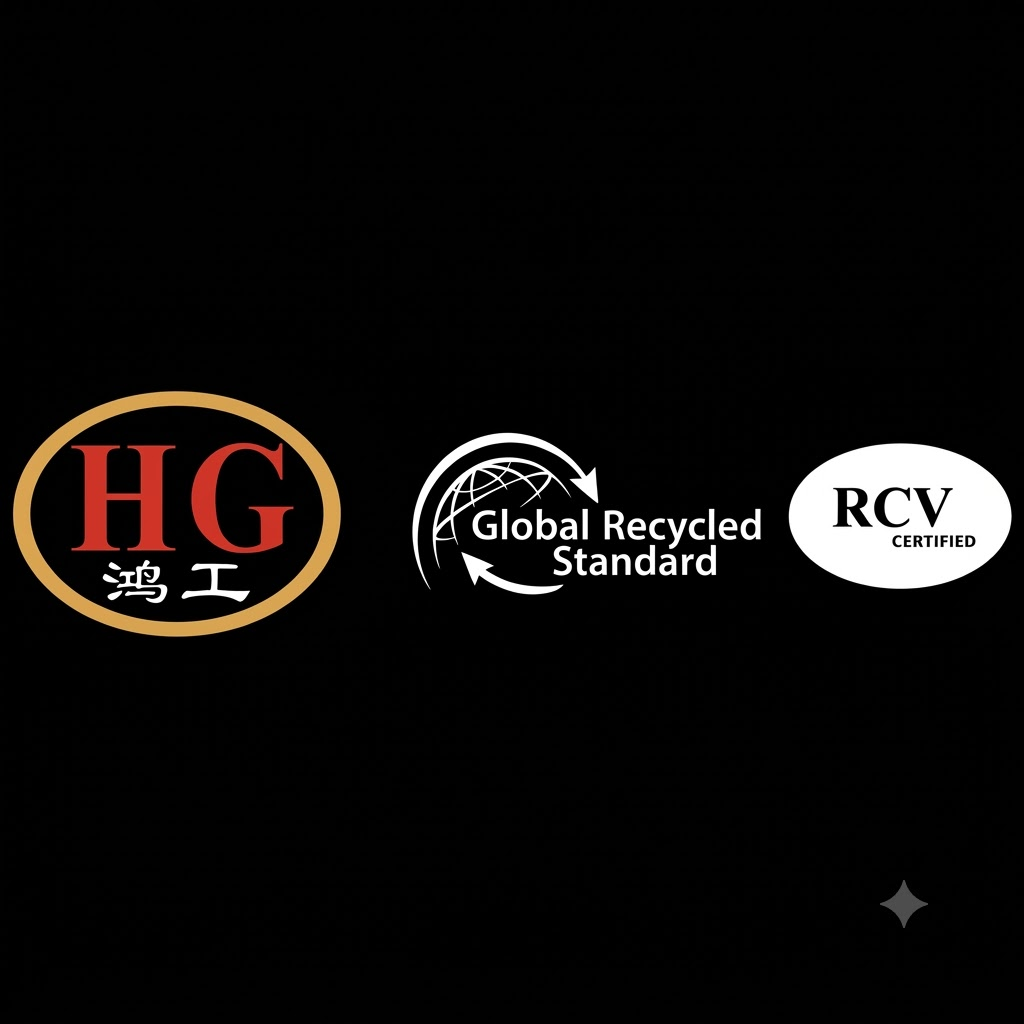
We hold certifications including ISO9001, ISO14001, ISO45001, RCV, and GRS. This ensures all production processes conform to European Union environmental protection requirements, including the strict REACH and RoHS directives. By maintaining in-house smelting and tooling shops, we consistently achieve a higher standard of material purity and structural integrity. This dedication to quality is why global brands choose us for applications in high-end furniture, consumer electronics, industrial engineering, and green energy systems.
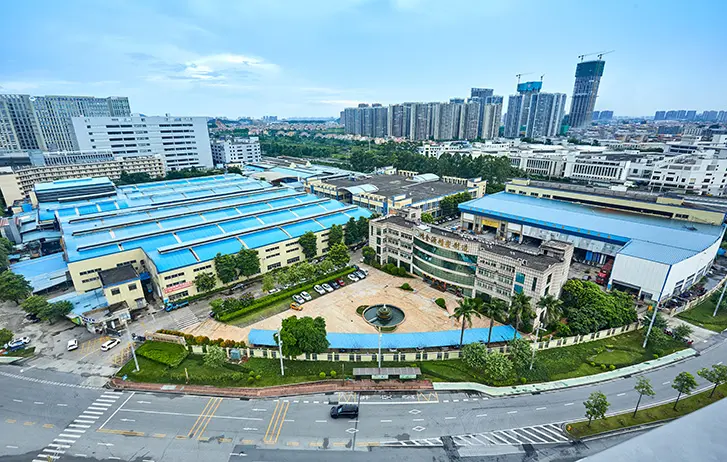
How we ensure quality, speed, and environmental compliance at every stage of the manufacturing cycle.
We melt our alloys in-house, enabling us to adjust chemical compositions down to 0.01% precision. This guarantees uniform mechanical properties and a clean grain structure for anodizing.
By executing precision CNC machining and complex surface finishing under one roof, we eliminate intermediate shipping. This protects components from surface scratches and reduces cost.
Our integrated manufacturing line shortens development timelines. Tooling trials, sample extrusions, and surface finishing are scheduled in parallel, minimizing customer lead times.
Global disruption has shown the risk of fragmented manufacturing. When a product must be extruded in one facility, trucked to a CNC shop for precision milling, sent to a separate anodizer, and then assembled elsewhere, the risks of delay, scratch damage, and quality disputes rise exponentially.
Under China's Industry 4.0 initiative, our 73,000 sqm facility addresses these risks through vertical integration. With in-house casting, tool-making, extrusion, CNC machining, welding, finishing, and assembly, we keep the entire manufacturing loop under a single quality management system. This closed-loop design ensures that if a technical issue arises during anodizing, the extrusion parameters can be quickly adjusted at the source, preventing costly delays.
High-quality aluminum profiles serve vital roles across both residential projects and technical industrial designs. In luxury custom home design, narrow-profile glass door frames demand tight structural tolerances. Because the metal border is minimal, the extrusion must resist bending under the weight of heavy tempered glass panels. Specialized surface options like sandblasted bronze and satin silver anodizing also need to remain free from variations across production batches.
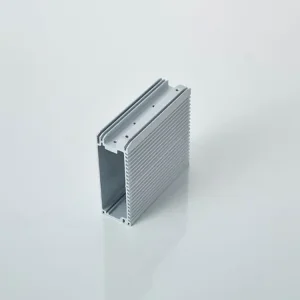
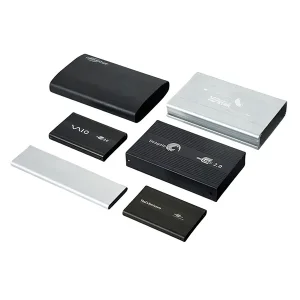
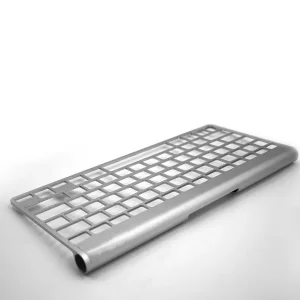
In addition to decorative residential trim, these materials are widely used in demanding electronics and industrial equipment. Consumer electronics housings, such as aluminum bodies for portable keyboards and active noise-cancelling heat sinks, require excellent thermal performance and precise dimensions. These properties are critical for accommodating internal circuit boards and ensuring heat dissipates efficiently during operation.
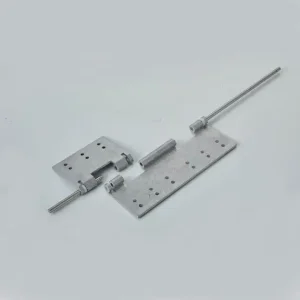
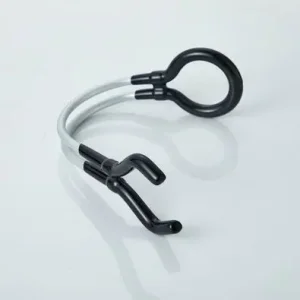
In harsh marine and industrial environments, components like outdoor fishing rod holders, skylight assembly hinges, and climate control guide vanes rely on thick, corrosion-resistant anodized surfaces. Our protective layers prevent oxidation from salt water and chemical exposure, ensuring long-term structural reliability.
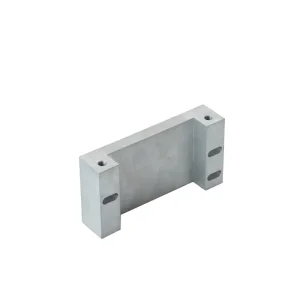
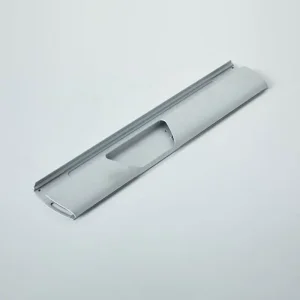
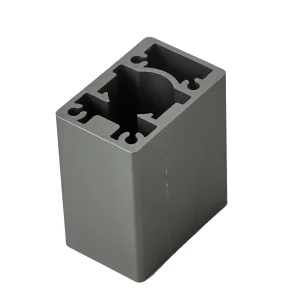
Engineered for high-end kitchen cabinet doors and structural glass systems. Thin-wall construction is optimized to maintain strength while minimizing structural weight.
Precise CNC-machined enclosures and heat sinks designed for acoustic equipment and computer components. Excellent thermal properties protect delicate electronics.
Heavy-duty, weather-resistant structural components, door hardware, and guide vanes designed to withstand salt fog, rain, and intense UV exposure.
Our processes conform to global compliance standards, including ISO, GRS, and environmental safety regulations.
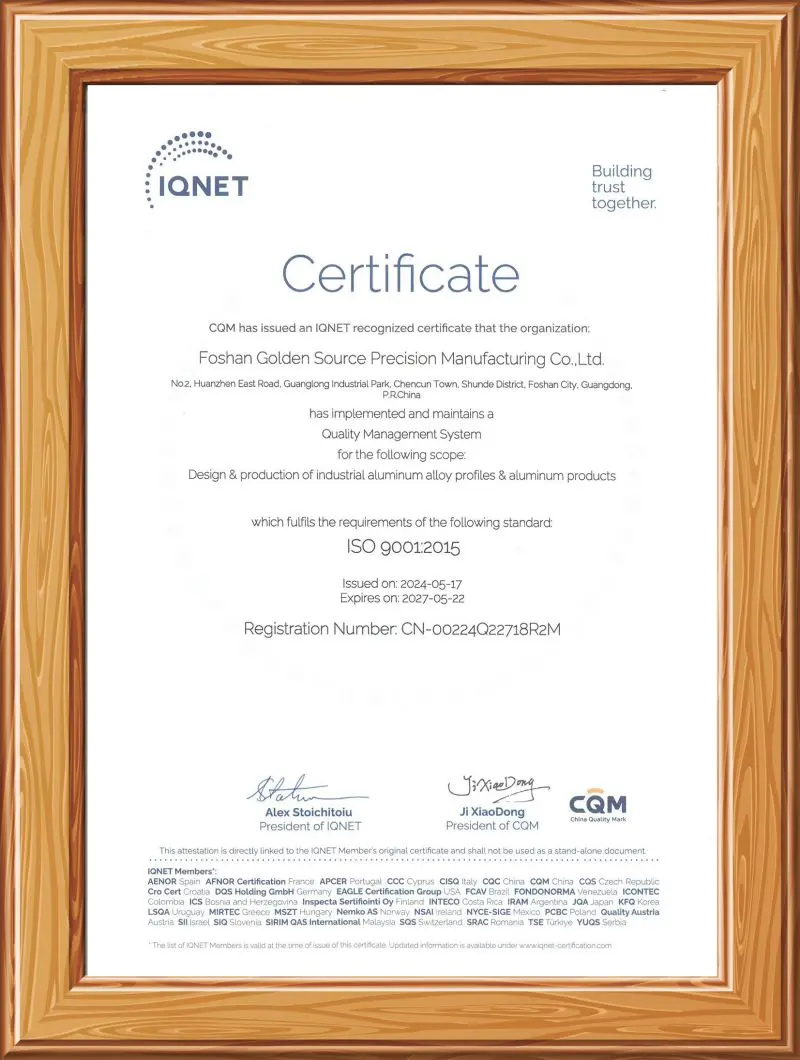
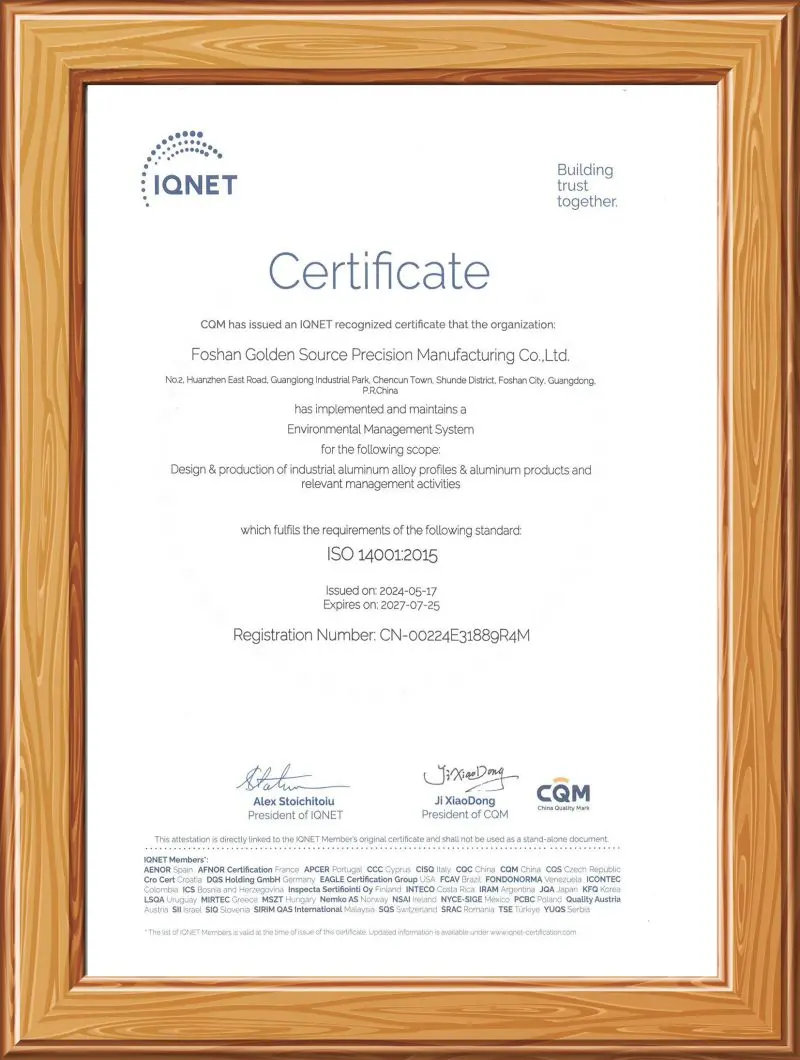
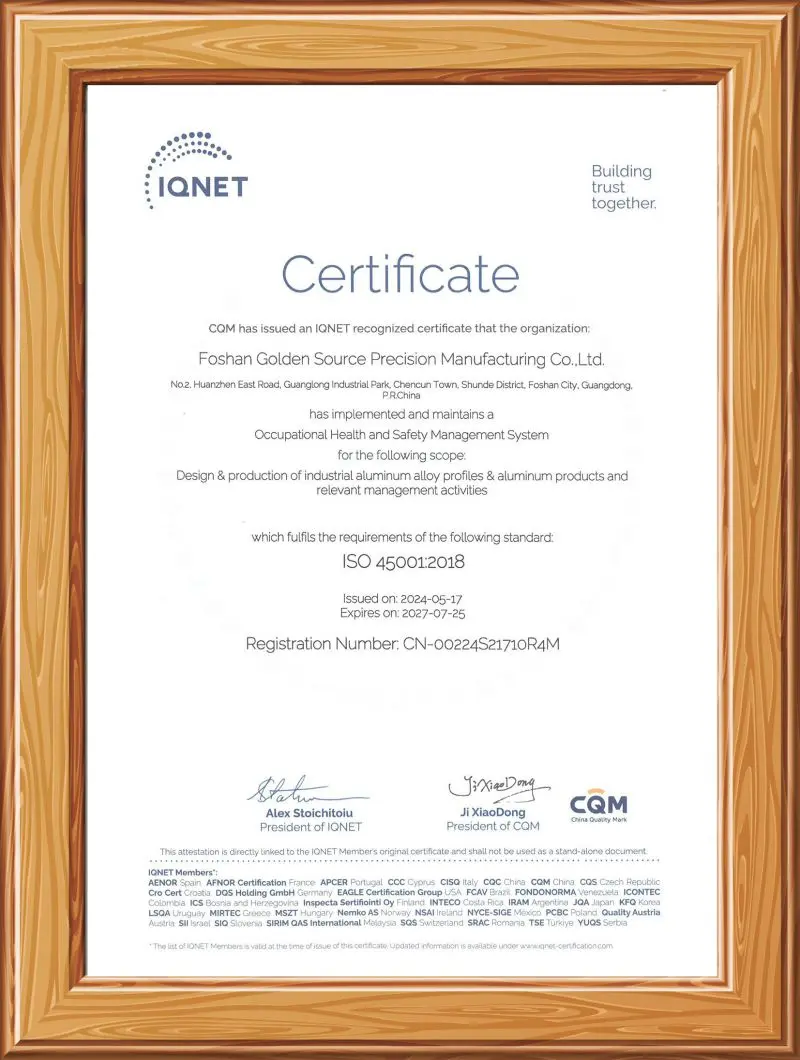
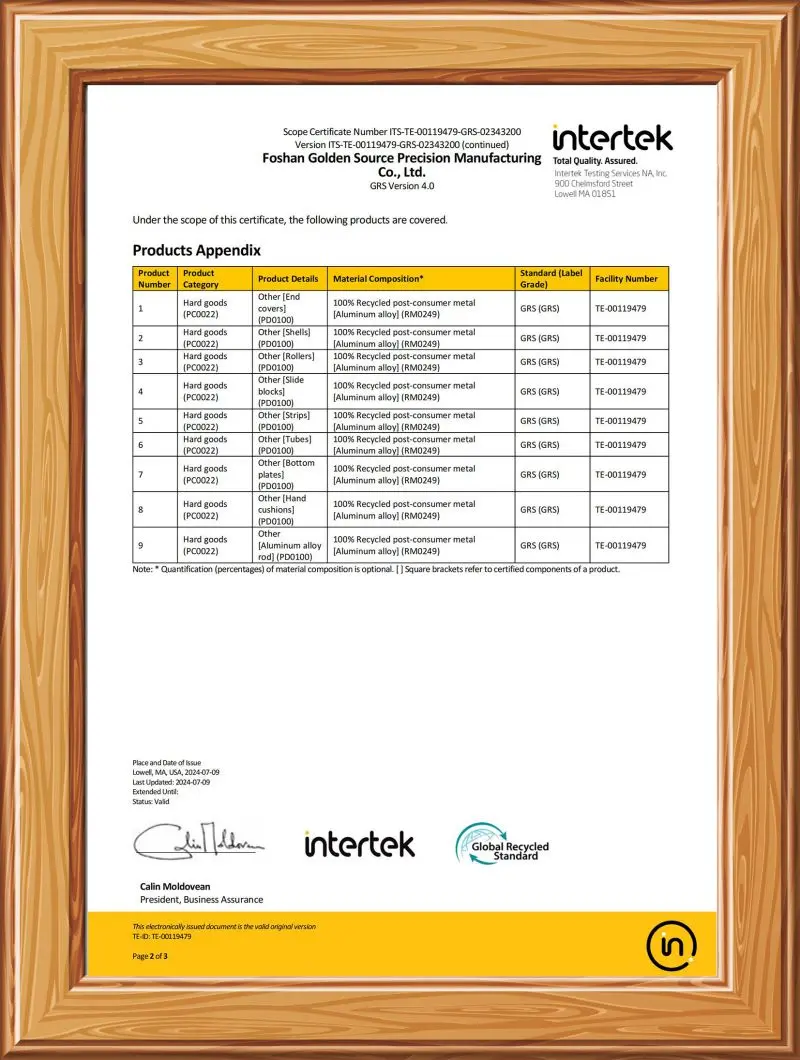
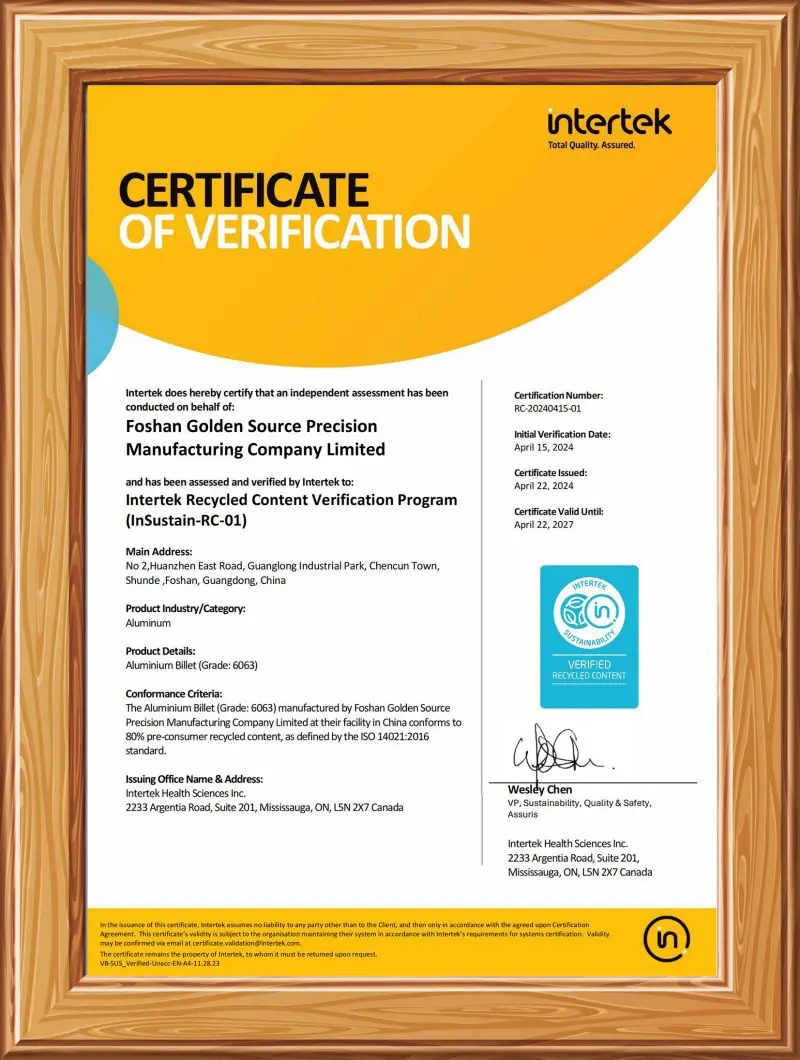
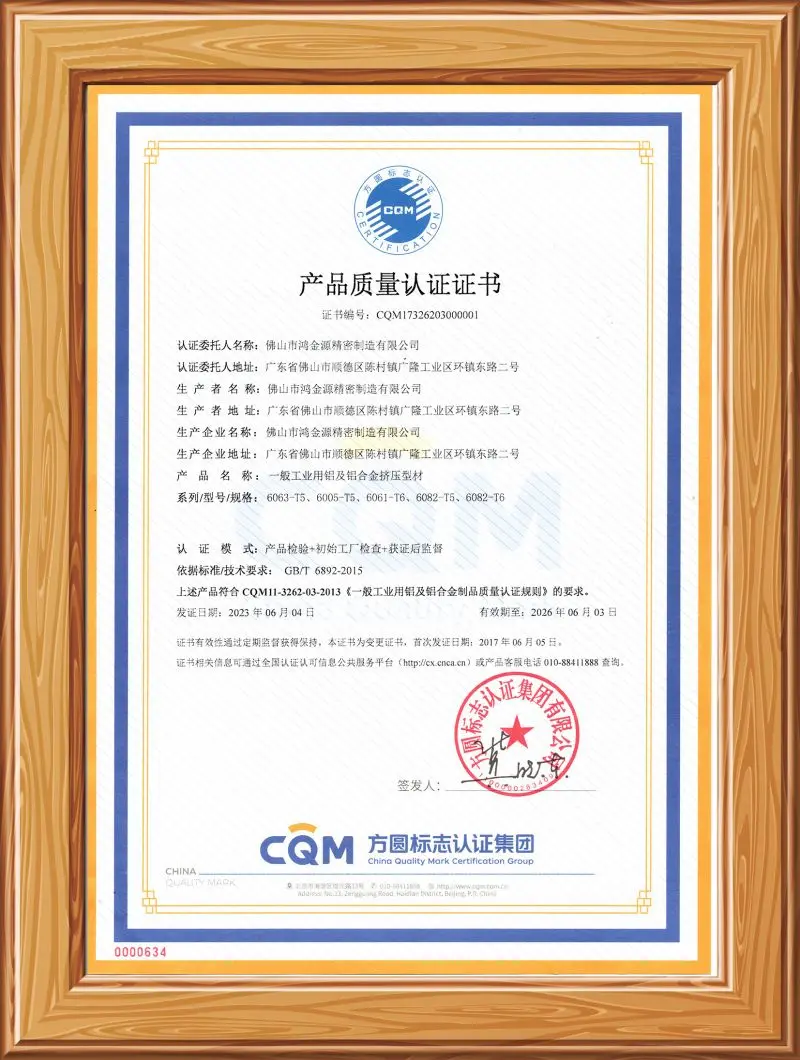
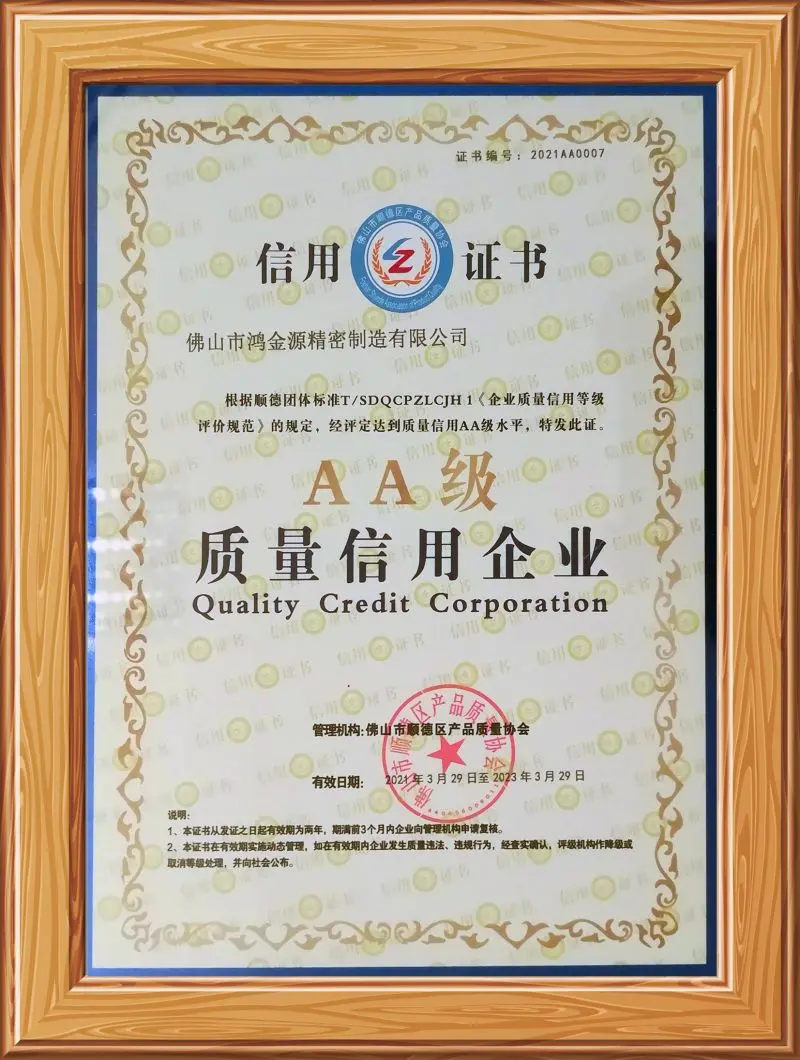
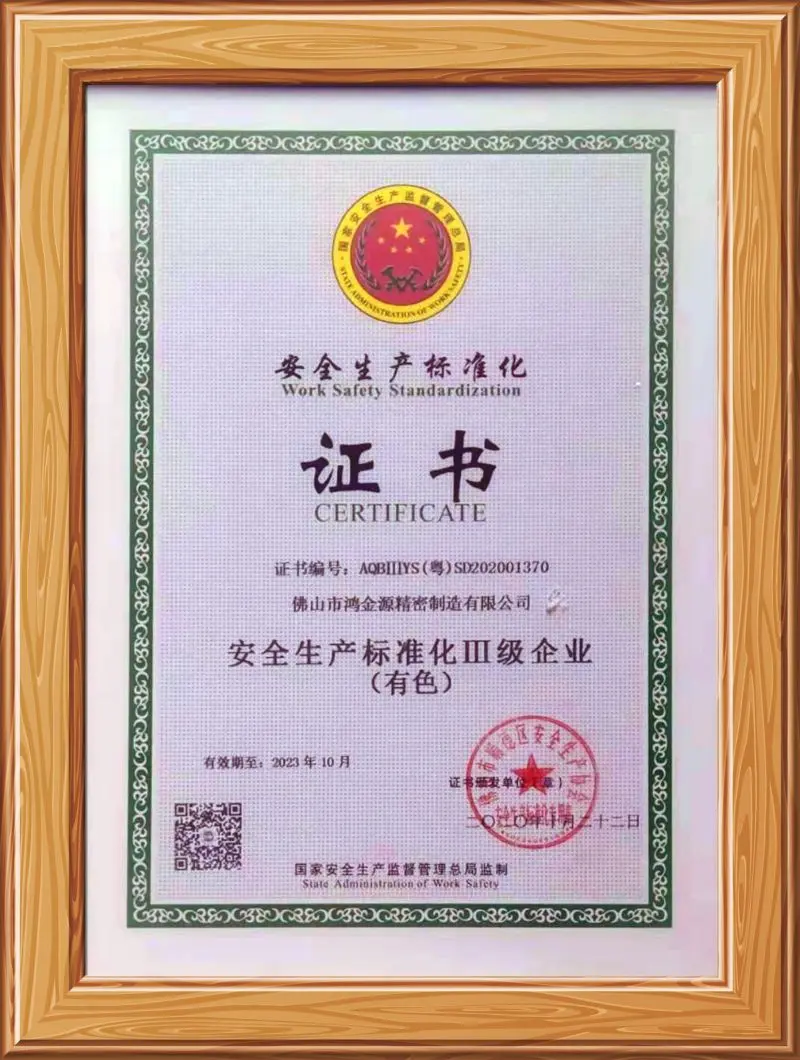
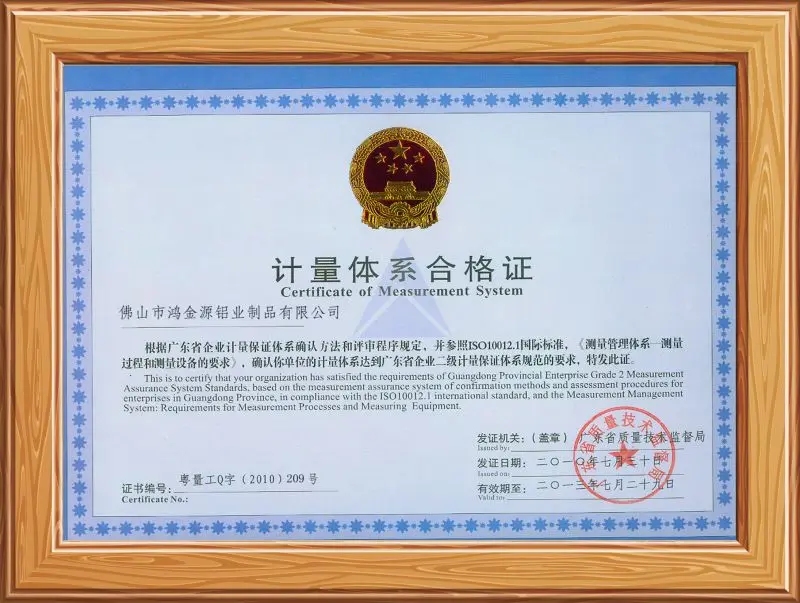
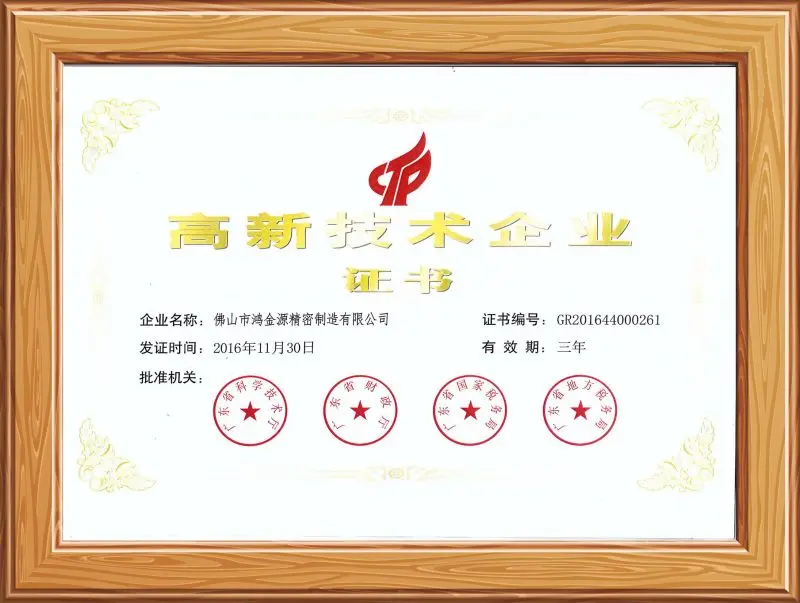
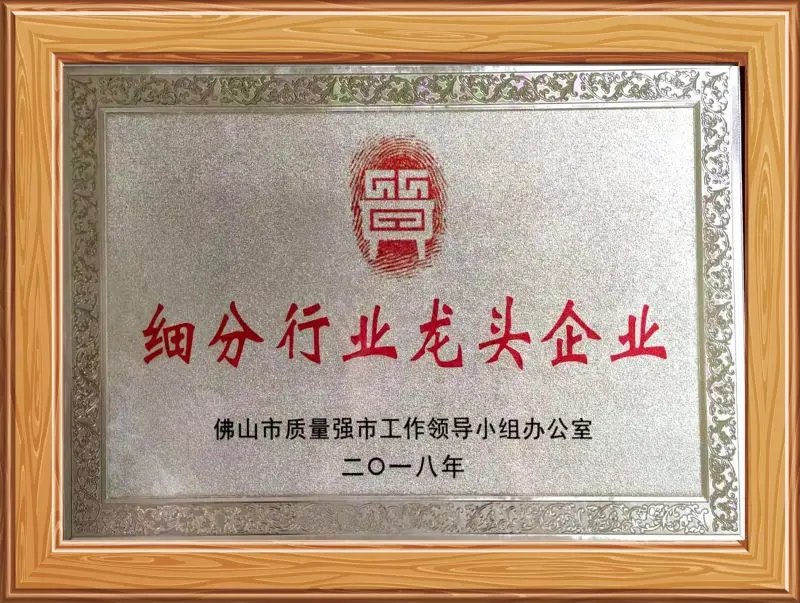
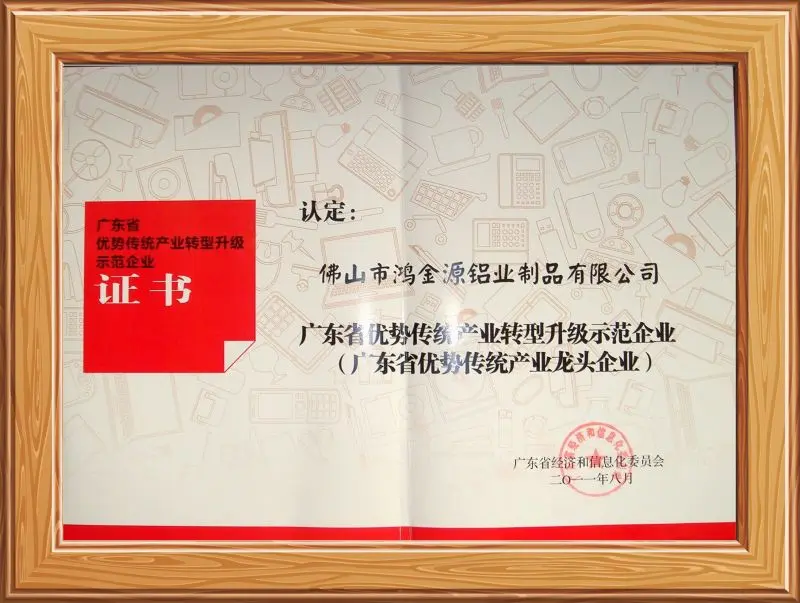
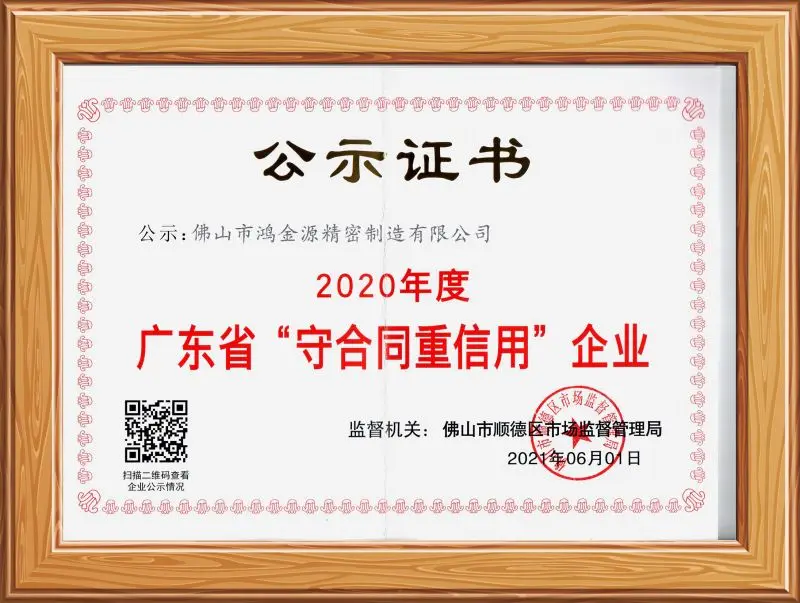
For international procurement directors, auditing a Chinese manufacturer goes beyond verifying basic production capacities. Long-term supplier reliability requires confirming compliance with international environmental standards, quality controls, and material chemistry. The following sourcing checklist outlines the key criteria for verifying a supplier's engineering capabilities and regulatory alignment.
1. Verify Material Certifications: Sourcing managers should request official test results for raw aluminum chemical compositions. Partnering with a manufacturer that casts raw billets in-house is highly beneficial, as it provides detailed traceability and control over material purity.
2. Check Environmental Credentials: When exporting to Europe or North America, verify that the supplier holds active GRS (Global Recycled Standard) and RCV credentials. This confirms the percentage of recycled content, supporting your corporate carbon reduction initiatives.
3. Evaluate CNC and Machining Capacities: Ensure the factory offers integrated, in-house multi-axis CNC machining, deep-hole drilling, and precision tapping alongside standard extrusion. This minimizes the risk of dimensional variations when shifting parts between third-party fabricators.
4. Confirm Surface Quality Testing: High-end furniture and consumer electronics demand uniform colors and durable finishes. Make sure the supplier conducts regular corrosion testing and thickness checks on anodized layers to ensure long-term durability.
Detailed answers to common technical, metallurgical, and shipping questions for custom extrusions.
The 6063 alloy offers an excellent balance of strength, extrusion speed, and high-quality surface finish. It is highly responsive to anodization and powder coating, ensuring a smooth, consistent finish suitable for premium furniture frames and decorative trim.
T5 temper involves cooling profiles directly after extrusion and artificially aging them, providing good ductility. T6 temper adds a solution heat treatment before aging, maximizing structural strength and hardness, which is ideal for load-bearing and CNC-machined parts.
In-house smelting allows us to adjust raw chemical compositions directly. By removing trace impurities, we prevent mechanical failures and surface defects like streaking, ensuring high-quality, uniform anodizing finishes.
Yes. Our production processes are certified under ISO9001 and ISO14001, and we strictly follow EU REACH and RoHS regulations. We do not use lead, cadmium, or other restricted heavy metals in our alloys or finishes.
With our advanced high-speed CNC centers, we routinely hold tolerances as tight as ±0.02 mm to ±0.05 mm, depending on the component geometry and alloy selected.
Our standard architectural-grade anodized coatings (typically 10 to 15 microns thick) resist corrosion, UV light, and wear for over 15 years in typical outdoor residential applications.
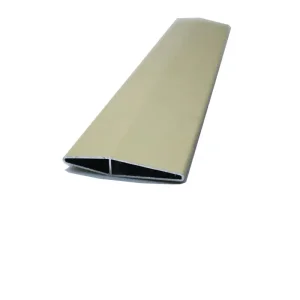
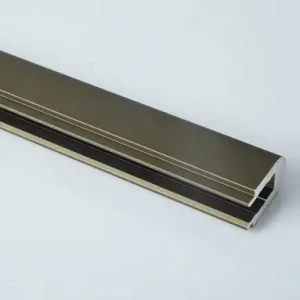
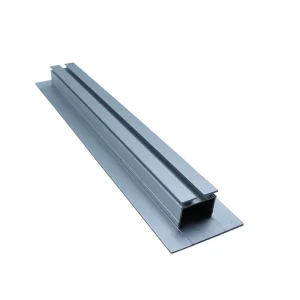
Explore our selection of specialized profiles, ranging from custom keyboard components to multi-tonal cabinet frames.
 HG Precision