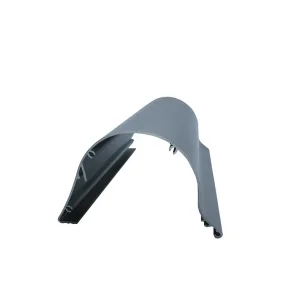
High-tolerance custom hardware, structural hinges, lock cases, and custom extrusions engineered to meet demanding industrial environments.
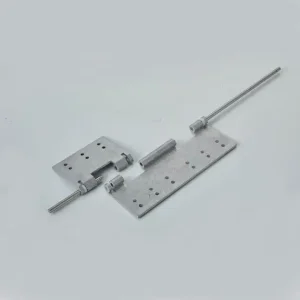
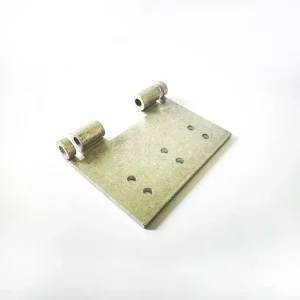
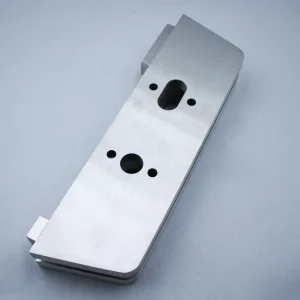
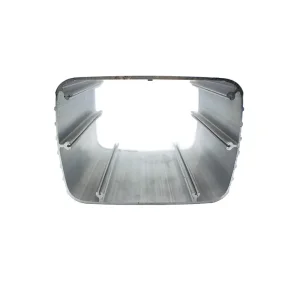
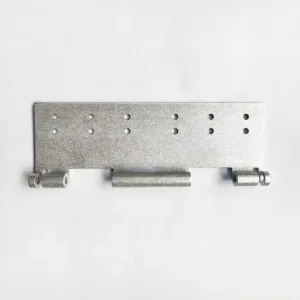
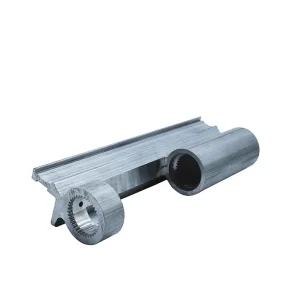
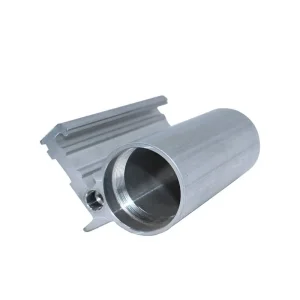
Established in 1991, Foshan Golden Source Precision Manufacturing Co., Ltd. has spent over three decades engineering custom-tailored, high-strength, and high-precision aluminum profiles and assemblies. Spanning a state-of-the-art, ecologically certified production area of over 73,000 square meters, we maintain full horizontal and vertical control over our supply chain.
Our operation offers an integrated "one-stop" production loop: in-house alloy casting, mold design & manufacturing, profile extrusion, complex CNC multi-axis milling, structural welding, precision assembly, and advanced chemical/mechanical surface finishes. This complete cycle ensures that from raw billet to finished, anodized parts, quality parameters remain uncompromised.
By producing custom chemical alloy formulations in-house, we control mechanical characteristics (such as yield strength, elongation, and surface micro-structuring) to match critical application needs across hardware, 3C electronics, automotive systems, rail transit, premium contract furniture, and outdoor architecture. In compliance with strict international markets, our entire processes meet EU REACH regulations and environmental standards.
Download Corporate Catalogue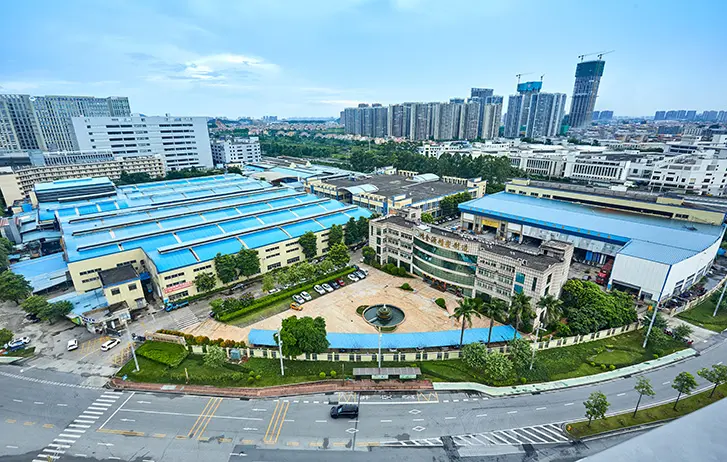
Our vertically integrated manufacturing paradigm minimizes margins of error and structural overhead.
We melt and cast our alloys in-house. This allows custom chemical modifications (adjusting elements like copper, iron, manganese, silicon, or magnesium) to maximize yield strength, elasticity, and clean anodic oxidation results.
By executing precision machining and specialized surface treatments in-house, we eliminate external logistical overhead, reducing unit costs while ensuring strict visual and mechanical quality checks.
Our single-roof manufacturing sequence significantly reduces shipping delays between raw extrusions and final CNC machining. This offers global buyers faster, more reliable delivery times.
Strategic insights on materials selection, milling techniques, and supply chain resilience for modern engineering departments.
In modern industrial applications, high-precision machined aluminum serves as a core material across dynamic sectors. High-performance aluminum alloys are widely utilized due to their high strength-to-weight ratio, excellent thermal conductivity, resistance to environmental degradation, and recycling compatibility.
As international regulatory frameworks enforce lower carbon footprints, sectors such as automotive electric vehicles (EVs), aerospace assembly, and green construction are transitioning away from heavier steel structures. This structural shift highlights the demand for ultra-precise aluminum milling, where components must be machined to micro-level tolerances while preserving raw mechanical properties.
Achieving dimensional stability in thin-walled, long-span structural components—such as structural skylight hinges, hydraulic close systems, and battery cases—requires careful control of both metallurgical processes and mechanical stress.
Primary ingots are smelted in temperature-controlled furnaces where gas content and impurities are minimized. This produces uniform grain structures across 6000-series (Al-Mg-Si) and 7000-series (Al-Zn-Mg-Cu) alloys, protecting the material against micro-cracking and uneven anodization colors.
Custom structural shapes are extruded through hot-working dies. High-strength profiles (such as 6063-T6 or 6061-T6) go through precise water or air cooling lines to control grain precipitation and yield uniform hardness profiles.
Using multi-axis CNC centers, structural components are milled with optimized feed rates and toolpaths. This minimizes thermal deformation and mechanical stress, maintaining tight tolerances and clean finishes (such as Ra 0.8 / Ra 0.4).
Parts undergo controlled chemical cleaning, etching, and anodizing processes. Finishes range from decorative champagne tones to thick, hard-anodized coatings, providing wear resistance and corrosion protection in marine, architectural, or outdoor environments.
The Foshan industrial cluster offers a highly concentrated network of raw material suppliers, specialized tooling engineers, surface treatment facilities, and global shipping ports. Foshan Golden Source leverages this regional infrastructure to provide stable pricing and reliable lead times.
This ecosystem supports vertical integration: raw extrusion profiles can be processed, CNC machined, anodized, quality-checked, and packed for shipment within a minimal physical radius. This integration reduces external shipping risks, protects raw finishes from transport damage, and ensures reliable deliveries to international markets.
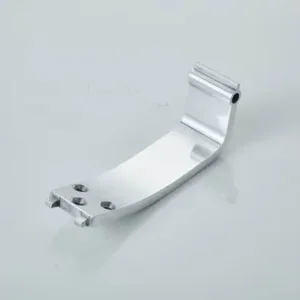
High-precision custom aluminum parts are engineered for diverse application scenarios:
Ensuring environmental compliance and strict operational consistency for international projects.
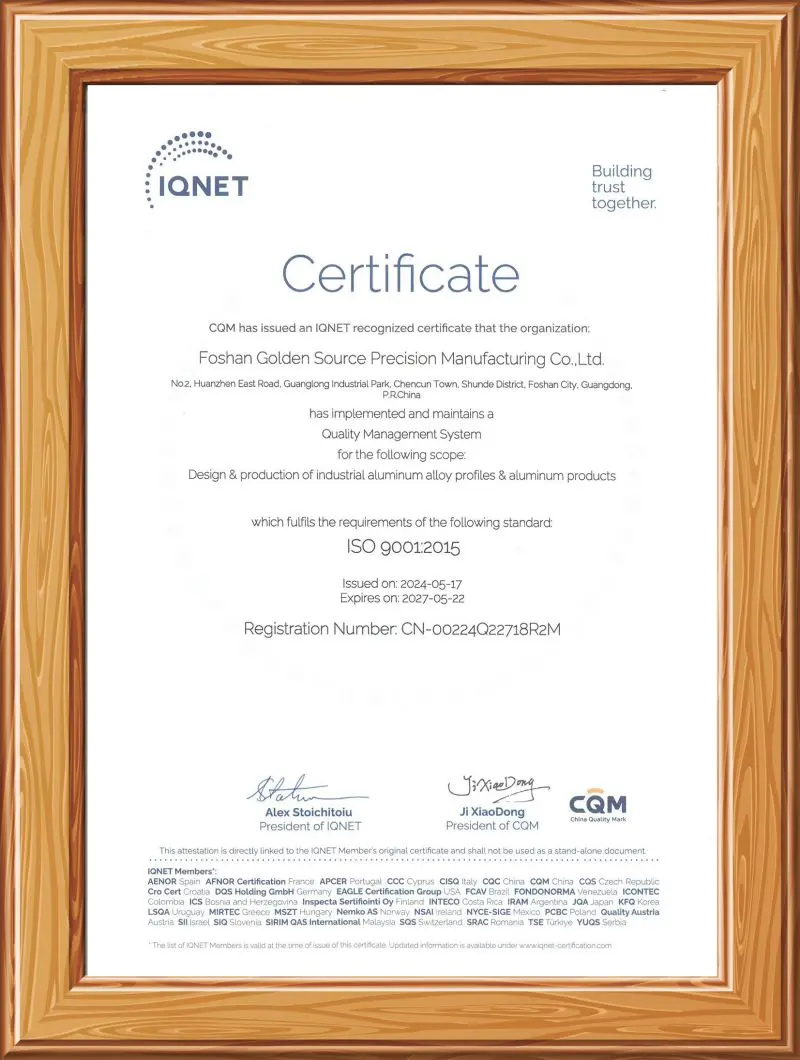
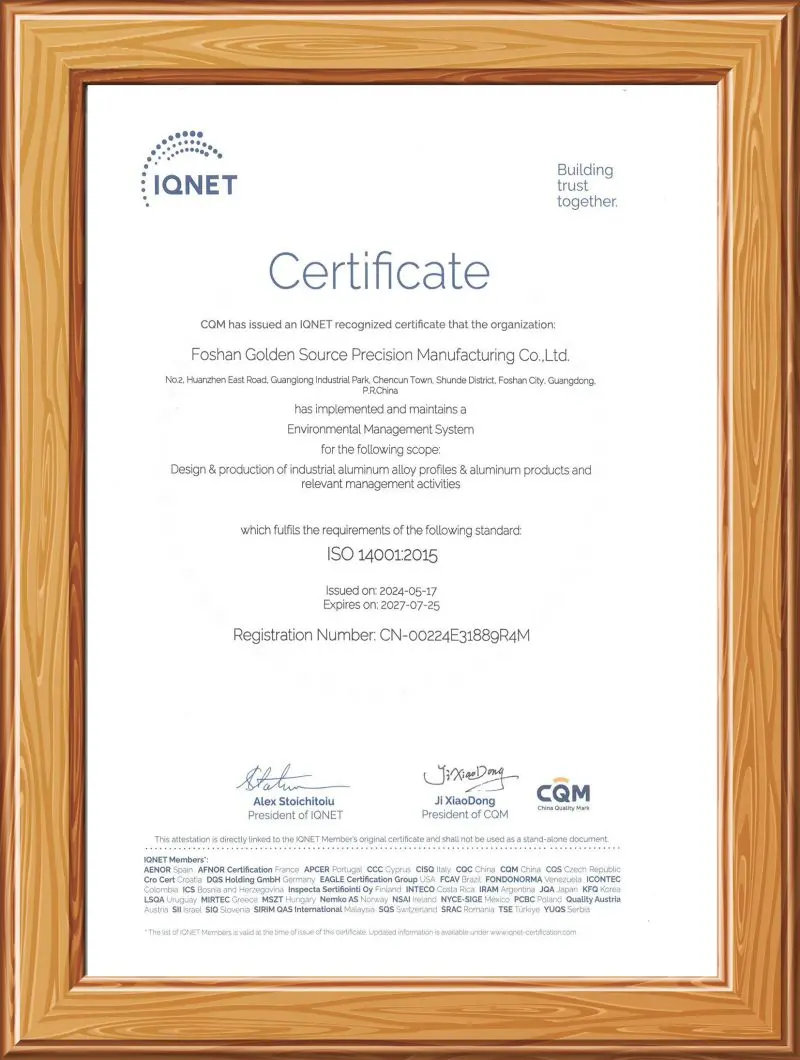
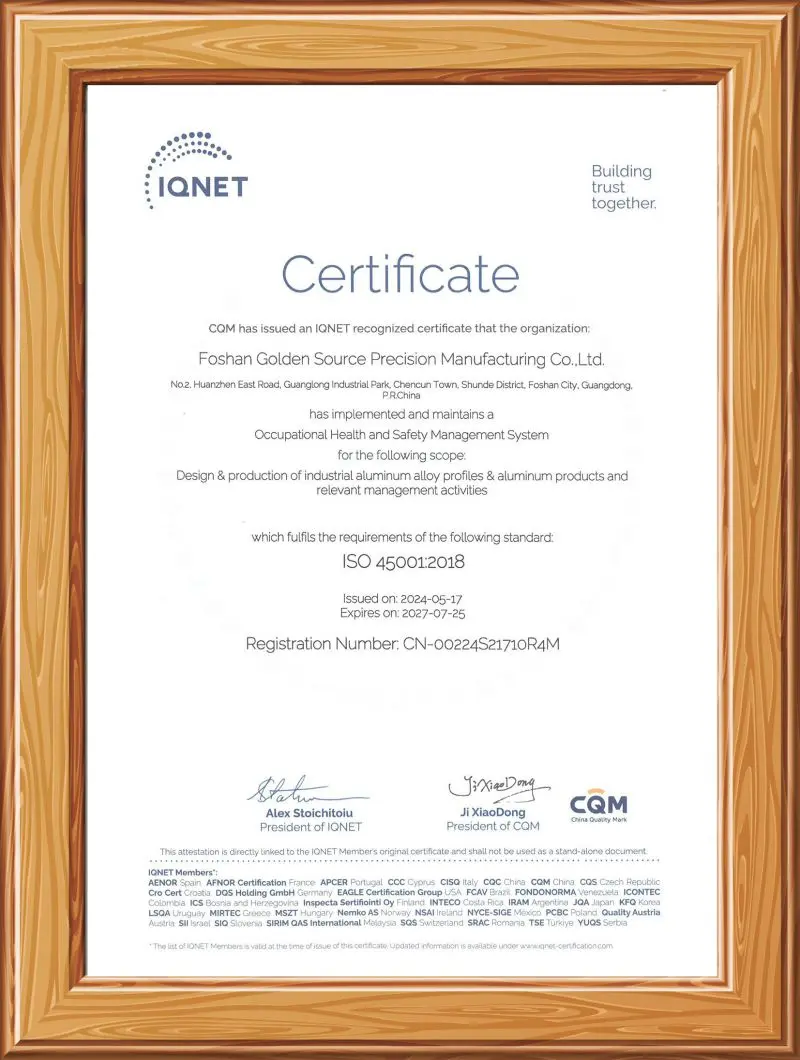
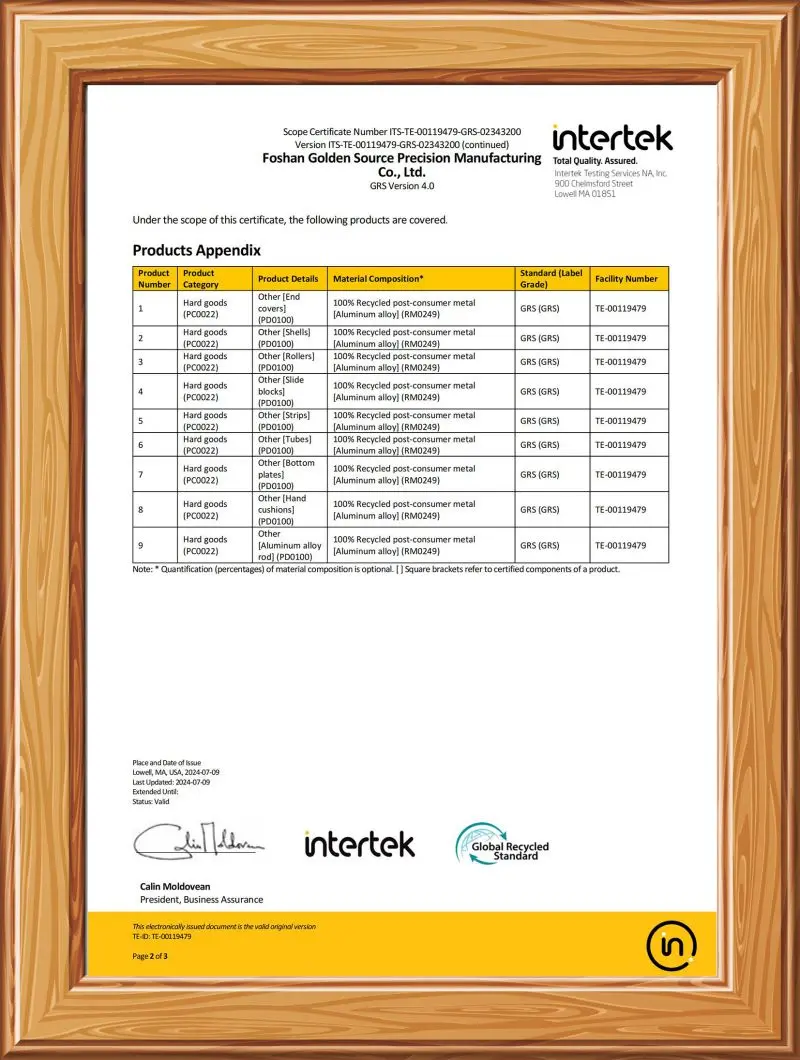
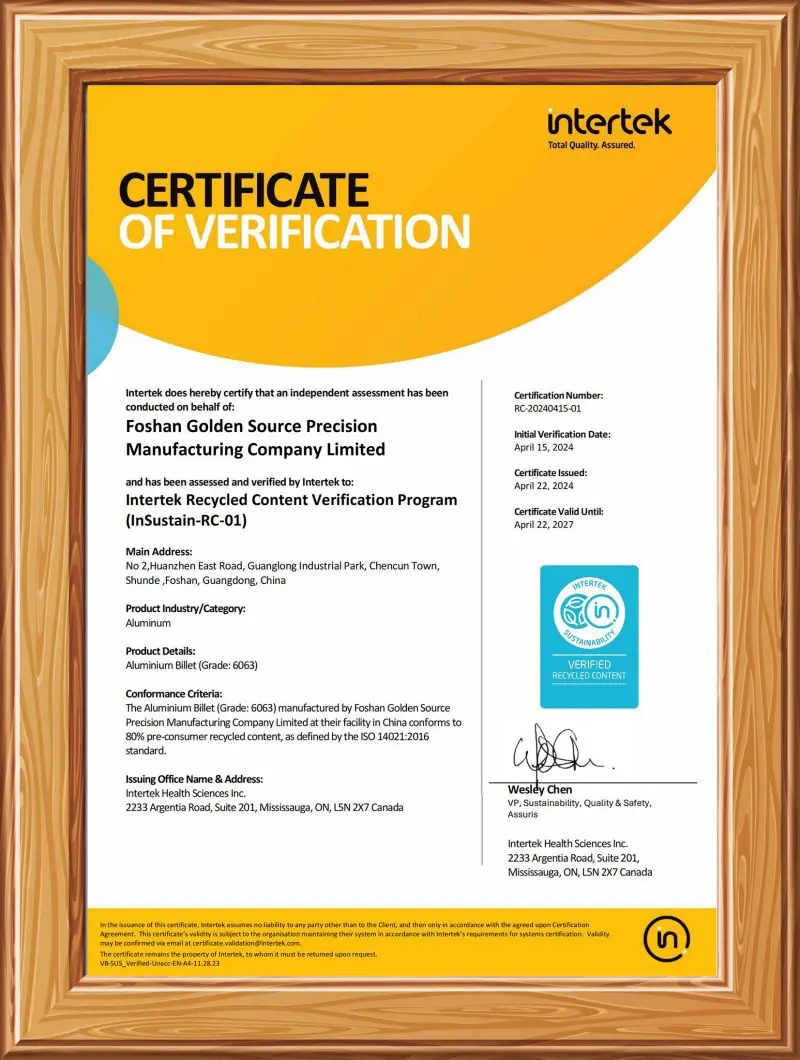
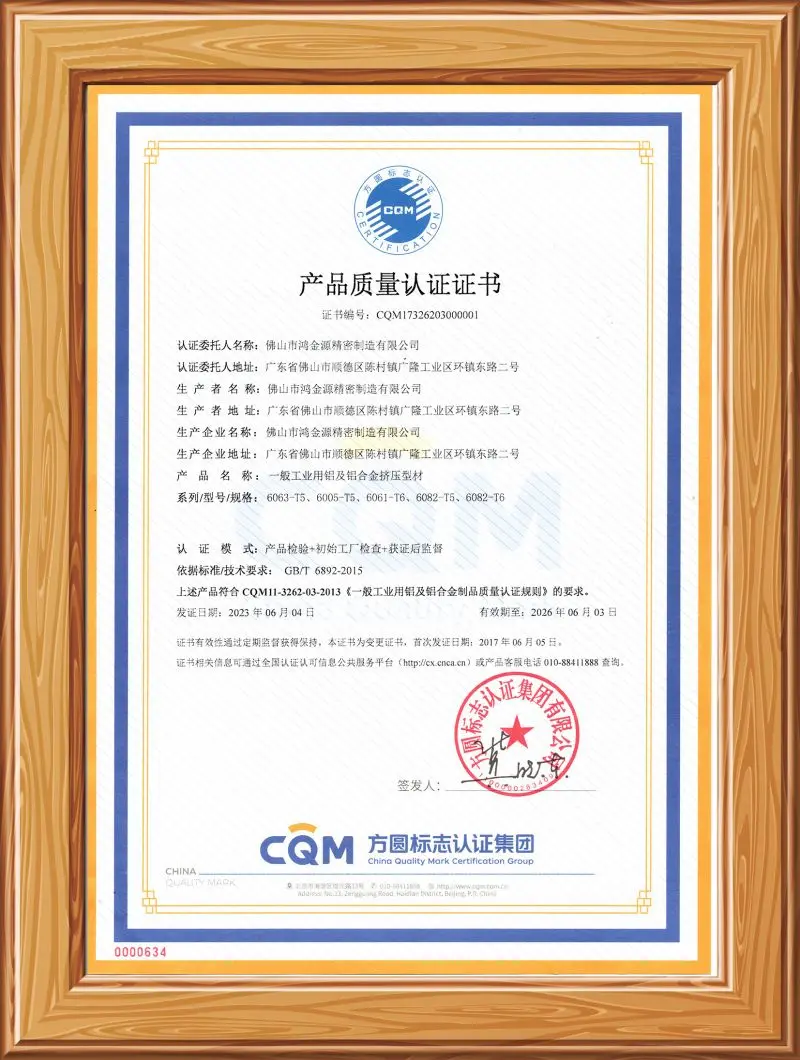
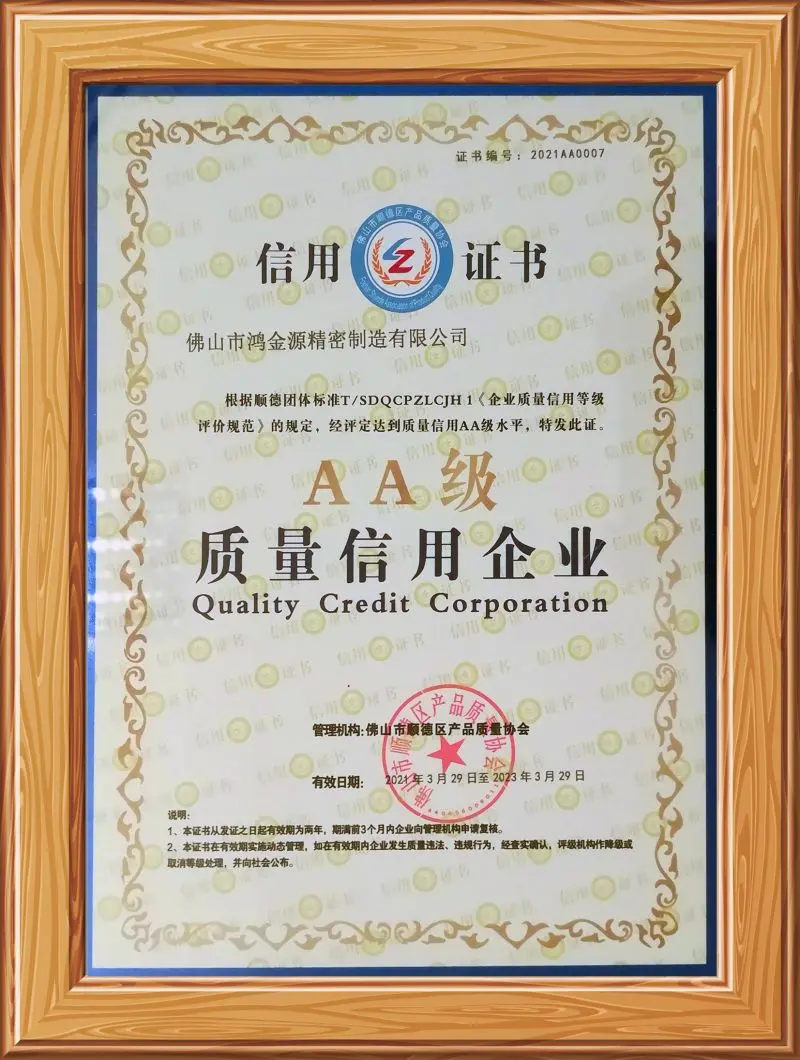
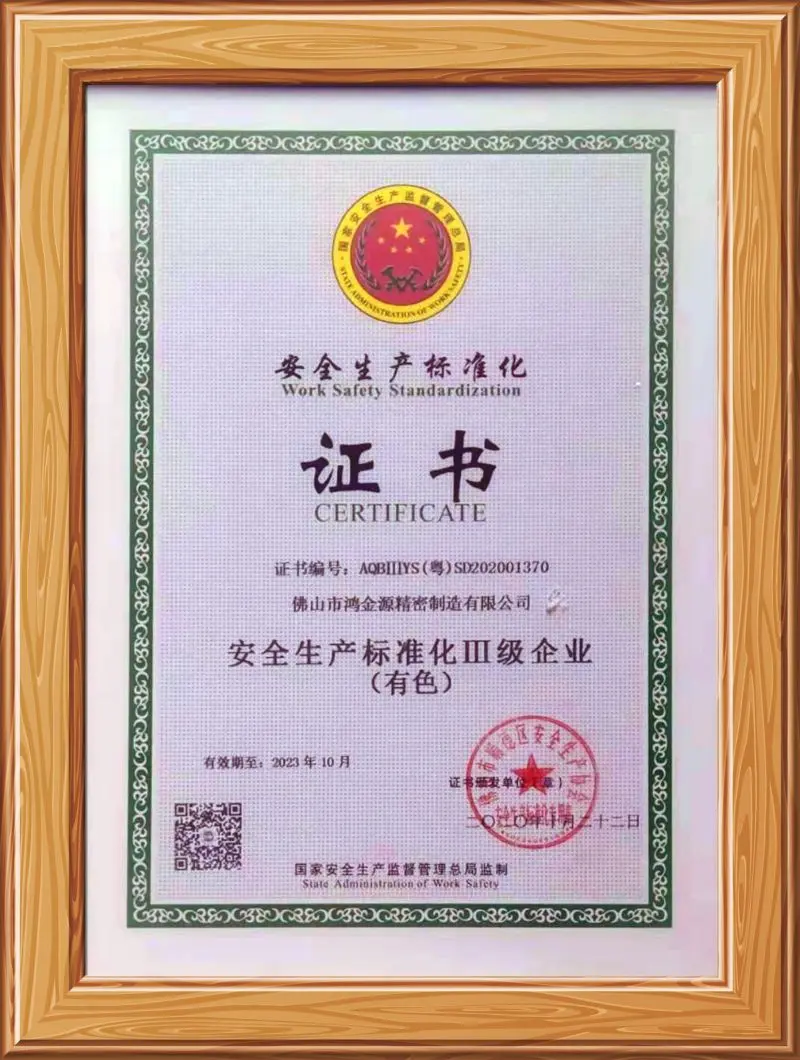
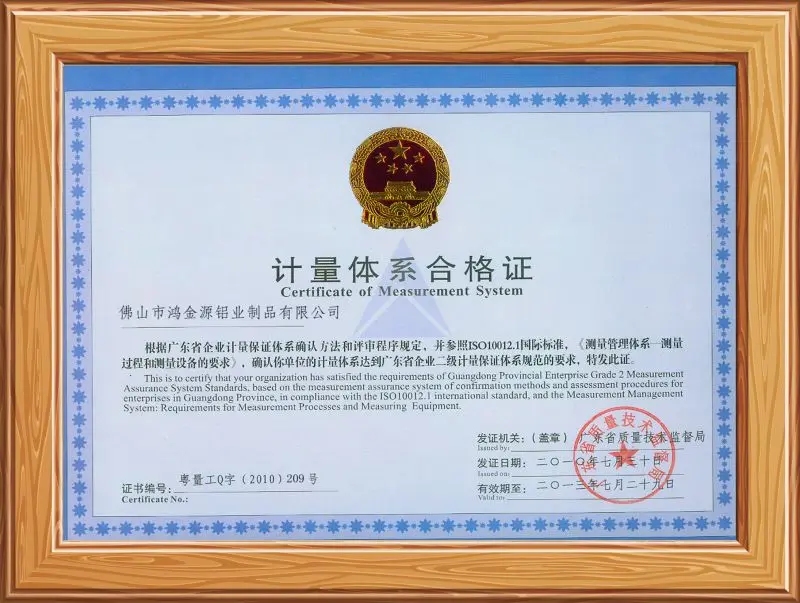
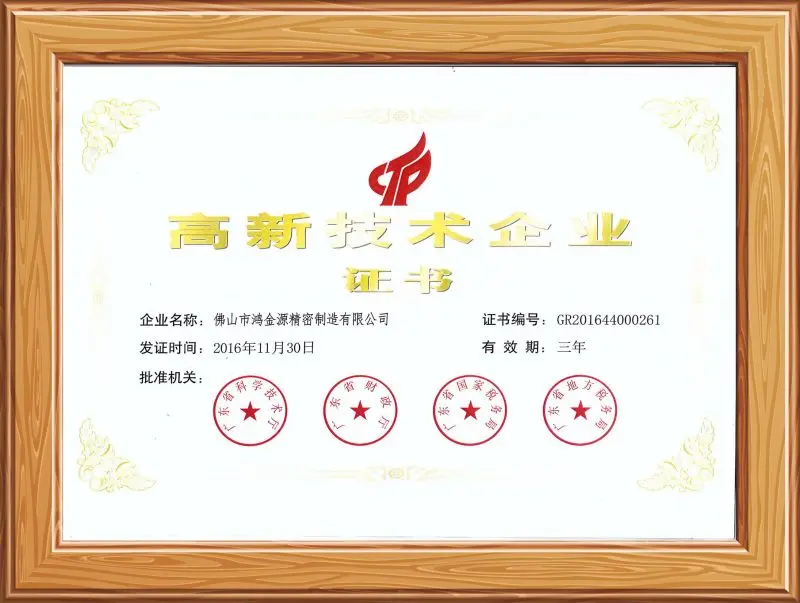
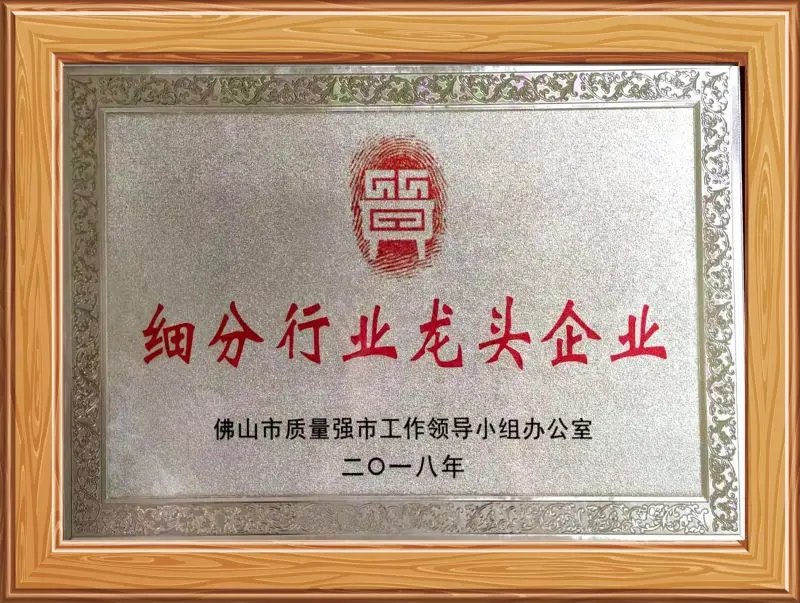
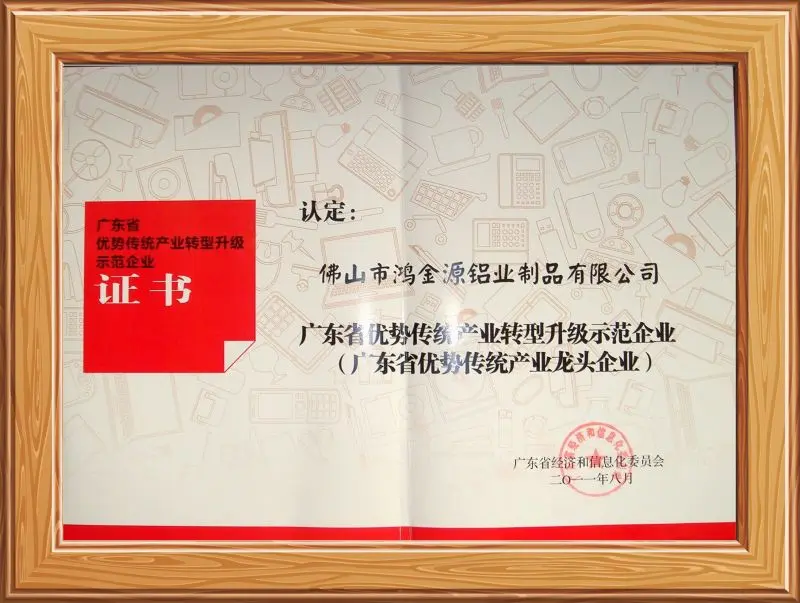
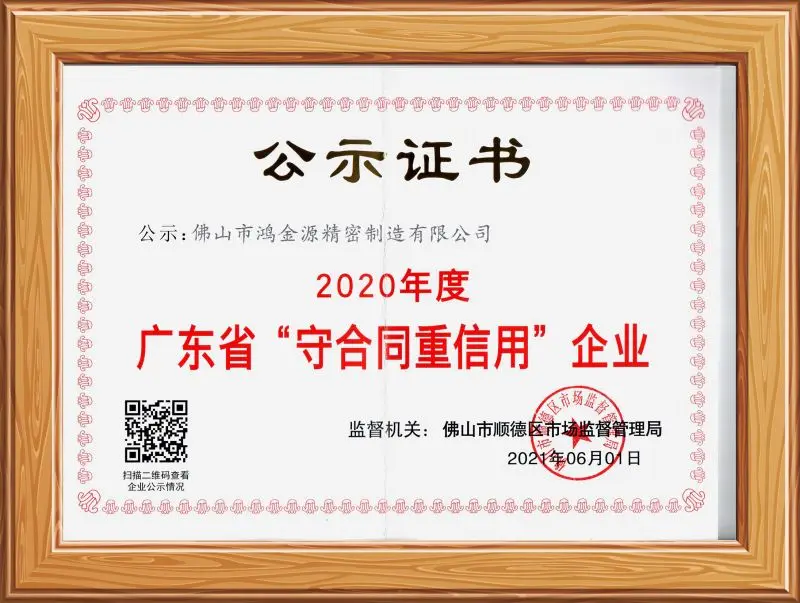
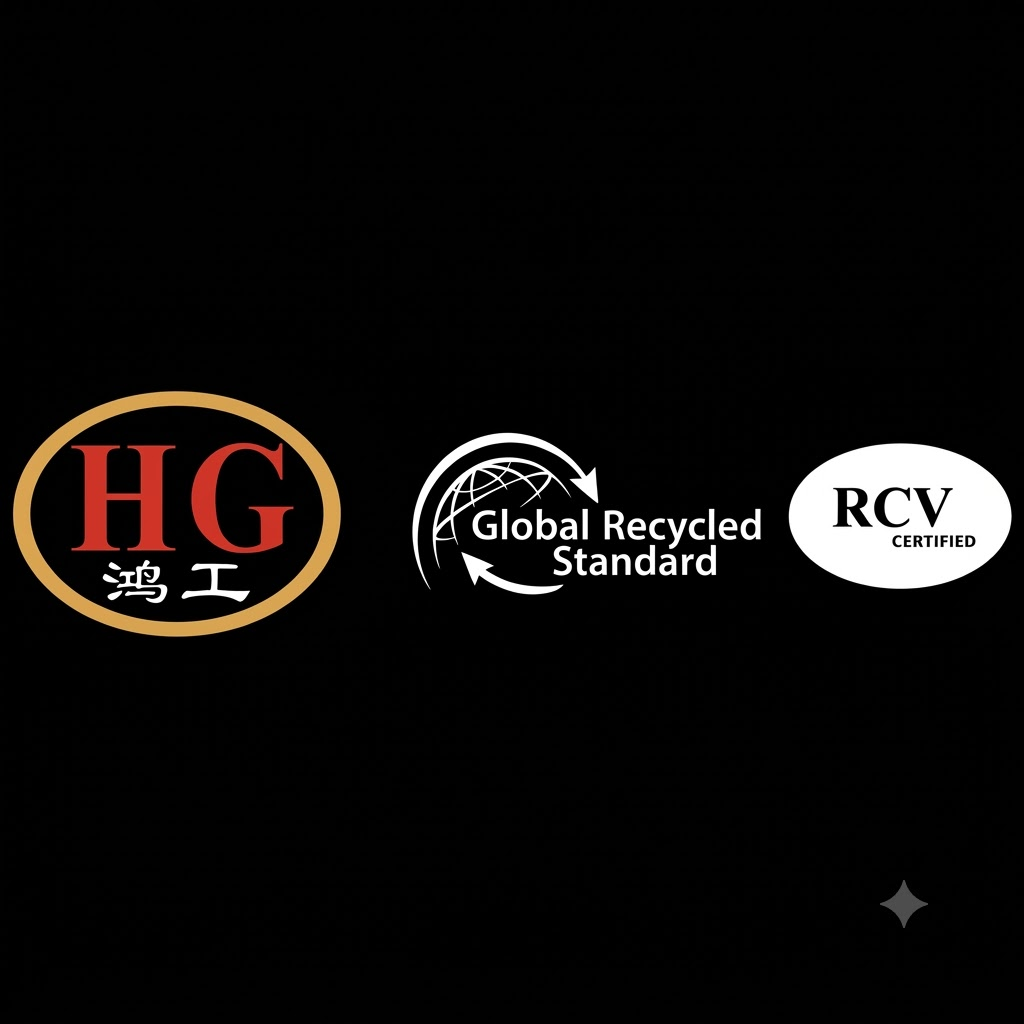
We maintain compliance with international regulatory frameworks. In addition to standard management frameworks (ISO 9001, ISO 14001, and ISO 45001), our factory has secured newer environmental certifications, including GRS (Global Recycled Standard) and RCV (Recycled Content Verification). These systems ensure traceable recycled content and verify compliance with European Union environmental regulations (REACH & RoHS).
Technical answers regarding material properties, manufacturing limitations, surface finishes, and global shipping logistics.
In-house alloy casting allows us to control the chemical compositions of raw billets. This reduces impurities, improves metallurgical uniformity, and helps prevent surface tearing during high-speed CNC milling. Additionally, uniform alloy chemistry provides consistent results during subsequent anodizing processes.
6061-T6 contains higher concentrations of silicon, magnesium, and copper, offering higher tensile and yield strength for heavy structural components like gate closers. 6063-T6 provides a balance of mechanical properties and superior surface finishes, making it well-suited for architectural frames, doors, and profiles requiring anodization.
The Global Recycled Standard (GRS) and Recycled Content Verification (RCV) provide traceable verification of recycled aluminum content in the manufacturing process. These certifications support compliance with EU environmental mandates, such as REACH and carbon border adjustments, by verifying the ecological footprint of imported parts.
Managing both extrusion and milling in-house minimizes shipping between multiple facilities, reducing the risk of transport-related surface damage. Additionally, integrated quality control teams can quickly trace deviations in machining back to raw extrusions, maintaining consistent production parameters.
We provide multiple surface treatments, including mechanical brushing, sandblasting, chemical etching, and multi-color anodizing (such as champagne, silver, and satin tones). For harsh environments, we offer thick anodic oxide coatings that resist UV exposure, moisture, and oxidation.
Yes. Our in-house casting facility allows us to process customized chemical specifications within the 1000 through 7000-series alloy groups, helping buyers achieve specific targets for tensile strength, elongation, or thermal performance.
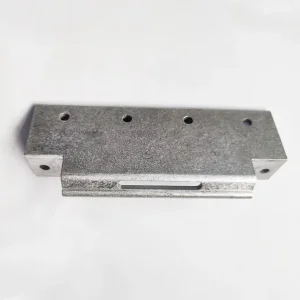
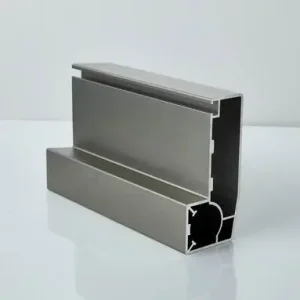
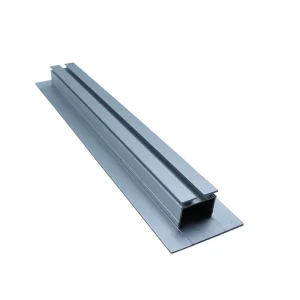
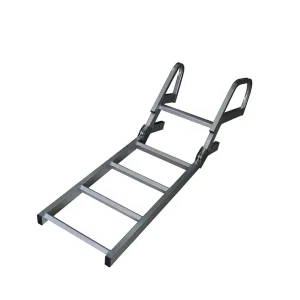
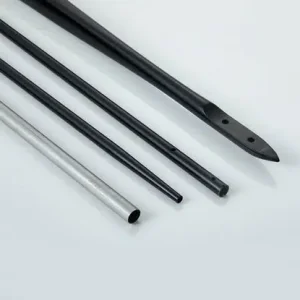
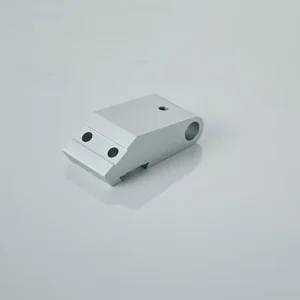
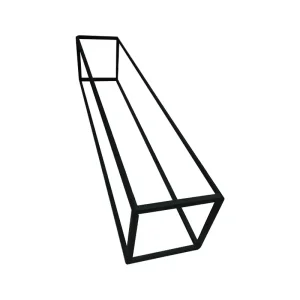
Detailed catalog of precision custom architectural and structural profiles, ladders, tubes, and connector blocks.
 HG Precision