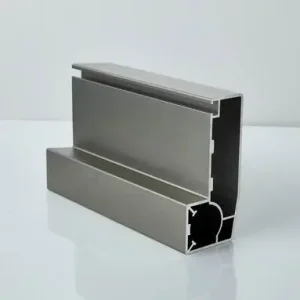
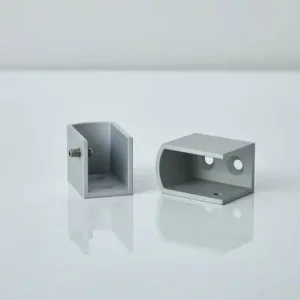
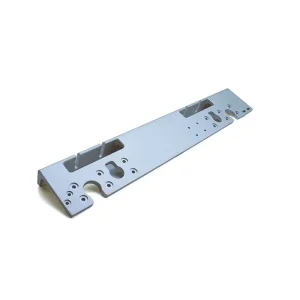
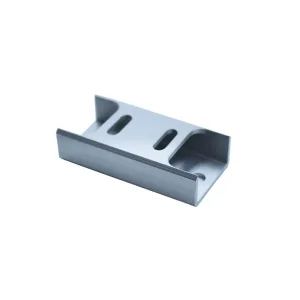
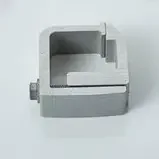
In modern industrial design and electronics engineering, the black aluminum enclosure has evolved from a basic protective housing to a critical component designed to maximize system reliability. From telecommunications infrastructure to consumer 3C electronics and high-power electric vehicle (EV) drivetrains, the global market demands enclosure solutions that offer exceptional thermal efficiency, superior electromagnetic interference (EMI) shielding, and rugged physical protection. According to recent industrial data, the demand for black-coated and anodized aluminum enclosures is expanding at a CAGR of 6.2%, driven by the global wave of technological integration, 5G expansion, and renewable energy adoption.
Why black aluminum? The science lies in the material's specific chemical and physical characteristics. Aluminum itself provides a high strength-to-weight ratio and excellent thermal conductivity. When processed through black anodizing, the surface achieves a high-density, porous anodic oxide layer that is subsequent dyed black. According to the Stefan-Boltzmann law, black bodies are the most efficient thermal radiators. Under conditions of passive convection, a black anodized surface dramatically improves radiative heat dissipation, displaying an emissivity coefficient close to 0.9 compared to polished aluminum's 0.05. This simple surface treatment improves thermal performance by 10% to 15%, which is critical in high-density electronics housing where failure rates double for every 10°C rise in chip temperature.
Furthermore, structural compliance has become a prerequisite in the global supply chain. Environmental regulations like the European Union's REACH and RoHS, along with new sustainability metrics such as the Global Recycled Standard (GRS), are reshaping purchasing decisions. Major buyers are no longer merely comparing prices; they are looking for certified green manufacturing factories capable of supplying high-purity, traceable recycled aluminum alloys. This shift has placed strict technical requirements on metallurgy, extrusion tooling, and surface treatment technology.
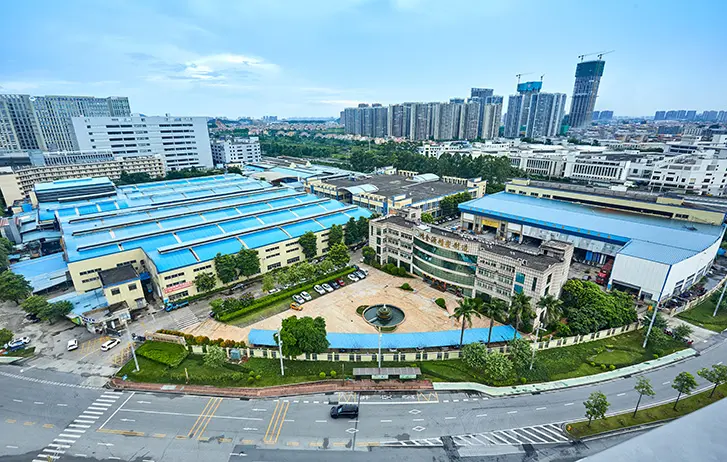
Established in 1991, Foshan Golden Source Precision Manufacturing Co., Ltd stands as an industry-leading, professional manufacturer of high-strength, high-precision, customized aluminum profiles. Operating from a modern, state-of-the-art, and environmentally friendly production facility that spans more than 73,000 square meters, our corporate footprint represents a complete vertical integration of aluminum processing.
We provide global clients with a true one-stop service model, managing the entire lifecycle of components from initial alloy melting and casting in our in-house foundry, to mold research, design, and building. Our processing capabilities extend to advanced aluminum extruding, high-precision multi-axis CNC machining, structural welding, assembly, and specialized surface treatments. We boast capabilities in a wide spectrum of aluminum series, including the 1XXX, 3XXX, 5XXX, 6XXX, and 7XXX alloy series, allowing us to supply tailored material solutions to hardware tools, 3C electronics, automotive systems, railway networks, premium furniture, architectural decorations, and demanding outdoor recreation products.
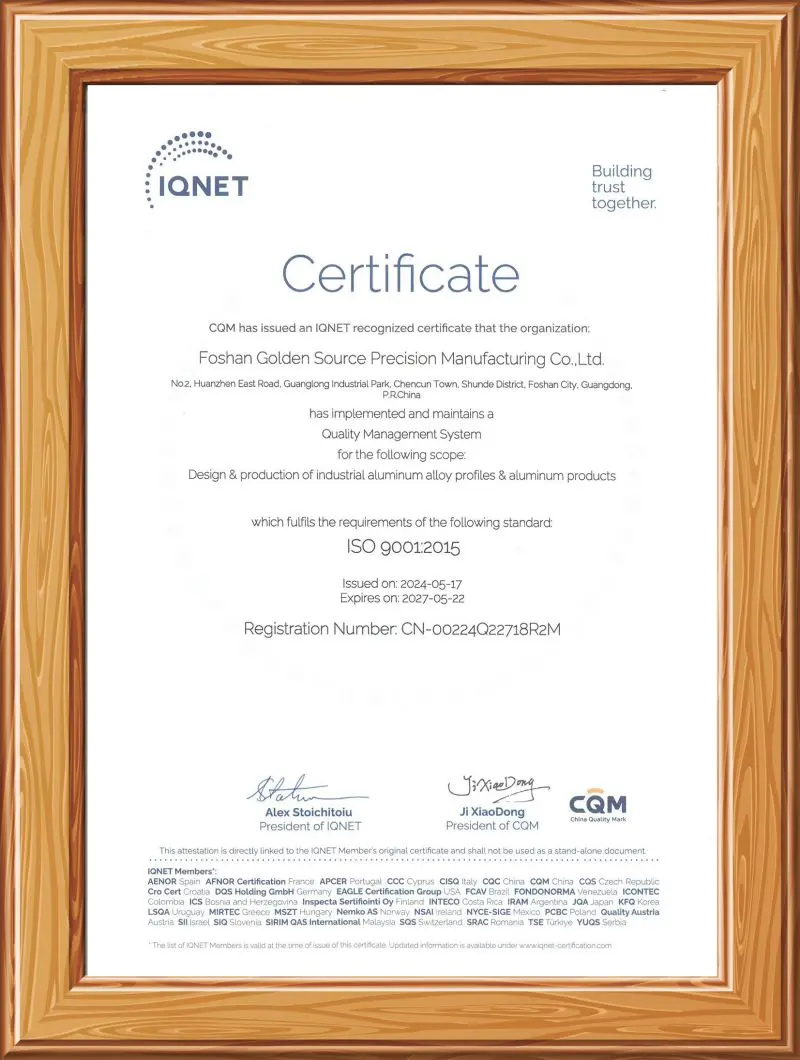
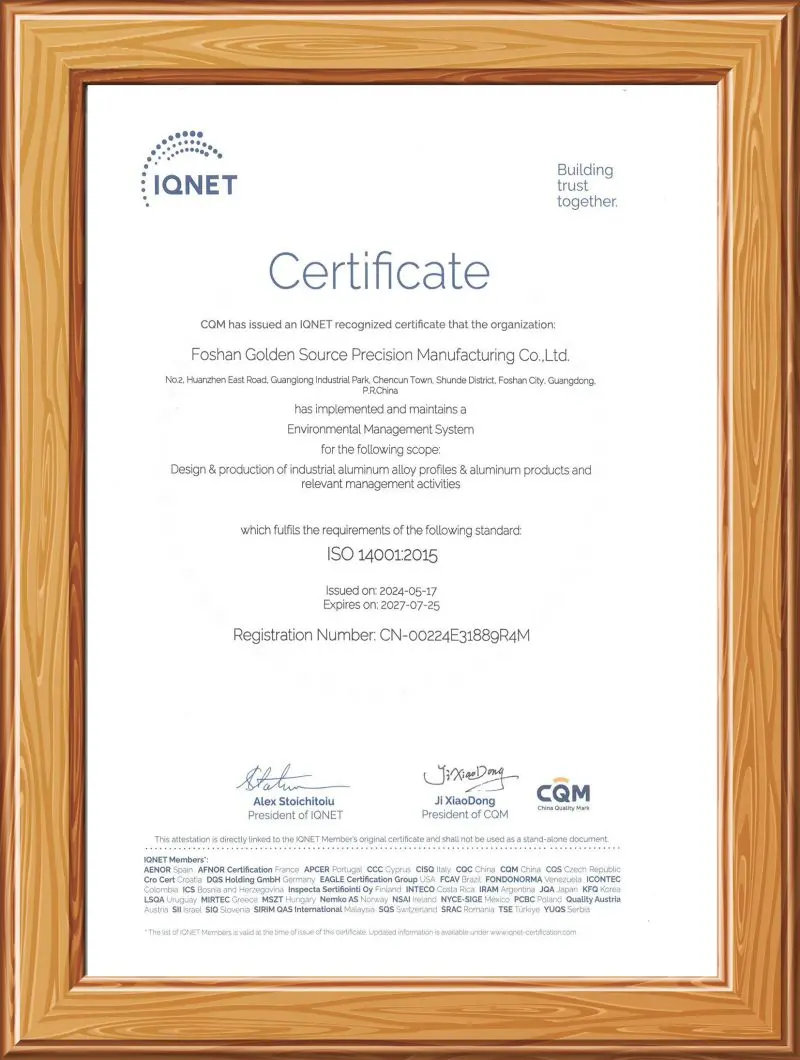
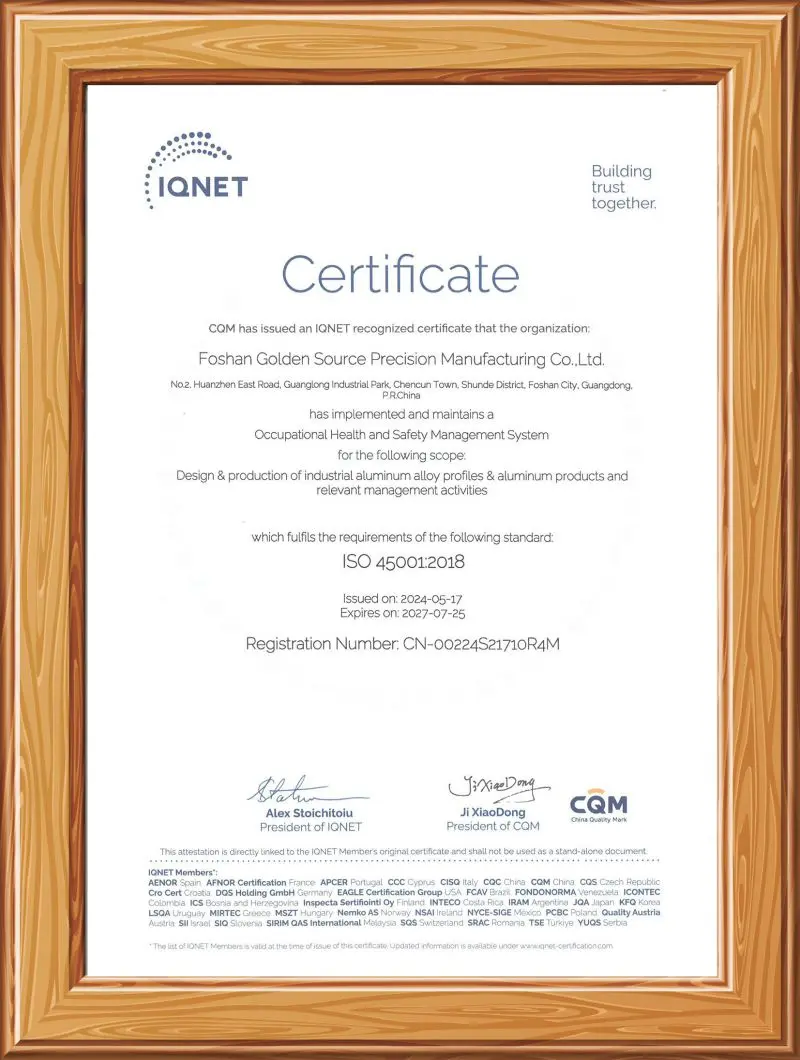
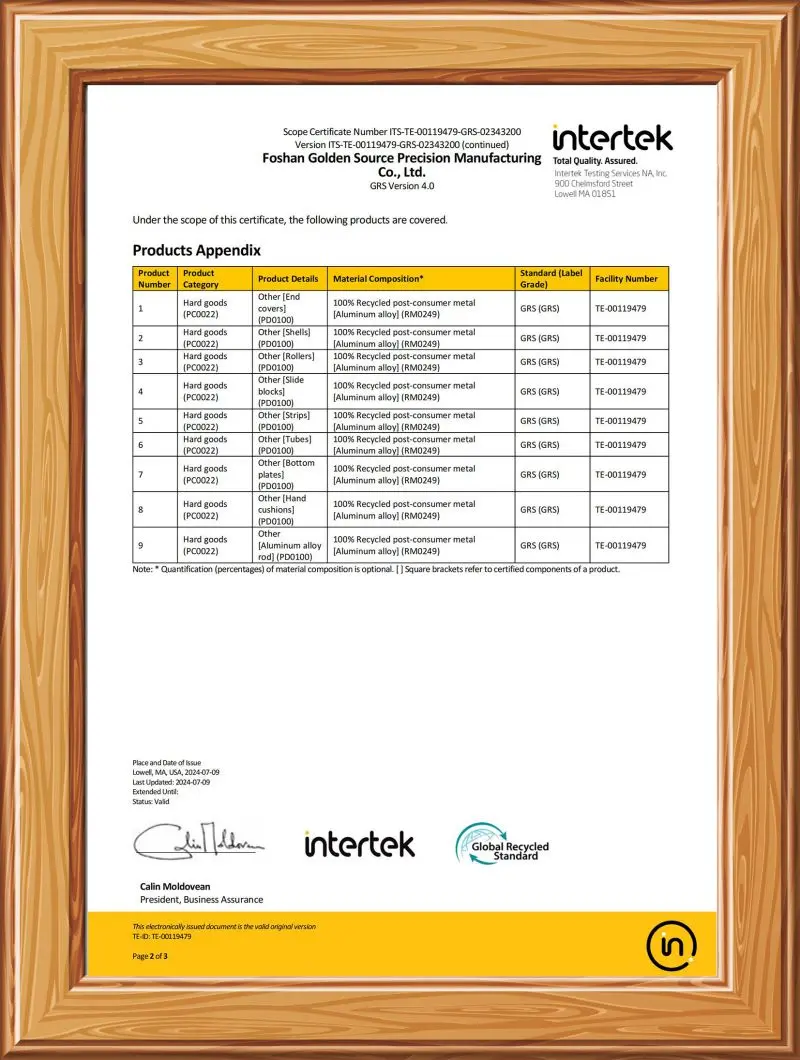
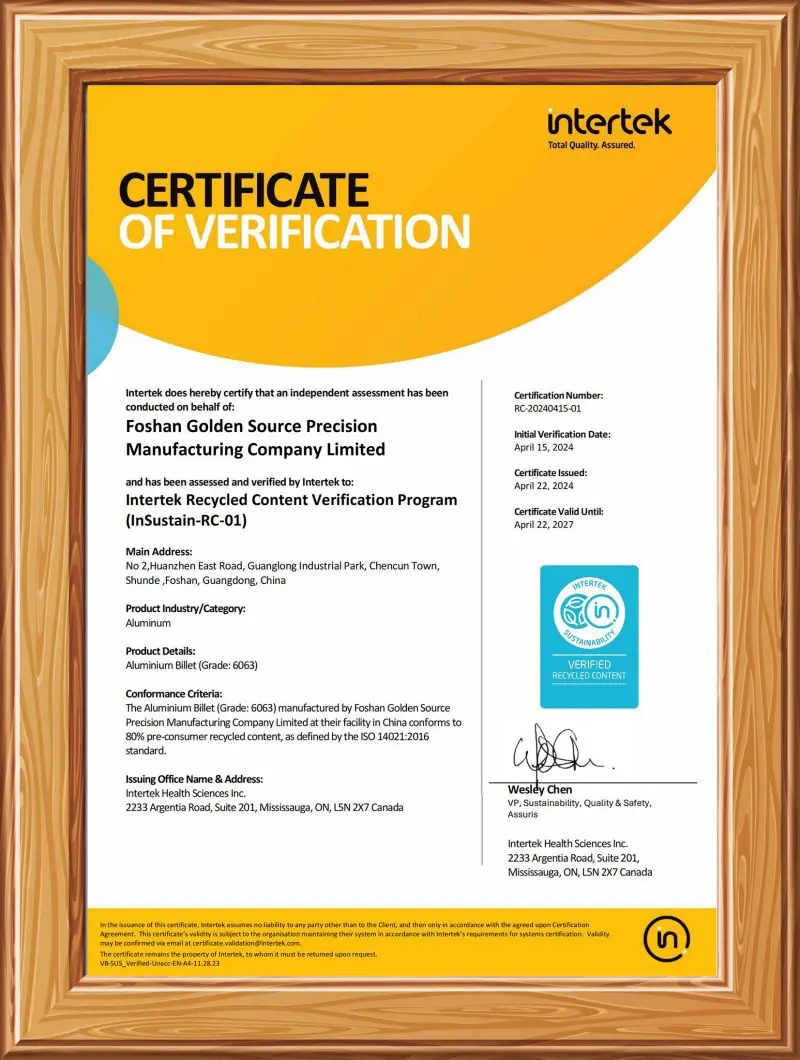
Compliance and quality are engineered into our facilities. Foshan Golden Source holds international certifications including ISO9001, ISO14001, ISO45001, RCV, and GRS. This ensures that all custom parts and black aluminum enclosures satisfy strict global environmental frameworks, including the EU's REACH regulation.
We melt the alloy in-house in our foundry. This allows our metallurgists to adjust chemical compositions dynamically, ensuring the absolute best physical properties, microstructural uniformity, and optimal alloy purity for cosmetic-grade black anodizing.
Both complex CNC machining and multi-step surface treatments are executed entirely in-house. This centralized pipeline guarantees rigorous quality inspections at each phase, saving production overhead and enabling highly competitive pricing without sacrificing tolerance controls.
By eliminating third-party sub-contractors, our vertical "one-stop" manufacturing loop drastically slashes logistics and communication delays, ensuring that custom runs move quickly from raw billet to packed shipment.
As electrical components shrink in size and grow in power density, the requirements for their physical protective barriers become more stringent. Our engineering department focuses on four pivotal industrial vectors to remain at the forefront of this segment:
Developing and standardizing structural alloys sourced from 100% post-consumer recycled aluminum, with controlled levels of trace iron elements to guarantee perfect anodizing response and high mechanical performance.
Co-designing enclosures with integrated liquid-cooling channels and micro-friction stir welded (FSW) plates, optimizing thermal pathways directly inside the structural extrusion profiles.
Perfecting micro-arc oxidation (MAO) and advanced chemical sandblasting processes that produce dense ceramic coatings, ensuring over 1,000 hours of neutral salt spray resistance (ASTM B117).
Deploying machine learning algorithms in tooling design to predict metal flow velocity and thermal stresses during the extrusion process, resulting in near-zero dimensional deviation.
Custom black aluminum enclosures from Foshan Golden Source serve as crucial components across several major industrial landscapes:
High-strength 6061-T6 housings for battery management systems (BMS), motor controllers, and DC-DC converters. Built to withstand continuous vibration and rapid thermal cycles while protecting critical electronics.
Rugged, weather-resistant outdoor enclosures with deep heat sink fins. Engineered to maximize heat dissipation under direct sunlight and resist harsh environmental elements in remote base stations.
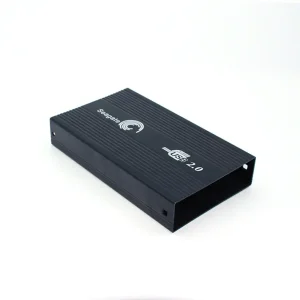
Sleek, satin-finish black enclosures for hard disk cases, power amplifiers, and smart hub consoles. Focuses on premium ergonomics, tight tolerances, and aesthetic perfection.
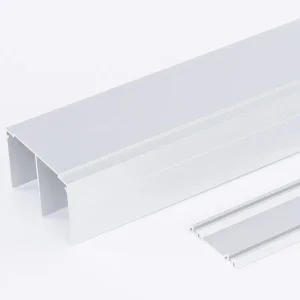
Our capabilities extend to localized customization demands. In the North American industrial automation sector, for instance, we regularly manufacture custom mounting frames and enclosures with integrated T-slot tracks and custom mounting holes. In Europe, our production team complies with strict environmental standards to supply structural train door components and window frames that require extreme structural integrity, high cycles, and complete compliance with public safety regulations.
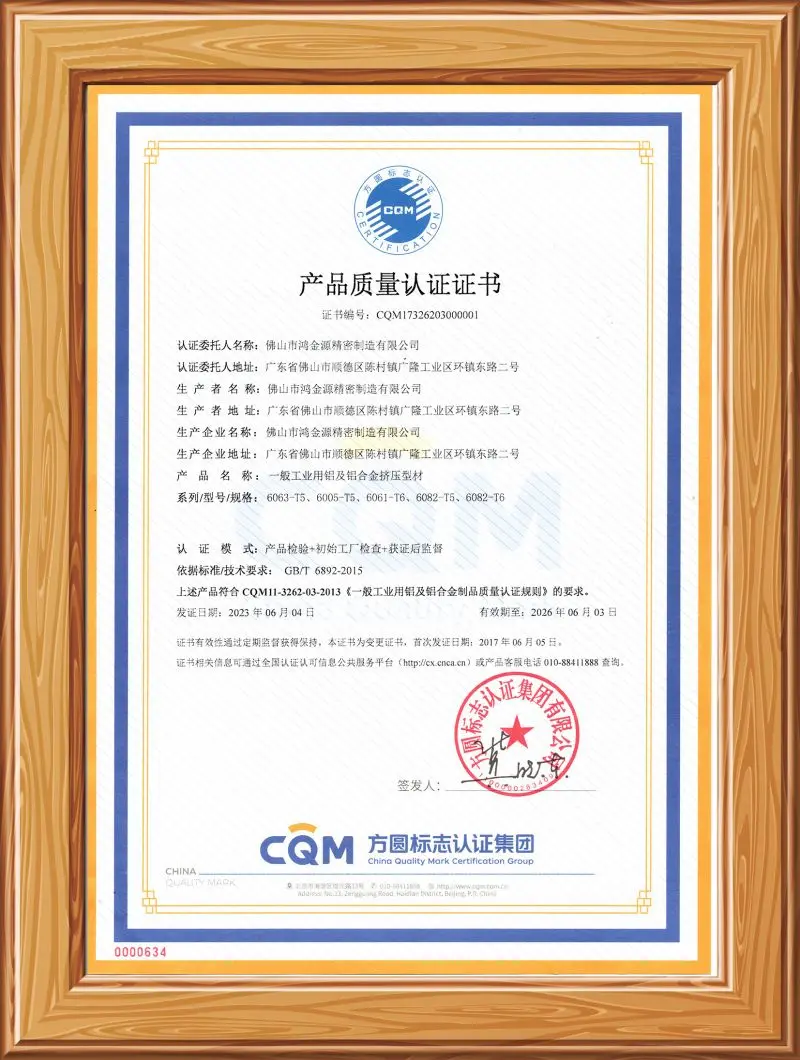
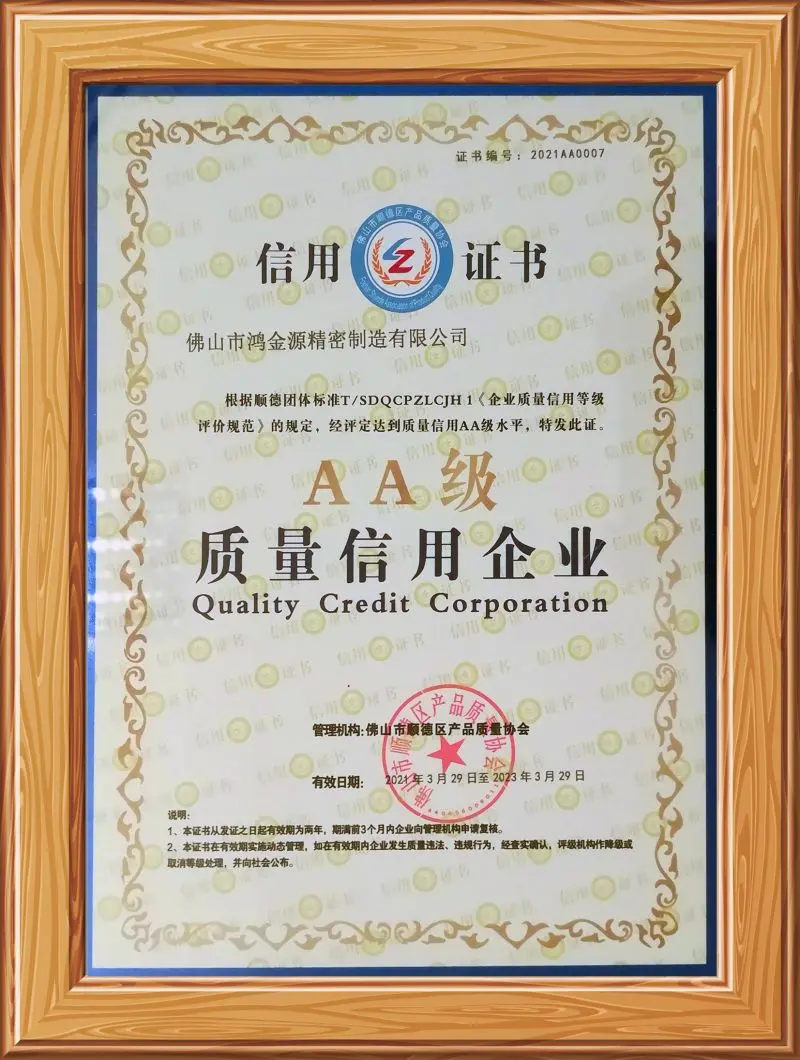
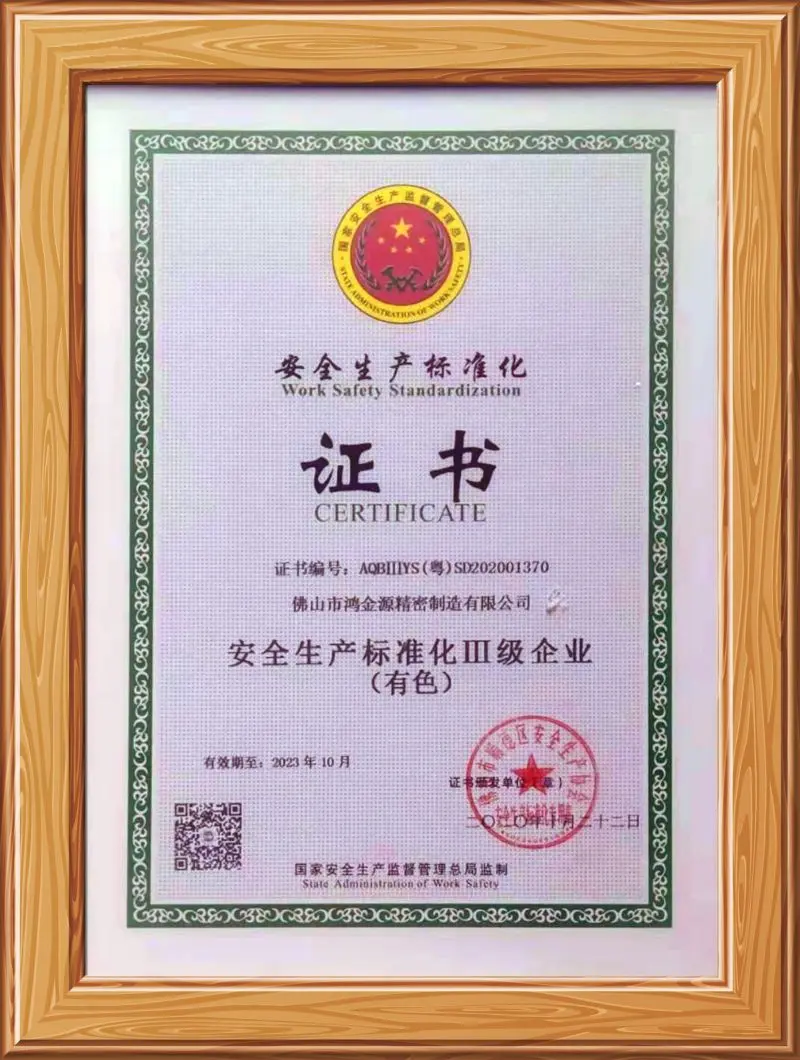
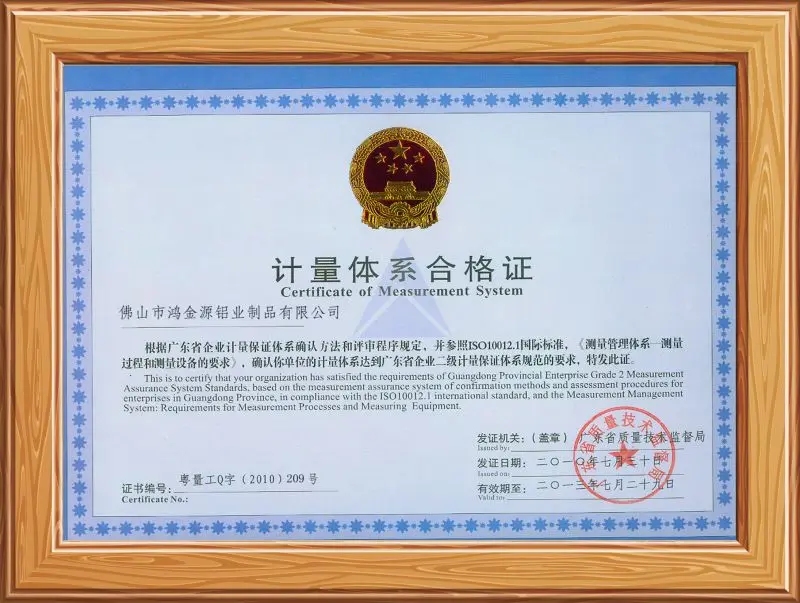
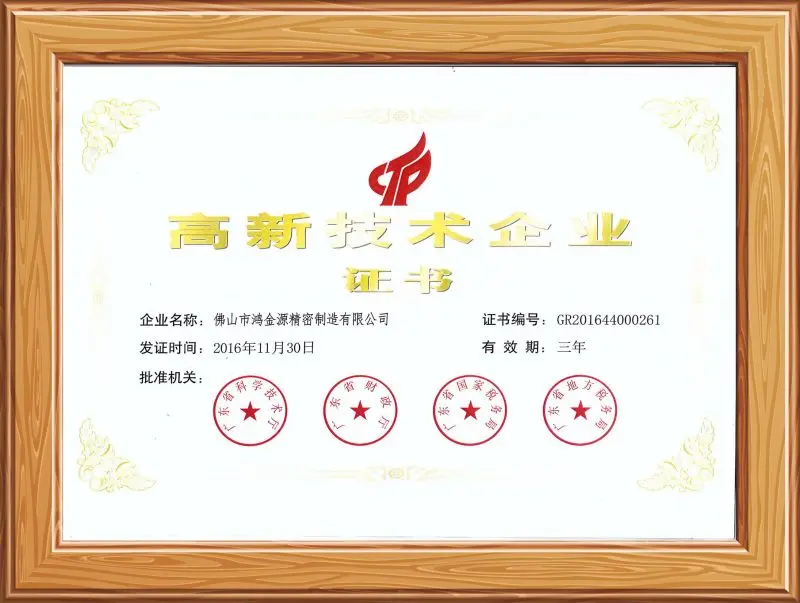
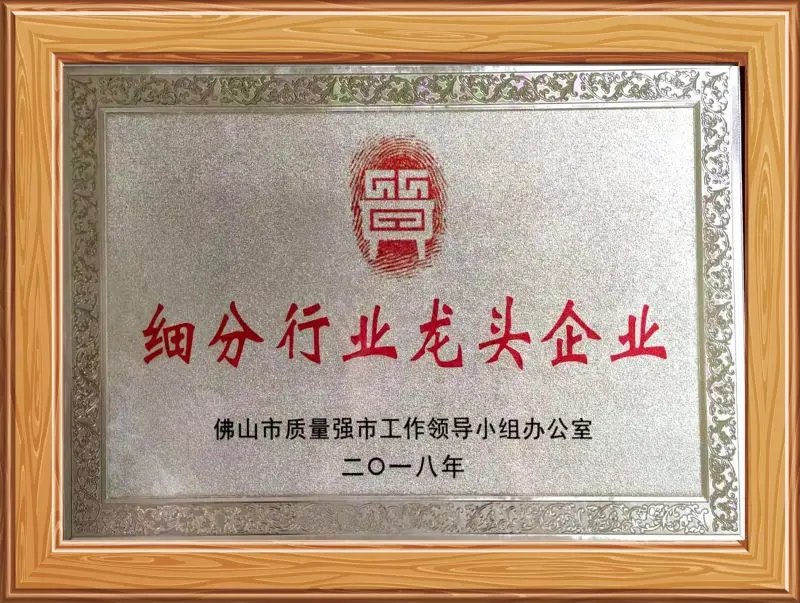
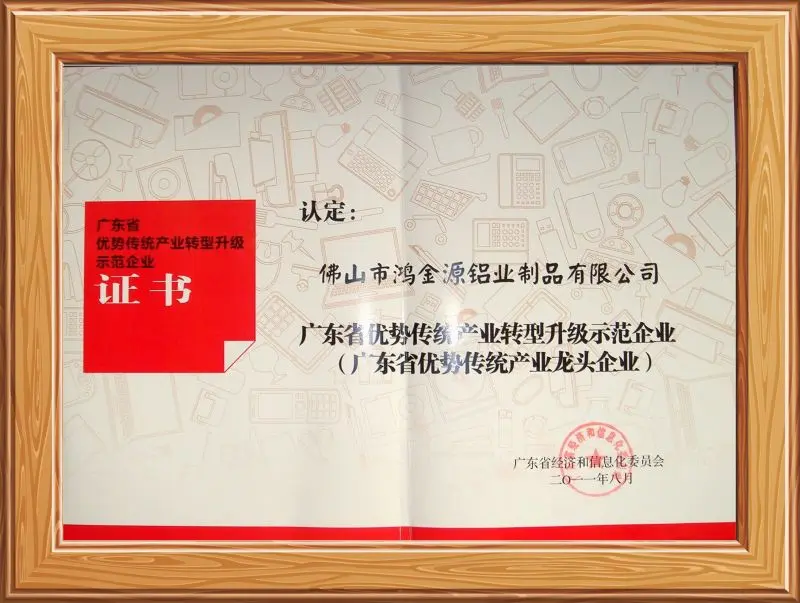
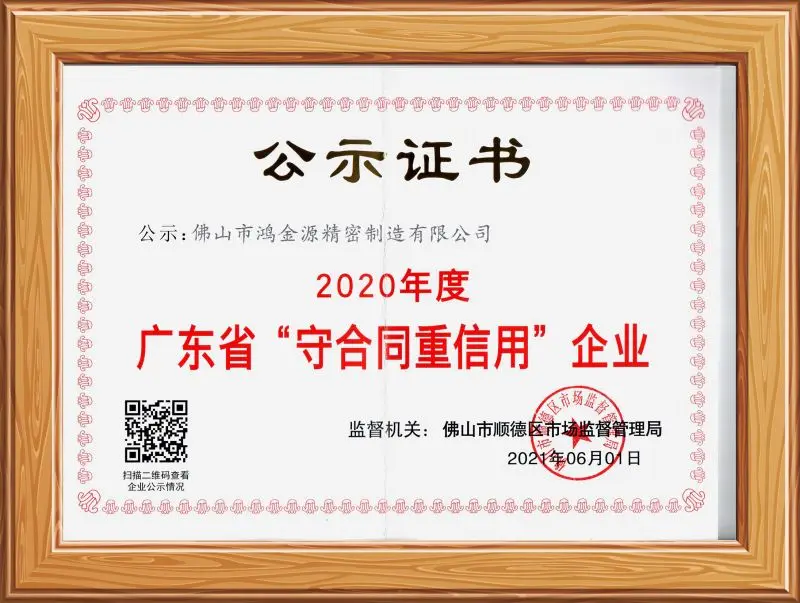
Foshan Golden Source is certified to ISO9001, ISO14001, ISO45001, GRS, and RCV. These modern standards verify our commitment to clean production, creditworthiness, consistent quality, and technological development. Below are some of our official certificates and awards from municipal, provincial, and national authorities.
Black anodizing is an electrochemical conversion process that alters the aluminum surface into a hard oxide layer. It provides superior thermal radiation efficiency, excellent wear resistance, keeps structural parts grounded, and does not peel. Powder coating, on the other hand, is an organic dry paint finish applied electrostatically. It offers better color customization and superior chemical protection against aggressive environments, but acts as a thermal insulator compared to anodized finishes.
6063-T5/T6 is highly formable and offers an exceptional surface finish, making it the preferred choice for detailed architectural profiles, server faceplates, and visual consumer products. 6061-T6 offers significantly higher tensile yield strength (approx. 276 MPa vs. 6063's 214 MPa) and shear strength, making it ideal for structural parts, metro transit components, and automotive frames that require higher physical loading capacities.
Managing the metallurgical melt in-house allows us to adjust alloying elements (such as magnesium, silicon, and iron levels) precisely. Eliminating impurities and controlling grain structures is essential to prevent defects such as "orange peel" textures, streaking, or structural inconsistencies when parts undergo chemical etching and deep black anodizing.
With our modern multi-axis CNC machining centers, we consistently achieve tolerances as tight as ±0.01mm to ±0.05mm, depending on part geometry and specifications. This makes our machined parts suitable for tight fits in aerospace, electronic packaging, and industrial instrumentation applications.
 HG Precision