Explore our engineering excellence. High-tolerance components manufactured from custom raw alloys and precision machined in-house.
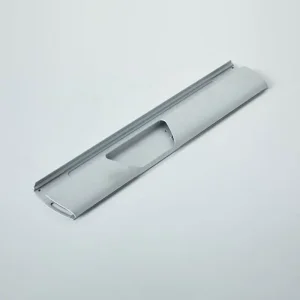
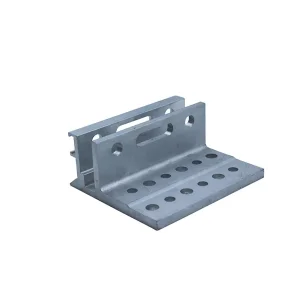
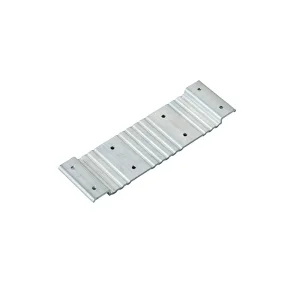

An in-depth analysis of processing methods, quality metrics, and supply-chain adaptation in high-precision structural manufacturing.
In modern industrial design, the requirements for structure and thermal regulation have elevated the role of precision aluminum tube bending. Historically, structural configurations relied on welded joints or complex fastening networks. However, these methods introduce structural stress points, susceptibility to galvanic corrosion, and excess weight. Precise tube bending offers a seamless, single-piece solution that optimizes fluid dynamics, enhances visual profiles, and maximizes the mechanical properties of aluminum alloys. This process is critical for industries such as EV automotive cooling systems, high-capacity heat exchangers, aerospace conduits, and high-strength outdoor equipment.
Globally, the demand for bent aluminum tubes continues to rise. The drive towards vehicle electrification requires lightweight, space-efficient coolant lines to maintain safe battery temperatures. Similarly, the solar and HVAC industries require robust structures capable of weathering environmental stresses without material degradation. Precision in this field is defined by strict control over wall thinning, ovality (deformation of the tube's circular cross-section), and springback compensation during bending processes. Achieving this level of precision requires advanced equipment, strict process control, and an understanding of physical metallurgy.
Not all aluminum alloys behave identically under bending stress. The choice of material dictates the minimum bend radius, wall integrity, and post-bending strength. Below is a breakdown of the primary series used in industrial applications:
How vertical integration, industrial density, and raw material controls support efficient production at Foshan Golden Source.
Established in 1991, Foshan Golden Source is a manufacturer of high-strength, high-precision, customized aluminum profiles, precise machining parts, welded components, and assembled products. Our modern, environmentally friendly production facility covers over 73,000 square meters.
We operate a fully integrated production line that covers alloy casting, mold design & building, extrusion, precision CNC machining, welding, surface finishing, and assembly. This single-site approach minimizes logistics delays, reduces handling damage, and maintains quality control throughout the manufacturing cycle.
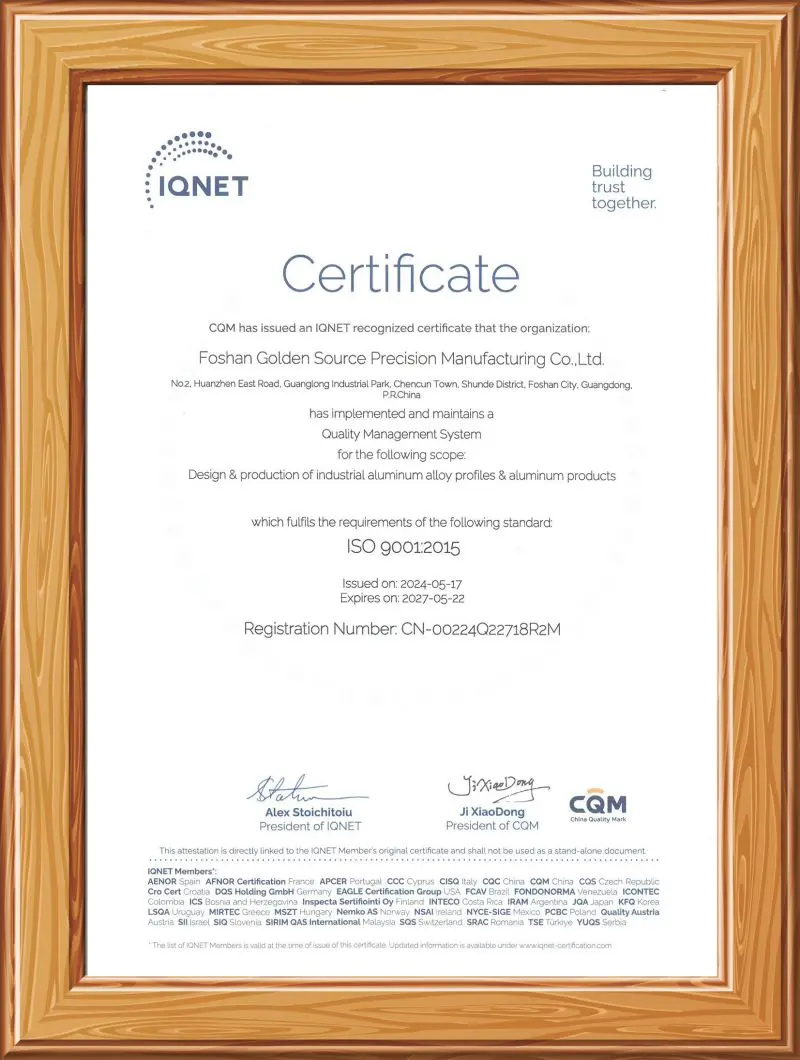
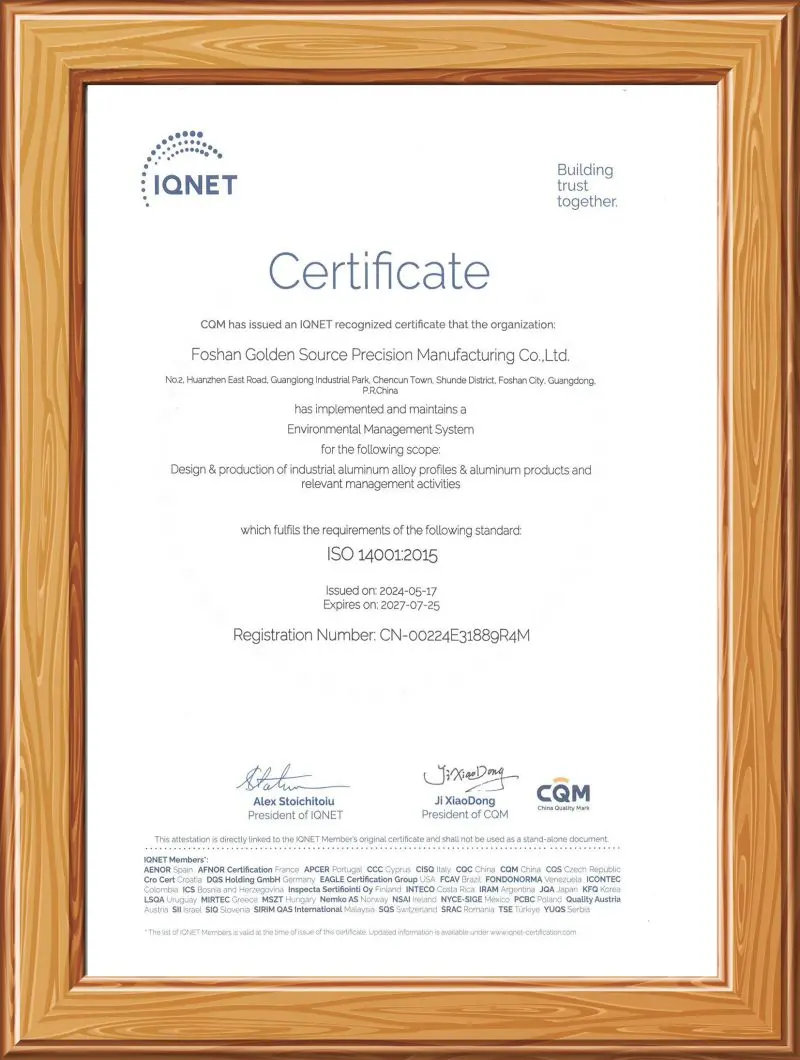
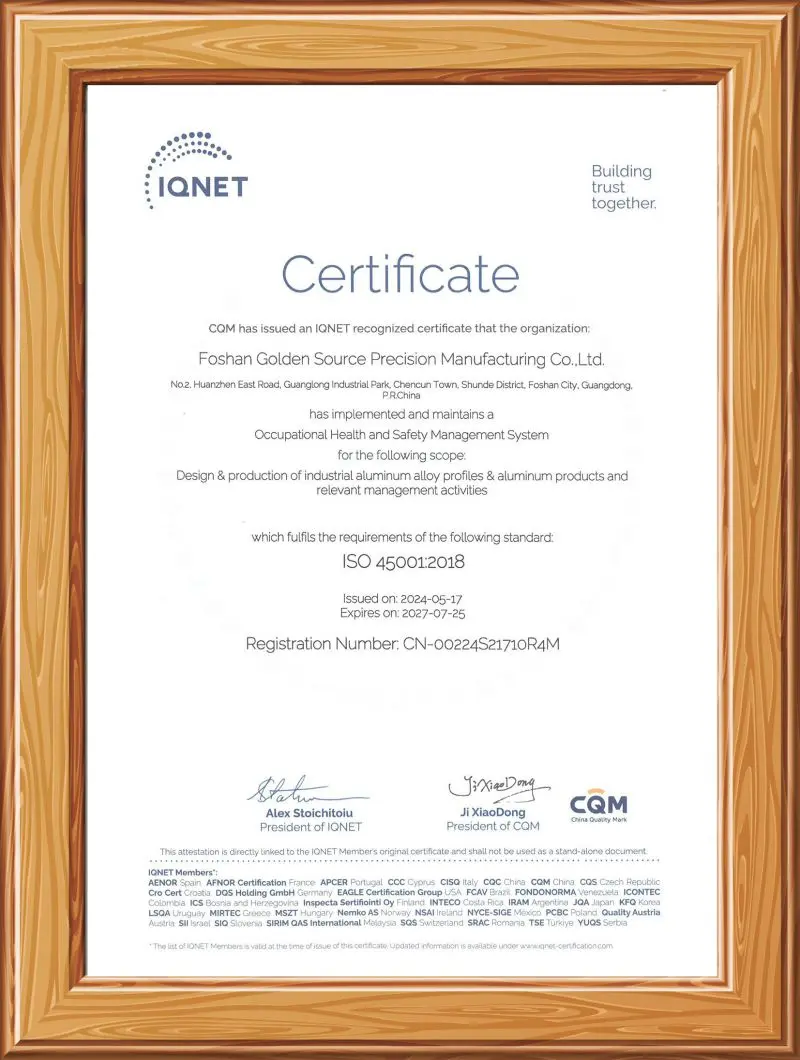
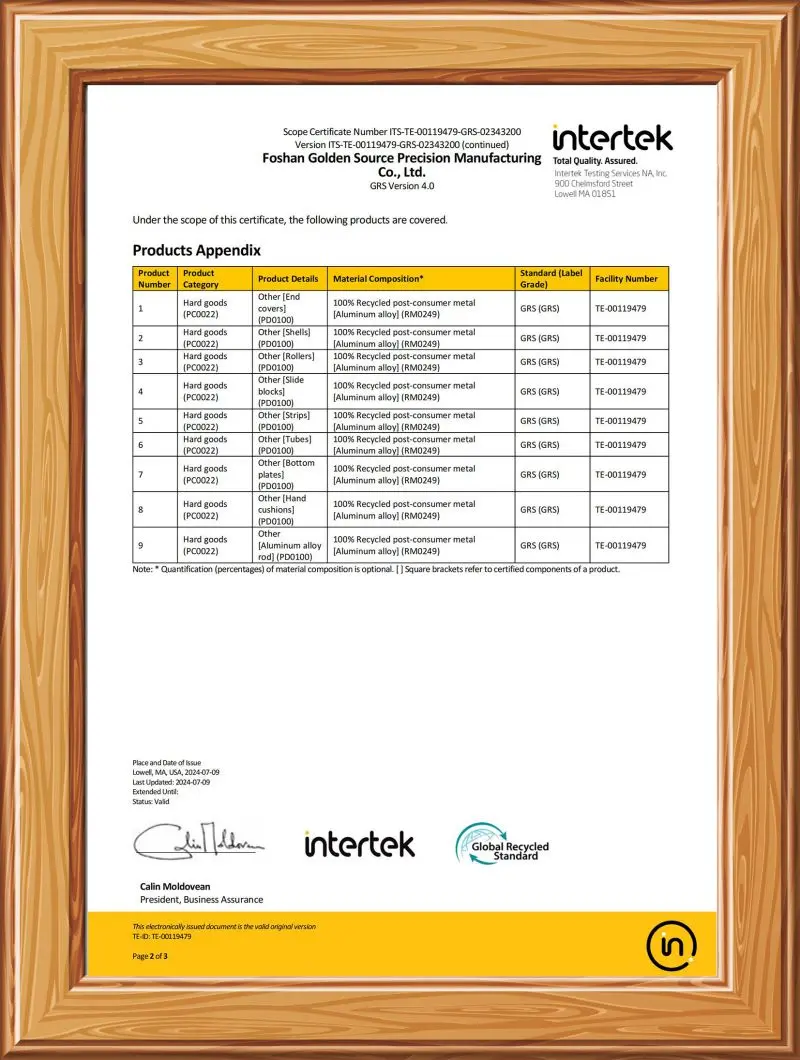
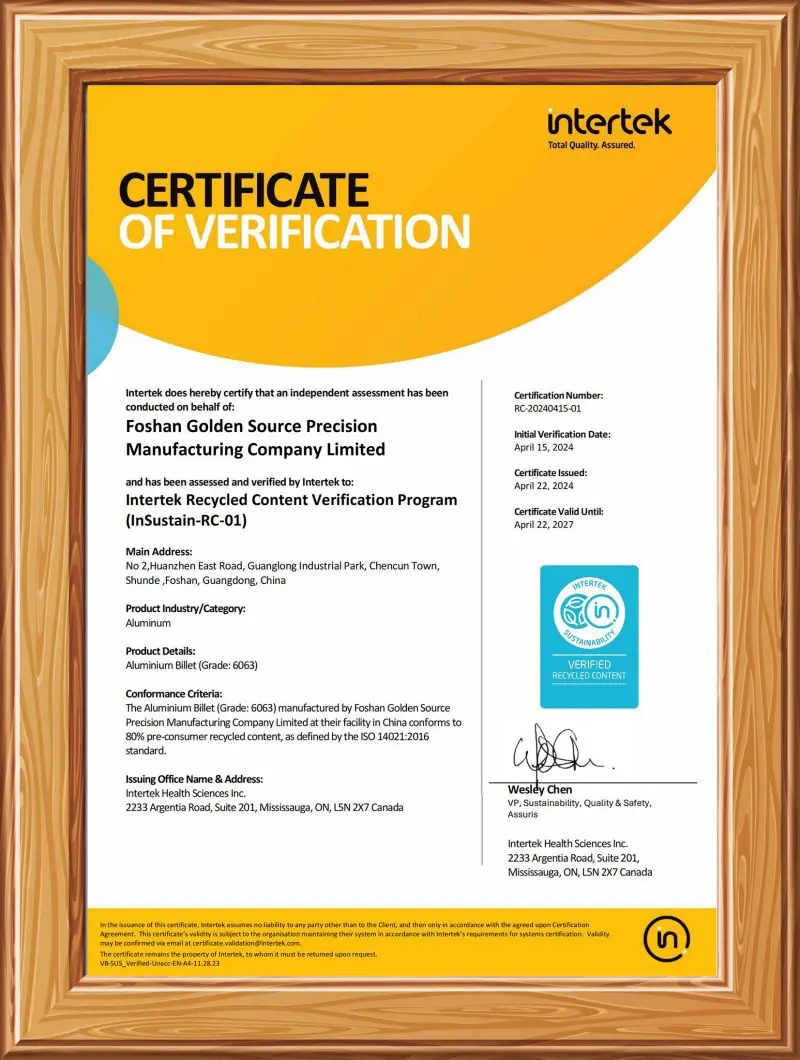
Our materials comply with European environmental regulations, and our operations are certified under ISO9001, ISO14001, ISO45001, RCV, and GRS (Global Recycled Standard) protocols.
Company Catalogue Download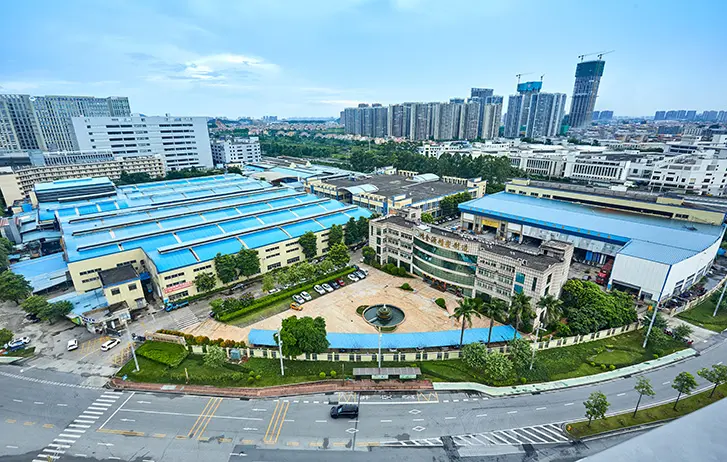
We melt and refine alloy compositions in-house. This allows us to adjust alloying elements to achieve target physical properties and high purity for subsequent anodizing.
By keeping machining, welding, and surface treatment in-house, we reduce part handling risks and maintain tight quality control throughout the process.
Our combined alloy casting, extrusion, CNC processing, and surface treatment lines shorten production cycles, supporting reliable lead times for our clients.
How precision aluminum profiles and bent tubing serve critical roles across primary industrial sectors.
Precision-formed aluminum profiles and tubes are utilized across a range of structural and thermal applications. By replacing heavy steel alternatives, modern aluminum fabrications help support weight reduction, corrosion resistance, and heat dissipation requirements in challenging environments.
3003 and 6063 multi-port tubes are bent into serpentines for EV battery cooling plates. The process requires tight tolerances for flatness and inner-channel stability to prevent flow restriction.
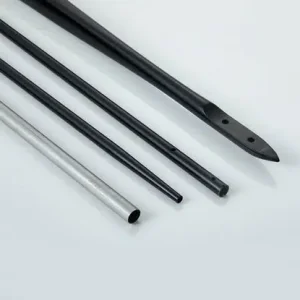
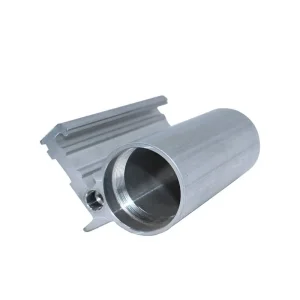
Using 7075 and 6061 alloys, we supply high-strength tubing for climbing poles, structural frames, and aerospace conduit lines where weight reduction and high yield strength are essential.
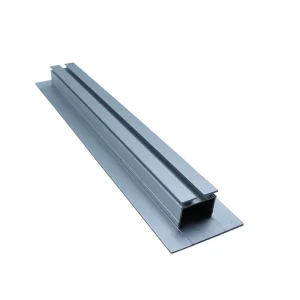
We fabricate structural supports, solar mounting systems, and high-strength hinges that resist wind loads and harsh outdoor exposure through durable anodized finishes.
Bending thin-walled aluminum profiles involves managing physical challenges like springback and wall thinning. When a tube is bent, the outer wall undergoes tension (causing thinning) while the inner wall faces compression (potentially causing wrinkling). At Foshan Golden Source, we resolve these challenges using three primary approaches:
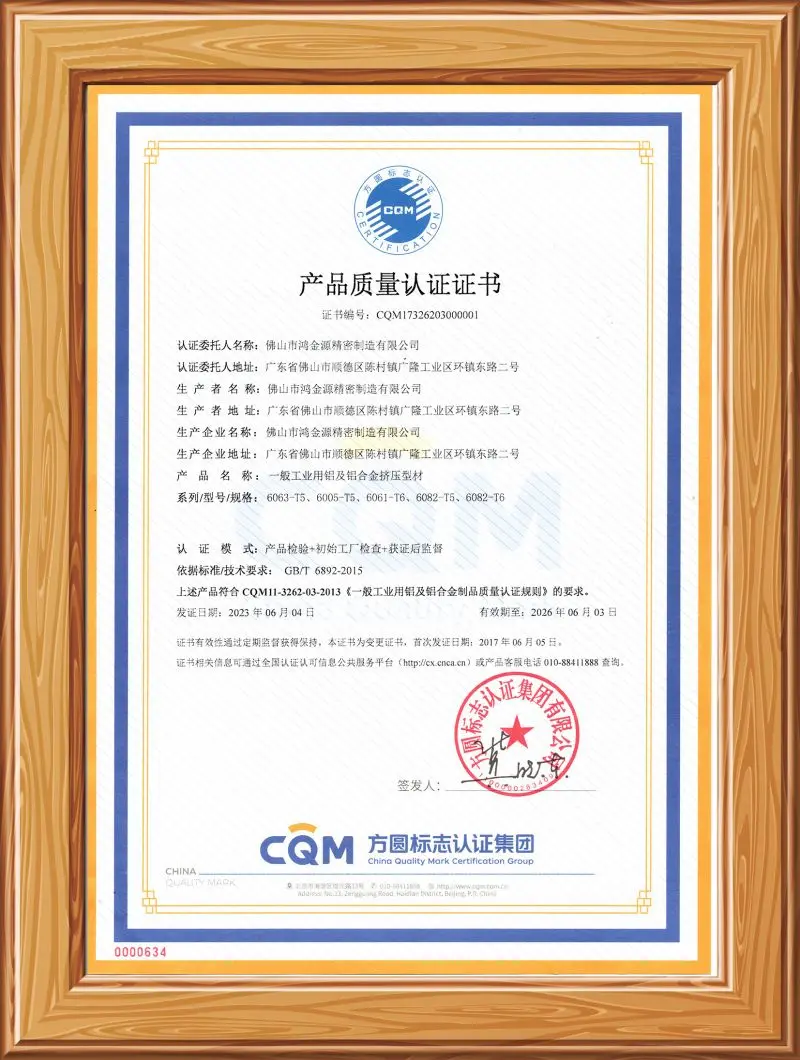
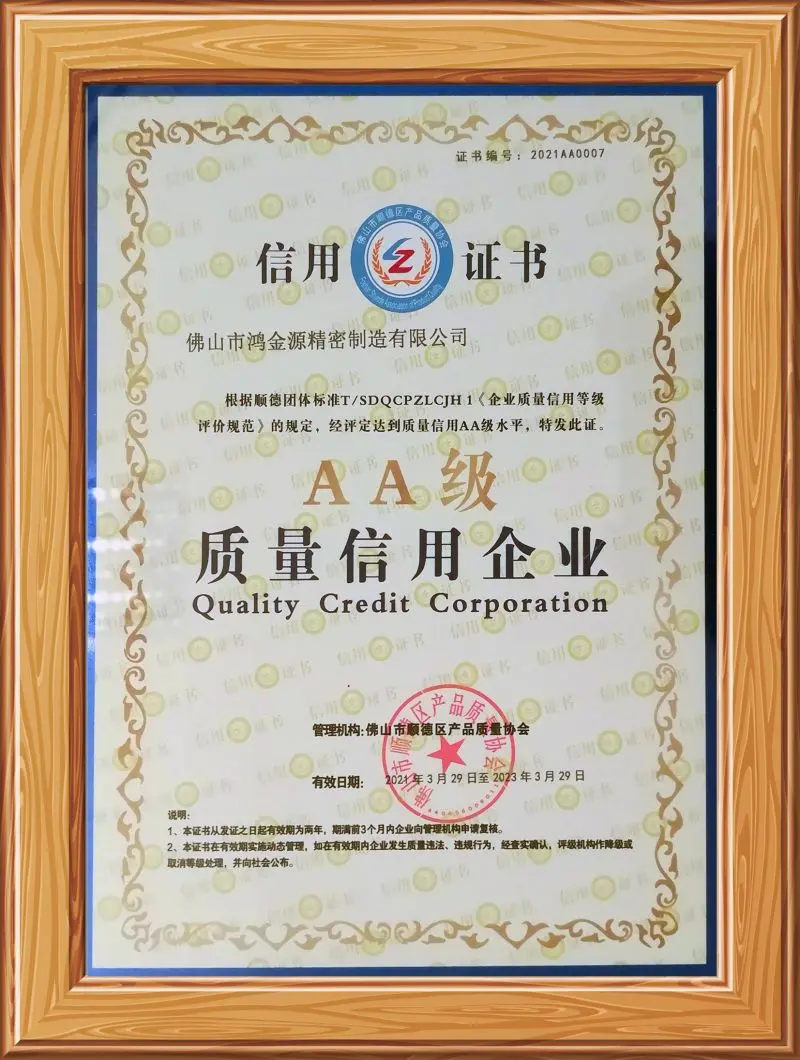
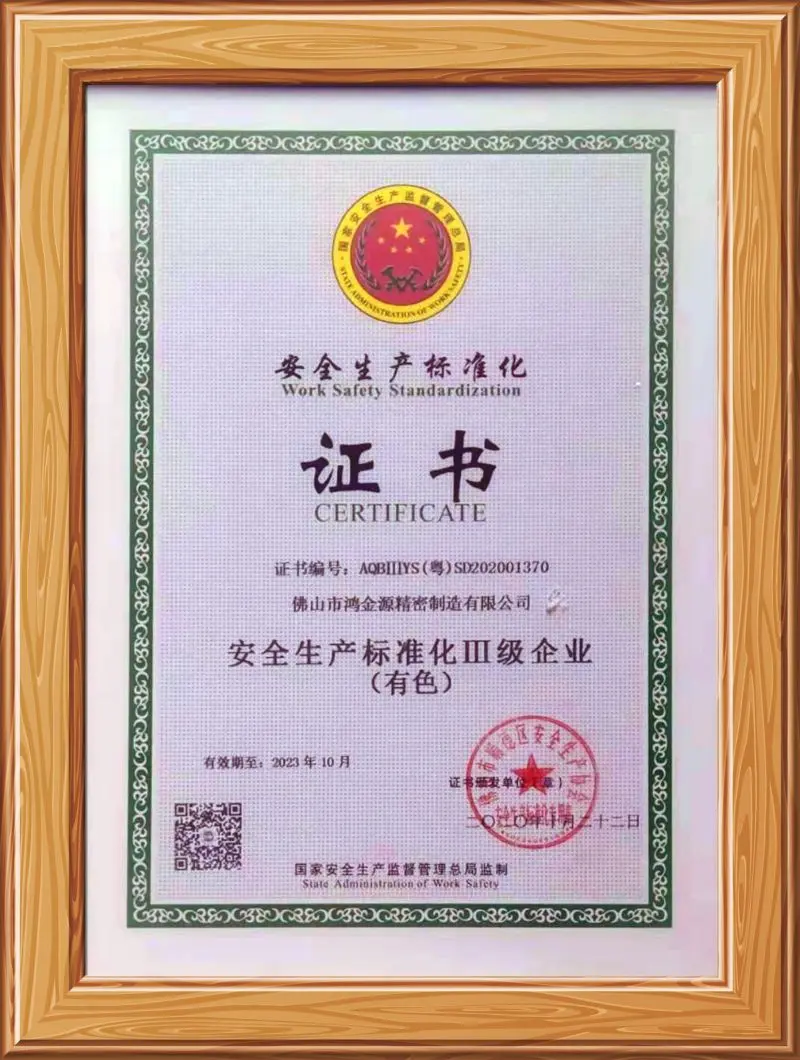
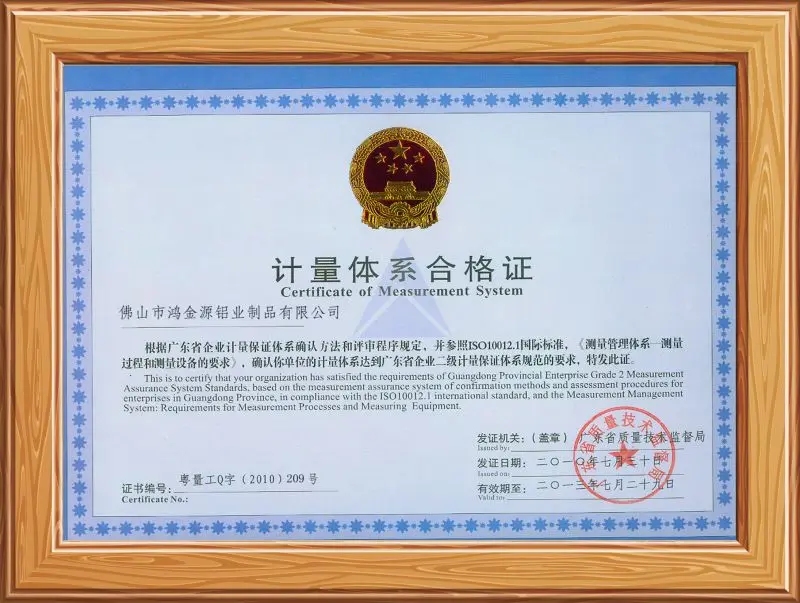
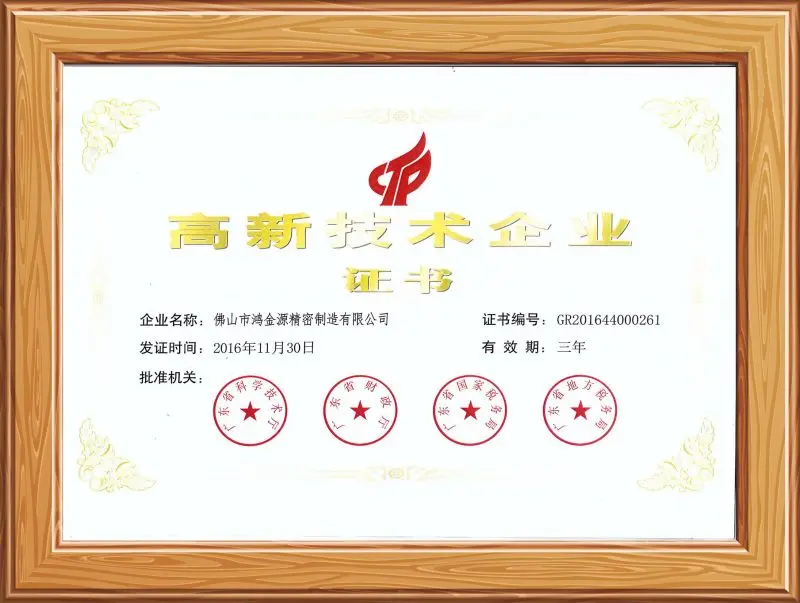
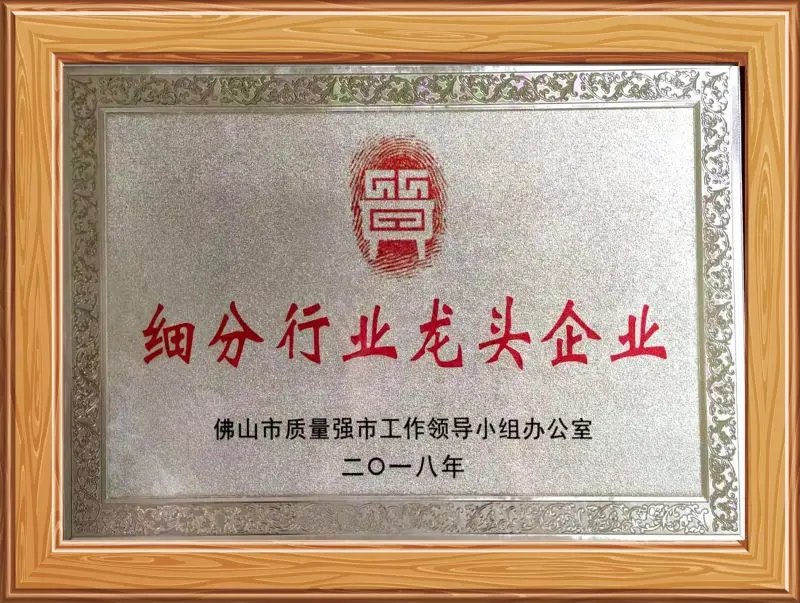
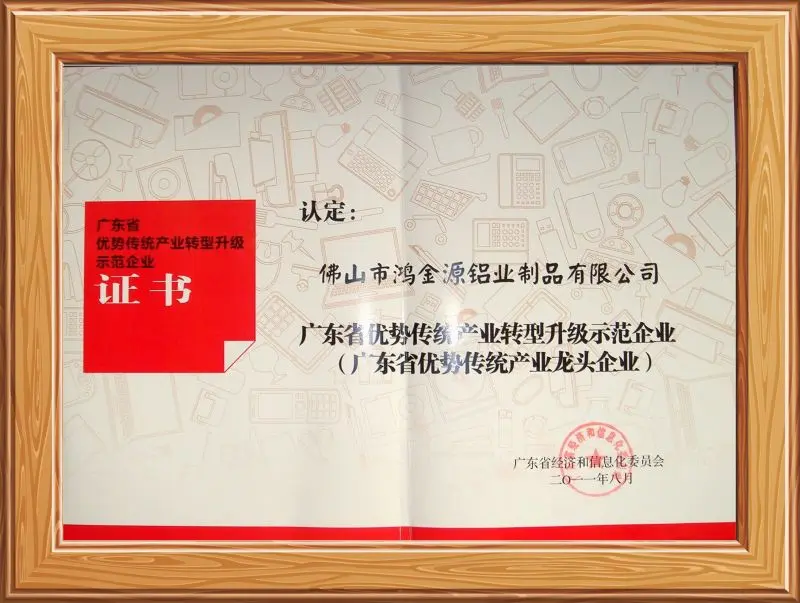
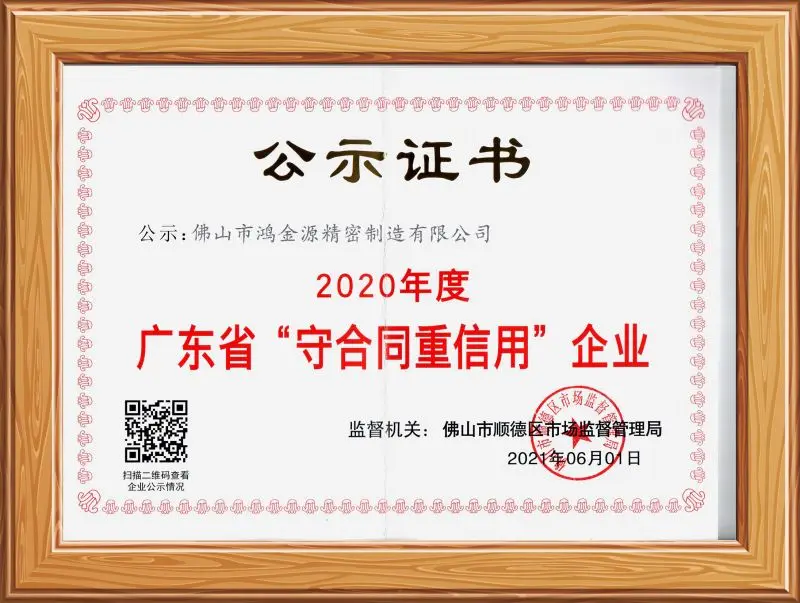
Our commitment to international quality standards, worker safety, and environmental responsibility is backed by certifications.
We hold ISO9001, ISO14001, ISO45001, GRS, and RCV certifications. Our Global Recycled Standard (GRS) and Recycled Content Verification (RCV) audits align with current EU environmental regulations (REACH). We focus on using recycled content and clean production practices to help clients meet their corporate sustainability targets.
Answers to common technical and sourcing questions regarding aluminum extrusion, bending, and manufacturing.
Custom solutions manufactured to tight dimensional tolerances for global industrial markets.
 HG Precision