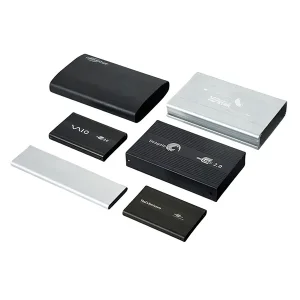
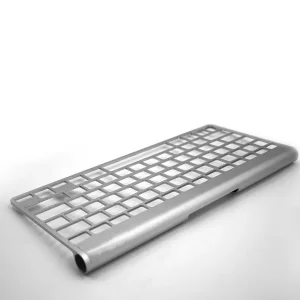
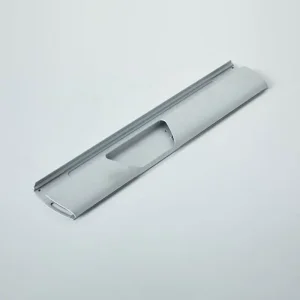
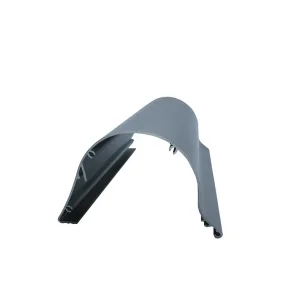
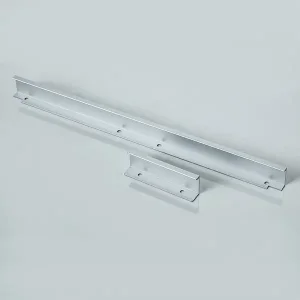
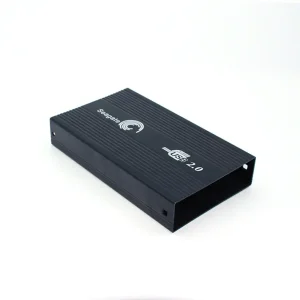
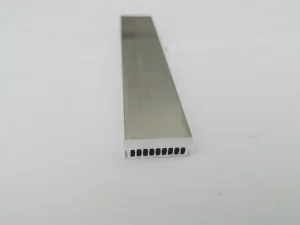
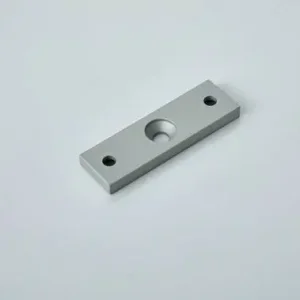
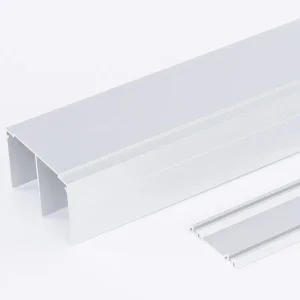
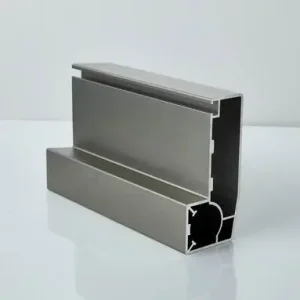
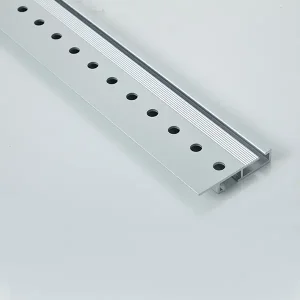
Explore our engineering capabilities across customized high-precision aluminum casings, frames, and sliding mechanisms.
In modern architectural design and industrial infrastructure, sliding doors are critical features of functional zoning, spatial maximization, and thermal efficiency. The structural performance of these systems depends heavily on high-quality aluminum sliding door profiles. Global markets demand aluminum extrusions that provide high structural stability, corrosion resistance, and precise dimensional control. Aluminum sliding door profiles are no longer just basic frames—they are complex, engineered elements designed for thermal barriers, acoustic dampening, and advanced security configurations.
Historically, commercial developers relied on standard steel or vinyl alternatives. However, the high strength-to-weight ratio of customized aluminum (primarily standard architectural 6xxx series alloys like 6063-T5, 6063-T6, and 6061-T6) has established it as the industry standard. High-quality aluminum profiles enable developers and manufacturers to create slim sightlines with larger glass panels. This design delivers maximum natural light while maintaining structural integrity against high wind loads and regional seismic demands.
Utilizing high-purity aluminum alloys optimized in-house to achieve maximum yield strength and mechanical properties, ensuring long-term wear resistance under daily cyclic loading.
Integrated manufacturing workflows—from billet casting and mold design to multi-axis CNC machining and anodizing—enable strict dimension controls and lower production costs.
One-stop production facilities minimize transportation lead times and logistics friction, providing rapid turnaround for large-scale commercial real estate and industrial bids.
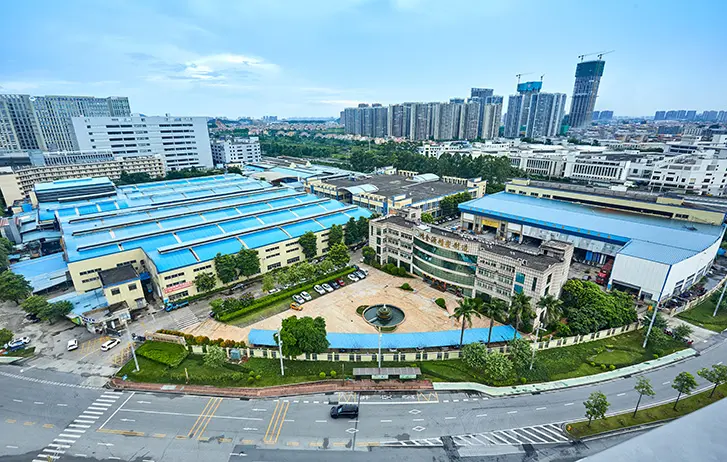
Established in 1991, Foshan Golden Source Precision Manufacturing Co., Ltd. is a professional manufacturer of high-strength, high-precision customized aluminum profiles, precise machining parts, welded assemblies, and complete structural products. Spanning a modern, environmentally responsible production facility of over 73,000 square meters, our operation delivers a fully integrated one-stop manufacturing process.
Our operational capabilities include in-house alloy casting, mold research, design and building, extrusion lines, precision CNC machining, certified robotic welding, mechanical assembly, and advanced chemical surface treatments. By controlling the supply chain from raw ingot to final packed product, we ensure structural consistency, lower processing waste, and excellent cost efficiency.
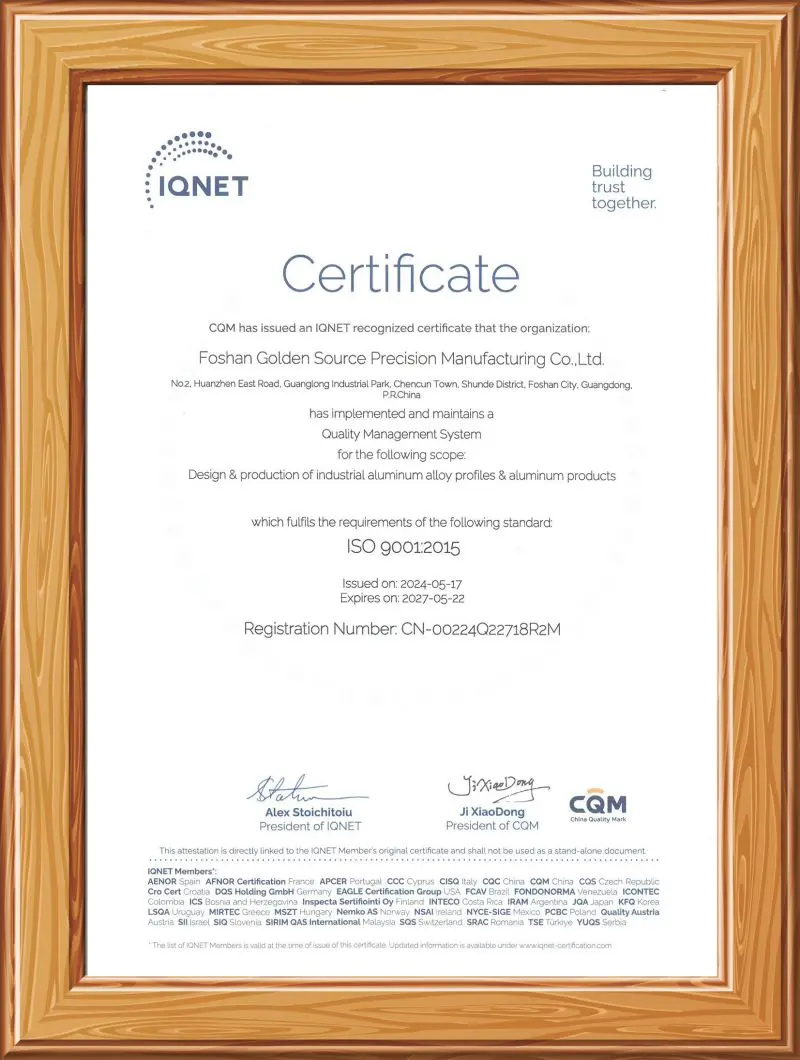
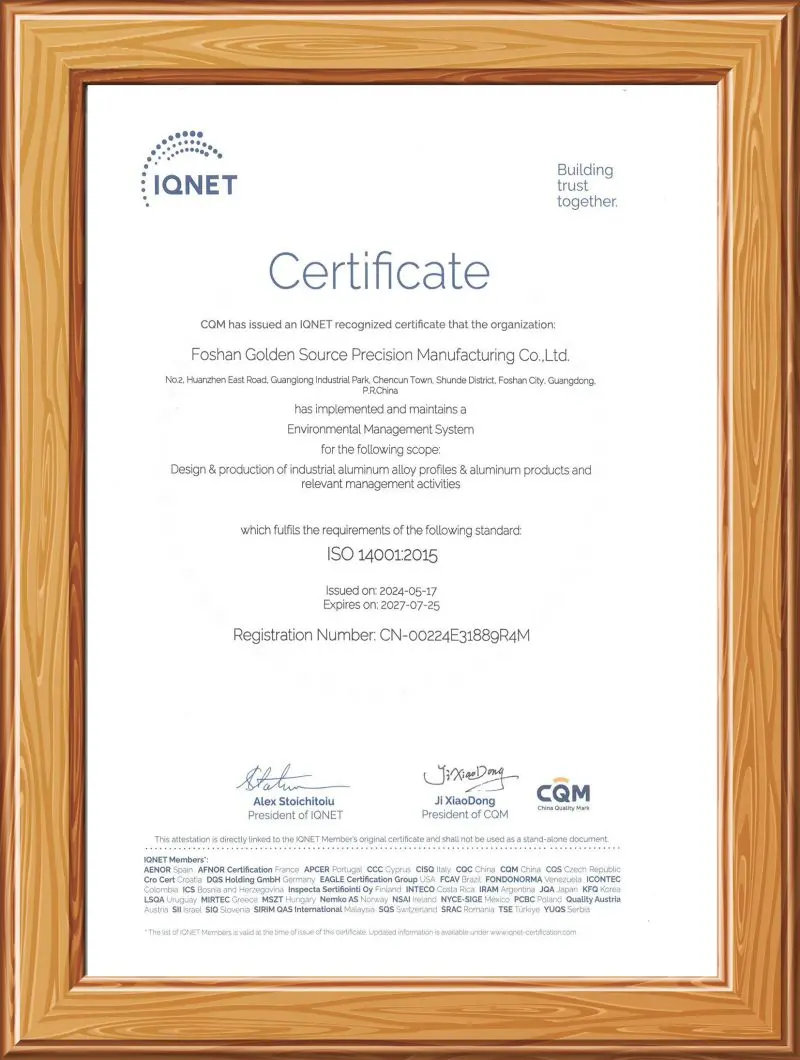
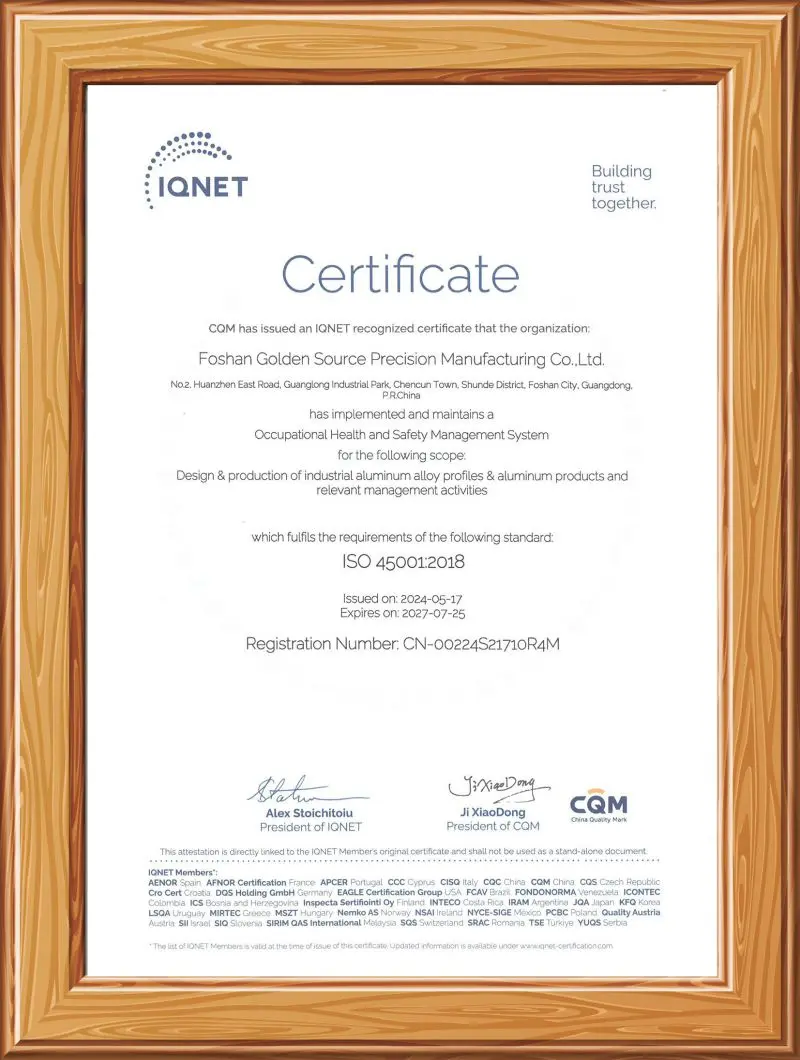
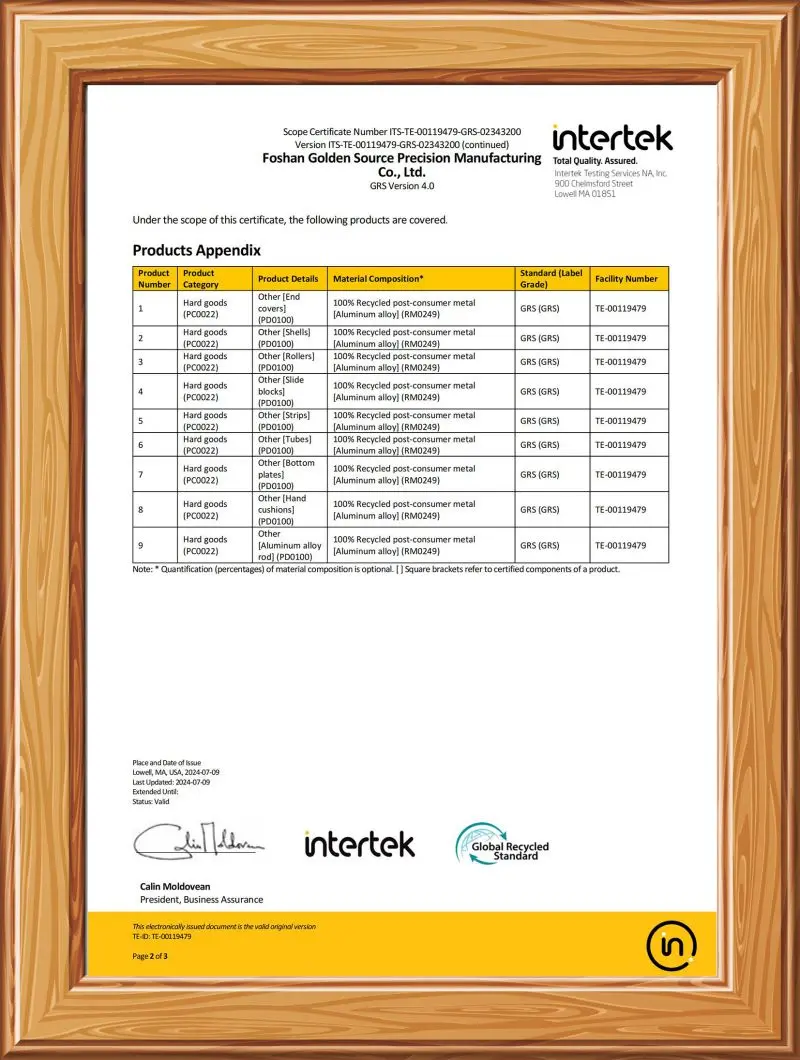
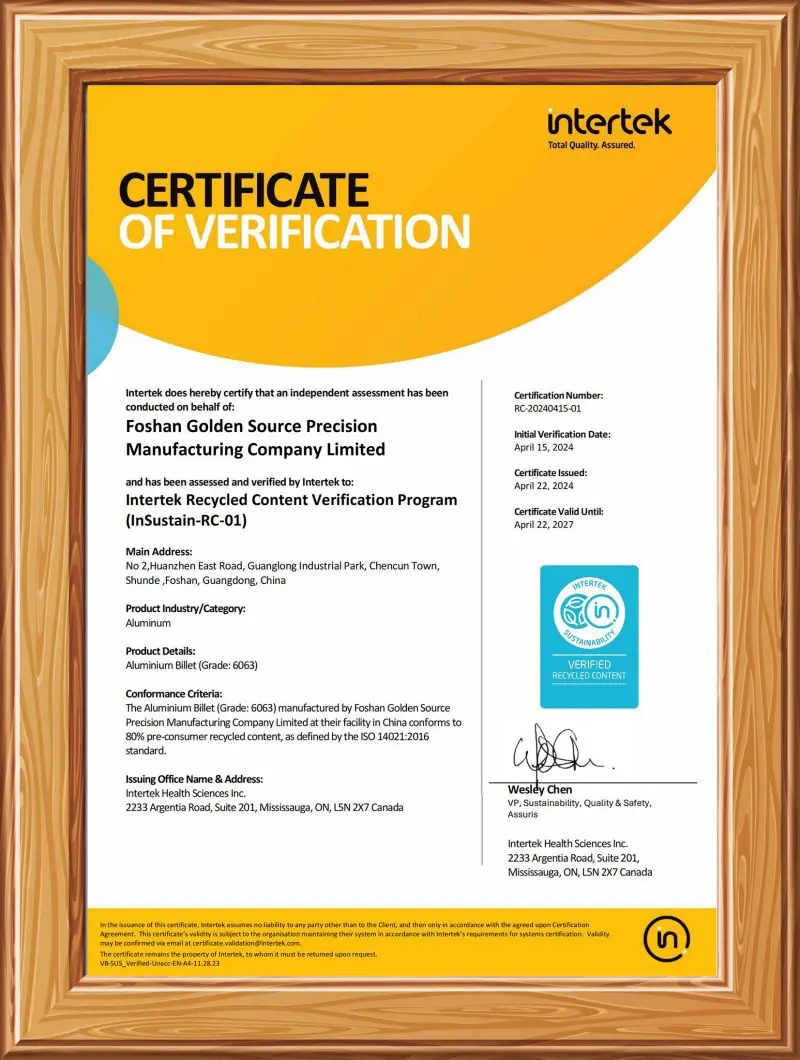
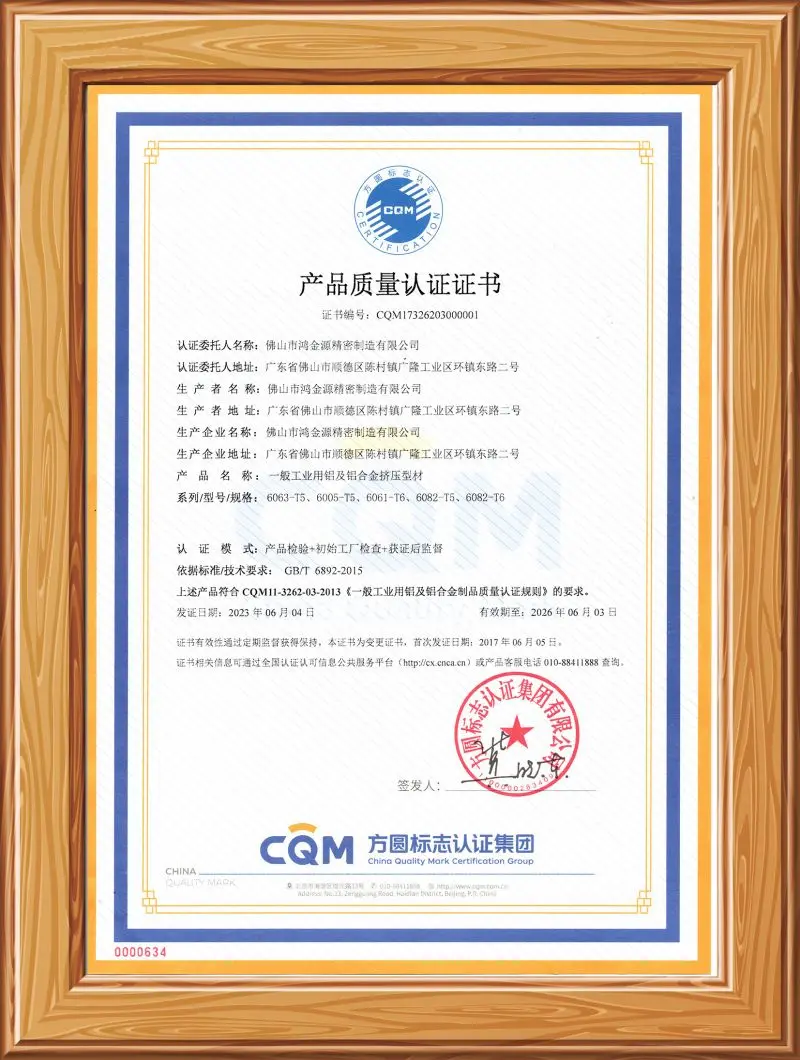
Our commitment to quality is backed by international certifications, including ISO9001, ISO14001, ISO45001, and modern environmental standards like RCV and GRS (Global Recycled Standard). These certifications ensure our profiles and processes align with strict European environmental regulations, including EU REACH and RoHS mandates. We handle a broad range of alloy grades across the 1XXX, 3XXX, 5XXX, 6XXX, and 7XXX series, allowing us to serve diverse sectors such as precision hardware tools, 3C electronics, automotive structures, railway transit components, heavy-duty industrial framing, and modern architectural sliding systems.
The global sourcing landscape for aluminum profiles has shifted toward vertically integrated manufacturers in China. This shift is driven by infrastructure integration, skilled engineering talent, and well-developed industrial clusters. China-based suppliers—such as Foshan Golden Source—provide significant advantages in production efficiency, mold development speed, and overall processing scalability.
Our raw material advantage begins with in-house alloy melting and casting. Many aluminum extrusion plants purchase pre-cast aluminum billets from third parties. This limits their control over alloy purity and element adjustment. By melting our own alloys in-house, we adjust chemical compositions to optimize physical properties. This results in clean metal structures with minimal hydrogen gas inclusion, which is essential for uniform surface finishing and high-quality anodizing.
Additionally, keeping mold tool research, design, and building under one roof reduces design-to-prototype cycles. Our tooling workshop utilizes precise wire-cutting and EDM machinery. This allows us to adjust die layouts and extrusion flow dynamics within hours, rather than weeks. The result is faster production cycles and lower costs, which we pass on to our customers. This direct cost control ensures that our products maintain strict quality standards while remaining highly competitive in the global market.
We melt and refine raw materials directly, adjusting composition ratios to achieve clean grain structures and consistent mechanical properties.
Equipped with multi-axis vertical and horizontal machining centers to execute high-tolerance cuts, millings, drills, and countersinking.
Fully automated surface finishing setups for clear, satin, bronze, champagne, and black protective anodized coatings.
Certified under modern GRS (Global Recycled Standard) and RCV pathways, matching strict EU environmental and circular economy targets.
High-quality aluminum profiles are versatile materials used across many structural applications. While they are a standard choice for high-end residential and commercial sliding door frames, their applications extend into several other sectors:
The aluminum extrusion market is moving toward sustainability and thermal efficiency. Green building standards like LEED require structural components to contain a verifiable percentage of recycled post-consumer aluminum. This has made GRS and RCV certifications critical for modern projects. Additionally, structural designs are shifting from simple profiles to hybrid profiles with thermal breaks. These thermal barrier systems combine aluminum outer frames with polyamide glass-fiber reinforced struts. This design reduces thermal transfer, helping projects meet strict energy efficiency codes while preserving the durability of aluminum.
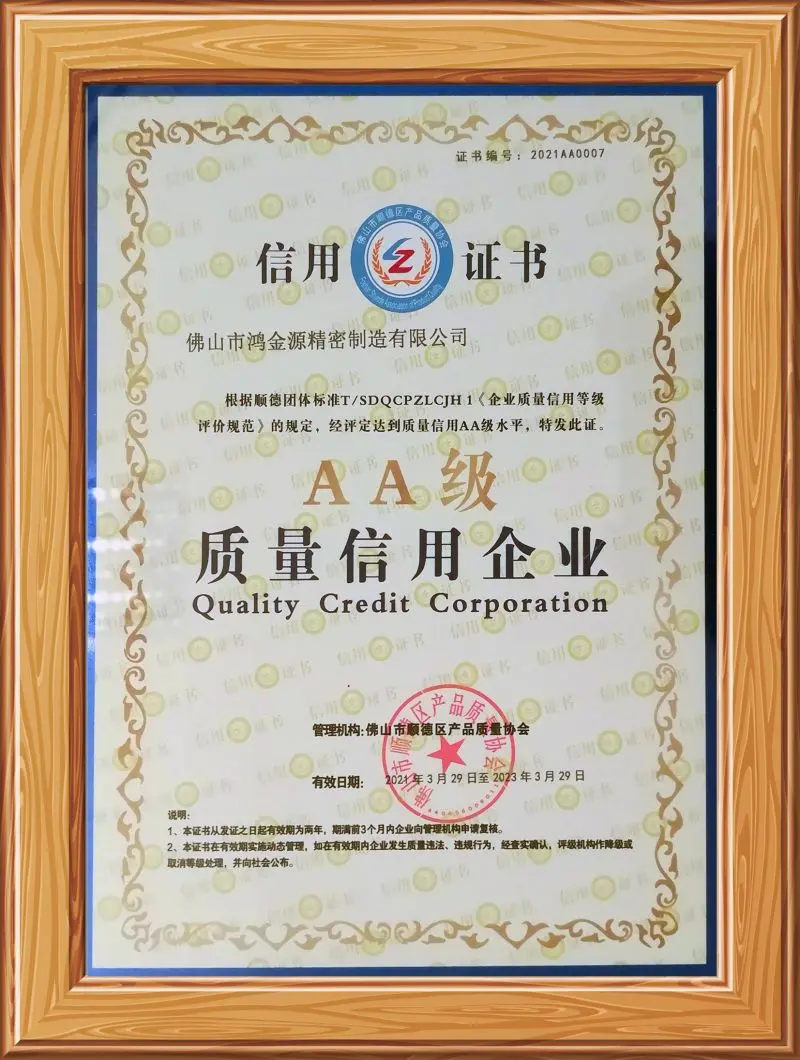
Our commitment to quality control, structural performance, and environmental responsibility is backed by verified third-party audits.
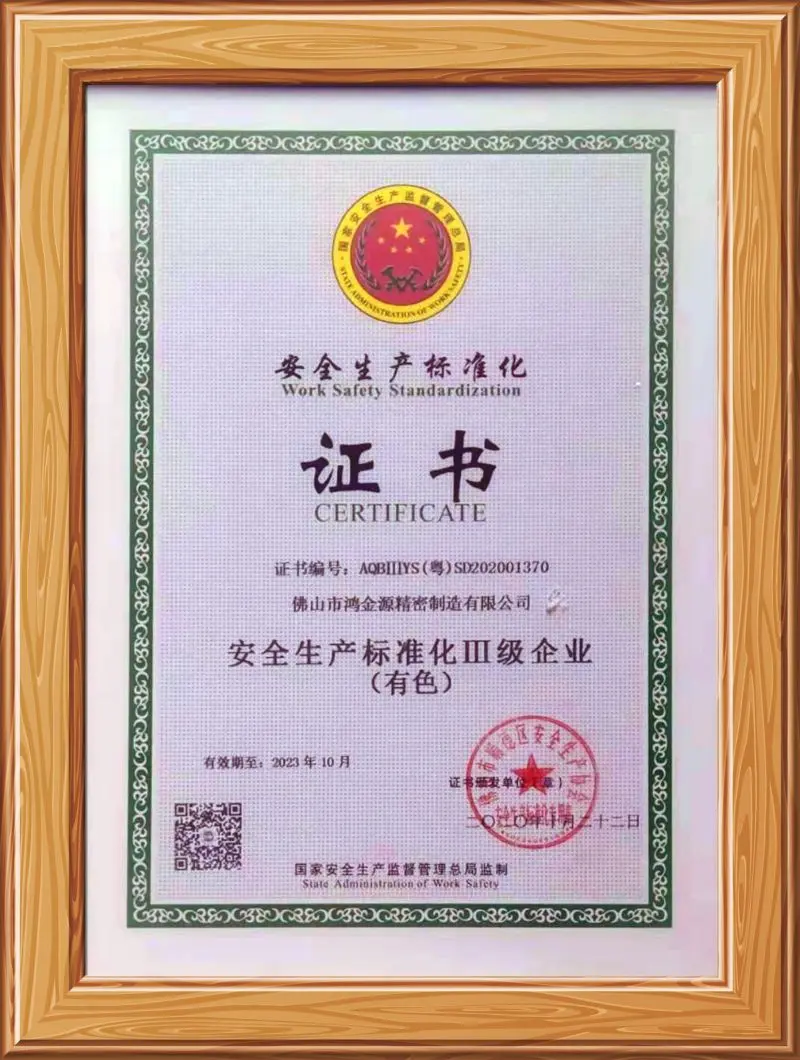
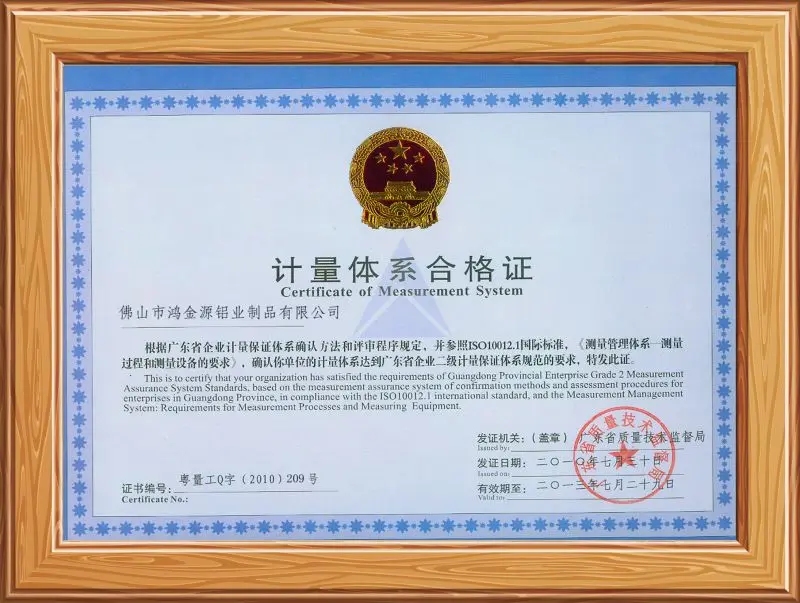
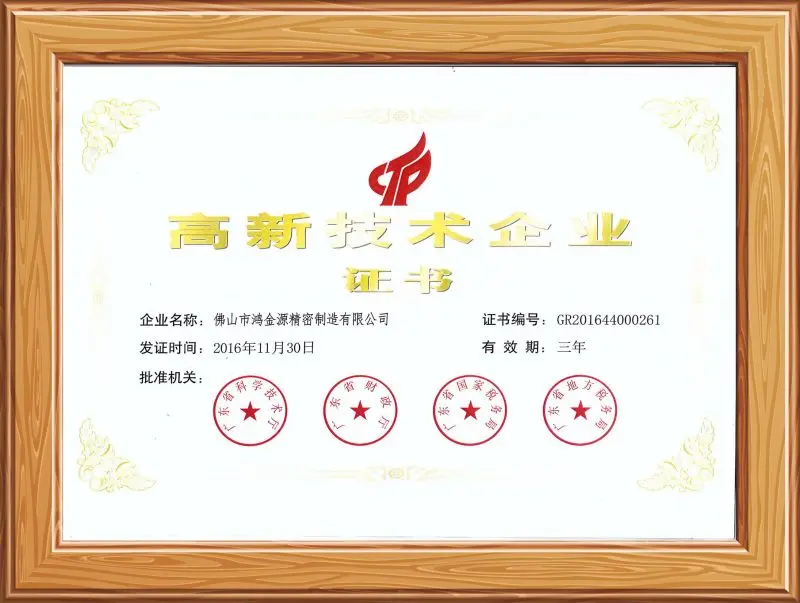
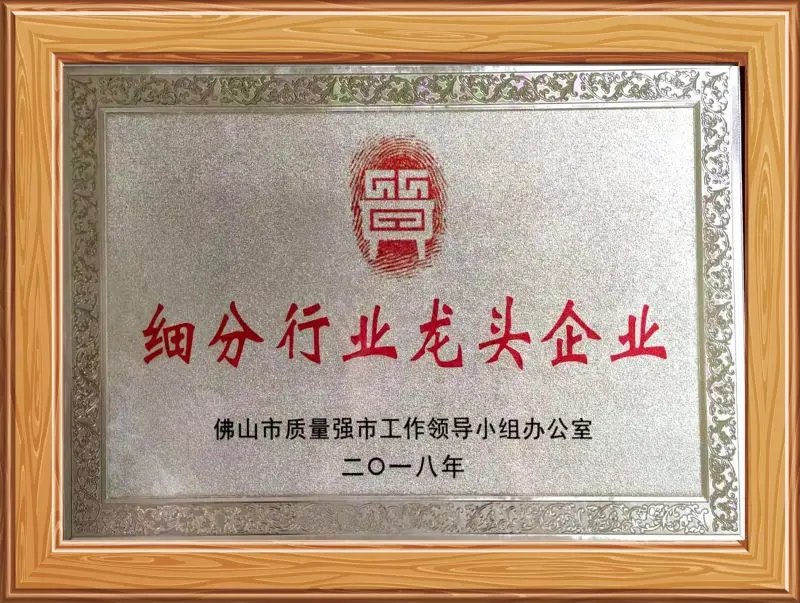
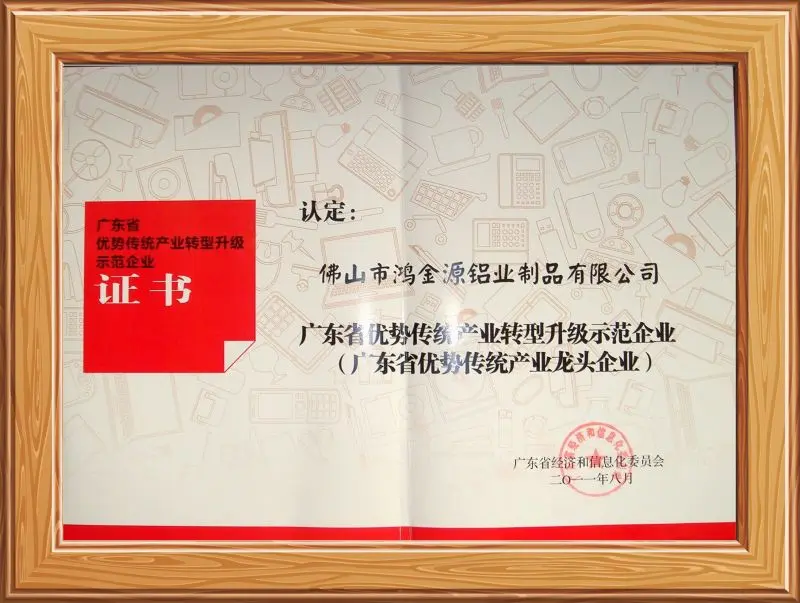
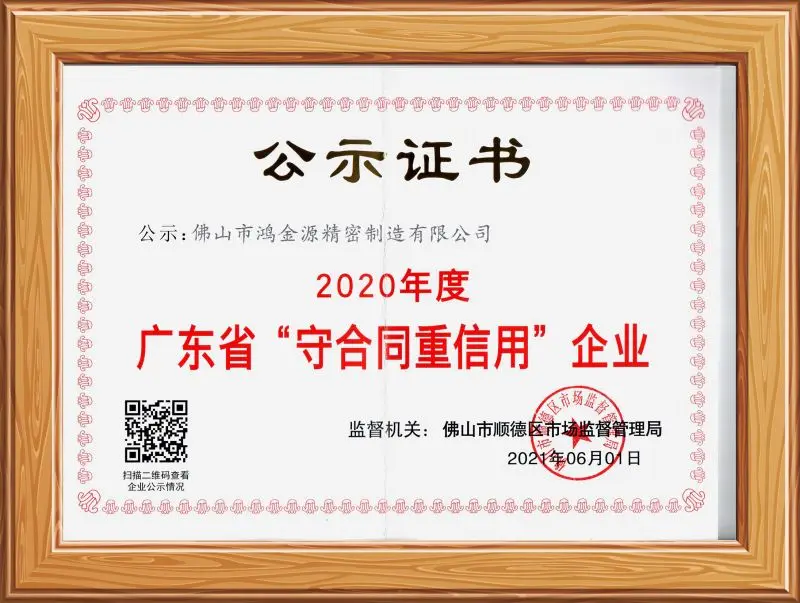
Industrial procurement managers, real estate developers, and hardware OEMs must evaluate several technical criteria when choosing an extrusion supplier. Standard catalog profiles often fall short of meeting high-performance structural or mechanical requirements. Sourcing teams should focus on these critical factors:
Get answers to common technical, manufacturing, and sourcing questions from our engineering team.
Explore our complete range of customized sliding door profiles, glass mounting components, and specialized structural parts.
 HG Precision