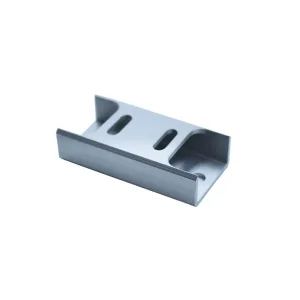
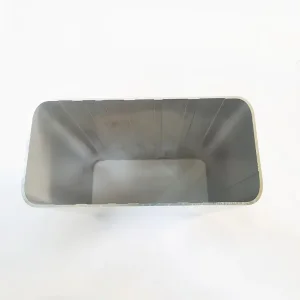
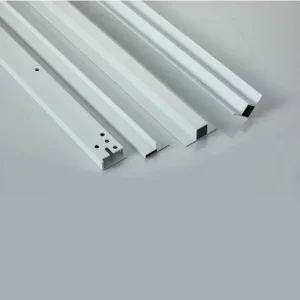
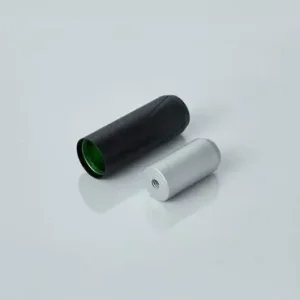
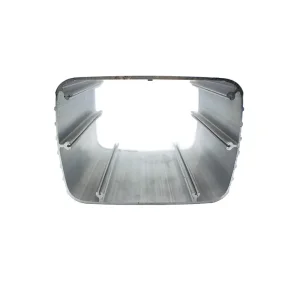
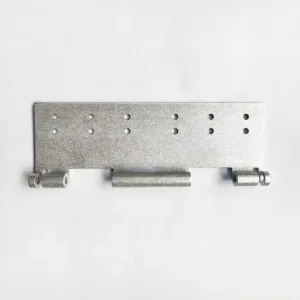
Anodizing is an electrochemical process that converts the metal surface into a decorative, durable, corrosion-resistant, anodic oxide finish. For critical applications such as semiconductor manufacturing, aerospace components, automotive structural brackets, and consumer electronics, black anodized aluminum represents the industry standard. However, achieving superior color consistency (Delta E < 1.0), thickness uniformity, and chemical stability requires a meticulous integration of raw material purification, precision extrusion parameters, and precise anodic chemistry.
At Foshan Golden Source Precision Manufacturing Co., Ltd., we control the entire lifecycle of aluminum processing. Because we melt and refine our alloys in-house, we can eliminate undesirable trace elements (such as excessive Iron or Silicon) that typically cause cloudiness or grey variations in standard black anodizing. This high-purity metallurgical foundation guarantees that our finished parts maintain structural integrity, excellent color depth, and optimal lightfastness under extreme operating conditions.
Our Type II and Type III sulfuric acid anodizing produces highly ordered, porous aluminum oxide layers sealed with nickel acetate to ensure exceptional salt spray performance exceeding ASTM B117 guidelines.
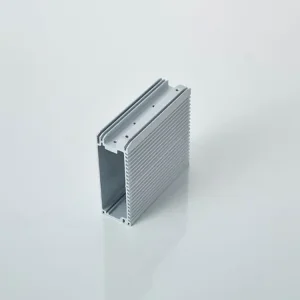
Black anodized coatings significantly improve emissivity coefficients. Black surfaces radiate heat far more efficiently than raw metal, making them perfect for active noise cancellation casing and high-output heat sinks.
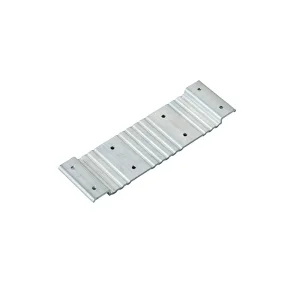
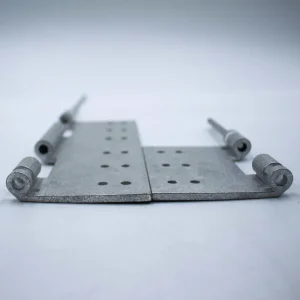
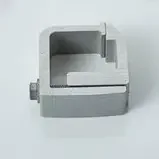
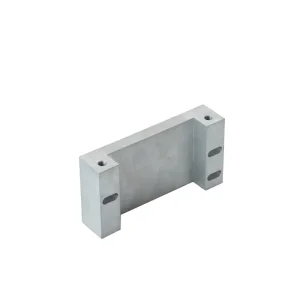
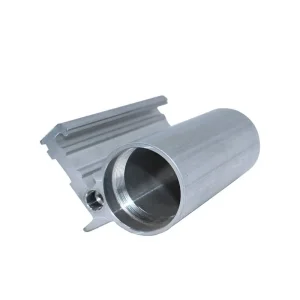
With precise current density monitoring, we maintain tight tolerances (±0.01mm) on key component dimensions, ensuring complex assemblies like gate closers and truck clamps fit perfectly without binding.
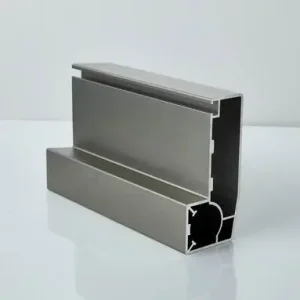
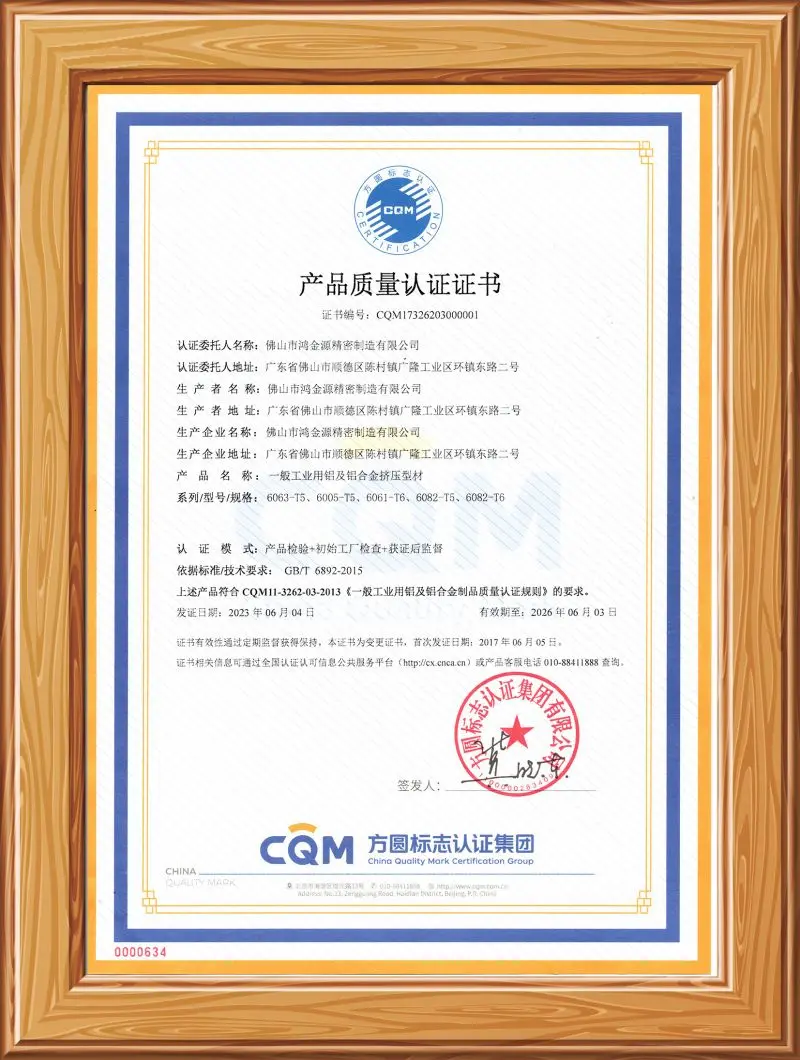
Choosing the correct aluminum alloy is crucial for performance. The 6061-T6 alloy, rich in magnesium and silicon, is preferred for high-stress structural parts such as EV battery frames and heavy machinery mounting brackets due to its excellent strength-to-weight ratio. Conversely, the 6063-T5 and T6 alloys offer superior extrusion finish profiles and are widely used in architectural curtain walls, consumer electronics cases, and custom furniture. By refining these alloys in our own melting facility, we adjust mechanical properties to optimize both machinability and anodizing response.
Established in 1991, Foshan Golden Source is a global leader in high-strength, high-precision custom aluminum profiles and precision machining components. Spanning an eco-friendly production facility of over 73,000 square meters, we provide a vertically integrated "one-stop shop" service structure. From initial alloy casting, mold research & design, and advanced extrusion, to CNC precision machining, welding, surface finishing, and assembly, we handle everything under one roof.
Our capabilities span structural engineering for industries such as automotive, high-speed rail, solar energy, consumer electronics (3C), hardware tools, and outdoor equipment. We support diverse chemical series, including 1XXX, 3XXX, 5XXX, 6XXX, and 7XXX series alloys, engineered specifically to satisfy complex custom configurations.
Company Catalogue Download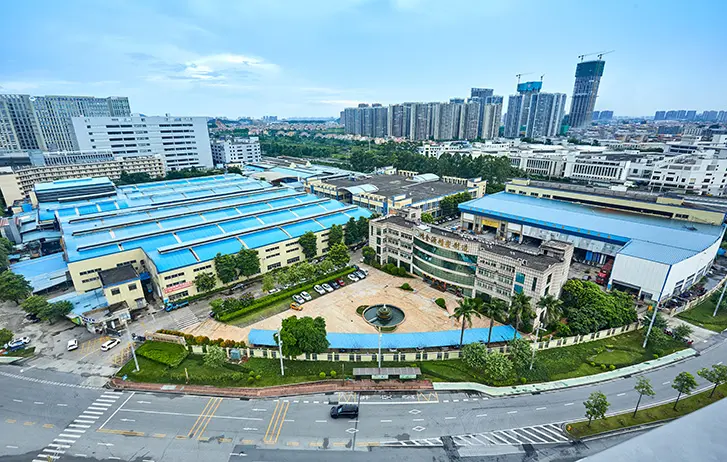
Global procurement teams face challenges such as lead-time variability, rising tariff pressures, and regulatory compliance. Relying on China's localized manufacturing clusters—especially the Foshan aluminum cluster—provides significant cost efficiency and supply chain resilience. The direct proximity of material suppliers, tool makers, and secondary treatment facilities minimizes logistical delay and cost overheads.
Furthermore, our integrated factory model bypasses secondary transit delays. When precision CNC machining, stamping, surface cleaning, and black anodization are executed in the same physical plant, transit handling damages are virtually eliminated. This cohesive workflow speeds up lead times, giving global procurement directors a reliable path to market.
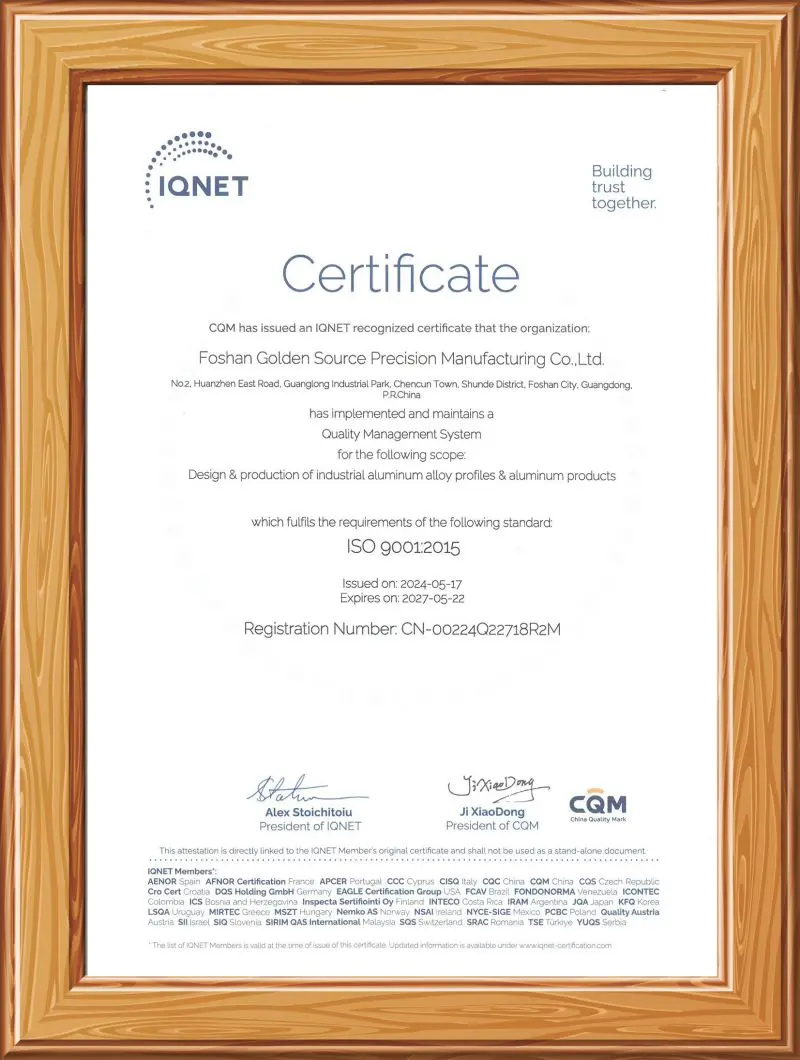
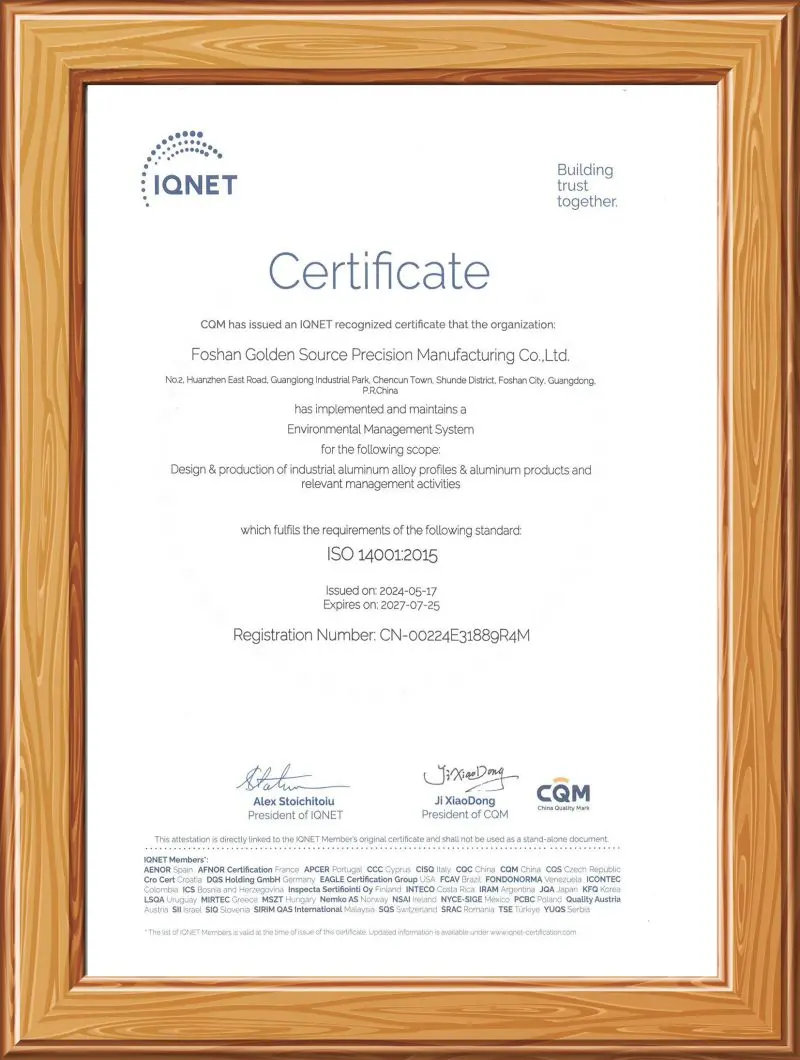
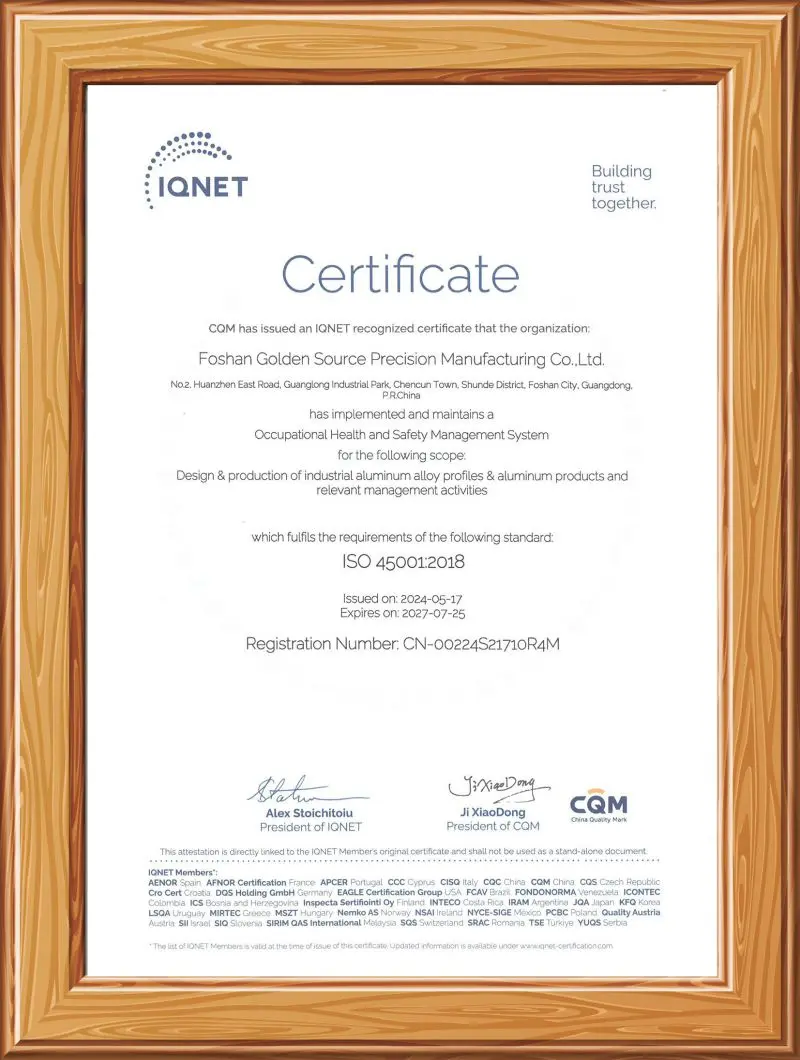
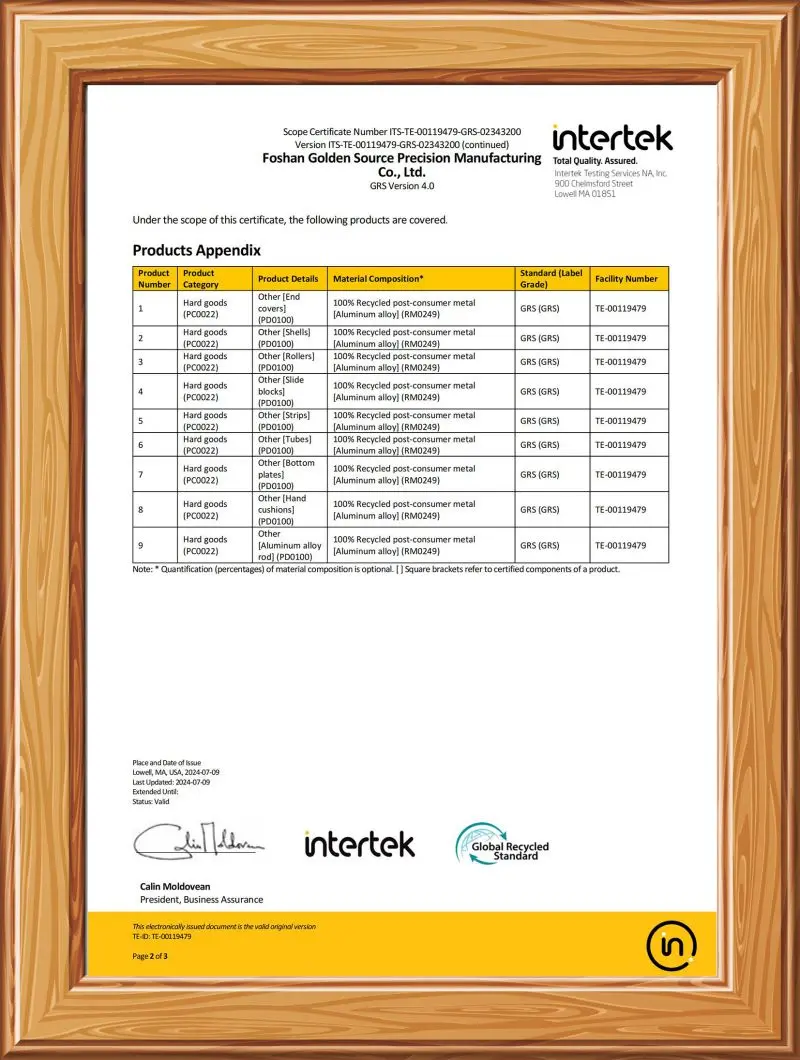
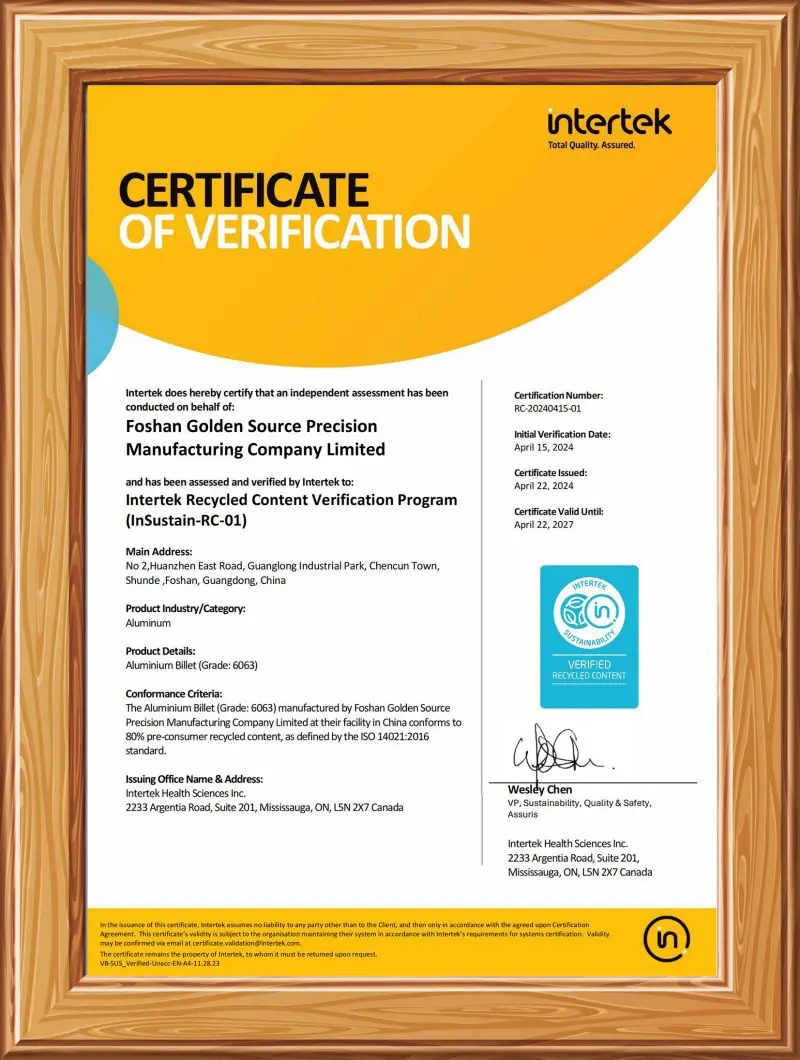
Modern industrial supply chains require strict compliance with international ESG standards. Foshan Golden Source is certified to ISO9001 (Quality Management), ISO14001 (Environmental Management), and ISO45001 (Occupational Health & Safety) standards. Crucially, we hold GRS (Global Recycled Standard) and RCV (Recycled Content Verification) certifications.
These credentials ensure our aluminum alloys satisfy the strict requirements of EU REACH regulations, RoHS directives, and carbon-footprint disclosure mandates. By choosing our GRS-certified recycled aluminum extrusion options, global manufacturers can lower their scope 3 emissions without sacrificing the physical properties or cosmetic beauty of their black anodized parts.
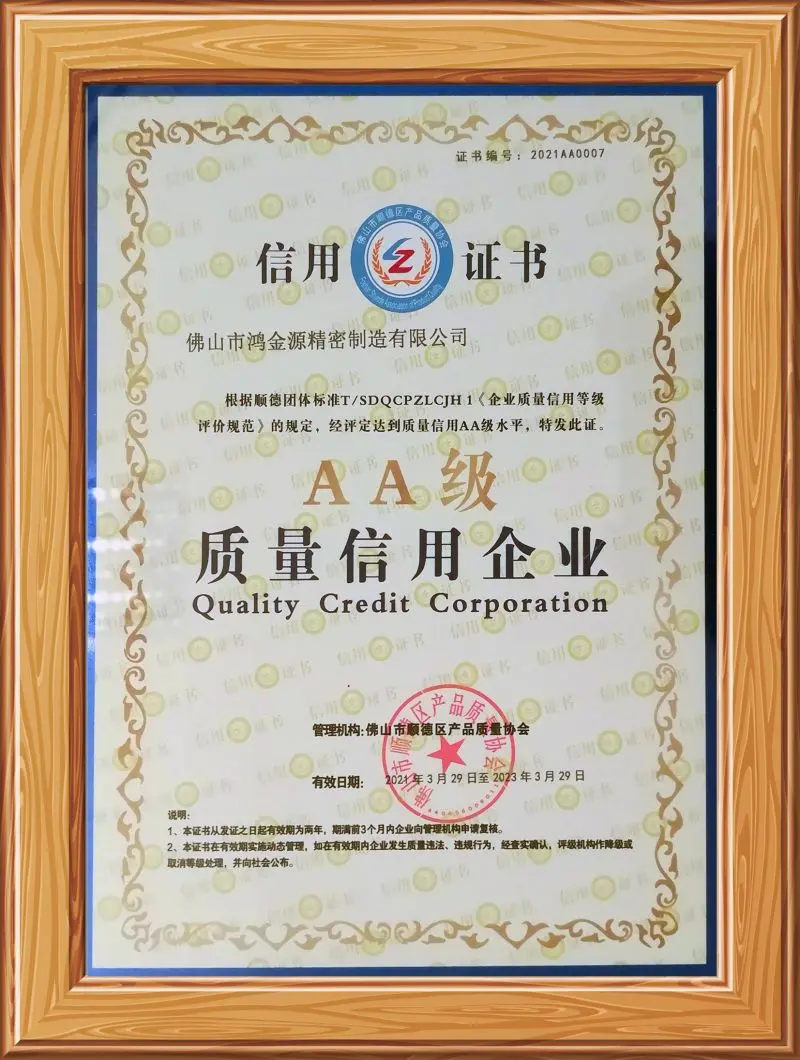
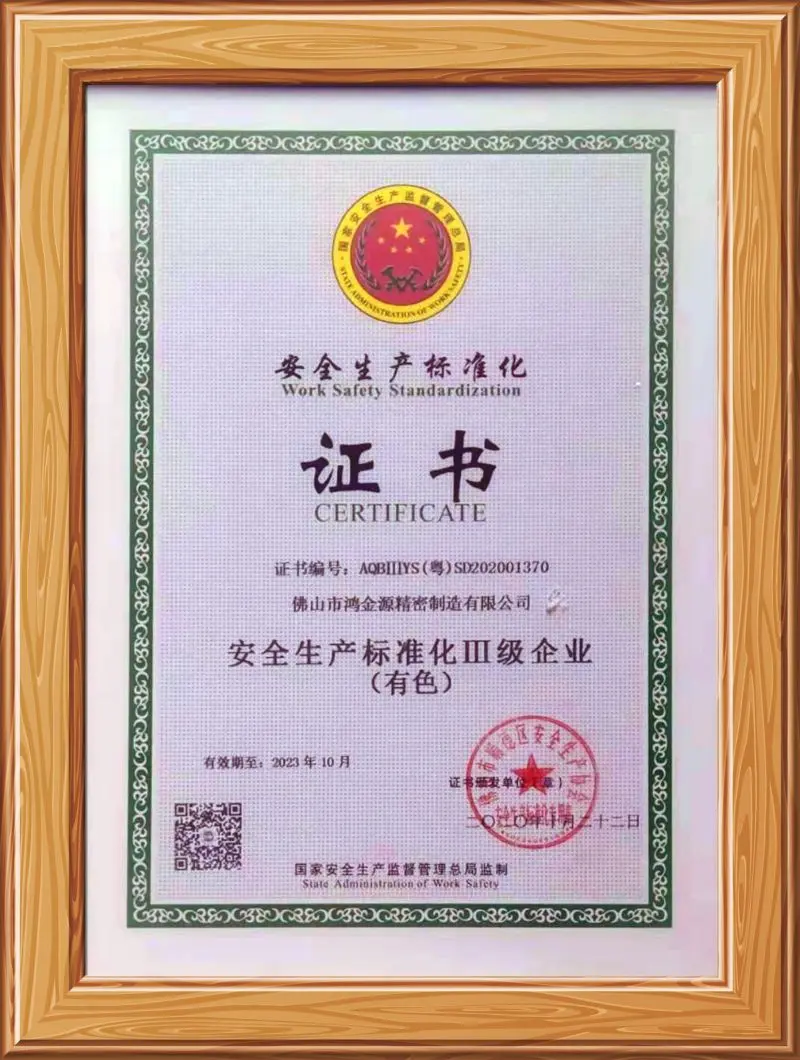
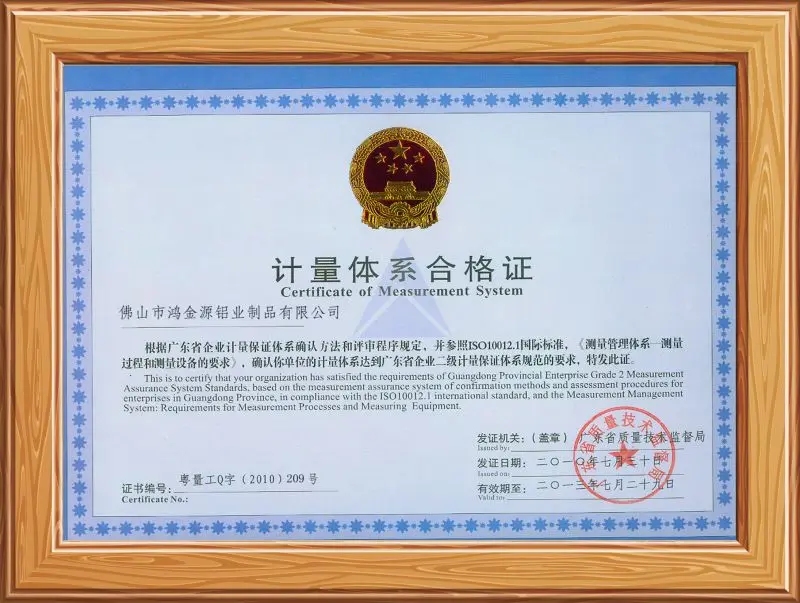
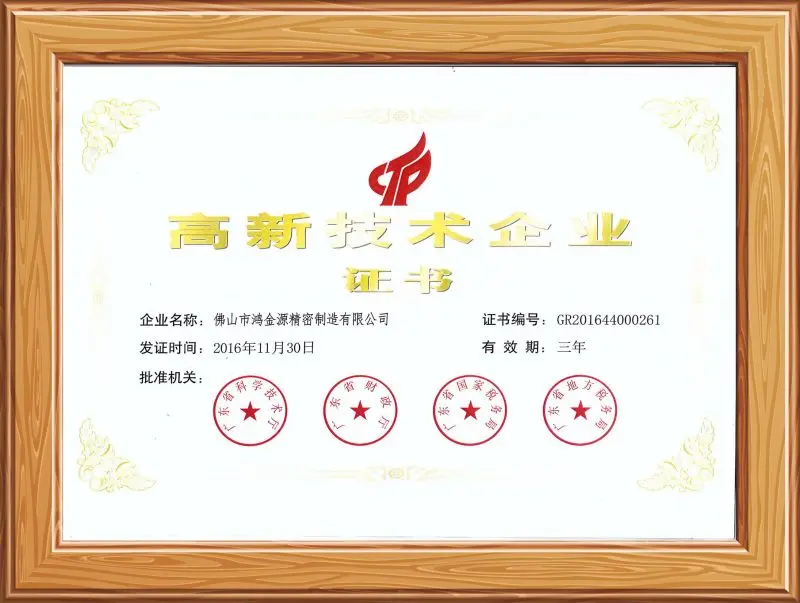
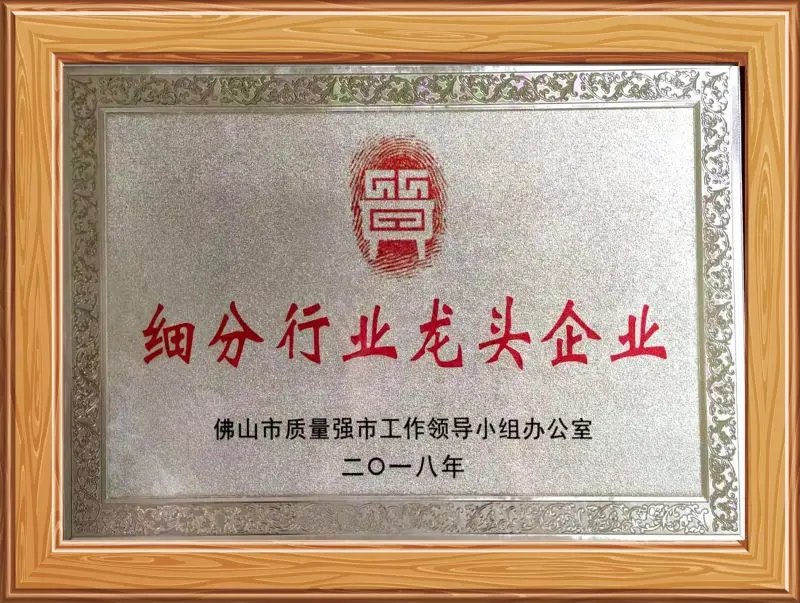
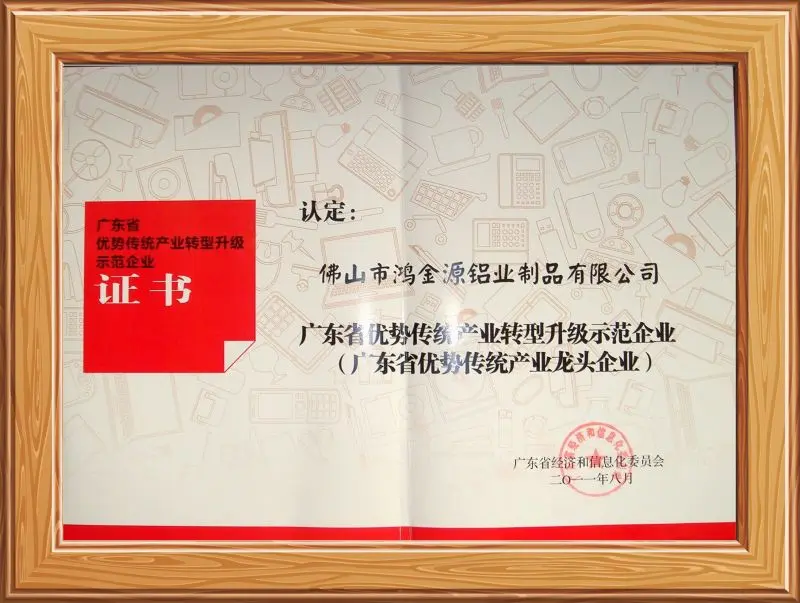
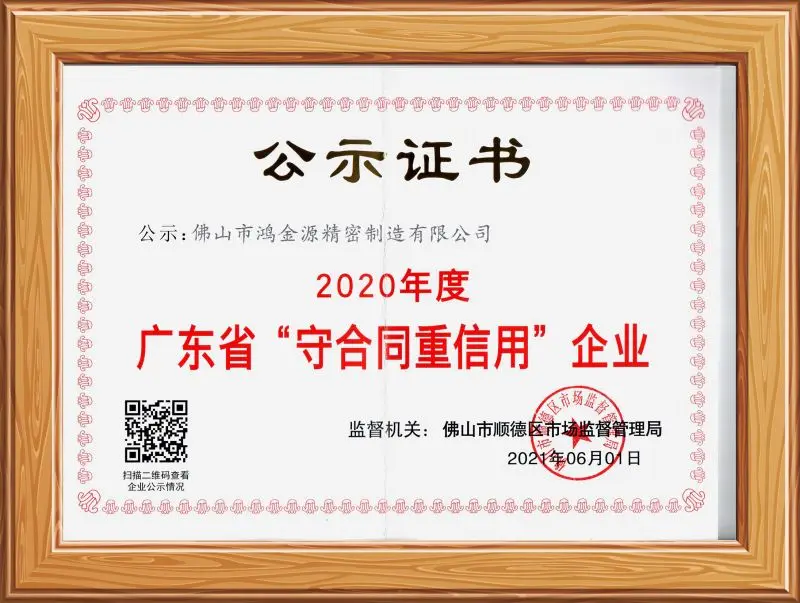
We maintain verified certifications from municipal, provincial, and central regulatory authorities for clean production, high credit ratings, and technology leadership. Here is an overview of our core system credentials:
The global demand for anodized aluminum components is expanding beyond decorative uses. The transition to electric vehicles (EVs) requires lightweight, structurally sound, non-conductive battery housings. Anodized aluminum oxide coats provide electrical insulation (dielectric breakdown resistance) up to several hundred volts depending on thickness, serving as an integrated secondary insulation barrier.
Furthermore, structural glass curtain walls and solar racking panels require long-lasting protection against elements such as acid rain, UV radiation, and ocean wind. Type III Hard Anodizing (MIL-A-8625 Specification) offers a surface hardness similar to hardened tool steel. This wear resistance is crucial for architectural structural supports, truck mounts, and gate closers exposed to continuous mechanical friction.
 HG Precision