Engineered high-performance profiles, components, and hardware configurations designed for global industrial, commercial, and structural applications.
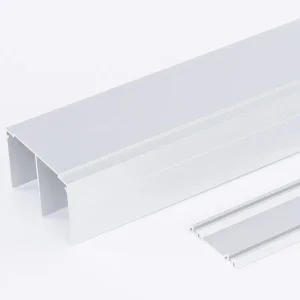
Over the past three decades, structural design paradigm shifts have elevated the aluminum profile sliding door from a standard functional partition to a critical element of high-performance architectural envelopes. Historically, fenestration profiles prioritized rudimentary containment over thermal or acoustic insulation. Today, the convergence of sustainable engineering, ultra-minimalist designs, and advanced metallurgy has driven an unprecedented demand for structural, thermal-break sliding door profiles.
Aluminum's inherent characteristics—its high strength-to-weight ratio, resilience to environmental stressors, and infinite recyclability—make it the cornerstone of contemporary green building certification standards (such as LEED, BREEAM, and DGNB). Modern architectural demands push structural profiles to their physical limits: narrower frame dimensions, larger structural glass panels, and seamless integration with complex building envelopes. Meeting these requirements demands an expert grasp of metallurgy, precision extrusion tolerances, and complex surface finishing techniques.
Exploring the engineering and design innovations shaping the modern structural fenestration landscape.
Architects worldwide are specifying sightlines below 20mm. Creating ultra-slim profiles that can support heavy triple-glazed panels requires high-yield strength alloys, such as structural 6063-T6, which ensure mechanical integrity under high wind loads.
Strict energy efficiency regulations necessitate advanced thermal breaks. Profiles with multi-cavity polyamides (PA66 GF25) prevent thermal bridging, reducing overall U-factors in extreme climates and minimizing energy footprints.
Smart home integration is driving the demand for concealed drive tracks, structural motorized runners, and built-in sensors. High-tolerance CNC-machined cavities within the profile are required to seamlessly house electronic hardware.
Decoupling critical expectations of B2B procurement managers, architects, and engineering contractors.
Impurities in aluminum alloy extrusion billets compromise structural performance and surface finishing. Global procurement requires certified chemical analysis demonstrating optimal magnesium-to-silicon (Mg-Si) ratios to prevent structural defects during anodizing.
Modern sliding assemblies demand strict tolerances (often matching DIN EN 755-9 or better). Accurate track dimensions are critical to ensure fluid, zero-resistance operation of heavy sliding rollers over decades.
International environmental regulations, including the European Union's REACH regulation, require supply chain compliance. Manufacturers must supply verified certifications, such as the Global Recycled Standard (GRS) and Recycled Content Verification (RCV), to validate environmental standards.
Managing multiple sub-vendors for extrusion, CNC machining, welding, surface coating, and assembly introduces quality risks and delays. Procurement teams favor vertically integrated partners who manage the entire value chain in-house.
How Foshan Golden Source Precision Manufacturing leverages vertically integrated production to mitigate global sourcing risks.
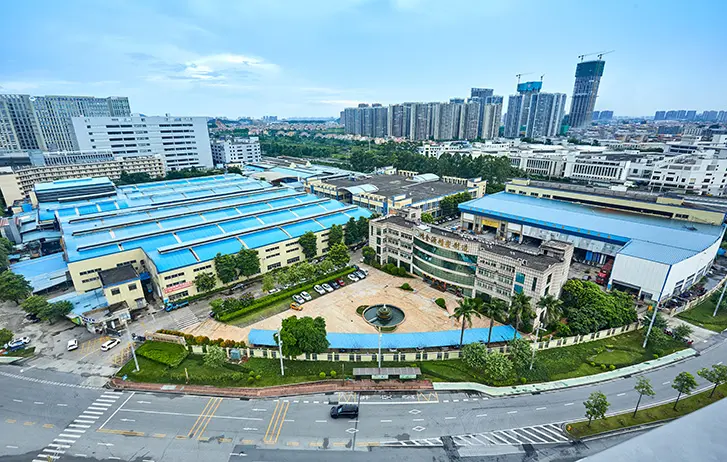
In global manufacturing, supply chain resilience is critical. Disruptions in raw materials, fluctuating shipping capacities, and variable quality control across subcontractors can delay major construction projects. China's Factory 4.0 paradigm, exemplified by Foshan Golden Source Precision Manufacturing Co., Ltd, addresses these challenges through total process consolidation.
Operating a modernized, environmentally compliant production facility spanning over 73,000 square meters, Foshan Golden Source has eliminated dependencies on external suppliers. By integrating alloy casting, mold research & design & building, extrusion, CNC precise machining, welding, surface finishing, and product assembly under one roof, the company provides a highly reliable, single-source supply chain.
For B2B buyers, this vertical integration delivers concrete competitive advantages:
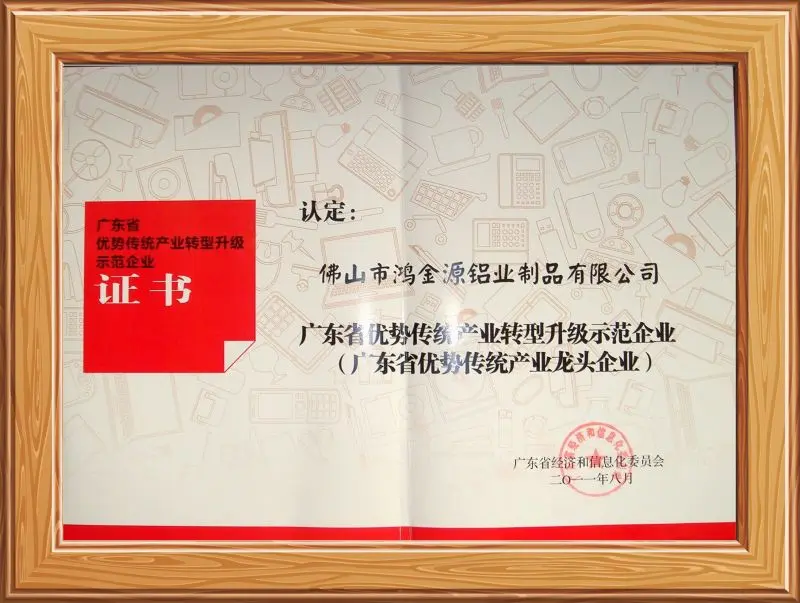
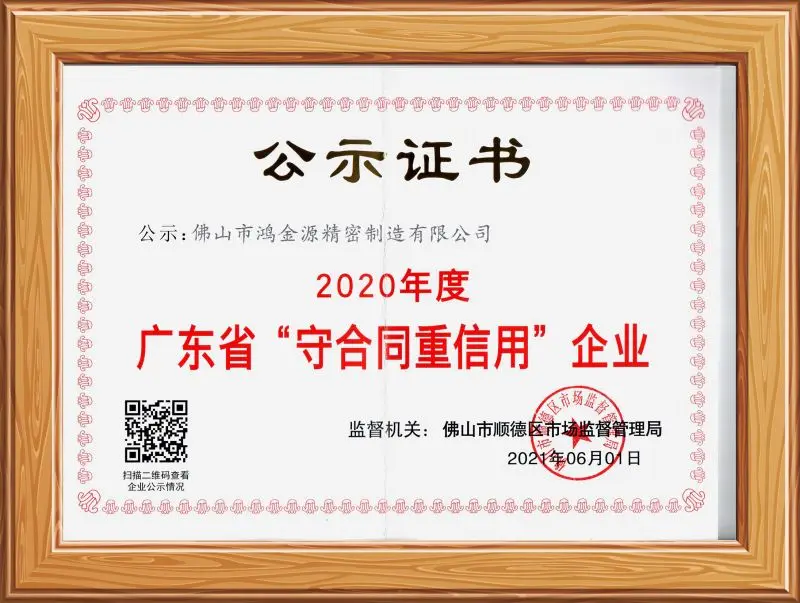
Foshan Golden Source is audited to the highest international standards, holding certifications including ISO9001, ISO14001, ISO45001, RCV, and GRS to meet stringent global import and environmental criteria.
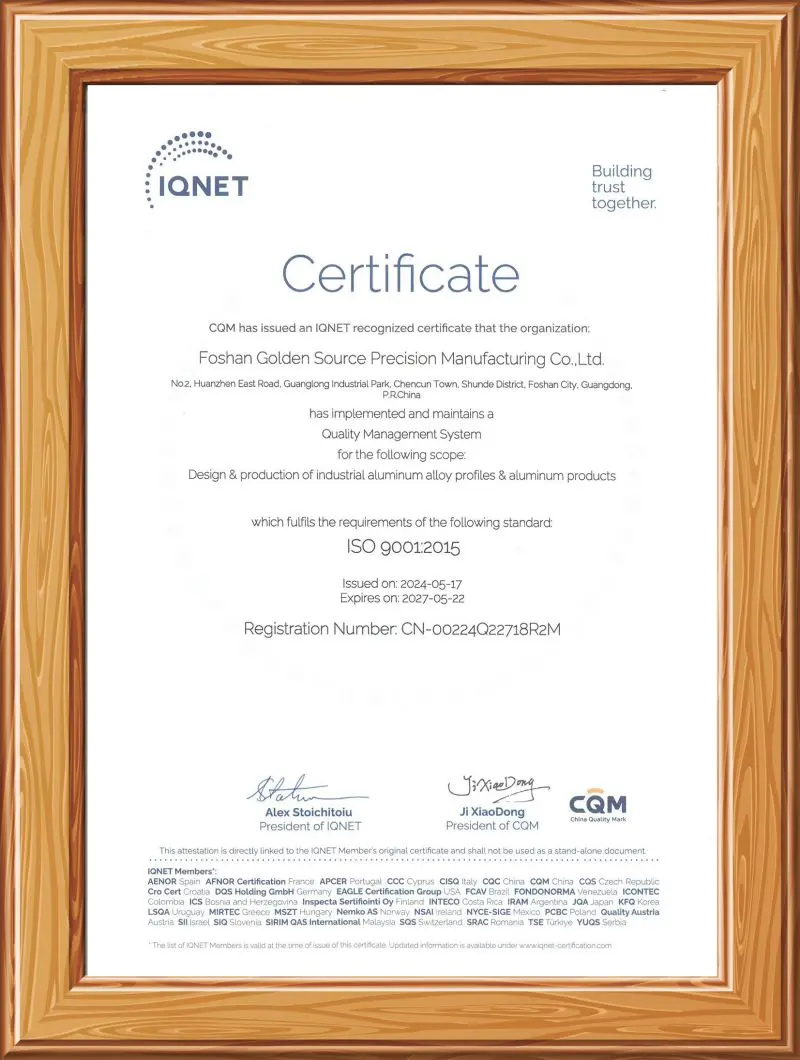
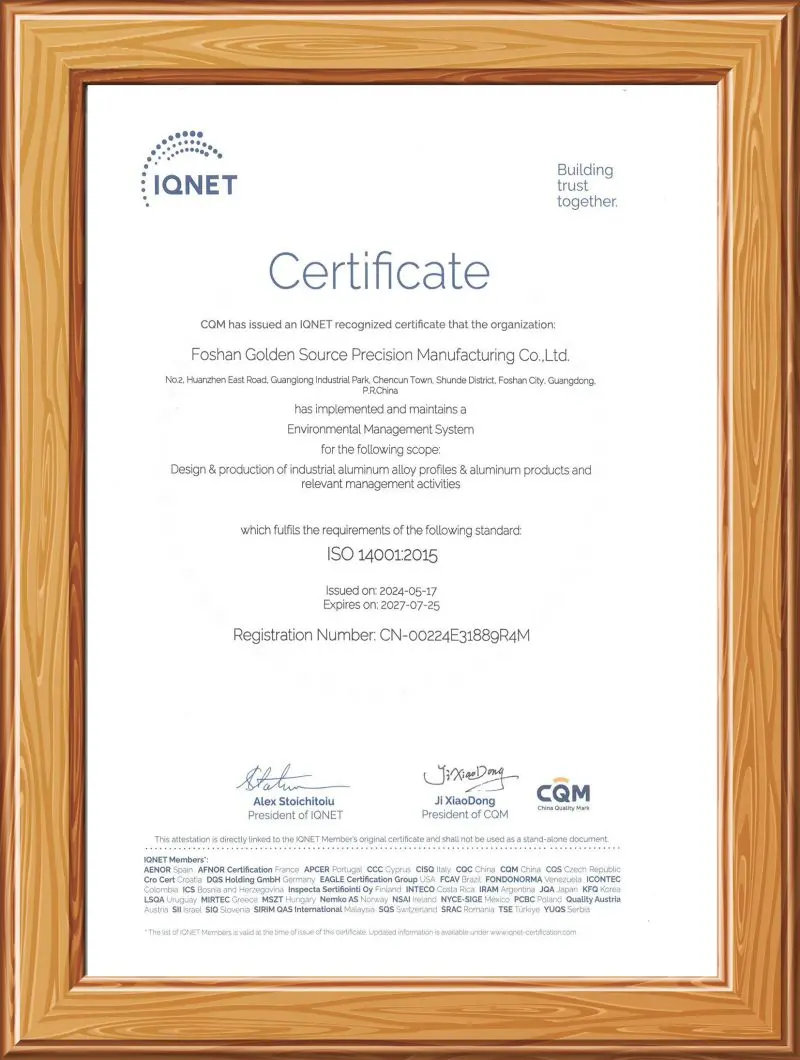
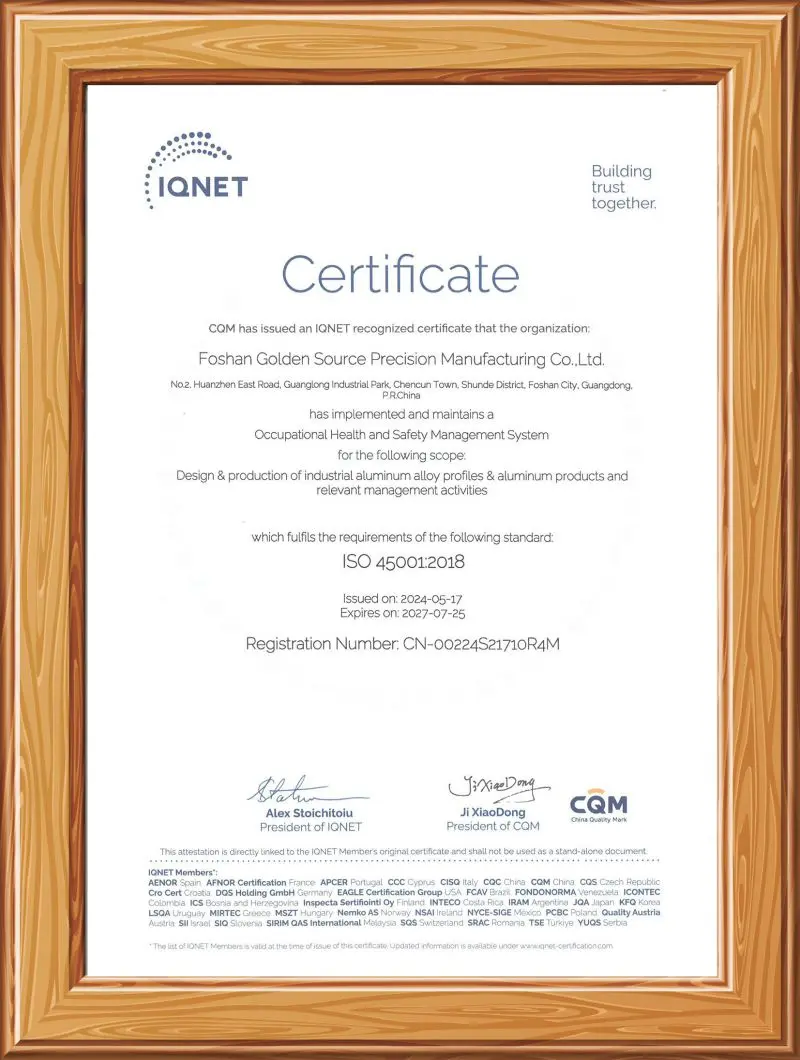
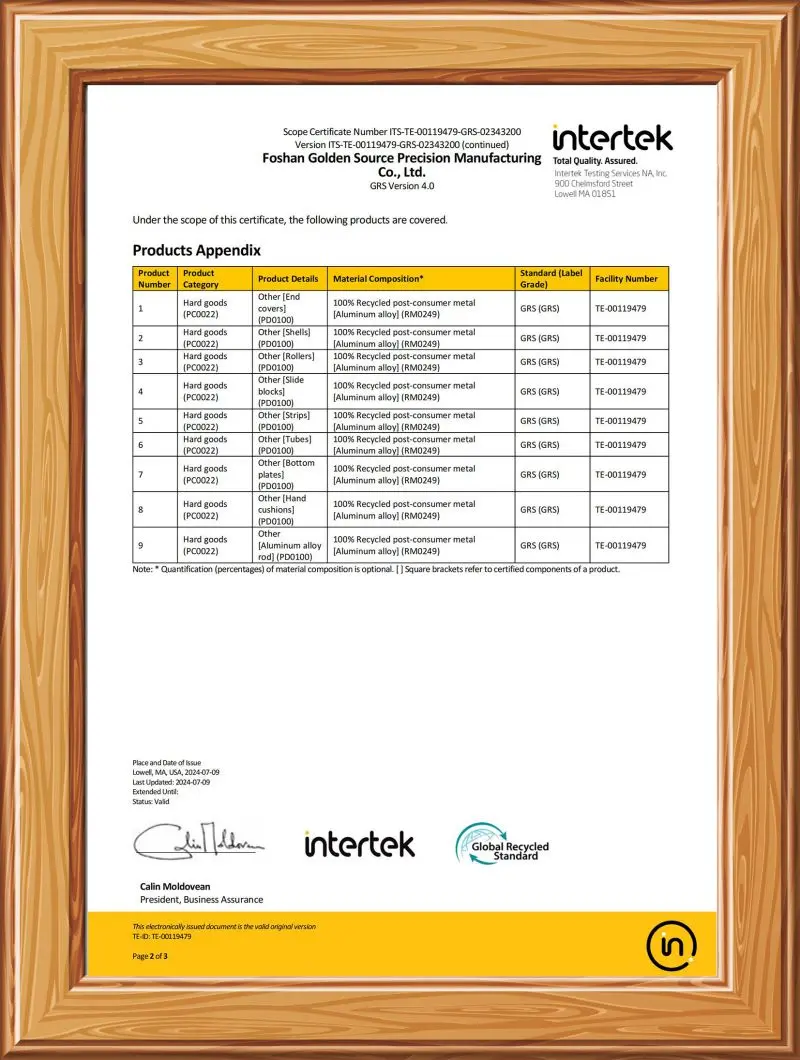
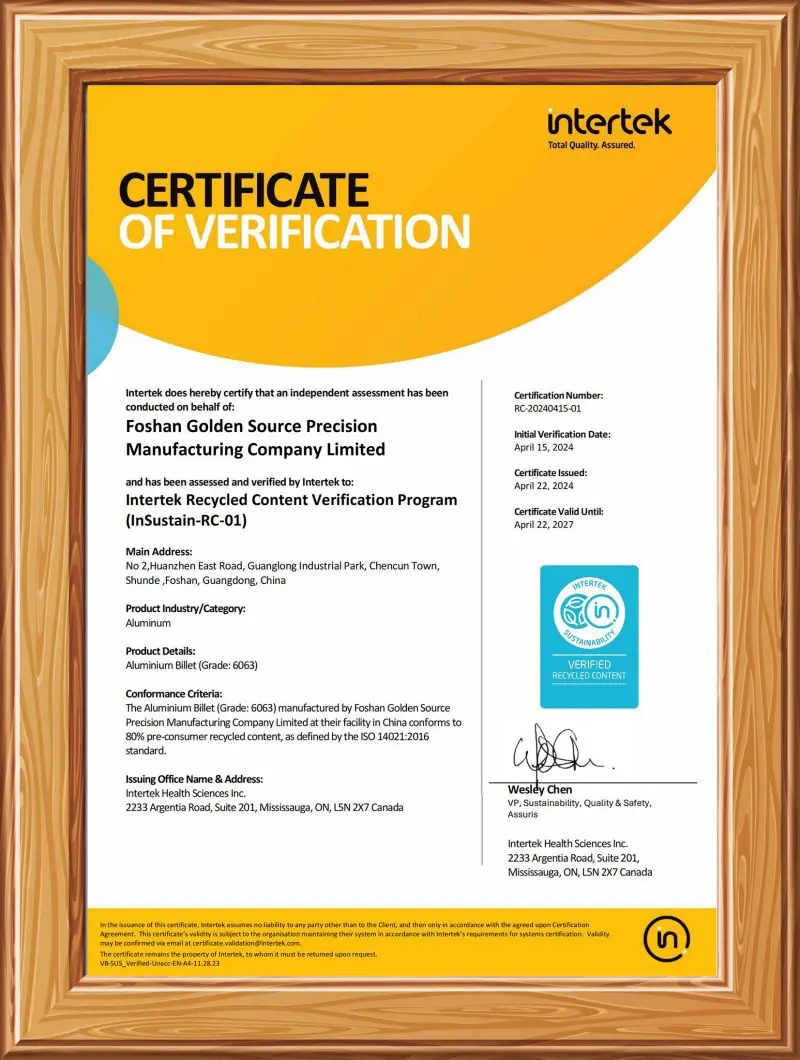
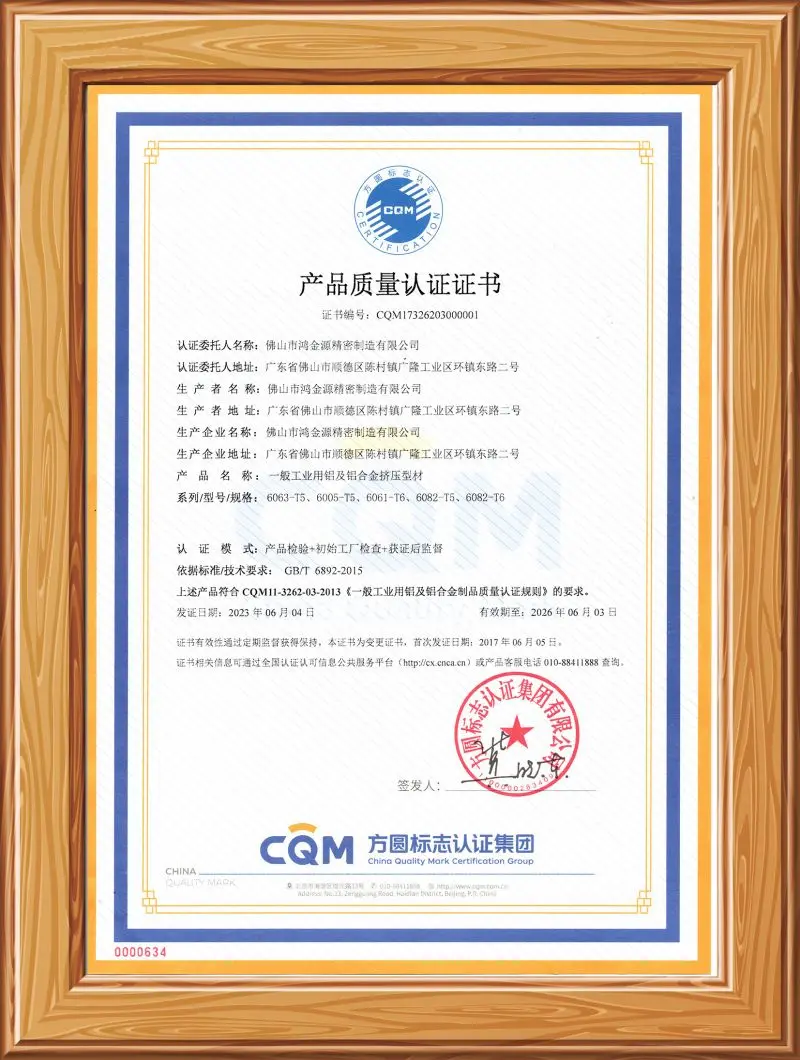
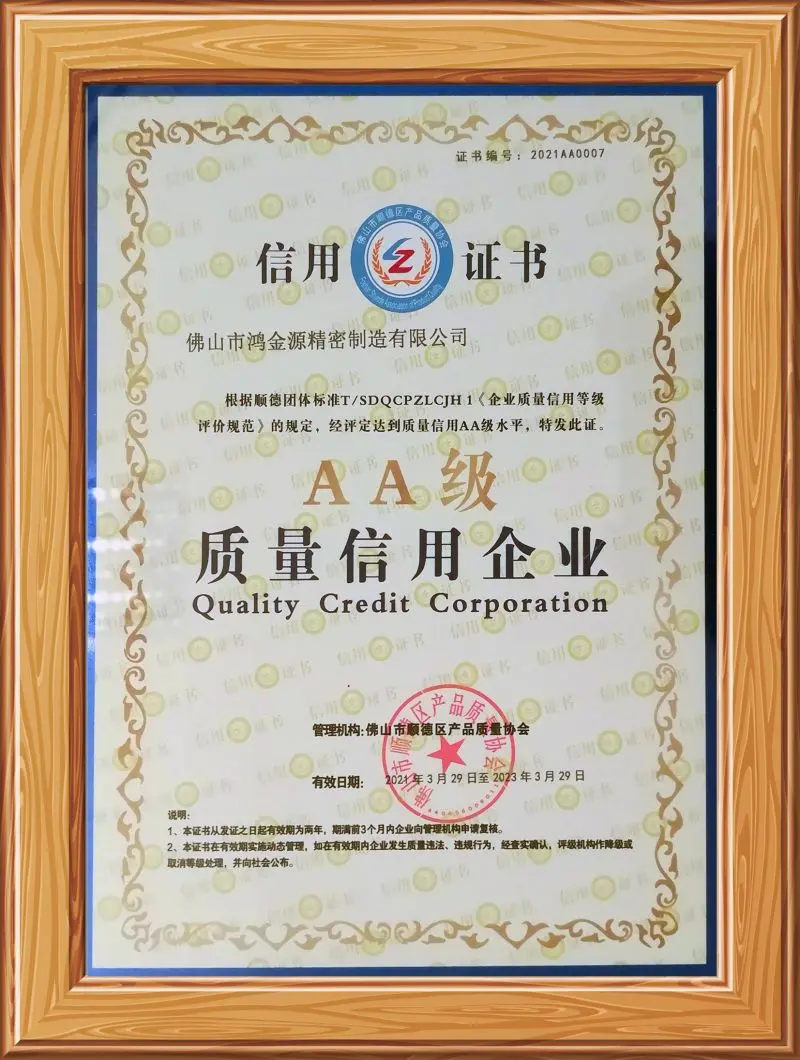
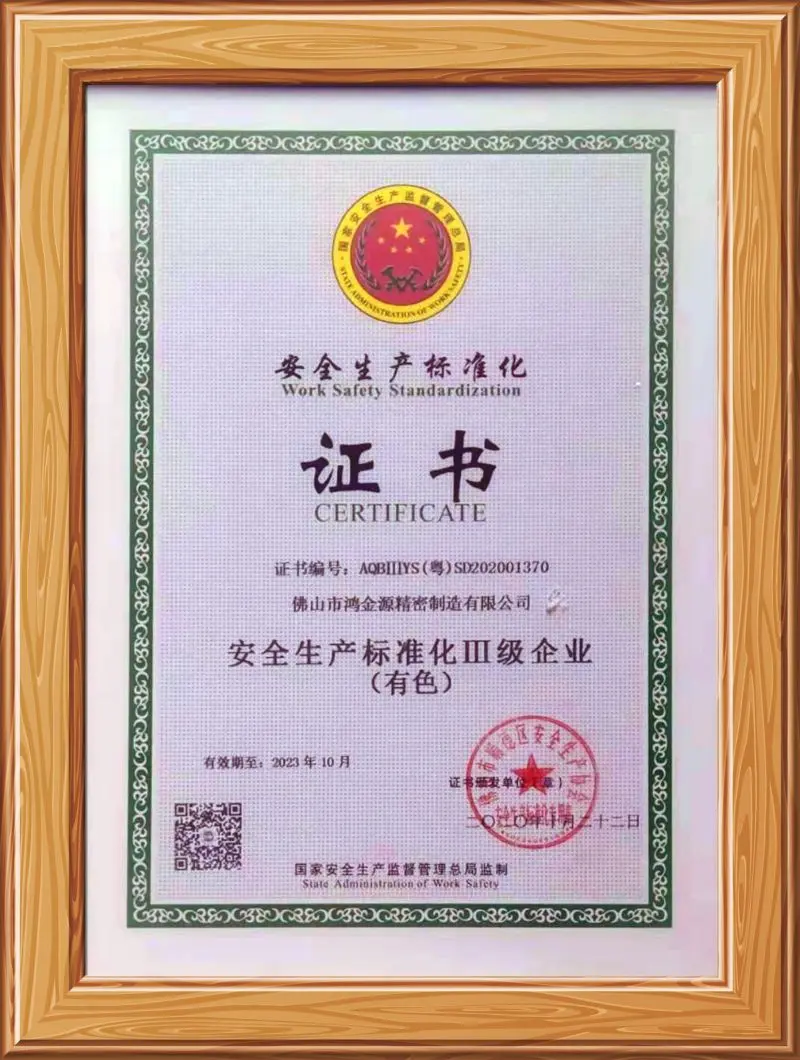
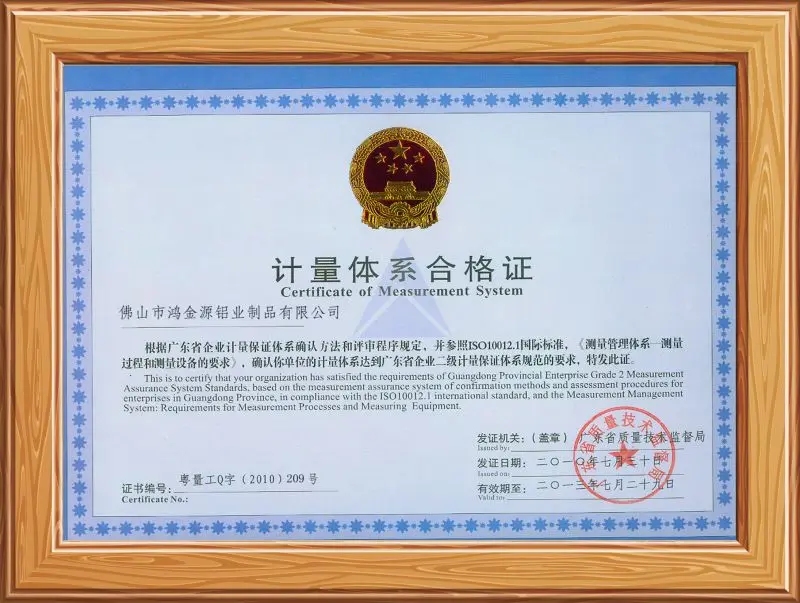
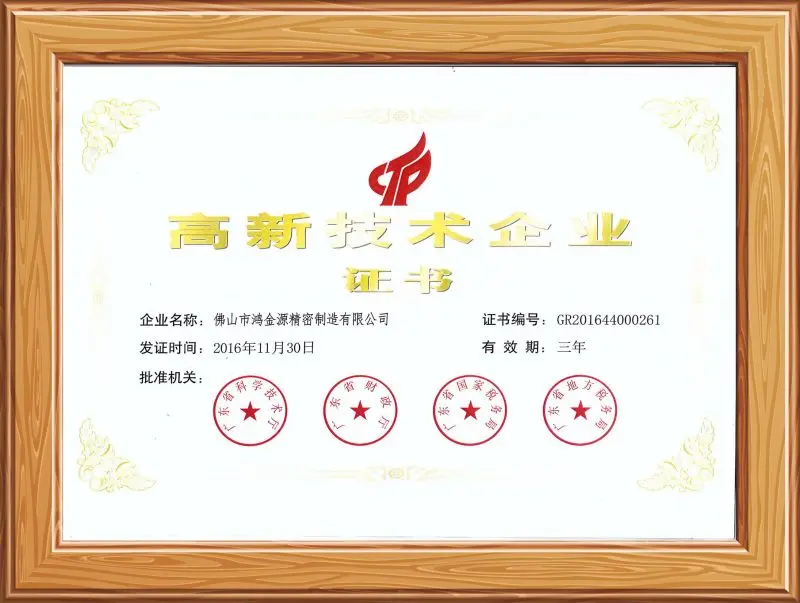
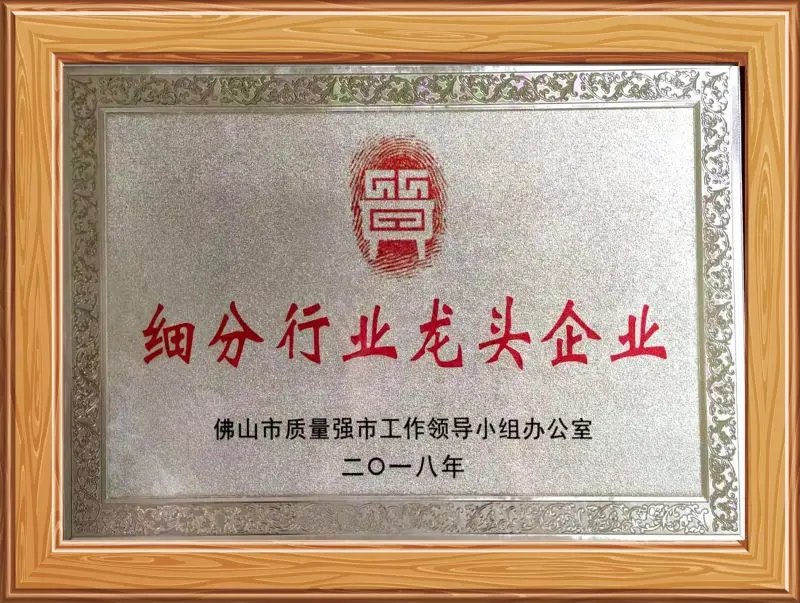
Foshan Golden Source offers a wide array of aluminum alloy options (from 1XXX to 7XXX series) tailored to meet specific industrial and architectural demands.
| Alloy Series | Typical Grades | Metallurgical Properties | Architectural & Sliding System Application |
|---|---|---|---|
| 1XXX Series | 1050, 1060, 1100 | >99% purity, high thermal/electrical conductivity, high ductility, lower mechanical strength. | Not used for load-bearing frames. Ideal for decorative trim, electrical shielding, and soft gaskets. |
| 3XXX Series | 3003, 3105 | Manganese alloyed. Excellent corrosion resistance, moderate strength, high formability. | Utility hardware, internal sliding tracks for high-moisture environments, and backing brackets. |
| 5XXX Series | 5052, 5083, 5754 | Magnesium alloyed. Superior saltwater corrosion resistance, high weldability, and tough fatigue limits. | Heavy-duty marine sliding doors, yacht fenestration, and coastal industrial facilities. |
| 6XXX Series | 6063-T5, 6063-T6, 6061-T6 | Magnesium-Silicon (Mg-Si) alloyed. Highly extrudable, excellent surface finishing, excellent response to heat treatments. | The industry standard for sliding door frames, architectural extrusions, structurally sound support systems, and CNC-machined components. |
| 7XXX Series | 7075-T6, 7005 | Zinc-Magnesium (Zn-Mg) alloyed. Ultra-high tensile strength, comparable to steel, heat-treatable. | Structural framing members, high-security sliding systems, and heavy-duty industrial automatic doors subjected to high physical impact. |
Note on Temper Designations (T5 vs T6): The heat-treatment cycle dramatically alters structural performance. A T5 temper (cooled from an elevated temperature shaping process and artificially aged) offers excellent dimensional stability and ease of machining. A T6 temper (solution heat-treated and artificially aged) provides significantly higher yield and tensile strength, making it the preferred choice for structural support elements and high-stress applications.
Custom solutions optimized for diverse architectural and structural installations.
Configuration: Minimalist 6063-T6 profiles with multi-cavity thermal insulation and premium anodized or powder-coated finishes. Designed to maximize views and ensure durability in harsh coastal climates.
Configuration: Acoustic-rated sliding systems incorporating internal dampening gaskets and robust CNC-machined rollers. Engineered to withstand high-cycle daily operation in high-traffic lobbies and meeting rooms.
Configuration: Automated, hermetically sealed sliding doors constructed with chemical-resistant 6061-T6 profiles. Designed to minimize dust accumulation and withstand aggressive sanitization protocols.
Technical answers addressing critical manufacturing, quality assurance, and logistics questions.
We manufacture in strict compliance with the international DIN EN 755-9 and EN 12020-2 standards. For high-precision sliding tracks, we can achieve tolerances down to ±0.1mm depending on the cross-sectional geometry. Our in-house mold shop utilizes state-of-the-art slow-feeding wire CNC EDM machines to ensure precise tooling geometry and consistent extrusion results.
Anodizing highlights even minor metallurgical flaws. If raw billets contain elevated trace iron (Fe) or silicon impurities, dark streaks or color inconsistencies can appear after anodizing. By melting and refining our alloys in-house, we control iron content below 0.15% and carefully balance the Mg-Si ratio, ensuring a uniform grain structure and consistent, high-quality anodized finishes.
Our raw materials, in-house chemical processing, and final surface coatings undergo regular third-party audits. We hold verified ISO14001, Global Recycled Standard (GRS), and Recycled Content Verification (RCV) certifications. These confirm that our alloy melt contains controlled recycled material levels and that our production processes are free from SVHCs (Substances of Very High Concern) under EU REACH regulations.
Under our one-stop manufacturing model, typical mold design and fabrication take 7 to 10 working days. Extrusion of initial samples and surface finishing take an additional 5 working days. B2B buyers generally receive qualified samples for approval within 15 to 18 days of order confirmation.
For marine or coastal environments, we recommend a Class I clear or color anodized finish (minimum 18 to 25 microns thickness) or a high-performance PVDF/Qualicoat Class 2 powder coating. These treatments provide robust resistance against filiform corrosion and UV-induced degradation.
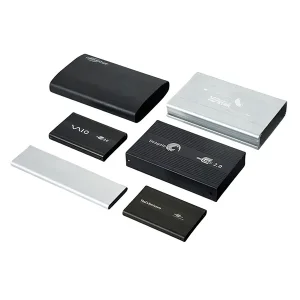
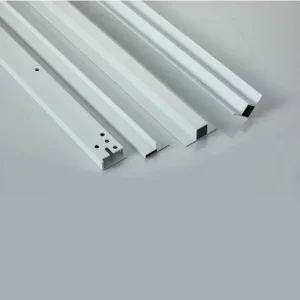
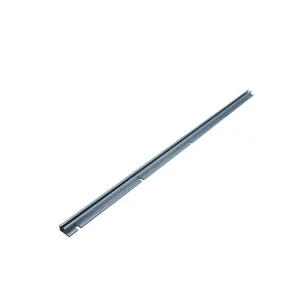
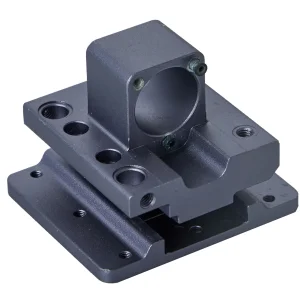
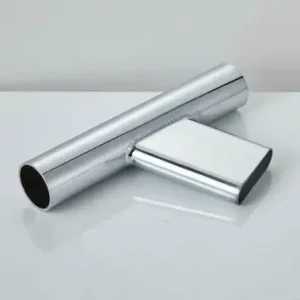
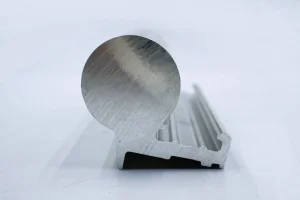
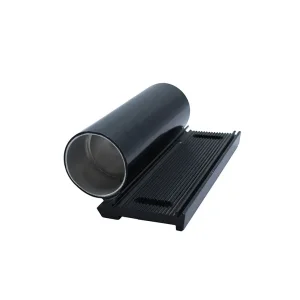
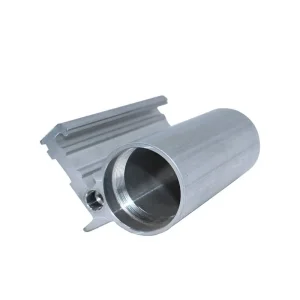
Additional custom-engineered structural solutions, base mount brackets, battery enclosures, and gate mechanisms.
 HG Precision