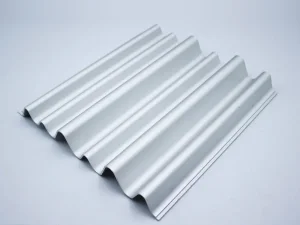
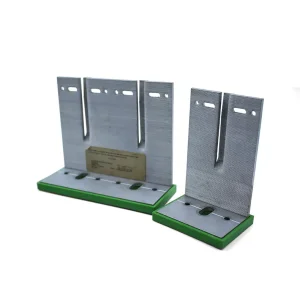
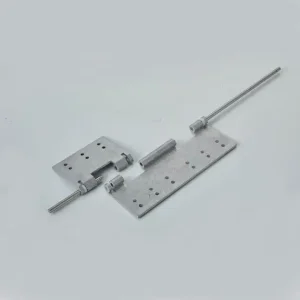
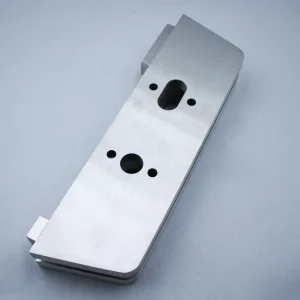
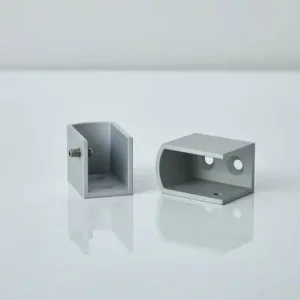
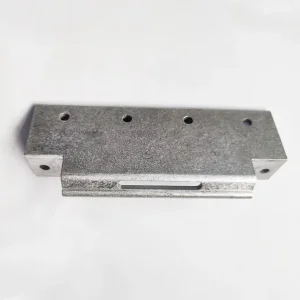
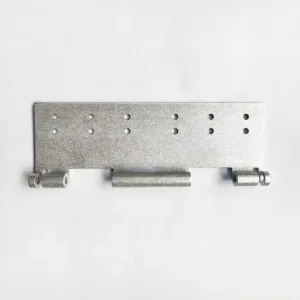
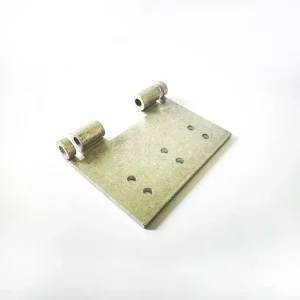
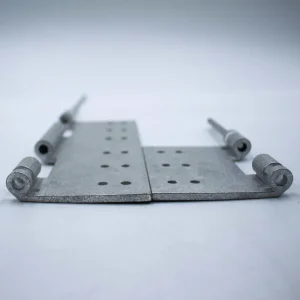
High-specification curtain wall configurations, precision extrusions, and heavy-duty hinges designed to withstand high wind loads and coastal atmospheric salinity.
Mozambique's construction and building materials sectors are undergoing structural changes, driven by urban renewal in Maputo, commercial infrastructure in Beira, and heavy industrial/LNG developments in Cabo Delgado. As coastal developments accelerate, architects, structural engineers, and commercial developers face harsh environmental realities. The proximity of Maputo Bay and the Indian Ocean coastline introduces high salinity and humidity, demanding building hardware that prevents galvanic corrosion and maintains mechanical integrity over decades.
Our focus on premium aluminum extrusions, hardware components, and curtain wall profiles addresses these engineering problems. This analysis covers the technical requirements, metallurgy standards, and pricing vectors shaping the procurement of building hardware in Mozambique.
Building facades along the Mozambican coastline are subject to unique climatic factors, including high humidity levels (often exceeding 80%), salt-spray deposition, and wind pressures during the cyclone season (affecting ports like Beira and Nacala). Standard grade steel and low-quality anodized aluminum fail in these environments, leading to oxidation, structural failure, and high maintenance costs.
| Mozambique Region | Climatic Classification | Primary Hardware Failure Risk | Recommended Surface Finish Spec |
|---|---|---|---|
| Maputo Metro Area | Subtropical Coastal | Saline corrosion, thermal expansion, surface pitting | Silver/Black Anodizing (≥ 15 microns) or PVDF Coating |
| Beira Corridor | High Cyclone Risk, Marine | Wind-load deflection, structural fatigue, moisture ingress | Grade 6063-T6 profiles, reinforced EPDM gaskets |
| Cabo Delgado (Industrial Zones) | Tropical Marine & Chemical | Acidic/saline atmospheric corrosion, mechanical wear | Heavy Anodizing (≥ 20 microns) & Stainless Steel Axis hinges |
| Nampula / Inland Hubs | Semi-arid to Tropical Dry | Dust infiltration, thermal stress degradation | Sandblasted, clear anodized 6063-T5 profiles |
Architects in Mozambique must distinguish between aluminum alloy tempering states when designing curtain walls, glass assemblies, and skylight configurations. In-house alloy casting allows for precise adjustment of magnesium and silicon ratios, ensuring the profiles meet international structural standards:
For building hardware deployed in coastal Mozambique, the chemical surface finish is the primary defense against degradation. Our anodizing process creates a controlled aluminum oxide layer that is integrated with the underlying metal. Anodized black or silver finishes prevent surface chalking and protect against the atmospheric sulfates common in industrializing zones like Matola.
Providing world-class structural solutions to Mozambican contractors and international developers since 1991.
Established in 1991, Foshan Golden Source Precision Manufacturing Co., Ltd. is a leading manufacturer of high-strength, high-precision custom aluminum profiles, precise machining parts, welded assemblies, and complete architectural systems. With a modern, environmentally sound production facility spanning 73,000 square meters, we control the entire vertical supply chain from alloy casting to finish assembly.
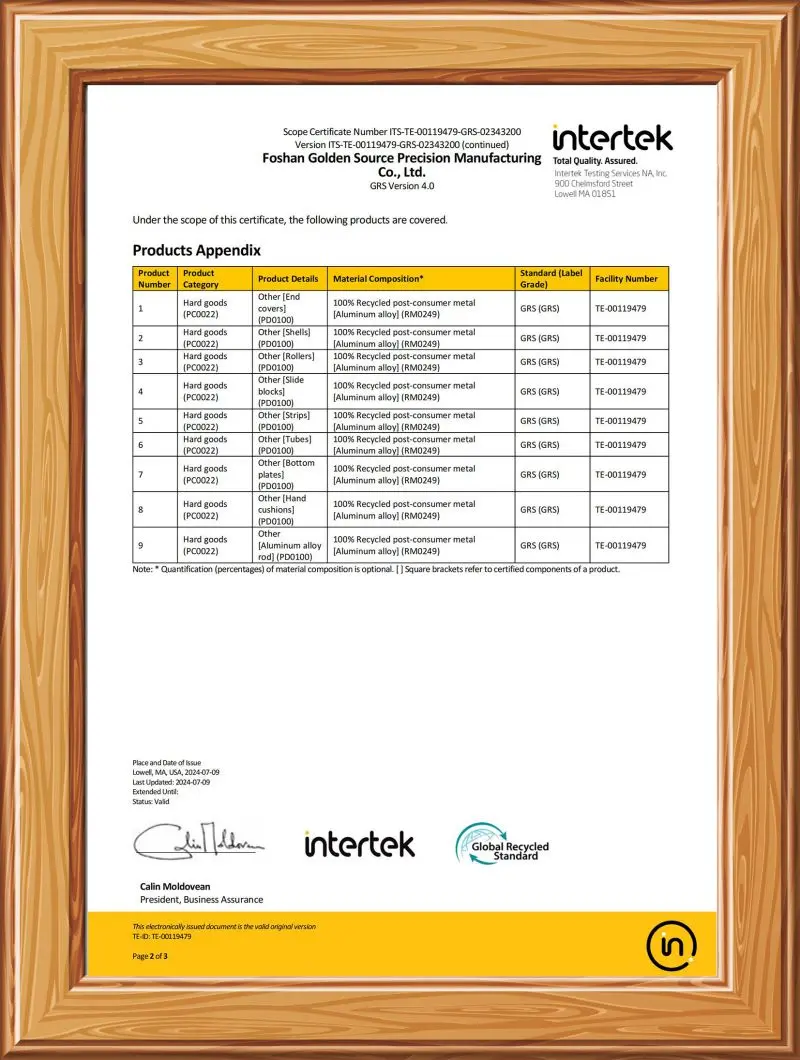
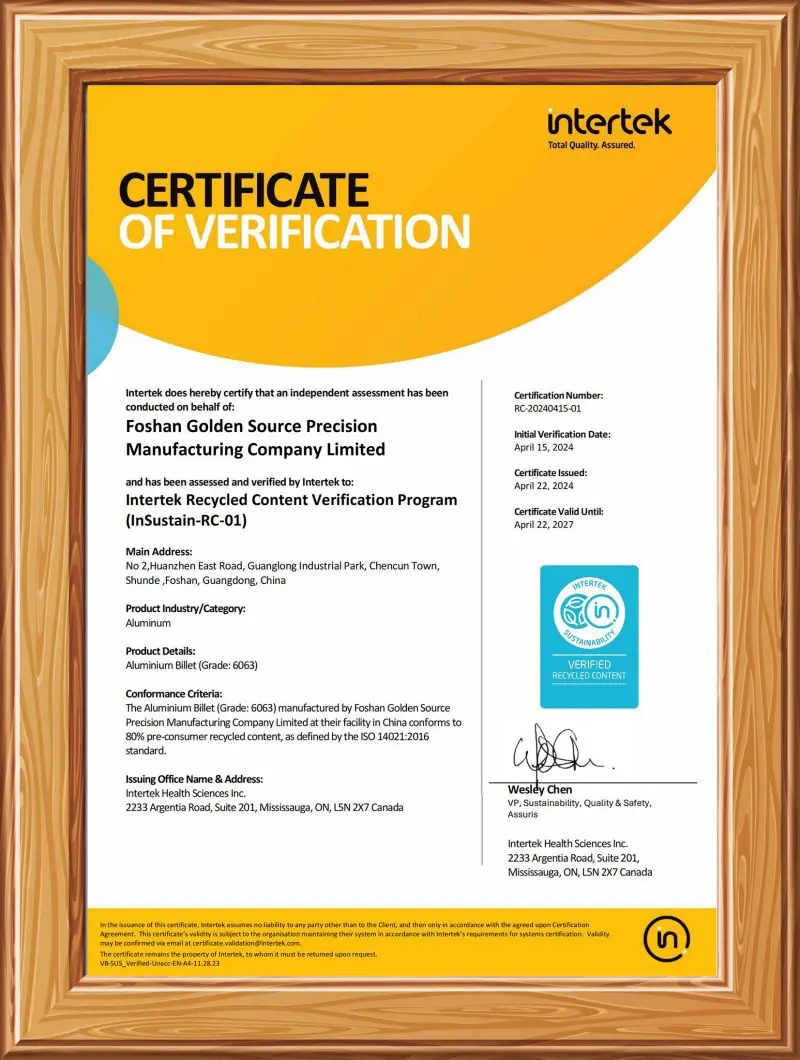
Our operations support a broad range of aluminum alloys (including the 1XXX, 3XXX, 5XXX, 6XXX, and 7XXX series), enabling us to supply structural components for hardware tools, 3C products, transport systems, and complex curtain wall installations globally. Certified under ISO9001, ISO14001, ISO45001, RCV, and GRS, our profiles comply with international environmental requirements, including the EU’s REACH regulations, ensuring safety and compliance across major infrastructure projects.
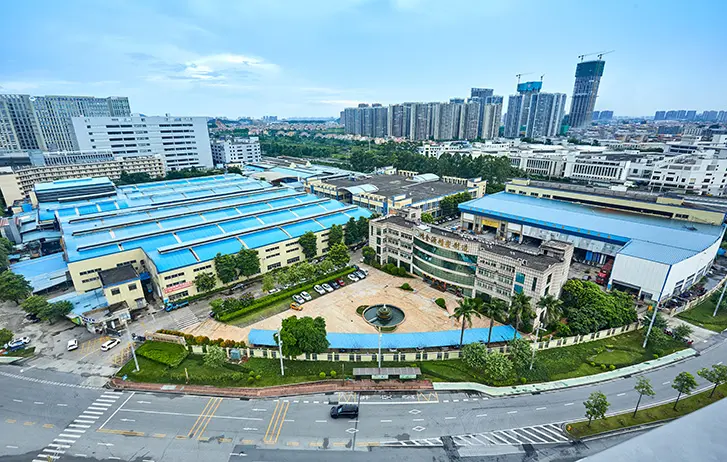
By melting and blending alloys in our own casting shop, we regulate the purity and chemical makeup of our raw materials. This ensures optimal surface finishes and consistent mechanical properties across production runs.
Our facility houses advanced CNC milling, drilling, and surface-finishing equipment under one roof. Maintaining control over these processes helps reduce costs, improve tolerances, and ensure consistent quality.
We manage direct shipping lines to Maputo, Beira, and Nacala, providing containerized packaging, seaworthy crating, and export documentation to prevent transit damage and customs delays.
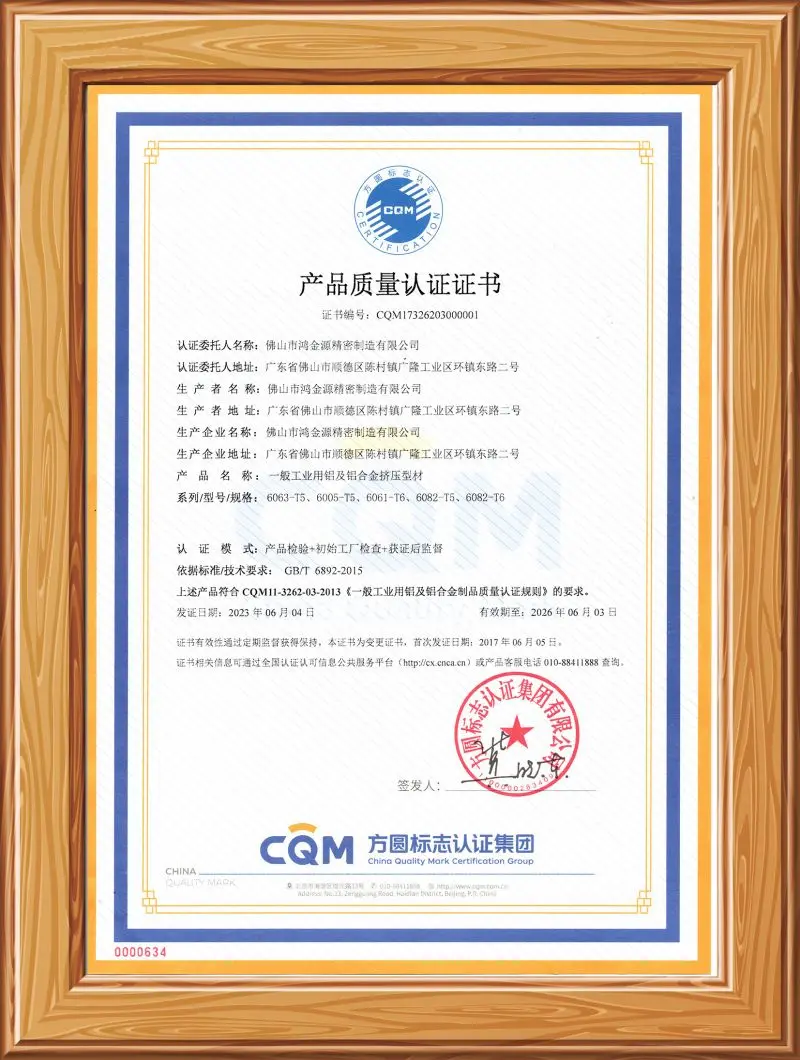
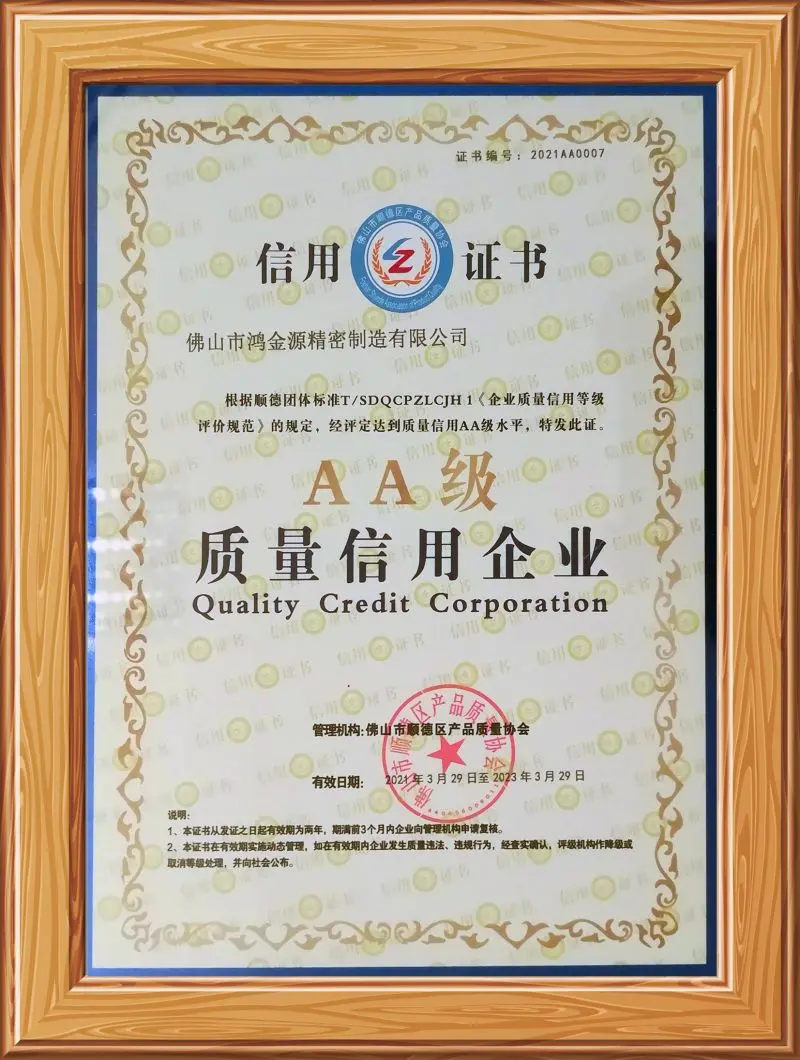
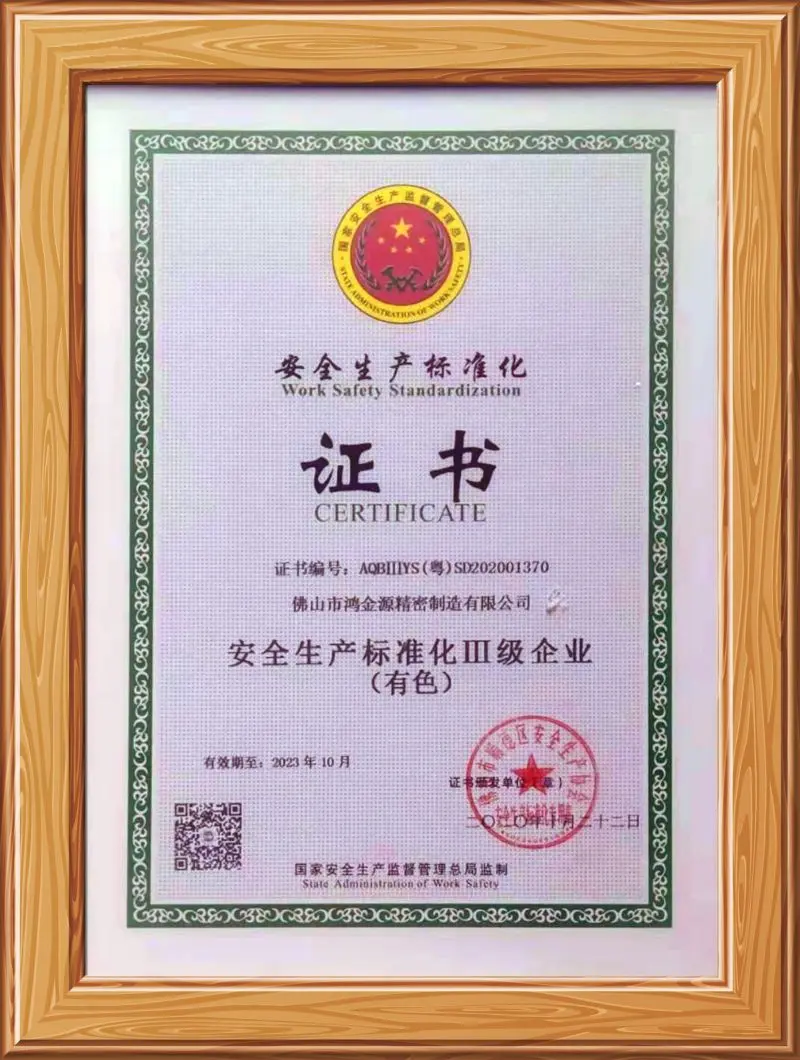
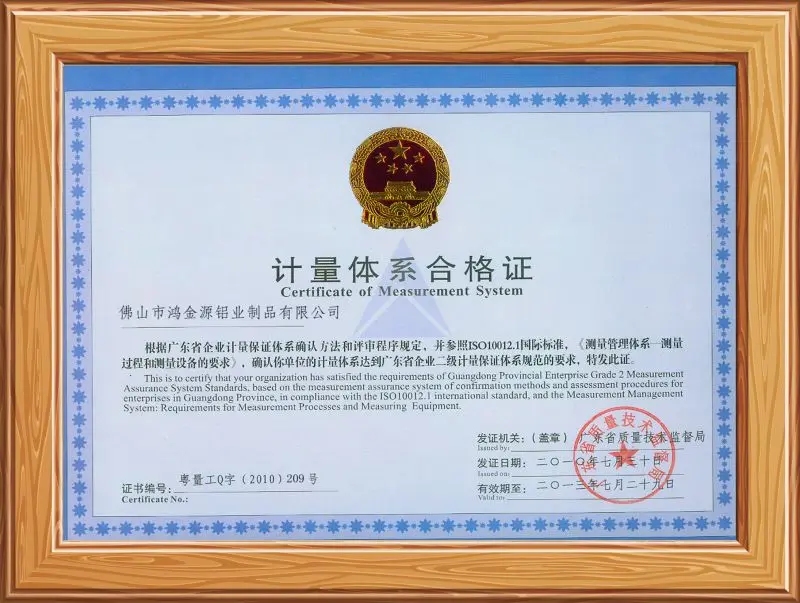
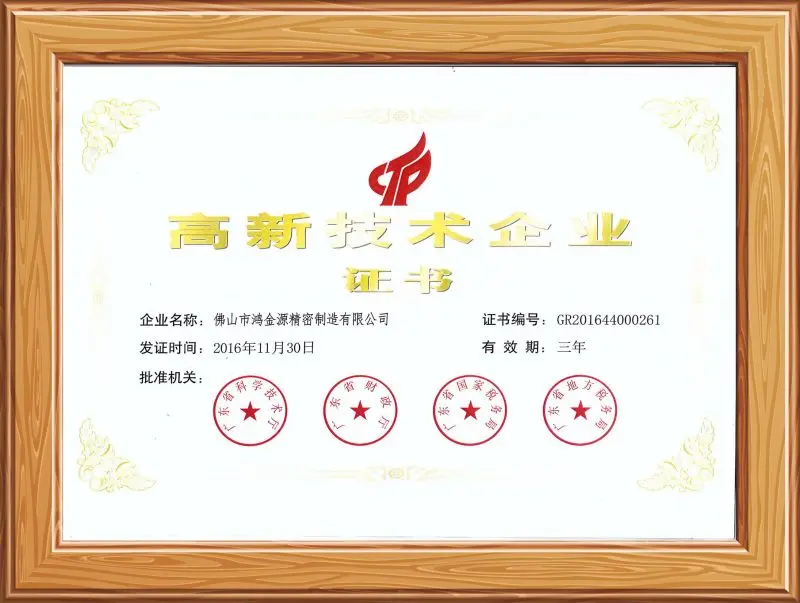
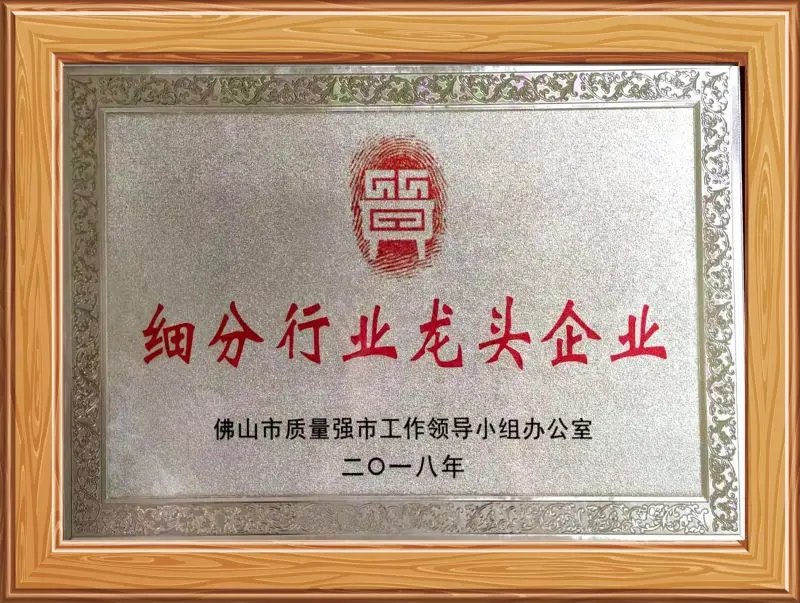
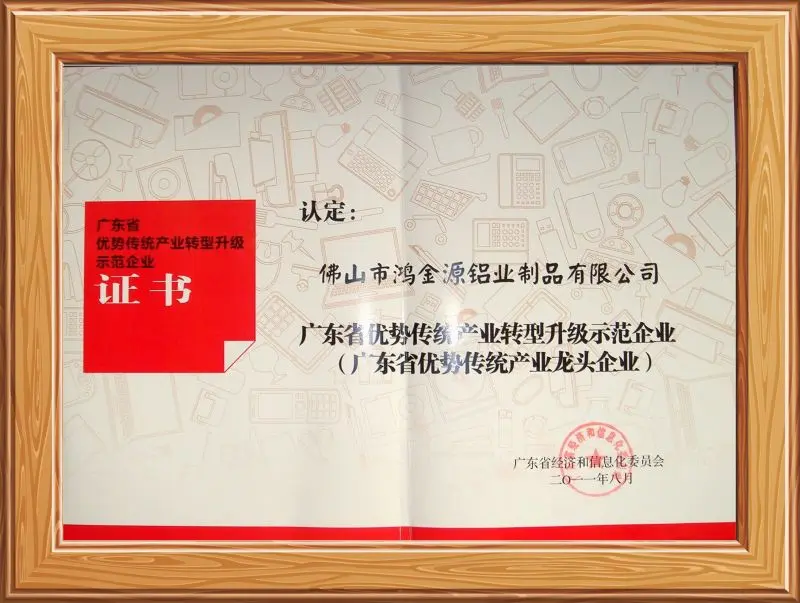
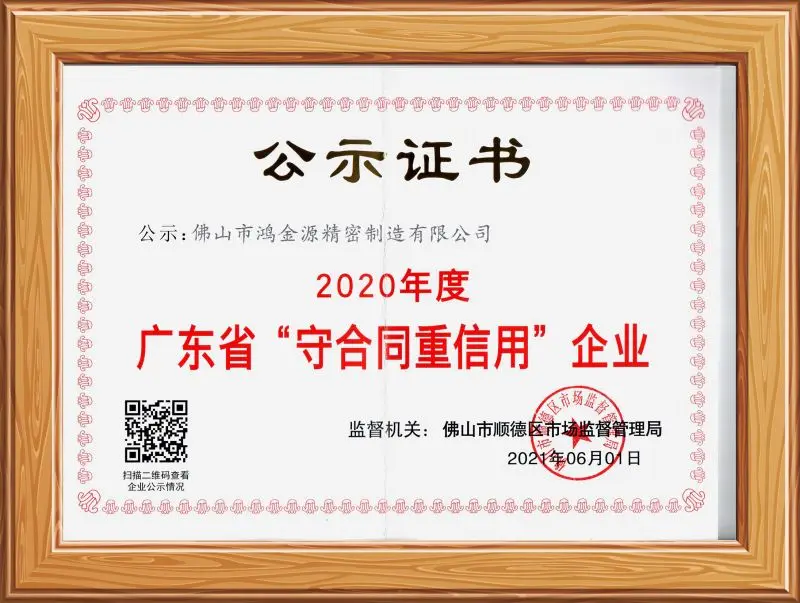
Verified compliance with international environmental and quality metrics, including GRS, RCV, and ISO certifications.
Our focus on sustainable manufacturing and technical quality has earned certifications like ISO9001, ISO14001, 45001, GRS, and RCV. These standards support clean production, trace raw materials, and help our clients satisfy international environmental requirements.
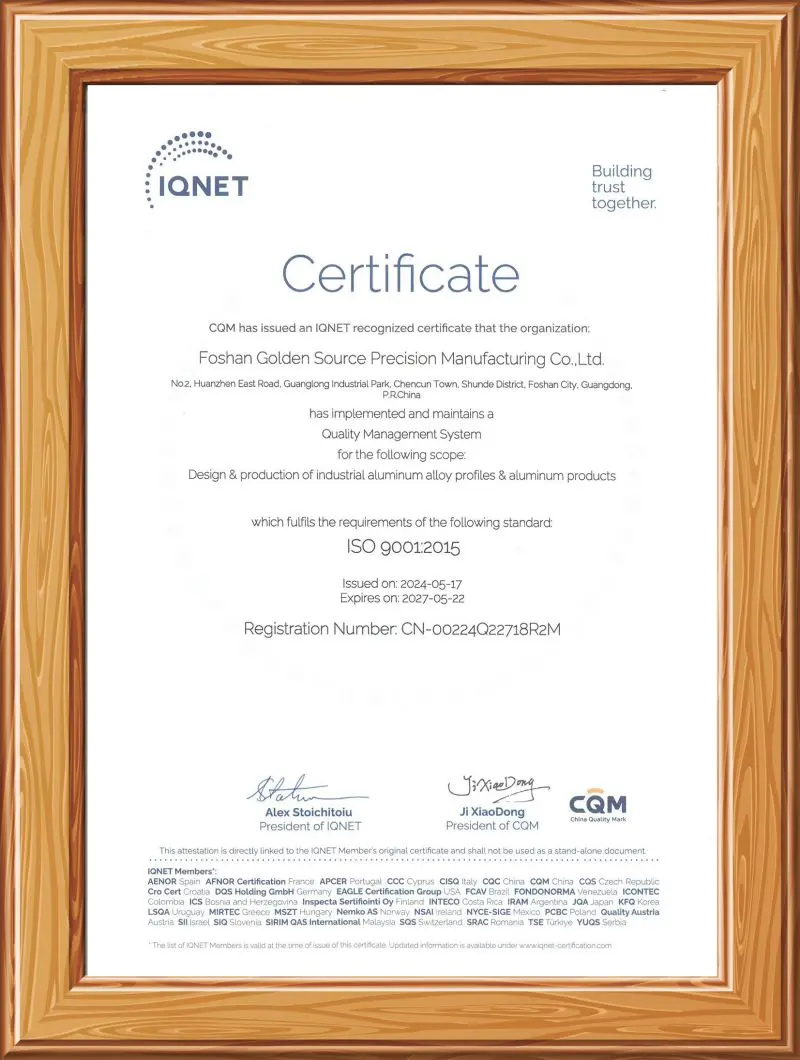
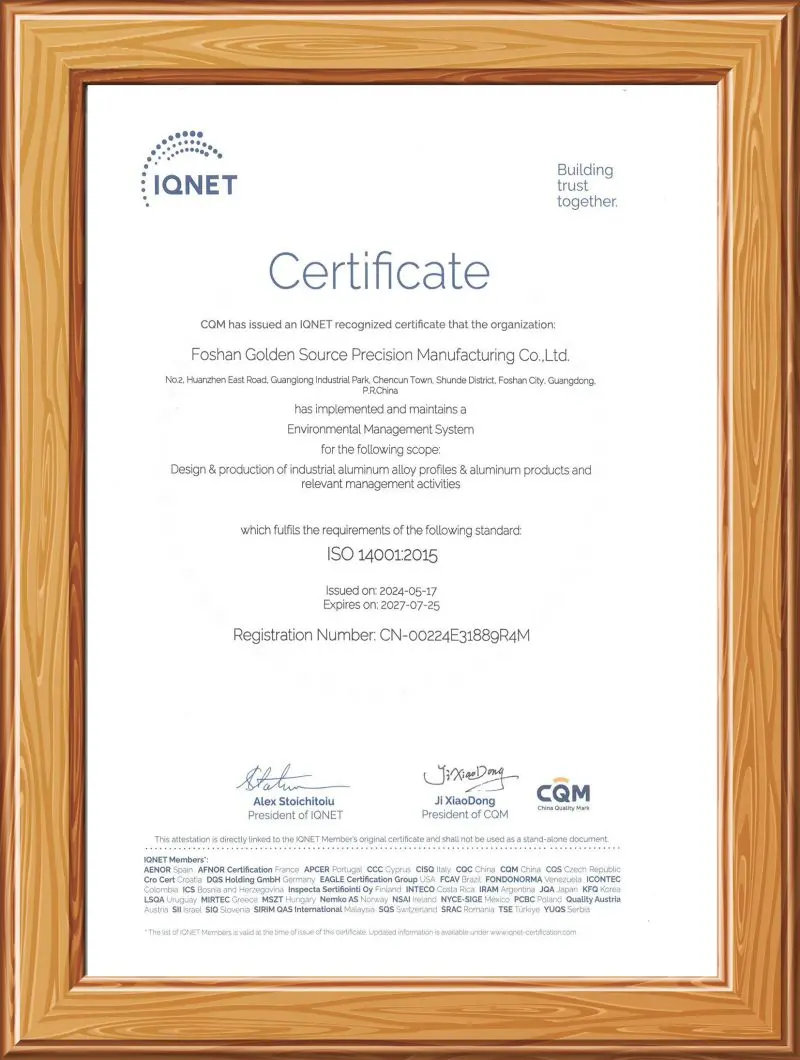
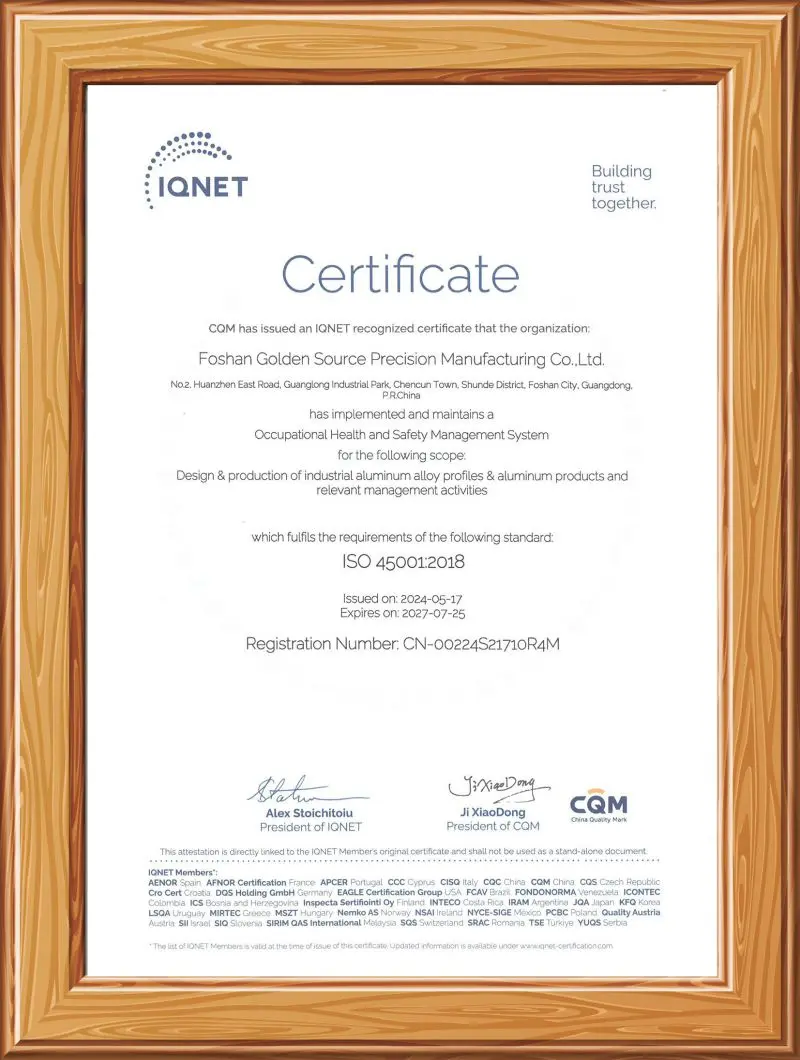
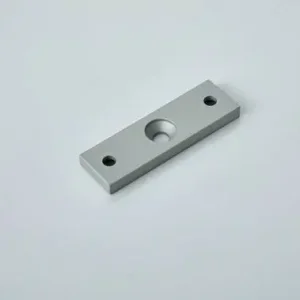
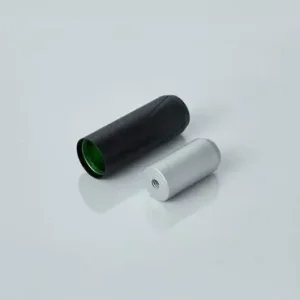
CNC machined parts, structural connectors, and specialized skylight components designed for high durability and performance in Mozambican developments.
Estimating project costs for architectural hardware in Mozambique requires understanding local economic indicators, import tariffs, freight logistics, and the required technical specifications. Understanding these components helps project managers mitigate budget overruns and prevent supply chain delays.
1. Alloy Purity and Mechanical Performance: Grade 6063-T6 profiles require specialized heat treatment processes, which increases production costs relative to standard T5 profiles. However, using T6 alloys helps reduce the profile mass needed to meet structural requirements, lowering freight shipping costs.
2. Anodized Coating Thickness: The thickness of the protective anodized layer directly impacts the material's lifespan in coastal regions. Upgrading from a standard 10-micron finish to a 20-micron finish increases initial material costs but reduces long-term maintenance costs and extends the building's facade life.
3. Logistics, Port Clearance, and Duty Rates: Shipping materials through the Port of Maputo or Port of Beira involves customs clearances and local transportation logistics. Bulk procurement helps lower unit shipping costs, mitigating the impact of regional logistics expenses.
Managing the entire production flow—from in-house alloy casting to CNC machining and surface treatments—allows us to maintain consistent quality and lower overall production costs. This integrated model provides competitive direct pricing while maintaining high structural standards for demanding project specifications.
Technical answers to key architectural, procurement, and structural questions for Mozambique developments.
 HG Precision