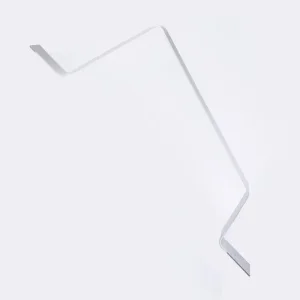
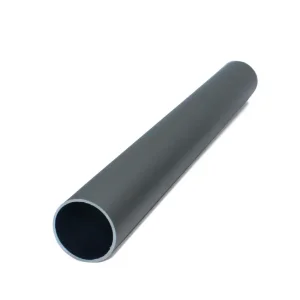
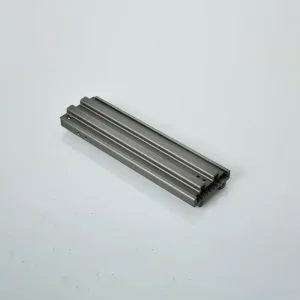
Highly specialized automotive structural assemblies, thermal management profiles, and bracket configurations tailored to withstand the climatic dynamics of East Africa.
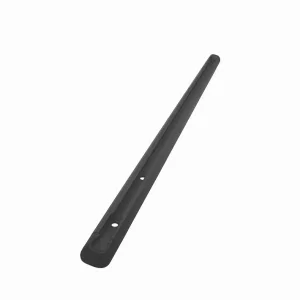
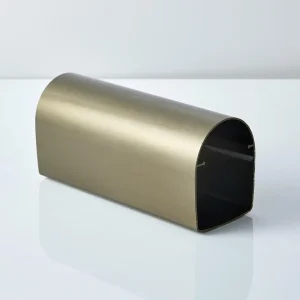
The automotive landscape in Ethiopia is undergoing a paradigm shift. Historically characterized by heavy reliance on imported Fully Built Units (FBUs), the country is dynamically transitioning toward domestic assembly, commercial localization, and regional supply chain integration. Driven by the Ethiopian Ministry of Industry's strategic push under the Homegrown Economic Reform Agenda, local manufacturing of Semi-Knocked Down (SKD) and Completely Knocked Down (CKD) vehicles is seeing unprecedented government support.
However, local assembly plants face persistent supply chain friction: high logistics costs from major seaports like Djibouti to central hubs like Addis Ababa, scarcity of foreign exchange for component sourcing, and lack of secondary processing facilities for high-precision components. To mitigate these bottlenecks, Ethiopian automotive assemblers and industrial fleet managers are progressively turning to vertically integrated global Tier-1 and Tier-2 manufacturers. By leveraging direct quotes from manufacturing giants in China, local firms bypass intermediaries, securing customized structural and thermal components that fit exact technical parameters.
As Addis Ababa pioneers electric vehicle (EV) transit initiatives—accelerated by the recent national mandate restricting ICE imports in favor of battery-electric vehicles—the physics of vehicle efficiency has come to the forefront. Aluminum extrusions are key to this transit revolution. The high strength-to-weight ratio of 6000-series (6063, 6061, and 6082) aluminum alloy systems plays a pivotal role in vehicle lightweighting. Reducing structural mass directly offsets heavy lithium battery packs, enhancing vehicle range per charge.
China's manufacturing sector offers unmatched scaling capacity, raw material price stability, and advanced metallurgical control. For Ethiopian buyers, sourcing from a manufacturer that integrates in-house alloy melting, custom tool/die design, precision CNC machining, and advanced surface anodization minimizes international procurement risk.
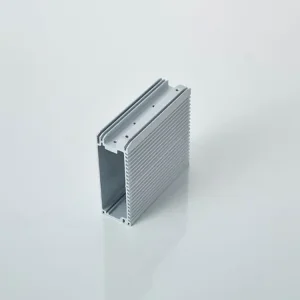
Furthermore, direct China-to-Ethiopia freight corridors, enhanced by the Ethio-Djibouti Railway network, facilitate rapid transshipment of large-scale structural aluminum components directly to dry ports like Modjo. This ensures that customized assemblies, such as roof racks, thermal management housings, and structural brackets, are delivered on schedule to keep assembly lines running efficiently.
Deploying engineered aluminum solutions across key industrial and transit sectors in the East African development corridor.
Structural brackets, passenger cabin components, and thermal dissipation systems designed specifically for EV buses and light rail networks operating under high UV exposure and varied altitudes.
High-strength floorboards, corner profiles, and structural mounting clamps optimized for commercial truck and agricultural logistics trailers, ensuring durability across rough highway conditions.
Anti-corrosive anodized aluminum structural supports built to withstand intense sun exposure, perfect for backing off-grid charging stations and localized solar microgrid systems.
Foshan Golden Source Precision Manufacturing Co., Ltd, established in 1991, is a professional manufacturer of high-strength, high-precision, customized aluminum profiles and precise machining aluminum parts, welded parts, and assembled aluminum products.
With a modern and environmentally friendly production base covering an area of over 73,000 square meters, the company offers one-stop service, including alloy casting, mold research & design & building, aluminum extruding, precise machining, welding, assembly and surface treatment.
The company holds certifications such as ISO9001, ISO14001, ISO45001, RCV, and GRS, ensuring that its products comply with the environmental requirements of the EU’s REACH regulation. A wide range of aluminum alloy series are available, including: 1XXX, 3XXX, 5XXX, 6XXX, 7XXX alloy, which allow us to meet different demands of various industries and fields, including hardware tools, 3C products, automobile, railway, furniture, decoration, and outdoor products.
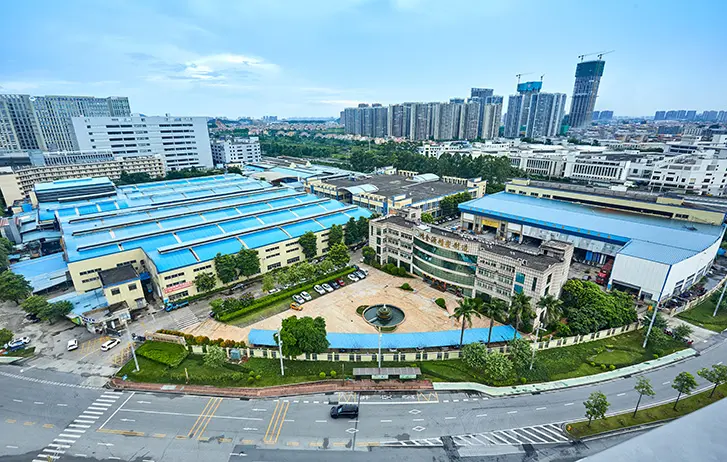
We melt the alloy in-house, enabling precise adjustment of chemical compositions to achieve superior physical properties, structural tensile strength, and metallurgical purity optimized for high-quality anodizing.
Integrated machining and surface treatment under one roof ensure meticulous quality control and significant cost savings. We deliver superior product longevity and precision finish at highly competitive prices.
Our integrated production line—from casting to final packaging—eliminates transit delays between independent processors, allowing us to hit tight delivery windows for overseas shipments.
Ensuring absolute compliance with global quality and environmental standards including GRS and RCV to meet demanding EU and global standards.
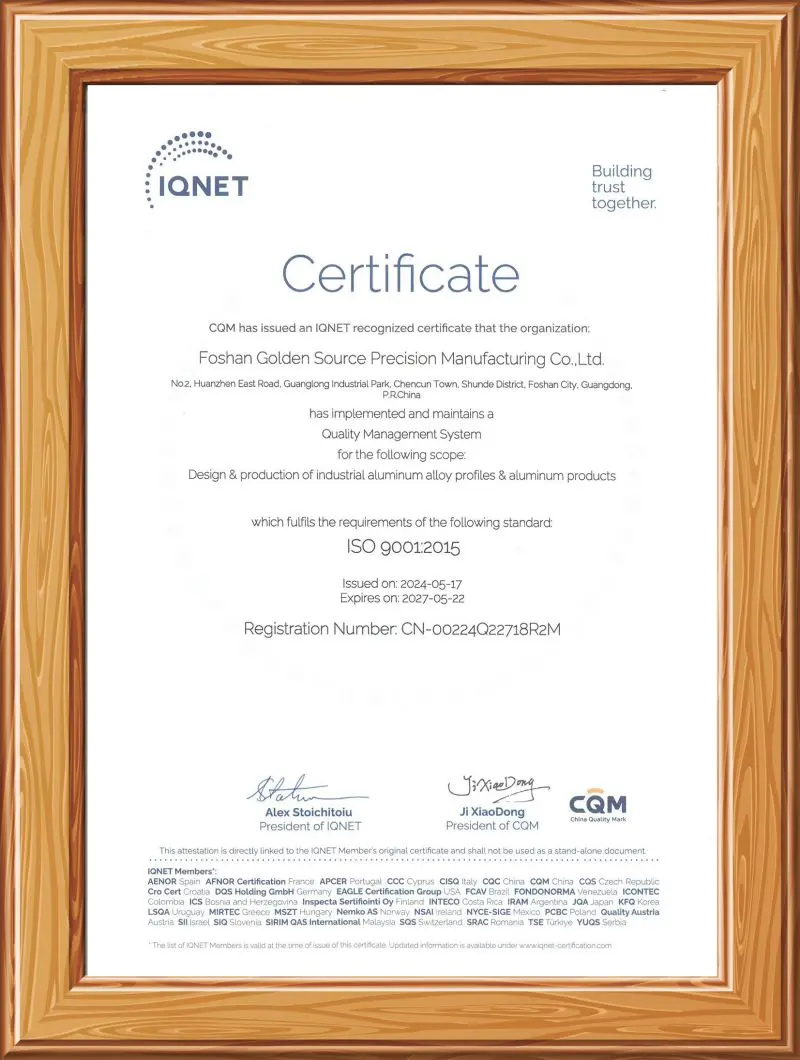
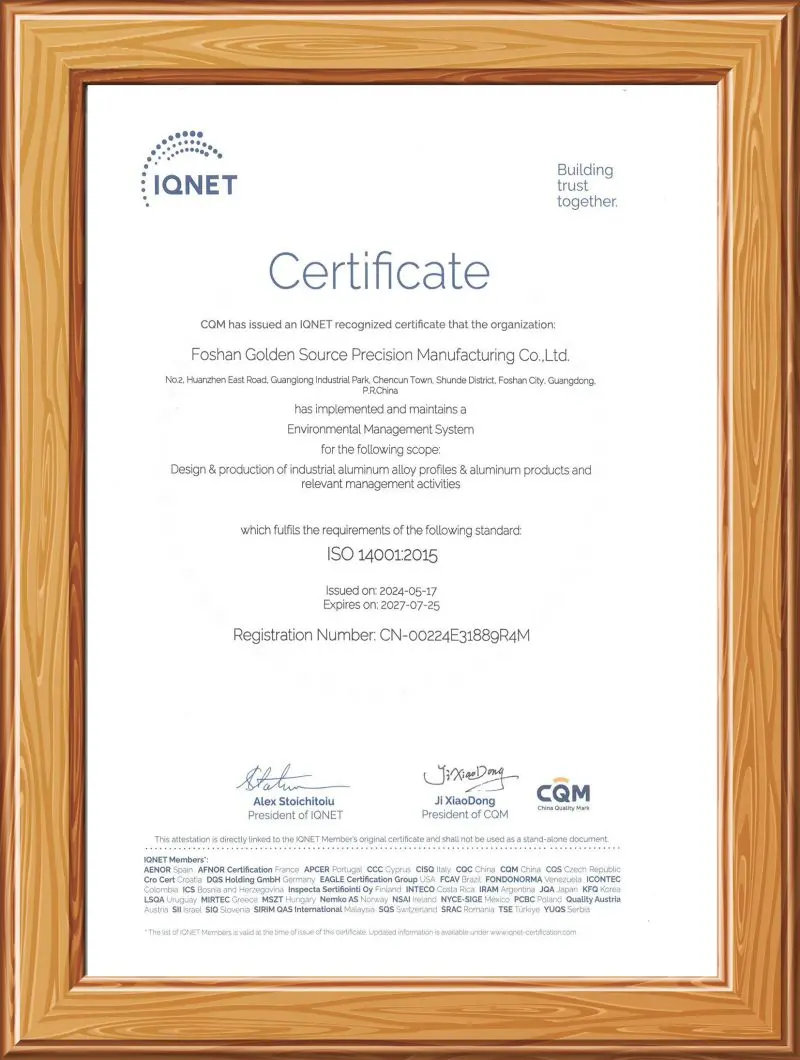
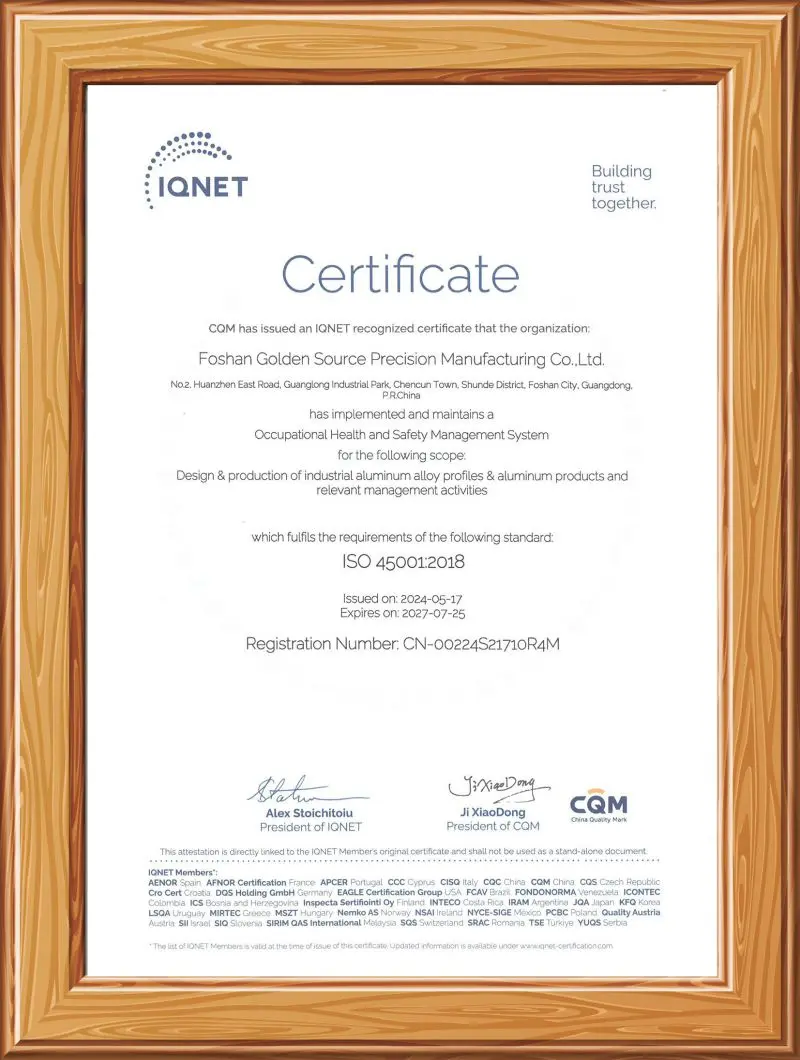
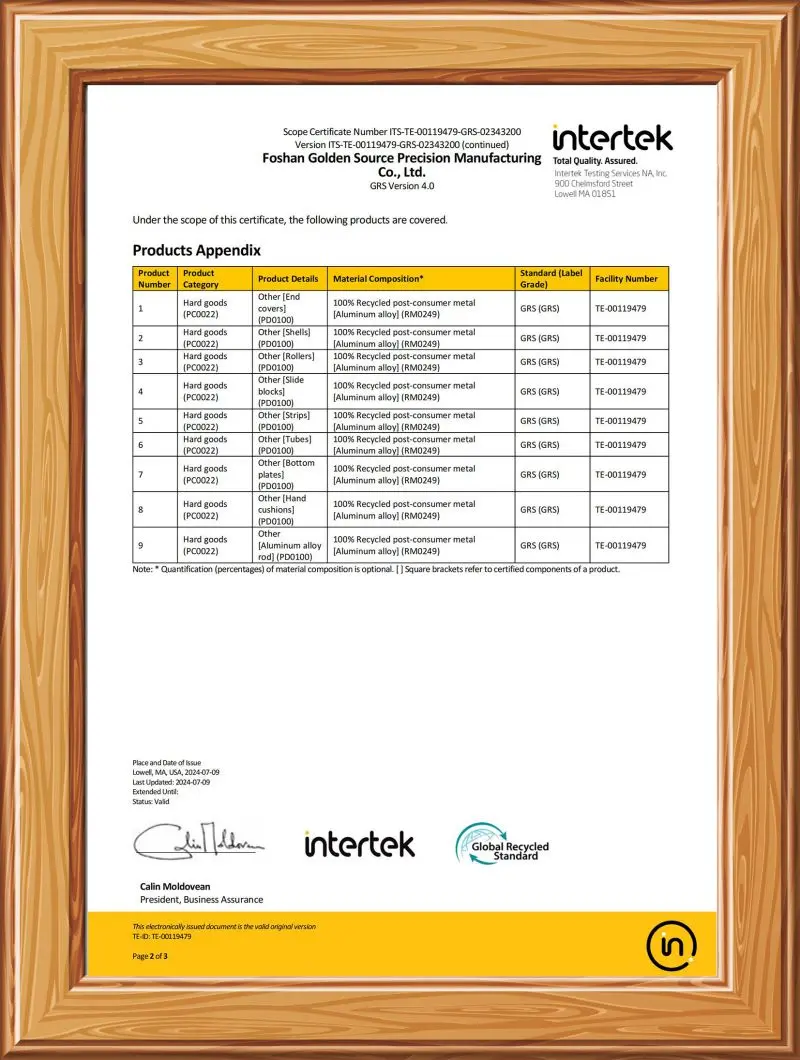
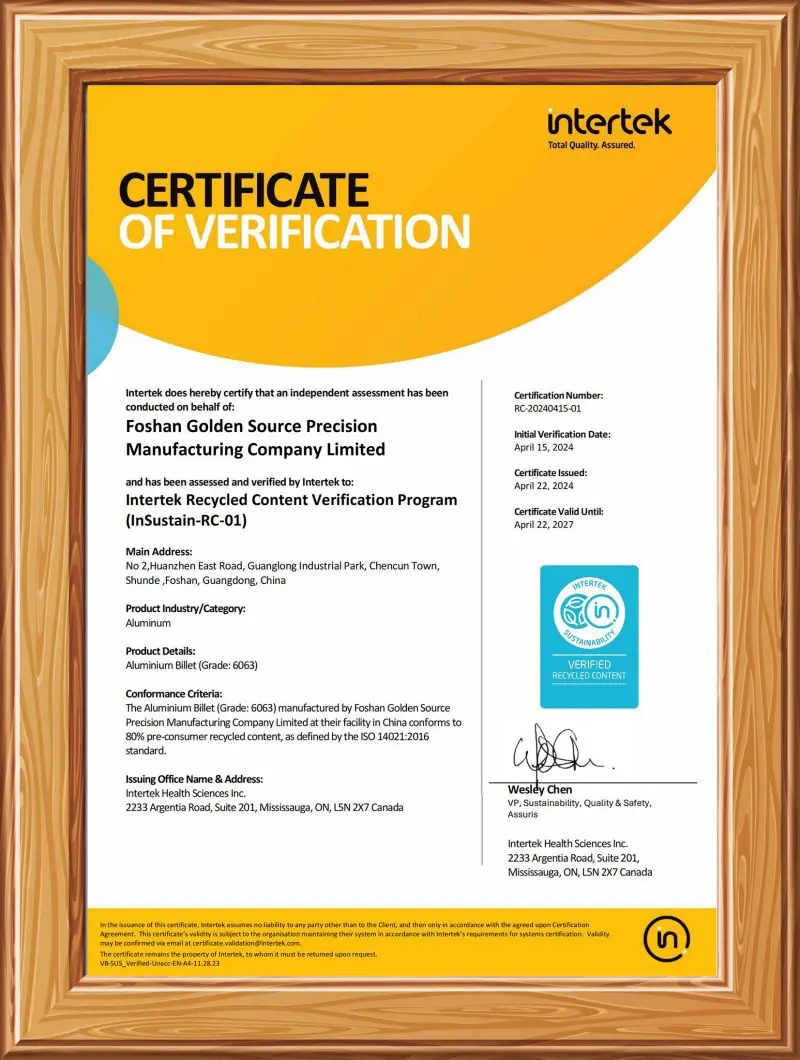
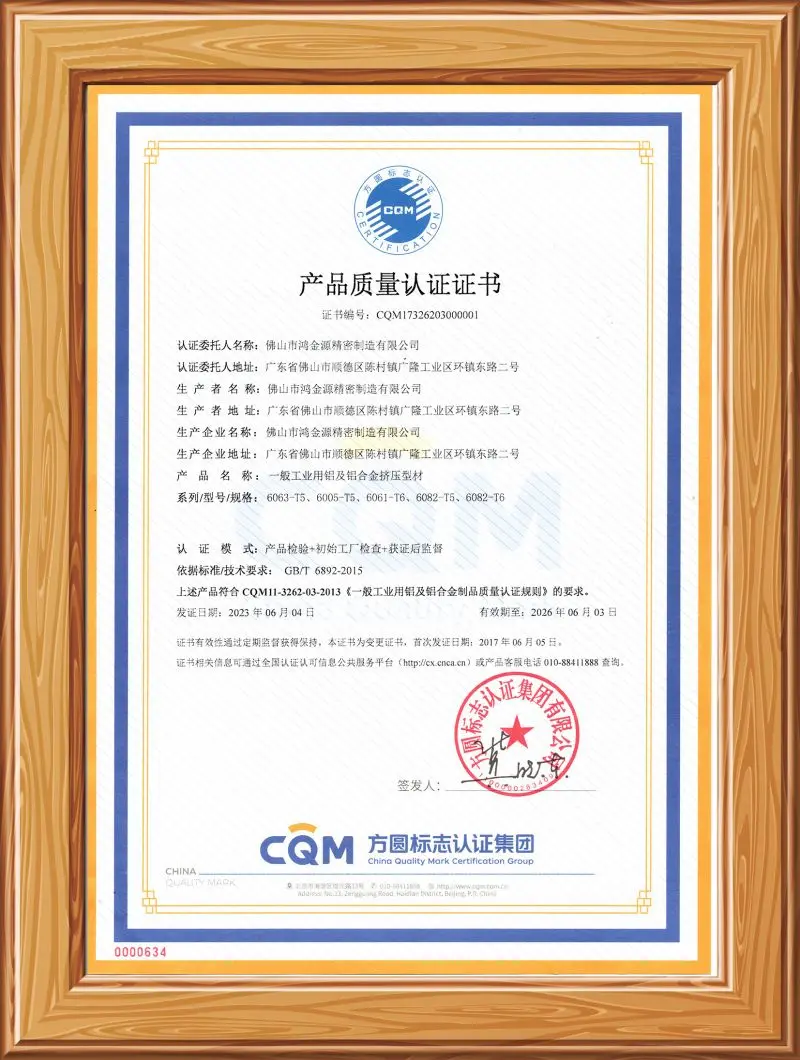
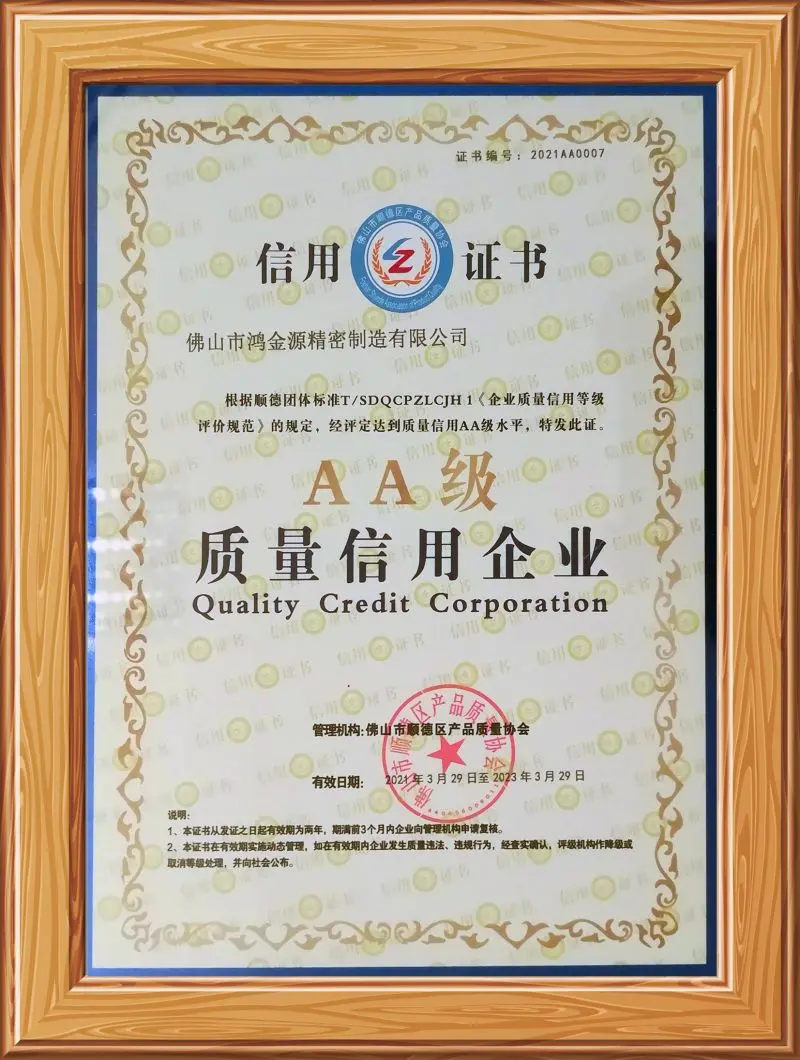
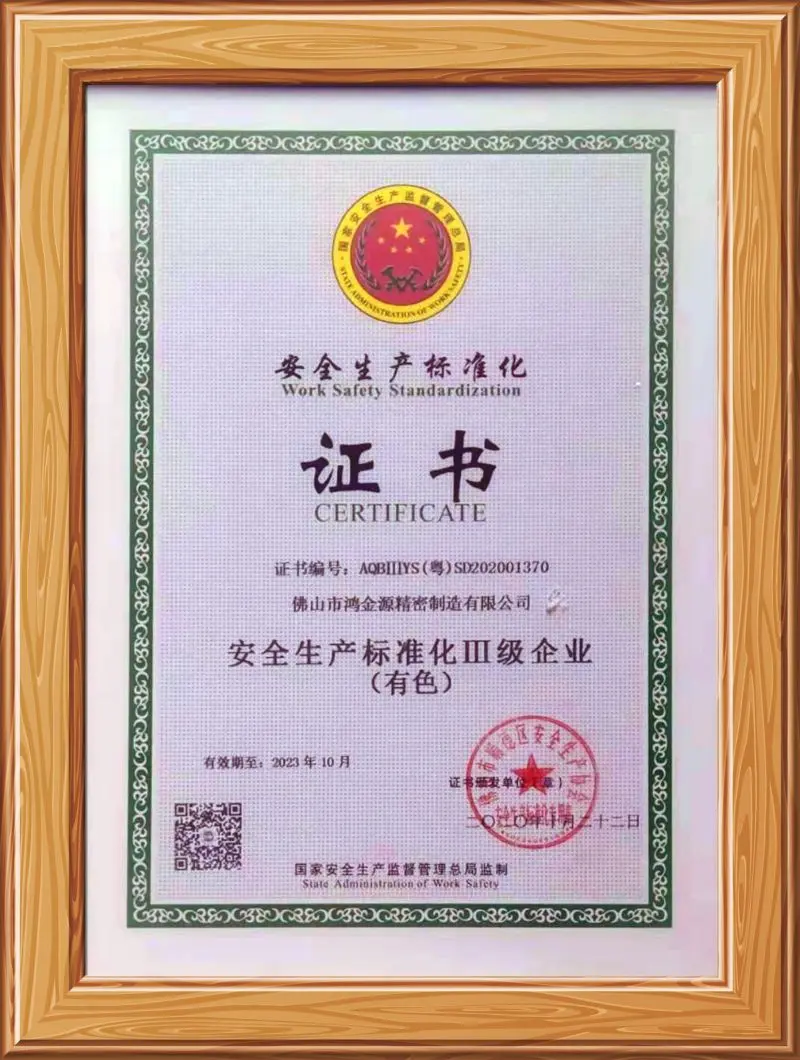
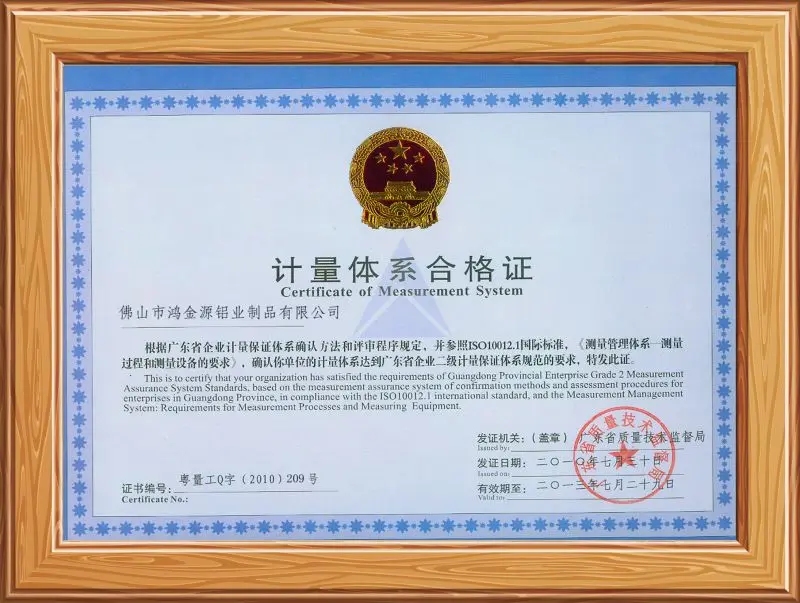
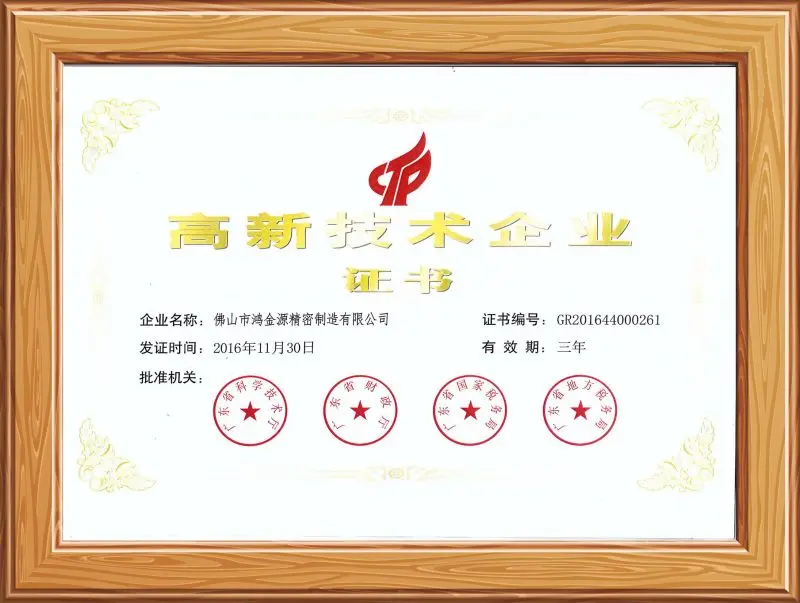
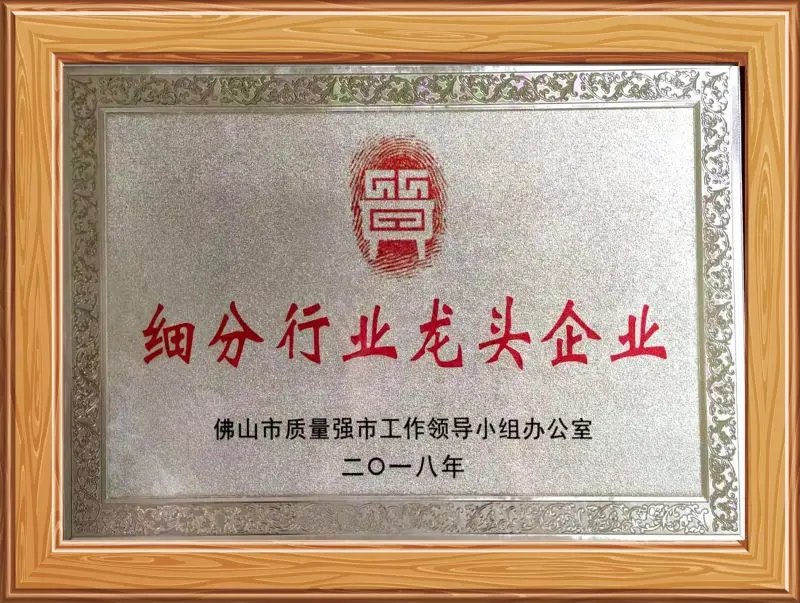
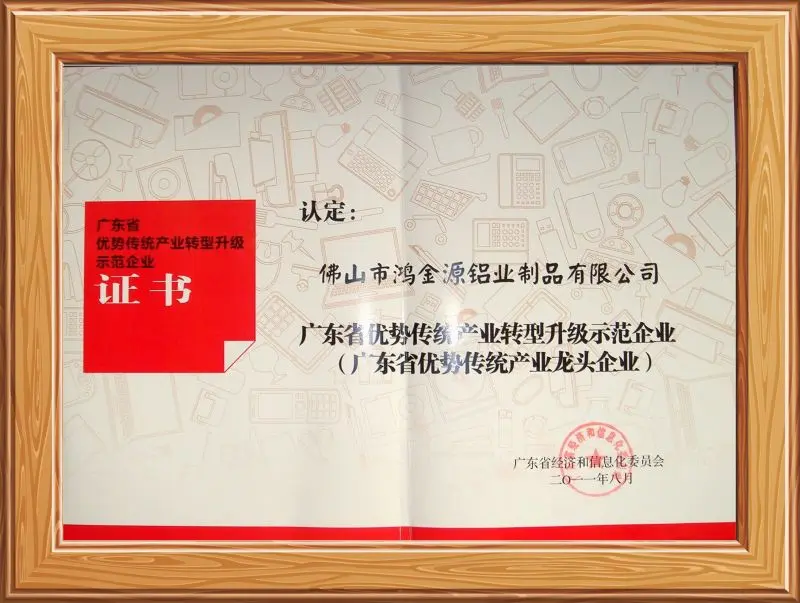
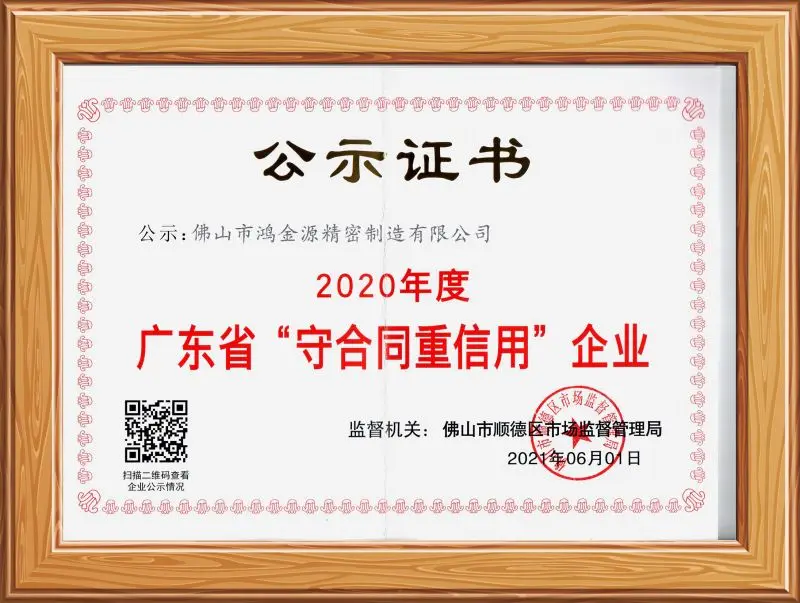
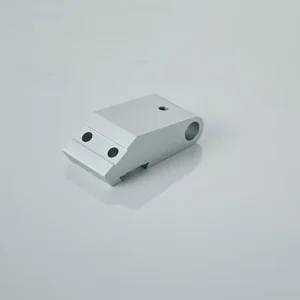
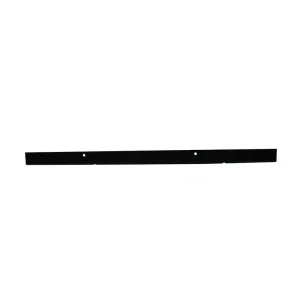
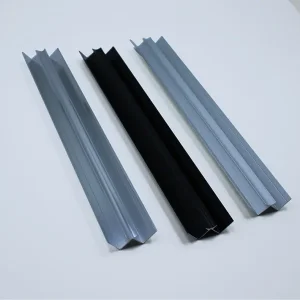
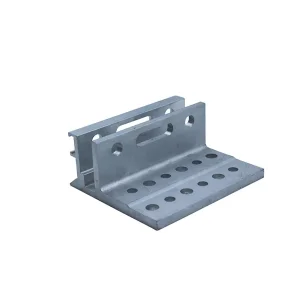
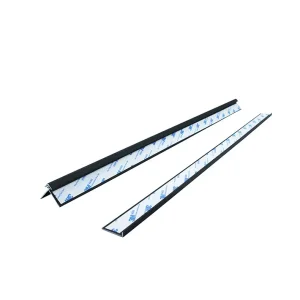
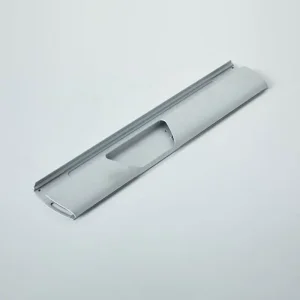
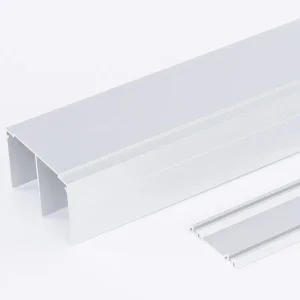
Explore our comprehensive range of high-precision machined profiles, sliding systems, brackets, and structural components designed for industrial and commercial sectors.
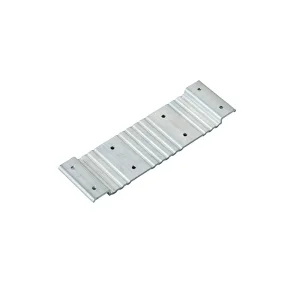
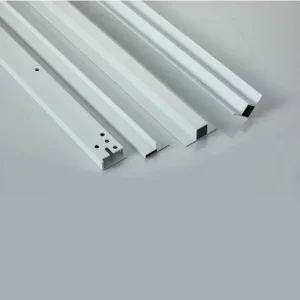
Detailed answers about logistics, alloy engineering, pricing, and structural design for projects in Ethiopia.
 HG Precision