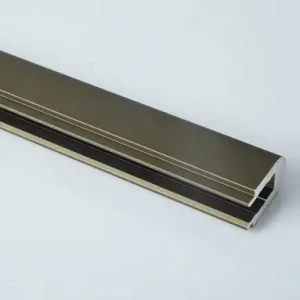
Engineered high-performance profiles, CNC machined tolerances, and advanced anodized surface finishes from our integrated manufacturing lines.
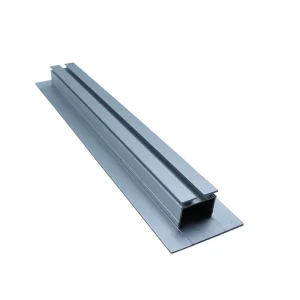
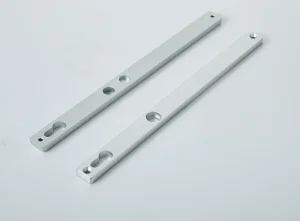

In global industrial design, selecting high-quality structural profiles requires deep insights into chemical metallurgy, dimensional tolerance limits, and cost-control variables. The round aluminum tube remains a structural cornerstone across automotive manufacturing, aerospace engineering, architectural framing, renewable energy networks, and high-end consumer hardware. From an engineering standpoint, hollow cylindrical geometries offer superior torsional resistance per unit weight and balanced distribution of load deflection across all planes.
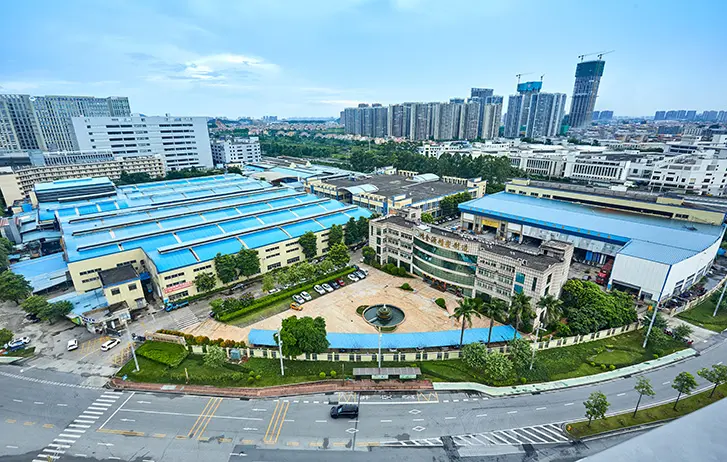
At Foshan Golden Source Precision Manufacturing Co., Ltd. (founded in 1991), our custom extrusion processing addresses these precise structural demands. Within our 73,000 square meter eco-friendly manufacturing hub, we manage the entire value chain: in-house alloy melting, custom billet chemical adjustment, specialized die development, multi-stage hot extrusion, mechanical post-processing (including high-tolerance CNC milling), and premium surface treatments.
The core advantage of Foshan Golden Source resides in our in-house alloy smelting facility. By adjusting compositional ratios of Magnesium (Mg), Silicon (Si), Copper (Cu), and Manganese (Mn), we balance tensile strength, fracture toughness, anodizing aesthetics, and corrosion resistance. Below is a breakdown of our main alloy series:
| Alloy Series | Main Chemical Elements | Typical Industrial Applications | Mechanical Deflection & Strengths |
|---|---|---|---|
| 1XXX Series | Al ≥ 99.0% | Electrical conductors, heat exchangers, chemical storage vessels | Low structural strength; excellent thermal/electrical conductivity. |
| 3XXX Series | Al-Mn (Manganese) | Automotive cooling systems, fluid tubing, HVAC guide vanes | Moderate strength; exceptional corrosion resistance and formability. |
| 5XXX Series | Al-Mg (Magnesium) | Marine structures, subsea conduits, critical oil/gas components | High weldability, excellent marine salt-spray corrosion resistance. |
| 6XXX Series | Al-Mg-Si (Silicon) | Solar support frames, hydraulic gate closers, architectural facades | High yield strength (e.g., 6061-T6, 6063-T6); superior machinability. |
| 7XXX Series | Al-Zn-Mg-Cu (Zinc) | High-stress structural brackets, climbing equipment, aerospace gear | Ultra-high yield and tensile strengths comparable to structural steel. |
Adjusting the billet chemistry prior to casting directly impacts the anodized surface's visual and mechanical properties. Reducing trace iron (Fe) contamination prevents structural grain boundaries from producing dull, cloudy patterns post-anodizing. This ensures a clean matte, sandblasted, or bright finish for consumer electronics and architectural projects.
Global procurement teams navigating the modern supply chain seek structural cost efficiency, technical competence, and logistics predictability. Establishing direct partnerships with a centralized Chinese OEM manufacturer like Foshan Golden Source provides key advantages:
By managing the production cycle in-house, we reduce transit wear and shipping damage common in distributed manufacturing models. This centralized workflow lowers your overall cost of ownership.
Operating in highly regulated markets like Europe, North America, and Japan requires adhering to strict safety and ecological standards.
Foshan Golden Source is certified under ISO 9001 (Quality Management), ISO 14001 (Environmental Management), and ISO 45001 (Occupational Health & Safety). Our products comply with the European Union’s REACH regulations and RoHS chemical directives.
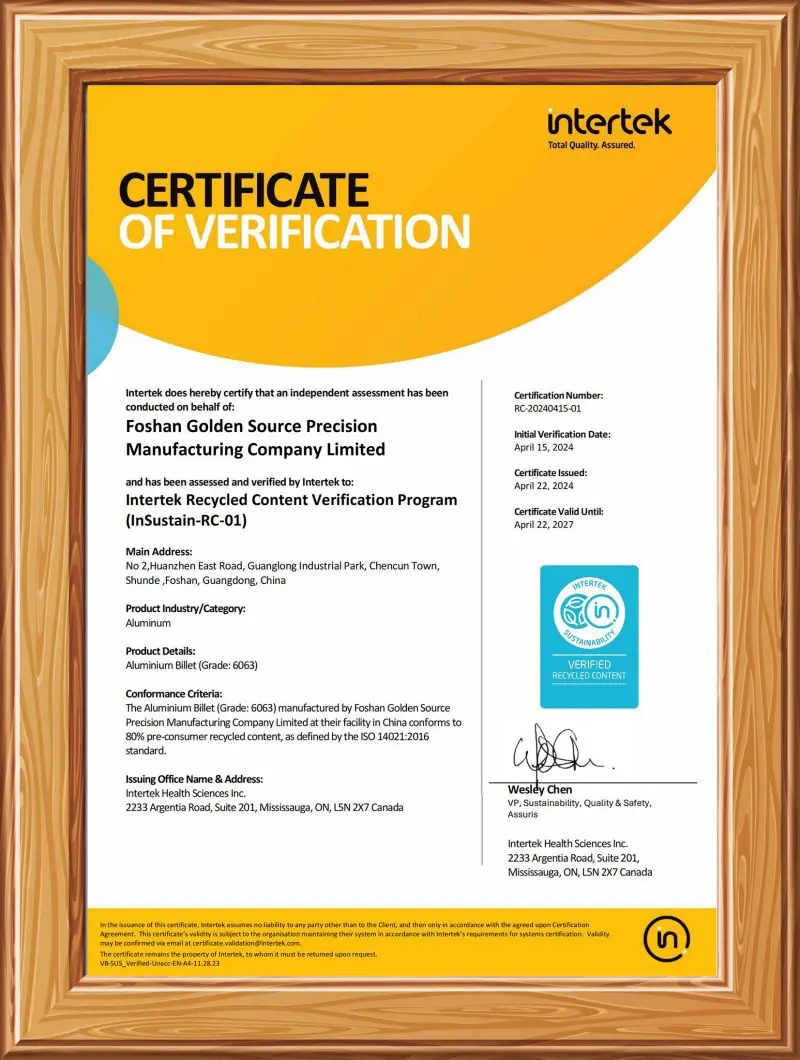
We hold Global Recycled Standard (GRS) and Recycled Content Verification (RCV) certificates, validating our utilization of post-industrial and post-consumer recycled aluminum, which helps reduce carbon border adjustment tax (CBAM) liabilities.
We provide localized engineering support by offering material documentation, 3D CAD modeling, custom packing solutions, DDP shipping terms, and structural testing (tensile strength, hardness, and salt-spray test data).
The industrial manufacturing sector is experiencing transitions driven by environmental policies, design shifts, and automation demands. Understanding these trends helps procurement teams make strategic, long-term sourcing decisions.
Across automotive, railway, and logistics industries, substituting steel with high-strength aluminum (especially 6082-T6 and 7075-T6 alloy profiles) remains a key trend. This replacement reduces weight, leading to improved fuel economy and lower carbon emissions. Our precision round aluminum tubes provide the structural integrity required to meet these lightweighting goals.
Multi-national brands are seeking suppliers with verifiable green manufacturing practices. With our ISO 14001, GRS, and RCV certifications, Foshan Golden Source helps clients verify their Scope 3 greenhouse gas reduction metrics. Our clean production processes use recycled scrap, closed-loop water filtration, and energy-efficient billet heating systems to minimize the carbon footprint per ton of extruded aluminum.
With the rise of automated assembly lines, components must adhere to strict dimensional tolerances. A variation of even 0.5mm can cause automated production machinery to stall. We address this demand by combining precise extrusion techniques with secondary CNC machining, delivering round tube profiles with cross-sectional tolerances down to ±0.05mm.
Our customized round aluminum tubes and profiles serve key roles across several specialized industrial applications.
Used in high-end kitchen cabinet glass door frames, custom skylight assemblies, and modern building curtain walls. These structural profiles offer structural rigidity with durable anodized finishes resistant to humidity and wear.
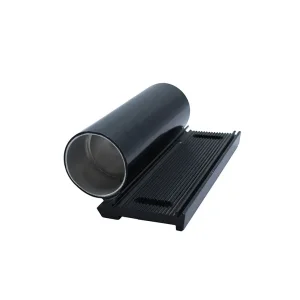
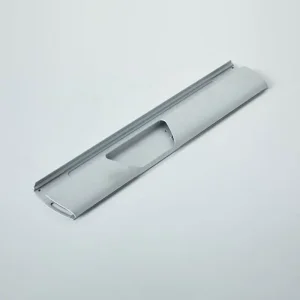
For keyboard roller mouse boxes, precision mounting accessories, and 3C device enclosures. These require precise surface sandblasting, color matching, and structural integrity without surface imperfections.
Used for high-end gate closer cylinders, control arms, and pivot joints. Utilizing 6061-T6 alloy, these tubes withstand internal pressure, high friction, and continuous load cycles while maintaining alignment.
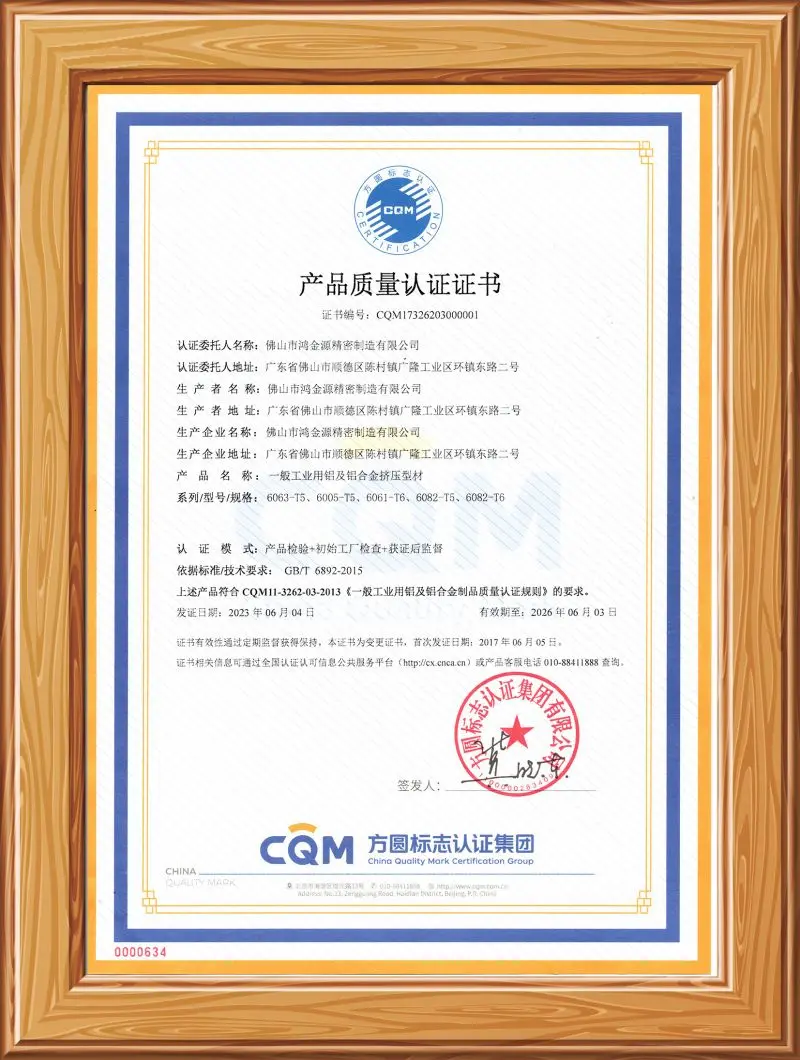
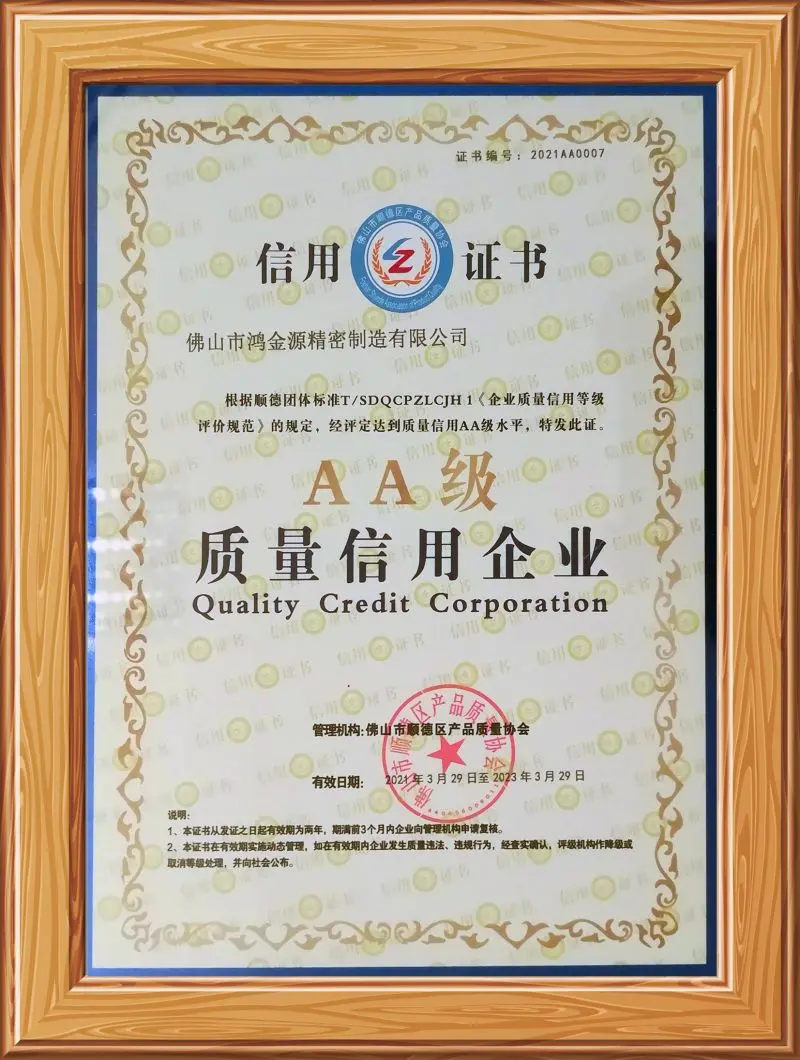
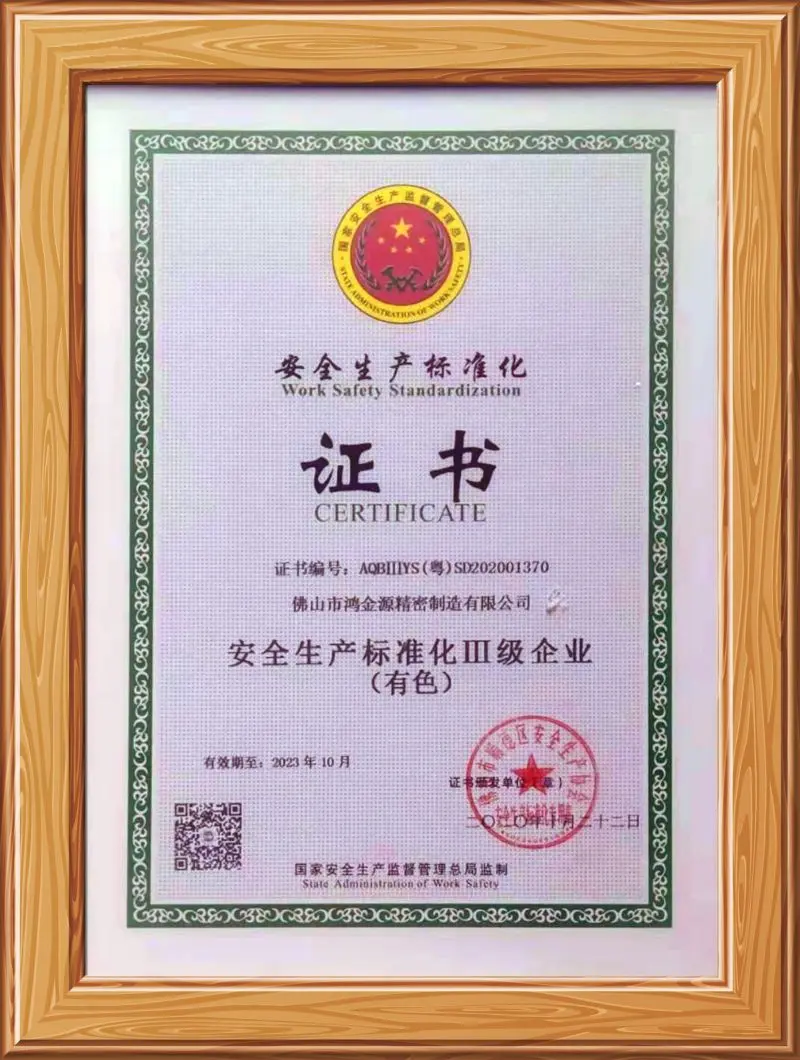
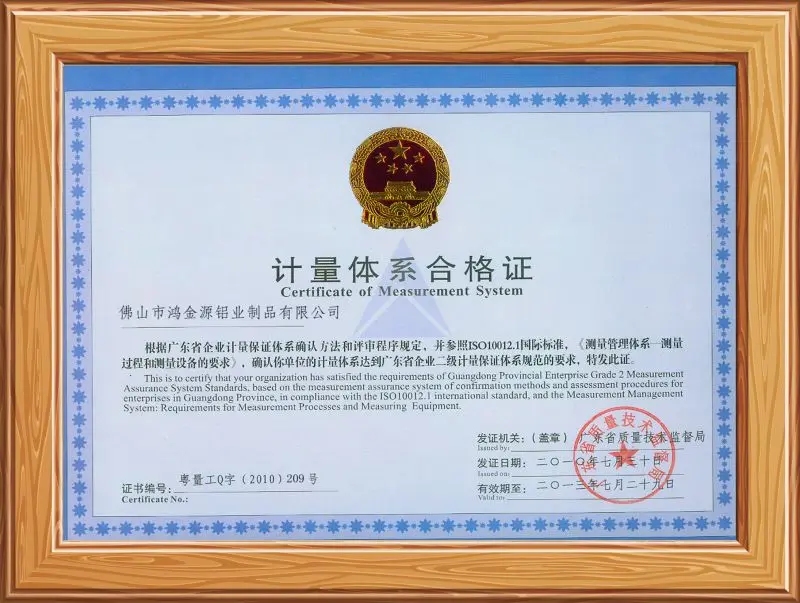
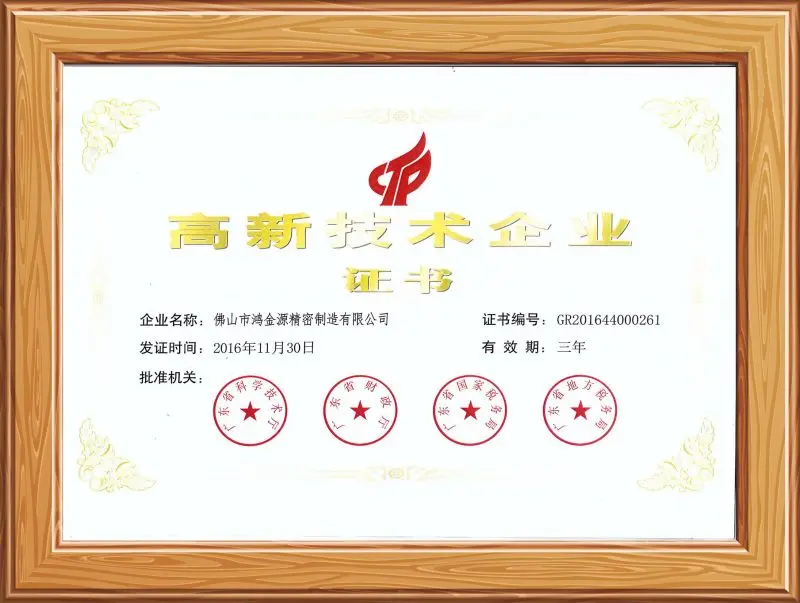
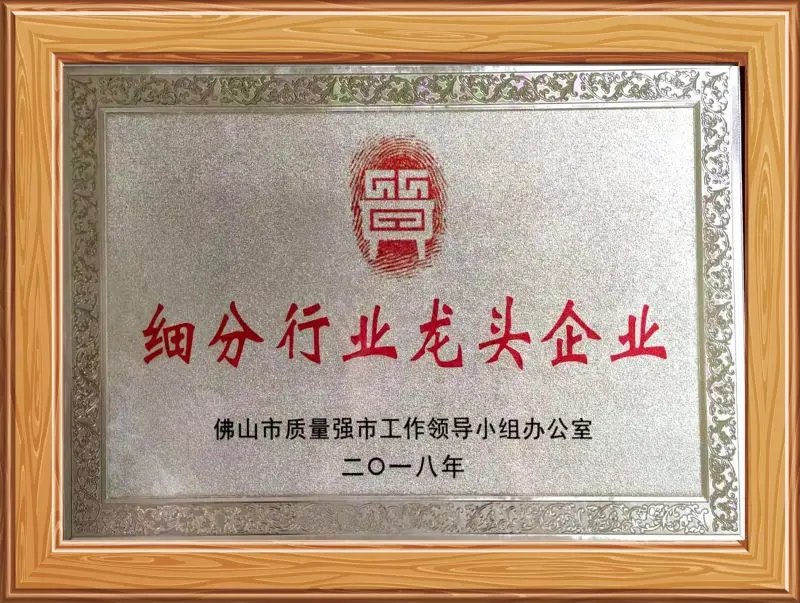
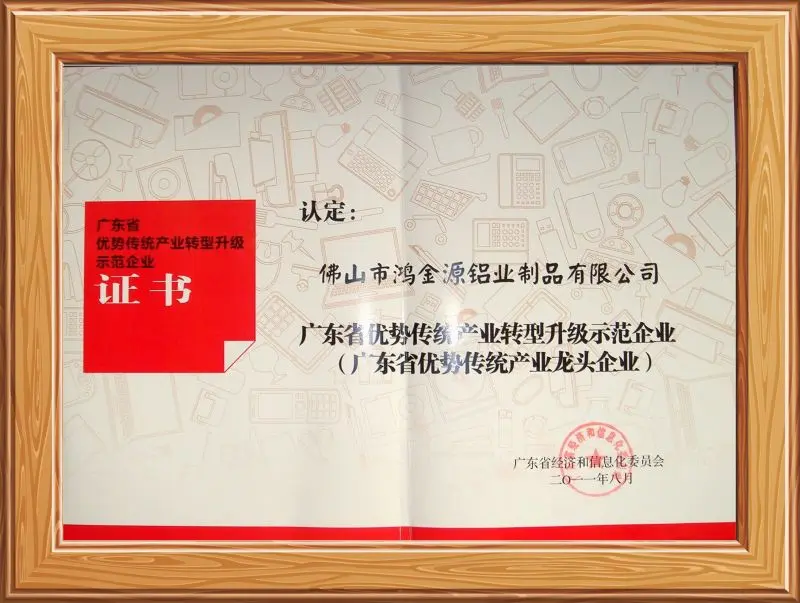
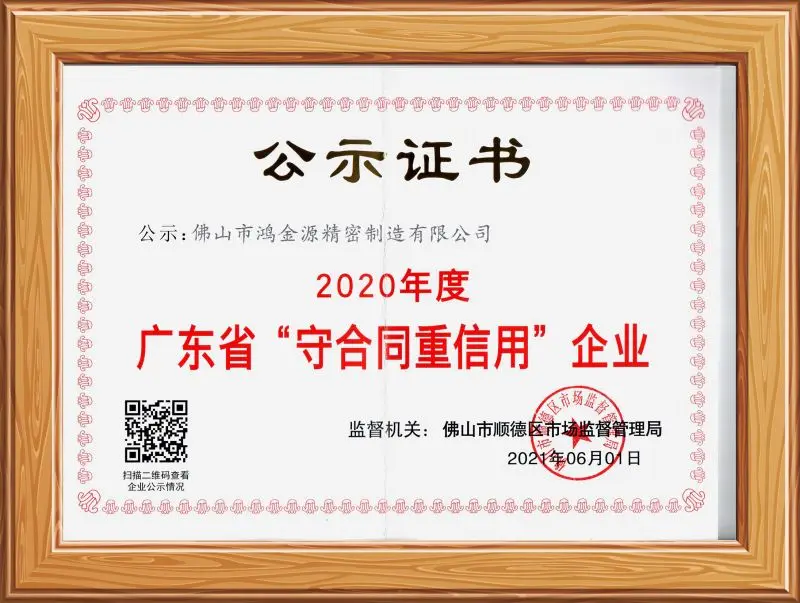
Foshan Golden Source supports our production claims with verified certifications and manufacturing metrics.
We melt the alloy in-house to adjust chemical compositions for specific physical properties and clean anodizing results.
Performing CNC machining and surface treatments in-house reduces handling costs, ensuring quality and competitive unit pricing.
Our vertically integrated, one-stop manufacturing process shortens production cycles and speeds up delivery to our global clients.
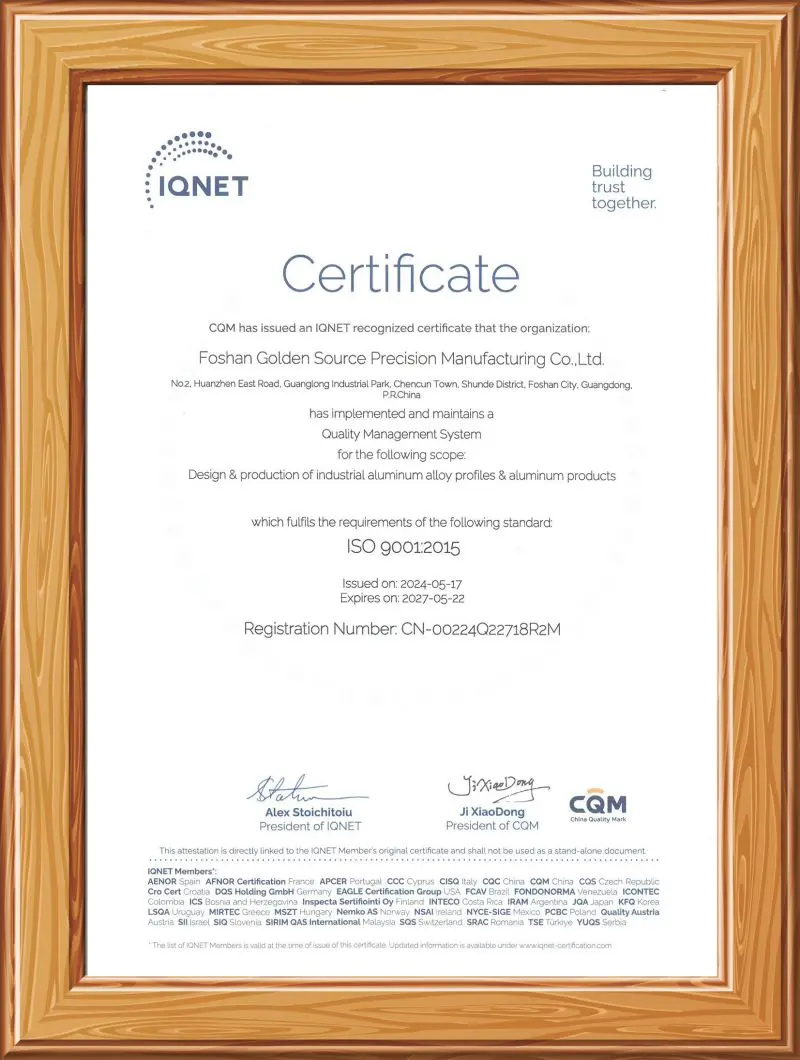
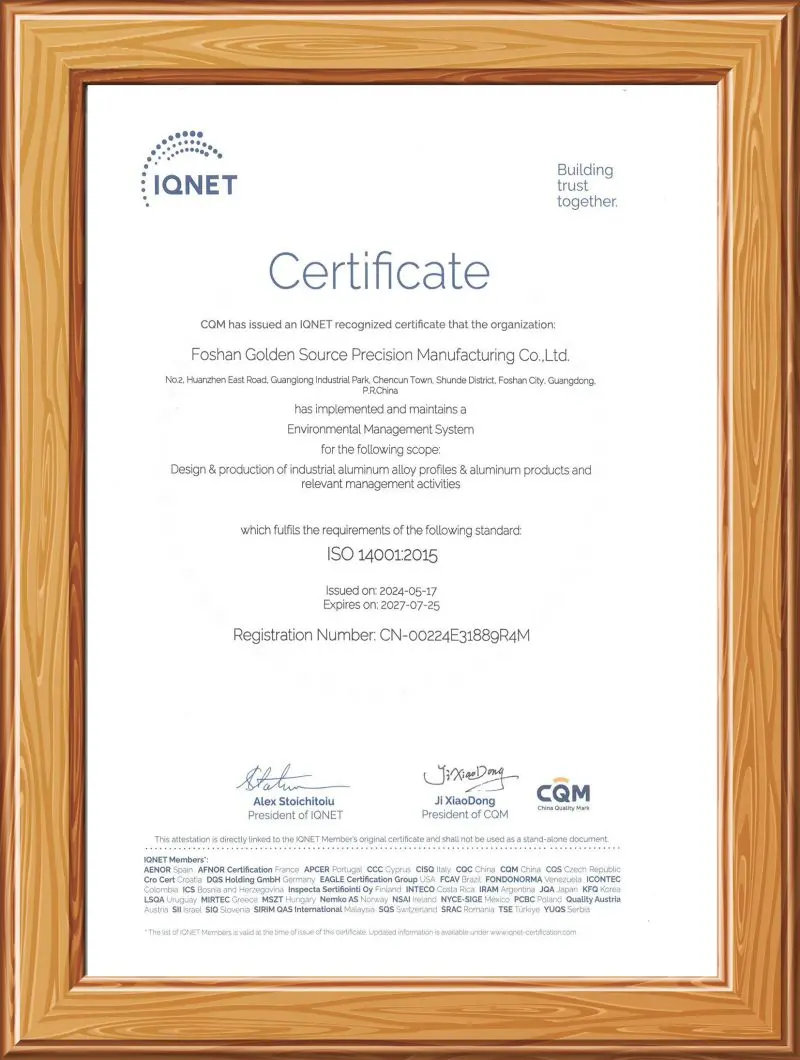
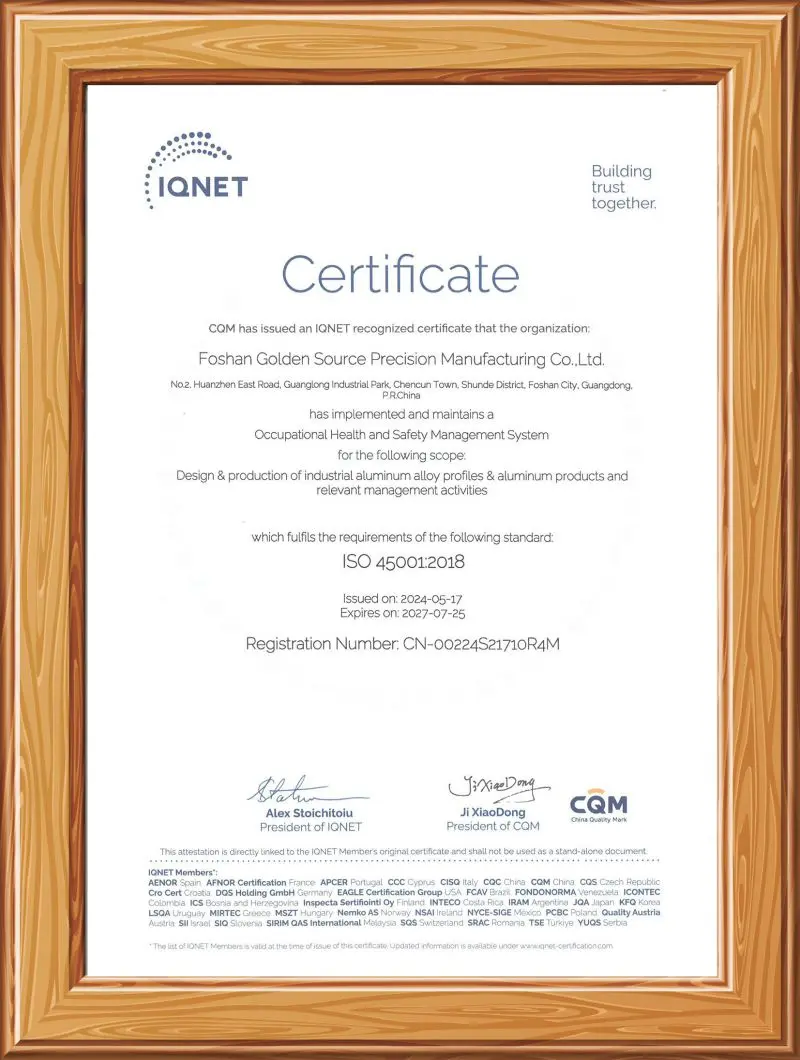
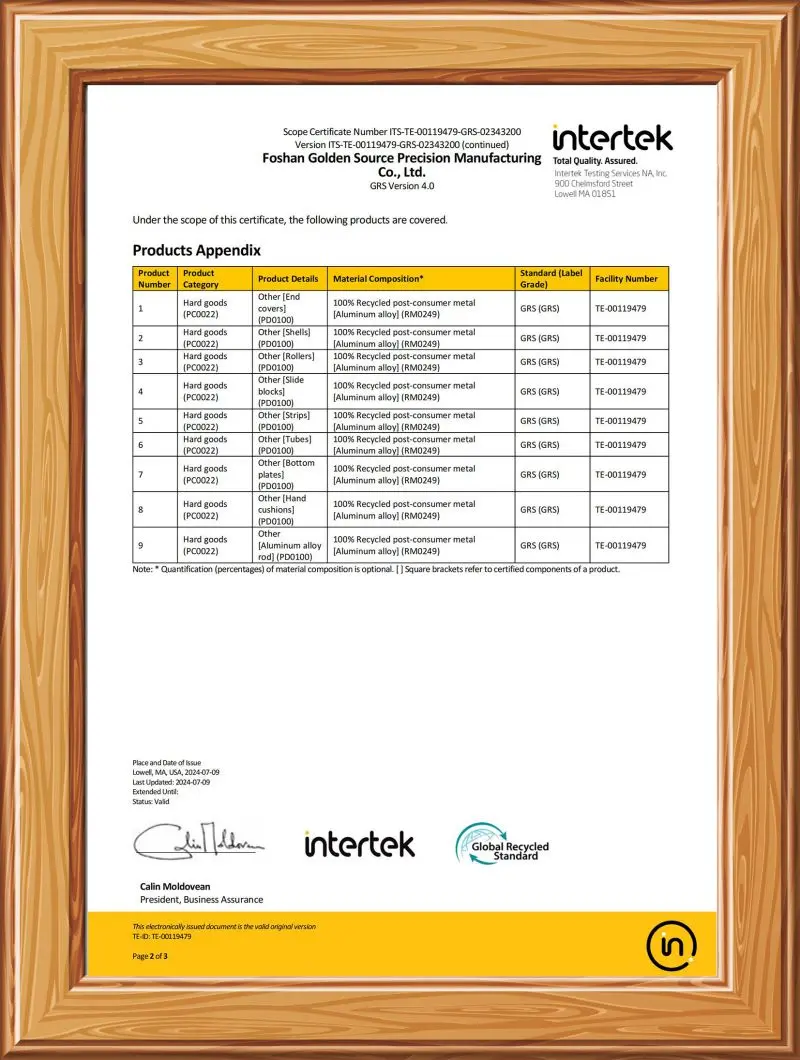
Estimating custom extrusion prices requires analyzing the primary elements that make up the cost structure. Direct manufacturers base their quotes on three main cost centers:
Typically, direct OEM pricing uses this formula:
Unit Price = [Raw Aluminum Ingot Index Cost (LME/SMM) + Metal Smelting & Alloying Cost] + Fabrication & Extrusion Cost + Precision Machining Markup + Surface Finish Treatment Cost + Packing & Logistics Cost
Download our complete manufacturing capabilities guide, engineering tolerance tables, and structural alloy charts. Contact our technical team for custom quotes, tooling pricing, and raw material volume discounts.
Company catalogue downloadTechnical answers to common engineering, procurement, and quality-control questions.
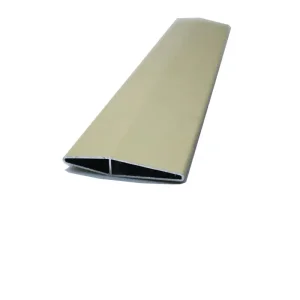
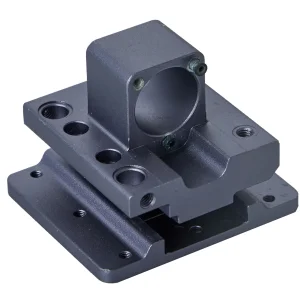
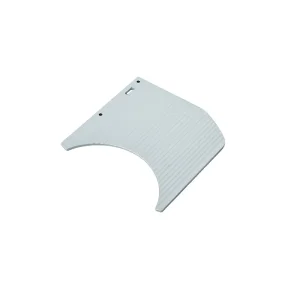
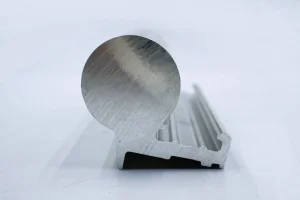
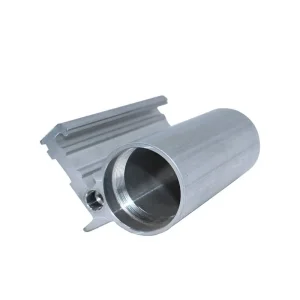
Explore our technical range of high-precision stamped, CNC-machined, and specialized powder-coated OEM aluminum profiles.
 HG Precision