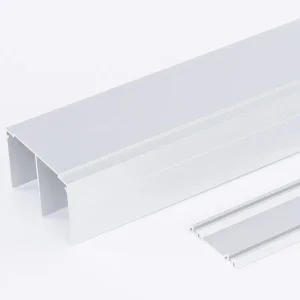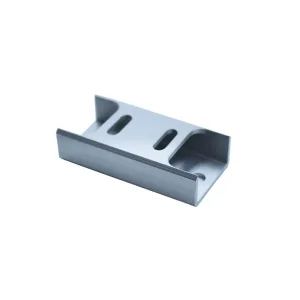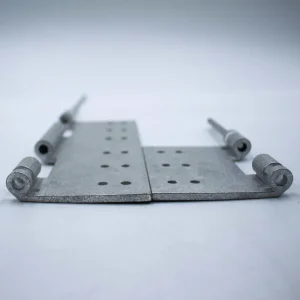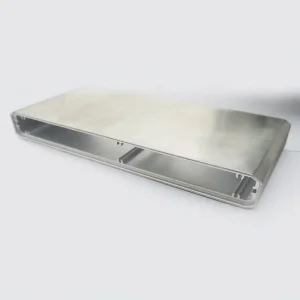
OEM L Shape Aluminum Profile Factory & Pricelist

High-Strength Custom Architectural Angles & Structural Engineering Extrusions | Complete 1XXX - 7XXX Alloy Casting, Precision Tooling, CNC Machining, and Surface Treatments
Precision-Engineered L-Shape & Custom Aluminum Solutions

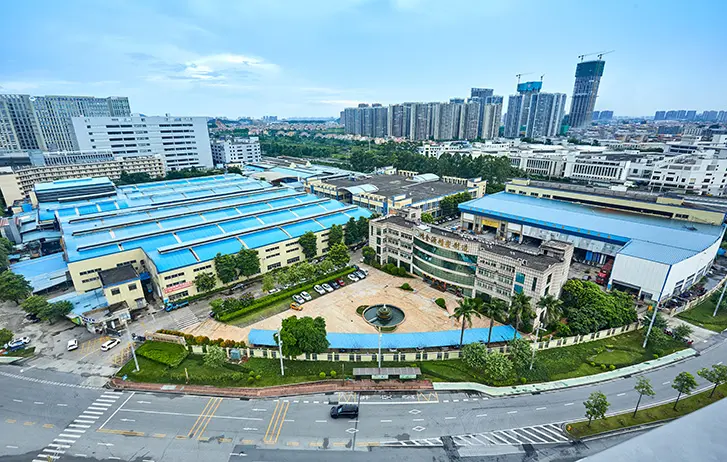
Foshan Golden Source Precision Manufacturing Co., Ltd., established in 1991, stands as a prominent global pioneer in custom-engineered aluminum extrusions and high-precision CNC components. With a state-of-the-art, eco-conscious industrial facility spanning over 73,000 square meters, we deliver fully integrated vertical production workflows.

Our turnkey capabilities cover everything from in-house alloy formulation and casting to precision mold engineering, heavy-duty structural extrusions, detailed multi-axis CNC machining, structural welding, component assembly, and premium electro-chemical surface finishing. Supporting a broad metallurgical spectrum from 1XXX up to 7XXX structural alloy groups, we engineer structural products to withstand complex mechanical loads, severe environments, and stringent structural safety requirements.
1991
Est. Year
73k㎡
Production Area
1-7k
Alloy Series
100%
One-stop Service
Company Catalogue Download
Foshan Golden Source Factory Infrastructure - High Precision Aluminum Production lines
Technological Core Competencies
Why structural engineers and global procurement managers choose Foshan Golden Source.
01

In-House Alloy Smelting

We perform custom metallurgical formulation and raw billet smelting directly on site. This allows us to adjust trace element compositions (such as magnesium, silicon, and copper levels) to achieve highly optimized mechanical shear strength, precise grain boundaries, and flawless anodizing output.

02

Superior Structural Quality

By controlling both primary extrusion and secondary multi-axis CNC machining, welding, and surface treatment in a single facility, we eliminate mid-tier logistics damage, minimize dimensional variations, and yield tighter geometric tolerances (down to ±0.02 mm) at a competitive cost structure.

03

Agile High-Speed Execution

Our integrated "One-Stop" supply chain model avoids third-party coordination delays. Custom extrusion dies are prototyped via our dedicated tooling workshop, shortening product validation lifecycles and speeding up volume production lead times for global projects.

Industrial Engineering Principles of L-Shape Aluminum Profiles

L-shape aluminum profiles (commonly referred to as aluminum angles, L-brackets, or angle bars) are critical structural elements in framing, solar racking, facade sub-structures, and electronic chassis. Their structural efficiency relies heavily on the geometric configuration of equal or unequal legs, which determines their resistance to bending moments, torsional stress, and axial compression.

Alloy Classifications & Mechanical Characteristics

Depending on the structural, thermal, or environmental requirements, selecting the appropriate aluminum alloy is vital. Below is a comprehensive engineering comparison table of the primary alloy formulations utilized in our extrusion lines:

Alloy & Temper Yield Strength (MPa) Tensile Strength (MPa) Elongation (%) Corrosion Resistance Primary Applications
6063-T5 110 - 130 150 - 186 8% - 12% Excellent Architectural trims, window framing, interior partitions, heat sink enclosures.
6063-T6 170 - 214 220 - 245 8% - 10% Excellent Heavy-duty structural frames, solar racking, modular industrial machinery.
6061-T6 240 - 276 290 - 310 10% - 12% Very Good Heavy structural frameworks, structural fittings, marine equipment, transport chassis.
5052-H32 193 228 12% - 18% Outstanding (Marine) Saltwater structural framing, chemical vessels, offshore structural trims.
7075-T6 480 - 505 540 - 570 5% - 11% Moderate Aerospace structural brackets, heavy machinery fixtures, military defense systems.

Cross-Sectional Stress Mechanics

When an L-shape profile is subjected to loading, it experiences bending about its principal axes. For unequal angle profiles, the principal axes do not align with the geometric axes, requiring complex stress analysis. By tailoring leg thickness ratios, our design department can optimize structural load-bearing efficiency, helping reduce structural weight by up to 35% compared to standard hot-rolled steel angles while maintaining identical structural deflection safety margins.

Global Industrial Context & Sustainability Standards

Modern industrial procurement processes focus heavily on material origin, life-cycle impact, and carbon emissions. Aluminum plays a key role in global decarbonization. However, the energy intensity of primary smelting requires strict compliance with international circular-economy standards.

Circular Economy, RCV & GRS Frameworks

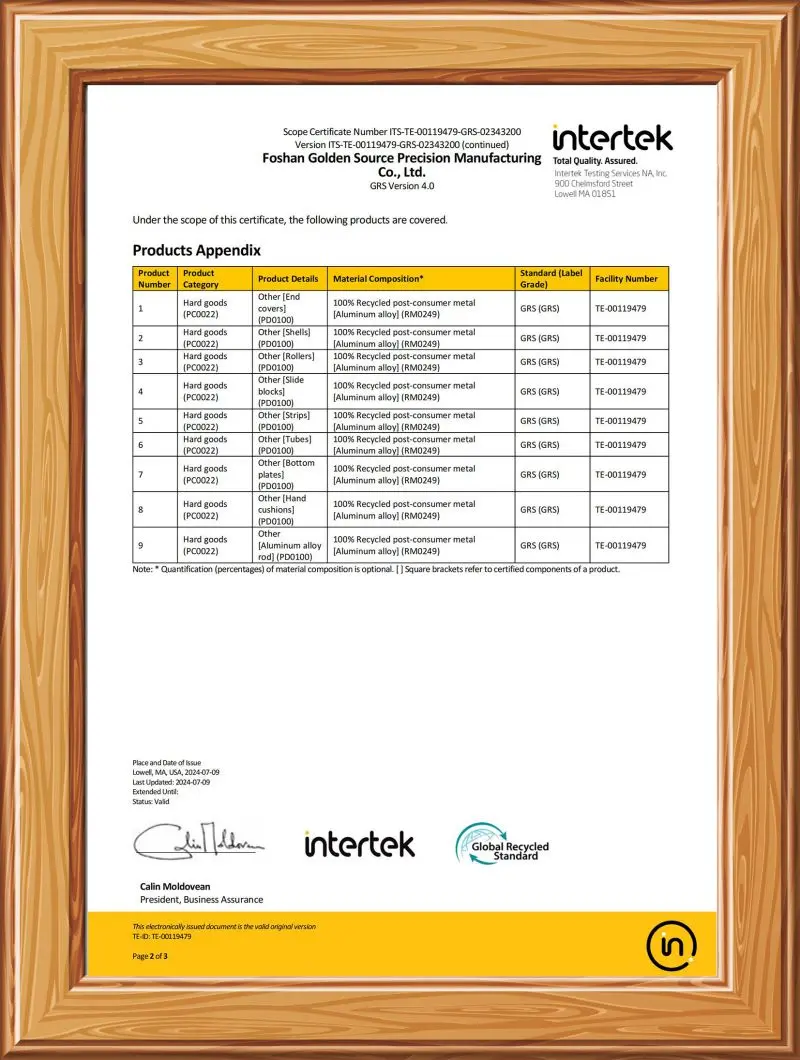
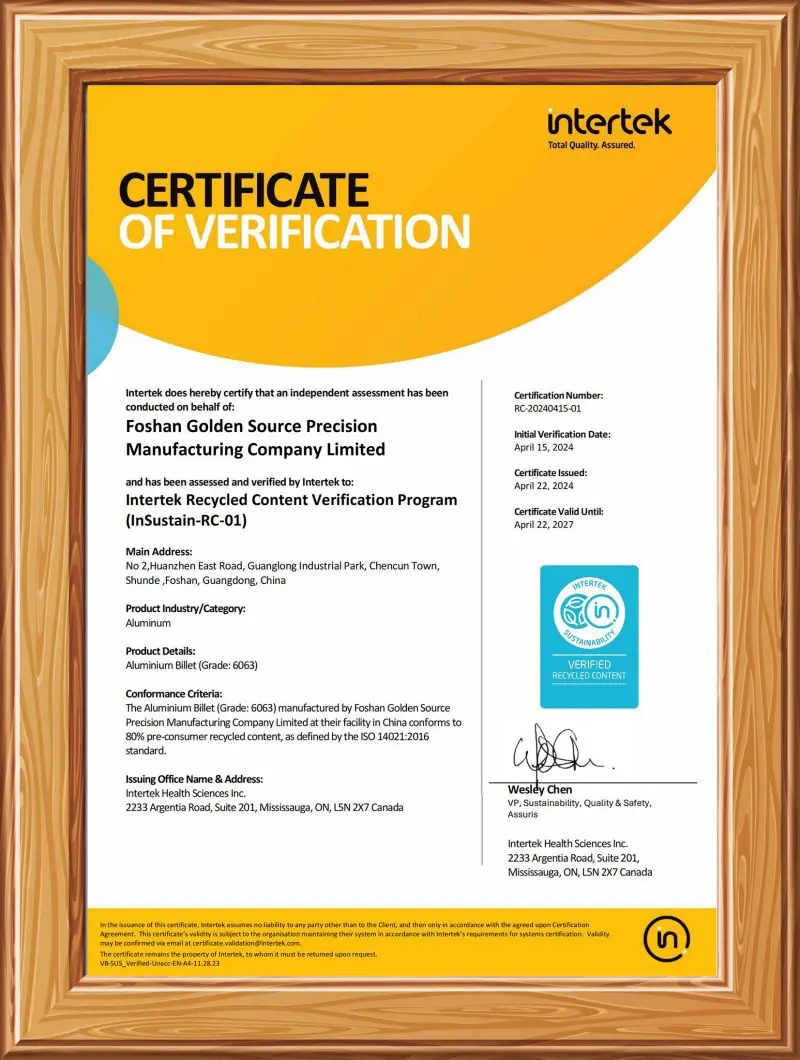
In response to international trade barriers and corporate climate goals, Foshan Golden Source has secured Global Recycled Standard (GRS) and Recycled Content Verification (RCV) certifications. These framework criteria guarantee that a audited portion of our aluminum alloys originates from post-industrial or post-consumer scrap. By utilizing recycled raw materials, we reduce energy consumption by up to 95% compared to primary bauxite reduction, drastically lowering the overall carbon footprint of our finished profiles.

Supply Chain Audits & Compliance

We provide full structural documentation and material traceability. Our materials are fully verified to comply with the European Union’s REACH and RoHS directives, ensuring they are free from restricted heavy metals and chemical compounds. This facilitates smooth customs clearance and integration into consumer electronics, medical equipment, and green building projects worldwide.

Regional Technical Compliance & Application Engineering

To assist structural engineers in major global markets, we tailor our L-shape profiles to meet regional standards and load specifications:

  • North American Market: Our structural products comply with ASTM B221 and the Aluminum Association's "Aluminum Design Manual" guidelines, ensuring seamless integration under ASCE 7 wind-load requirements.
  • European Market: We manufacture in compliance with EN 755-9 (tolerances on dimensions and form for precision extrusions) and Eurocode 9 structural requirements.
  • Asia-Pacific & Domestic Markets: We design products to conform to China's GB/T 5237 standard, optimizing structural profiles for seismic resilience and rapid industrial assembly.

Application Scenarios & Engineering Adaptability

Our custom L-shape profiles are engineered for key application fields, including:

  • Architectural Curtain Walls: Providing load-bearing support brackets that absorb wind pressure and accommodate building movement.
  • Automotive & Rail Transit: Lightweight structural members that optimize vehicle weight and increase fuel/battery range.
  • Solar Energy Framing: Highly corrosion-resistant mounting frames designed to withstand persistent wind loads and outdoor exposure for over 25 years.

Technical Roadmap & Future Innovations

As industrial requirements demand higher structural strength and lighter weights, our R&D team continuously refines extrusion metallurgy. We are currently implementing three core technological upgrades:

1. Micro-Alloying (Scandium & Zirconium Additions)

By introducing trace amounts of Scandium (Sc) and Zirconium (Zr) during our internal casting process, we refine grain structures. This minimizes heat-affected zone degradation during structural welding, retaining up to 90% of the base metal's original tensile strength.

2. Ultra-Precision Extrusions

We are integrating multi-axis, real-time laser feedback loops directly into our extrusion lines. This setup monitors profile dimensions dynamically as they exit the die, allowing our technicians to adjust press speeds and cooling rates to maintain precision tolerances within ±0.015 mm.

3. Smart Thermal Breaks

For high-performance building envelopes, we are developing co-extruded L-shape profiles that integrate high-strength polyamide thermal barriers. This helps prevent heat transfer across exterior cladding connections, supporting modern Net-Zero building codes.
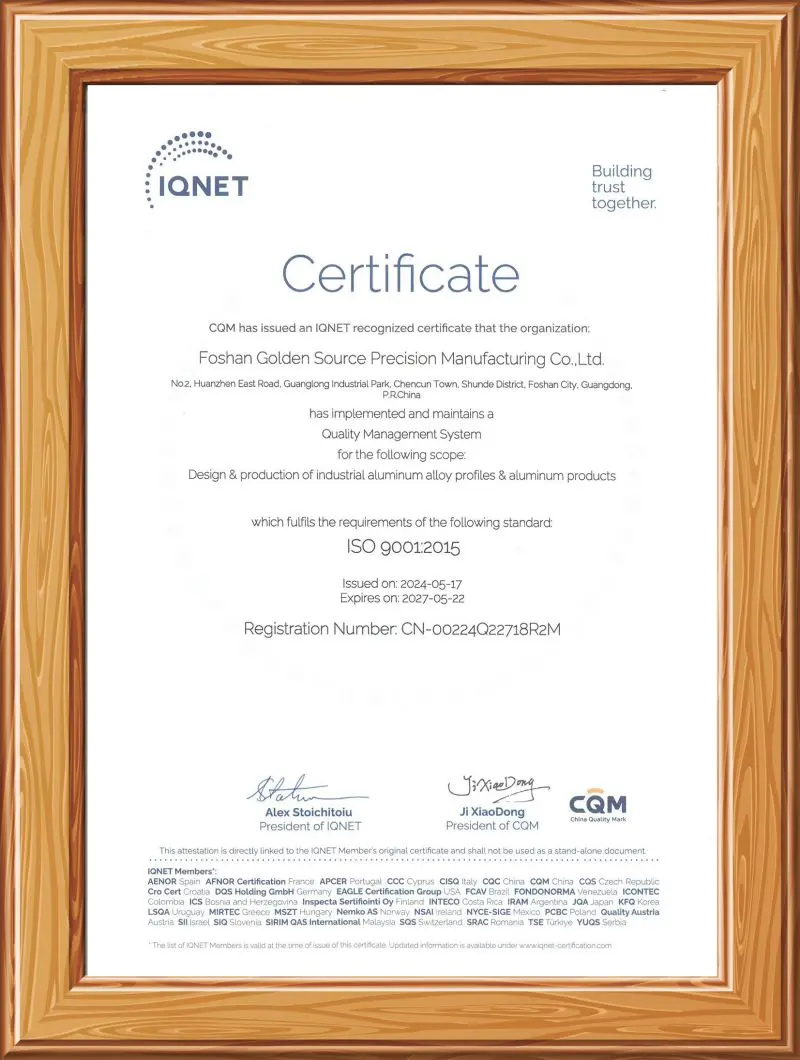
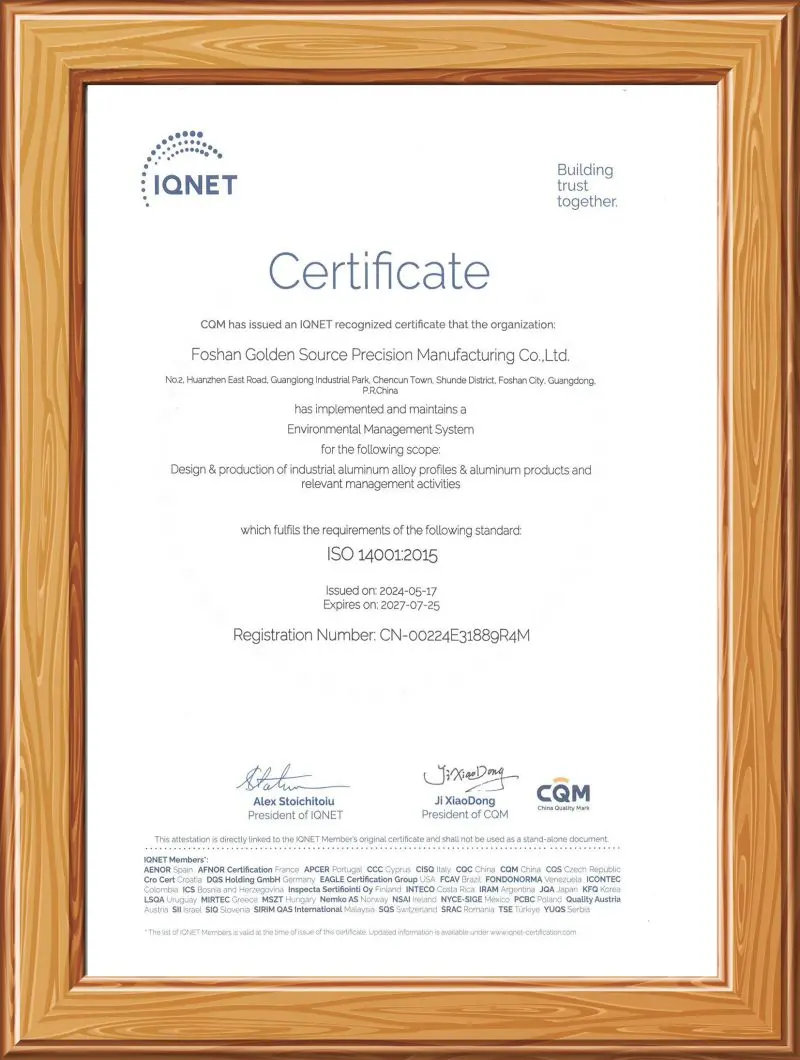
International Certifications & Standards
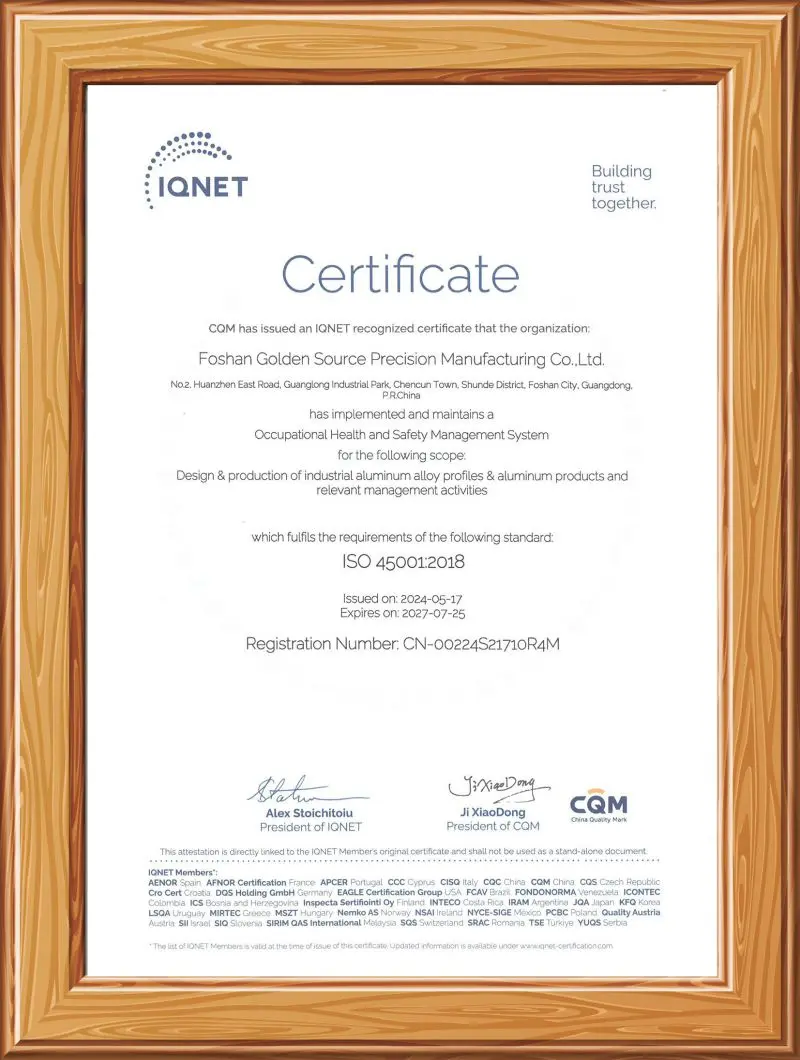
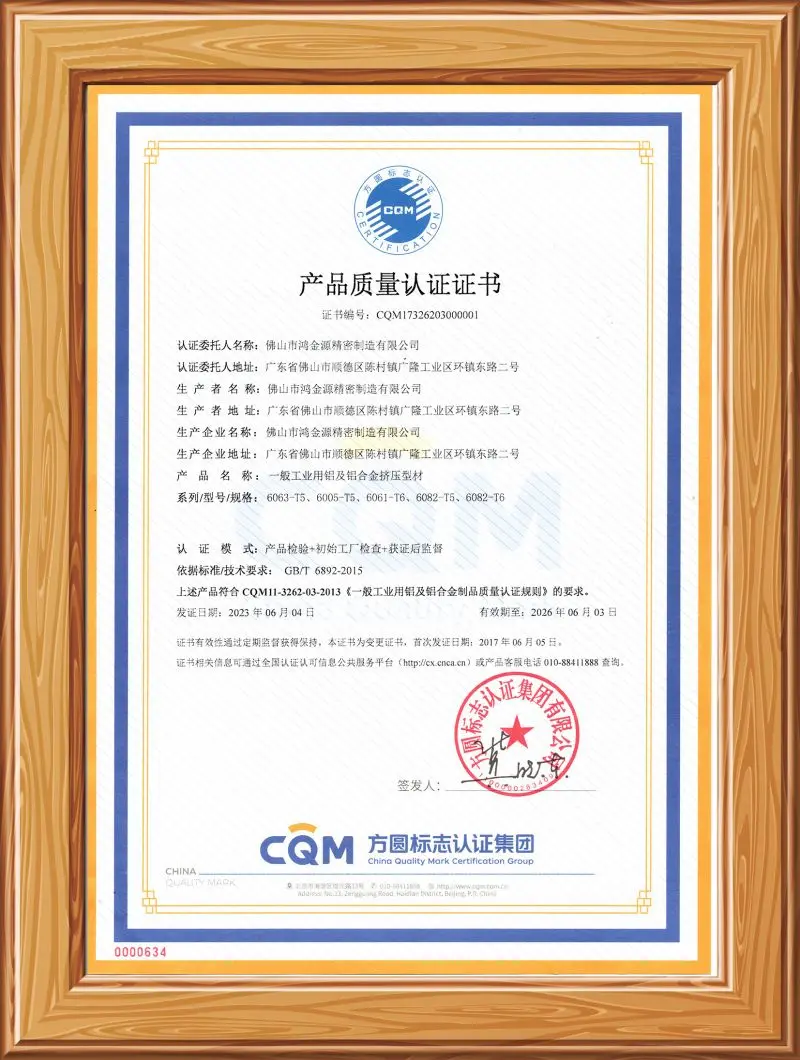
Verified compliance ensuring global quality and environmental responsibility. (ISO9001, ISO14001, ISO45001, GRS, RCV).
Awards & Industrial Honors
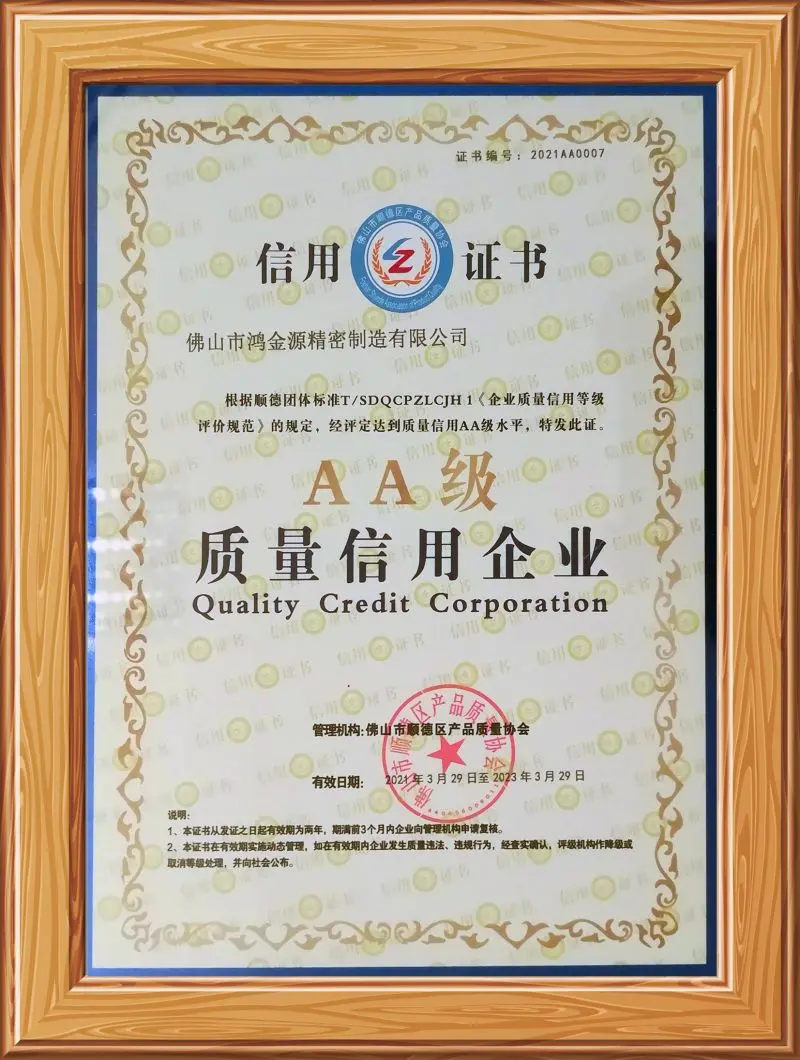
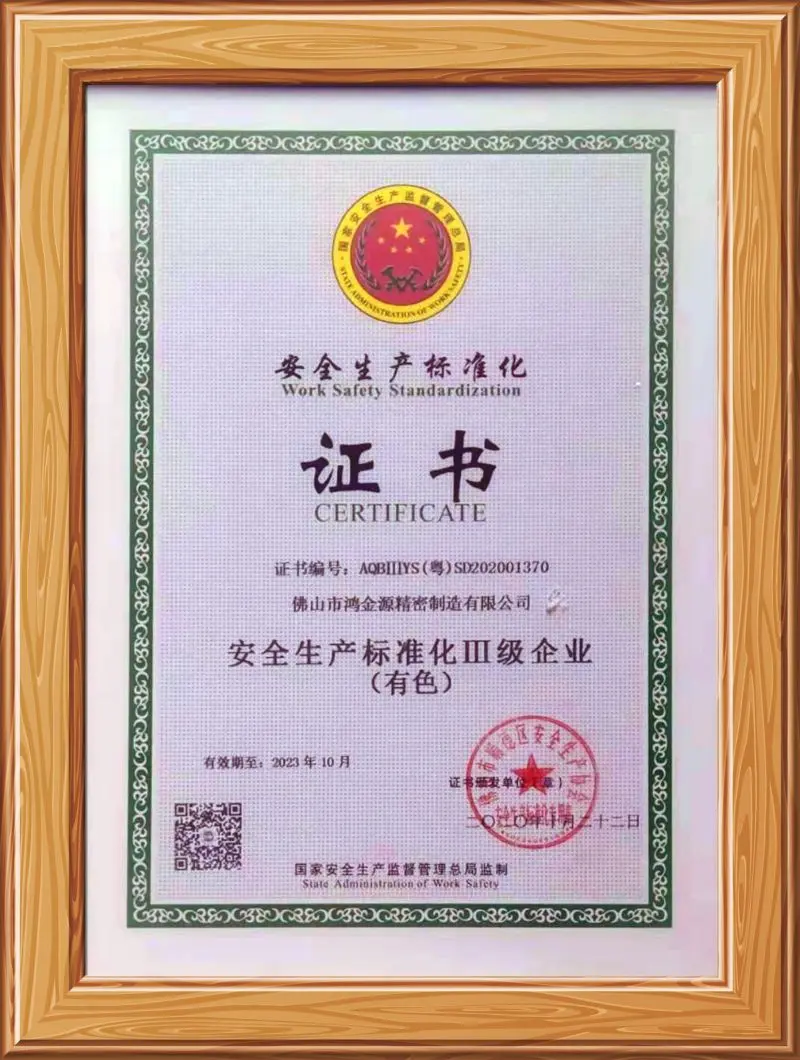
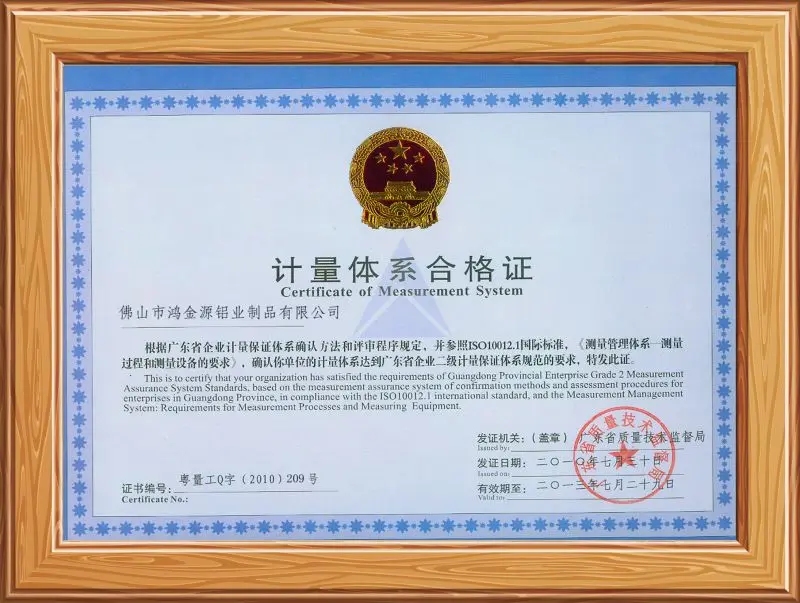
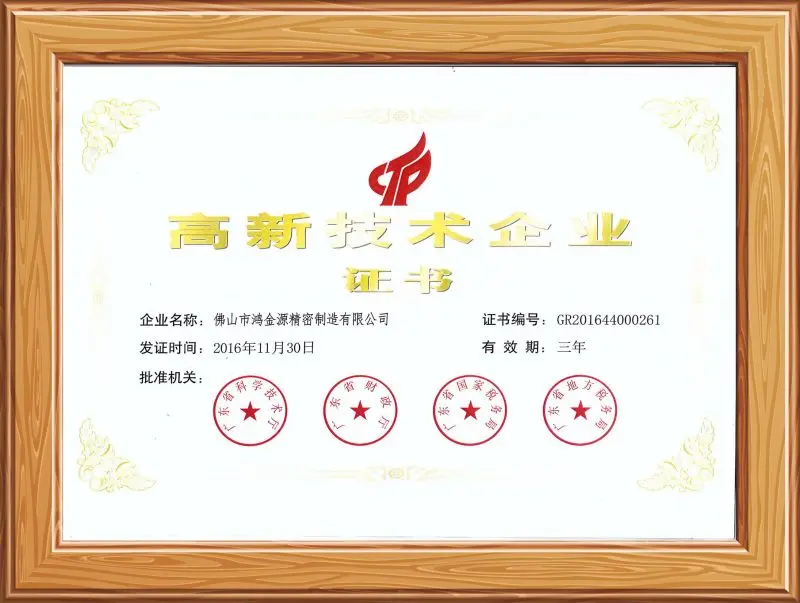
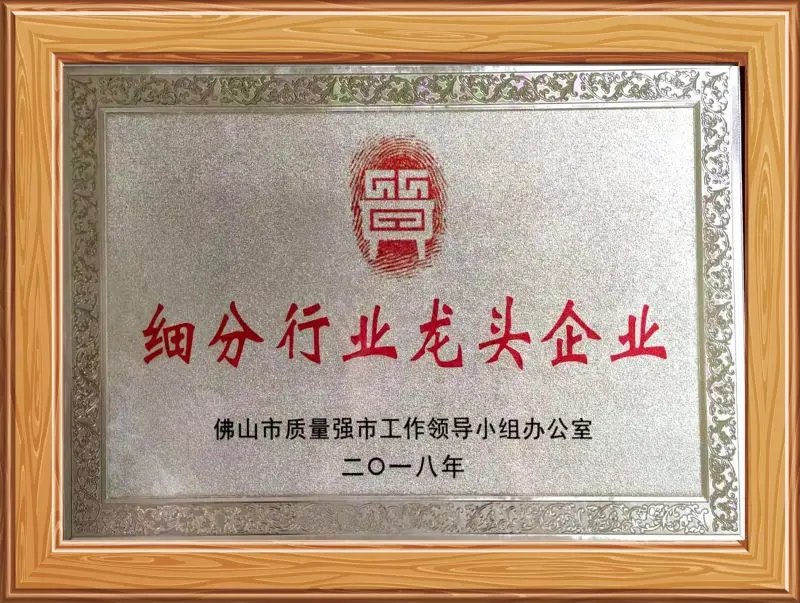
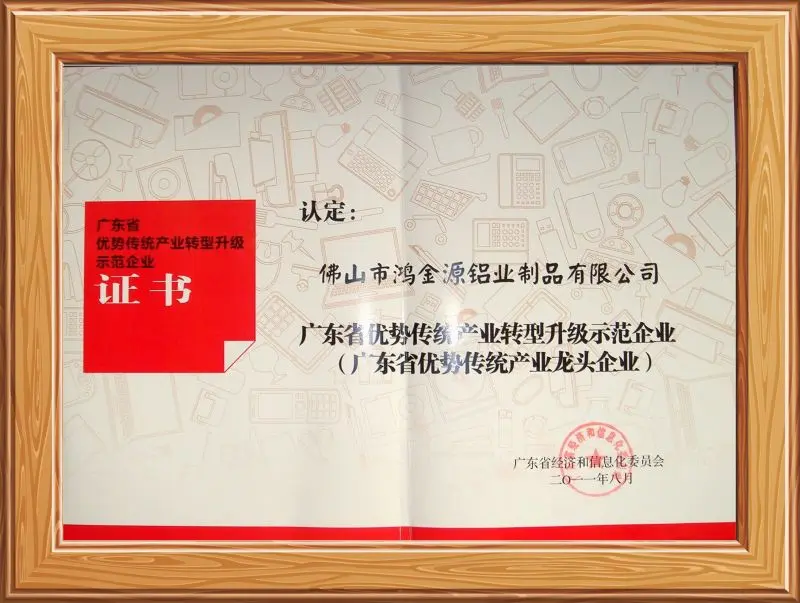
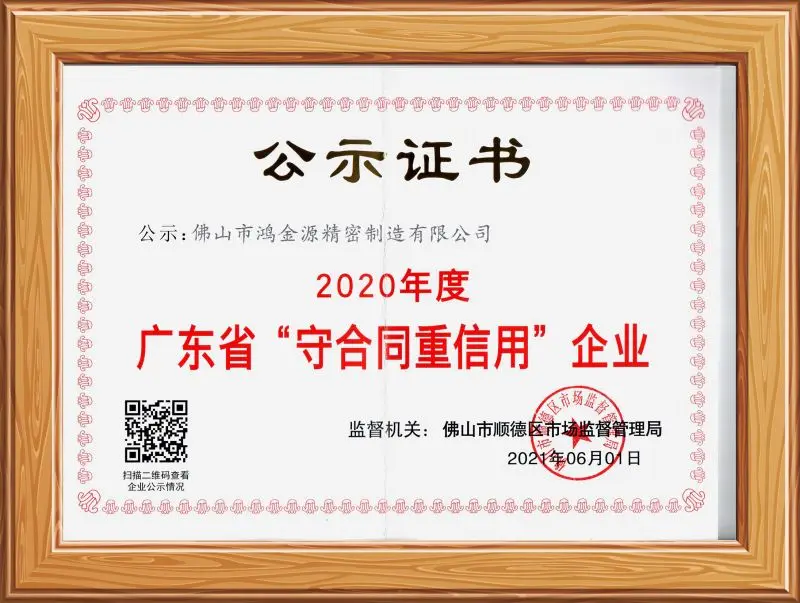
Recognitions from provincial, municipal, and national organizations for green production, technical innovation, and quality credit.
OEM L-Shape Aluminum Profile FAQ
Technical and commercial answers to frequently asked engineering and procurement questions.
What factor determines the cost calculation on the L-Shape aluminum profile pricelist? +
Our pricing model is transparent and calculated using the following formula: Raw Aluminum Ingot Spot Price (LME/Shanghai Metal Exchange) + Processing Fee + Tooling Amortization Cost + Surface Finishing Fee + Packaging/Logistics Cost. The processing fee is determined by profile geometry complexity, wall thickness, and order volume. For long-term contracts, we offer dynamic price hedging options to minimize market volatility.
How do equal vs. unequal L-shape aluminum profiles differ in structural performance? +
Equal L-shape profiles have legs of identical length, providing uniform load-bearing characteristics along both axes. Unequal L-shape profiles have one leg longer than the other, allowing engineers to design for higher bending moments in one direction while minimizing material use in the other, making them ideal for heavy structural facade supports.
What is the minimum wall thickness you can achieve for custom extruded L-profiles? +
Our state-of-the-art extrusion presses can achieve wall thicknesses down to 0.8 mm for micro-profiles (typically in 6063 alloy), depending on the profile's overall dimensions. For heavy structural applications (such as 6061-T6 alloy), the typical range is from 2.0 mm to 12.0 mm to prevent structural deformation and ensure reliable load-bearing capacity.
Which surface finish is recommended for outdoor solar and curtain wall L-profiles? +
For extreme outdoor exposure, we recommend an anodized thickness of Class I (21μm - 25μm) or Qualicoat Class 2 PVDF/Powder Coatings. These coatings provide excellent resistance to UV radiation, salt spray, and abrasive environments, ensuring a service life of over 25 years.
How long do custom extrusion dies last, and who owns the tooling? +
We manufacture our dies using high-strength H13 hot-work tool steel. A typical die can yield between 5,000 kg and 20,000 kg of material before requiring refurbishing. Tooling paid for by the customer is the exclusive property of that customer. We store and maintain all dies at our facility at no additional charge for repeat production runs.
How does the coefficient of thermal expansion (CTE) of aluminum impact structural design? +
Aluminum has a linear thermal expansion coefficient of approximately 23 x 10^-6 / °C. In large curtain walls or framework installations, this requires design provisions for movement joints or slotted connections to prevent buckling or thermal stress buildup across seasonal temperature variations.
How do RCV and GRS certifications help with green building compliance? +
These certifications provide independent verification that our products contain documented levels of recycled content. They help developers secure LEED (Leadership in Energy and Environmental Design) points, satisfy BREEAM requirements in the UK, and meet local carbon-footprint regulations in the EU.
What CNC tolerances can your facility maintain for machined L-bracket holes and cutouts? +
Our CNC machining centers maintain linear tolerances as tight as ±0.02 mm and angular tolerances down to ±0.1°. This precision ensures consistent assembly and alignment for electronics enclosures, mechanical frames, and architectural fittings.
Can you extrude high-strength 7XXX and 5XXX marine-grade alloys in L-shape geometries? +
Yes. Our casting house can produce 5XXX (corrosion-resistant) and 7XXX (ultra-high-strength) series billets. These alloys require precise extrusion parameters and temperature control. We utilize our high-tonnage presses and specialized quenching systems to ensure structural integrity and mechanical properties are achieved.
What are your standard packaging options to prevent surface scratching during sea transit? +
We protect profile surfaces during long-distance shipping using custom protective films, interleaved craft paper, individual PE bags, and reinforced wooden crates or steel racks. These packaging configurations prevent movement, friction, and moisture infiltration within container environments.