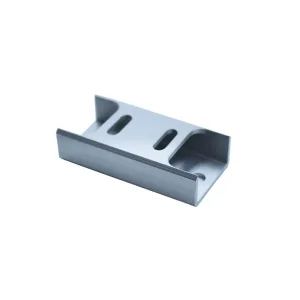
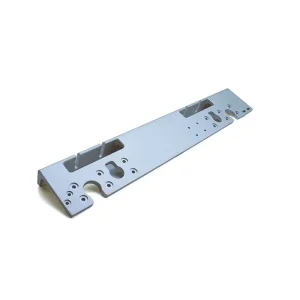
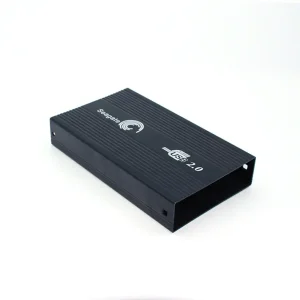
Explore our leading custom-engineered CNC-turned and milled components optimized for structural efficiency, mechanical resilience, and advanced aesthetics.
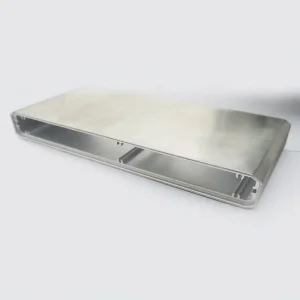
In high-precision engineering, the bridge between material composition and machining tolerances defines the caliber of the final product. Many machine shops rely on third-party raw materials, introducing variance in micro-structural homogeneity and machining behavior. At Foshan Golden Source Precision Manufacturing Co., Ltd., we eliminate this risk.
Established in 1991, our operation controls every segment of the supply chain. Operating a modern, environmentally certified 73,000 square meter production facility, we execute in-house alloy casting, customized extrusion tooling, high-velocity CNC turning, advanced milling, structural welding, precise assembly, and automated surface treatment. By bypassing secondary material distributors, we control the purity, grain orientation, and temper properties of our aluminum alloys from melt to finish.
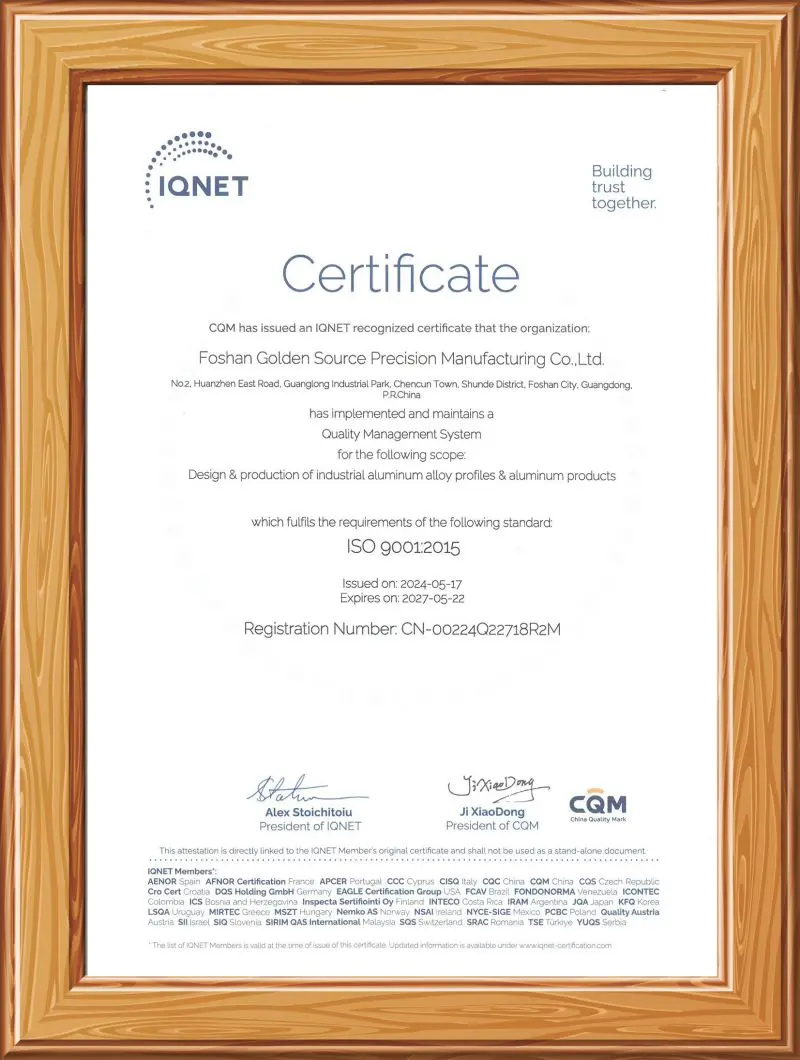
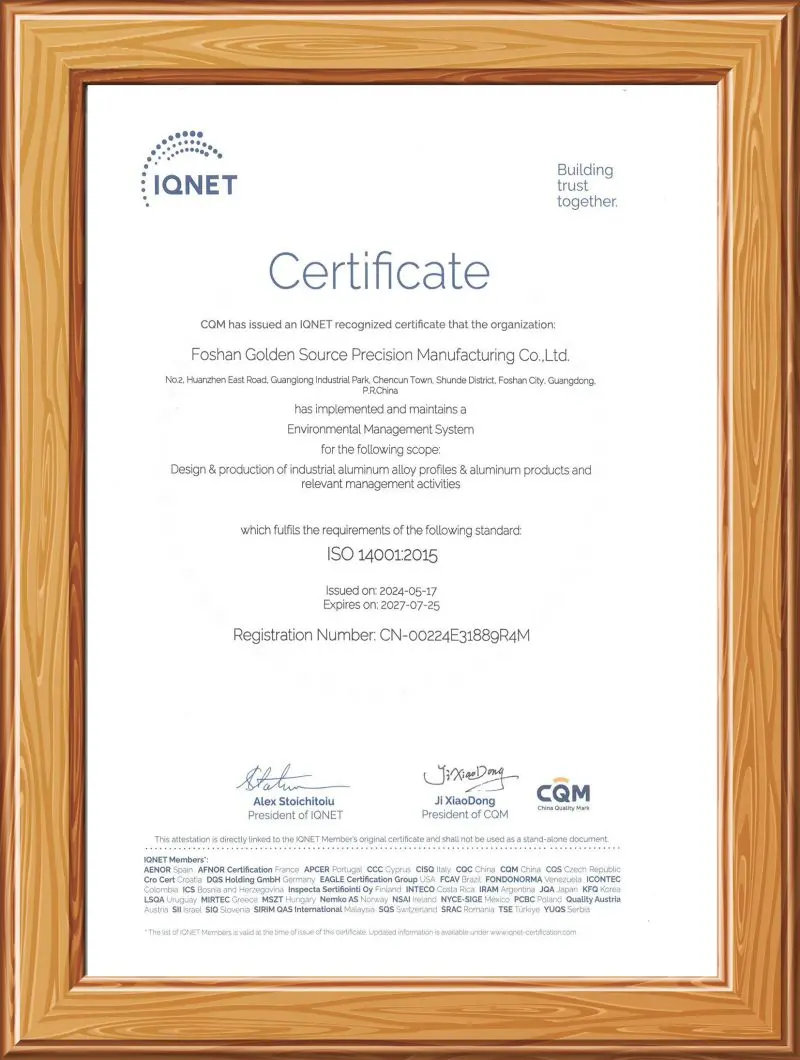
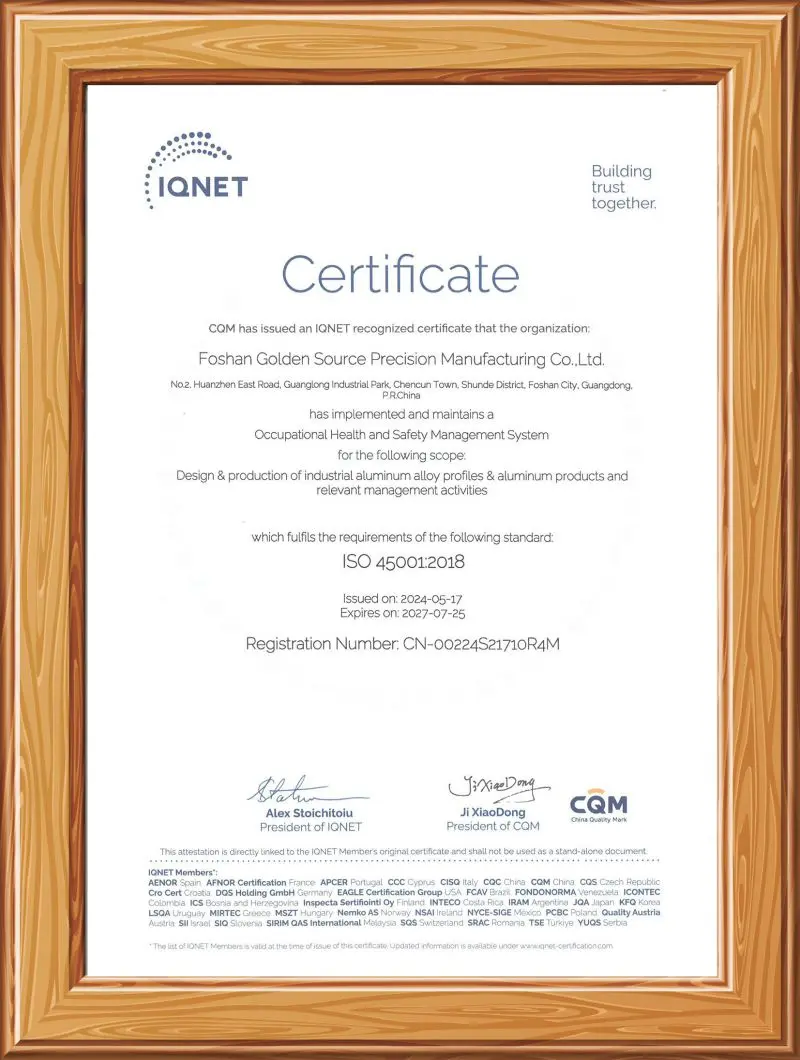
This integration guarantees that when we provide custom CNC quotes, we are budgeting not just for machine time, but for optimized structural integrity, compliant material composition, and high mechanical repeatability. Our operations meet the strictest global standards, certified under ISO9001, ISO14001, ISO45001, and Eco-focused GRS (Global Recycled Standard) and RCV platforms, ensuring full compliance with the European Union’s strict REACH and RoHS frameworks.
Download Engineering Catalogue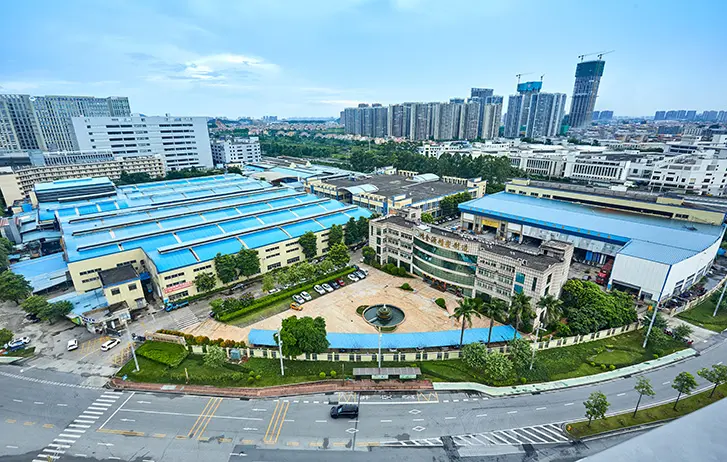
Analyzing key mechanical properties of our premium aluminum alloy range tailored for complex industrial architectures and aggressive operational conditions.
Used widely in climbing gear, marine systems, and structural applications. Our 7075-T6 components feature high tensile strengths exceeding 500 MPa, comparable to steel alloys but at a third of the weight. We control the thermal tempering processes to minimize structural cracking and ensure optimal weldability.
Encompassing 6061-T6 and 6063-T5/T6 alloys, these are optimal for thermal conductivity, corrosion resistance, and post-machining surface treatments. Highly responsive to chemical and satin anodizing, making them ideal for telecom enclosures, high-end furniture trims, and consumer 3C hardware.
For custom heat sinks, optical housings, and electrical shielding. These alloys demand precise thermal handling and specific tooling geometries to prevent work-hardening and surface deformation during high-speed CNC lathe processes.
How our vertical integration strategies directly translate to cost reductions, superior quality control, and accelerated supply chain velocity.
We melt and refine the alloy in-house, enabling us to adjust chemical compositions on-the-fly. This guarantees optimized mechanical properties, structural uniformity, and exceptional purity levels required for premium anodized, sandblasted, or mirror-polished surfaces.
By executing precision machining and high-tech surface treatments (e.g., clear, satin, champagne, or color anodizing) under one roof, we enforce strict tolerances and eliminate intermediate transit logistics. This minimizes unit production costs and prevents handling damage, ensuring superior quality at competitive rates.
Our comprehensive manufacturing capability functions as a single source of accountability. By combining extrusion die manufacturing, profile extrusion, CNC turning, surface finishing, and assembly, we reduce typical industry lead times by 25% to 35%.
Modern industrial supply chains operate under volatile macro environments. Global buyers are transitioning from fragmented procurement paths to integrated partners capable of providing complete components ready for assembly lines. The goal is clear: mitigate lead-time risks and minimize total cost of ownership (TCO).
The global shift towards electric vehicles (EVs), next-generation communication arrays, and high-frequency industrial machinery is increasing the demand for lightweight structural alloys. High-strength aluminum, such as 6061-T6 and 7075-T6, has replaced traditional steel alloys in these applications. Machining these alloys requires advanced CNC lathe centers equipped with multi-axis live tooling, capable of completing complex turning and cross-milling tasks in a single setup. This reduces positional inaccuracy and keeps geometric runout within sub-micron limits.
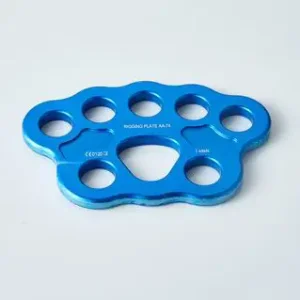
For instance, structural rope connectors used in climbing gears, or train door suspension kits, require exact geometric dimensioning and tolerancing (GD&T) to prevent mechanical failures under high loads. We control raw material extrusion and casting, allowing us to align the alloy grain flow with the load path of the finished component. This optimizes shear and fatigue strength.
Modern procurement strategies prioritize environmental responsibility. Major OEMs must report and lower their scope-3 emissions. Because of this, selecting a supplier with green certifications is a strategic necessity.
Our facility holds GRS (Global Recycled Standard) and RCV certifications. This means we can supply parts made from verified recycled aluminum, significantly lowering the environmental impact of your product's lifecycle. We use in-house scrap recycling to process machining turnings and extrusion scrap directly back into clean, high-grade billet castings. This circular manufacturing loop reduces raw material waste and energy usage, helping you meet strict EU carbon border adjustments and internal ESG targets.
Different industries require unique material qualities. In the furniture sector, aesthetics are key: components like mirror-polished pulls or champagne-anodized corner profiles must maintain consistent color and gloss with zero surface defects. In contrast, 3C electronics housings require tight dimensional control and fine sandblasted finishes to ensure effective heat dissipation and a clean tactile feel.
We work with 1XXX, 3XXX, 5XXX, 6XXX, and 7XXX series alloys, allowing us to design parts with the ideal balance of mechanical strength, thermal properties, and finishing options. Our technical engineers help customers select the right material, helping to lower production costs while improving product performance.
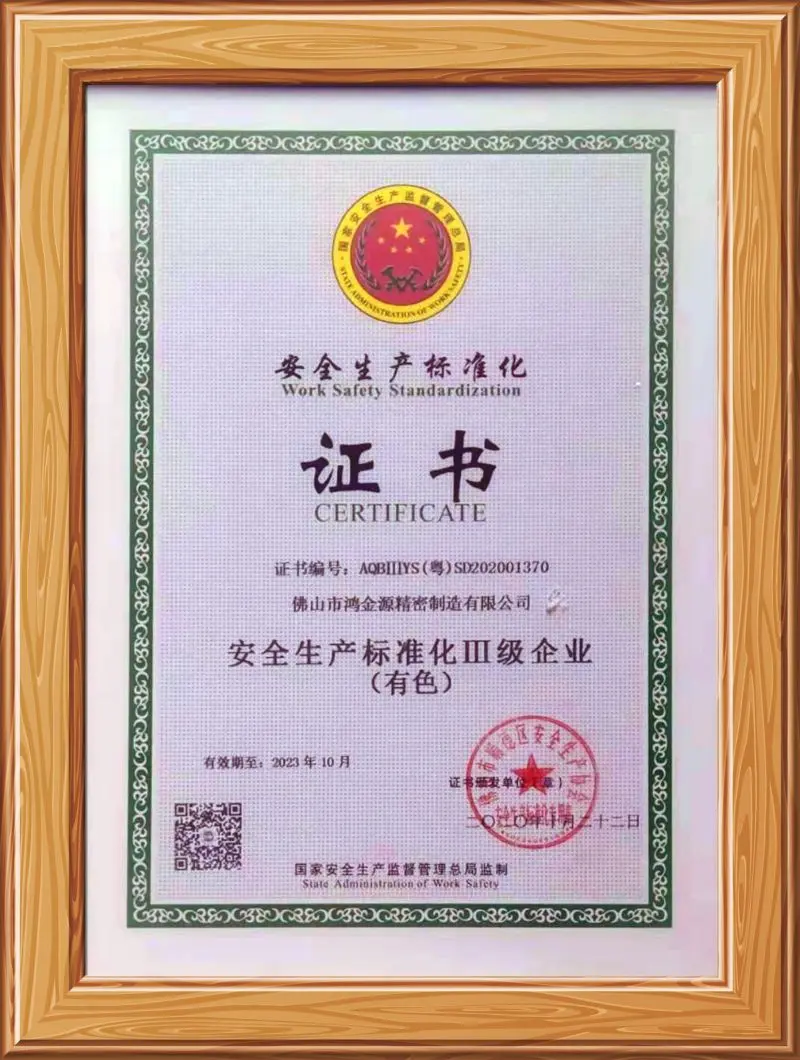
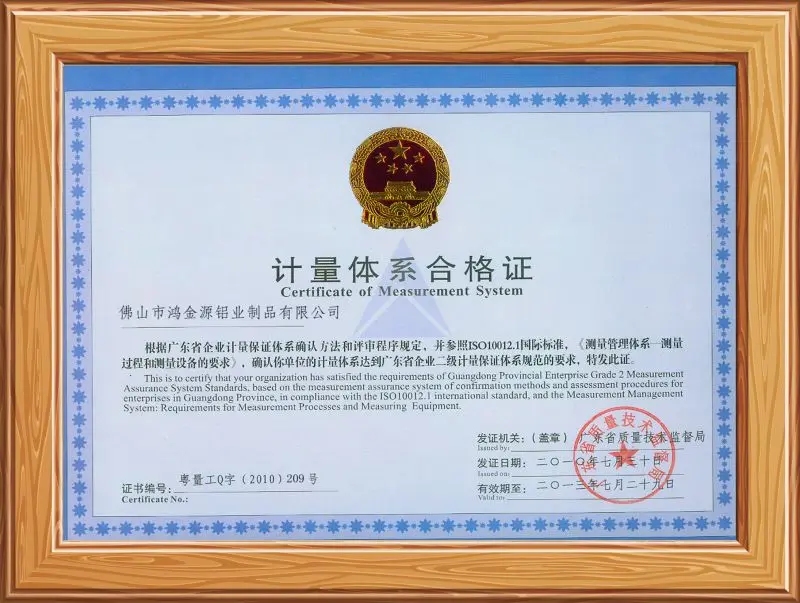
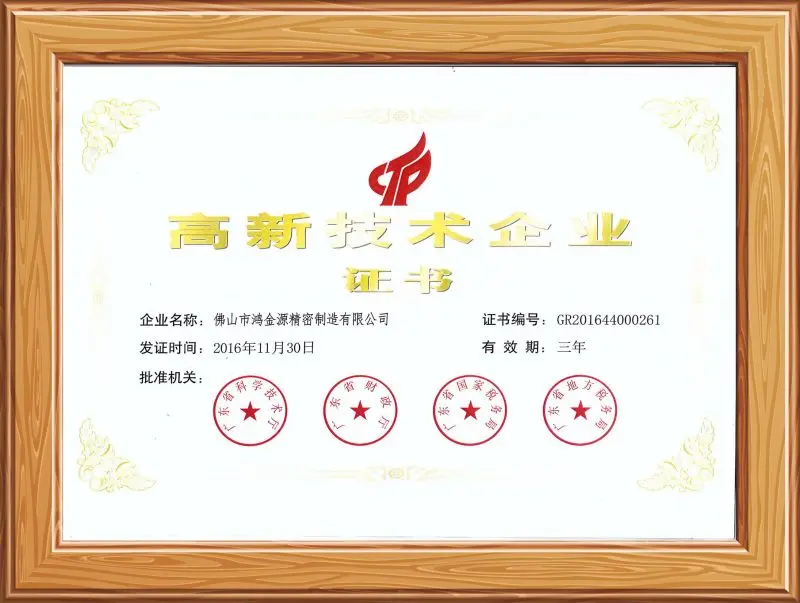
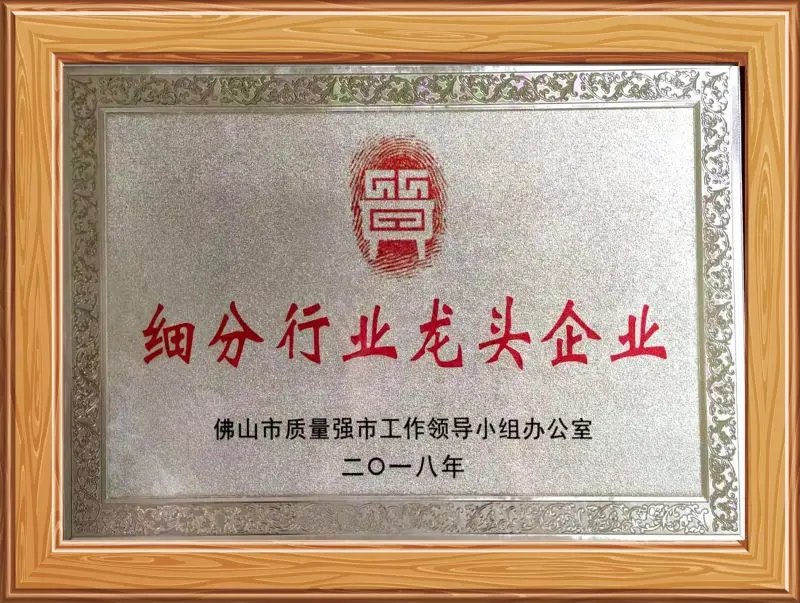
Our commitment to quality, environmental responsibility, and structural performance is backed by leading international standards and governmental recognitions.
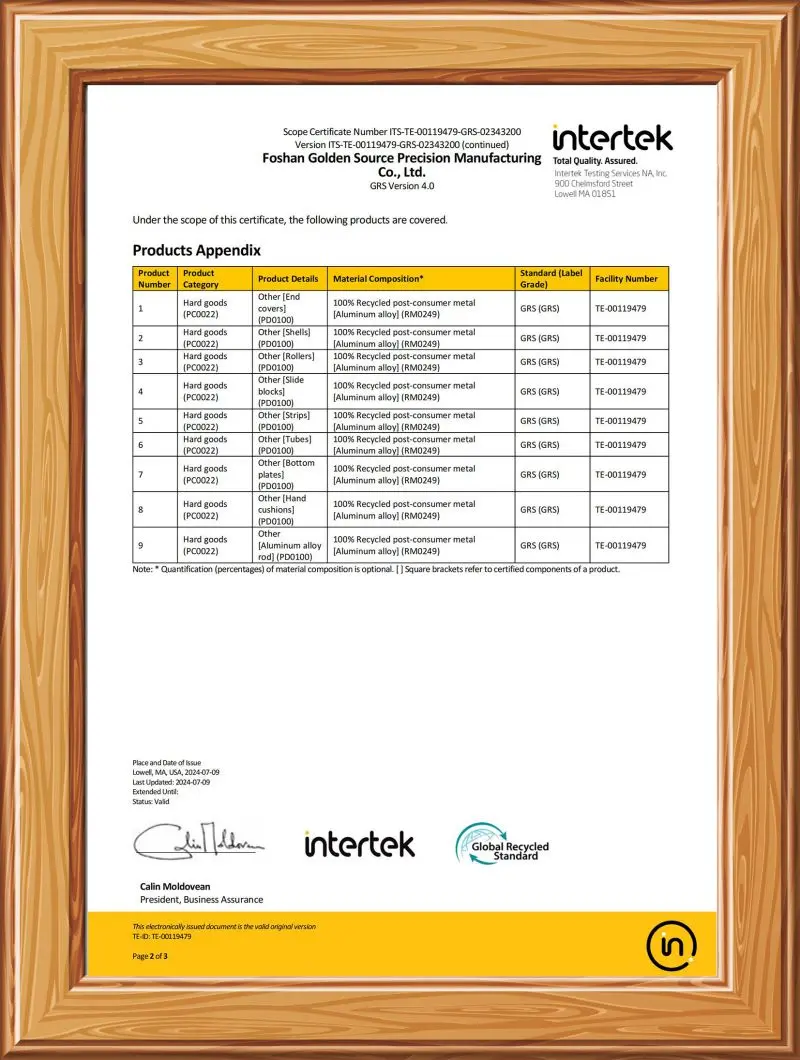
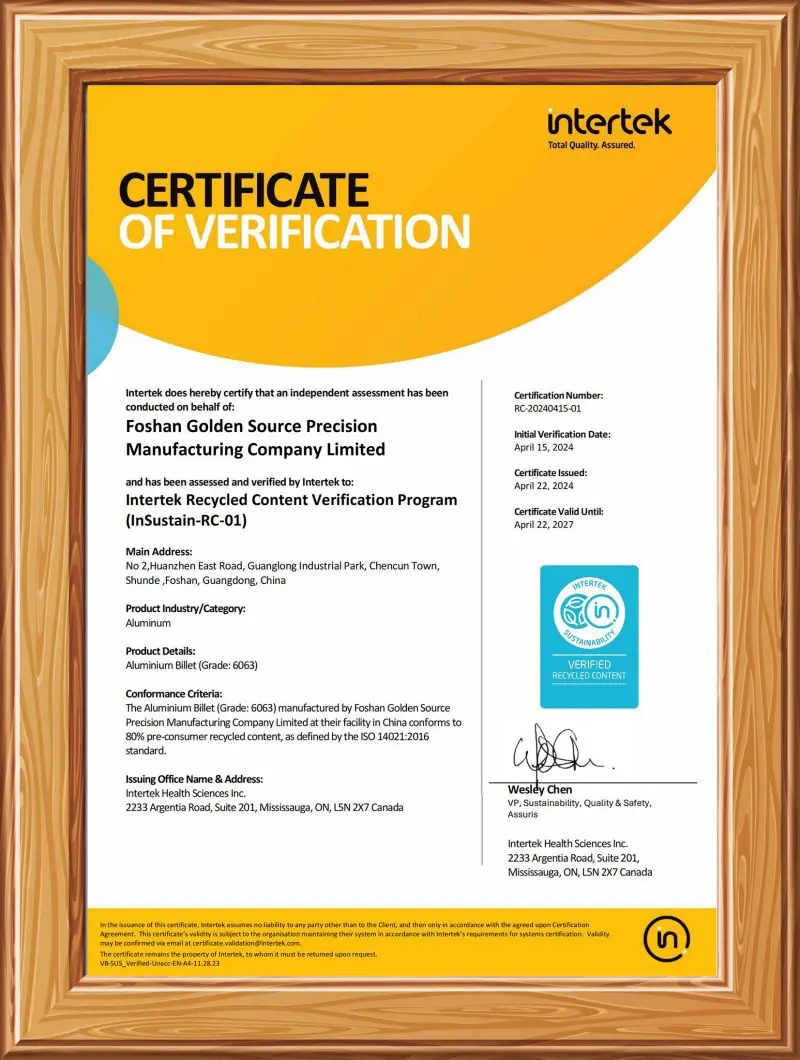
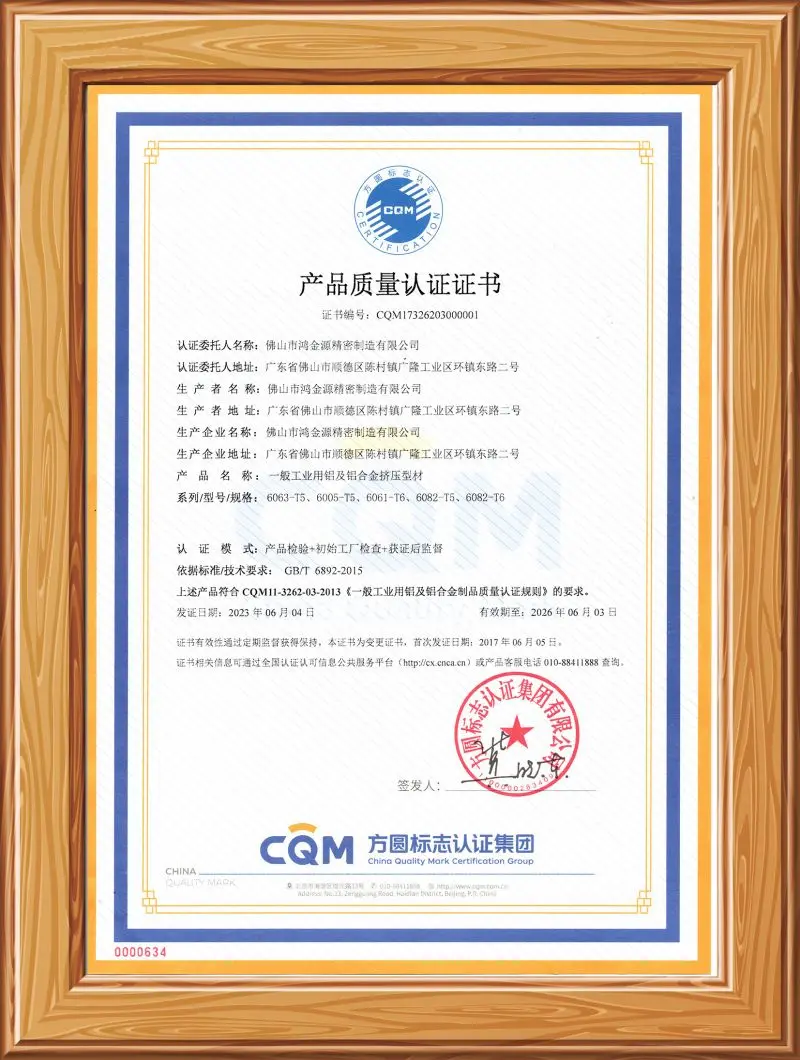
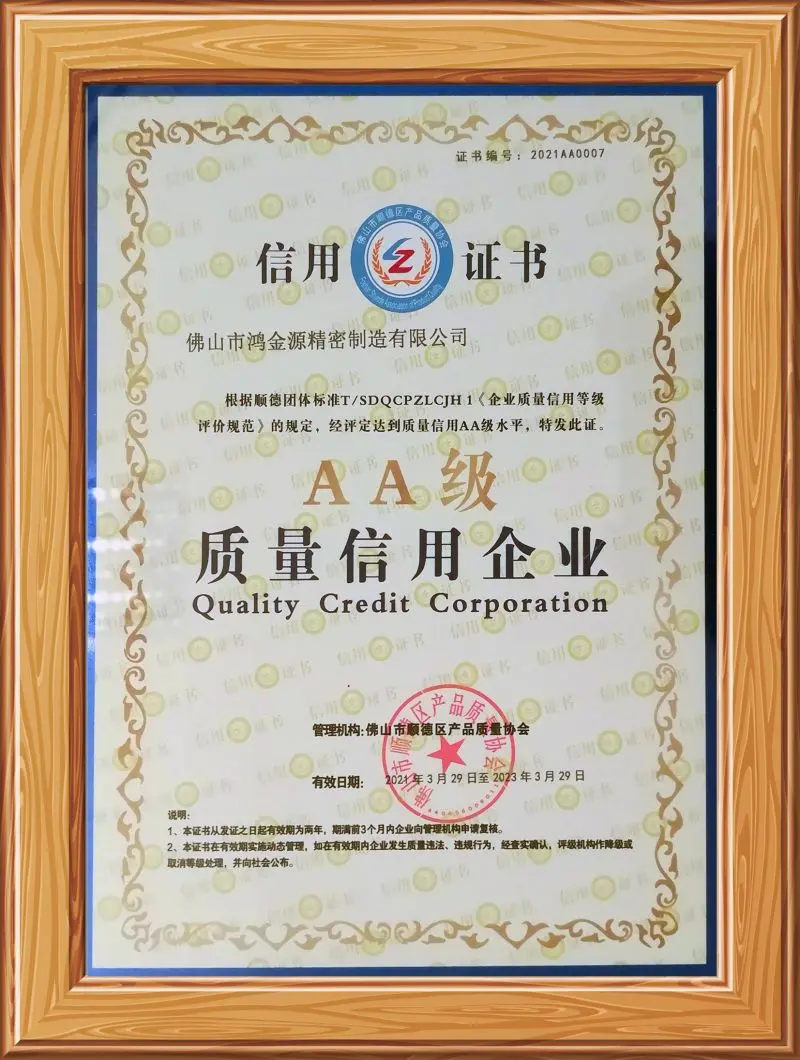
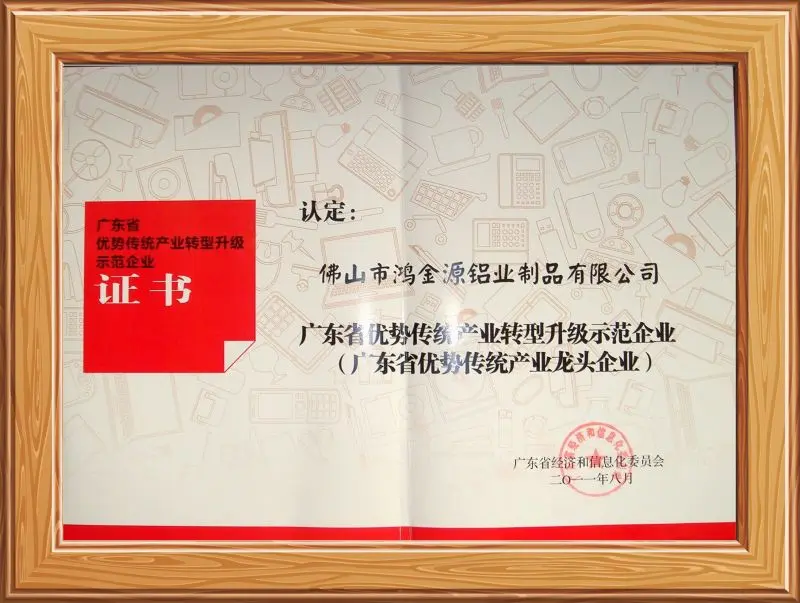
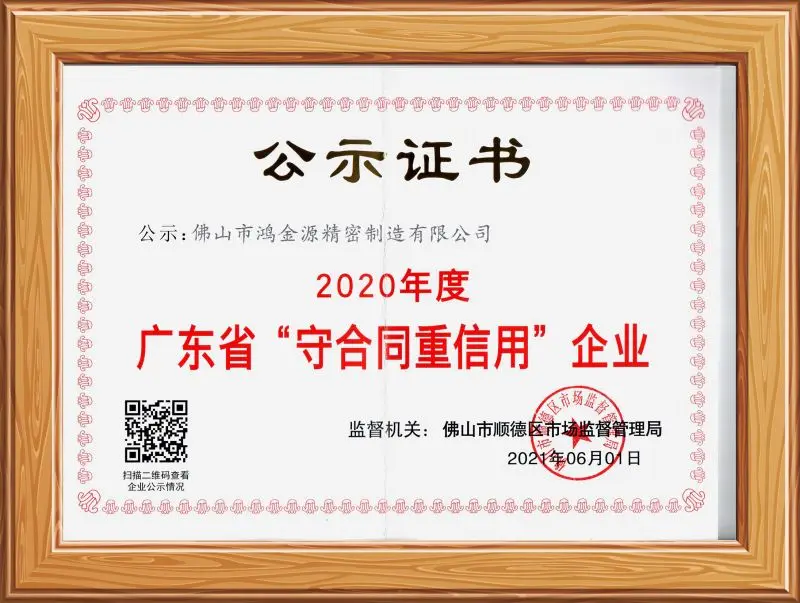
Direct technical answers addressing critical production tolerances, finishing specifications, material certifications, and RFQ metrics.
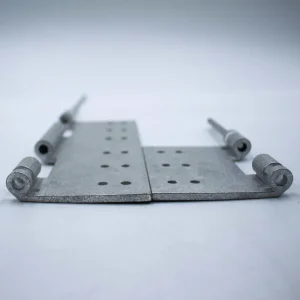
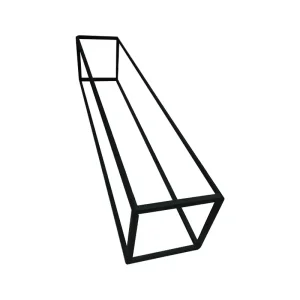
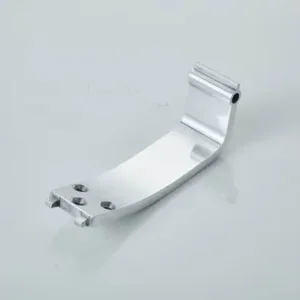
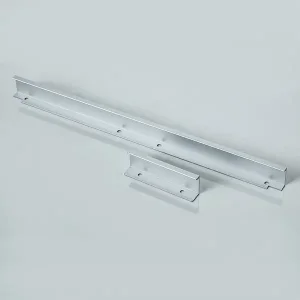
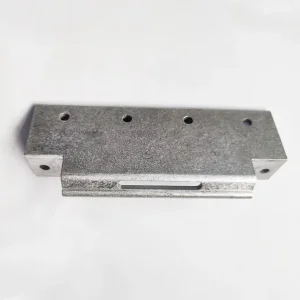
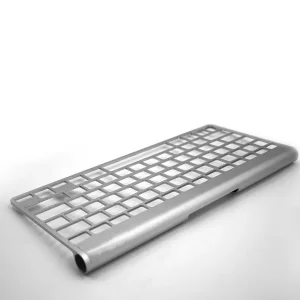
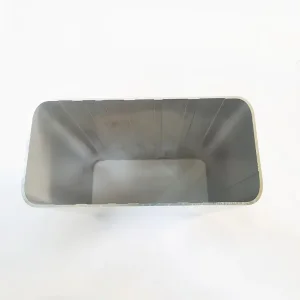
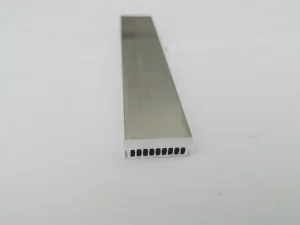
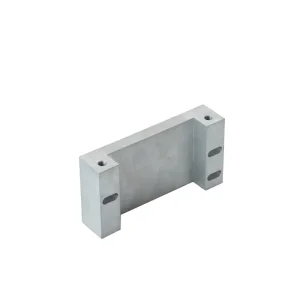
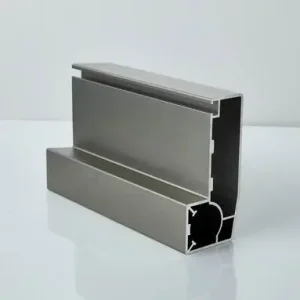
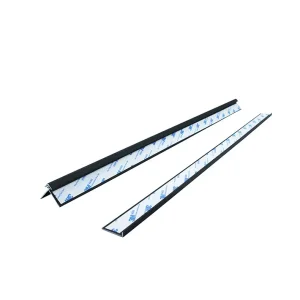
Select components showing our precise CNC profiling, stamping, anodizing, and multi-axis milling capabilities.
 HG Precision