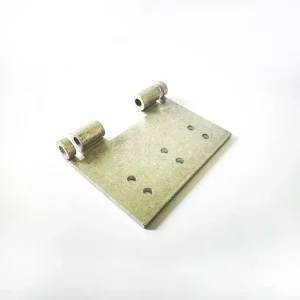
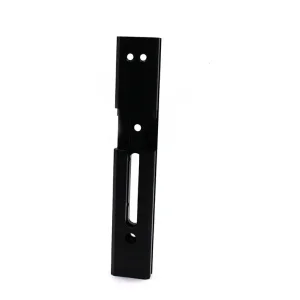
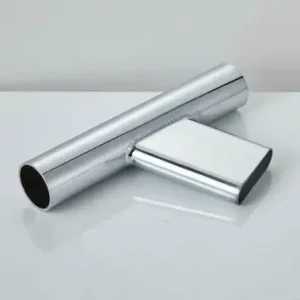
Explore our top-tier precision CNC-machined, stamped, and extruded hardware components tailored to rigorous client blueprints.
Established in 1991, Foshan Golden Source Precision Manufacturing Co., Ltd has grown to become a premium structural leader in high-strength, high-precision, customized aluminum profiles. With over three decades of engineering experience, we focus on custom extrusion, precision CNC machining, professional welding, assembly, and advanced surface finishing. Our facility functions as a direct-to-enterprise partner for industries requiring custom industrial profiles, heavy-duty structural parts, automotive cooling solutions, and consumer electronics casings.
Operating a modern, eco-friendly production facility that spans more than 73,000 square meters, we maintain a complete, end-to-end processing ecosystem. Our capability starts with in-house alloy casting, mold research & design, building, and progresses to advanced extrusion, precise multi-axis CNC machining, structural welding, final product assembly, and custom surface treatments. By controlling the entire manufacturing cycle, we ensure dimensional consistency, premium anodizing finishes, and highly competitive pricing models directly to global businesses.
We process a versatile range of aluminum alloys, including 1XXX, 3XXX, 5XXX, 6XXX, and 7XXX series. This material depth allows us to serve highly demanding applications in sectors such as hardware tooling, consumer electronics (3C), automotive structures, mass railway transit systems, architectural systems, interior furniture, and outdoor structural products.
Company Catalogue Download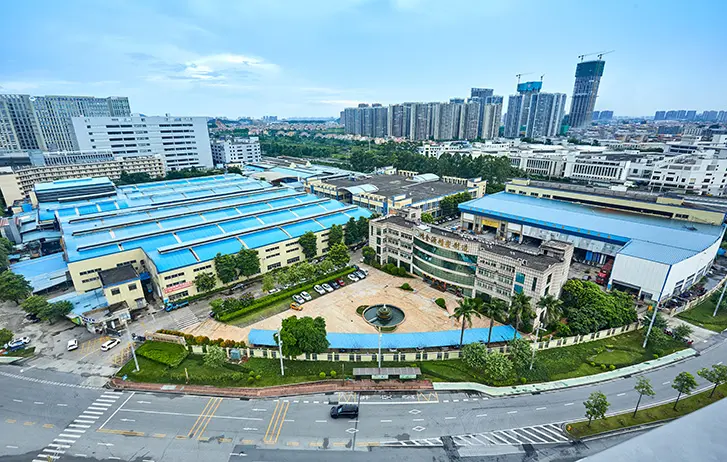
Why major global brands and procurement divisions partner with us for their aluminum profile supplies.
We perform alloy melting and billet casting in-house. This allows us to adjust chemical compositions dynamically to maximize structural strength, achieve precise thermal conductivity indices, and secure the chemical purity required for consistent anodizing and surface finishes.
Extrusion, CNC machining, stamping, structural welding, and custom chemical anodizing are handled entirely inside our facility. This vertical integration keeps quality control under unified engineering supervision, minimizes component handling wear, and delivers a competitive unit cost structure.
Our centralized production workflow shortens material transitions between production stages. From initial design approval and customized mold fabrication to extrusion, milling, surface treatment, and packaging, our streamlined path results in shorter lead times compared to fragmented supply models.
Understanding the metallurgical, mechanical, and logistical shifts shaping the modern aluminum extrusion industry.
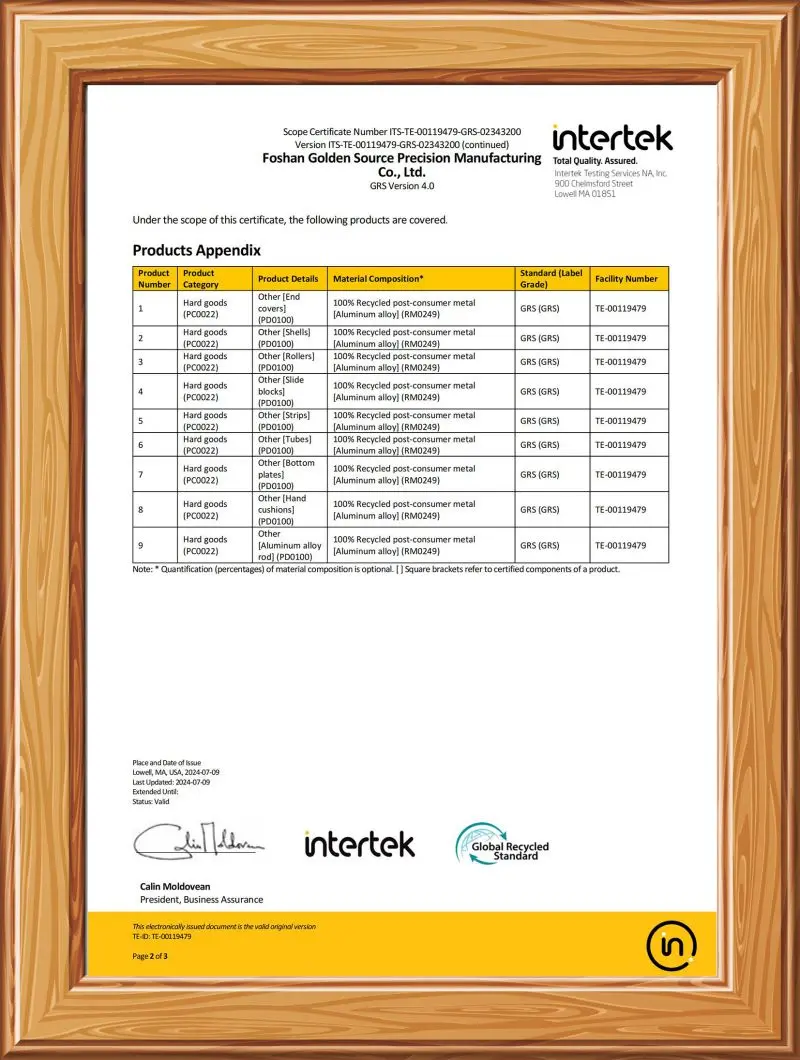
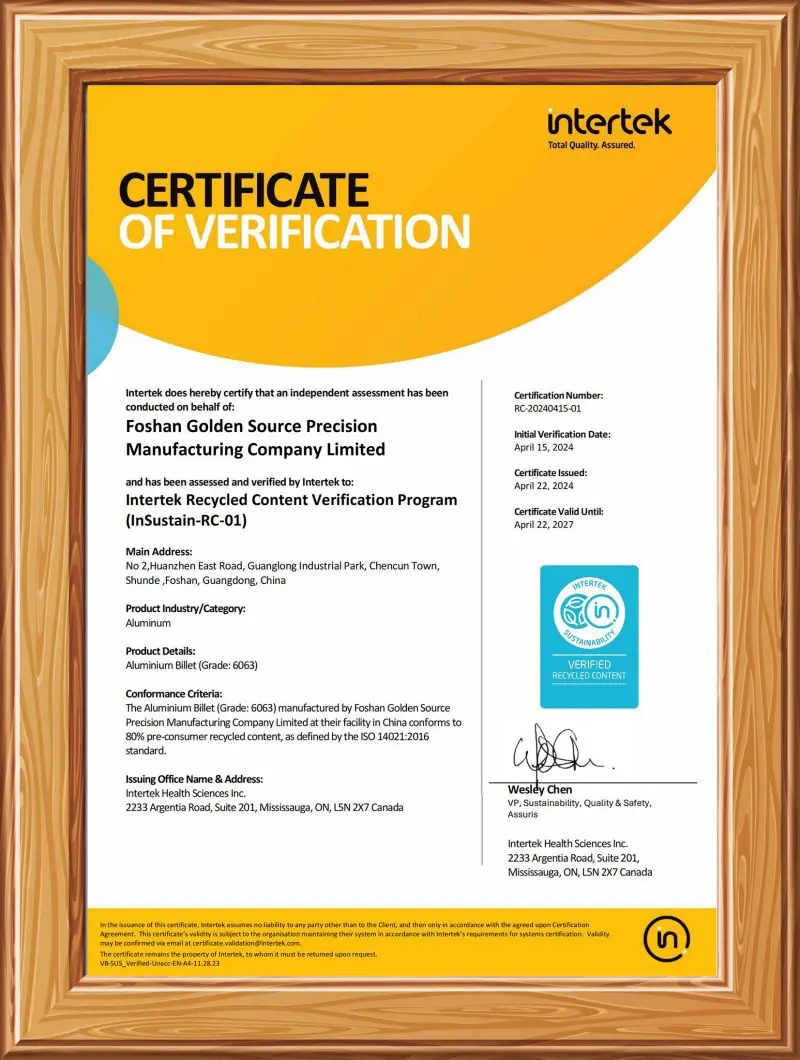
Modern industrial supply chains are transitioning toward stricter sustainability metrics. Procurement departments in North America, Europe, and Asia-Pacific prioritize carbon footprints and material circularity. At Foshan Golden Source, our manufacturing processes align with these strict expectations. Holding verified GRS (Global Recycled Standard) and RCV (Recycled Content Verification) certifications, we offer certified recycled aluminum billets that retain their performance characteristics. This structural step enables clean processing, allowing global brands to meet their ESG targets without compromising on safety or engineering tolerances.
Selecting the appropriate alloy formulation is critical for physical durability and surface longevity. The table below details the performance characteristics of our primary alloy grades:
| Alloy Series | Typical Chemistry Highlights | Mechanical/Physical Properties | Primary Industrial Applications |
|---|---|---|---|
| 1XXX Series (e.g. 1060, 1100) | Min. 99.0% Aluminum, trace Fe/Si | Exceptional electrical and thermal conductivity, high ductility, low structural yield strength. | Electrical busbars, heat exchangers, chemical storage systems, battery components. |
| 3XXX Series (e.g. 3003) | Alloyed with Manganese (Mn 1.0 - 1.5%) | Moderate structural strength, high corrosion resistance, excellent formability. | HVAC liquid lines, radiator tubes, condenser units, chemical piping systems. |
| 5XXX Series (e.g. 5052, 5083) | Alloyed with Magnesium (Mg 2.2 - 4.9%) | High fatigue strength, outstanding weldability, premium resistance to marine environment corrosion. | Shipbuilding components, offshore structural elements, critical automotive bracket systems. |
| 6XXX Series (e.g. 6063, 6061, 6082) | Alloyed with Silicon & Magnesium (Mg-Si) | Highly extrudable, responds well to heat-treatment (T5, T6 tempers), high anodizing response. | Structural framing, curtain walls, high-stress CNC brackets, automotive crash rails. |
| 7XXX Series (e.g. 7075) | Alloyed with Zinc (Zn 5.1 - 6.1%) | Extremely high tensile strength, comparable to structural steel, heat-treatable. | Aviation structural frames, military equipment, high-performance athletic gear. |
Corporate procurement teams require predictable, transparent pricing frameworks to calculate project costs accurately. The pricing model for our OEM aluminum tubes and profiles is calculated using the following factors:
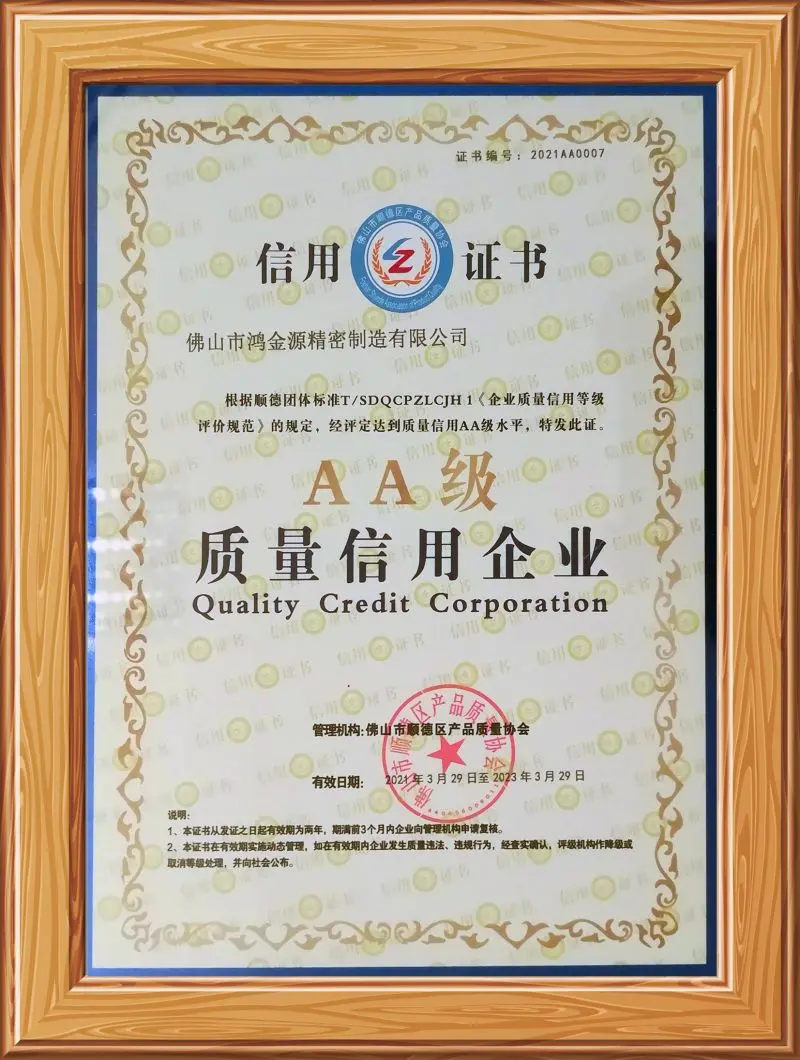
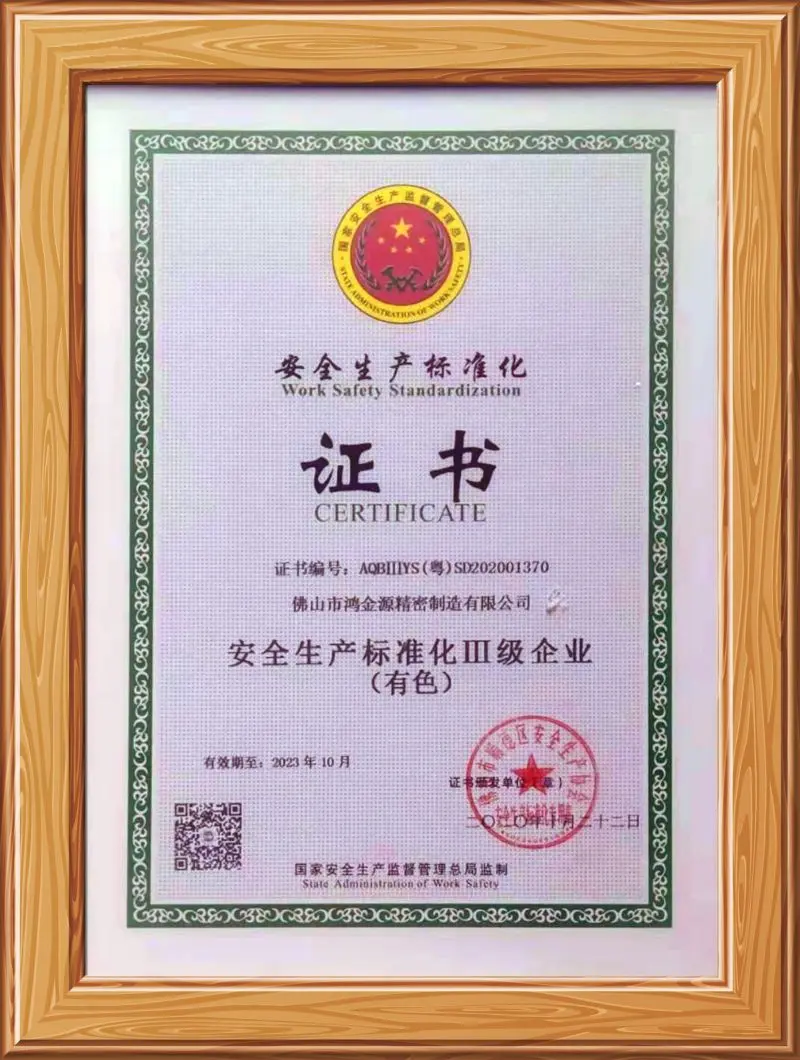
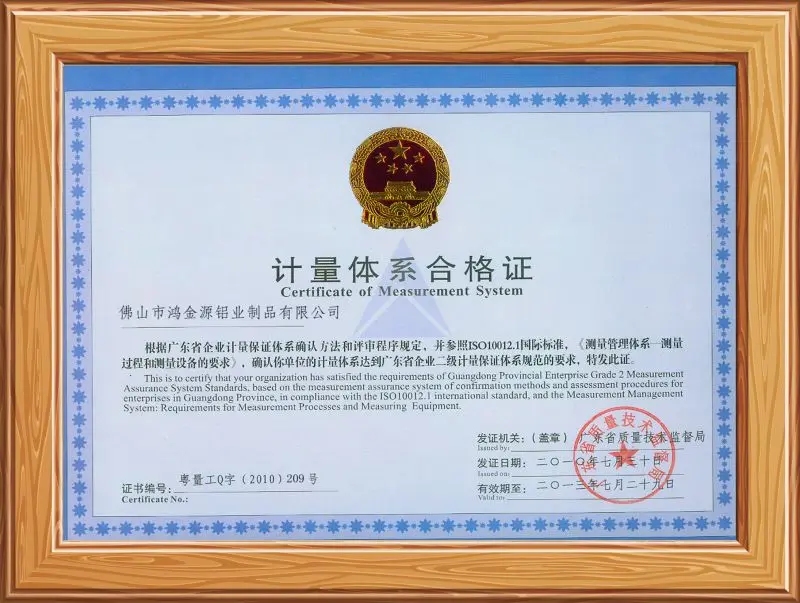
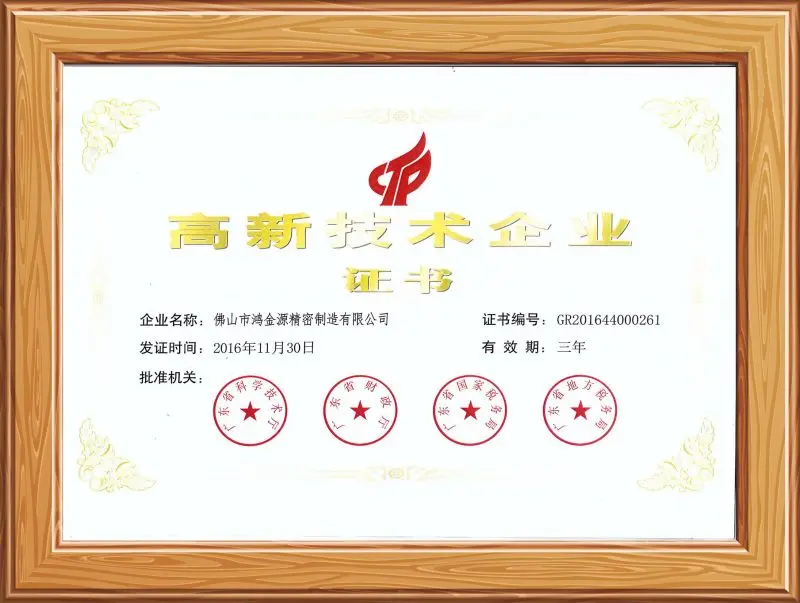
Ensuring compliance with international environmental directives and mechanical quality control metrics.
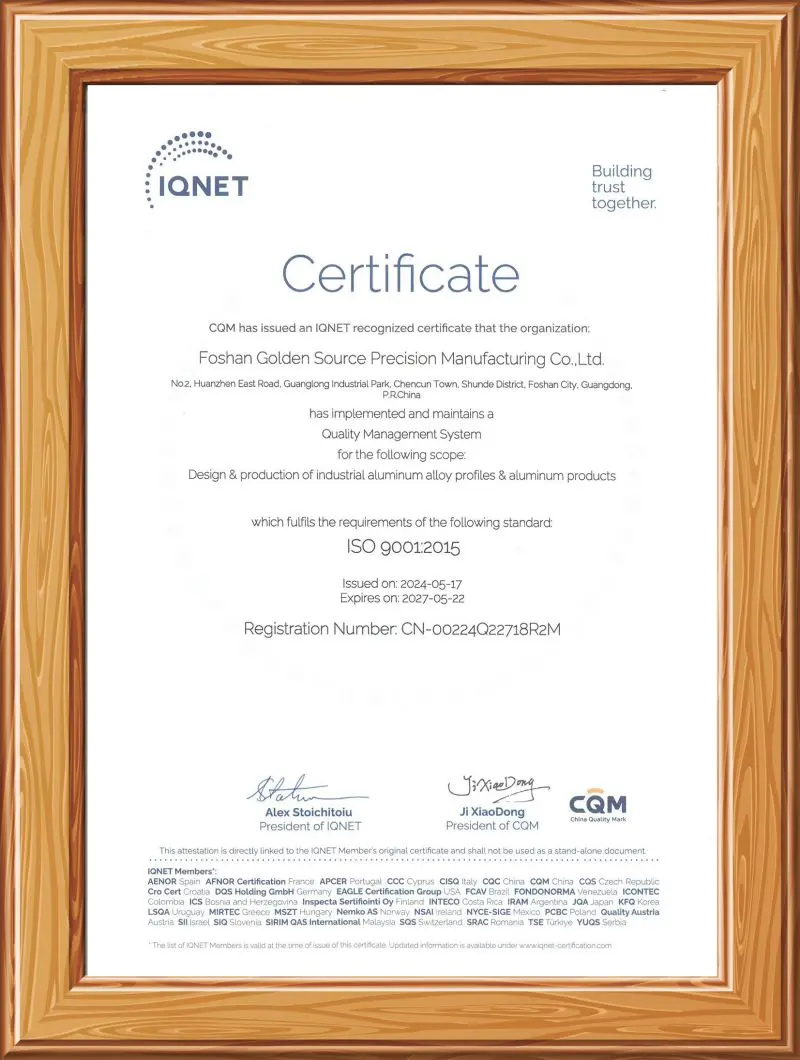
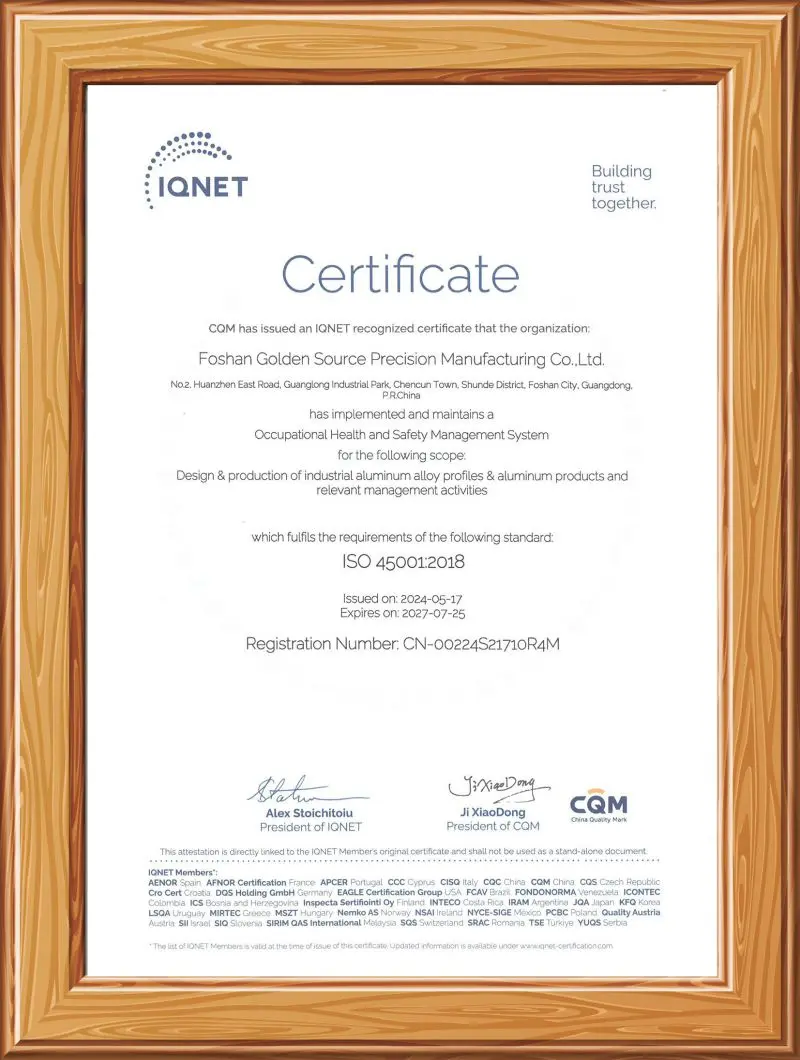
Quality management systems covering die production, billet casting, extrusion, and CNC processing.
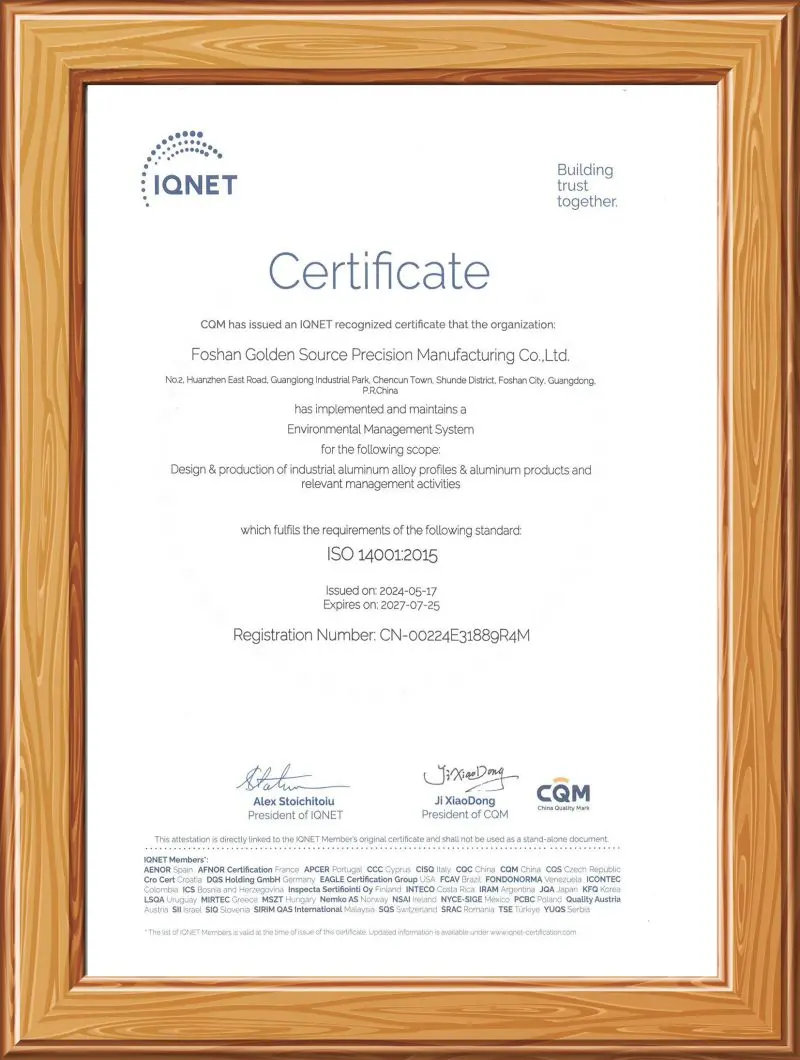
Environmental management standard verifying low emissions, wastewater recycling, and energy efficiency.
Global Recycled Standard validation verifying green manufacturing practices for export to the EU and US.
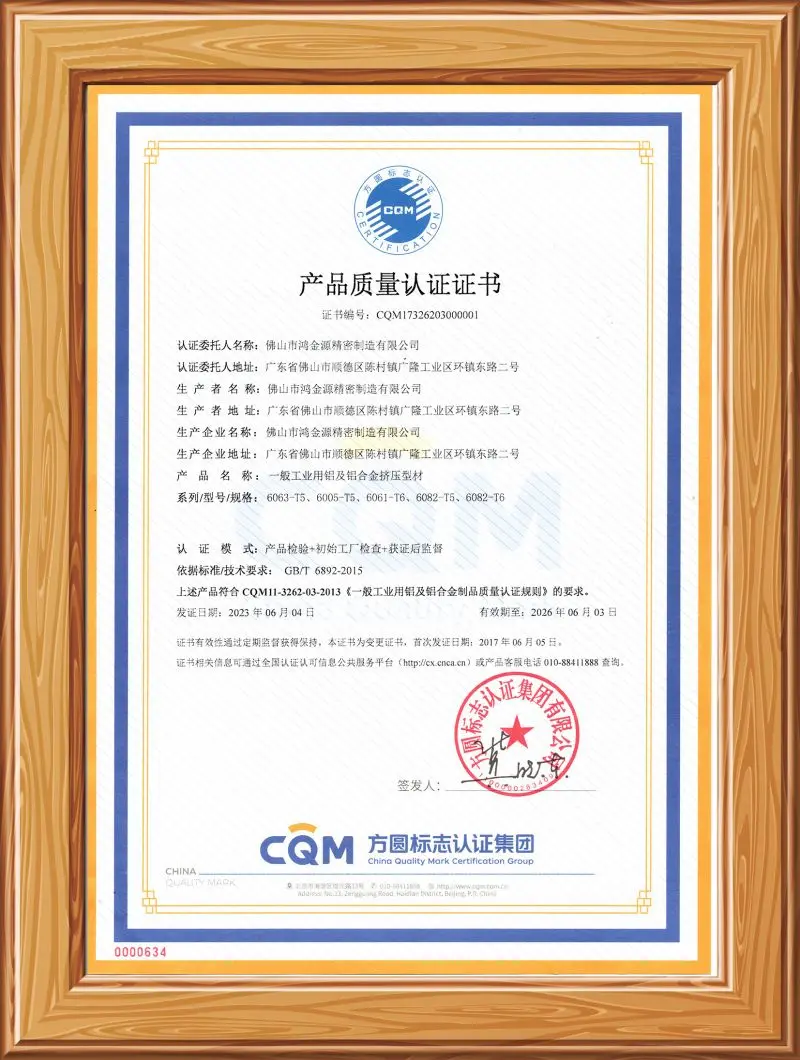
Certified compliance confirming all raw materials and chemical finishes are free from restricted substances.
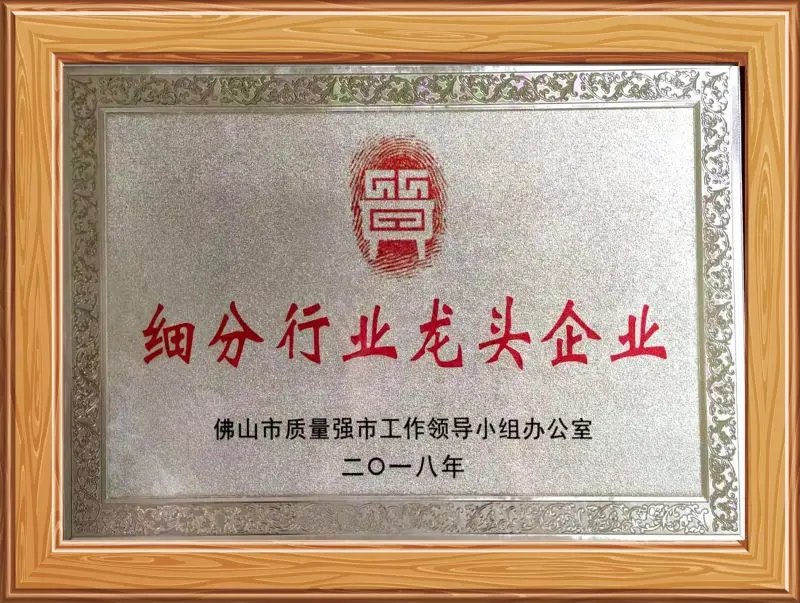
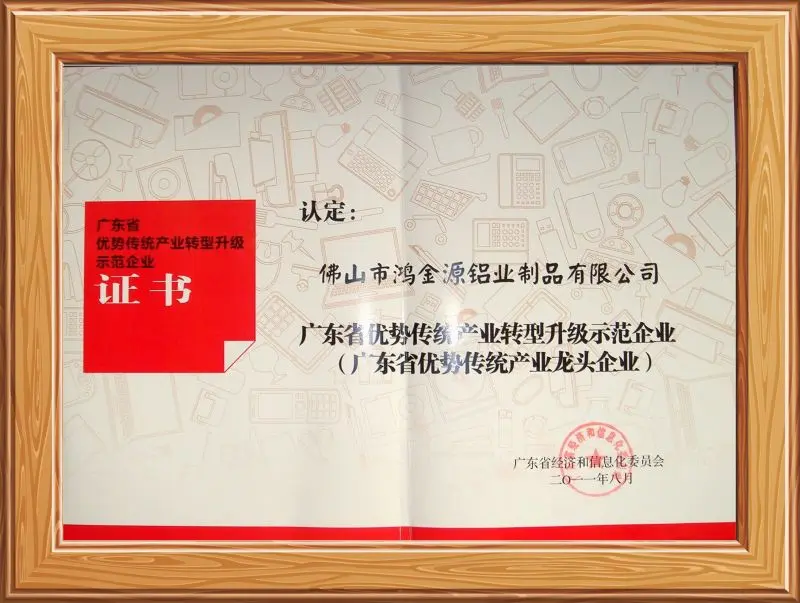
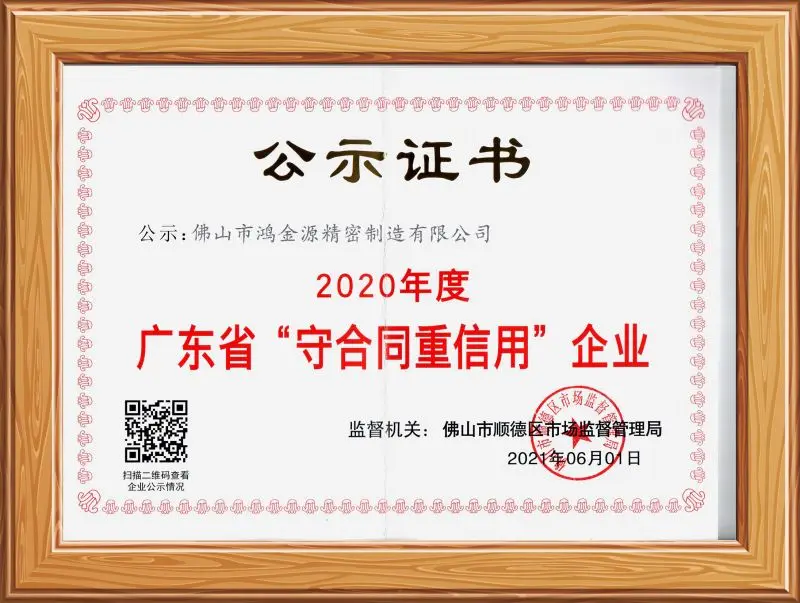
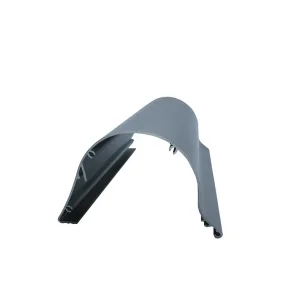
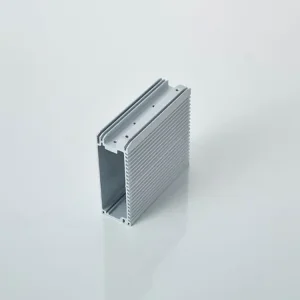
Premium architectural rails, heavy-duty electronics heat sinks, and structural hardware manufactured to tight tolerances.
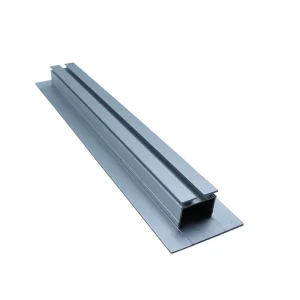
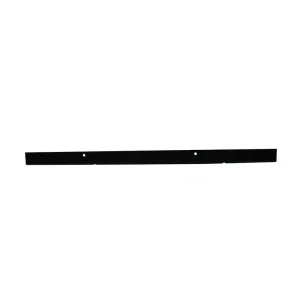
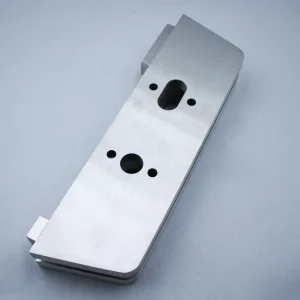
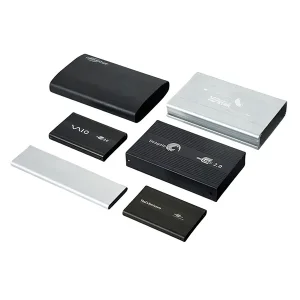
A closer look at the step-by-step technical tolerances and processes implemented for your custom aluminum tubes.
Our in-house design team utilizes CAD/CAM and finite element analysis (FEA) to simulate metal flow, ensuring thin-walled, hollow, and complex multi-void structural profiles are produced without internal stresses.
Our modern extrusion presses handle a variety of billet diameters, control cooling zones, and use precise puller tension systems to maintain dimensional stability and straightness across long lengths.
Equipped with 3-axis, 4-axis, and long-travel CNC profile machining centers, we perform precise milling, multi-angle drilling, pocket routing, tapping, and counterboring to meet demanding engineering tolerances.
We provide a complete range of chemical surface modifications in-house to protect structural components from corrosion and meet aesthetic requirements:
Expert insights on custom aluminum profile manufacturing, material characteristics, and ordering logistics.
 HG Precision