Explore our custom OEM manufacturing capabilities spanning complex alloy components, precise CNC machining, and architectural finishes.
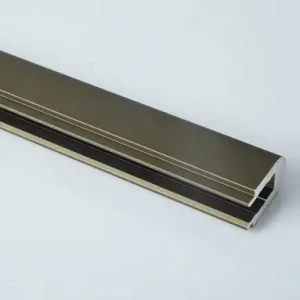
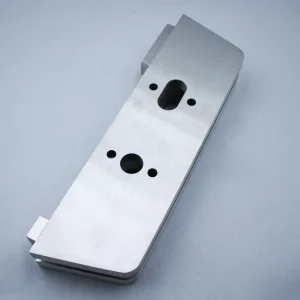
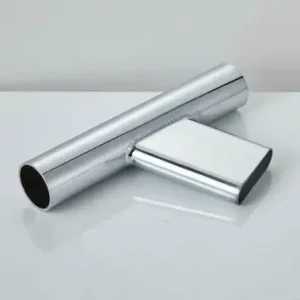
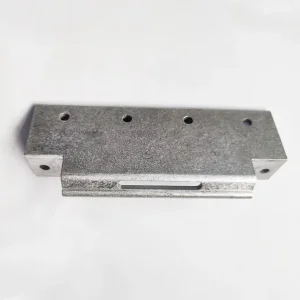
Analyzing the shift from conventional circular and rectangular tubing to advanced aerodynamic and structural oval profiles.
In modern structural engineering and product design, the selection of component profiles determines the thermal efficiency, weight-to-strength ratio, and aerodynamic performance of the final assembly. Among non-ferrous metal shapes, the aluminum oval tube (often classified under flat oval or elliptical extrusion geometries) has emerged as an indispensable structural component. From high-speed automotive cooling blocks and aerospace hydraulic lines to architectural curtain walls and high-end consumer hardware, the demand for optimized oval profiles has surged.
Unlike symmetrical round tubes, an oval cross-section provides asymmetric resistance characteristics. It yields a higher section modulus along the major axis, allowing structural components to withstand severe bending stresses in a predetermined direction without adding dead weight. This directional strength is critical in modern engineering initiatives targeting lightweighting. Furthermore, in fluid dynamic applications, oval tubing lowers flow resistance, providing superior aerodynamic bypass and highly optimized boundary-layer characteristics. Consequently, heavy industries are moving away from traditional hollow structural sections towards specialized, customized OEM aluminum oval tubes.
Industrial procurement managers no longer source aluminum extrusions simply based on dimensional geometry. Modern B2B sourcing practices require deep integration between the factory's casting capability and the client's engineering department. High-end sectors such as new energy vehicles (NEVs), marine hardware, and high-frequency communication frames demand unique metallurgical compositions.
Foshan Golden Source Precision Manufacturing Co., Ltd addresses this paradigm by melting the alloy in-house. Controlling the melting process allows engineers to tune copper, iron, manganese, and magnesium percentages down to minute fractions. For instance, restricting the iron content to under 0.15% ensures superior transparency and grain alignment during subsequent bright or satin anodizing cycles. This capability transforms a standard industrial profile into an component with high aesthetic value and optimal mechanical longevity.
Established in 1991, Foshan Golden Source Precision Manufacturing Co., Ltd is an industry-leading manufacturer of high-strength, high-precision, customized aluminum profiles and structural components. Operating from a modern, eco-friendly 73,000-square-meter facility, we provide a complete manufacturing cycle.
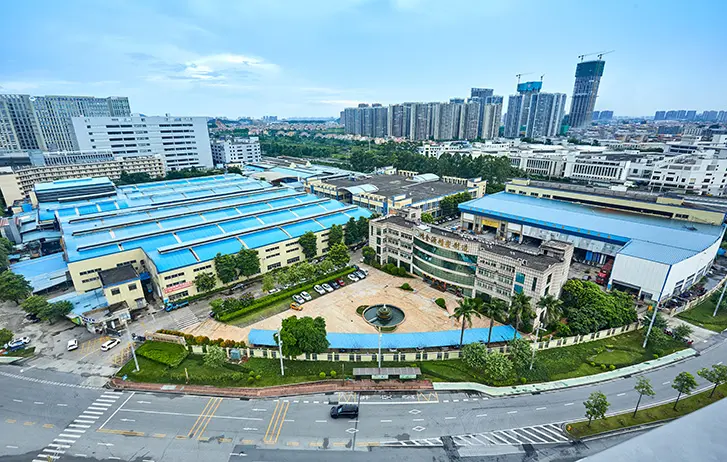
We maximize structural durability, refine chemical purity, and optimize product delivery cycles.
We melt and formulate our aluminum alloys in-house. This gives us full control over metallurgical properties, allowing us to enhance tensile strength, elongation, and structural integrity for optimal anodizing.
By handling precision machining, CNC fabrication, and advanced surface finishing under one roof, we eliminate intermediate logistics costs and ensure rigorous QC standards across the entire production line.
Our vertically integrated supply chain compresses production timelines from tool design to final anodizing and packaging, ensuring fast, predictable delivery for global OEMs.
Established Year
Production Base Area
Global Green Certifications
Vertical Supply Chain
From micro-alloying to precise thermal treatment, explore our manufacturing process.
Extruding hollow profiles with thin walls—such as flat ovals or dual-chamber elliptical shapes—requires precise mold design. The flow of plasticized aluminum through the die must be balanced dynamically. At Foshan Golden Source, our dedicated tool R&D center uses 3D computational fluid dynamics (CFD) modeling to analyze billet deformation and thermal stress distribution. This reduces die deflection and prevents wall thickness variation, assuring a profile tolerance margin within ±0.1mm.
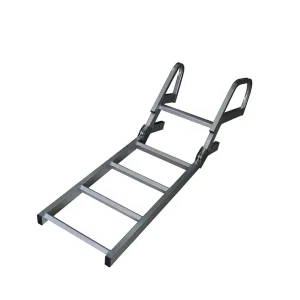
Mechanical characteristics depend directly on the exit temperature and quench rate. Standard 6063 alloys are heated to a plastic state (450°C - 500°C) and forced through the tooling. For load-bearing applications like structural brackets or swimming pool ladders, we apply a T6 temper. This involves water-jet quenching directly at the press exit, followed by artificial aging at 180°C for 6 to 8 hours to precipitate Mg2Si phases uniformly. This increases the material's yield strength while maintaining ductile performance.
Environmental durability is achieved through our specialized surface treatments. Our chemical lines support:
Our adherence to strict global manufacturing and environmental standards.
Foshan Golden Source is certified to ISO 9001, ISO 14001, and ISO 45001. We hold advanced RCV and GRS (Global Recycled Standard) credentials to align with EU circular economy regulations and REACH compliance directives.
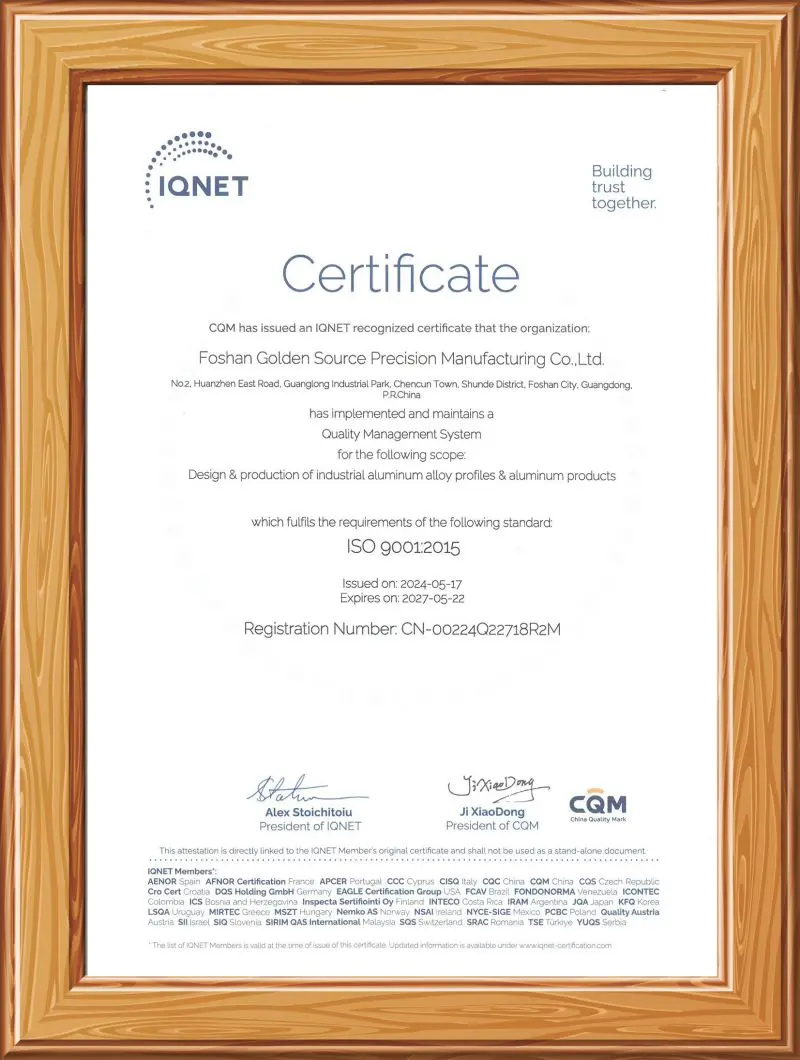
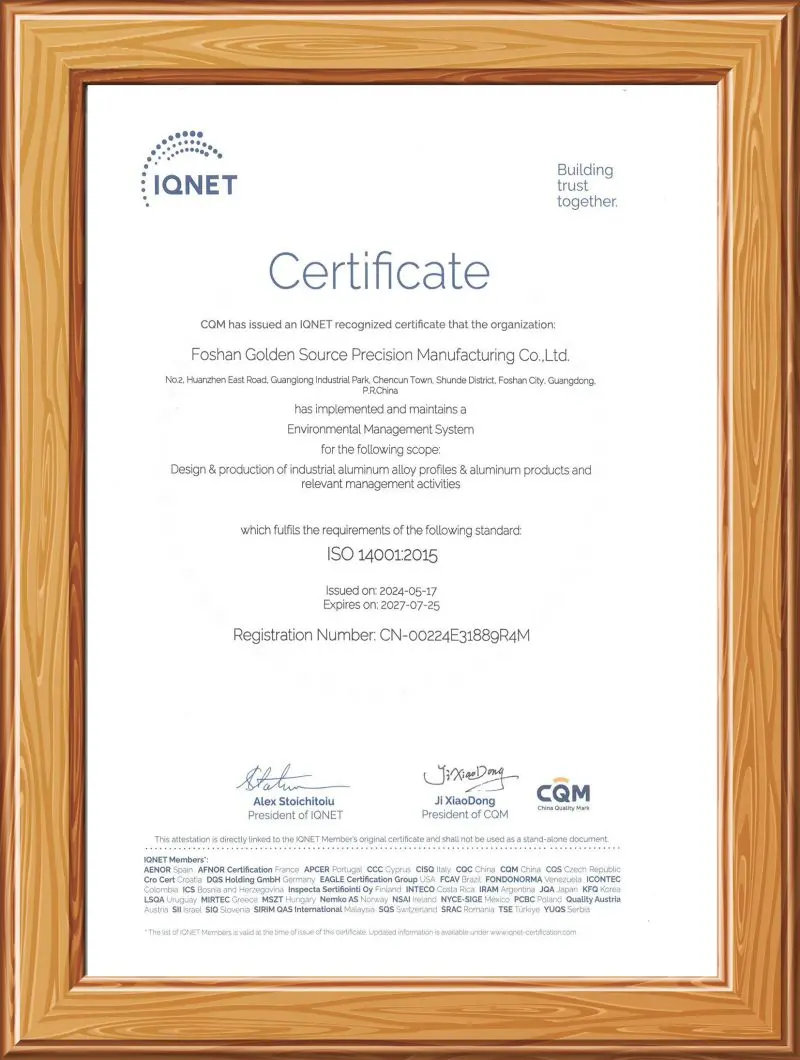
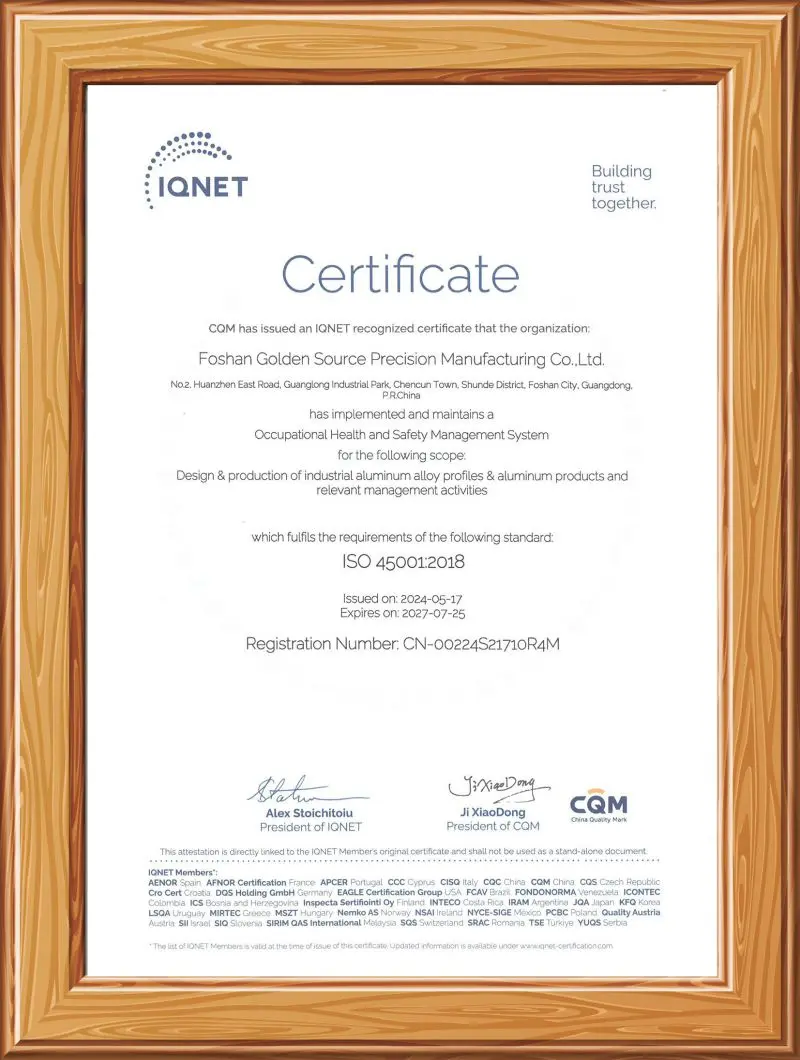
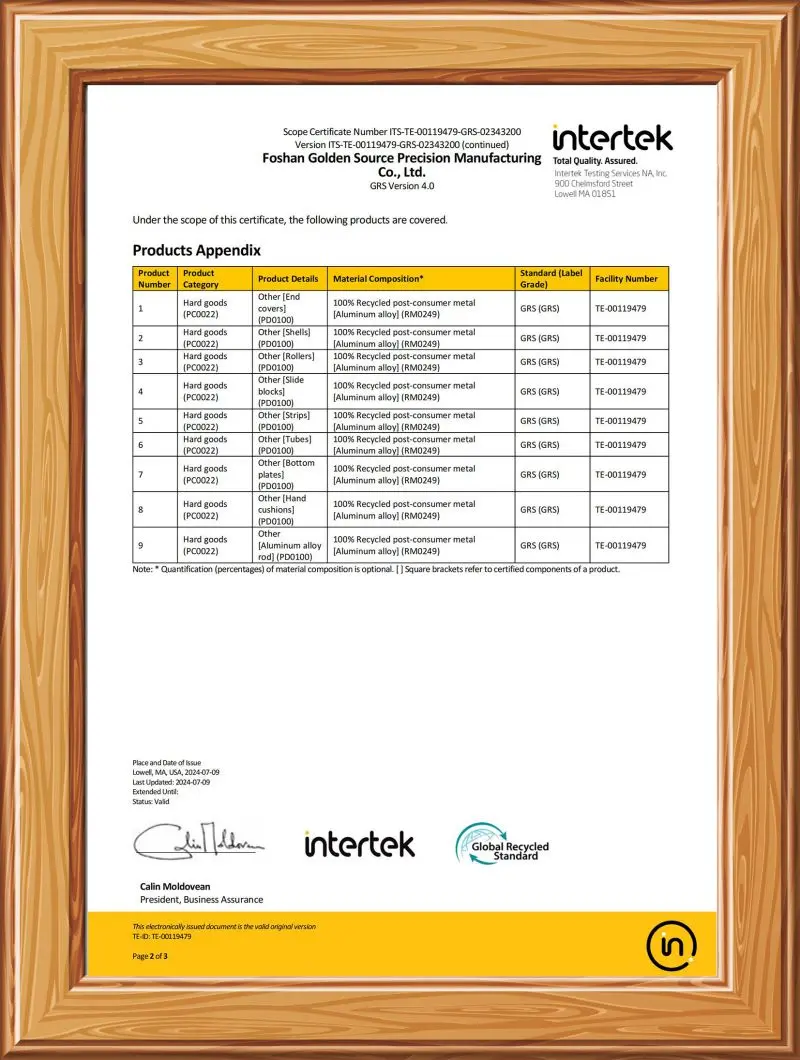
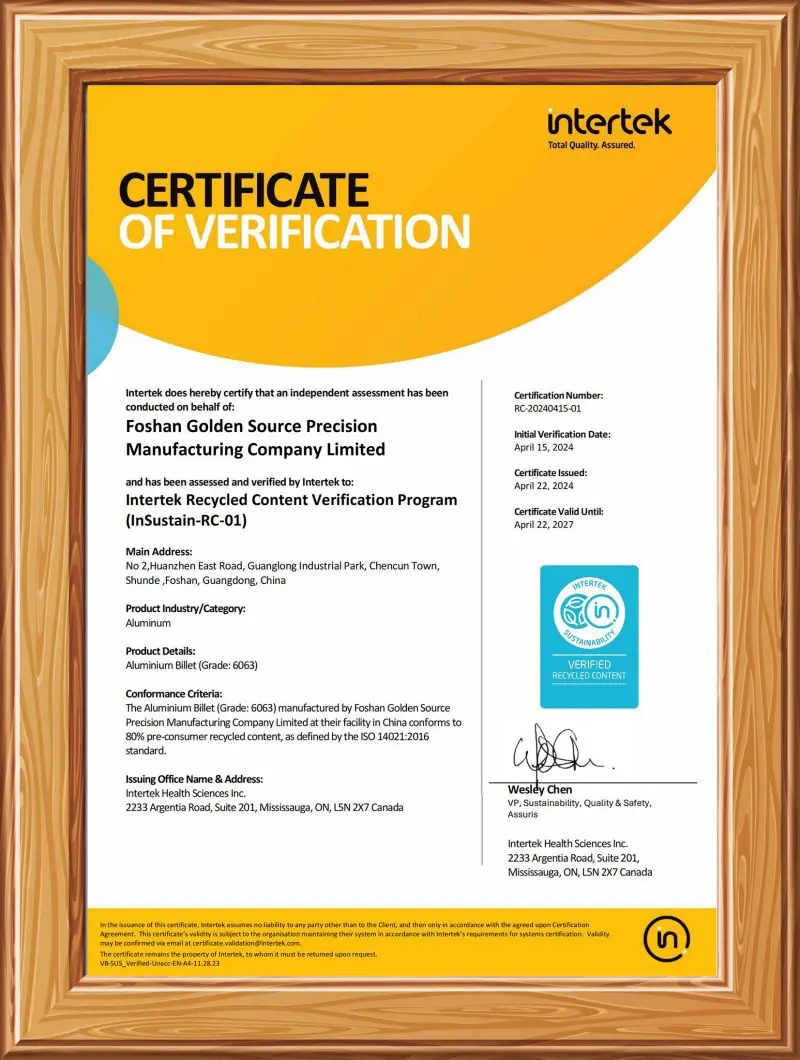
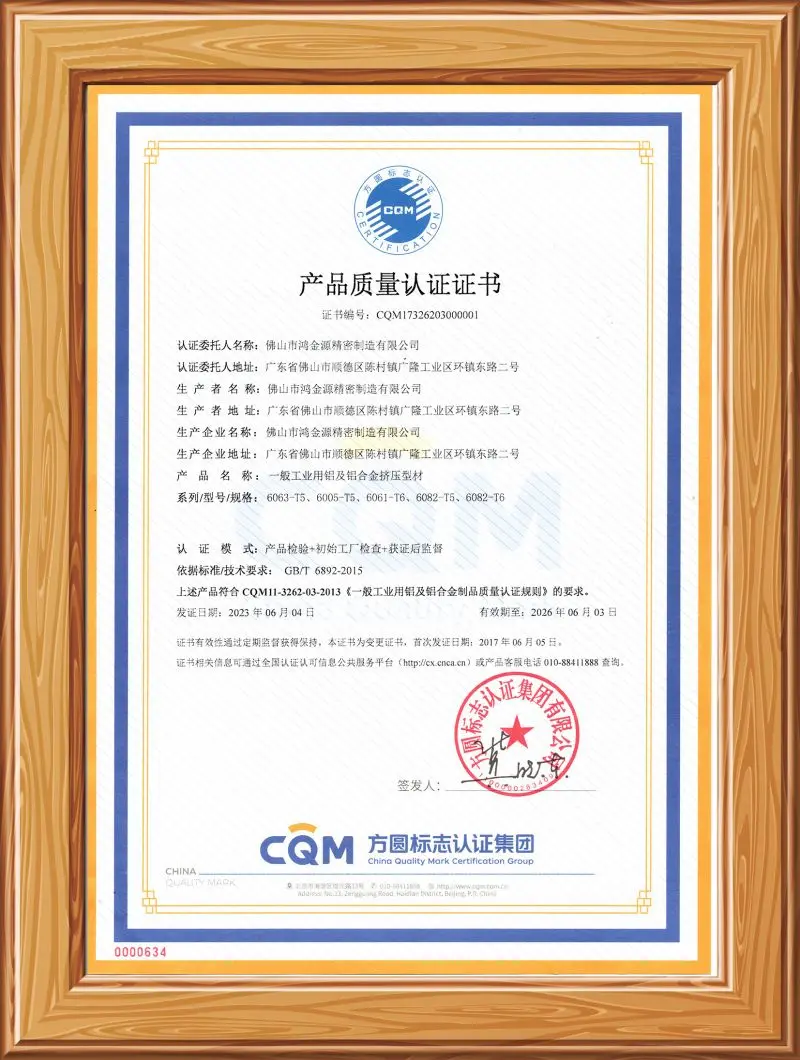
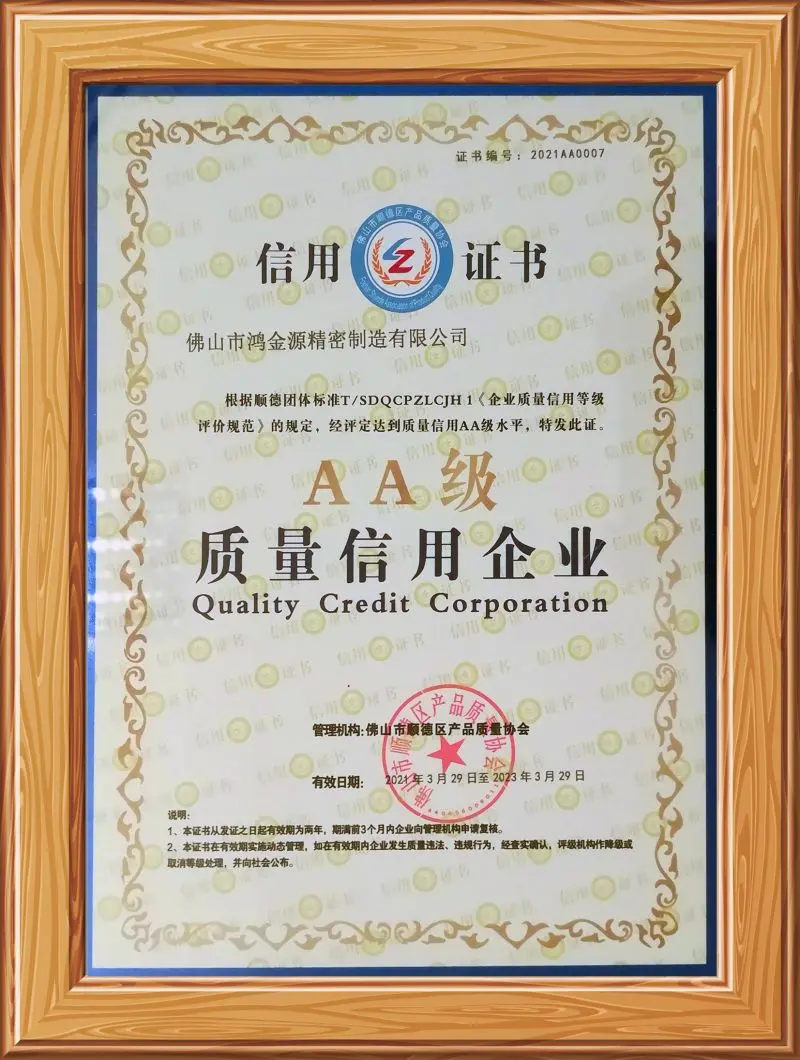
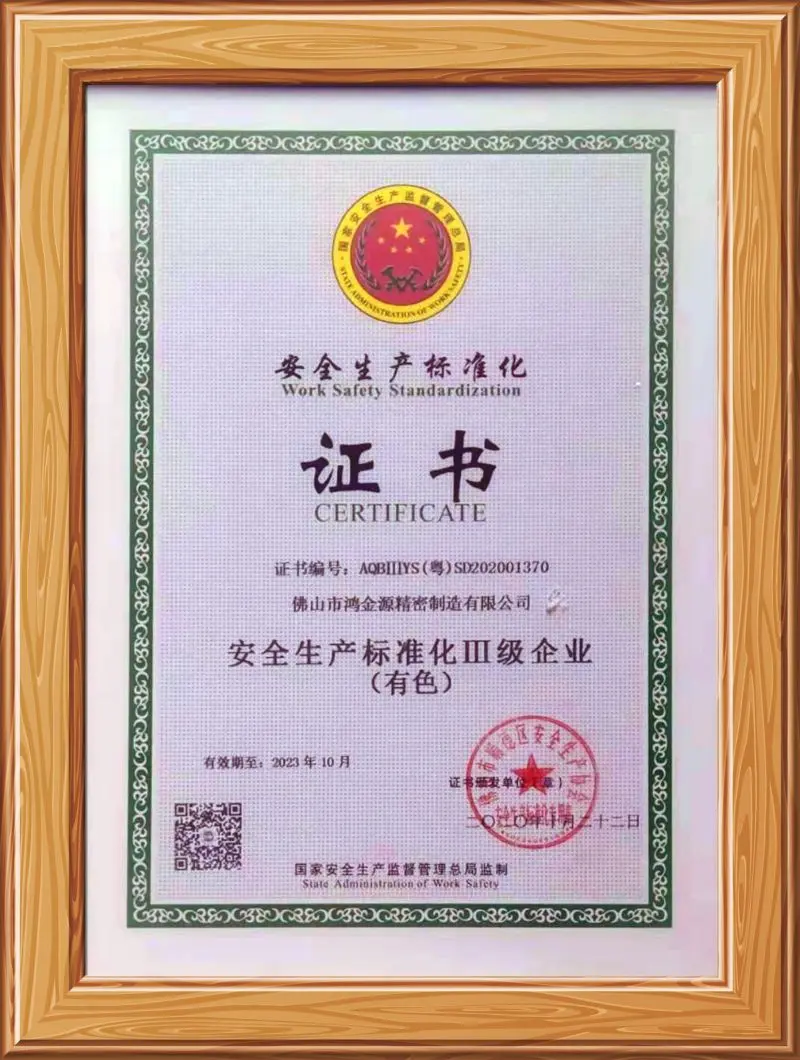
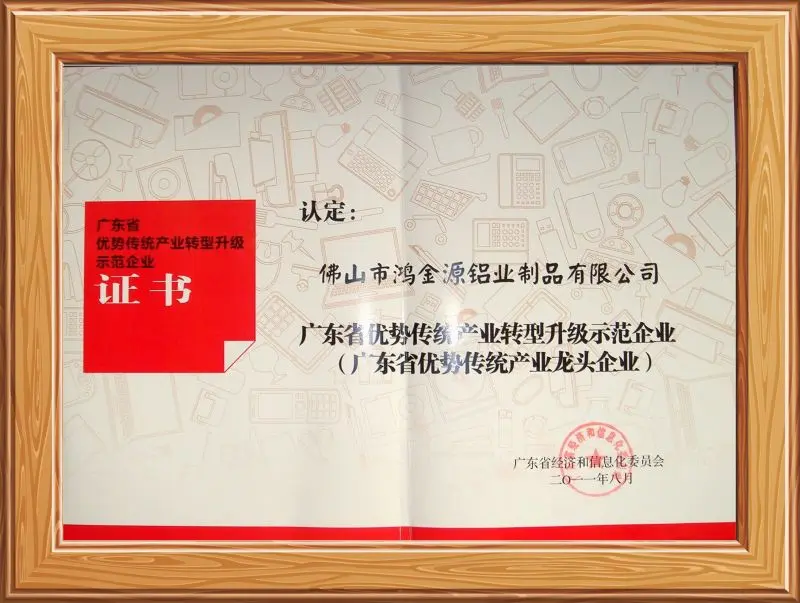
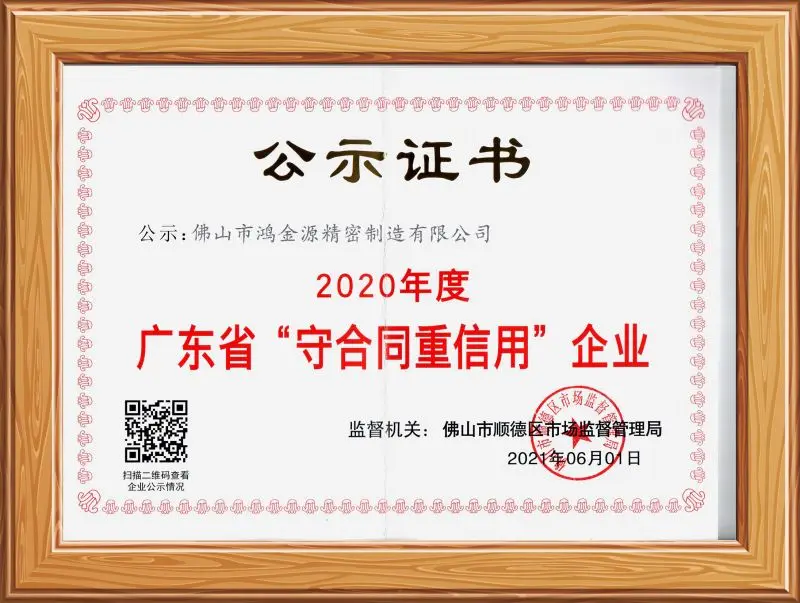
Our commitment to manufacturing innovation, clean production, and quality control has been recognized by local, provincial, and national organizations. We continuously invest in technology upgrades to maintain our industry-leading position.
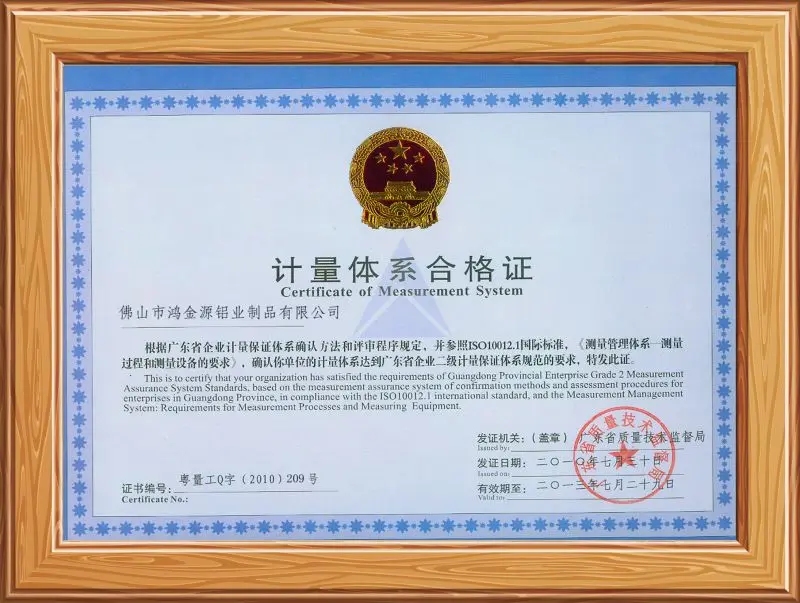
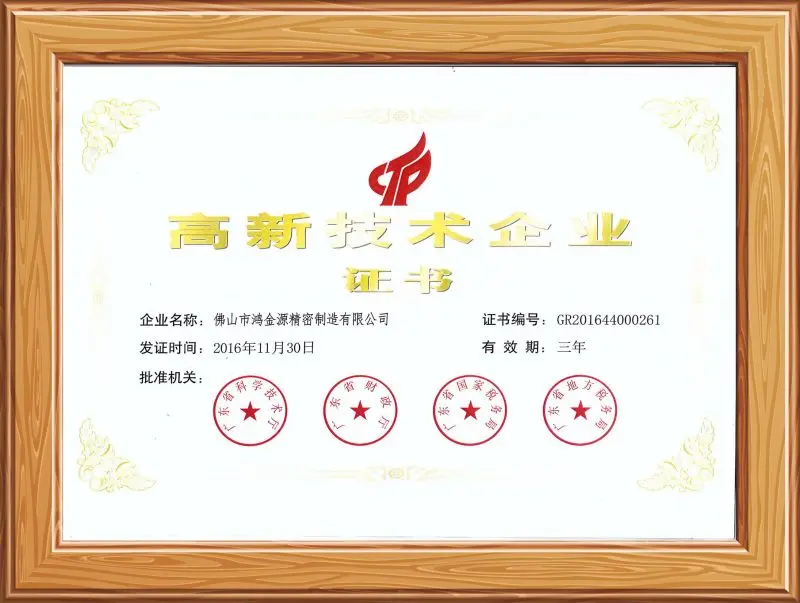
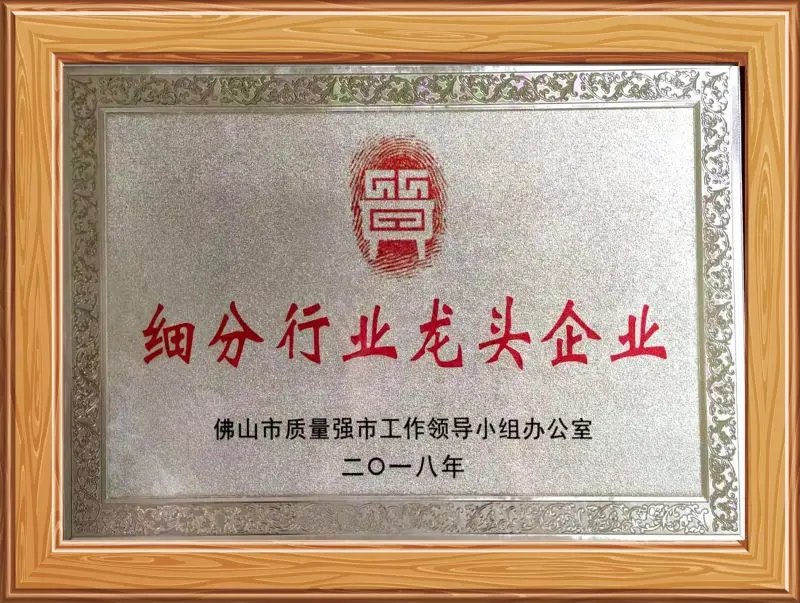
How precision aluminum components drive innovation across diverse industrial sectors.
The versatility of custom-machined aluminum extrusions allows them to serve as key structural and thermal components across multiple global industries. By integrating casting, precision CNC machining, and complex welding, Foshan Golden Source delivers turn-key assemblies ready for direct integration.
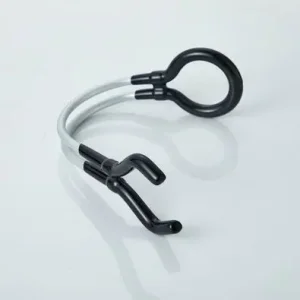
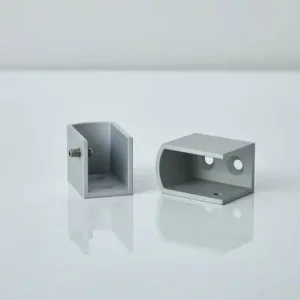
In modern structural glazing, hinges and structural framing components must support wind loads while maintaining aesthetic appeal. The OEM Aluminum hinge assembled for skylight applications showcases how combining structural extrusion with precision mechanical finishing produces high-capacity, weather-resistant hardware. These assemblies undergo strict cycle-lifetime testing to ensure they can withstand outdoor exposure without structural fatigue.
Weight reduction directly correlates with range extension in battery-powered vehicles. Working with high-strength structural alloys, our plant produces custom battery case profiles and robust mounting clamps. For instance, the ODM Aluminum clamp for truck mounting uses high-strength structural alloys treated with mechanical tumbling. This process reduces surface stresses, preventing fatigue propagation during vehicle operation.
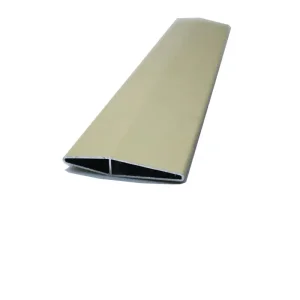
Industrial air conditioners and environmental cooling complexes require complex airflow control components. Our ODM Aluminum extrusion profile for guide vanes in 6063-T5 alloy features a yellow powder coating. This design ensures chemical resistance, consistent airflow, and optimal performance under fluctuating operating temperatures.
Answers to common engineering and procurement questions regarding aluminum extrusions and oval tubing.
Oval profiles offer asymmetric bending resistance, providing a higher section modulus along their major axis. This allows for lighter-weight designs in applications where structural stress occurs in a primary direction. Additionally, oval tubes reduce aerodynamic drag, making them ideal for high-performance automotive and exterior structural applications.
In-house casting allows us to control the chemical composition of the alloy down to minute fractions. By managing parameters like iron and magnesium content, we can optimize mechanical strength, ductility, and finish quality. This control helps prevent common anodizing defects, such as graying or streaks, ensuring a high-quality aesthetic finish.
Using advanced tool design and CNC machining, we maintain standard tolerances within ±0.1mm to ±0.2mm depending on the cross-section size. For specialized high-precision components, we can achieve tighter tolerances through post-extrusion drawing and precise machining.
Our processes comply with global environmental standards, including the EU's REACH regulation. We hold ISO 14001, GRS (Global Recycled Standard), and RCV certifications, verifying our use of clean production methods, waste recycling practices, and sustainable materials.
T5 tempering involves cooling the material directly from the extrusion process and aging it artificially. T6 tempering requires solution heat treating and rapid water quenching, followed by artificial aging. The T6 process yields significantly higher tensile and yield strength, making it the preferred choice for structural, load-bearing applications.
Yes, our in-house mold R&D team can develop prototyping dies to verify profile geometry, mechanical properties, and surface finishes before starting high-volume production. This helps ensure the final product meets your exact design requirements.
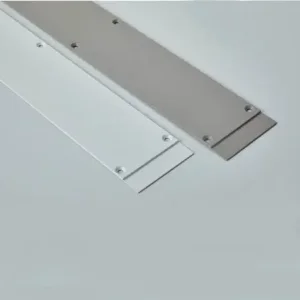
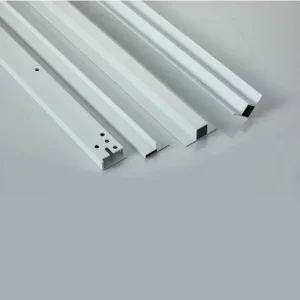
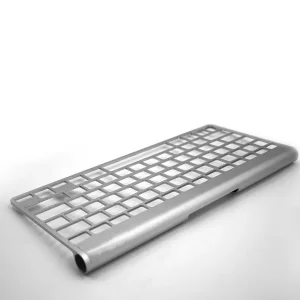
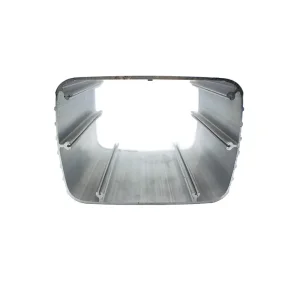
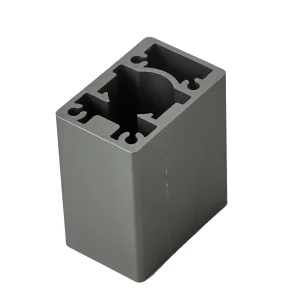
A selection of our custom-machined structural frames, components, and battery housings.
 HG Precision