Explore our high-tolerance telescoping assemblies, structural profiles, CNC-machined enclosures, and custom components.
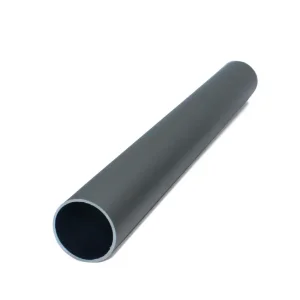
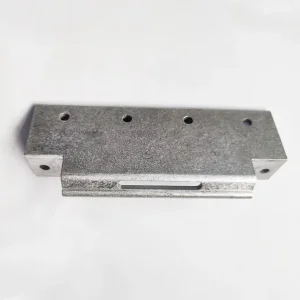
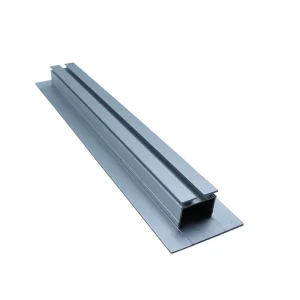
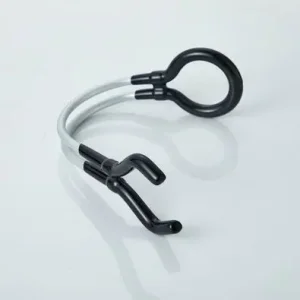
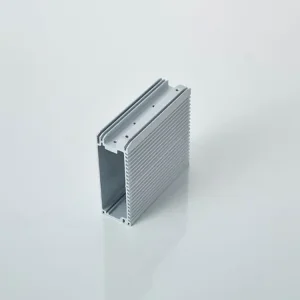
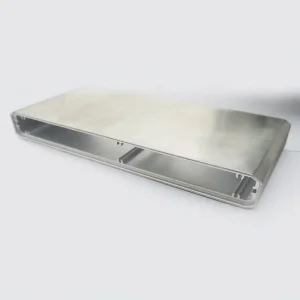
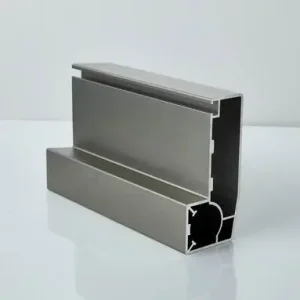
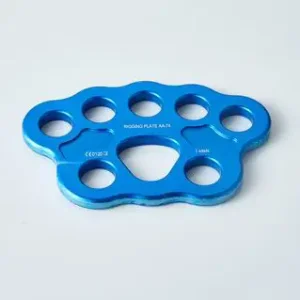
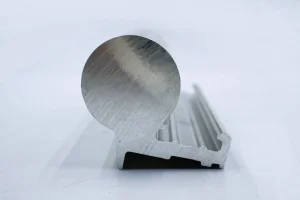
Established in 1991, Foshan Golden Source Precision Manufacturing Co., Ltd has evolved into a premier structural solution provider and strategic ODM/OEM partner. We specialize in high-strength, high-precision, customized aluminum profiles, structural telescoping assemblies, precisely machined CNC parts, structurally sound welded frames, and ready-to-integrate sub-assemblies.
Operating from a state-of-the-art, fully green-accredited manufacturing base spanning more than 73,000 square meters, we provide a vertically integrated "One-Stop" supply chain model. This starts with proprietary metallurgical alloy blending, custom tool/die R&D and construction, to high-pressure precision extrusion, automated multi-axis CNC machining, structural welding, dynamic finishing (sandblasting, chemical etching, mechanical brushing, and architectural anodization), and final structural unit assembly.
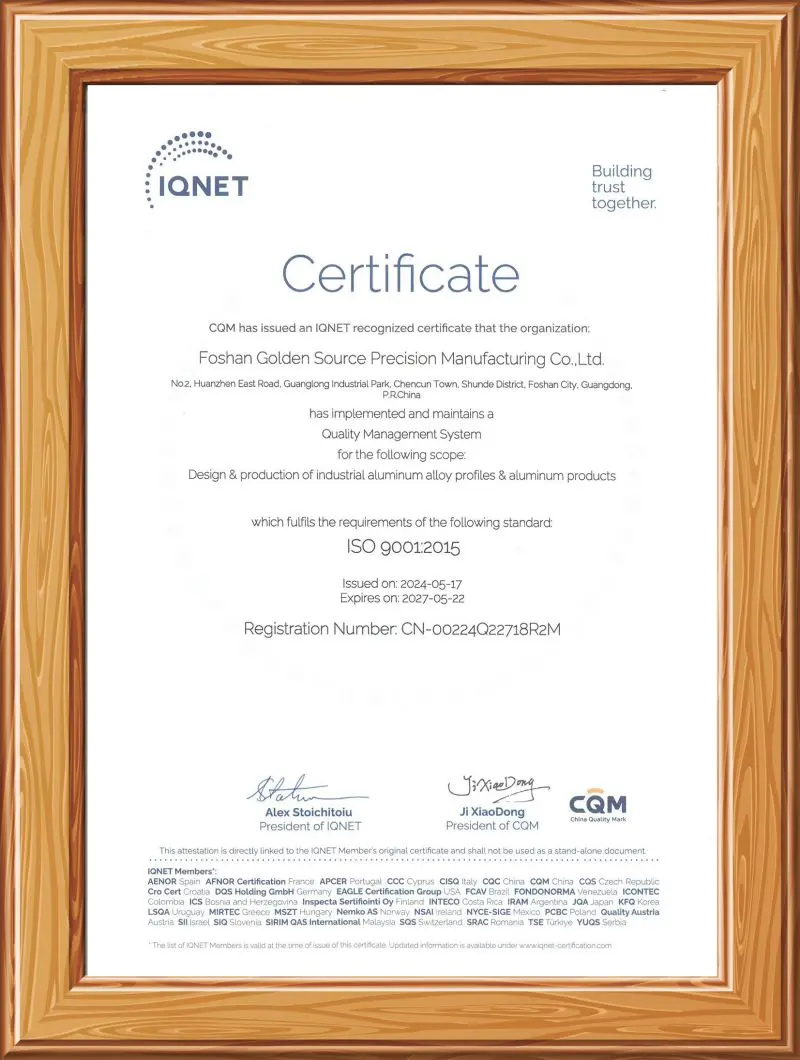
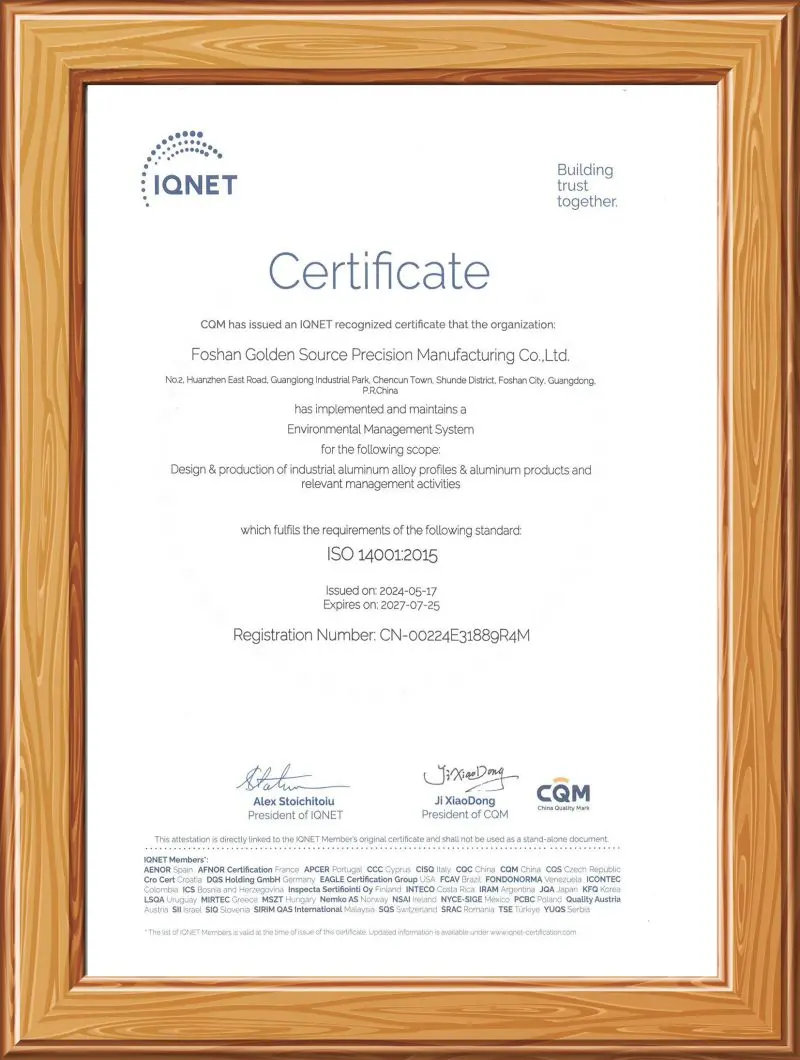
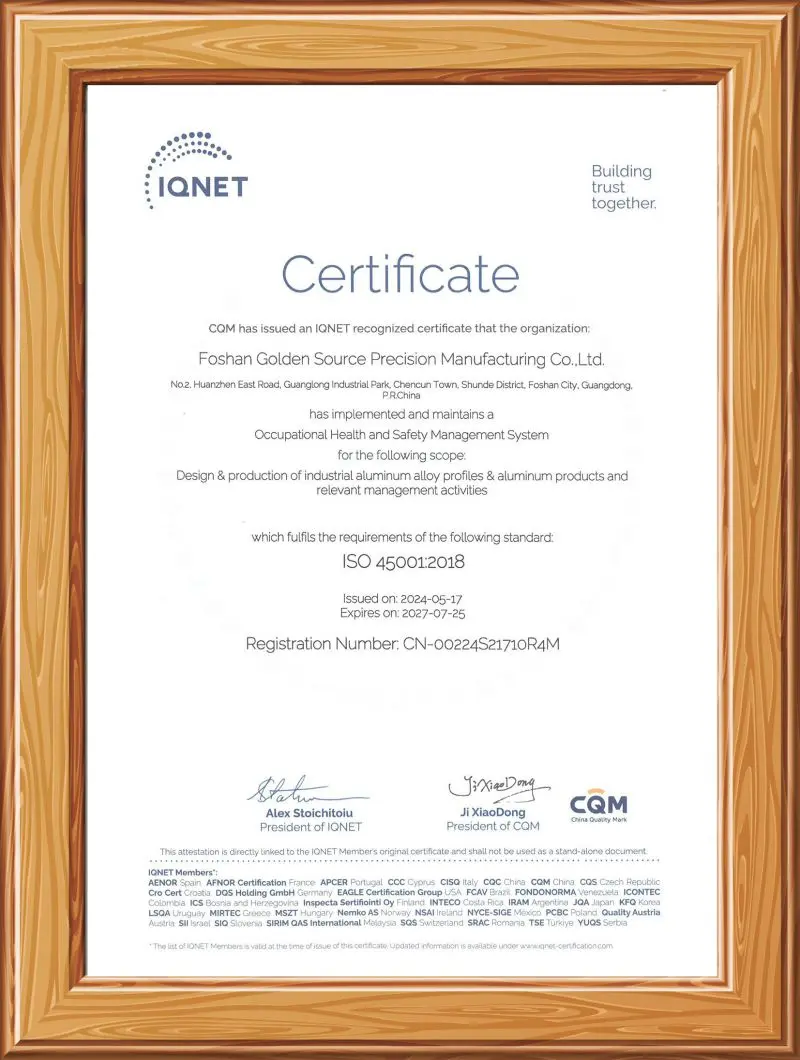
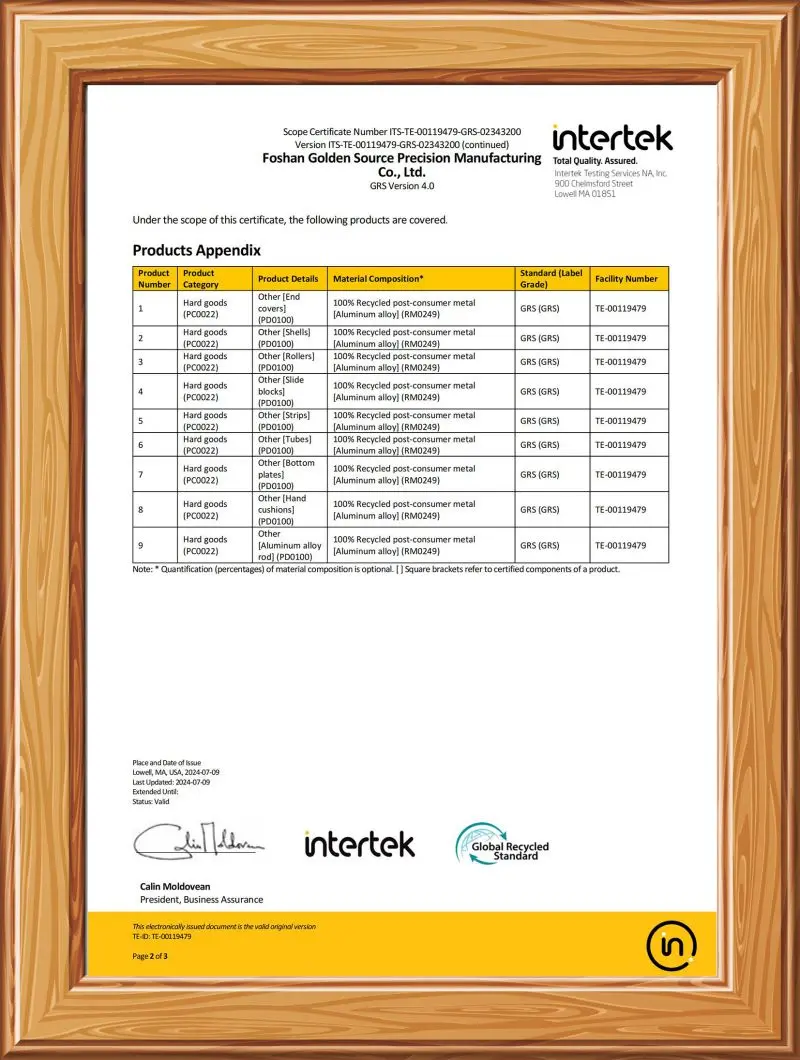
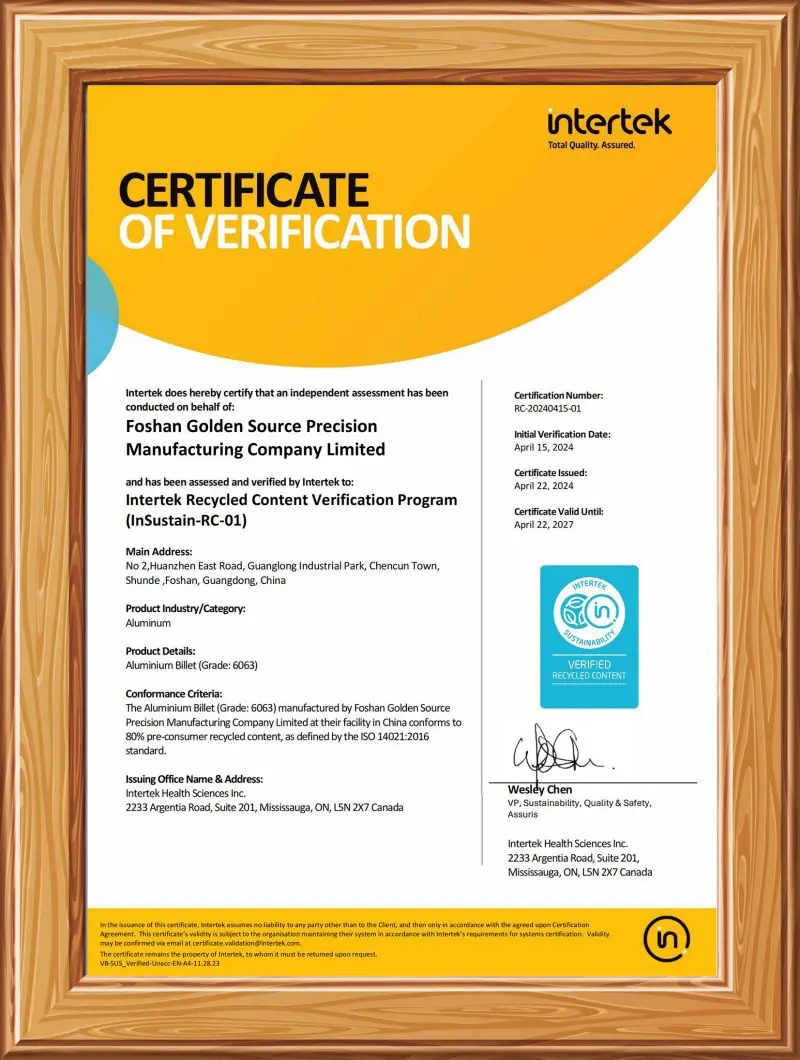
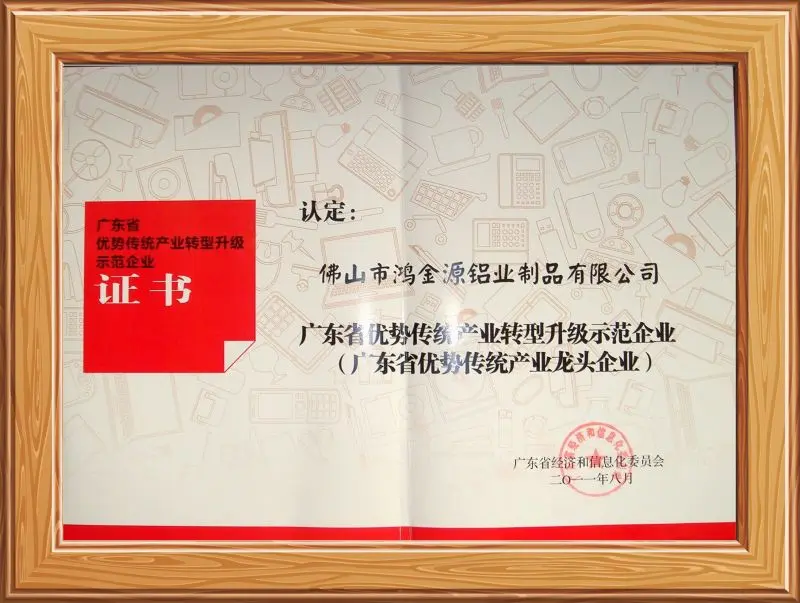
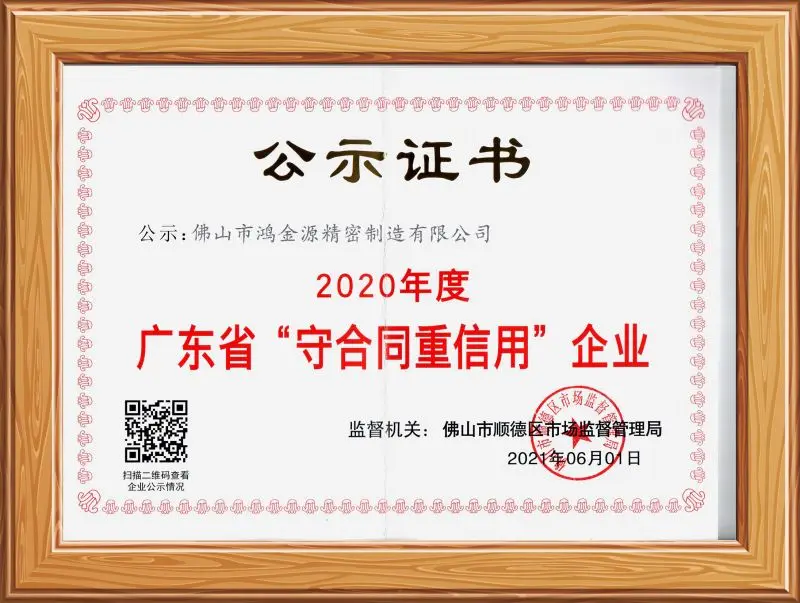
Our operational commitment to global environmental metrics is validated by our certifications, including ISO9001, ISO14001, ISO45001, and advanced EU sustainability compliance certifications like RCV and GRS (Global Recycled Standard). Our materials and chemical baths are fully compliant with EU REACH standards, guaranteeing that international buyers bypass import roadblocks.
Download Engineering Catalogue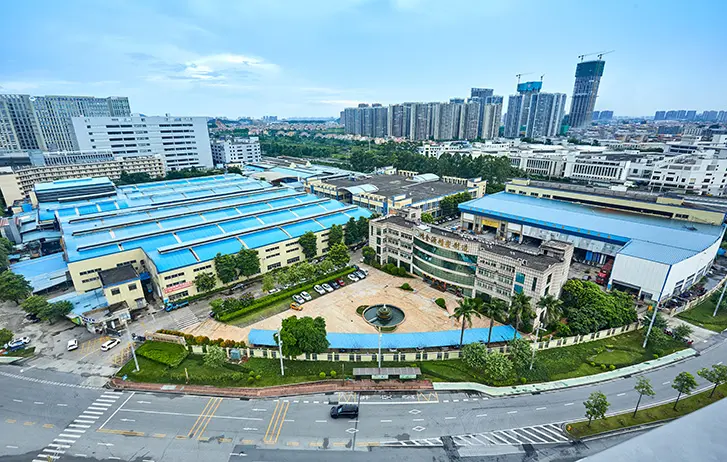
A comprehensive analysis of structural dynamics, tolerance limits, metallurgical variations, and supply chain strategies.
Telescoping aluminum tubing is the foundation of modern structural engineering where weight efficiency, structural rigidity, and variable extension lengths are critical. Designing a functional telescoping assembly requires managing the radial clearance (or slip fit) between the outer diameter (OD) of the inner tube and the inner diameter (ID) of the outer tube. In typical commercial operations, standard extrusion processes result in dimensional variances, eccentricity, and internal bead lines that can cause binding or excessive mechanical play.
At Foshan Golden Source, we resolve these challenges using precision custom extrusion die designs and secondary drawing operations. The slip fit clearance must be calculated relative to the anodized film thickness. A typical anodization process deposits a surface layer of 10 to 25 microns of aluminum oxide. This layer builds up on both internal and external surfaces, effectively reducing the internal clearance of nested tubes by up to four times the nominal film thickness. If this volumetric expansion is not calculated during the initial profile tooling design, the nested components will experience galling (material transfer caused by localized adhesion).
Key Design Metric: To prevent mechanical binding while maintaining structural rigidity under bending moments, engineering drawings should specify a clearance of 0.15mm to 0.25mm for hand-adjusted mechanisms, and 0.08mm to 0.12mm for automated, CNC-controlled linear guides, taking into account the thickness of the anodization layer.
Selecting the correct aluminum alloy determines the performance limits, yield strength, corrosion resistance, and surface finish quality of your telescoping tubes. The table below lists the performance profiles of our primary structural and architectural alloys:
| Alloy & Temper | Yield Strength (MPa) | Tensile Strength (MPa) | Elongation (%) | Primary Application Fields | Anodizing Performance |
|---|---|---|---|---|---|
| 6063-T5 | 145 - 170 | 185 - 220 | 8% - 12% | Telescoping handles, dynamic furniture, display mounts | Excellent (High clarity, sky grey/champagne) |
| 6061-T6 | 240 - 275 | 290 - 310 | 10% - 15% | Heavy-duty structural frames, marine masts, gate hinges | Good (Slightly grey hue) |
| 7075-T6 | 480 - 505 | 540 - 570 | 7% - 11% | Climbing connectors, aerospace components, defense gear | Moderate (Requires specialized hard anodization) |
| 5XXX Series | 90 - 150 | 190 - 260 | 15% - 25% | Marine environments, chemical transport ducting | Good (Corrosion-resistant barrier) |
Procurement professionals face market volatility, logistics disruptions, and shifting carbon regulation policies. Modern supply chain strategy requires working with manufacturers that offer more than basic metal forming. Sourcing high-precision components requires verifying the producer's raw material sourcing, traceability, and compliance with dynamic environmental standards.
Western buyers are increasingly evaluating suppliers based on scope 1, 2, and 3 carbon emissions. Traditional manufacturing plants that rely on outsourced ingot casting and secondary machining frequently experience variations in batch chemistry. This variation affects grain structures, causing structural failures and visual defects after anodizing. Purchasing managers can reduce these risks by choosing vertically integrated manufacturers. Combining alloy casting, custom extrusion, CNC machining, and anodization under a single quality control system prevents product variations and simplifies tracking materials for environmental compliance.
The manufacturing sector in Foshan has transitioned from high-volume production to digitized, high-precision fabrication. Our Facility 4.0 system integrates computerized logistics with real-time process monitoring. Our automated casting lines allow us to adjust alloy formulations in-house. We can refine the chemical composition of aluminum to optimize grain alignment, producing profiles with high structural integrity and clean anodized surfaces.
Our factory combines extrusion lines, multi-axis CNC machining, and automated finishing systems. This layout reduces material handling damage, lowers energy consumption, and shortens manufacturing cycle times. When a design requires precise CNC milling, drilling, and custom anodizing, our integrated setup handles all phases internally. This eliminates the delays and quality disputes that occur when transferring components between multiple subcontractors.
By casting our billets in-house, we control iron, silicon, and magnesium ratios. This results in high structural properties and consistent anodizing across batches.
Our custom extrusion tooling design, combined with post-extrusion precision drawing, keeps concentricity within 0.05mm and wall thickness variances within 0.03mm.
We manage all processes in-house, from billet casting to CNC machining and anodizing. This reduces logistics costs and speeds up delivery times.
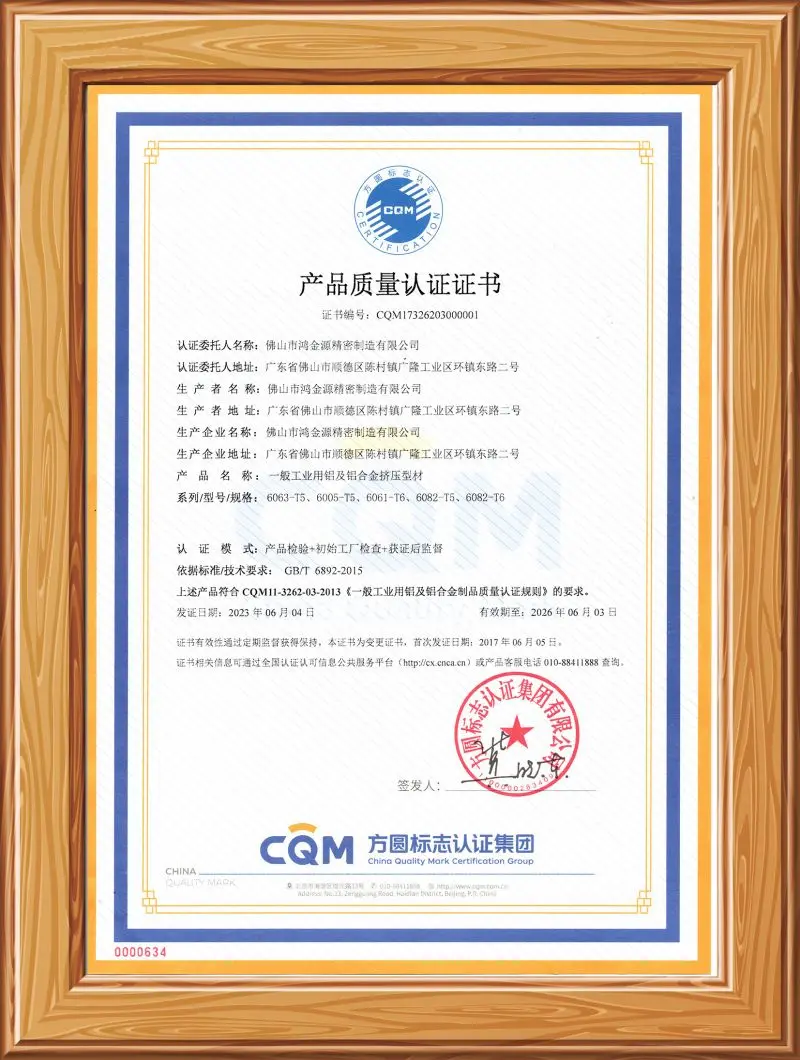
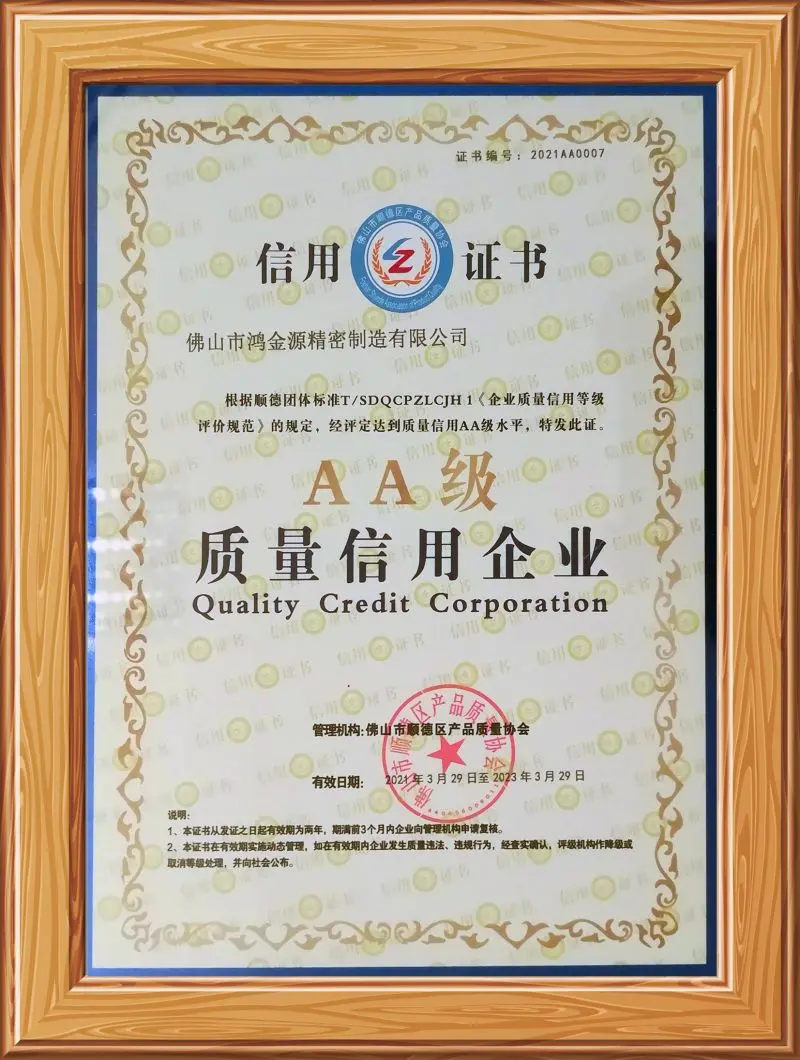
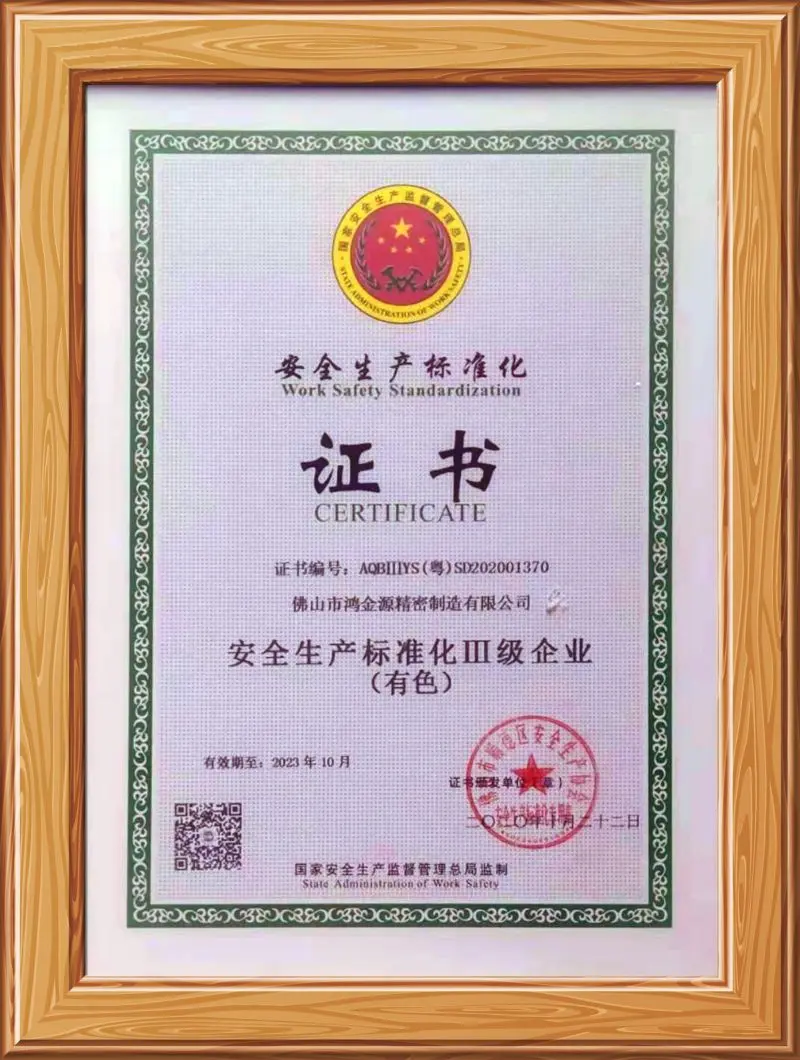
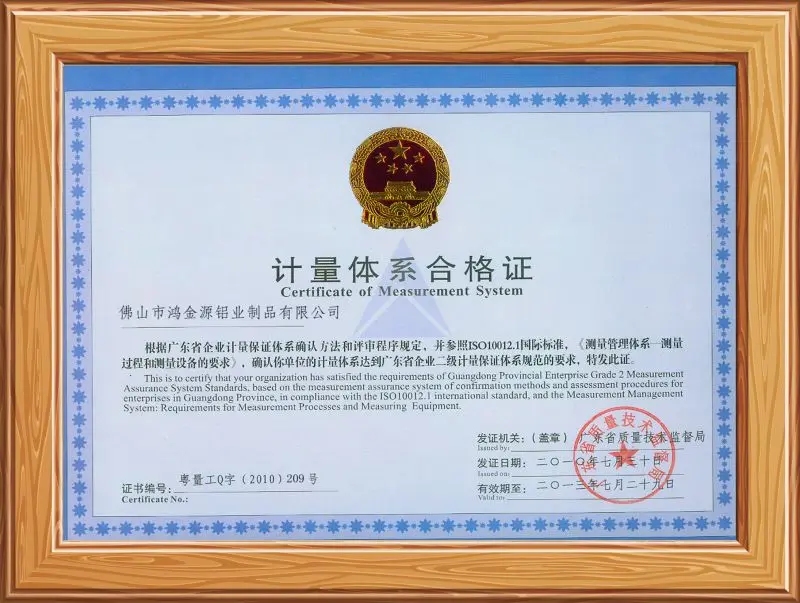
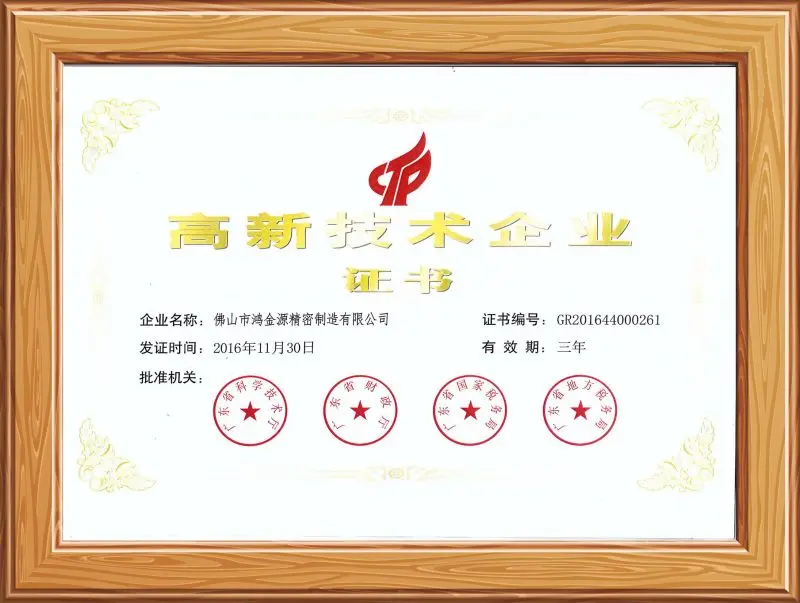
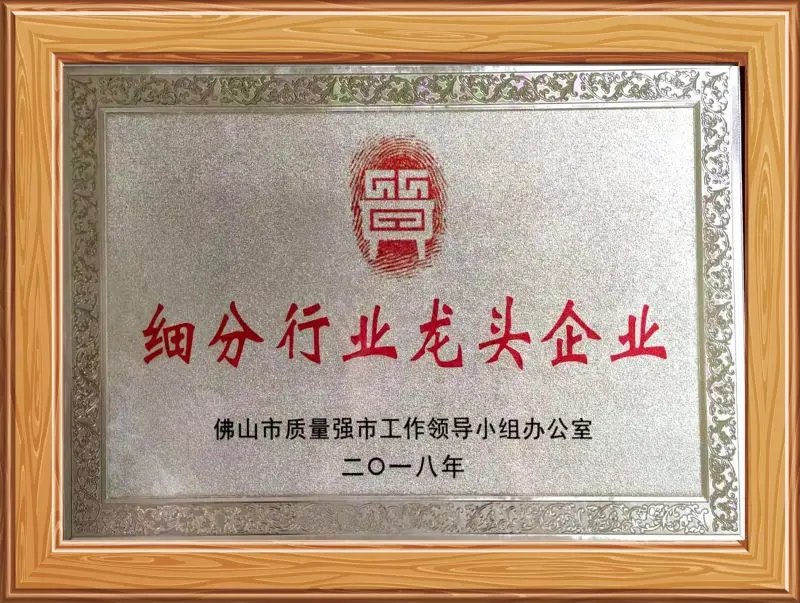
Our quality management systems meet the environmental and performance standards required by global markets.
European Union environmental regulations like REACH demand chemical transparency, and the transition toward circular economies has created a strong market for traceable recycled metals. Foshan Golden Source has completed audits to secure GRS (Global Recycled Standard) and RCV (Recycled Content Verification) certifications.
These certifications verify that our post-industrial and post-consumer recycled aluminum is systematically tracked throughout the smelting process. We combine these sustainability metrics with standard industrial certifications, including ISO9001 (Quality Management), ISO14001 (Environmental Management), and ISO45001 (Occupational Health and Safety). Working with us ensures your components comply with global green purchasing standards and are ready for carbon tax audits.
How our telescoping and custom profiles perform across specialized operating environments.
In commercial structural systems, such as automated skylights and retractable roof structures, components require high corrosion resistance and high yield strength. Our structural assemblies use customized 6061-T6 and 6063-T5 alloys to support wind load requirements. Automated machining guarantees precise hinge positioning, which helps prevent structural fatigue during long-term outdoor operation.
For indoor architectural applications, surface aesthetics are critical. We use sandblasted, chemically polished, and color-anodized profiles (such as sky grey and champagne) to ensure cabinets, partitions, and telescoping ceiling track mounts match modern aesthetic requirements.
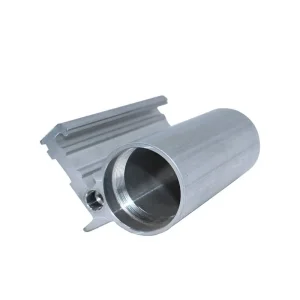
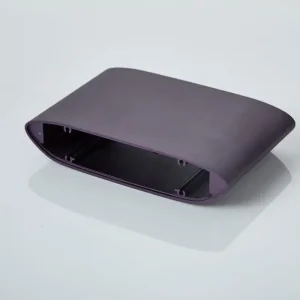
Automotive acoustic systems, noise cancellation enclosures, and consumer electronics casings require precise dimensional accuracy and high thermal conductivity. Our custom CNC-machined enclosures and heat sinks are built to maintain precise mechanical clearances.
For dynamic load applications like material handling telescoping poles, safety railings, and climbing gear, we use 7075 and 6061-T6 alloys. These materials undergo heat treatment and ultrasonic structural tests to ensure they withstand mechanical stress under loaded conditions.
Find answers to common questions about tolerance limits, material selection, surface treatments, and sourcing dynamics.
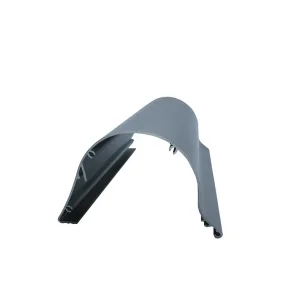
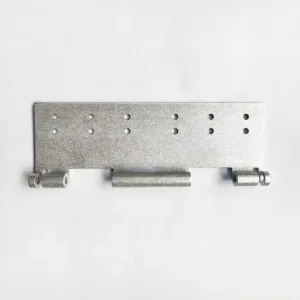
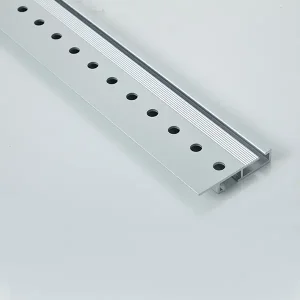
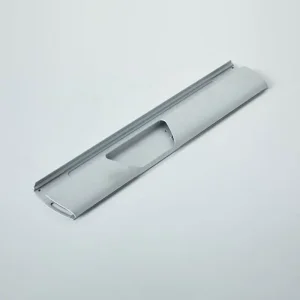
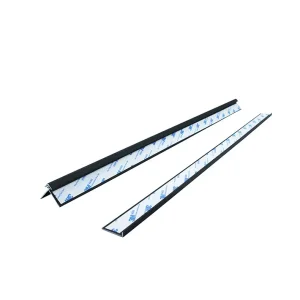
Browse our complete catalog of industrial housings, high-strength hinges, floor transitions, and specialty measuring tools.
 HG Precision