Explore our first selection of custom-machined structural and decorative extrusions, built for high performance and strict aesthetic compliance.
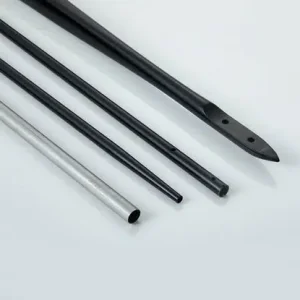
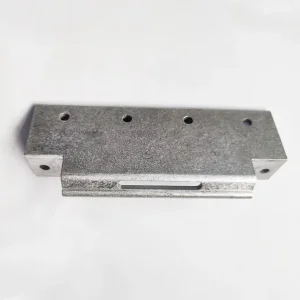
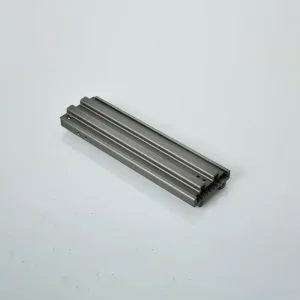
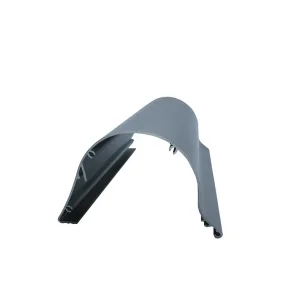
Established in 1991, Foshan Golden Source Precision Manufacturing Co., Ltd. has spent over three decades establishing itself as a premier global partner in high-strength, high-precision custom aluminum extrusions and structural fabrication. Operating from an expansive, ecologically advanced 73,000-square-meter facility, we provide a seamless "one-stop" manufacturing workflow. This ranges from raw alloy casting and proprietary mold engineering to precision CNC machining, robotic welding, final assembly, and highly specialized surface finishing.
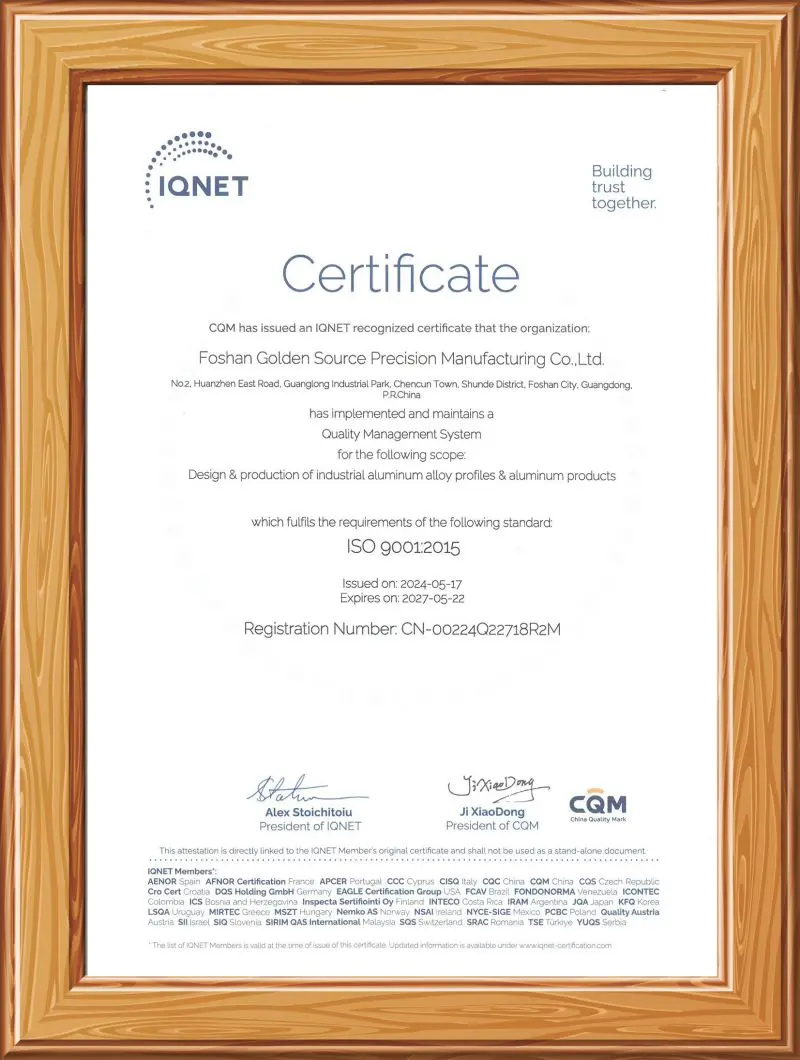
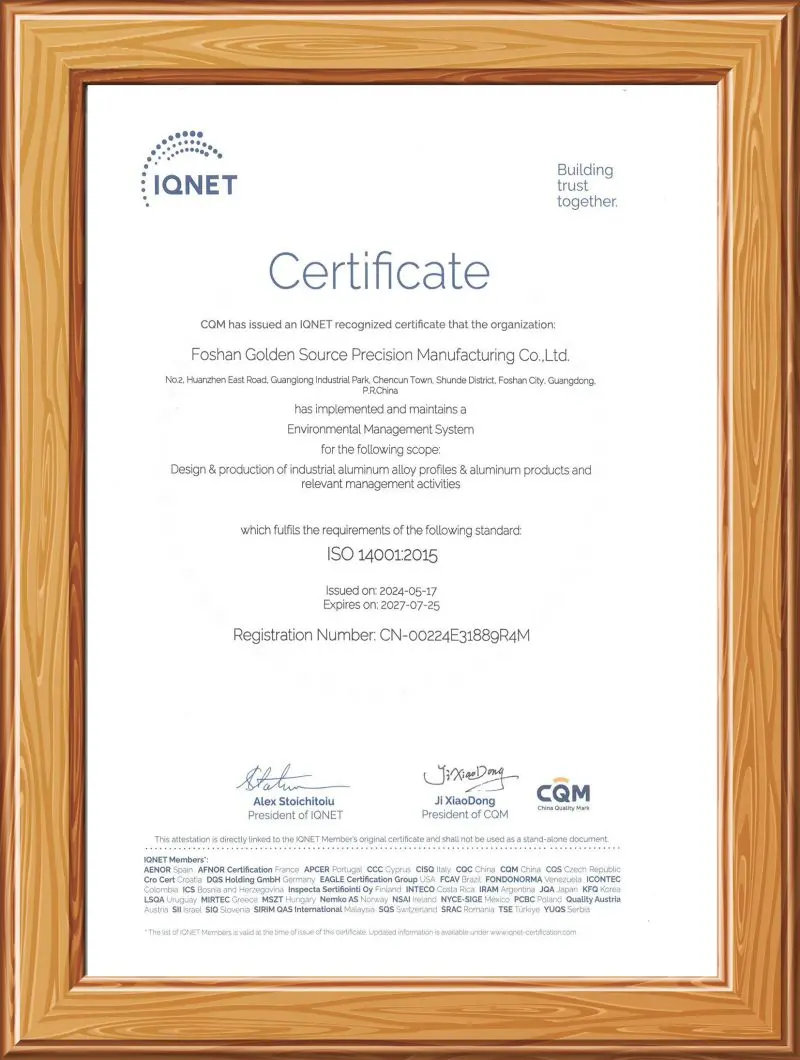
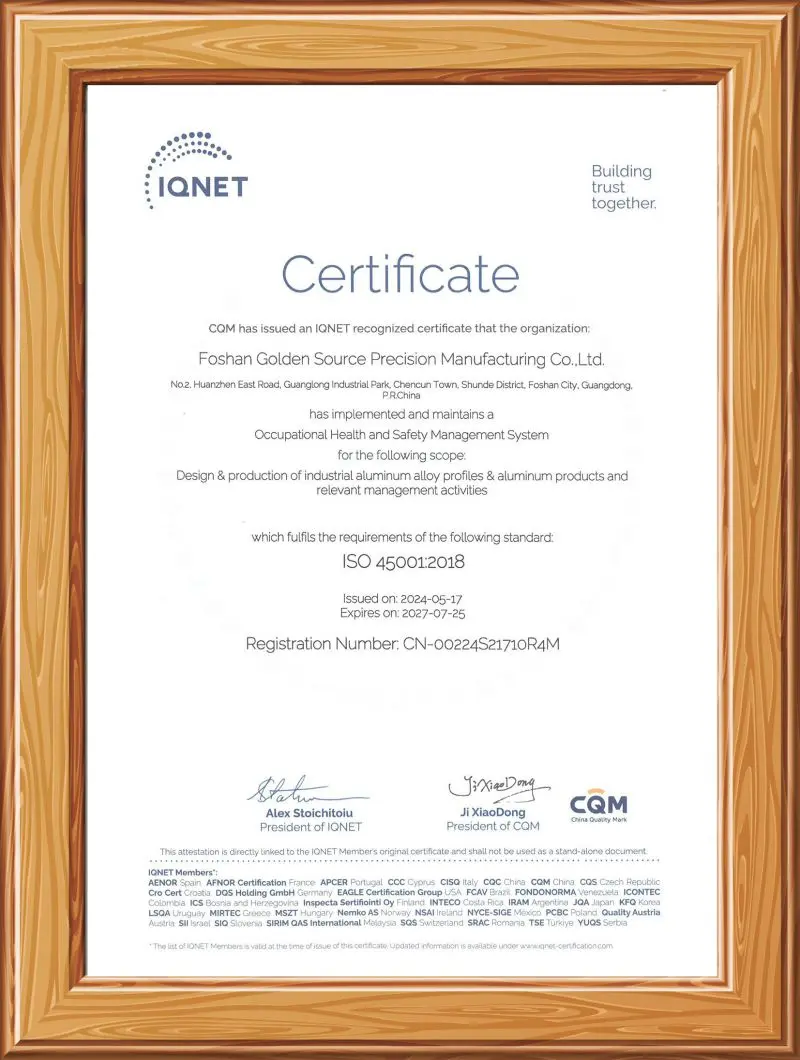
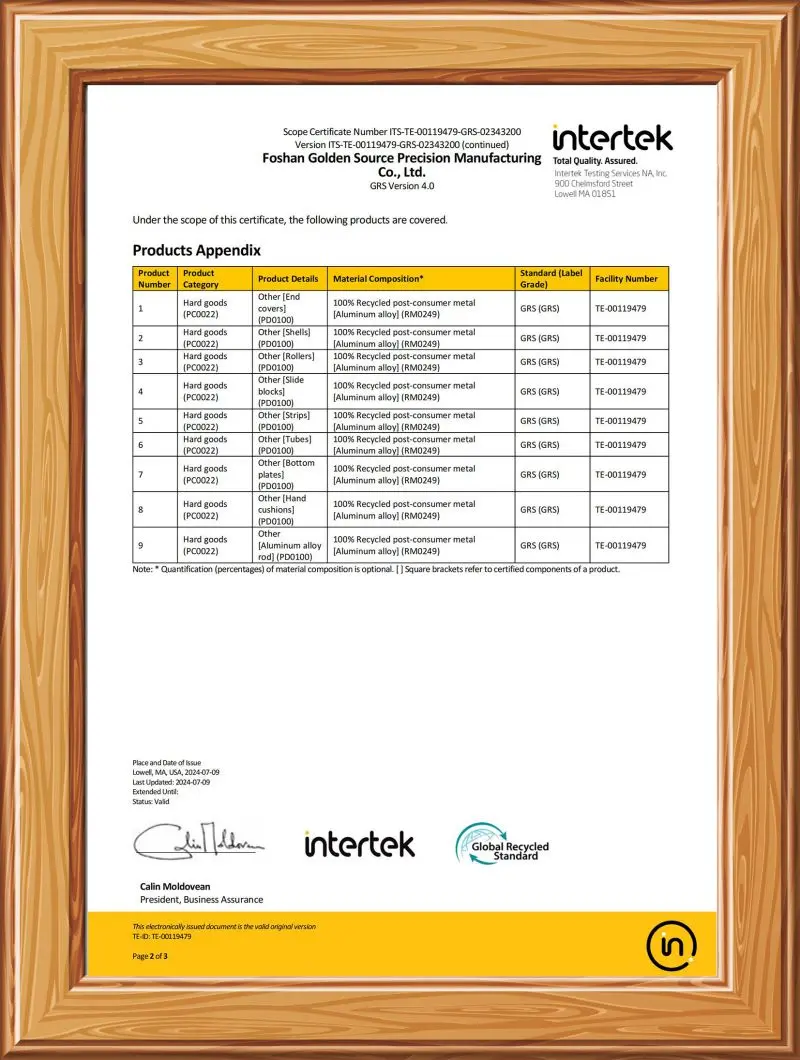
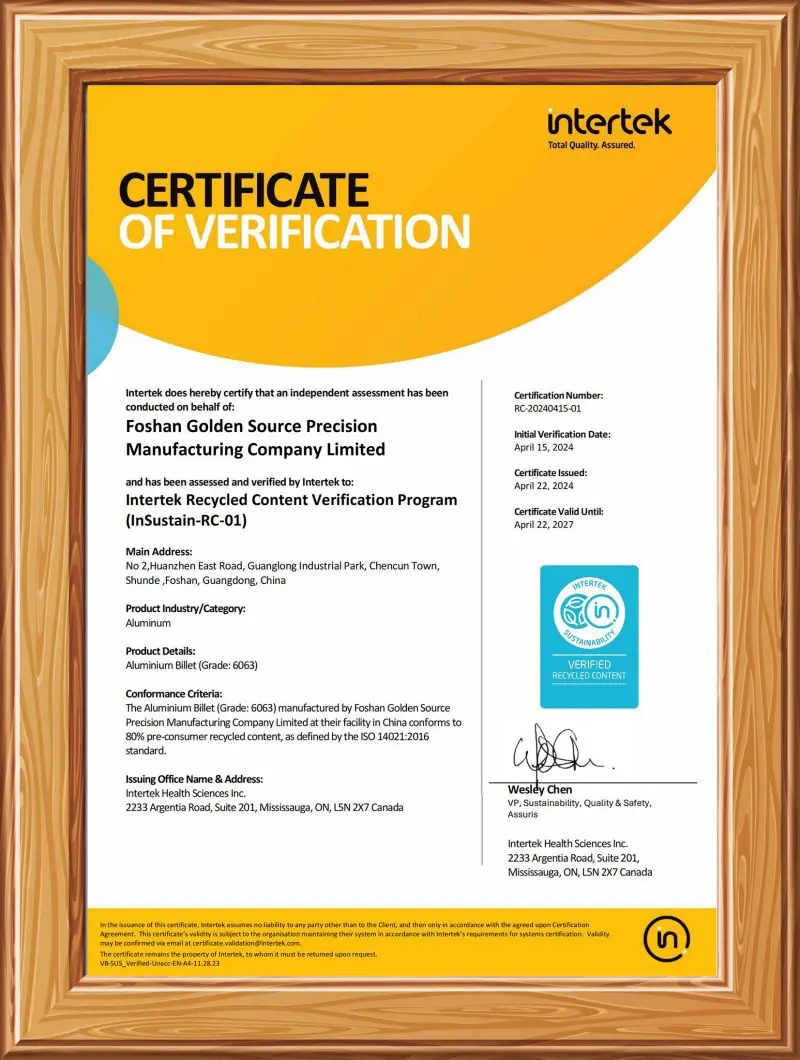
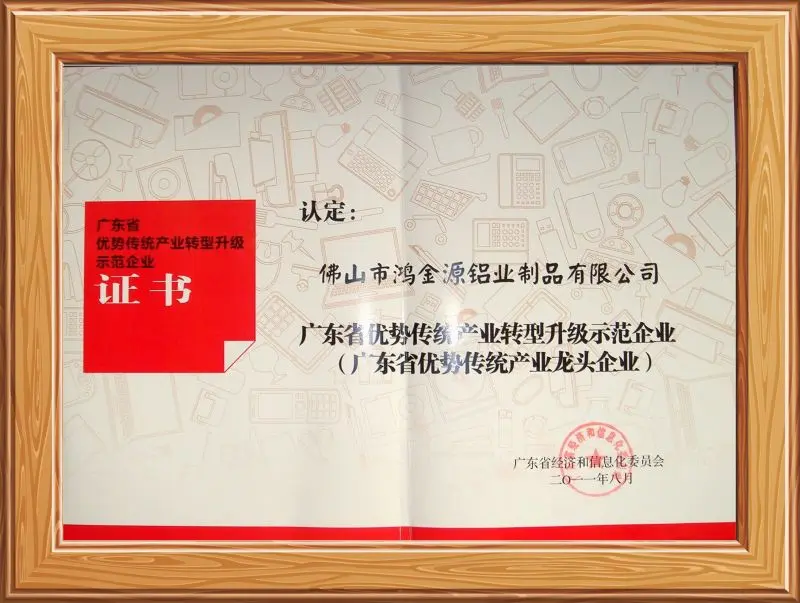
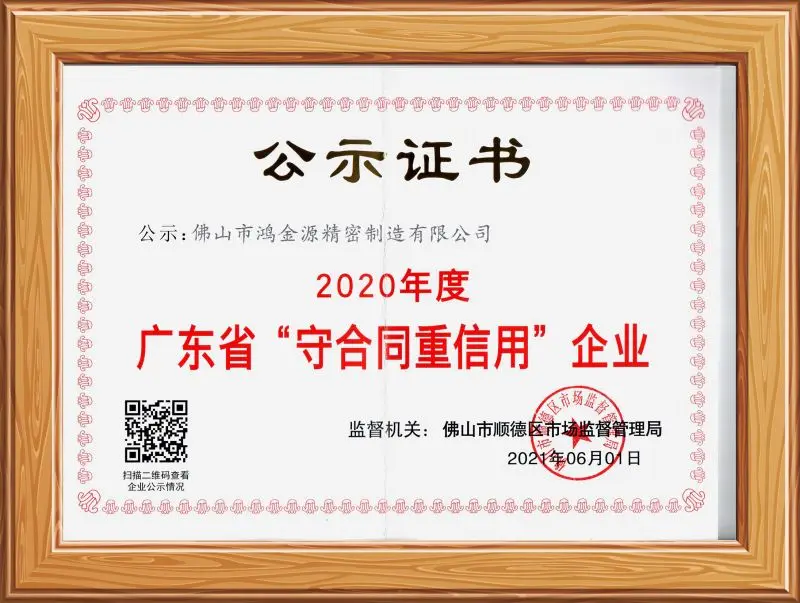
Our facility is designed around circular manufacturing and strict quality metrics, holding ISO9001 (Quality Management), ISO14001 (Environmental Stewardship), and ISO45001 (Occupational Health & Safety) certifications. Meeting the requirements of international export mandates, our processes are certified under RCV and the Global Recycled Standard (GRS), assuring full compliance with the European Union’s REACH and RoHS environmental standards. We melt, refine, and extrude from a vast catalog of alloy systems—spanning 1XXX, 3XXX, 5XXX, 6XXX, and 7XXX series—to meet the requirements of hardware tooling, consumer electronics (3C), automotive structures, light rail, designer furniture, architectural facades, and rugged outdoor equipment.
Download Company Catalogue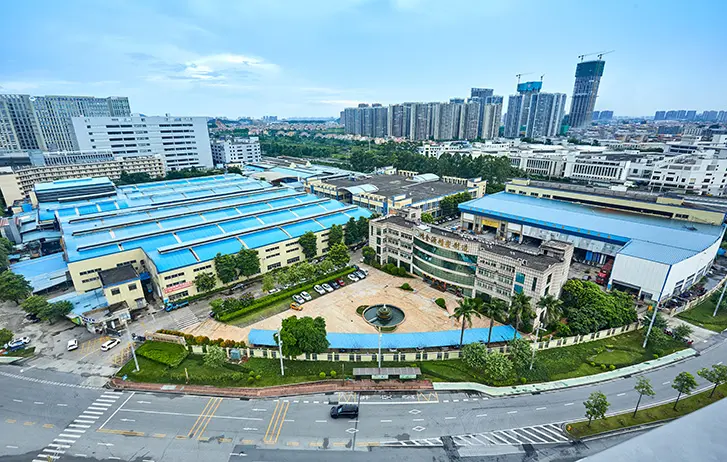
Our vertically integrated operations eliminate third-party margins, secure material purity, and guarantee rapid delivery cycles.
We cast our alloys in-house, enabling precise adjustment of magnesium, silicon, and trace elements to optimize structural response and yield highly responsive surface finishes during chemical or mechanical polishing.
By conducting CNC machining and multi-stage polishing/anodizing within our own facility, we control geometric tolerances and surface consistency, ensuring high quality while reducing unit production costs.
Our consolidated manufacturing flow—from die design to finished, packaged profiles—minimizes internal material handling and shortens transit times, allowing us to respond quickly to global supply demands.
High-spec profile polishing requires a combination of mechanical surface correction and controlled electrochemical refinement.
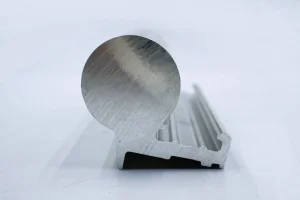
Polished aluminum profiles are selected for applications demanding mirror-like clarity, high reflectivity, or low friction. The process begins with mechanical pre-buffing, utilizing progressive grit wheels to remove die lines and thermal extrusion defects. However, mechanical buffing alone can leave micro-abrasions, which scatter light and reduce overall gloss.
To achieve a true specular finish, profiles undergo chemical or electrochemical polishing. In chemical polishing (often using a concentrated phosphoric-nitric acid bath), the microscopic peaks on the aluminum surface are preferentially dissolved faster than the valleys. This micro-level leveling smooths the surface profile, reducing the average roughness (Ra) down to less than 0.1 microns.
How industries leverage polished and machined aluminum profiles for critical structural and visual applications.
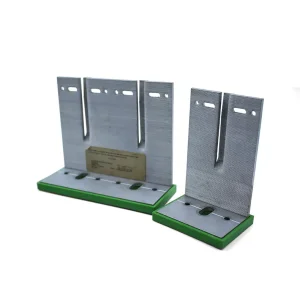
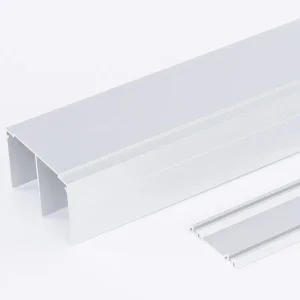
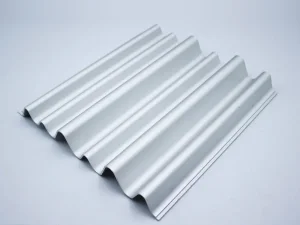
For custom structural applications like curtain wall systems with plastic boots, polished and anodized aluminum offers high corrosion resistance and structural strength (e.g., 6063-T6 or 6061-T6 alloys). The polished surface prevents dirt adhesion, maintaining facade aesthetics with minimal maintenance.
Aluminum battery cases for electric vehicles and heavy-duty roof rack supports require precise geometric tolerances and durability. We supply machined extrusions that resist mechanical fatigue, impact, and chemical exposure, ensuring battery pack longevity and safety.
From custom wardrobe door systems to clear-anodized furniture pulls, polished profiles provide a premium aesthetic finish. In-house control over alloy composition allows us to eliminate surface variations, providing a consistent look across production batches.
Every application has specific engineering demands. By adjusting alloy constituents in our casting facility, we tailor mechanical properties like tensile strength, elongation, and surface response. We process alloys ranging from structural 6061 and 6063 to high-strength 7075, delivering profiles configured to your precise application requirements.
Precise control of iron, silicon, and magnesium levels to minimize intermetallic compounds. This ensures a uniform microstructure, avoiding surface defects during polishing and chemical brightening.
Utilizing high-strength tooling dies and optimized extrusion temperature profiles to prevent die lines and surface tearing. This reduces the mechanical polishing time required to achieve target gloss levels.
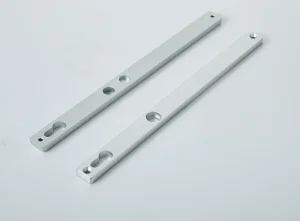
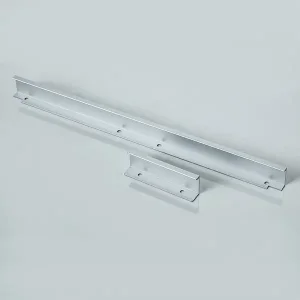
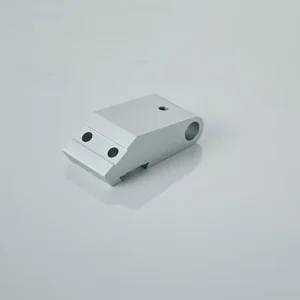
Advanced 3-axis, 4-axis, and 5-axis CNC machining, including milling, tapping, countersinking, and double-head cutting. This ensures geometric tolerances conform to international engineering standards.
Progressive buffing followed by chemical or electrochemical polishing to achieve a high-reflectivity surface. The profile is then anodized to form a protective oxide layer that resists wear, corrosion, and UV exposure.
Our integrated manufacturing hub in Foshan ensures reliable lead times, material traceability, and cost control for global supply contracts.
Foshan is a globally recognized hub for aluminum processing, providing access to raw materials, experienced tooling design, and specialized services. This concentrated ecosystem allows us to secure alloy ingots, design dies quickly, and scale production rapidly.
By integrating casting, extrusion, CNC fabrication, and surface treatments on a single site, we reduce transport delays and intermediate handling damage. Our single-site control provides full traceability from raw ingot to finished component, supporting quality audits and compliance validation.
Our specialized mold workshop designs and tests complex multi-cavity dies using 3D simulation, ensuring dimensional accuracy and surface quality from the first production run.
Certified under the Global Recycled Standard (GRS), we recover and re-alloy production scrap. This minimizes carbon intensity and helps our customers meet their environmental targets.
To protect polished finishes during international shipping, we wrap profiles individually in protective PE film, pack them in heavy-duty cardboard boxes, and secure them on reinforced wooden crates.
Understanding the cost components of polished extrusions and custom-machined aluminum profiles.
To provide pricing transparency for global procurement teams, we structure our quotes based on market-linked indexes, processing fees, surface treatment parameters, and logistics requirements. By breaking down costs, we help project managers plan budgets and optimize design choices.
| Alloy Grade & Design Group | Typical Surface Finish | Primary Processing Steps | Estimated Base Price Range (USD/Ton) | Key Price Drivers |
|---|---|---|---|---|
| 6063-T5 / T6 | Mechanical Satin / Clear Anodize | Extrusion, basic cutting, acid etch, anodizing | $2,900 - $3,400 | Ingot cost, wall thickness complexity, anodizing depth |
| 6063-T5 / T6 | High Gloss Mirror Polished / Chemical Brightened | Multi-stage buffing, chemical polish, sealing | $3,500 - $4,200 | Manual labor time, chemical bath quality, scrap rates |
| 6061-T6 | High-End Bronze / Color Anodizing | Extrusion, precision CNC, coloring, sealing | $3,300 - $3,900 | Color consistency, CNC cycle times, tight tolerances |
| 7075-T6 | High-Strength Anodized | High-pressure extrusion, heat treatment, anodize | $4,500 - $5,400 | Raw material cost, low extrusion speed, tool wear |
| Custom Fab / Assembled | Polished / Sandblasted / Powder Coated | CNC milling, drilling, sub-assembly, coating | Project Quote Basis | Assembly labor, tolerance requirements, packaging specs |
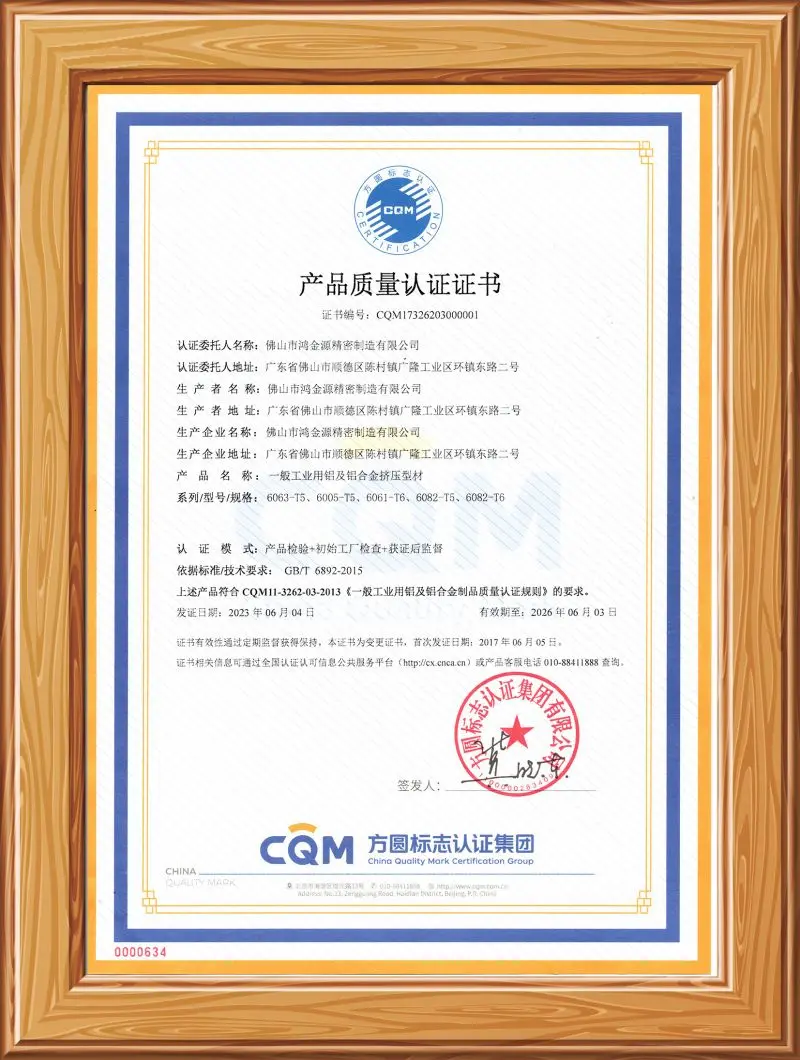
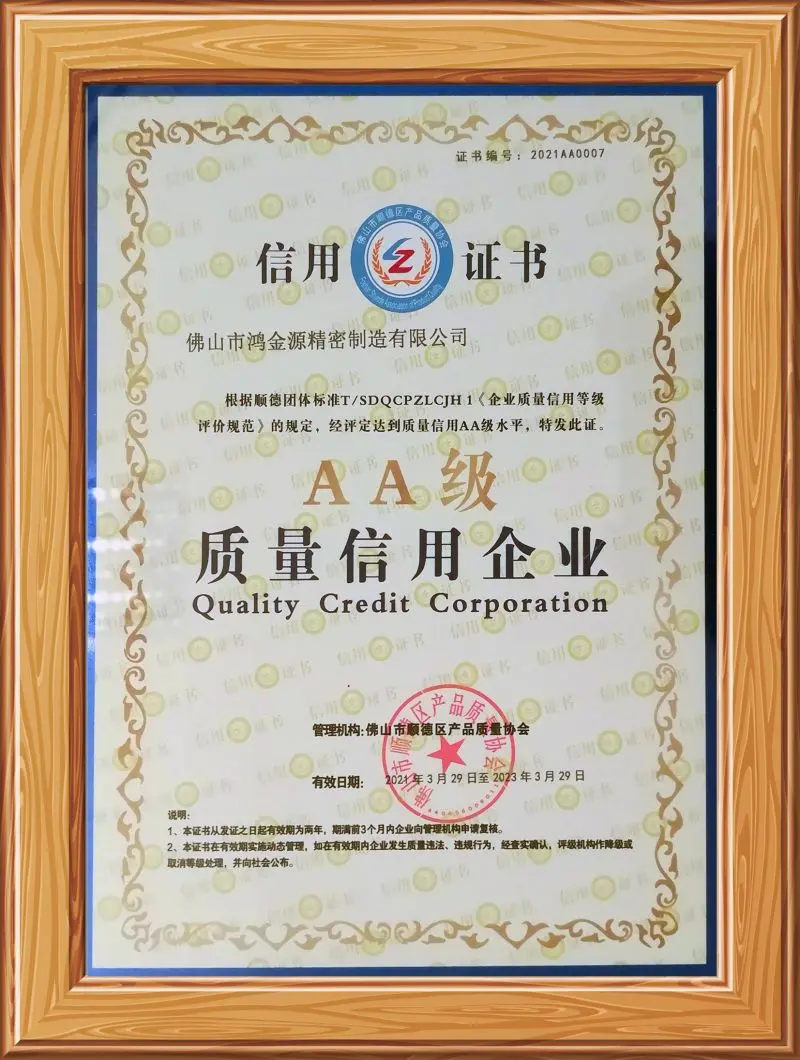
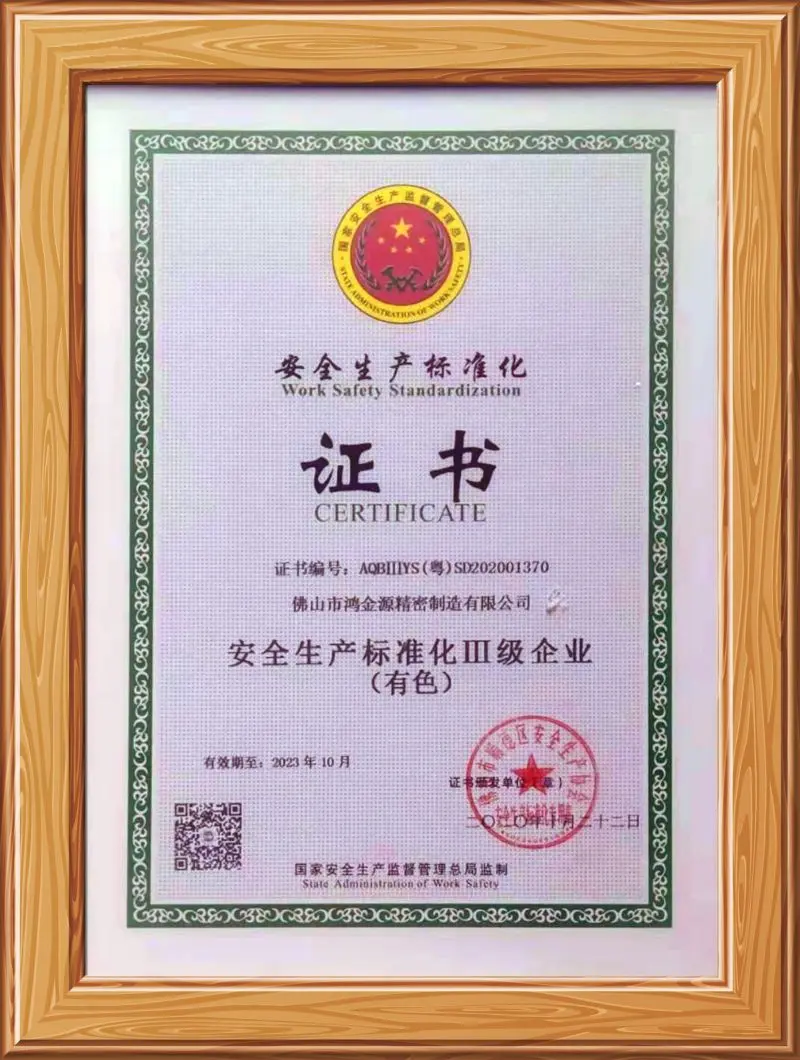
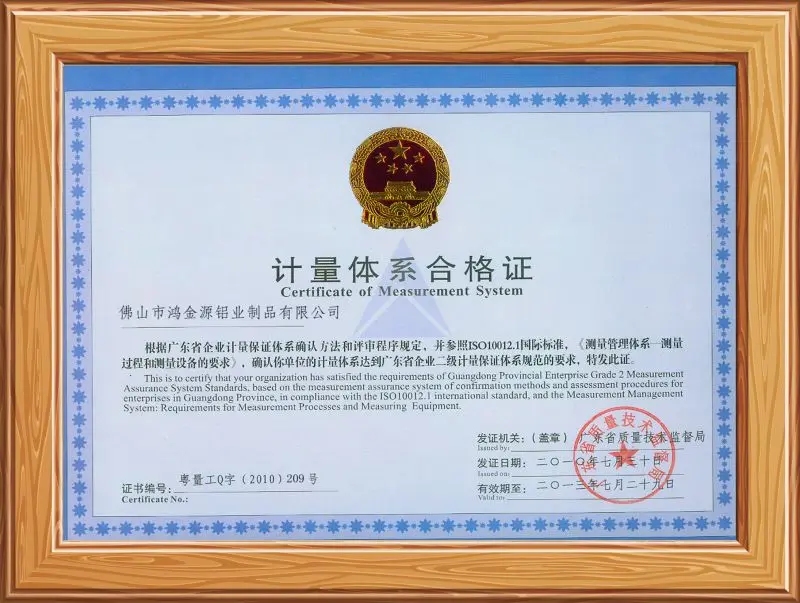
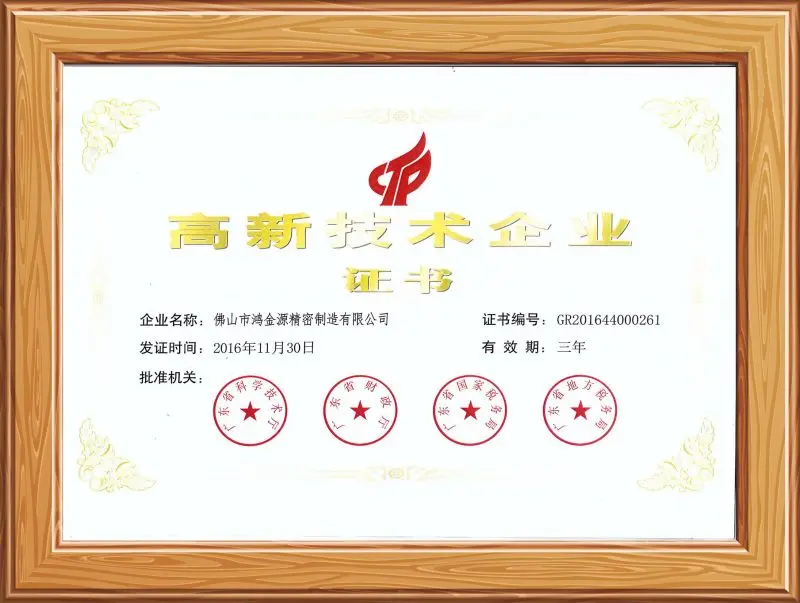
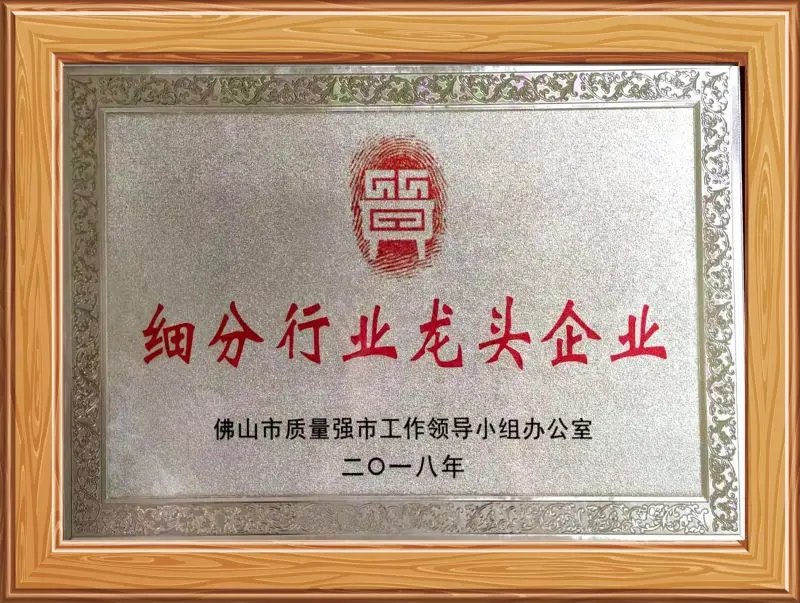
Our production quality is supported by internationally recognized certifications and industry standards.
Our facility operates under a structured quality management system. Holding ISO9001, ISO14001, and ISO45001 certifications, we prioritize operational safety and environmental responsibility. To meet global regulatory requirements, we maintain GRS (Global Recycled Standard) and RCV certifications, ensuring transparency in our recycled material streams and helping customers meet green procurement goals.
Answers to common questions regarding specifications, surface treatments, lead times, and shipping terms.
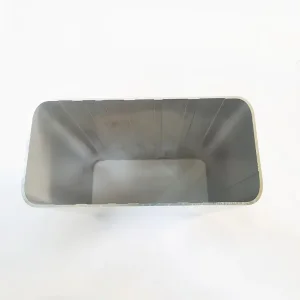
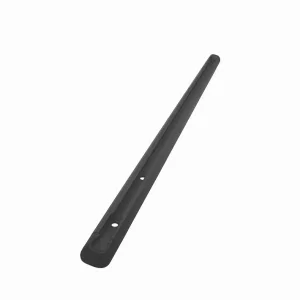
Explore more of our custom-machined products, including CNC components, assembly systems, and specialized hardware profiles.
 HG Precision