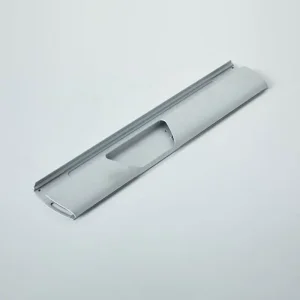
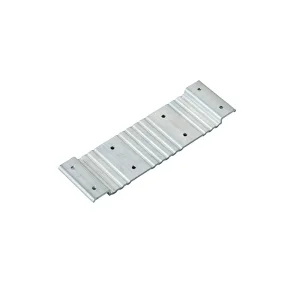
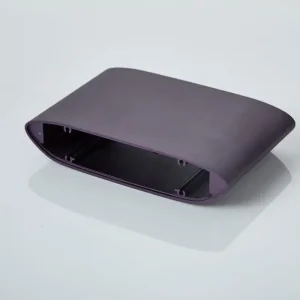
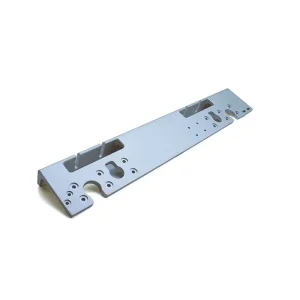
Engineered to exact tolerances and optimized with state-of-the-art electrochemical anodization
In modern industrial design and global supply chains, components must deliver a challenging combination of lightweight structure, high mechanical strength, corrosion resistance, and premium aesthetics. As a leading ODM Anodized Aluminum Parts Manufacturer, we bridges the gap between raw metallurgical science and precision end-user application.
Established in 1991, Foshan Golden Source Precision Manufacturing Co., Ltd operates a modern, eco-friendly manufacturing base covering over 73,000 square meters. We provide an integrated, one-stop pipeline encompassing alloy casting, mold R&D, aluminum extrusion, precision CNC machining, structural welding, assembly, and advanced electrochemical surface treatments.
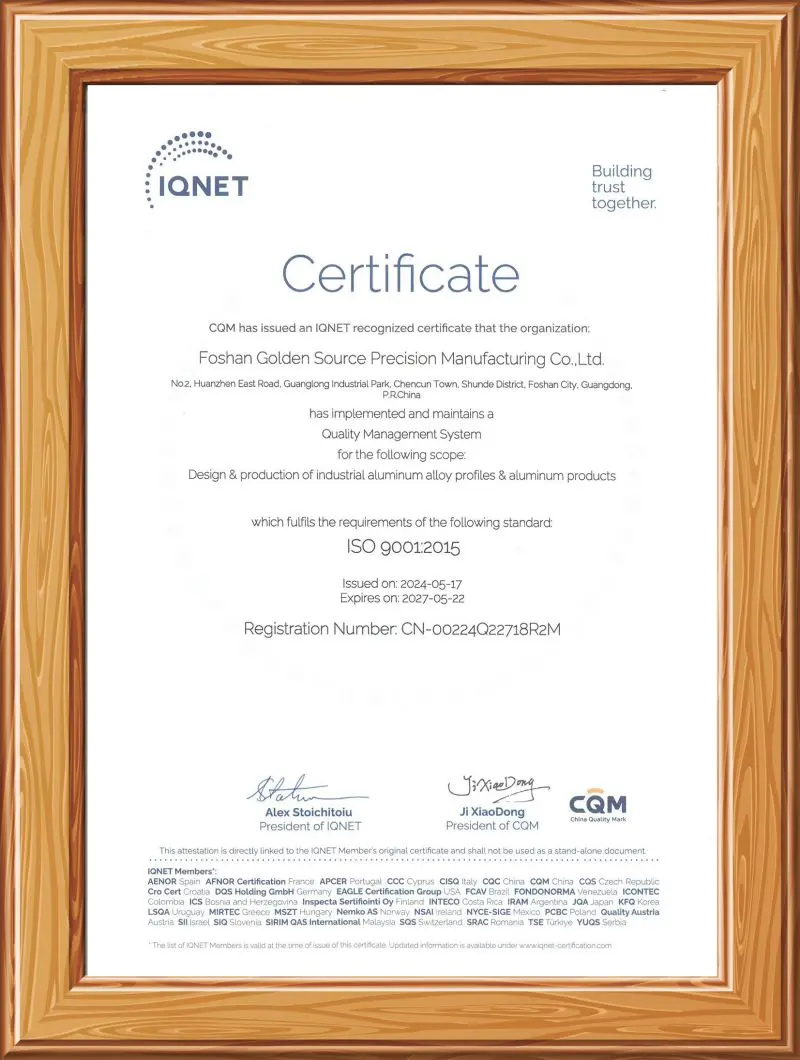
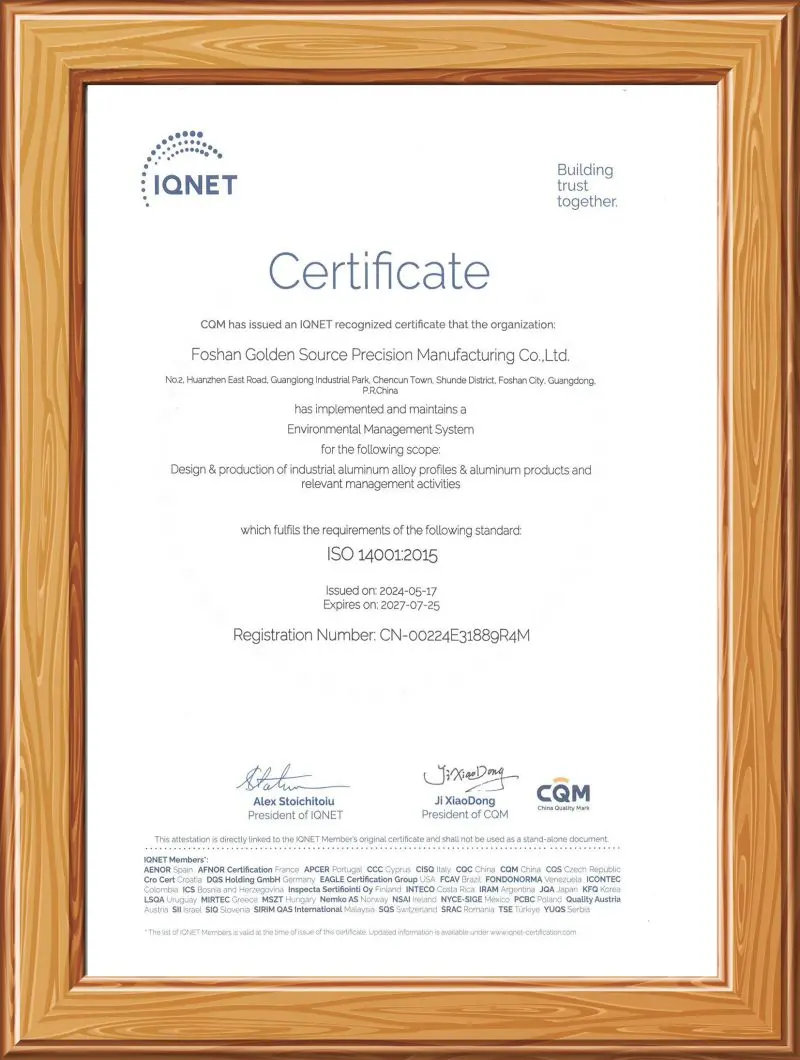
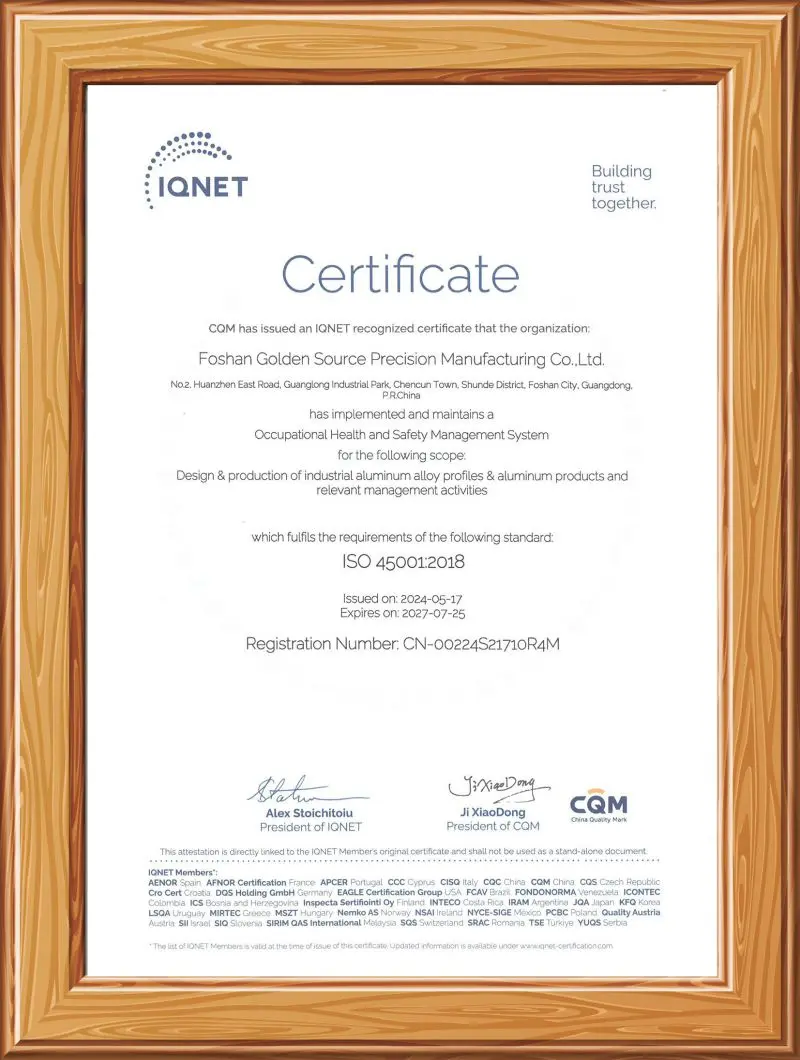
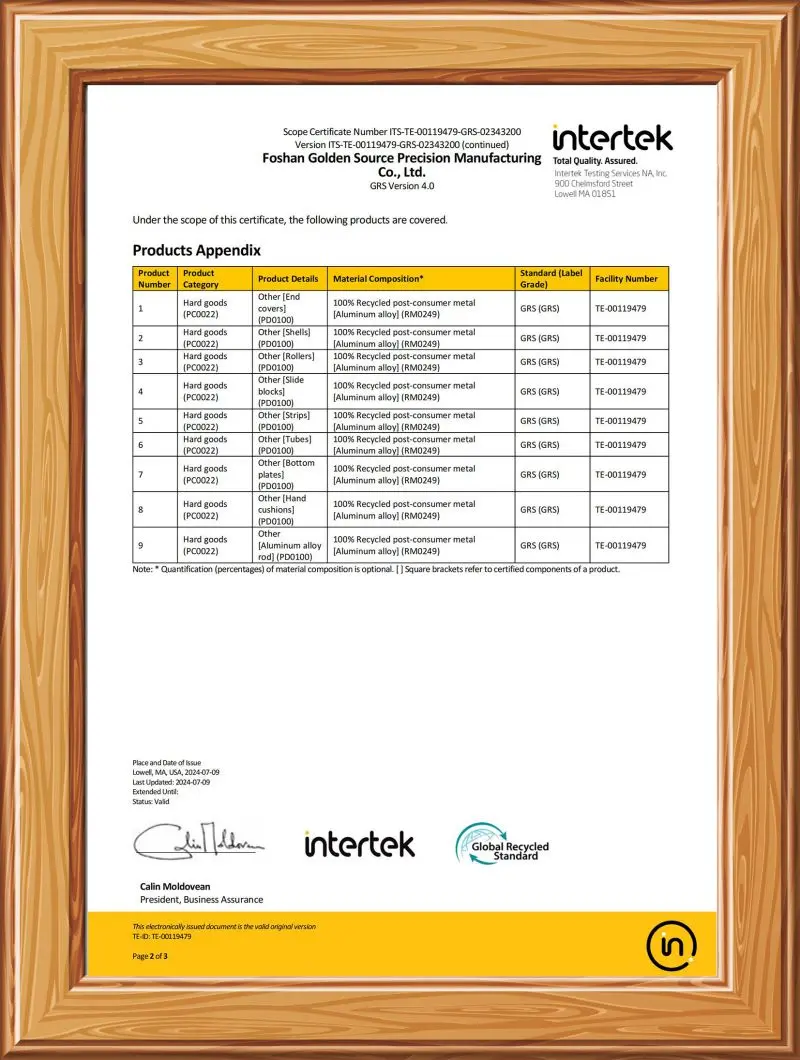
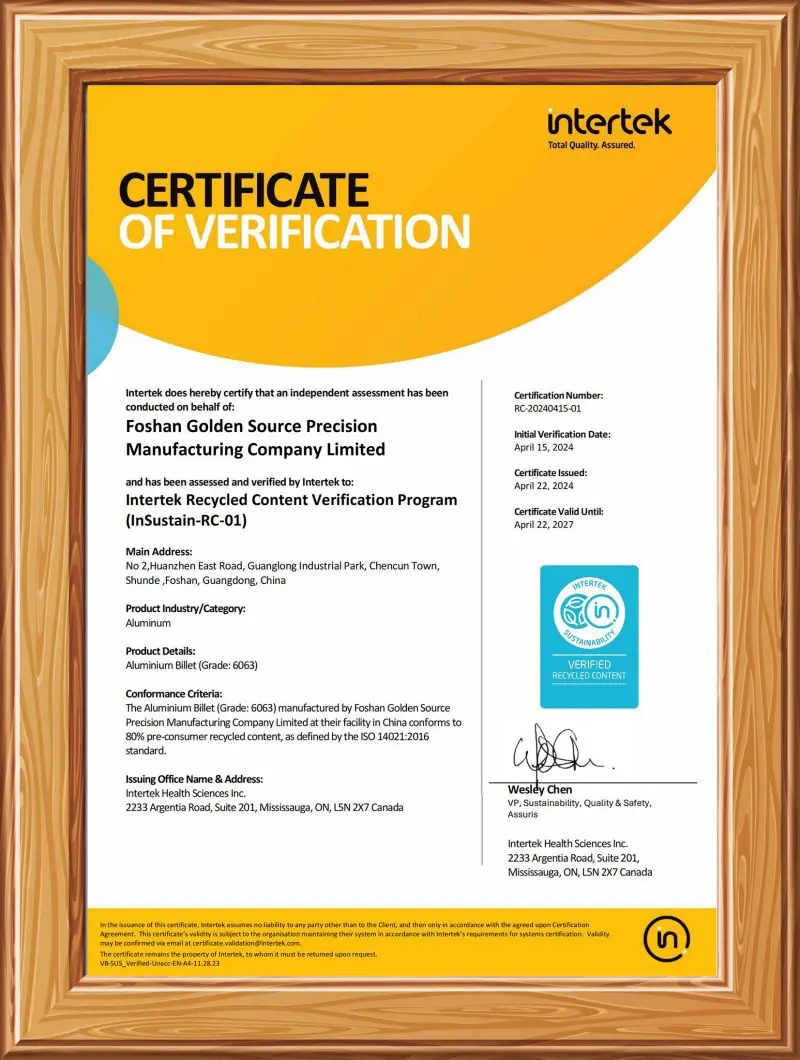
Our material capabilities span from 1XXX to 7XXX alloy series (specifically specializing in high-performance grades like 6063-T5, 6063-T6, and 6061-T6), satisfying strict regulatory standards and engineering specifications worldwide. Our systems are certified under ISO 9001, ISO 14001, ISO 45001, RCV, and GRS (Global Recycled Standard), complying fully with EU REACH and RoHS environmental mandates.
Company Catalogue Download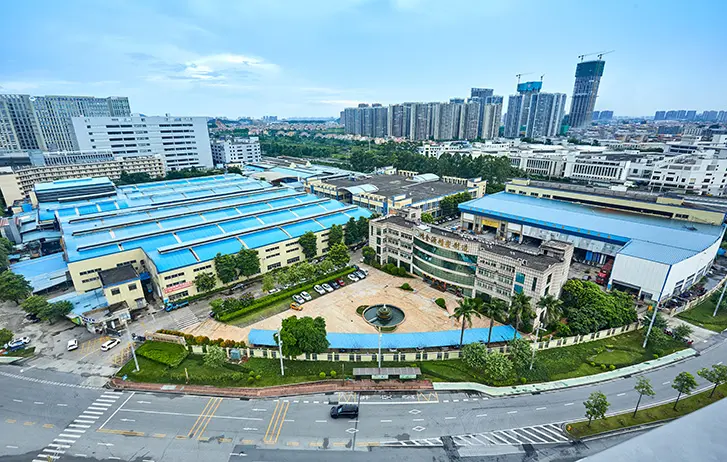
Combining metallurgical expertise with end-to-end quality control to optimize cost, lead times, and structural integrity
We melt and refine aluminum alloys in-house, enabling precise adjustment of chemical compositions. This guarantees optimal physical properties for extrusions and exceptional purity levels required for defect-free anodizing.
By executing precision machining and electrochemical surface treatment within the same facility, we eliminate transportation risks, reduce production overhead, and offer highly competitive pricing without compromising quality.
From initial CAD modeling and custom extrusion die design to multi-axis CNC milling, sandblasting, and anodization, our integrated workflow drastically shortens prototyping stages and scales seamlessly into mass production.
Anodizing is an electrochemical process that converts the metal surface into a decorative, durable, corrosion-resistant, anodic oxide finish. The quality of the final anodized surface is fundamentally dictated by the purity of the raw aluminum alloy and the control of thermal processing during extrusion.
For high-aesthetic applications like consumer electronics (e.g., keyboard boxes, amplifier covers) and architectural profiles, Alloy 6063 is preferred. It provides a smooth, uniform grain structure that prevents structural banding and streak lines after chemical etching. For structural components requiring superior shear strength, such as metro door assemblies and gate hinges, Alloy 6061-T6 is utilized, balance-engineered to ensure optimal tensile strength alongside oxide layer uniformity.
| Alloy Class | Anodizing Behavior | Key Applications |
|---|---|---|
| 6063-T5 / T6 | Excellent clarity, high gloss capability, uniform coloration. | Roller mouse boxes, printer housings, structural frames. |
| 6061-T6 | Good protection layer, slightly darker finish due to higher silicon/copper content. | Heavy-duty hinges, train door components, hydraulic arms. |
| 5XXX Series | Highly corrosion-resistant oxide layer, optimal for marine environments. | Storage frames, outdoor hardware, marine trim. |
| 7XXX Series | Ultra-high mechanical strength, requires specialized sealing. | Aerospace fixtures, dynamic structural components. |
Foshan is the epicenter of the global aluminum extrusion industry. Sourcing from our Foshan facility provides distinct structural advantages:
Industrial procurement departments are increasingly consolidating their vendor bases to mitigate supply chain volatility. Selecting an integrated ODM that performs both machining and complex anodizing reduces vendor-to-vendor handoff issues, which commonly cause dimensional deviations or surface contamination.
Additionally, modern environmental compliance requires transparency. Our facility has adapted to these international purchasing trends by implementing comprehensive water recycling treatment programs in our anodizing facility, ensuring full alignment with EU environmental guidelines and obtaining critical green certifications.
Mechanical pre-treatment, chemical etching, and precise color matching to meet aerospace and premium consumer demands
Utilizing glass bead blasting and aluminum oxide grit to eliminate extrusion lines and achieve uniform, satin textures prior to chemical processing.
Controlled chemical etching removes a micro-layer of raw metal, presenting a matte, reflection-resistant surface ideal for optics and modern electronics.
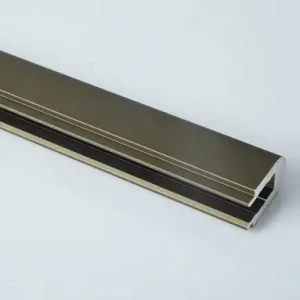
Depositing inorganic metal salts into the microscopic pores of the anodic film to achieve fade-resistant bronze, champagne, and gold hues.
Closing the oxide pores in high-temperature deionized water or nickel acetate baths to lock out environmental humidity and prevent corrosion.
Ensuring full regulatory compliance with international standards for quality management and environmental protection
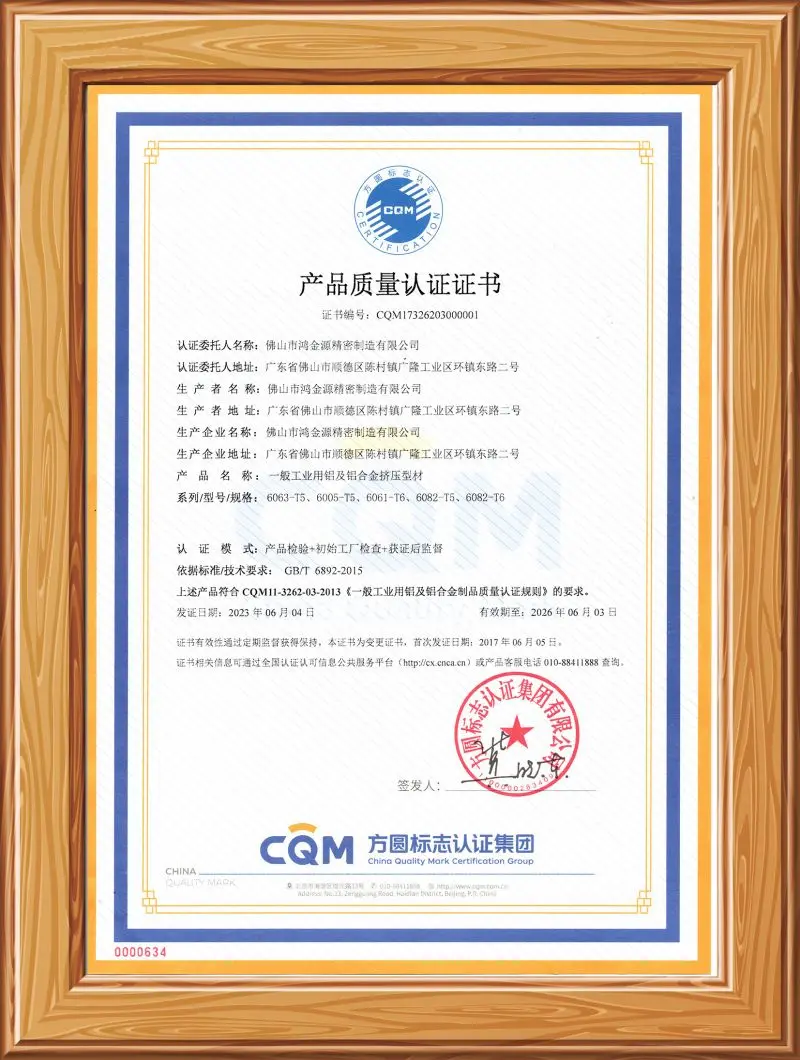
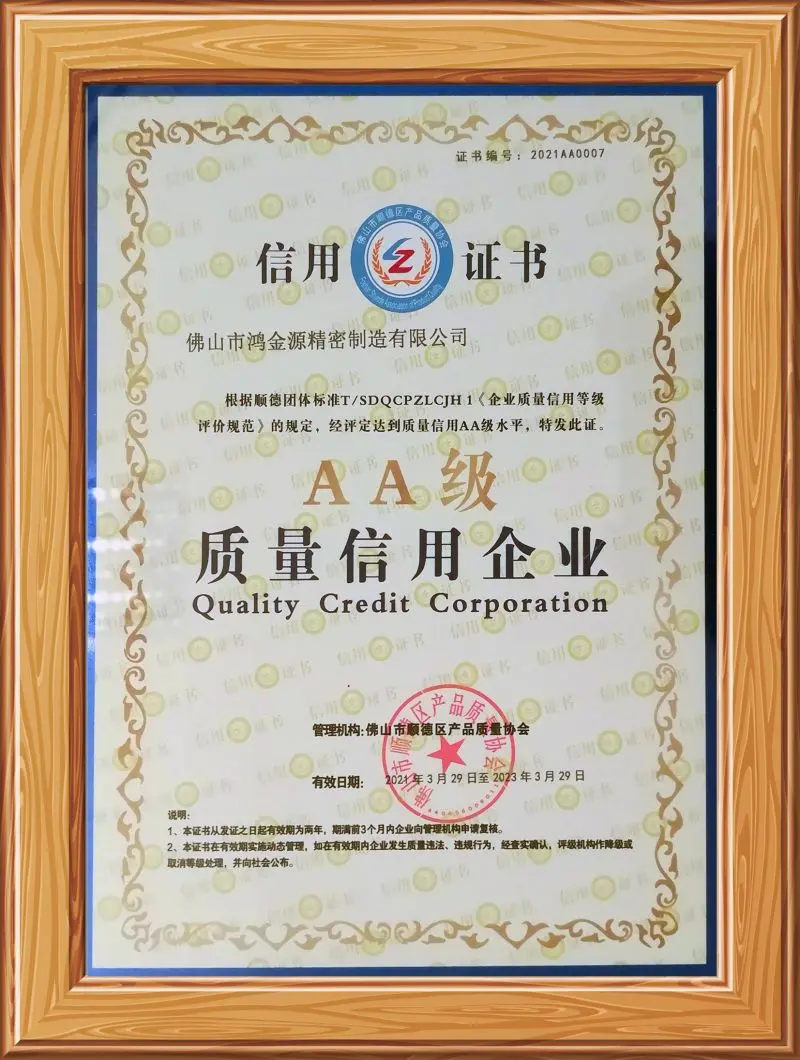
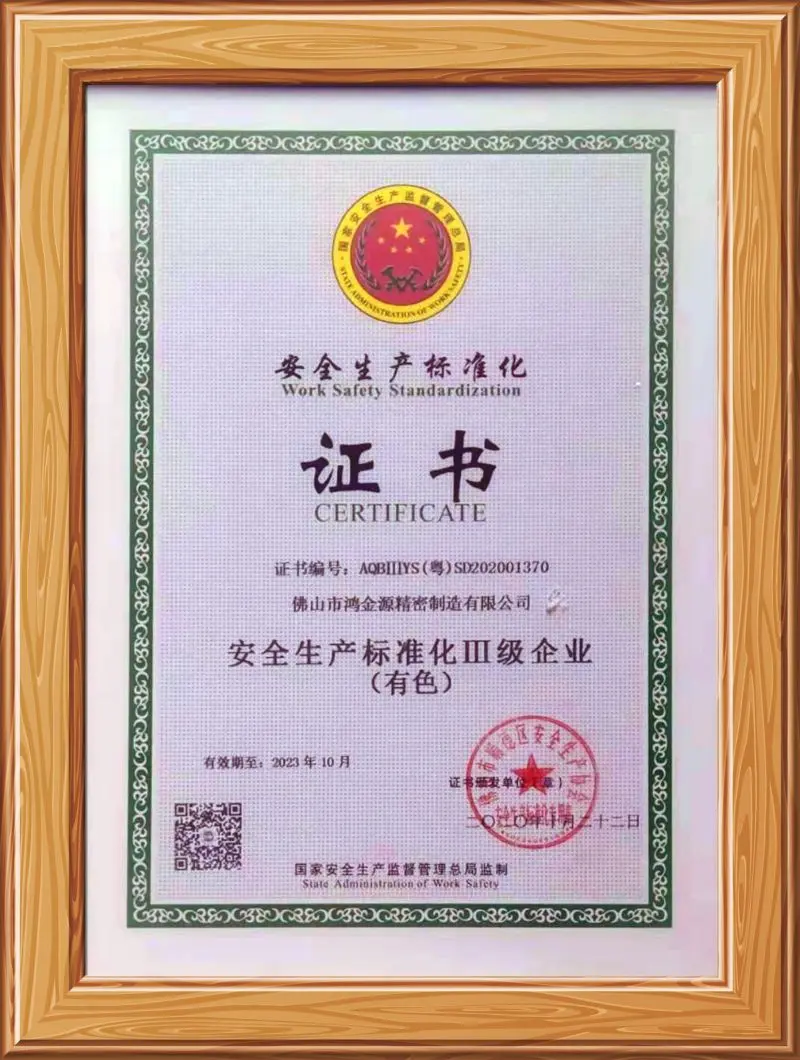
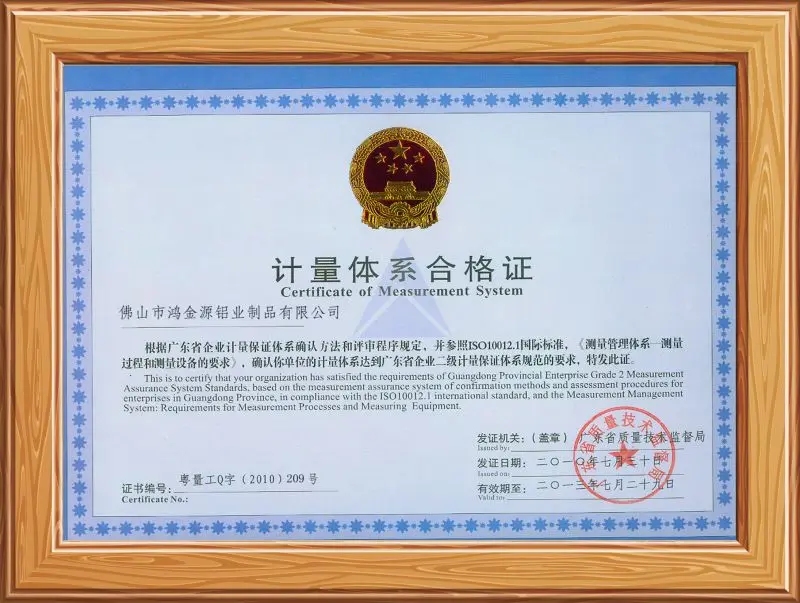
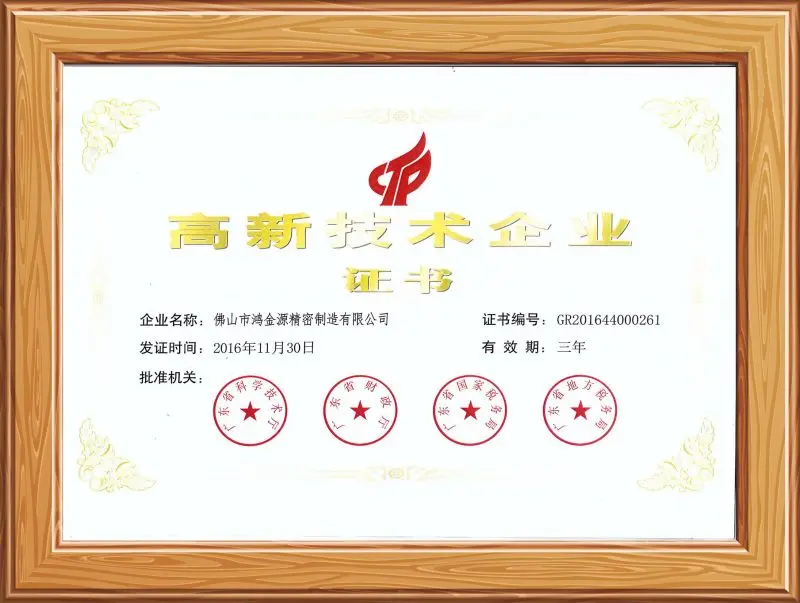
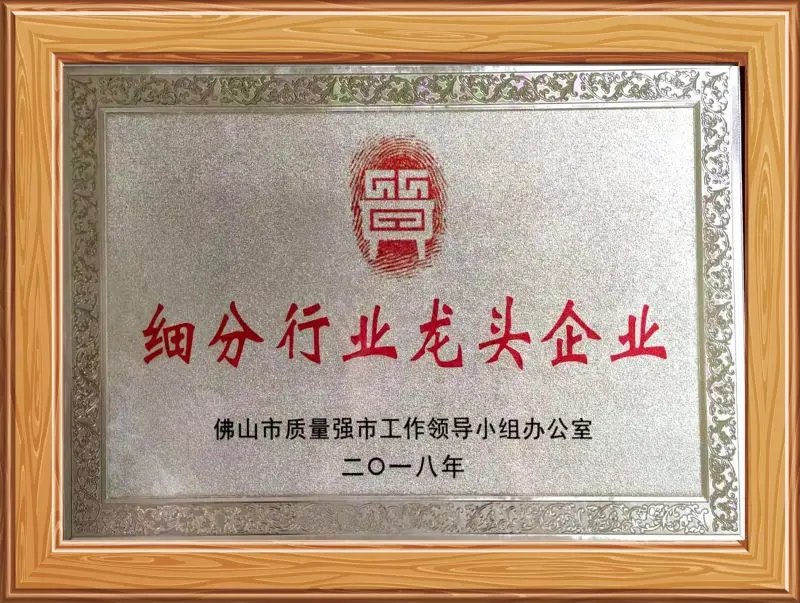
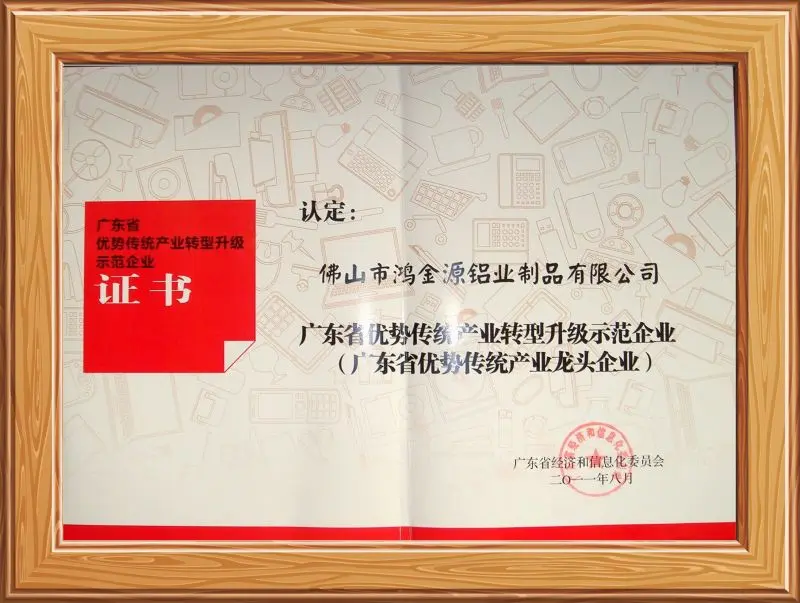
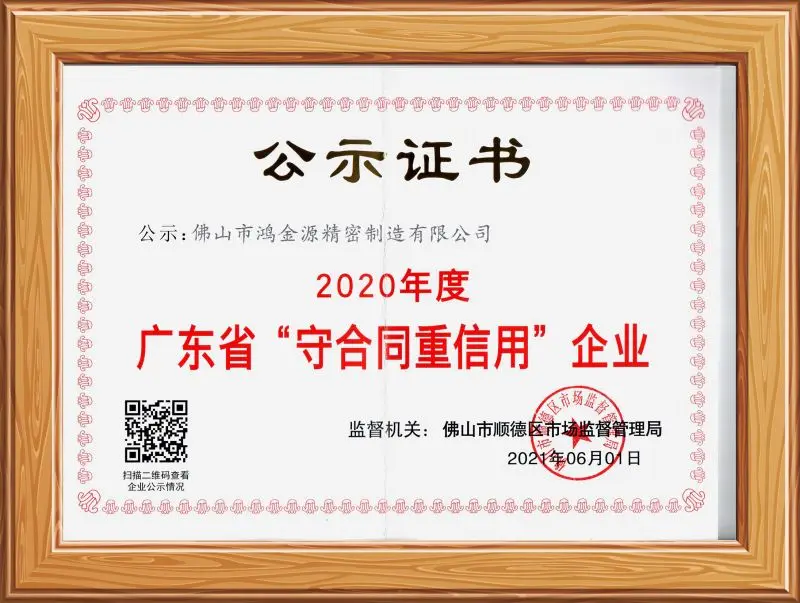
Our commitment to manufacturing excellence is backed by recognized quality management systems. We hold certifications for ISO 9001, ISO 14001, and ISO 45001. Furthermore, our GRS (Global Recycled Standard) and RCV certifications highlight our ability to support sustainable sourcing mandates, aligning our production processes directly with the carbon neutrality goals of European and North American buyers. Below is a showcase of our core factory credentials and clean production awards:
Deploying tailored anodized aluminum architectures across complex operating environments
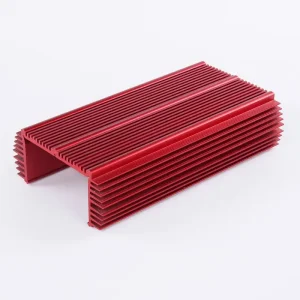
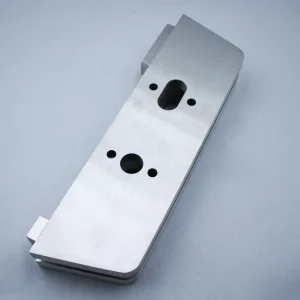
For custom peripheral chassis, keyboard mouse boxes, and high-end amplifier heat dissipating covers, aluminum provides excellent heat transfer coefficients and accepts high-density, rich color anodization that withstands continuous tactile wear.
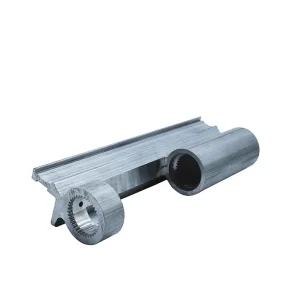
Metro train doors and rolling stock assemblies require high structural safety margins. Utilizing 6063-T6 or 6061-T6 profiles with clear, thick anodic oxide coats ensures the components resist aggressive cyclic wear and extreme atmospheric changes.
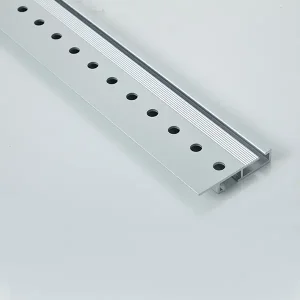
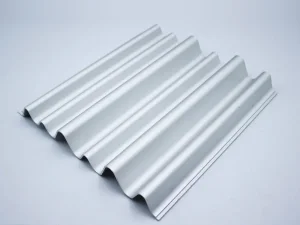
Extruded wave boards and curtain wall profiles are subject to intense UV exposure. Our heavy-duty architectural anodizing process provides UV resistance, ensuring long-term structural aesthetics and rust protection.
Technical insights to assist procurement managers and mechanical design engineers
Engineered options for mechanical structural assemblies and architectural systems
 HG Precision