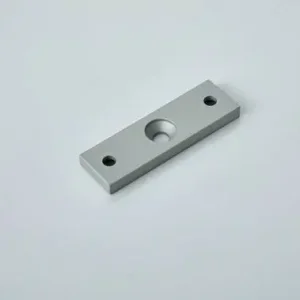
Explore our high-performance machined parts, structural frames, and custom anodized profiles engineered to tight industry tolerances.
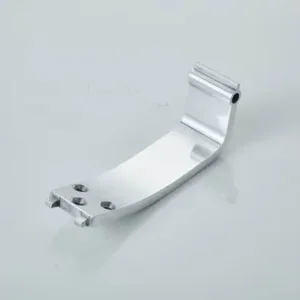
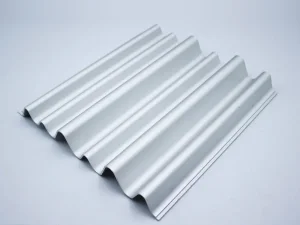
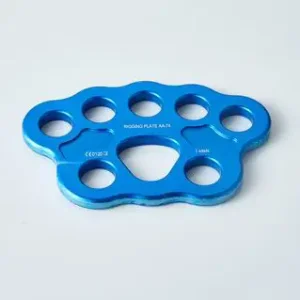
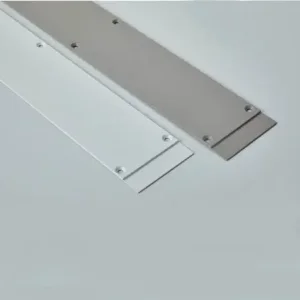
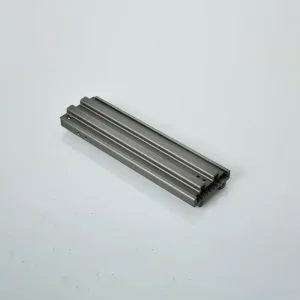
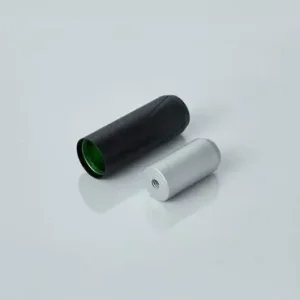
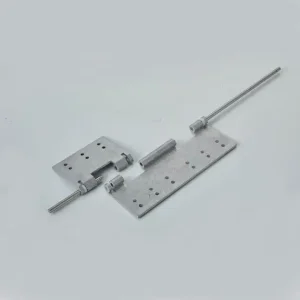
Aluminum telescopic poles represent the intersection of mechanical efficiency and material science. To meet the demands of commercial, military, and rescue hardware, modern engineering requires poles that offer high structural integrity, minimal deflection, and low weight ratios. Standard off-the-shelf tubes fail to provide the exact dimensional tolerances and locking security needed for these dynamic environments.
As an industry-leading ODM aluminum telescopic pole supplier, Foshan Golden Source Precision Manufacturing Co., Ltd offers a tailored approach. By custom-casting our alloys in-house, we refine the internal molecular structure of the profiles before extrusion. This delivers increased tensile strength and superior surface aesthetics. Whether for specialized tripod systems, tool extensions, medical equipment, or rescue apparatus, our solutions offer engineered stability.
Our manufacturing process complies with strict global benchmarks for load tolerance and durability.
Custom control over alloy constituents allows for precision performance under high mechanical loads.
Precision drawing methods maintain concentricity down to ±0.05 mm for smooth, wobble-free expansion.
Support for internal twist locks, external cam-locks, and push-pin systems designed for long-term cycle life.
Procurement directors and product managers face complex structural and logistical challenges. Understanding these shifts helps streamline the supply chain.
Standard profile suppliers typically offer generic 6063 alloys. However, heavy-duty industrial tasks require advanced 6061-T6, 6082-T6, or high-tensile 7075 alloys. Sourcing from a factory that casts its own alloys ensures compliance with custom mechanical specifications.
Buying raw profiles and sending them to third-party CNC shops and anodizers introduces quality and logistic risks. Integrated, single-source manufacturing streamlines cutting, drilling, deburring, and surface finishing under one roof.
With regulations like REACH and carbon tax frameworks in Europe and North America, buyers require suppliers with verified environmental certifications. Verified GRS (Global Recycled Standard) materials are essential for entering these markets.
Selecting the correct aluminum alloy defines the deflection characteristics, structural load limits, and anodizing quality of your telescopic assembly.
| Alloy & Temper | Tensile Strength (MPa) | Yield Strength (MPa) | Elongation (%) | Anodizing Capability | Primary Industrial Application |
|---|---|---|---|---|---|
| 6063-T5 | ≥ 150 | ≥ 110 | ≥ 8 | Excellent (High Gloss) | Lightweight extensions, interior accessories, domestic tools. |
| 6063-T6 | ≥ 215 | ≥ 170 | ≥ 8 | Excellent | Precision commercial tripods, camera booms, window cleaning systems. |
| 6061-T6 | ≥ 265 | ≥ 245 | ≥ 8 | Good (Matte Finish) | Heavy-duty structural tubes, rescue poles, industrial scaffolding. |
| 7075-T6 | ≥ 540 | ≥ 480 | ≥ 5 | Moderate (Functional Anodize) | High-altitude climbing gear, military masts, aerospace structural booms. |
Telescopic assemblies are susceptible to deflection under lateral force, particularly when fully extended. The overlap between segments (overlap length $L_o$) must scale in proportion to the outer diameter ($D_o$) and wall thickness ($t$) of the tubing.
Foshan Golden Source uses precise sizing and drawing machinery to ensure tolerances down to ±0.05 mm. This keeps concentricity consistent and reduces the physical play between segments, minimizing flex and maintaining vertical loading alignment under stress.
Established in 1991, Foshan Golden Source Precision Manufacturing Co., Ltd is a professional manufacturer of high-strength, high-precision customized aluminum profiles, machined parts, and welded assemblies.
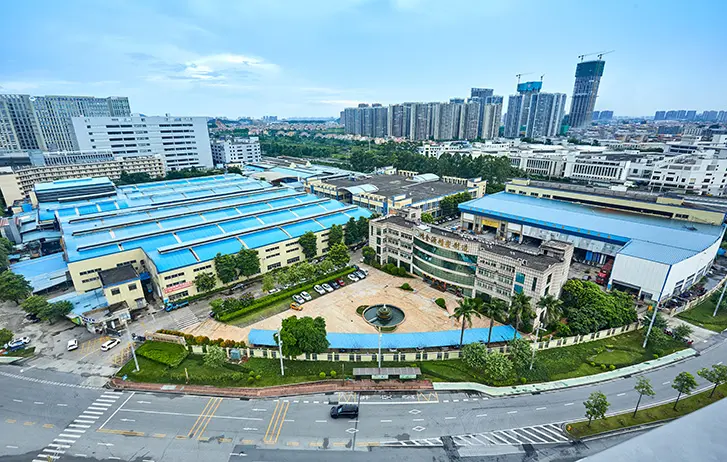
Operating a modern, environmentally responsible 73,000 square meter facility, the company delivers integrated production, including: alloy casting, die design & fabrication, profile extrusion, CNC machining, welding, and surface treatment.
With capability across 1XXX, 3XXX, 5XXX, 6XXX, and 7XXX series alloys, we support diverse industrial sectors, including hardware tools, 3C electronics, automotive parts, rail transport, structural furniture, and outdoor equipment.
In-house processing controls production costs and guarantees consistent structural quality.
We melt and cast alloys in-house. This allows us to adjust compositions for optimal physical performance, clean grain structure, and high-quality anodizing results.
CNC machining, finishing, and anodizing are managed under one roof. This minimizes handling damage and reduces production costs compared to outsourced processing.
Integrated manufacturing pipelines streamline scheduling, ensuring predictable delivery times and simple communication with single-source accountability.
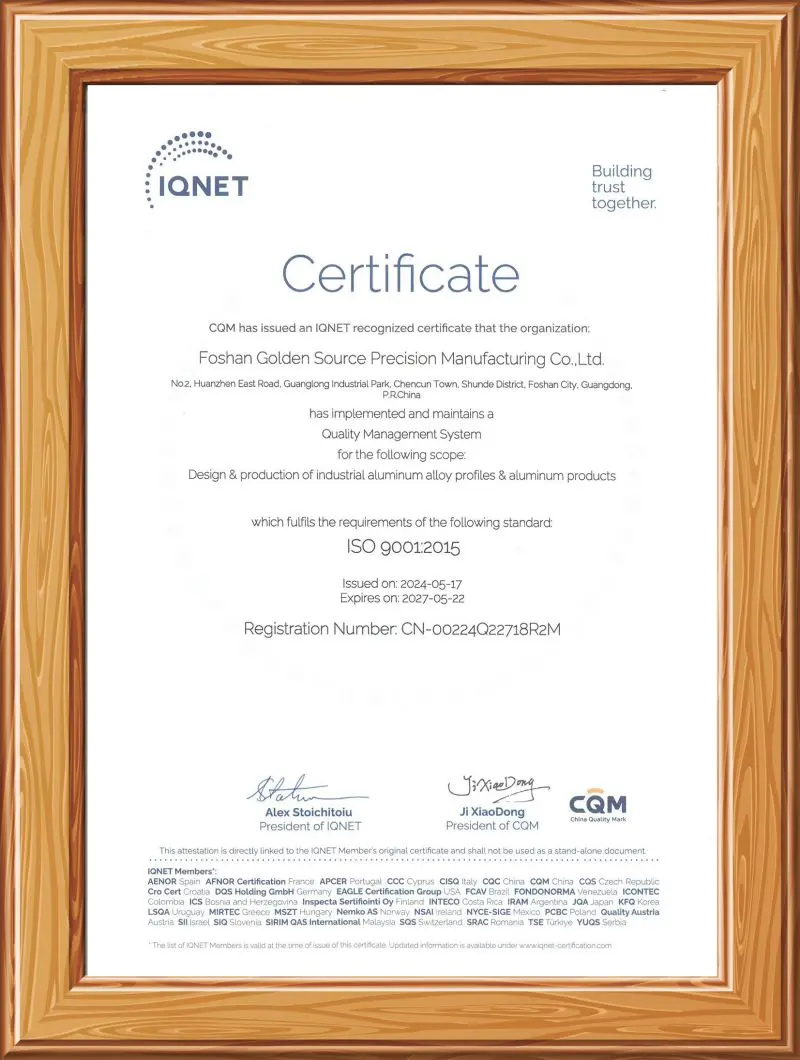
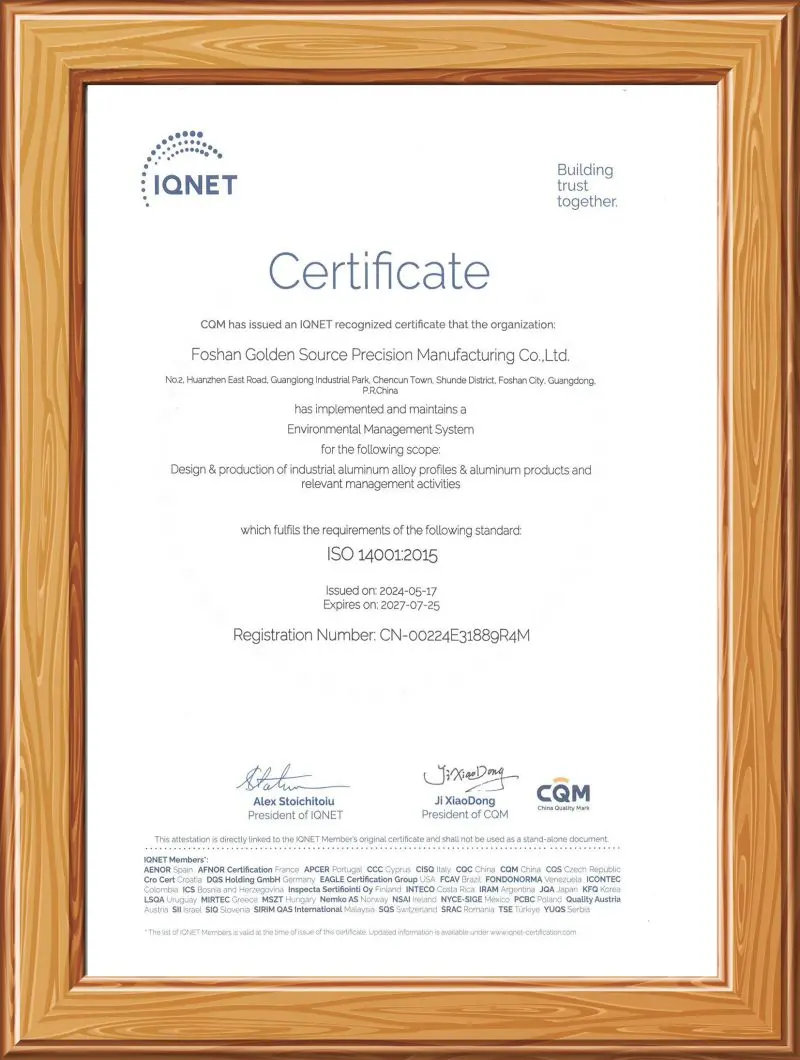
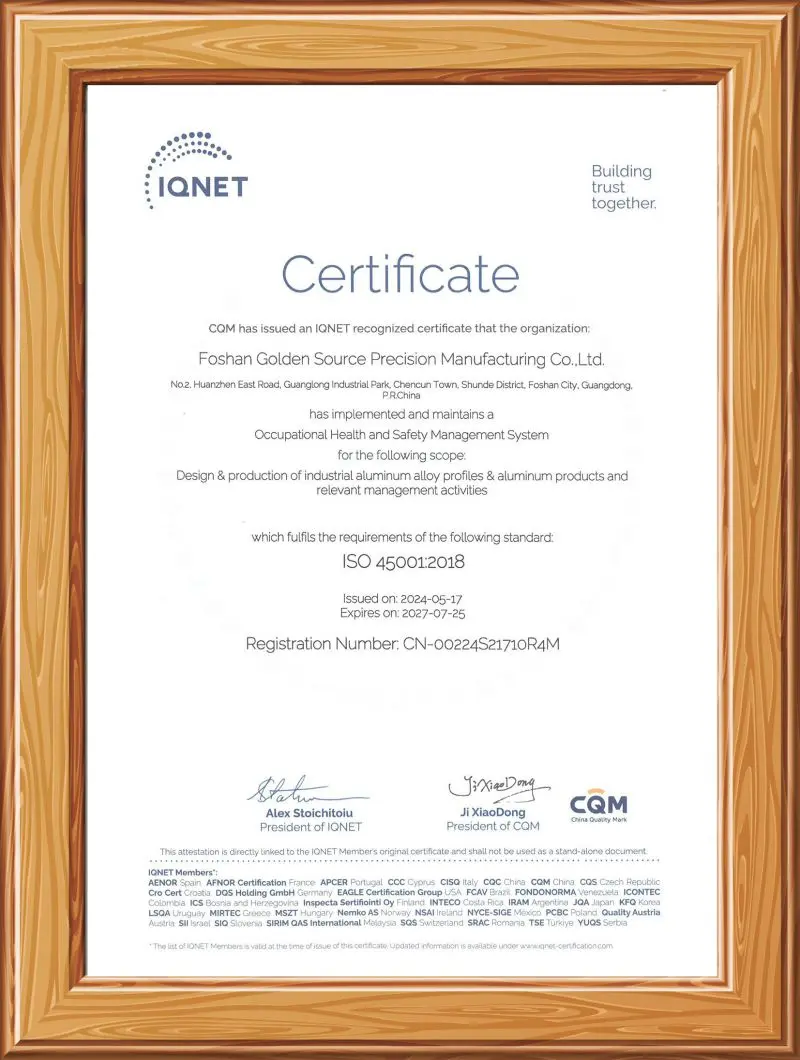
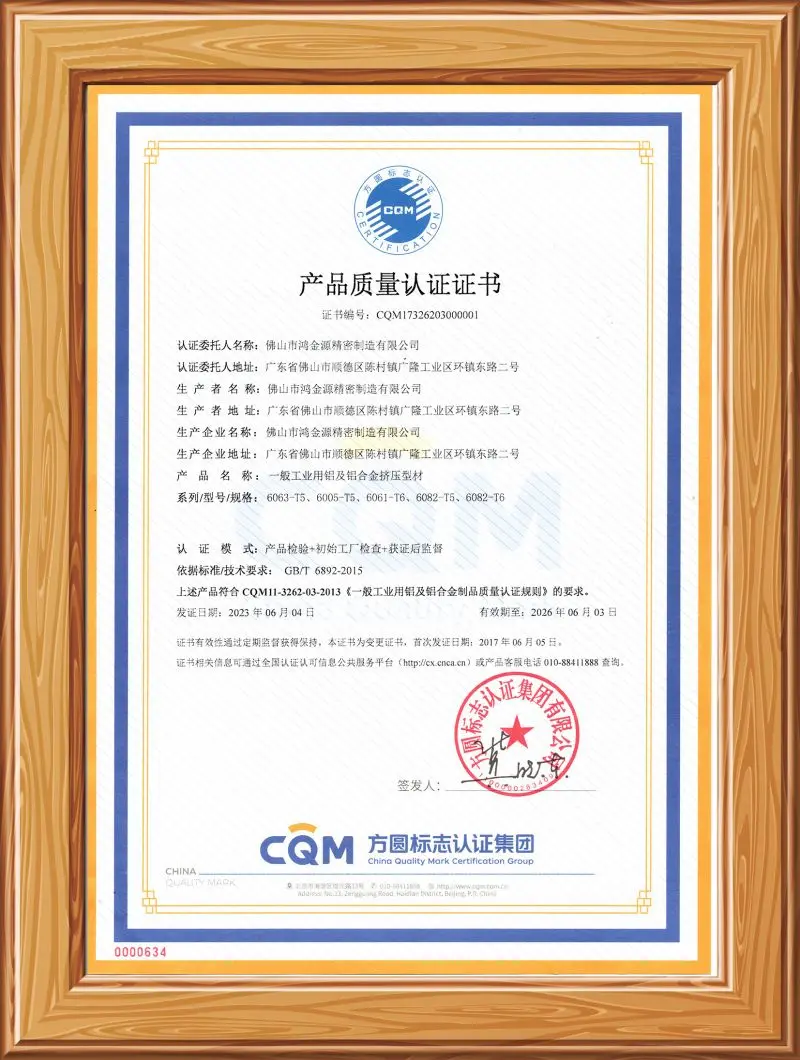
Entering the EU and North American markets requires strict environmental and quality compliance. Foshan Golden Source holds certifications including ISO9001, ISO14001, and ISO45001.
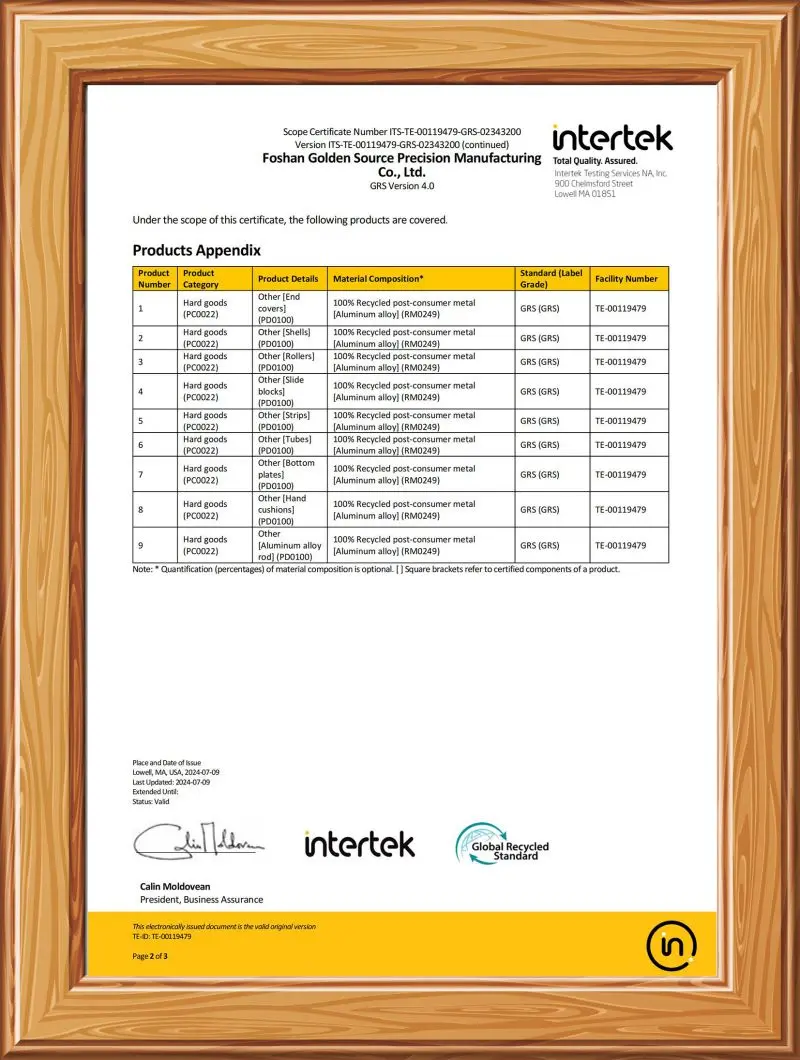
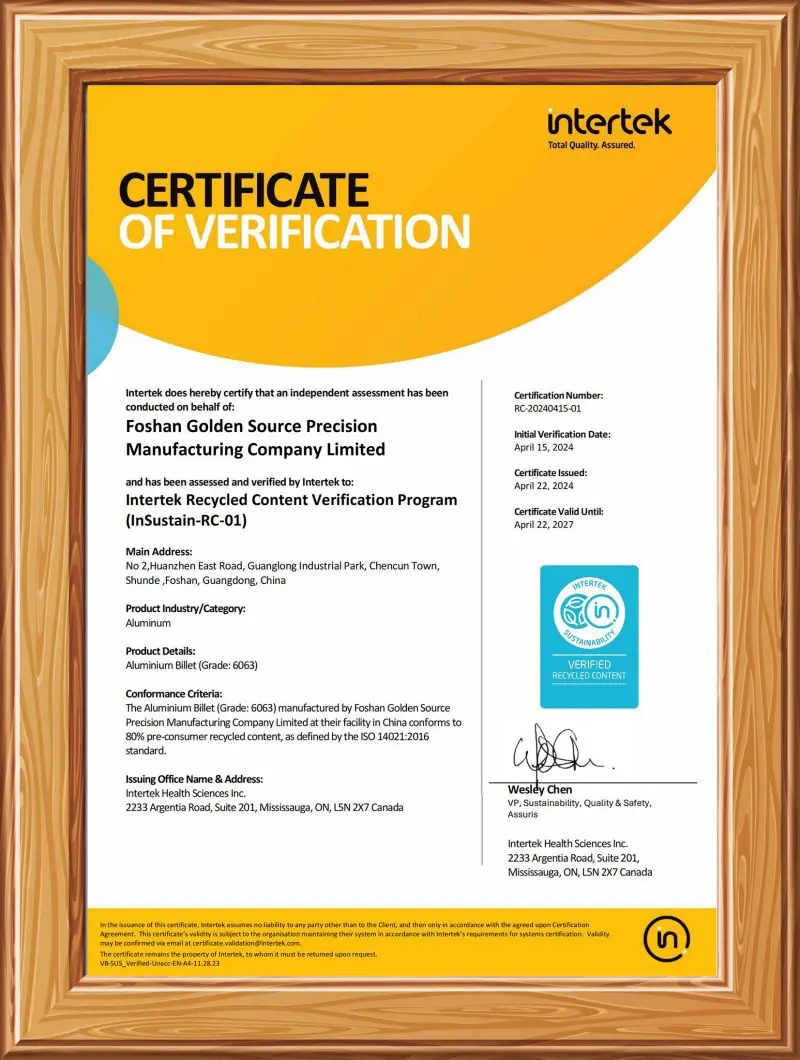
To meet modern environmental standards, we maintain GRS (Global Recycled Standard) and RCV certifications. This guarantees our processes and materials align with environmental directives, including the EU's REACH regulations.
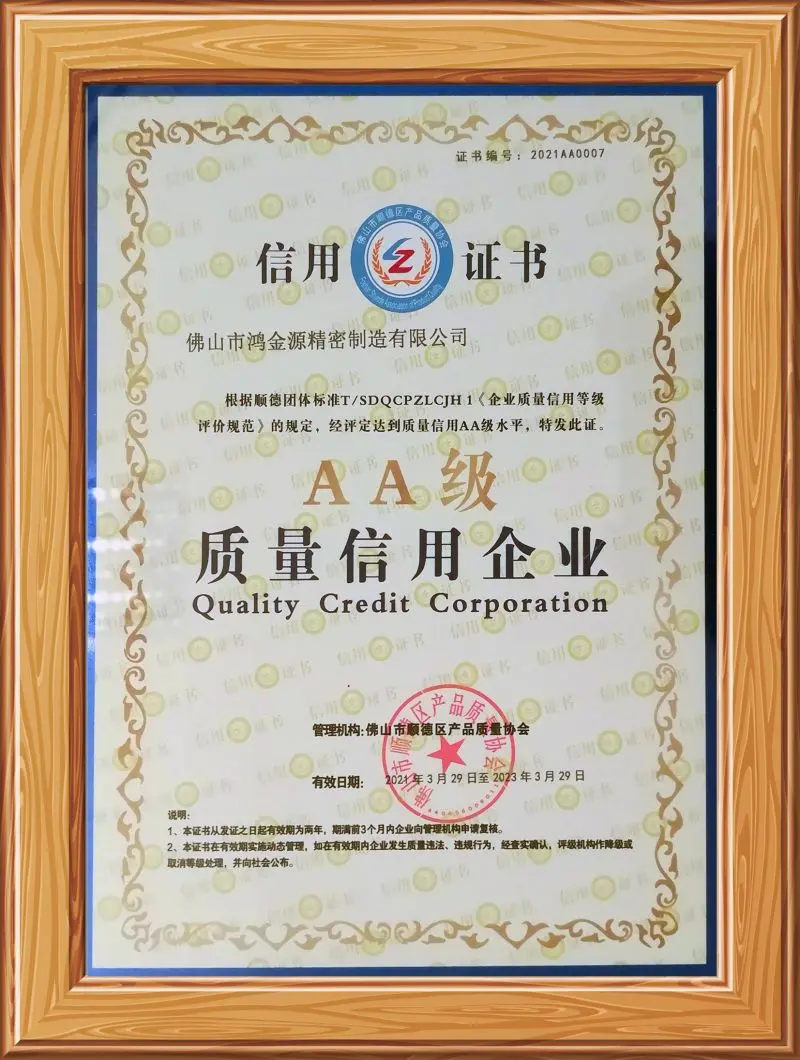
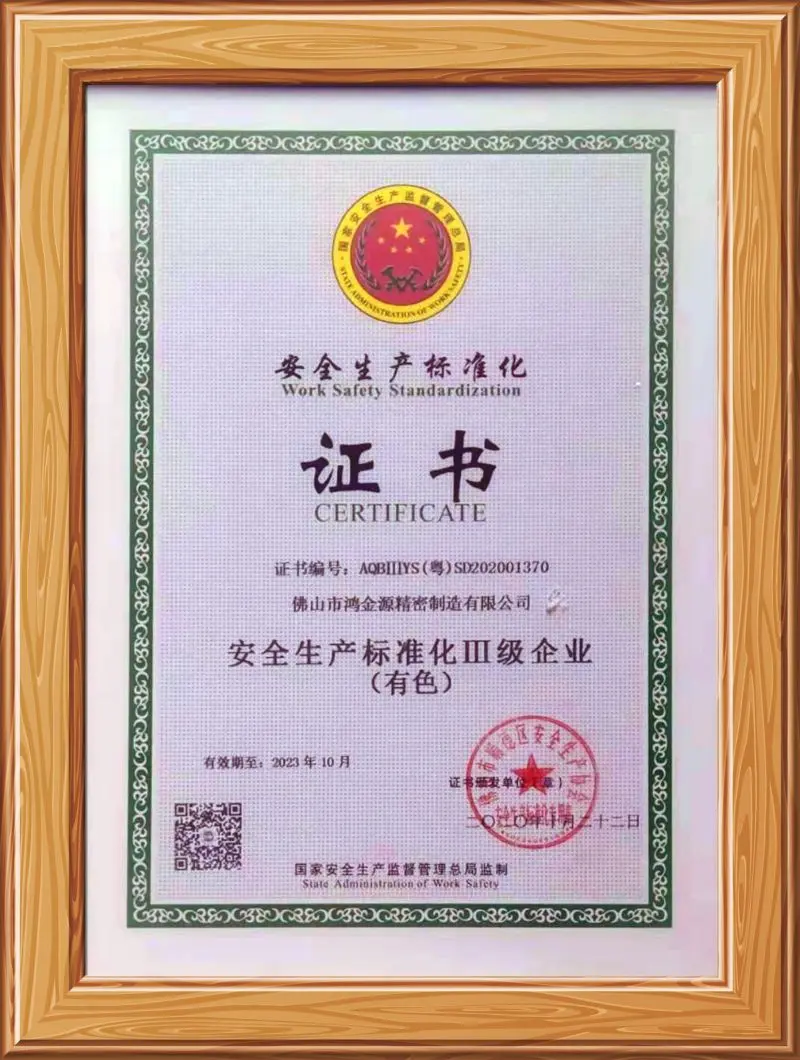
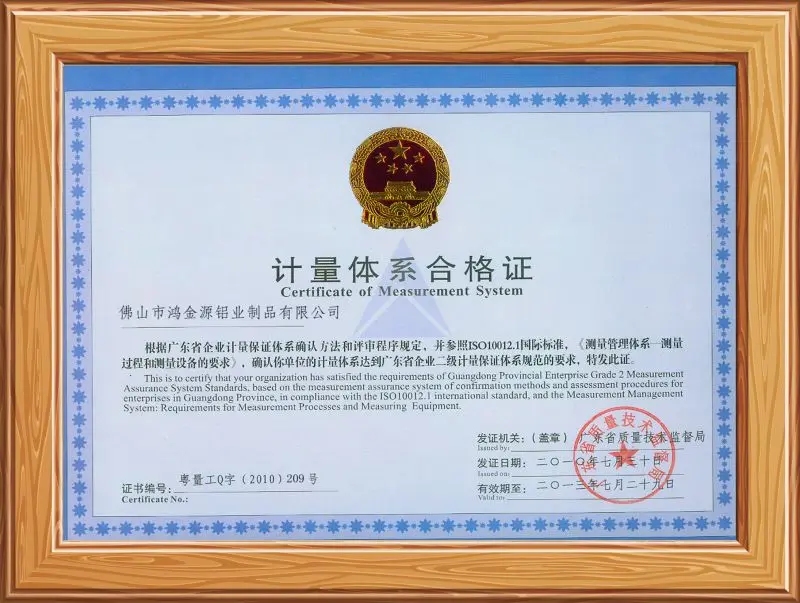
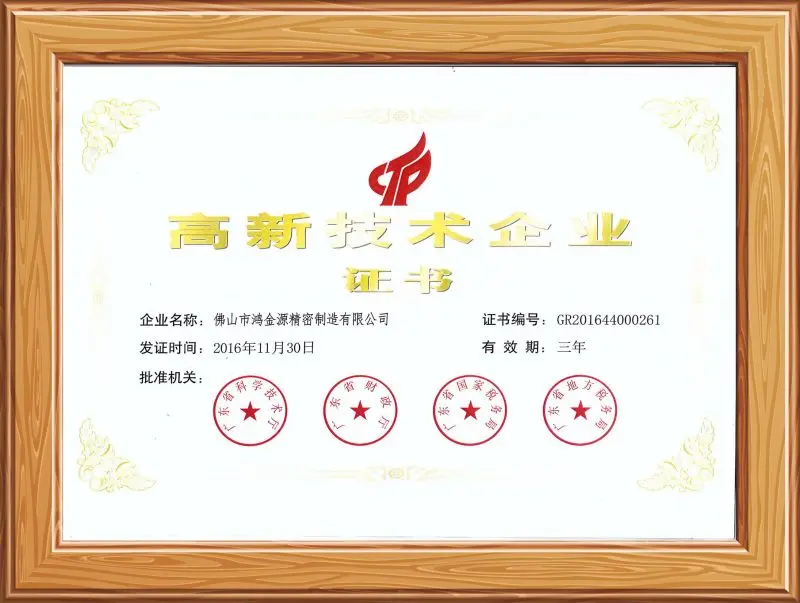
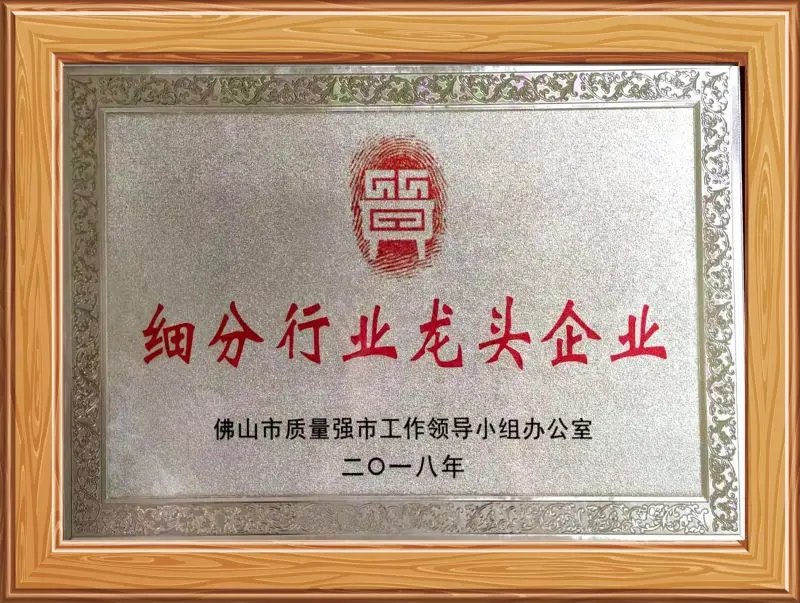
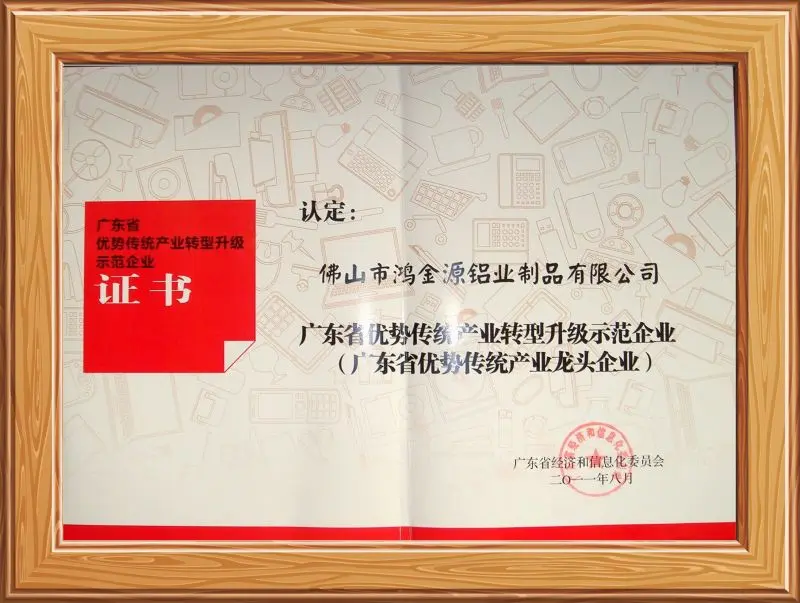
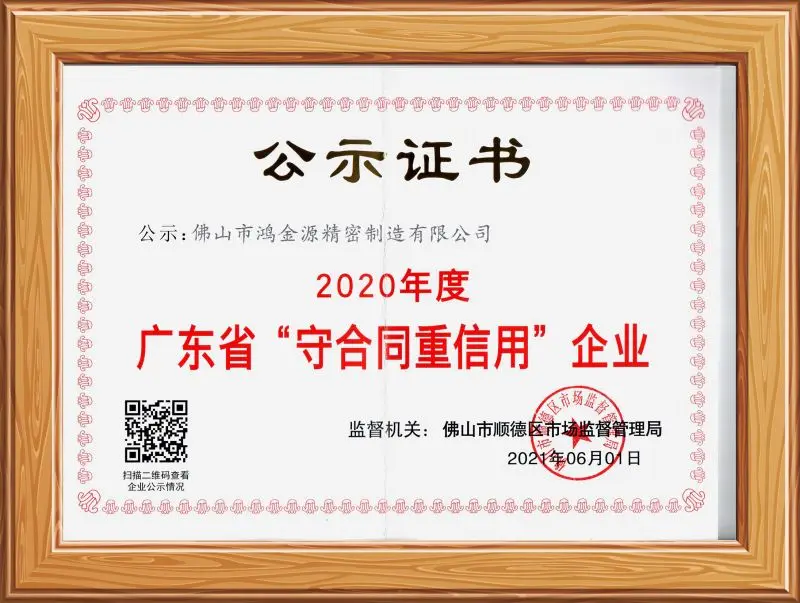
Our commitment to clean production has earned recognition and awards from local, provincial, and national authorities for sustainable manufacturing practices.
Innovation in telescopic systems is driven by smart features, material developments, and carbon-reduction initiatives.
Modern systems integrate internal wiring and high-frequency communication lines directly inside the telescopic cavities. This supports remote sensors and instrumentation in industrial applications.
Hybrid designs combine aluminum structural joints with lightweight carbon fiber tubes. This reduces overall weight while keeping costs competitive for commercial equipment.
New electrolytic anodizing processes create wear-resistant surfaces that withstand sand, seawater, and harsh weather. This minimizes maintenance and extends product lifespan.
Technical details and answers regarding our engineering services, materials, and processes.
6063 is primarily chosen for its excellent surface finish and anodizing responsiveness. It is ideal for visual applications and light to moderate structural loads. 6061 offers higher yield and tensile strength, making it suitable for structural poles, heavy equipment, and components that undergo mechanical stress, though its surface appearance may be slightly less refined.
Smooth operation depends on maintaining tight tolerances. We draw our tubes to a standard tolerance of ±0.05 mm to ±0.08 mm. This prevents excessive play, reduces wobbling at full extension, and avoids binding during temperature fluctuations.
Yes. As an ODM supplier, we engineer telescopic poles that support various locking configurations, including external friction levers, spring button indexers, and internal expansion lock inserts, depending on application requirements.
We provide in-house surface treatments including clear anodizing, color anodizing, sandblasting, mirror polishing, and powder coating. All coatings are monitored to ensure consistent thickness and adhesion.
Yes. Our in-house alloy casting processes comply with environmental regulations. Our GRS and RCV certifications ensure traceable material sourcing that meets EU REACH requirements.
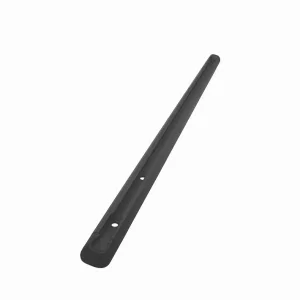
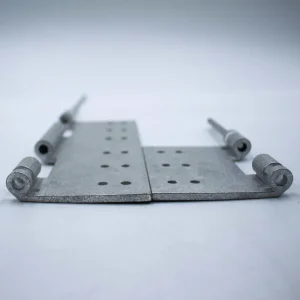
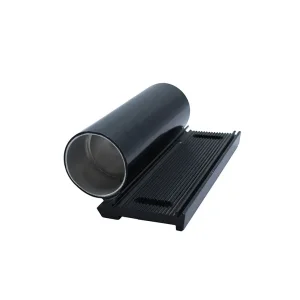
Explore additional high-strength brackets, mechanical hinges, and precision assemblies from our factory.
 HG Precision