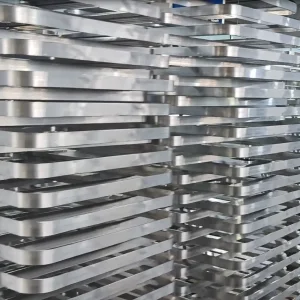
Discover our custom-manufactured ODM & OEM parts engineered for structural stability, advanced thermal management, and precision mechanical operations.
In the modern global supply chain, selecting an ODM (Original Design Manufacturer) aluminum parts manufacturer represents a critical strategic decision. Advanced sectors such as electric vehicle infrastructure, high-power telecommunications, precision robotics, and green energy systems require mechanical tolerances and metallurgical purities that standard manufacturers cannot deliver. Aluminum's unique balance of low density, high strength-to-weight ratio, high thermal and electrical conductivity, and exceptional corrosion resistance makes it the bedrock material of high-performance hardware. However, translating these baseline properties into functional, high-reliability components demands strict process control across the entire lifecycle: from in-house alloy compounding to precision multi-axis CNC machining, structural welding, and advanced chemical passivation.
This whitepaper outlines the capabilities of Foshan Golden Source Precision Manufacturing Co., Ltd, established in 1991, which operates a state-of-the-art 73,000 square meter carbon-conscious facility. As an enterprise utilizing integrated smelting, extrusion, machining, and surface treatment technologies, we provide global procurement managers and structural design engineers with the information necessary to design, source, and deploy high-strength, high-precision customized aluminum profiles that comply with stringent regulatory frameworks, including EU REACH, RoHS, GRS, and CBAM.
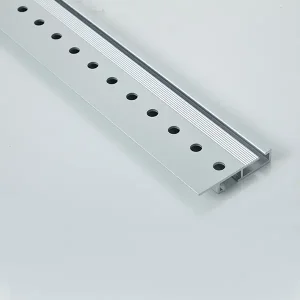
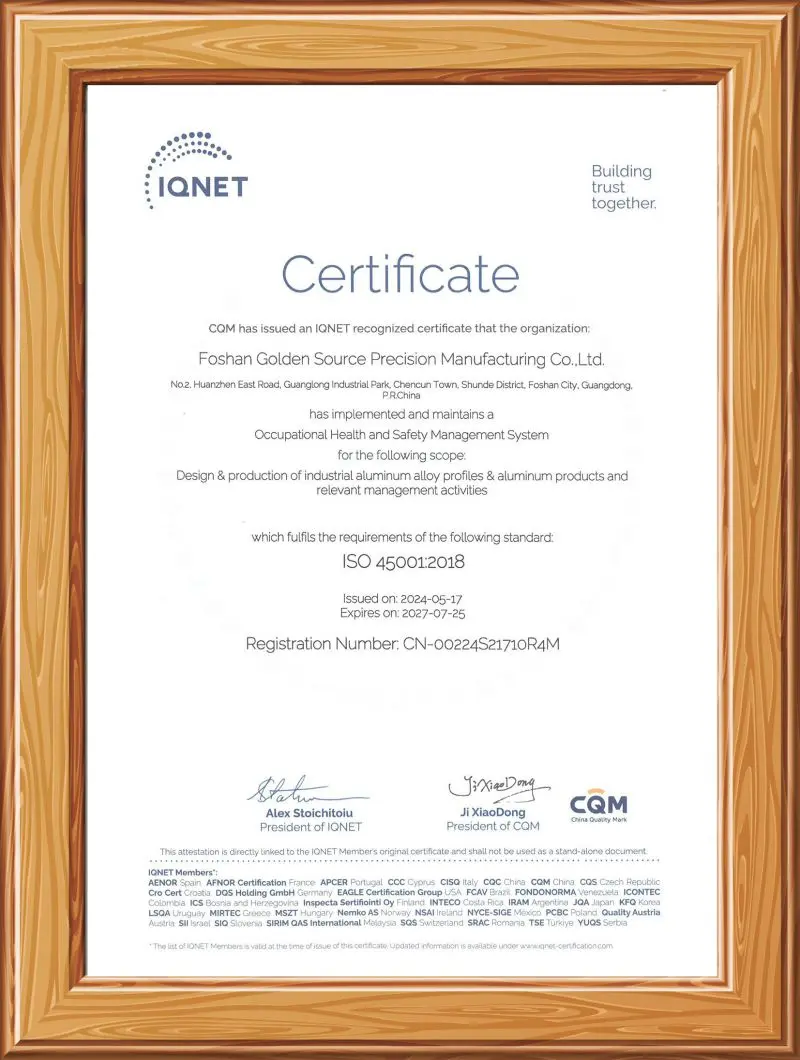
Foshan Golden Source Precision Manufacturing Co., Ltd, established in 1991, is a professional manufacturer of high-strength, high-precision, customized aluminum profiles and precise machining aluminum parts, welded parts, and assembled aluminum products. With a modern and environmentally friendly production base covering an area of over 73,000 square meters, the company offers one-stop service, including alloy casting, mold research & design & building, aluminum extruding, precise machining, welding, assembly and surface treatment. The company holds certifications such as ISO9001, ISO14001, ISO45001, RCV, and GRS, ensuring that its products comply with the environmental requirements of the EU’s REACH regulation. A wide range of aluminum alloy series are available, including: 1XXX, 3XXX, 5XXX, 6XXX, 7XXX alloy, which allow us to meet different demands of various industries and fields, including hardware tools, 3C products, automobile, railway, furniture, decoration, and outdoor products.
By executing every step of production under a unified quality management system, we eliminate the supply chain friction, transportation delays, and quality disputes common to multi-vendor manufacturing. Our metallurgical capability ensures that incoming raw materials match the designated chemical thresholds, preventing mechanical weakness and optimizing the microstructural response during the heat-treatment process.
Company catalogue download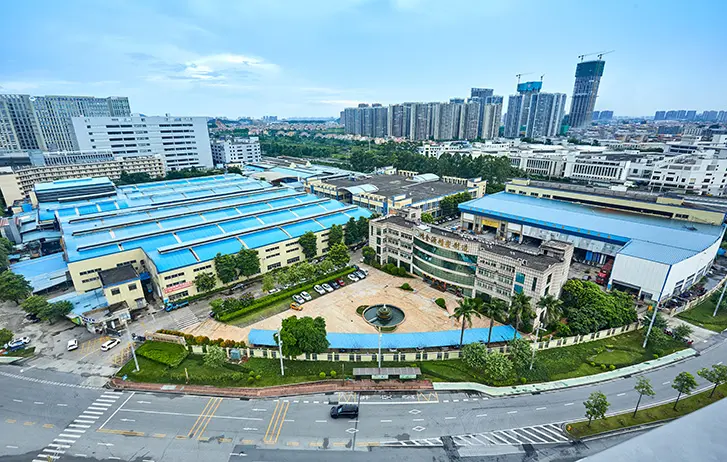
We melt the alloy in house so that we can adjust the compositions to achieve the best physical properties of extrusion profiles, best purity of alloy for high quality anodizing.
Machining and surface treatment are done in house will better quality control and saving production costs so that the unit price for product will be lower. Even if the same price as other factory, our quality will be much superior.
"One-stop" manufacturing capacity will provide faster delivery to customers. We coordinate directly between the extrusion line and CNC workshop to expedite order routing.
How materials science, micro-alloying, and precision thermal treatments are shaping the next generation of structural components.
Standard commercial aluminum ingots often fail to meet customized criteria for tensile strength, elongation, and anodization aesthetics. By controlling the melt in our in-house furnace, we adjust the ratios of Silicon, Magnesium, Iron, and Copper. For instance, reducing excess Iron prevents brittle intermetallic phases, which ensures high impact resistance in automotive components and clean surfaces for reflective clear anodizing.
Achieving specific mechanical temper states involves strict temperature-time cycles. Transitioning profiles from the extrusion die through water/air quench systems determines the final grain structure. T6 tempering provides maximum yield strength via artificial aging at controlled temperatures (e.g., 170-190°C for 6063/6061 alloys), while T5 temper balances structural integrity with ductile properties for downstream bending or form operations.
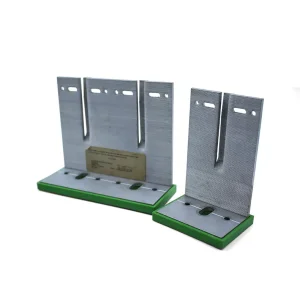
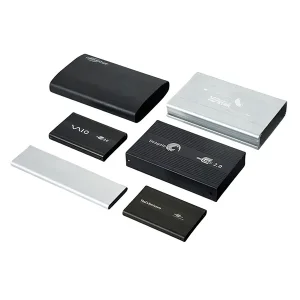
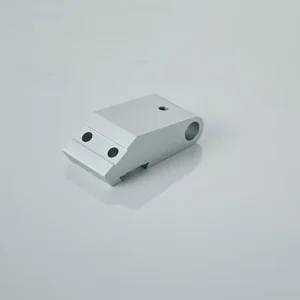
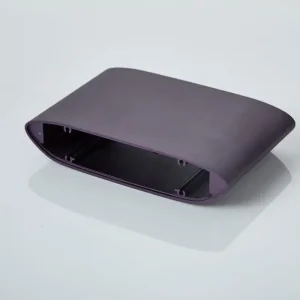
Modern components require integration with complex systems, necessitating micron-level accuracy. Utilizing high-speed CNC machining centers, we perform precision pocket milling, boring, thread tapping, and profiling. By monitoring thermal expansion during machining, we maintain tight tolerances down to ±0.02 mm across complex geometry features like door-gate closer blocks and hard disk enclosures.
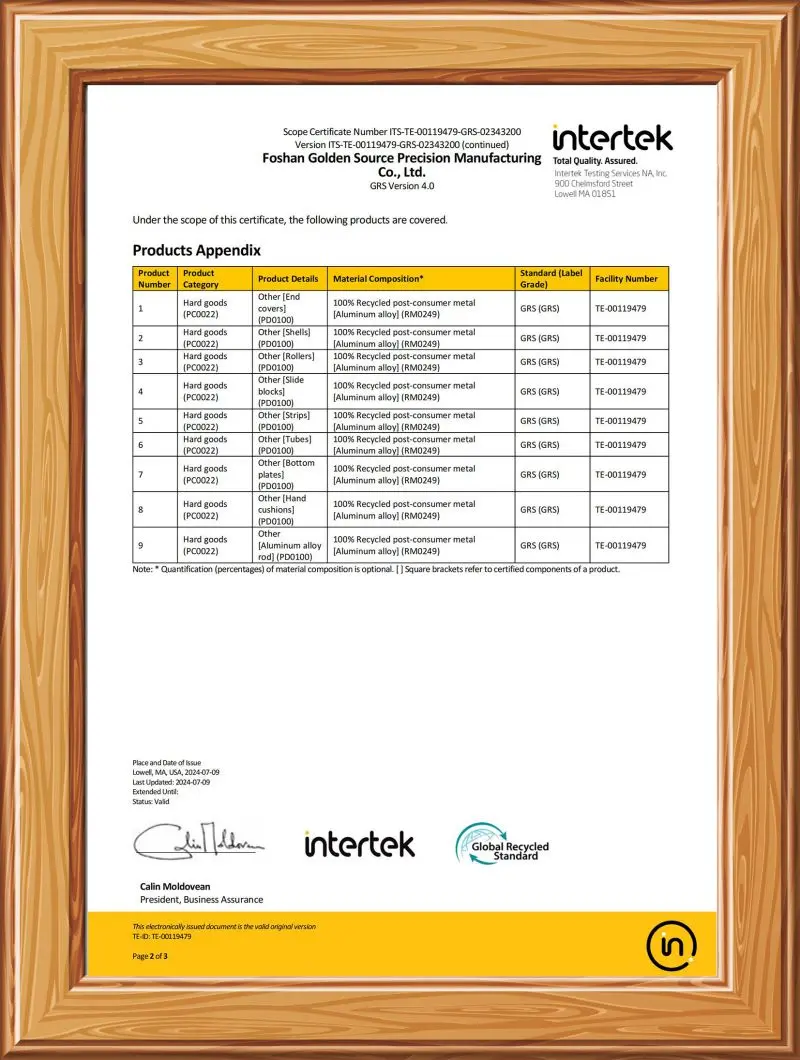
The manufacturing sector must transition to circular models. Our GRS (Global Recycled Standard) certification demonstrates our ability to process post-industrial and post-consumer scrap into structural alloys. When combined with modern, chromate-free chemical pre-treatments and organic dye anodization, we supply components that lower Scope 3 carbon footprints without compromising engineering integrity.
Customized manufacturing strategies tailored to the unique regulatory, load-bearing, and environmental demands of global industries.
Crash energy management elements, structural frame extrusions, battery tray rails, and interior trim components utilizing 6xxx and 7xxx series alloys for weight reduction.
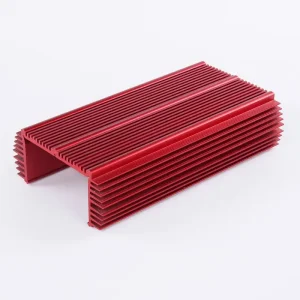
High-thermal-conductivity heat sinks, amplifier enclosures, hard disk casings, and printer frames. Finished with high-grit sandblasting and protective color anodization.
Corrosion-resistant solar panel mounting frames, brackets, and structural wind turbine components. Anodization layer thickness is optimized to survive 25 years in harsh conditions.
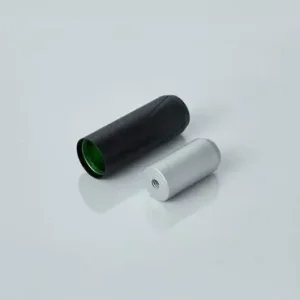
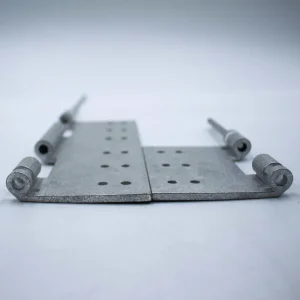
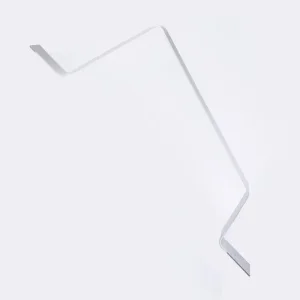
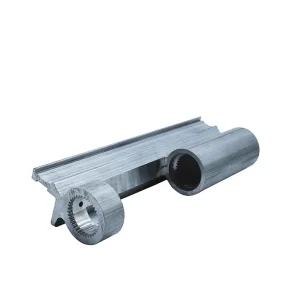
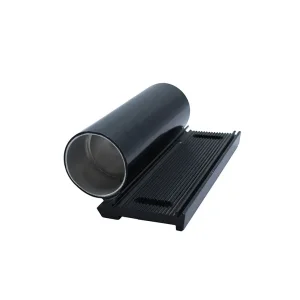
Skylight hinges, hydraulic gate cylinders, pneumatic staple gun barrels, and door connectors designed for repetitive cycles, high mechanical fatigue limit, and low friction.
How our localized ecosystem in Foshan leverages advanced automation, lean logistics, and vertical integration to secure global supply chains.
In global procurement, supply chain resilience is as critical as parts quality. The Foshan industrial cluster stands as the premier hub for aluminum processing, concentrating specialized technologies, tooling houses, and raw material access within a minimal geographic radius. Foshan Golden Source Precision Manufacturing Co., Ltd maximizes this strategic location by integrating all manufacturing disciplines on a single 73,000 square meter site. When a customer orders a complex part like a hydraulic gate closer or a custom heat-dissipating amplifier cover, the metal is cast, extruded, aged, CNC-milled, anodized, and packaged without leaving our facility. This vertical consolidation eliminates third-party logistics overhead and reduces lead times by up to 25% compared to fragmented production schemes.
Furthermore, our operations utilize automated extrusion lines, real-time temperature tracking systems, and multi-axis CNC machines that minimize physical intervention. Scrap metal generated in our machining division is systematically gathered and recycled in our in-house furnace, lowering waste and cost-of-goods-sold. This circular manufacturing framework insulates our clients from structural price swings in the primary aluminum spot market, providing stable, long-term pricing for recurring OEM contracts.
Navigating global trade, technical support, and strict environmental regulations with complete transparency.
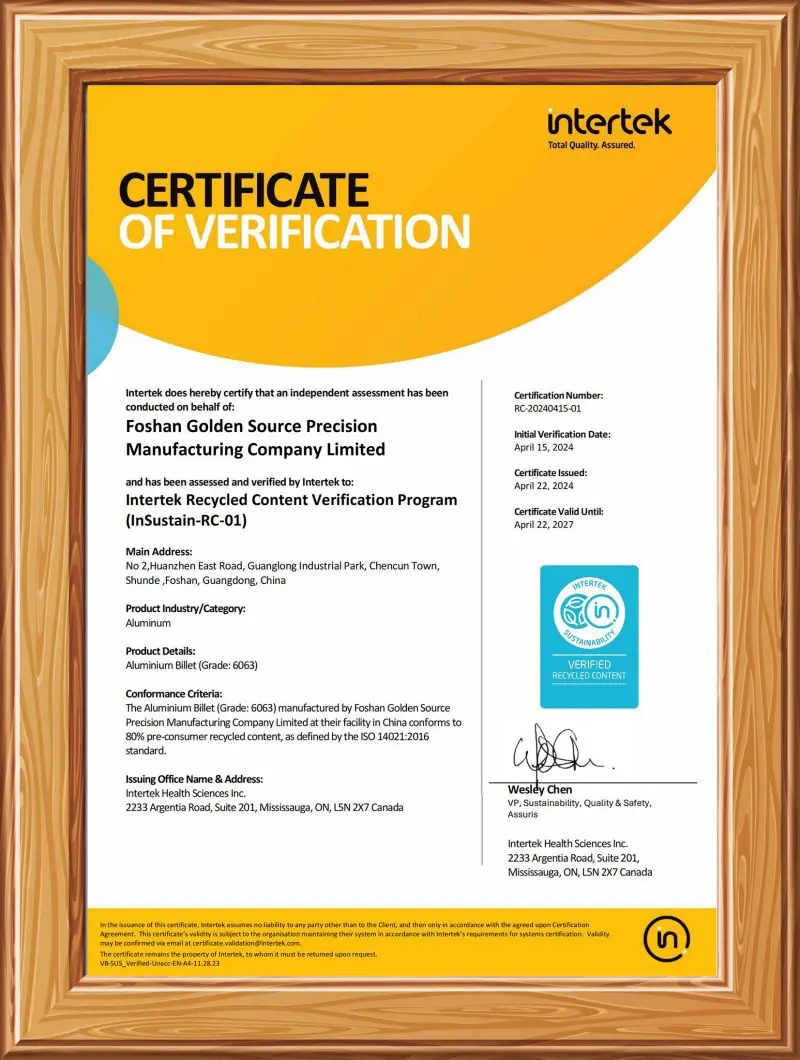
We proactively audit our chemistry, sourcing, and post-consumer waste cycles to ensure compliance with European and North American guidelines. Our GRS (Global Recycled Standard) and RCV certifications verify our trace metal reuse processes, ensuring that materials comply with the environmental requirements of the EU’s REACH regulation. This reduces potential exposure to cross-border carbon tariffs (CBAM).
Our engineering office offers Design for Manufacturability (DFM) support. We work closely with our partners' CAD models, suggesting small adjustments to draft angles, radii, wall thicknesses, and alloy selections to improve extrusion yield, eliminate machining operations, and lower unit costs.
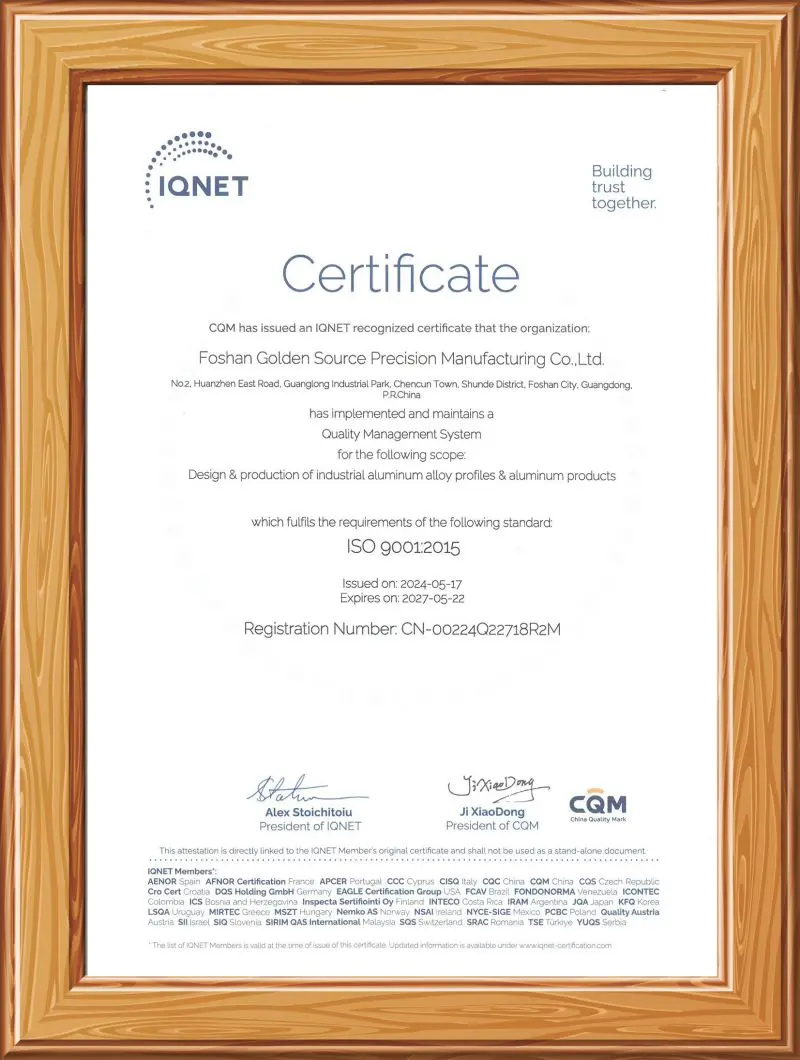
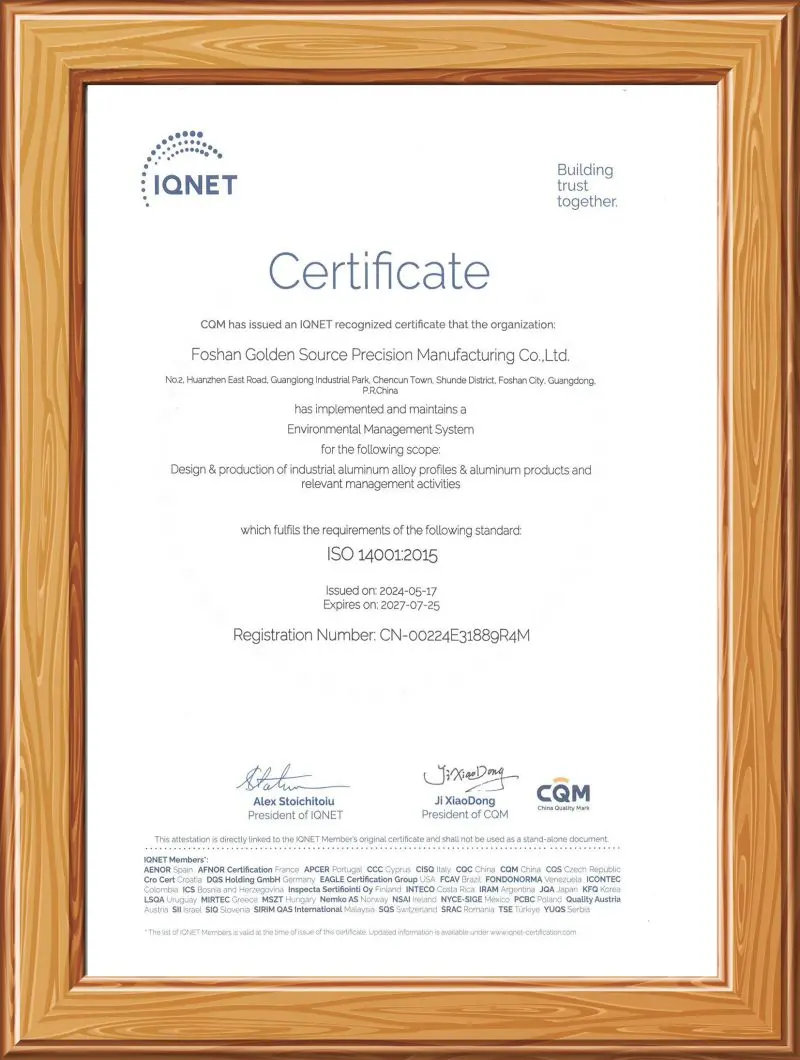
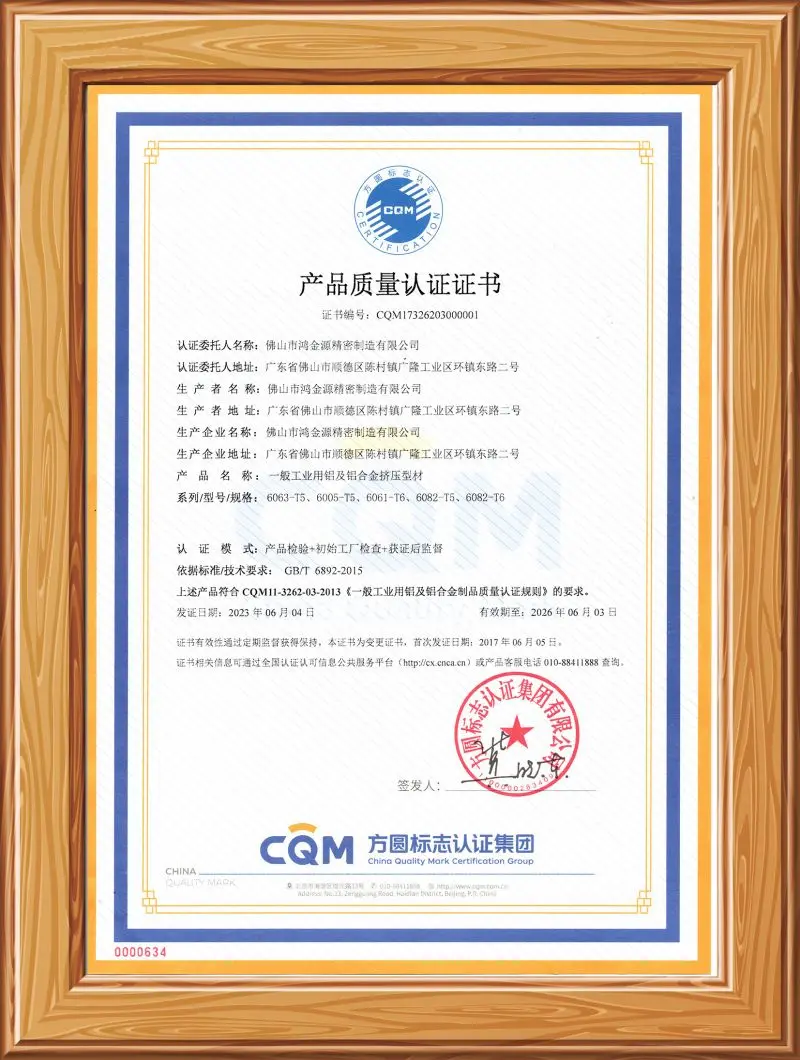
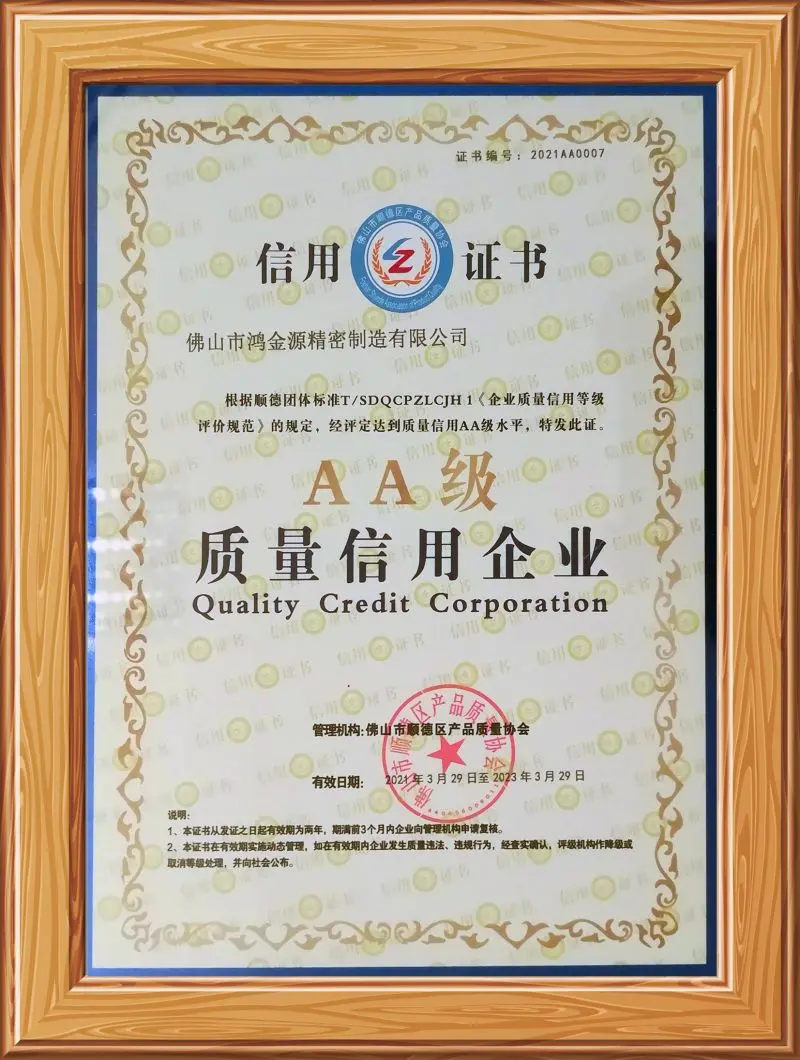
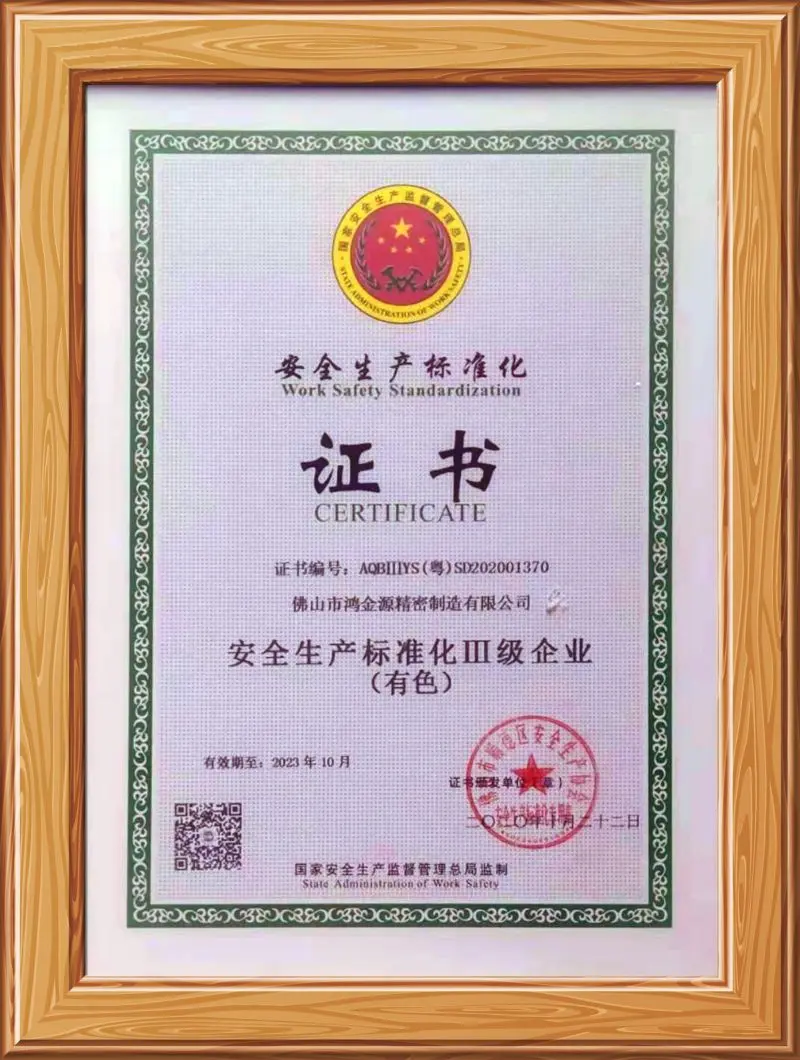
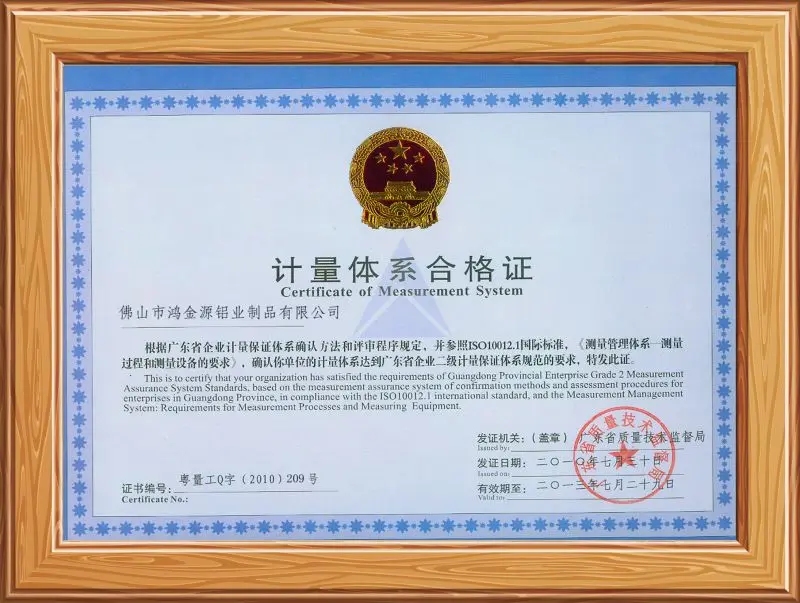
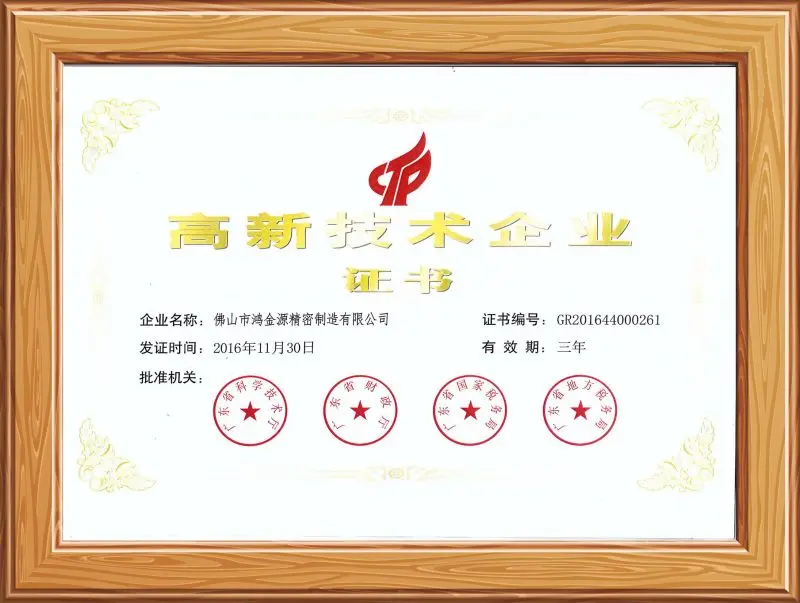
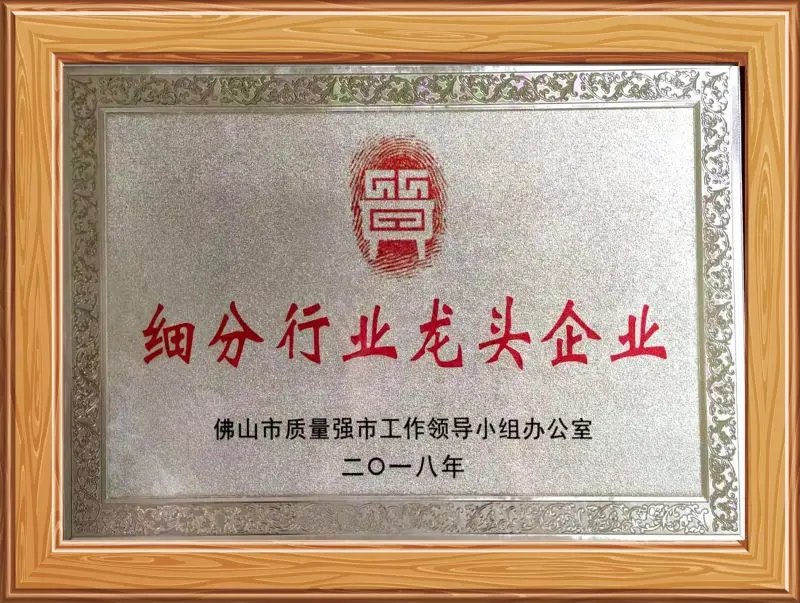
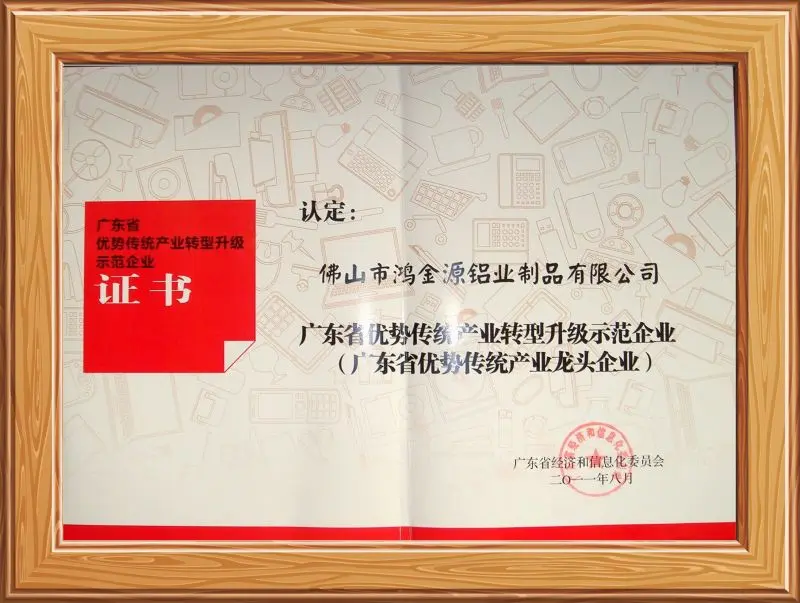
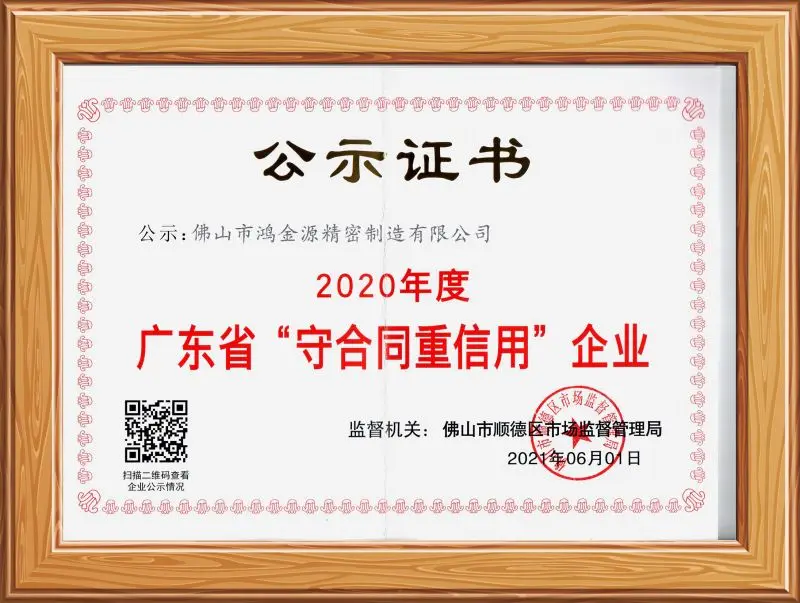
ISO9001, ISO14001, 45001, GRS, RCV certified. We hold certificates on clean production, credit, quality, and technical innovation from municipal, provincial, and national authorities.
Technical answers to key structural, manufacturing, and regulatory questions from engineering and procurement specialists.
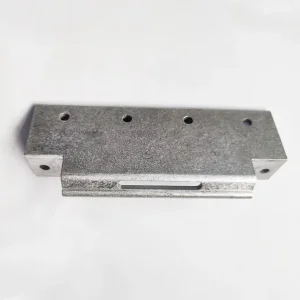
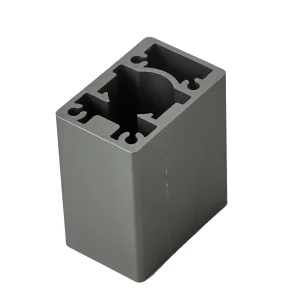
Review our portfolio of precision machined joints, structural glass connectors, and heavy-duty sliding mechanism components.
 HG Precision