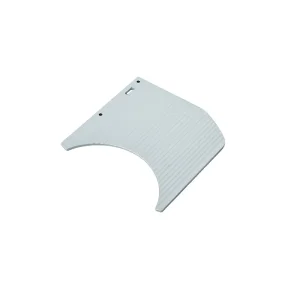
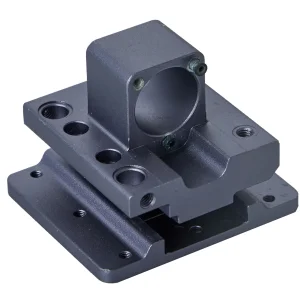
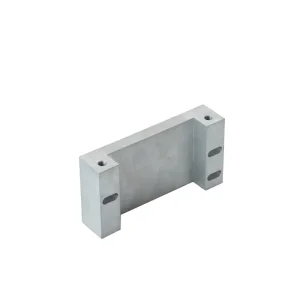
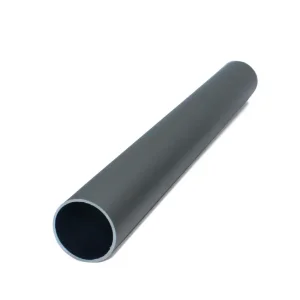
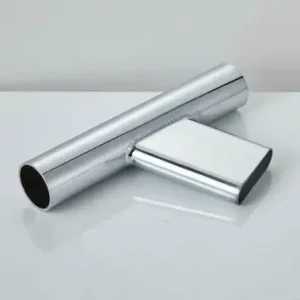
Explore our custom manufactured components ranging from CNC machined parts to anodized functional extrusions.
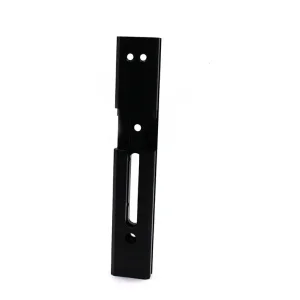
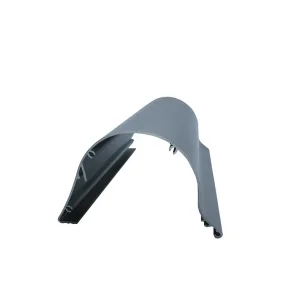
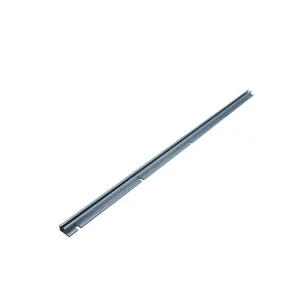
Foshan Golden Source Precision Manufacturing Co., Ltd.
Established in 1991, Foshan Golden Source Precision Manufacturing Co., Ltd. is an industry-leading professional manufacturer specializing in high-strength, high-precision, customized aluminum profiles and precise machining aluminum parts, welded elements, and fully assembled aluminum products. Boasting a modern and environmentally friendly production base covering an area of over 73,000 square meters, we maintain a complete, vertically integrated production model. Our facilities manage everything from alloy casting, mold research, design, and production, to extrusion, precise CNC machining, structural welding, advanced assembly, and surface treatment.
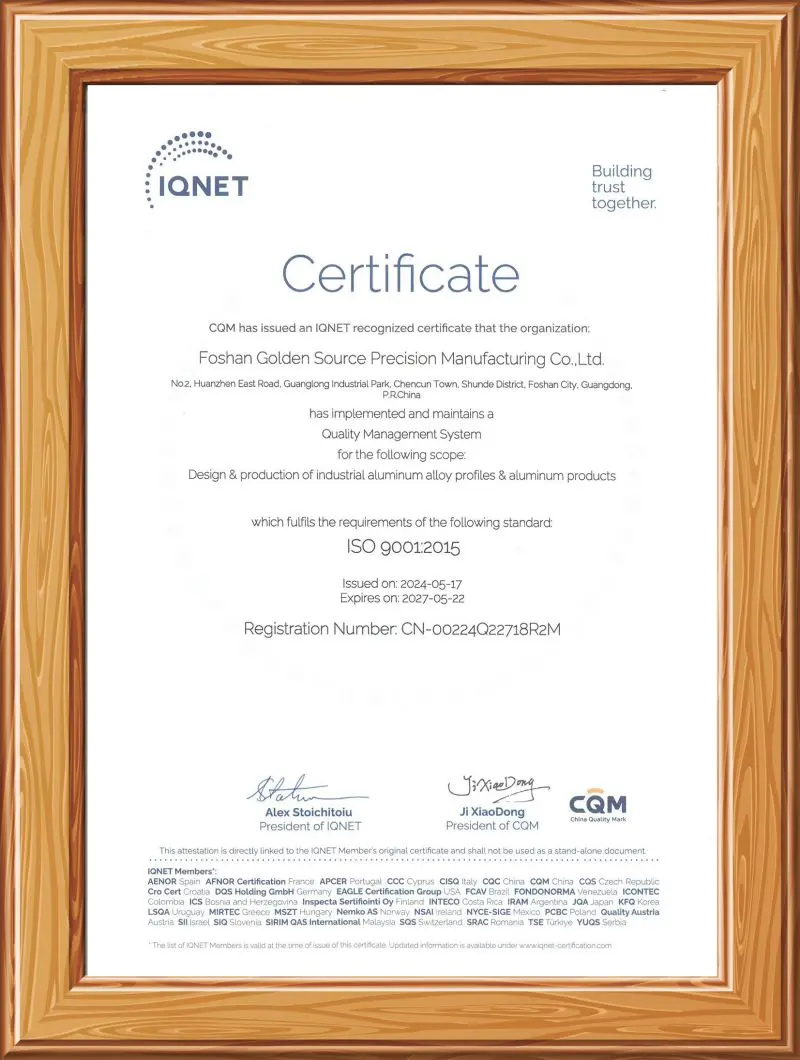
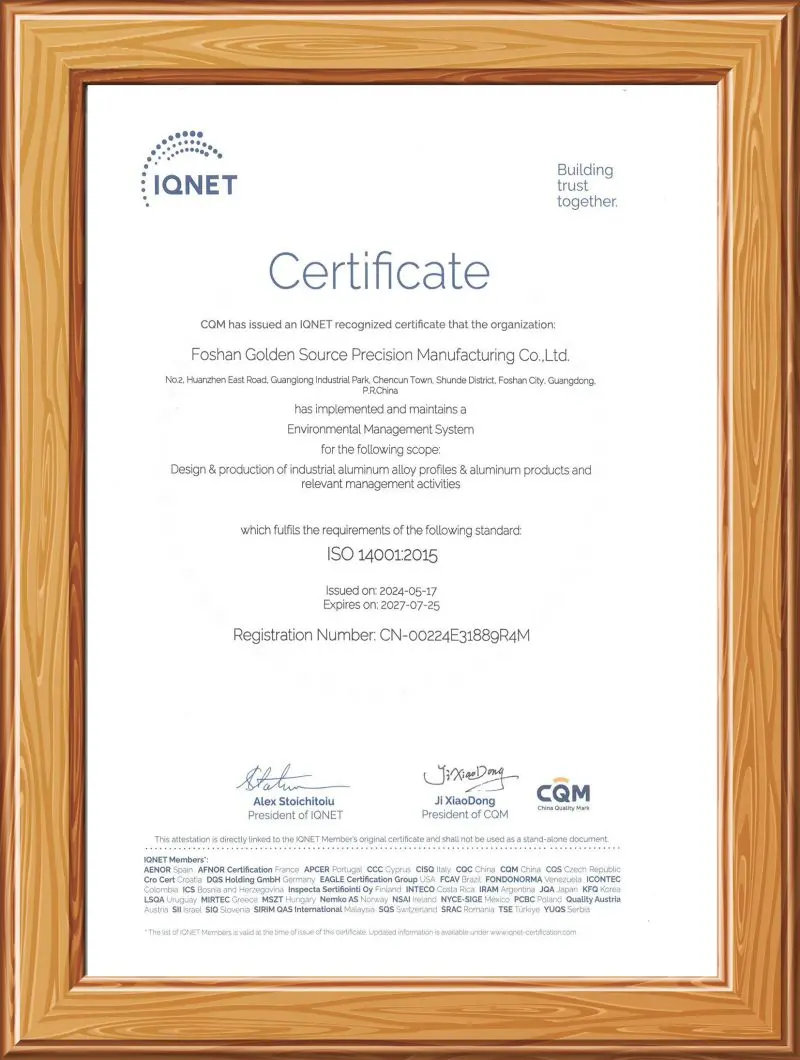
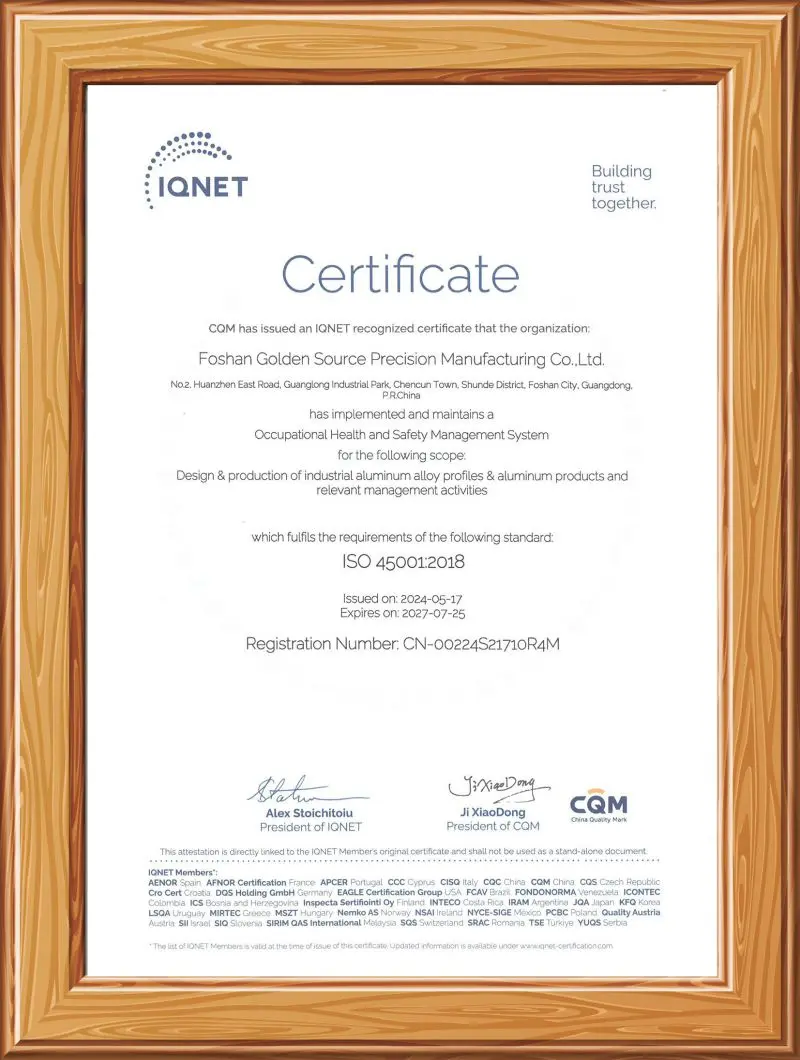
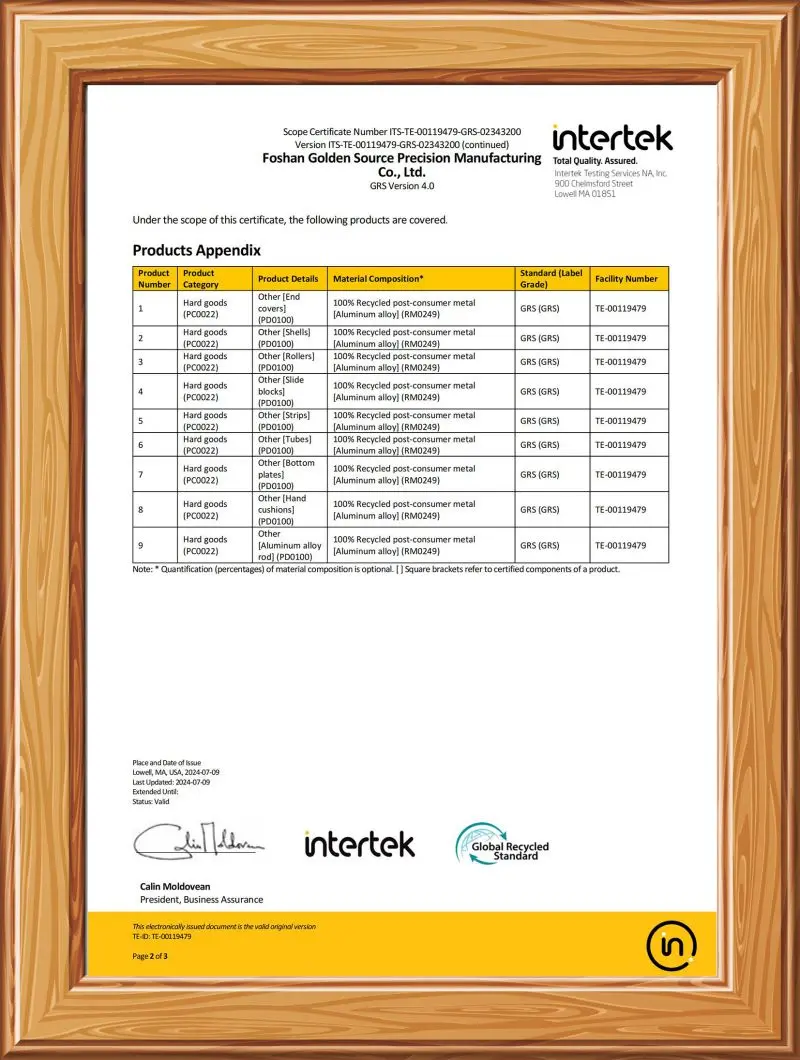
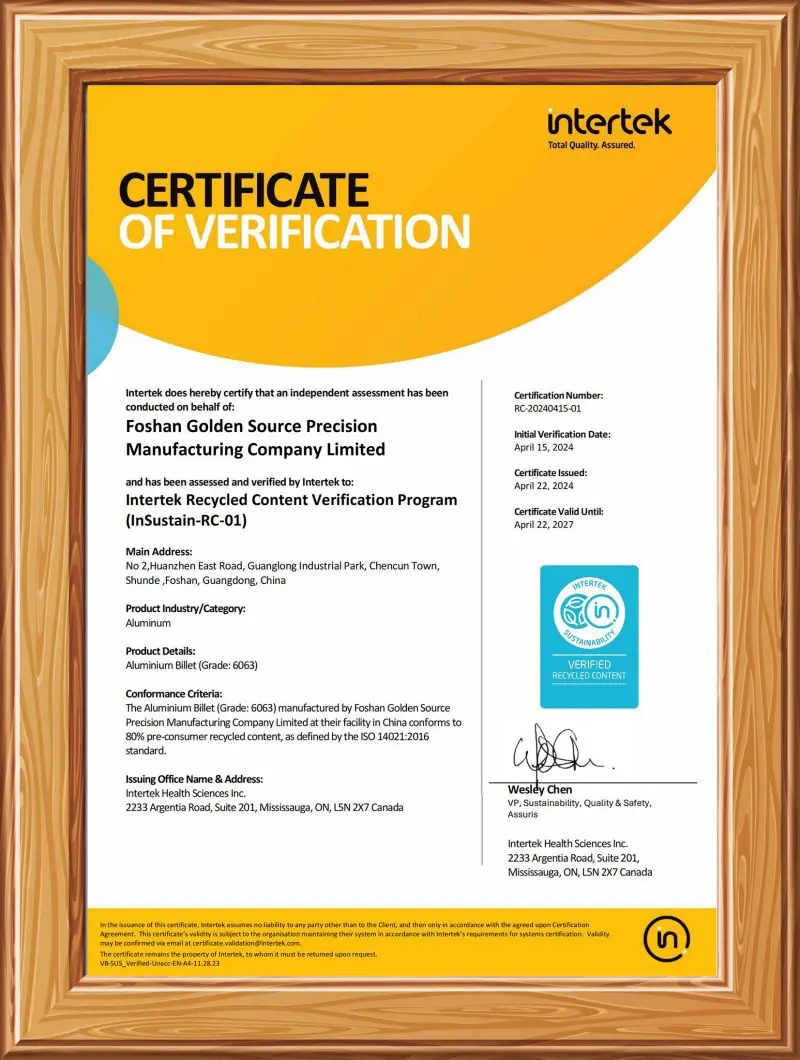
Our company holds certifications including ISO9001, ISO14001, and ISO45001 alongside regulatory compliances such as RCV and GRS. These guarantee that our operations support environmental protection requirements, including compliance with the European Union’s strict REACH regulations. We work across a comprehensive spectrum of material series (ranging from 1XXX, 3XXX, 5XXX, 6XXX, to high-performance 7XXX alloys) to meet the highly specialized criteria of hardware tools, 3C electronics, automotive structural parts, railway rolling stock, premium furniture, architectural decor, and outdoor sporting equipment.
Company catalogue download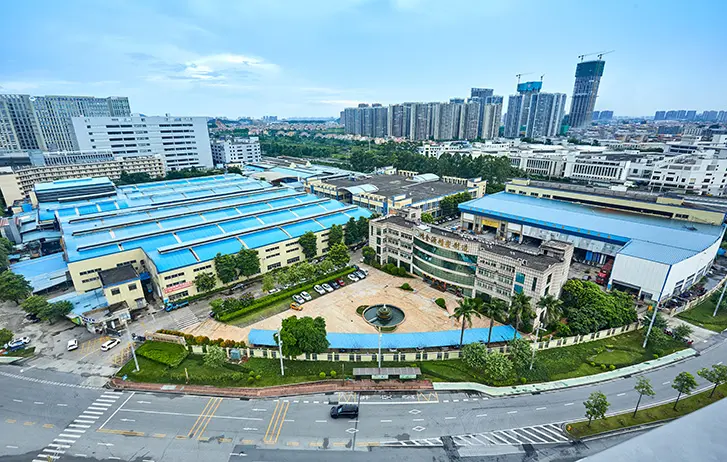
Understanding the transition to lightweight, high-performance structural systems across global markets.
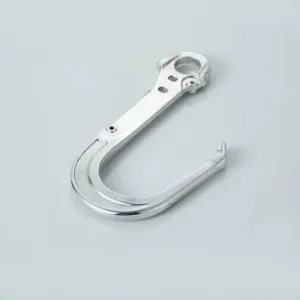
Modern industrial rigging and aviation engineering are heavily shifting away from structural carbon steels to specialized aerospace-grade aluminum alloys, particularly the 7075-T6 and 6063-T5/T6 series. Structural components such as climbing carabiners, utility fall-arrest hooks, and safety tension latches rely on aluminum's exceptional strength-to-weight ratio. Using aluminum reduces physical strain on personnel and mechanical wear on moving setups without risking fatigue failure under heavy shock loads.
Industrial applications in marine transport, heavy solar infrastructure, and high-humidity electronics require hardware that can withstand long-term exposure to salt spray and chemical agents. Custom anodized aluminum hooks provide reliable passive oxide layers that stop pitting and atmospheric corrosion. These surface treatments eliminate the maintenance costs associated with structural steel coatings, creating high value for coastal logistics and offshore operations.
Global supply chains are adapting to strict regulatory standards regarding carbon emissions. Through RCV (Recycled Content Verification) and GRS (Global Recycled Standard) accreditations, aluminum components support circular economy initiatives. Producing aluminum components consumes less energy than steel refining, helping multinational enterprises meet Scope 3 emissions targets while ensuring long-lasting physical performance.
How localized supply chains and vertically integrated processes keep production efficient and cost-effective.
Southern China, particularly the Foshan industrial corridor, is the world's most dense cluster for aluminum extrusion and machining technology. This hub links primary raw material casting, high-precision tooling design, automated CNC post-processing, and surface finishing within a small geographic area. This proximity speeds up research and development cycles, reducing lead times from months to weeks.
At Foshan Golden Source Precision Manufacturing, we melt and cast alloys in-house. This allows us to adjust compositions for optimal physical properties and high purity, which is critical for consistent anodizing. Machining, stamping, and surface treatments are all completed under one roof, reducing shipping costs between subcontractors and keeping unit costs low. This integrated workflow allows us to deliver high-quality components at competitive market prices.
By controlling the smelting process in-house, we adjust alloy elements (like silicon, magnesium, and copper) to achieve high mechanical properties. This control yields clean anodized finishes and prevents structural defects during extrusion.
Multi-step products (such as extrusion-to-stamping or CNC-to-plating) remain inside a single facility under unified quality tracking. This prevents part damage during transport and accelerates output times.
Technical reference guide for selecting structural and decorative aluminum alloys.
| Alloy Series | Primary Elements | Tensile Strength (MPa) | Anodizing Performance | Common Industrial Applications |
|---|---|---|---|---|
| 1XXX Series (e.g. 1060, 1100) | Pure Aluminum (≥99.0%) | 70 - 110 | Excellent (High luster/clear) | Electrical conductors, decorative plates, high-purity chemical equipment. |
| 3XXX Series (e.g. 3003) | Manganese (Mn) | 110 - 190 | Good (Slightly grey tones) | Heat exchangers, chemical vessels, auto- soybean milk components. |
| 5XXX Series (e.g. 5052) | Magnesium (Mg) | 190 - 260 | Very Good (Highly anti-corrosive) | Marine fittings, structural logistics hooks, fuel tanks. |
| 6XXX Series (e.g. 6063, 6061) | Silicon & Magnesium (Si/Mg) | 180 - 310 | Superb (Perfect for sandblast/colors) | Architectural profiles, CNC gate locks, hard disk cases, window hinges. |
| 7XXX Series (e.g. 7075) | Zinc (Zn) | 480 - 570 | Moderate (For industrial coatings) | High-stress structural parts, aerospace fittings, climbing carabiners. |
How we maintain product quality and efficient logistics across international projects.
We melt the alloy in-house, adjusting composition to achieve optimal physical properties in our extrusion profiles. This process yields high-purity alloys suitable for consistent, high-quality anodizing.
Machining and surface treatments are handled on-site for direct quality control and lower production costs. This integrated workflow helps us deliver premium products at competitive price points.
Our "one-stop" production model simplifies coordination, allowing for shorter manufacturing runs and faster delivery timelines for international clients.
How our aluminum products fit into international industrial applications.
European and American regulatory bodies enforce strict safety performance guidelines for mountaineering and safety gear. Climbing hooks require high-strength 7075-T6 alloy components, heat-treated to withstand structural forces up to 22kN. Our production lines utilize computer-controlled testing equipment to verify mechanical load limits on every production run, ensuring compliance with international EN 362 standards.
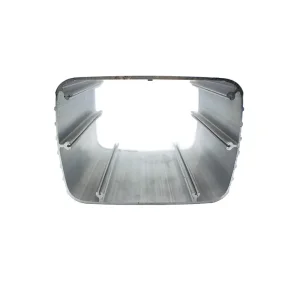
With the growth of the electric vehicle market, manufacturers rely on extruded structures (like 6063 alloy housings) for lightweight, high-performance battery casings. Integrated structural profiles reduce component count and simplify assembly, while clean surface treatments support reliable ground connections and long-term protection against road wear.
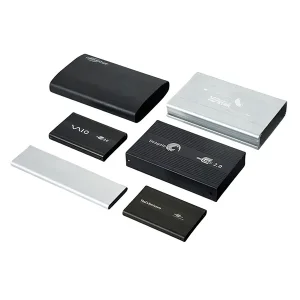
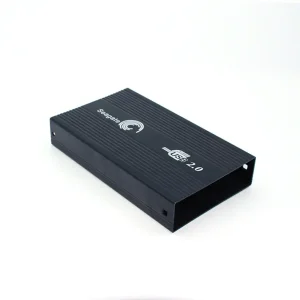
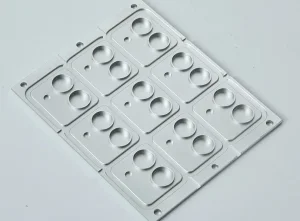
Consumer electronics and optical components require strict dimensional tolerances down to ±0.01mm. Utilizing high-grade CNC machining and micro-sandblasting, we produce cases for hard drives, optical holders, and specialized equipment housings that match complex design specifications while maintaining clean aesthetic surfaces.
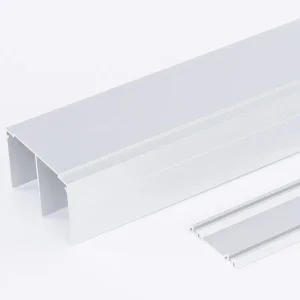
Our custom clear and black anodized components, such as wardrobe rails, sliding door rollers, and heavy-duty skylight hinges, are built to resist atmospheric wear. Specially formulated alloys help prevent discoloration and wear in marine interiors and high-end residential fittings.
Verifying our compliance with international environmental, quality, and workplace standards.
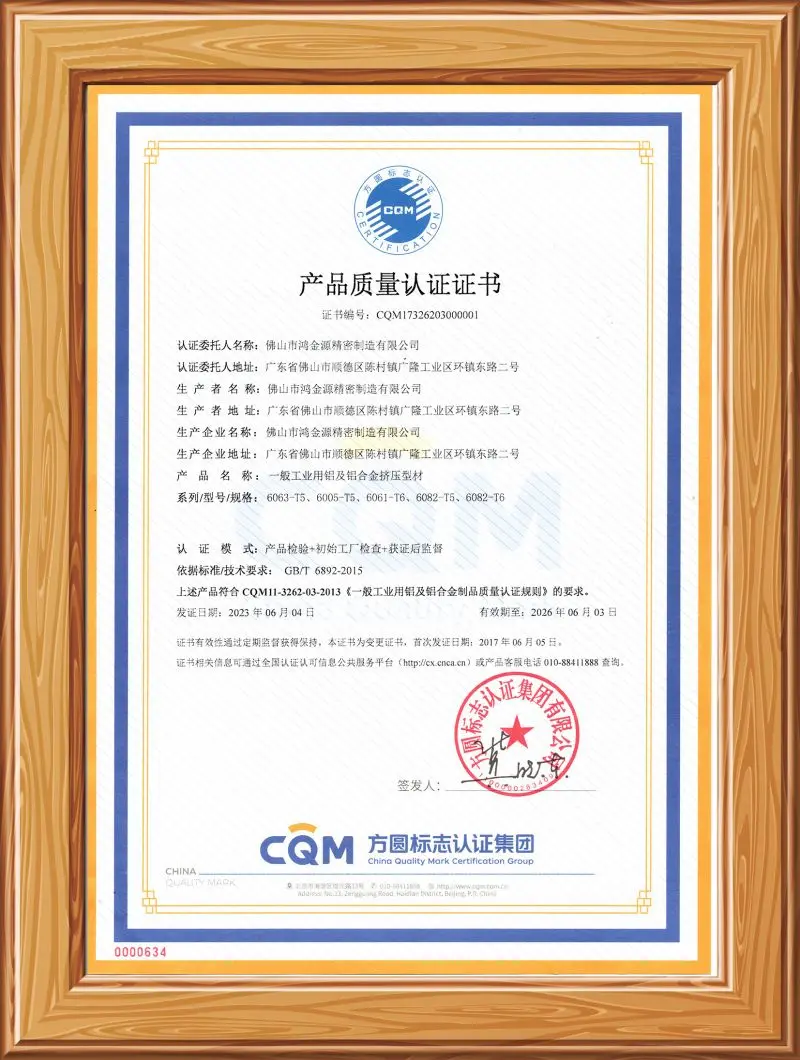
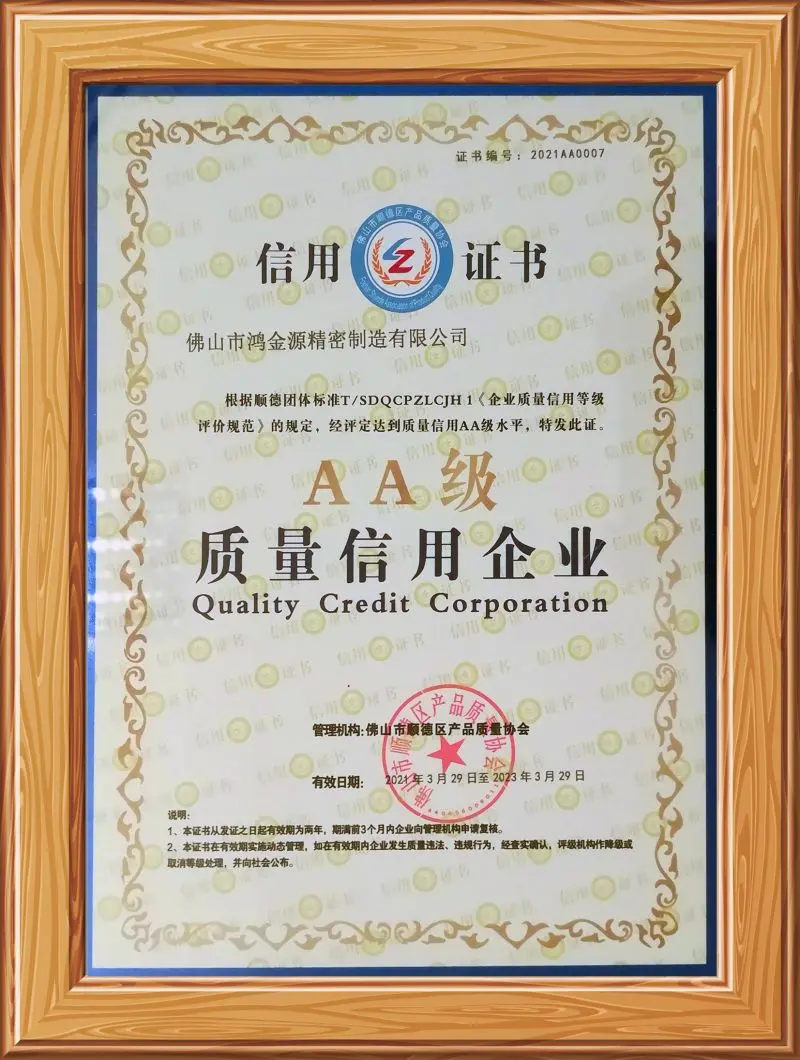
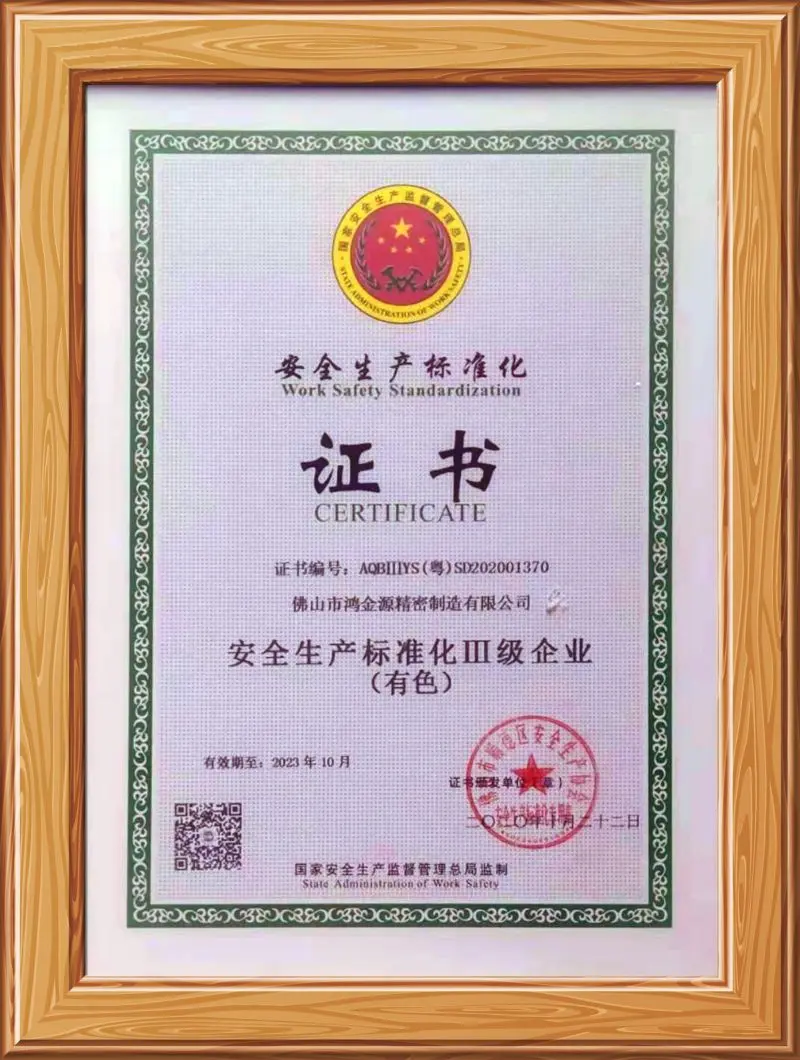
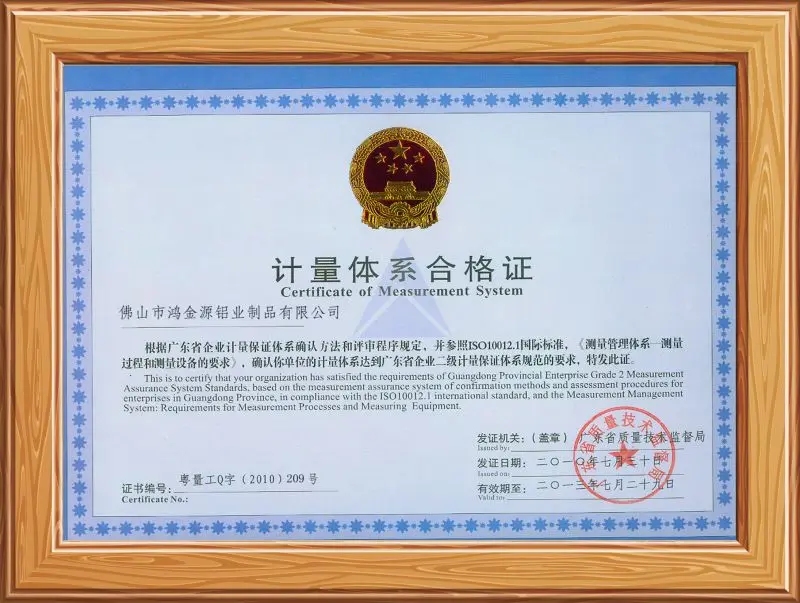
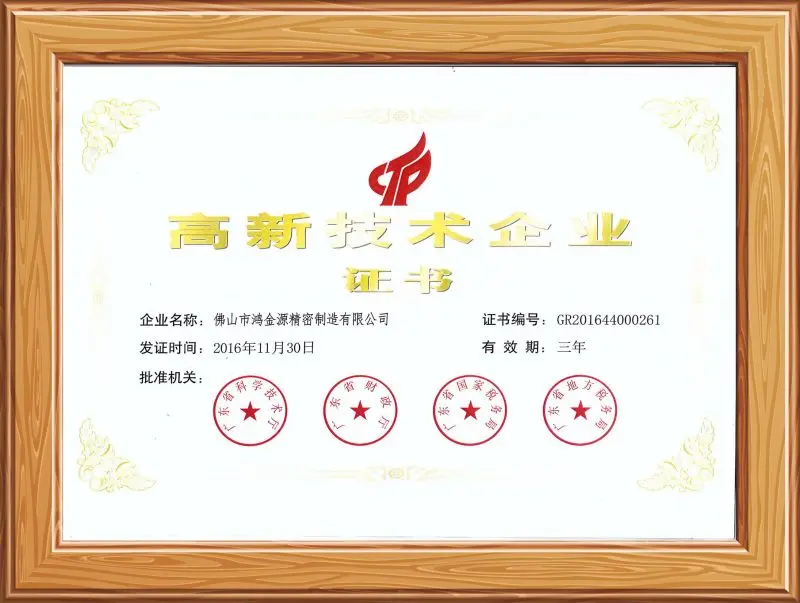
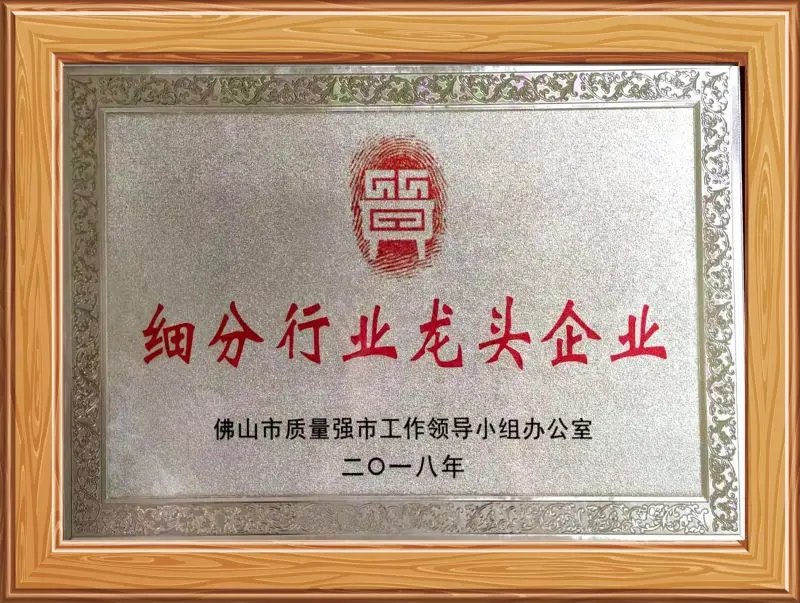
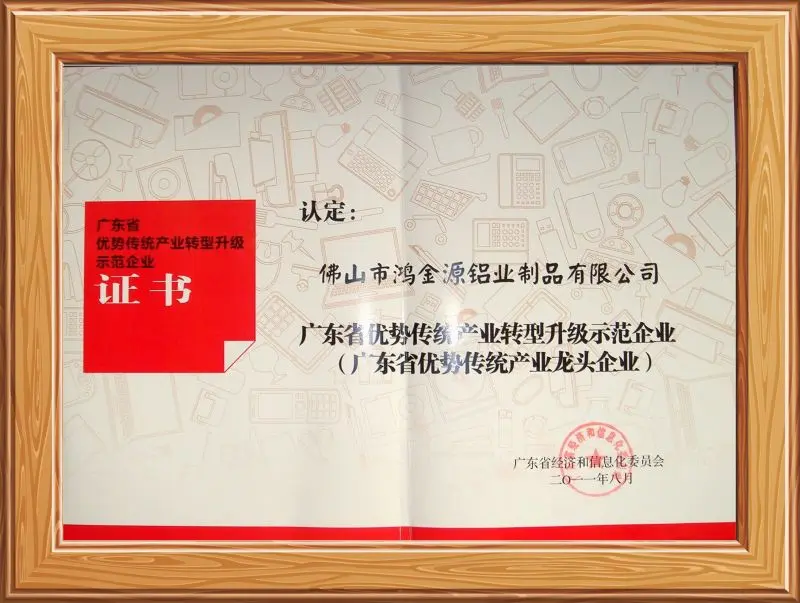
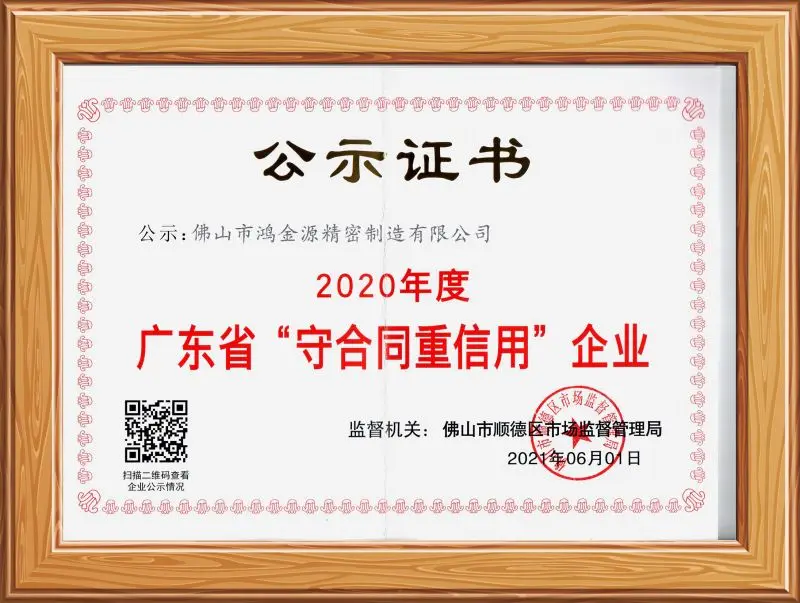
Our production facilities maintain compliance with ISO9001, ISO14001, and ISO45001 standards, alongside specialized GRS and RCV certifications designed to meet modern environmental criteria. Below is a selection of our typical certifications and official enterprise awards.
Key engineering and commercial considerations for sourcing custom aluminum components.
Explore more of our customized structural, mechanical, and architectural aluminum products.
 HG Precision