High-Quality Retractable Aluminum Pole Factories & Pricelist

Precision Engineering, Advanced Extrusion Metallurgy, and Direct Factory Sourcing Solutions for Global Enterprises

Industrial Whitepaper & Strategic Global Procurement Guide

Analyzing the shift toward lightweight, high-tensile custom alloy solutions in heavy industry, automation, clean energy, and advanced utility access systems.

30+
Years Manufacturing Experience
73k㎡
Modern Production Facility
6063/7075
High-Performance Alloys
100%
EU REACH Compliant (GRS & RCV)

Global Commercial Landscape of Retractable Aluminum Poles

The industrial demand for premium, custom-engineered retractable aluminum poles has expanded significantly beyond domestic or consumer-level cleaning tools. Today, these components form critical structural systems in high-tech commercial sectors. From lightweight, high-altitude maintenance systems to solar panel diagnostics, telescopic camera arms, and search-and-rescue utility tools, the performance profile of telescopic aluminum tubes directly affects operator safety, mechanical efficiency, and product lifespan.

Globally, procurement managers face challenges related to material fatigue, structural deflection (bending stress under load), and the weight-to-strength ratio. High-strength structural grades like the 6000 and 7000 series aluminum alloys have emerged as the standard. They provide the tensile properties of steel at only one-third of the weight. Industries ranging from telecommunications to automotive, outdoor logistics, and aerospace are shifting toward specialized anodized telescoping shafts that can withstand harsh maritime, desert, and industrial environments without structural degradation.

Foshan Golden Source Precision Manufacturing Co., Ltd addresses these demands by offering engineered telescoping tubing solutions that feature micron-level tolerances, customizable lock systems (including twist locks, flip-lever locks, and spring button configurations), and optimized surface treatments.

Foshan Golden Source Precision Manufacturing Co., Ltd

Established in 1991, offering one-stop precise aluminum engineering services for more than three decades.

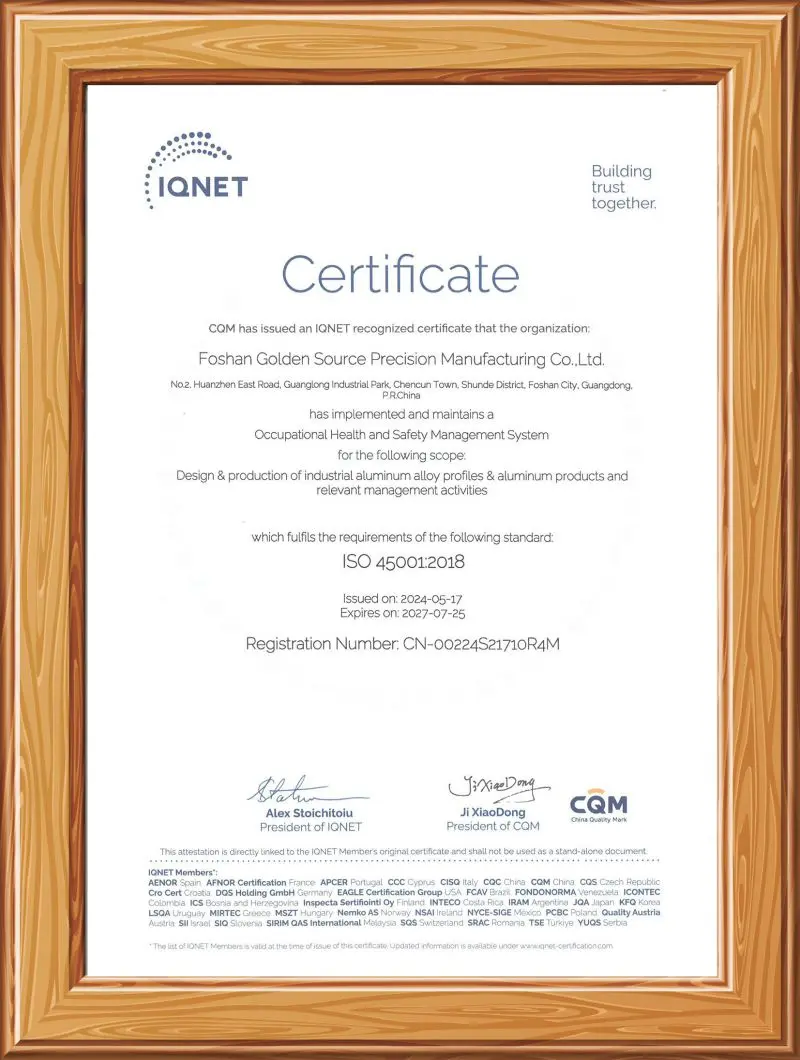
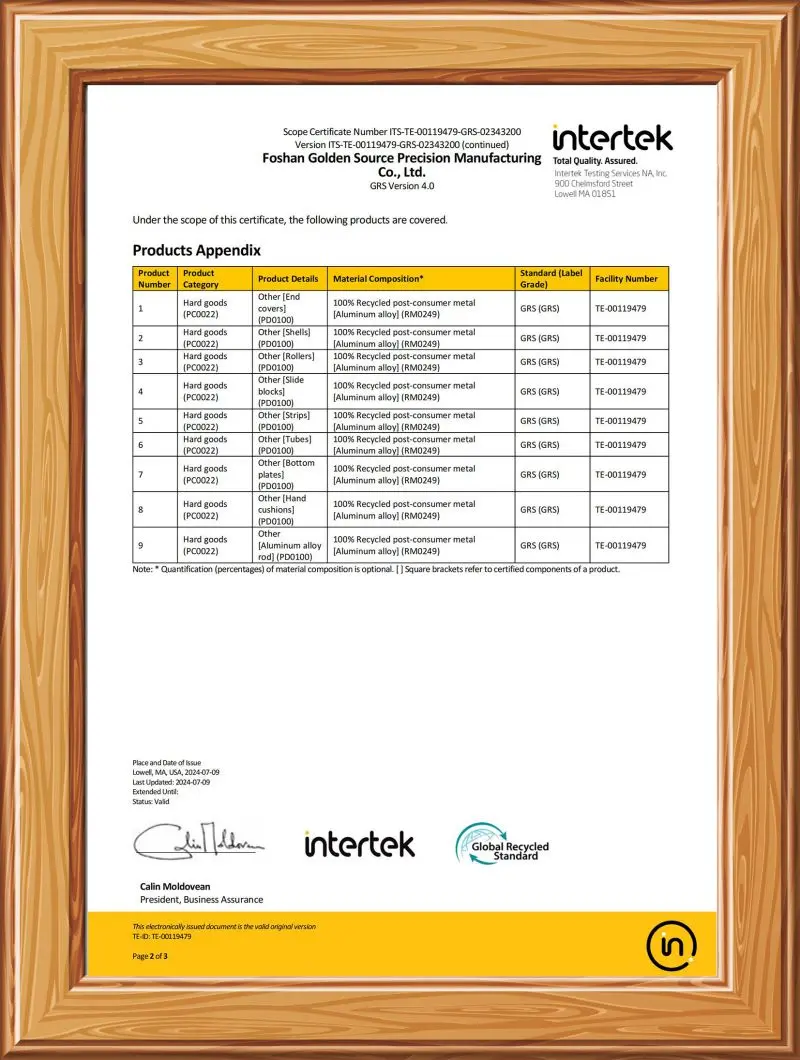
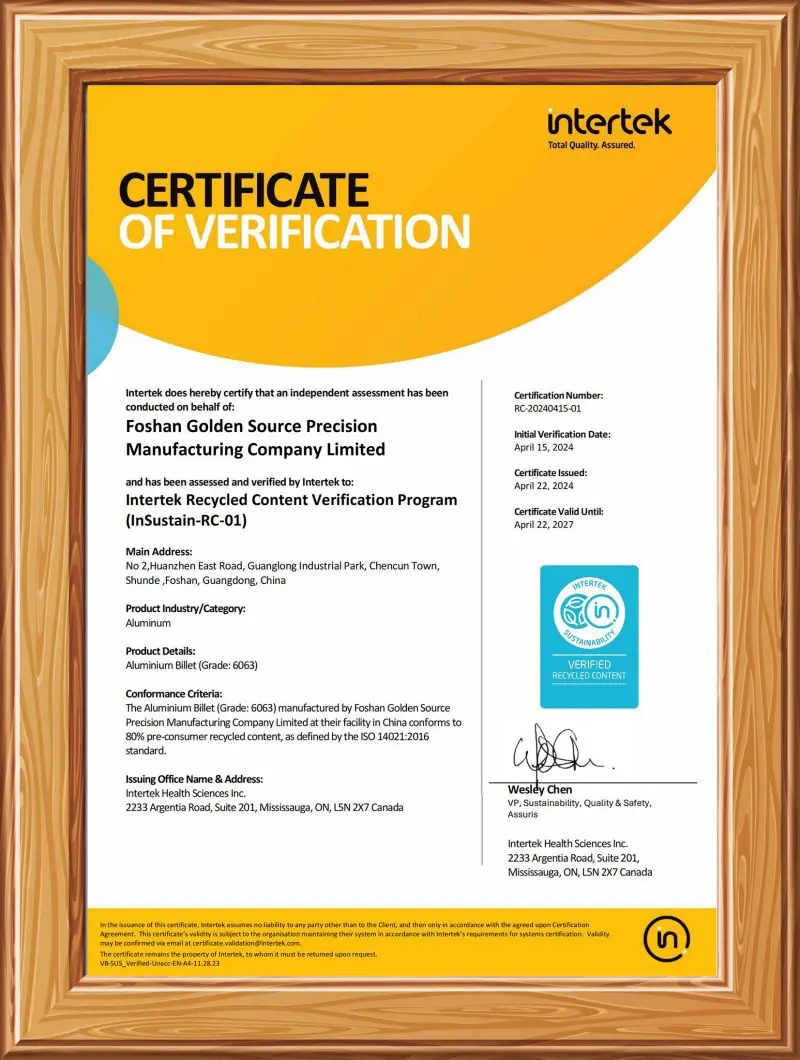
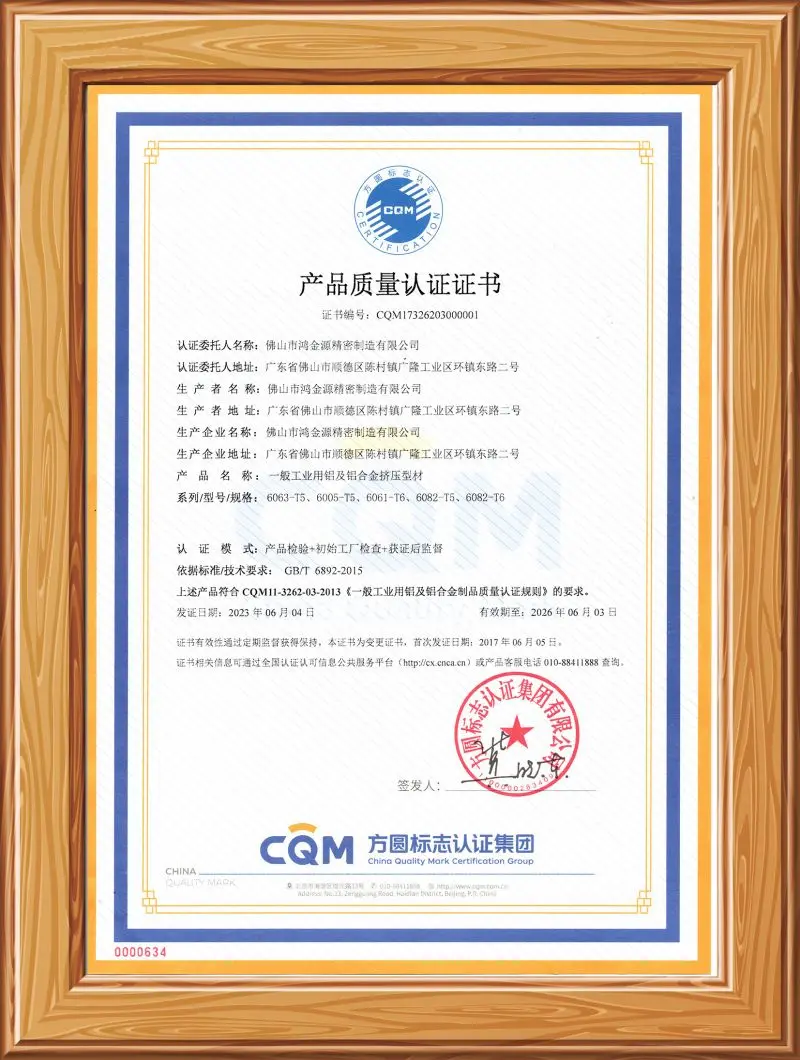
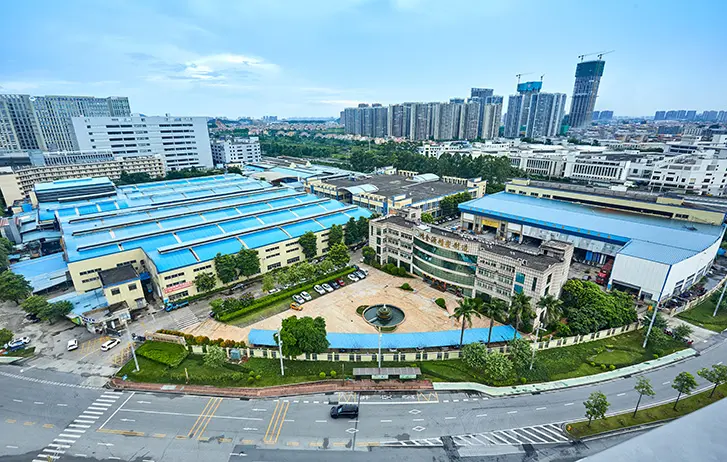
Foshan Golden Source Precision Manufacturing Co., Ltd, established in 1991, is a professional manufacturer of high-strength, high-precision, customized aluminum profiles and precise machining aluminum parts, welded parts, and assembled aluminum products. With a modern and environmentally friendly production base covering an area of over 73,000 square meters, the company offers one-stop service, including alloy casting, mold research & design & building, aluminum extruding, precise machining, welding, assembly and surface treatment. The company holds certifications such as ISO9001, ISO14001, ISO45001, RCV, and GRS, ensuring that its products comply with the environmental requirements of the EU’s REACH regulation. A wide range of aluminum alloy series are available, including: 1XXX, 3XXX, 5XXX, 6XXX, 7XXX alloy, which allow us to meet different demands of various industries and fields, including hardware tools, 3C products, automobile, railway, furniture, decoration, and outdoor products.

Supply Chain Efficiency & The China Manufacturing Edge

How geographical cluster concentration and vertically integrated production reduce capital expenditure and shorten lead times.

01

Full Vertical Integration

By keeping alloy casting, die tooling, extrusion, secondary CNC machining, and surface finishes in-house, we eliminate external transport times, prevent mid-process oxidation, and maintain tight control over every stage of production.

02

Shortened Lead Times

Foshan’s industrial hardware ecosystem allows for rapid tooling adjustments, swift material sourcing, and quick prototyping, reducing overall development timelines from weeks to days.

03

Rigorous Compliance

Our facility holds ISO9001, ISO14001, ISO45001, RCV, and Global Recycled Standard (GRS) certifications. We verify alloy compositions through optical emission spectrometry to meet global import and environmental standards.

Engineering Specifications for Telescopic Systems

Understanding alloy compositions, mechanical performance properties, and locking mechanism tolerances.

Alloy Grade Comparison & Physical Mechanics

Selecting the proper alloy grade is critical when designing telescoping components:

  • 6063-T5/T6 Alloy: Provides an excellent surface finish and balanced mechanical properties. It is highly suitable for anodizing and is commonly used in consumer, architectural, and commercial-grade cleaning poles.
  • 6061-T6 Alloy: A structural-grade material with higher yield and tensile strength. It is well-suited for heavy-duty construction, utility poles, and industrial camera rigs where wind resistance and structural deflection limits are strict.
  • 7075-T6 Alloy: An aerospace-grade material offering high yield strength. It is ideal for demanding applications like tactical military gear, climbing equipment, and rescue poles where failure under load is not an option.

We perform in-house chemical composition testing and metallurgical tuning to achieve precise mechanical performance, ensuring consistent walls and minimal eccentricity across concentric sliding tubes.

Precision Machining Capabilities

  • Wall Thickness Tolerance: Up to ±0.05 mm via precision drawing and cold calibration.
  • Finishes: Satin Anodizing, Sandblasting, Mirror Polishing, Chrome Plating, and Electrolytic Coloring.
  • Lock Integration: Custom internal twist-locks, external quick-release snap-locks, and spring buttons.
  • Drilling & Miling: Multi-axis CNC centers ensure precise concentric alignments.

Our Core Manufacturing Advantages

Verifying the structural, process, and organizational features that support Foshan Golden Source.

01

Material Properties

We melt the alloy in house so that we can adjust the compositions to achieve the best physical properties of extrusion profiles, best purity of alloy for high quality anodizing.

02

Product Quality

Machining and surface treatment are done in house will better quality control and saving production costs so that the unit price for product will be lower. Even if the same price as other factory, our quality will be much superior.

03

Fast Delivery

"One-stop" manufacturing capacity will provide faster delivery to customers.

Industrial Qualifications & Environmental Accreditations

We adhere to global standards, including ISO certifications and EU environmental regulations.

Certificates

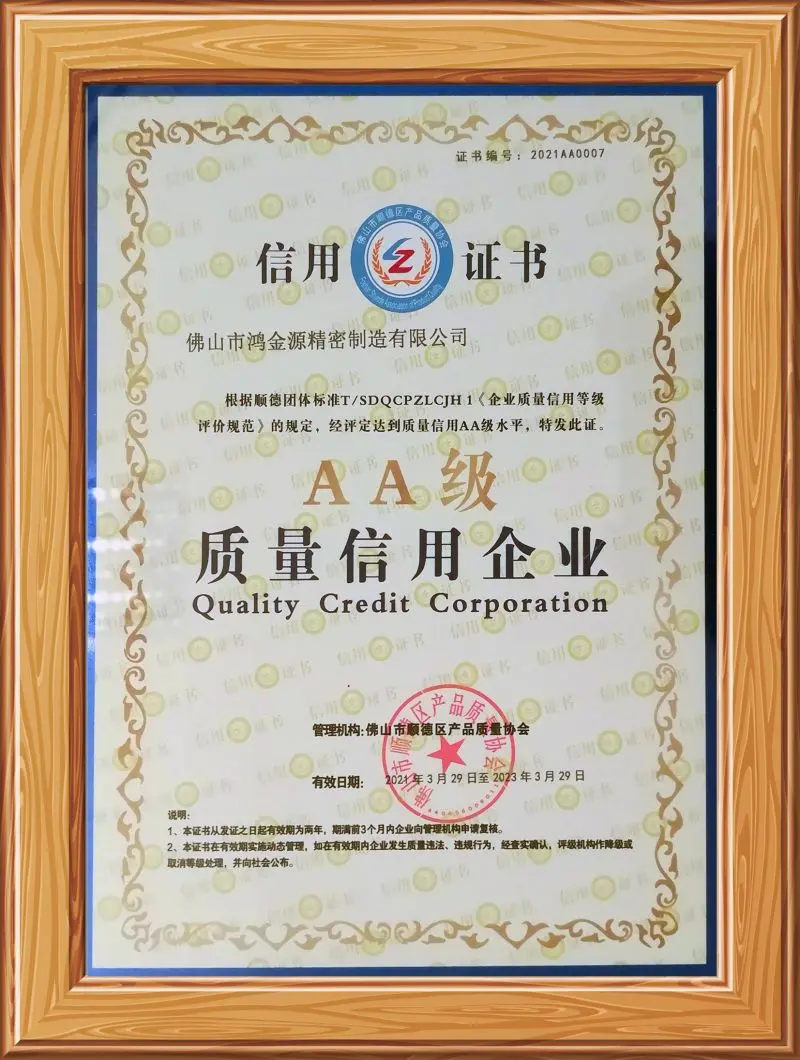
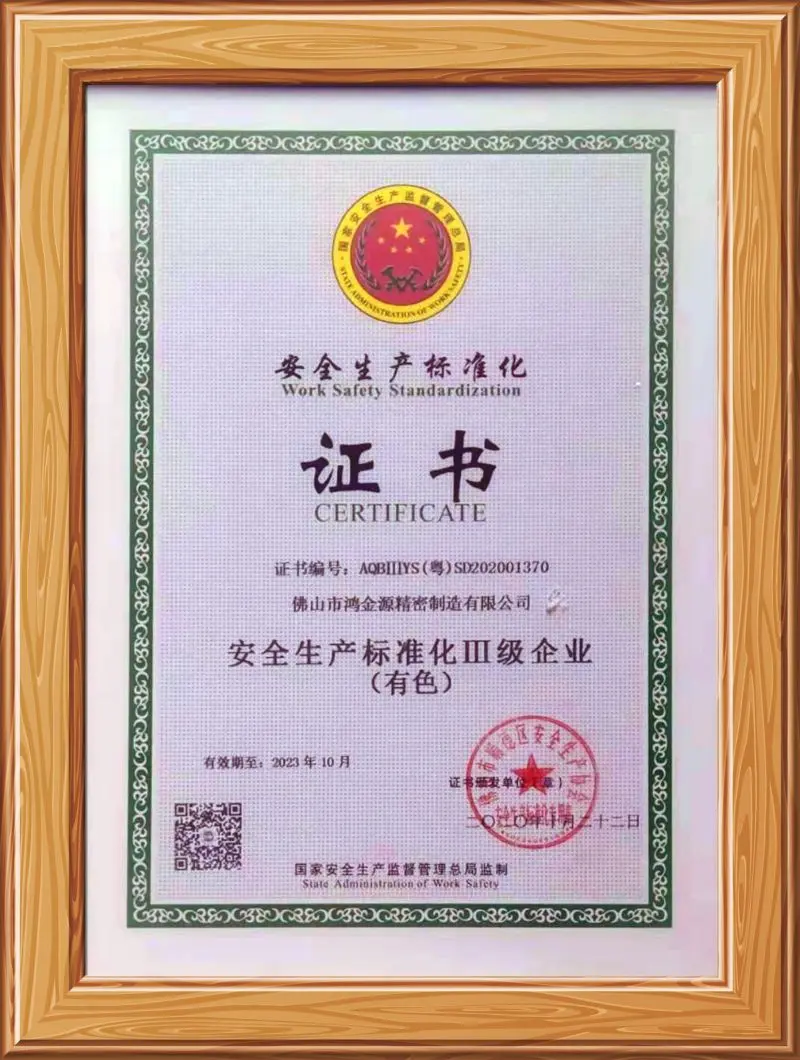
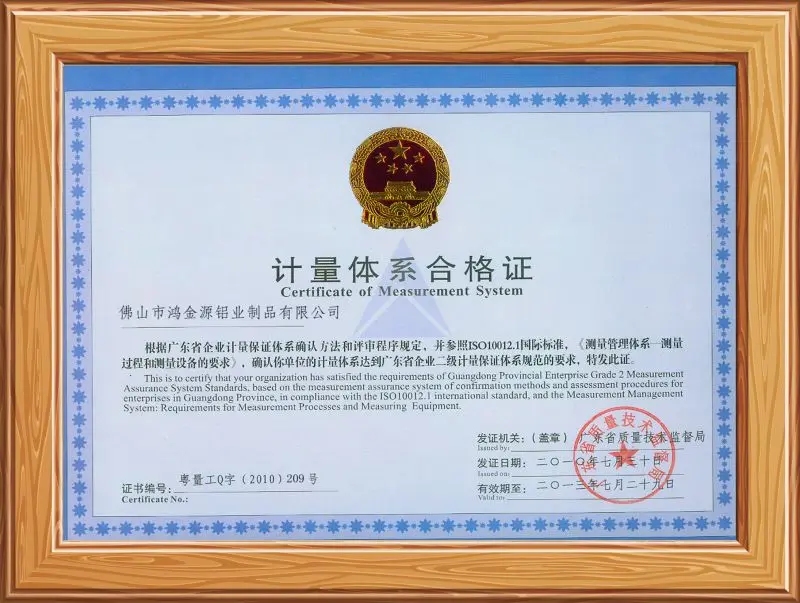
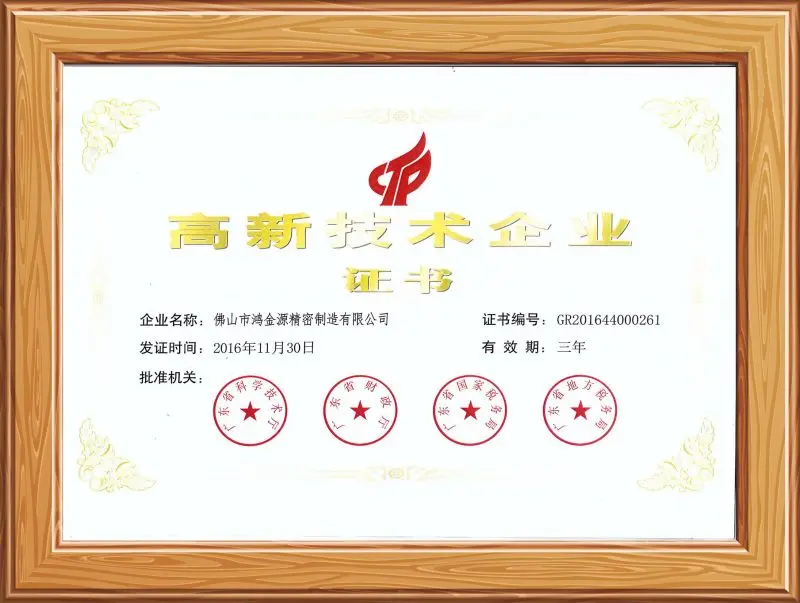
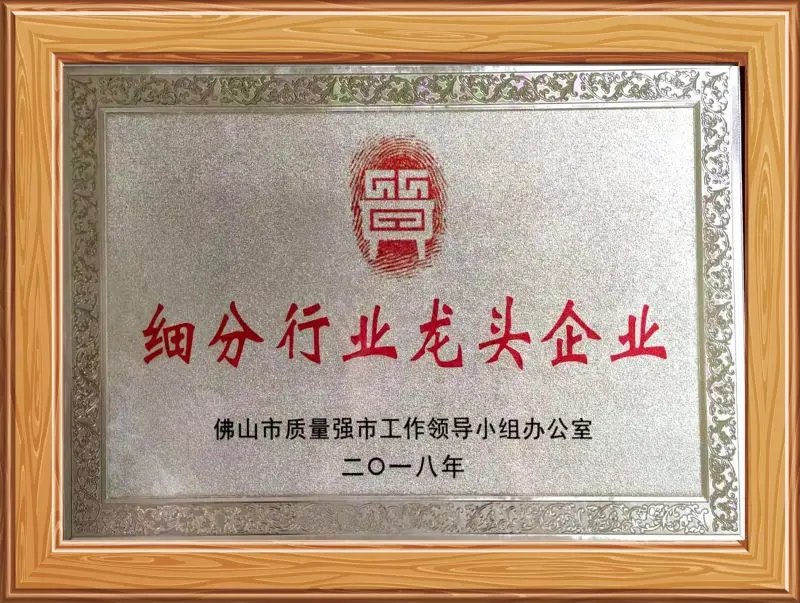
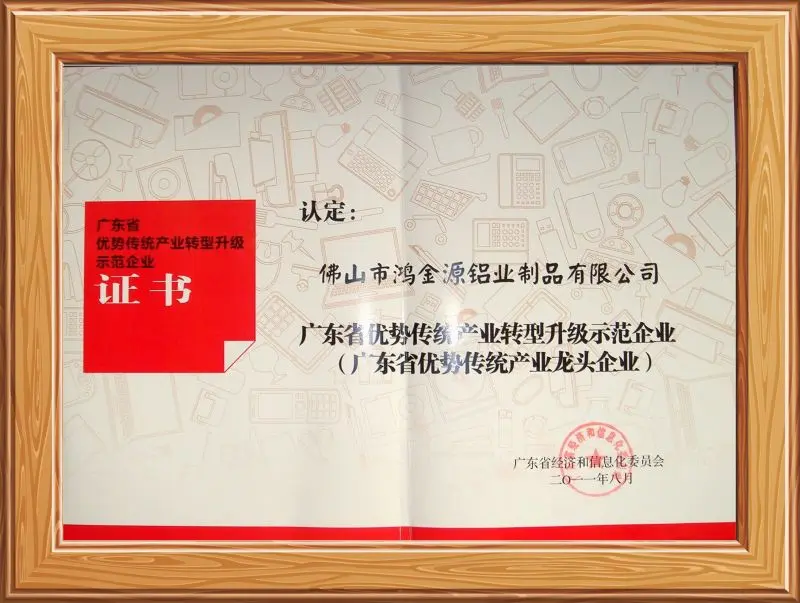
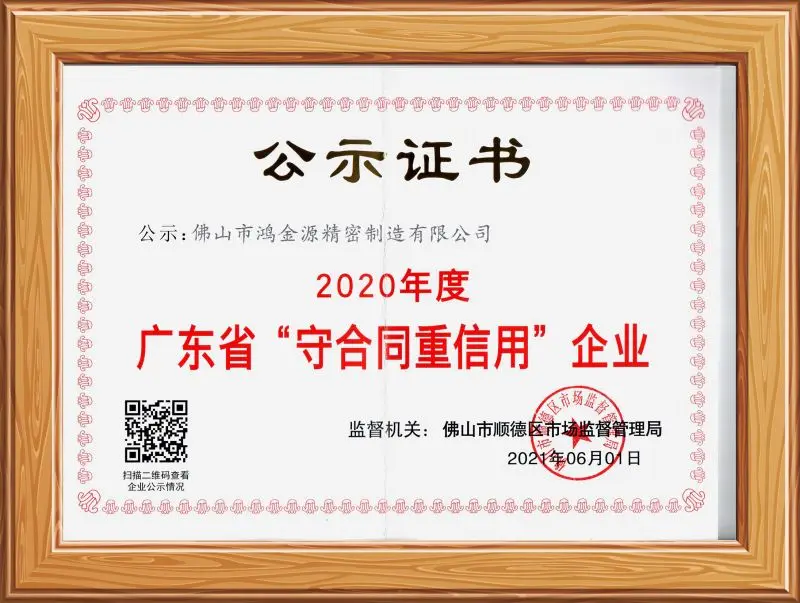
ISO9001, ISO14001, 45001, GRS, RCV certified. Especially, GRS and RCV are very new certifications, which are to meet the environmental regulations from EU. And we also have a lot of awards, honors & certificates on clean production, good credit, superior quality, industry transforming & upgrading, leading positions, top 500 enterprise honor, technology company from District government, municipal government, Provincial government, Central government and other organizations or customers. Here only show some typical certificates…
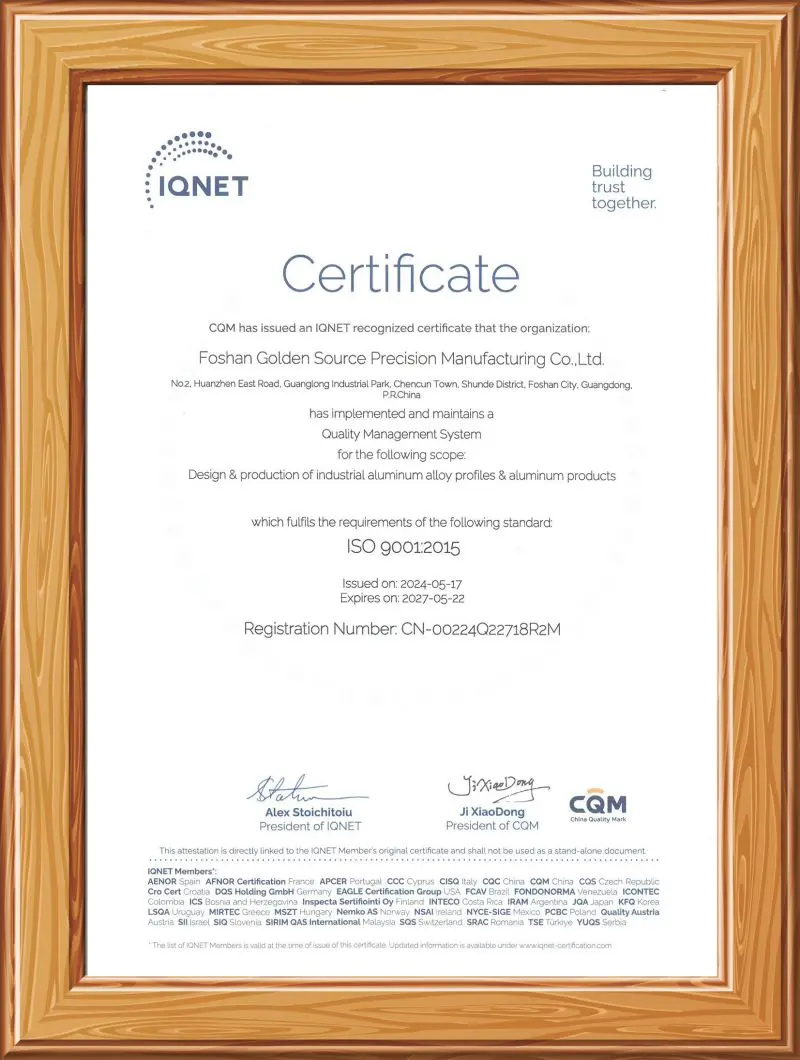
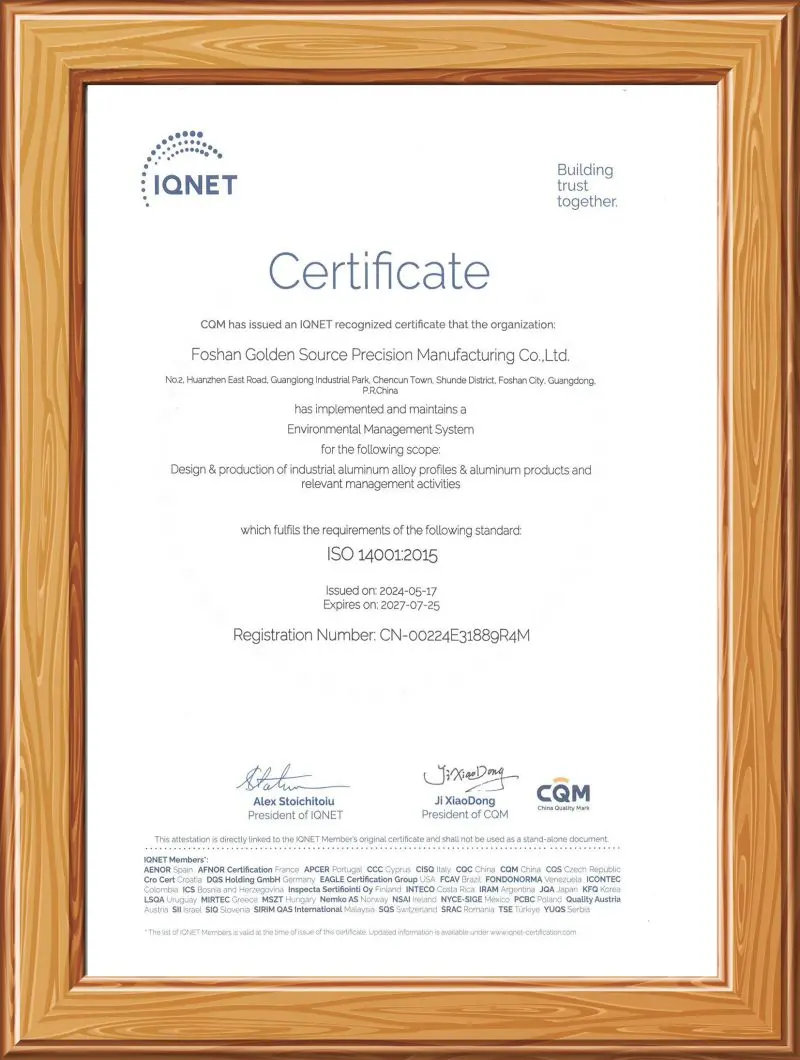
Certificate 1
Certificate 2
Certificate 3
Certificate 4
Certificate 5
Certificate 6
Certificate 7
Certificate 8

Awards

Award 1
Award 2
Award 3
Award 4
Award 5

Global Procurement Guide & Cost Estimation Breakdown

A reference framework for procurement managers analyzing total cost of ownership (TCO) and tooling logistics.

Pricelist Structuring Factors

Aluminum extrusion and CNC machining pricelists are typically calculated using a structured formula to ensure transparency:

  • Base Metal Index: Linked directly to real-time London Metal Exchange (LME) or Shanghai Futures Exchange (SFE) spot prices.
  • Extrusion Conversion Fee: Covers energy cost, hydraulic press run-time, and profile complexity.
  • Precision CNC Costs: Calculated based on cycle time for drilling, milling, and thread cutting.
  • Surface Coating: Costed per square meter or piece (anodized film thickness typically ranges from 10µm to 25µm).

Quality Verification Checklist

Verify these critical metrics before approving full-scale production:

  • Concentricity & Tolerances: Ensures smooth sliding performance and prevents mechanical jamming.
  • Salt Spray Testing: Typically 24 to 96 hours for anodized profiles to verify corrosion resistance in marine and industrial settings.
  • Anodizing Hardness: Measured using Webster hardness testers to confirm wear resistance.
  • Deflection Limit testing: Evaluates structural integrity under full extension.

Expert Q&A: Technical & Sourcing Specifications

Engineering perspectives on manufacturing, material choice, and performance of telescoping aluminum systems.

What are the main performance differences between 6061 and 6063 alloys for telescoping poles? +
6061 alloy contains higher levels of silicon and magnesium, alongside trace elements of copper and chromium, which provides higher tensile strength (approx. 310 MPa vs 240 MPa for 6063). This makes 6061 ideal for structural components subject to heavy loads. Conversely, 6063 alloy offers superior surface finish characteristics and extrudability, making it the preferred choice for applications requiring high-quality anodizing, intricate details, and smoother sliding tolerances.
How does anodizing thickness affect the lifespan of a telescoping aluminum joint? +
The standard anodizing thickness for consumer-grade components is 8-10μm. For industrial telescoping systems subjected to frequent abrasion, we recommend a thickness of 15-25μm. This thicker anodic coating helps prevent mechanical wear, galling between sliding segments, and provides protection against corrosion in outdoor or coastal environments.
What methods are used to prevent structural deflection (bending) in extended poles? +
Deflection is managed by optimizing the overlap length between telescoping segments (typically 1.5 to 2 times the tube diameter), increasing wall thickness on the lower segments, and selecting higher temper alloys (such as T6). Precision tolerances are maintained to minimize internal play between tubes, which reduces wobbling when fully extended.
How do twist-lock systems compare to flip-lever lock systems? +
Twist locks offer a clean profile with no external protrusions, utilizing internal expanding collets. They are popular for lighter duties and clean designs. Flip-lever locks provide a visual locking state and are easier to adjust while wearing gloves. They rely on external clamping force and are preferred for heavy-duty construction and industrial equipment.
How do in-house alloy casting capabilities improve product quality control? +
In-house alloy casting allows for precise control over raw material composition. By adjusting element ratios before extrusion, we can minimize impurities, control grain structure, and optimize physical properties. This results in consistent extrusion behavior, improved responsiveness to heat treatment, and more uniform anodizing results.
What is the environmental significance of GRS and RCV certifications? +
The Global Recycled Standard (GRS) and Recycled Claim Standard (RCS/RCV) certify that the aluminum contains verified recycled content, supporting circular economy initiatives. They ensure full traceability of recycled materials throughout the supply chain and verify compliance with European environmental regulations, including REACH and RoHS.
What tolerances are typically maintained for precision sliding fits? +
For smooth sliding without excessive play, we maintain outer and inner diameter tolerances of ±0.05mm to ±0.1mm, depending on the application. We use secondary draw processes and high-precision CNC machining to ensure concentricity and prevent binding.
What is the standard lead time for custom tooling and initial sample approval? +
Custom mold design and fabrication typically require 10 to 15 days. Once the tooling is complete, sample extrusion, machining, and surface finishing are performed. First-article inspection samples are usually dispatched within 7 days of mold completion.