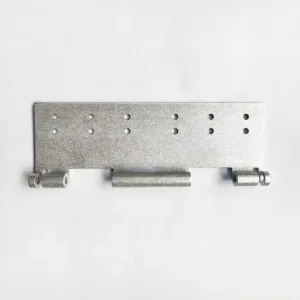
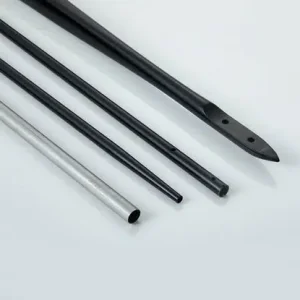
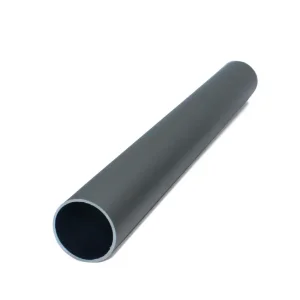
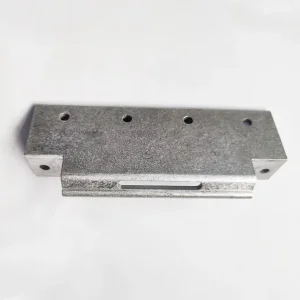
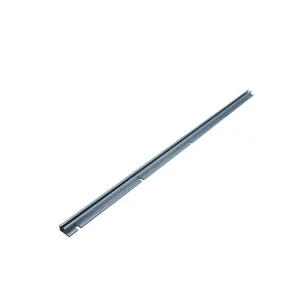
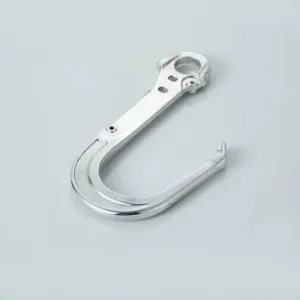
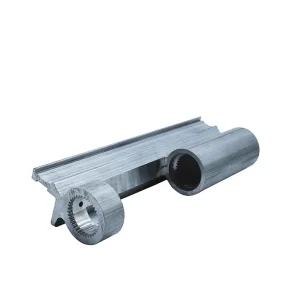
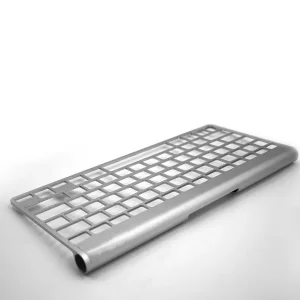
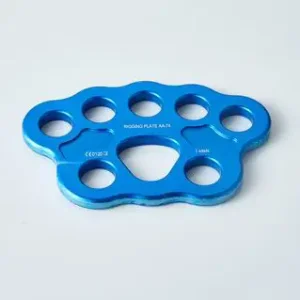
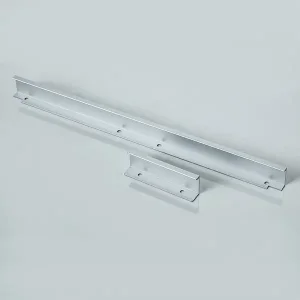
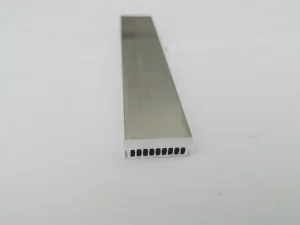
High-precision aluminum solutions developed to support heavy structural glass and high-end industrial systems.
Foshan Golden Source Precision Manufacturing Co., Ltd: Established in 1991
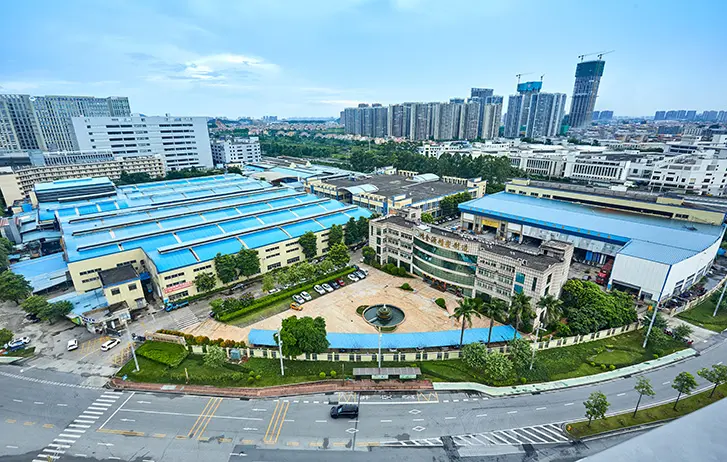
Foshan Golden Source Precision Manufacturing Co., Ltd, established in 1991, is a professional manufacturer of high-strength, high-precision, customized aluminum profiles and precise machining aluminum parts, welded parts, and assembled aluminum products. With a modern and environmentally friendly production base covering an area of over 73,000 square meters, the company offers a comprehensive, vertically integrated one-stop service. This includes alloy casting, mold research & design & building, aluminum extruding, precise machining, welding, assembly, and advanced surface treatment.
We pride ourselves on holding critical global certifications such as ISO9001, ISO14001, ISO45001, RCV, and GRS. These rigorous standards ensure that our entire operational matrix complies fully with the environmental requirements of the EU’s REACH regulation. Our expansive capacity covers a wide range of aluminum alloy series, including: 1XXX, 3XXX, 5XXX, 6XXX, and 7XXX alloy. This capabilities-first setup allows us to meet and exceed the demands of various high-load industries and fields, including architectural hardware, curtain walls, glass railing systems, 3C electronics, automotive structural parts, furniture, and heavy-duty outdoor equipment.
 Company Catalogue Download
Structural engineering, alloy configurations, surface finishing, and global compliance pathways.
Glass railing systems rely heavily on the strength of the bottom channel, commonly referred to as the U-channel or base shoe. Unlike traditional balustrades with vertical posts, frameless glass railings rely entirely on the aluminum profile to resist wind pressure, pedestrian loads, and impact forces. Our architectural grade 6063-T6 or 6061-T6 profiles are optimized using Finite Element Analysis (FEA) to ensure stress is distributed evenly across the base shoe web.
For installations in high-velocity hurricane zones (HVHZ) or high-rise commercial balconies, our custom extruded 6005-T6 structural alloys provide a yield strength comparable to mild steel but with superior corrosion resistance. We balance thickness configurations (ranging from 8mm to 15mm at critical load points) to minimize metal weight while exceeding international standard regulations.
In-house billet casting allows us to tightly control the trace elements of the alloy. Excess iron, copper, or silicon can cause visible extrusion lines, dark patches, or grain structure variance during the anodization process. Our architectural glass railing profiles maintain Fe levels below 0.15% to ensure a clear, uniform anodized surface that meets Qualanod and AAMA 611 requirements.
Architectural glass railing installations are frequently exposed to harsh environmental factors, including UV exposure, salt spray, and atmospheric pollution. We provide multiple surface options certified by international associations:
PVDF Coating: 2-coat or 3-coat liquid fluoropolymer coatings that provide outstanding resistance to color fading and chalking, tested up to 4000 hours of continuous salt spray.
Powder Coating (Qualicoat Class 2 & 3): Utilizing super-durable architectural powders that offer superior scratch resistance and impact tolerance. Ideal for high-traffic public infrastructure, malls, and commercial complexes.
Brushed & Polished Anodizing: Delivers a clean, stainless-steel-like appearance without the maintenance challenges or fingerprinting issues associated with raw metals. Recommended for premium interior balustrades and corporate lobbies.
Foshan Golden Source minimizes supply chain vulnerabilities through vertical integration. Under a single corporate umbrella, we conduct mold design, alloy refining, extrusion, structural fabrication (drilling, countersinking, precise miters), and finished surface coating. This shortens the lead time by 30-40% compared to manufacturers relying on external sub-contractors for finishing or CNC machining.
Why architectural firms, facade contractors, and glass distributors partner with Foshan Golden Source.
We melt and cast the alloy in-house. This allows us to adjust compositions precisely, ensuring maximum physical strength and optimal chemical purity for high-definition anodizing surfaces without cloudy visual defects.
With all CNC machining, milling, and surface treatments kept inside our 73,000 m² factory, we guarantee tighter tolerances, reduced scrap rates, and direct savings, leading to lower unit pricing and higher quality.
Our end-to-end operational capacity significantly compresses lead times. From tool design to anodized profiles loaded directly into containers, we provide speed and custom packaging.
Adapting to smart city initiatives and architectural decarbonization.
Designing profiles with specialized channels for low-voltage LED strip lights to meet modern ambient pathway lighting requirements without compromising profile strength.
Optimizing base shoe inner geometries to support rapid wedge locking systems, eliminating the need for messy liquid grouting and reducing on-site labor cost.
Increasing the use of clean, pre-consumer recycled aluminum, backed by our GRS certification, to help projects meet LEED and BREEAM certifications.
Developing custom 6XXX series modifications that improve tensile properties while maintaining the speed and efficiency of the extrusion process.
How our customized designs comply with local building regulations across international markets.
Under the International Building Code (IBC), guardrails must withstand a concentrated load of 200 lbs (0.89 kN) applied at the top rail or a uniform load of 50 lbs/ft (0.73 kN/m). We design our heavy-duty structural base shoes with high-grade 6061-T6 alloy, providing calculations and structural reports to assist engineering approval in states with strict wind-borne debris criteria like Florida and California.
European and UK standards require different load classifications depending on the building use (e.g., 0.74 kN/m for residential, 1.5 kN/m for public corridors, and 3.0 kN/m for crowded retail or sports stadiums). We supply profile configurations that accommodate laminated toughened glass thicknesses of up to 25.52mm (12mm Glass + 1.52mm PVB/SGP + 12mm Glass), ensuring compliance under BS 6180.
For Oceanic regions, balustrades must resist wind loads and human impacts as specified in AS/NZS 1170.1. Our architectural channels are configured to receive dry-glaze structural gaskets that absorb high flexural moments, reducing peak stress on the aluminum base while keeping structural deflection under safety limits.
Aluminum profiles are easily scratched during shipping. We use interleave paper, protective PE films, custom wooden crates, and steel frames to ensure that anodized finishes arrive on site in pristine condition, ready for quick assembly.
ISO9001, ISO14001, 45001, GRS, RCV certified. We meet EU REACH environmental guidelines and global green purchasing requirements.
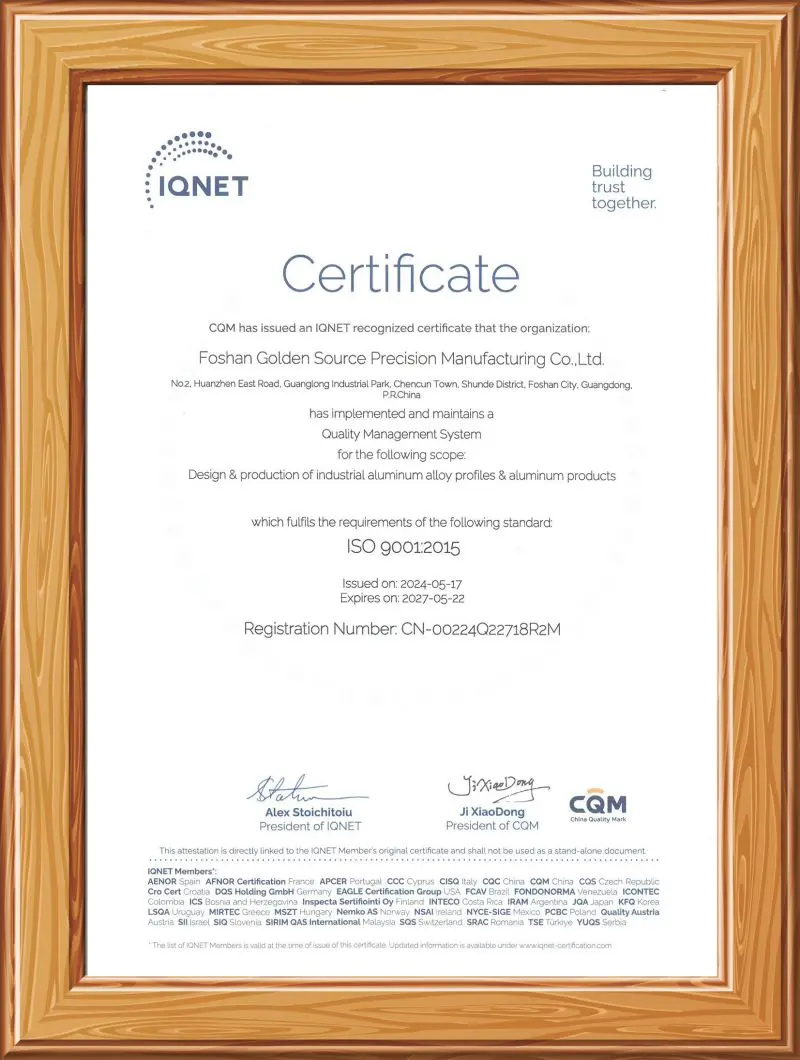
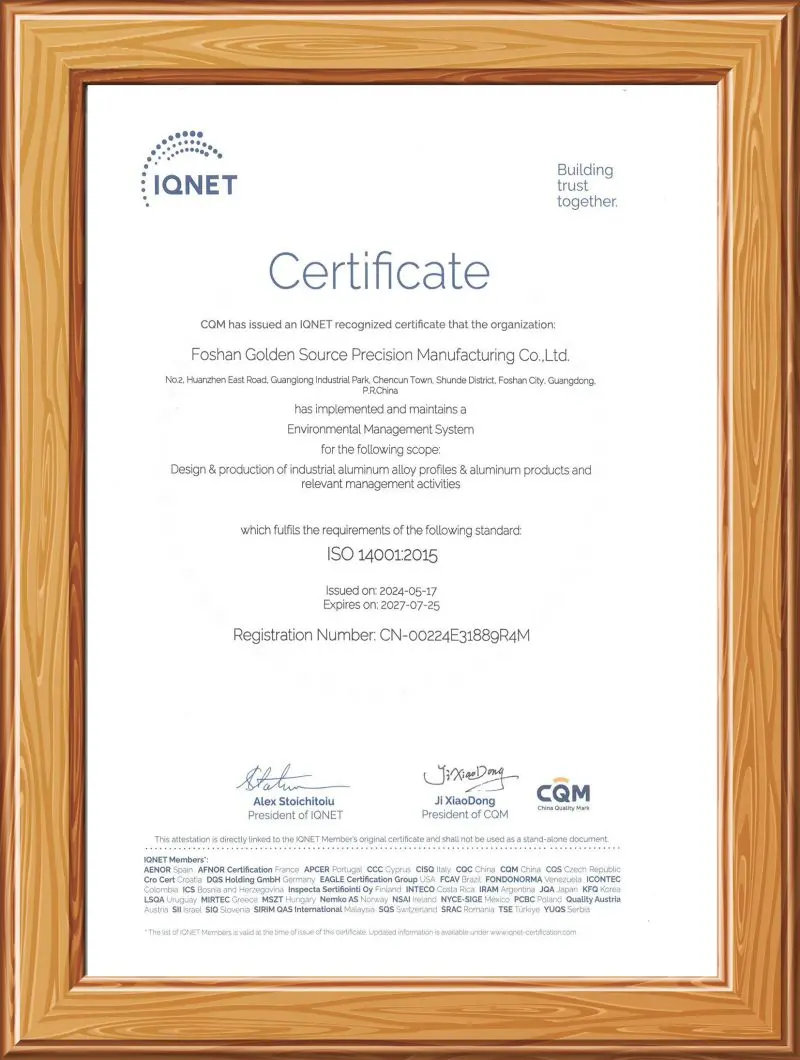
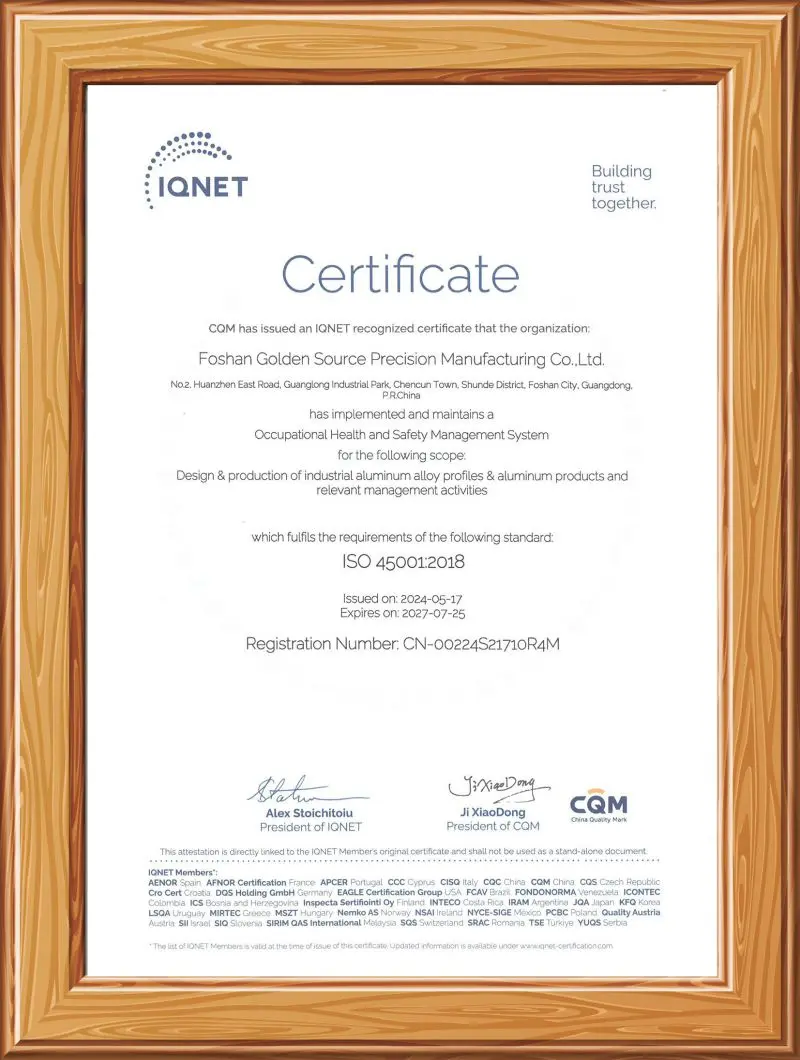
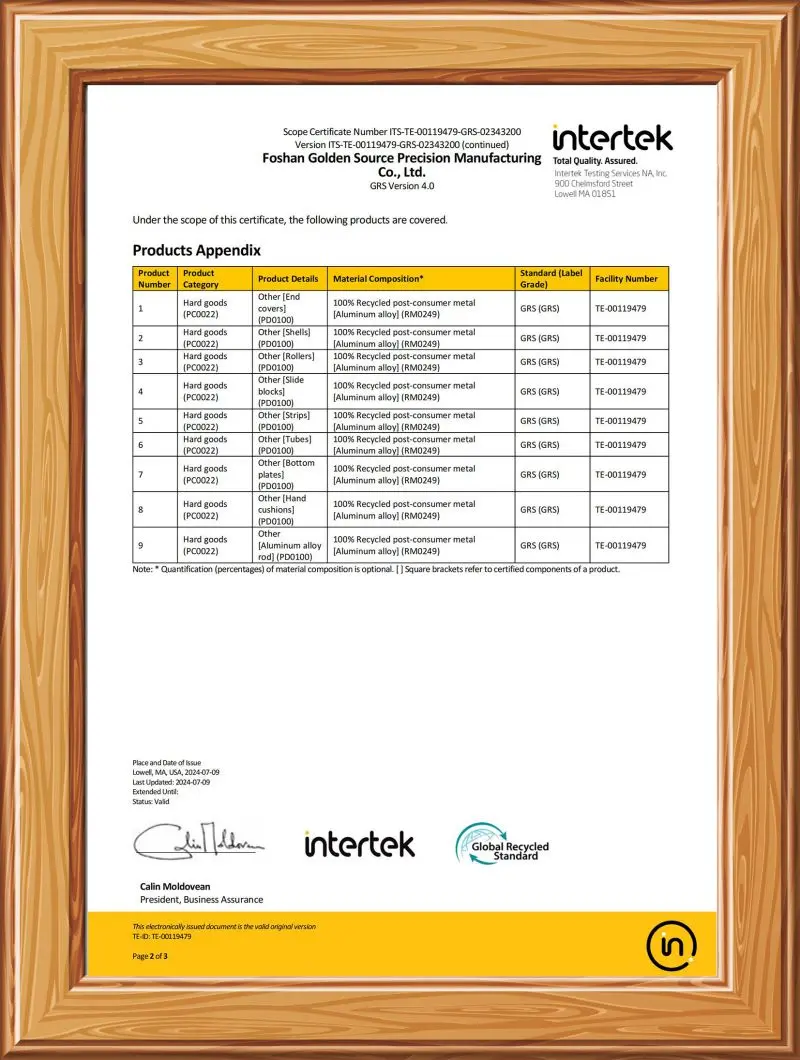
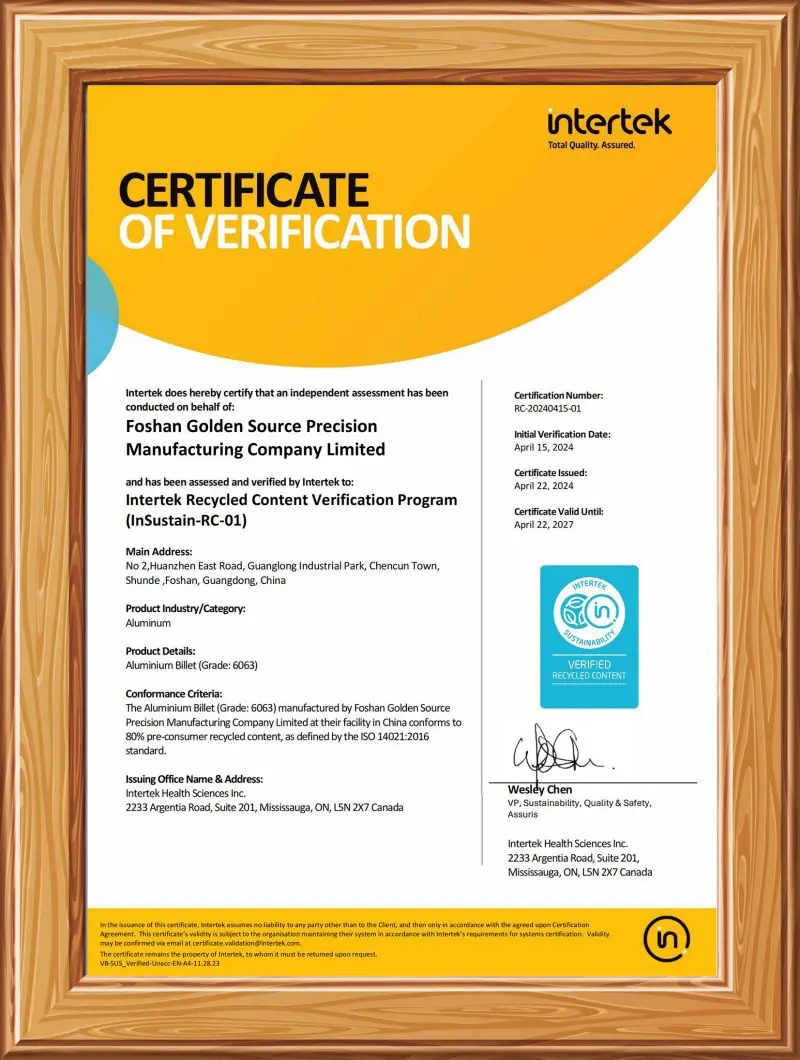
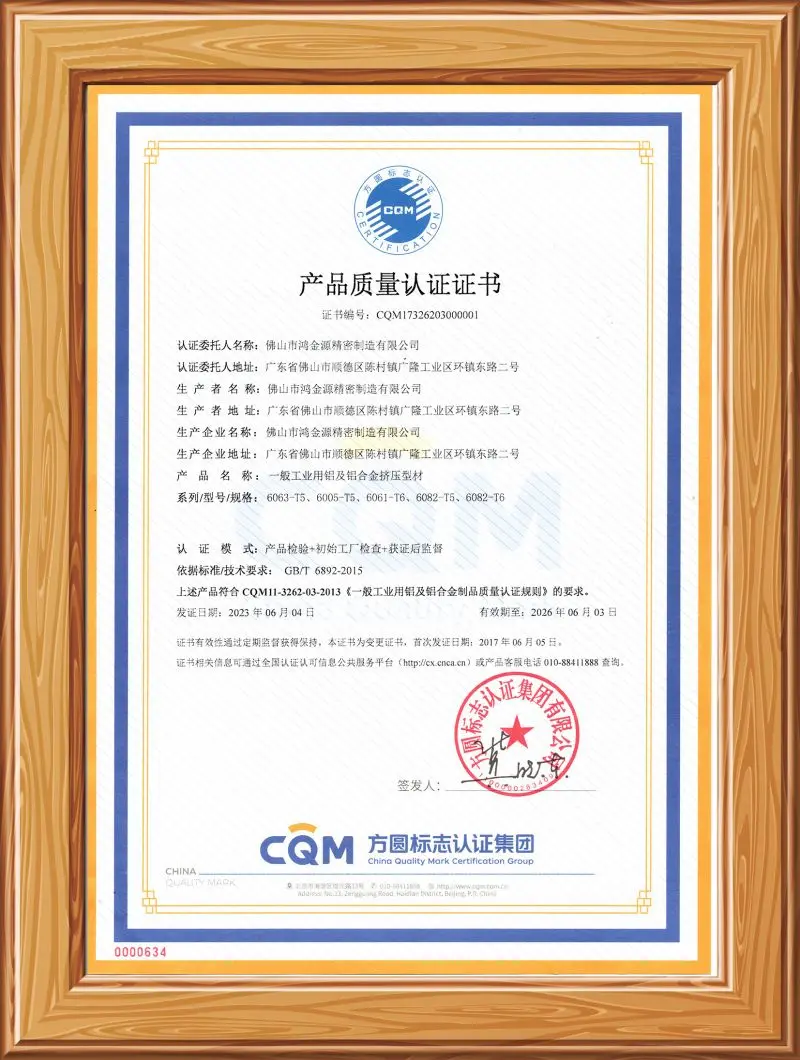
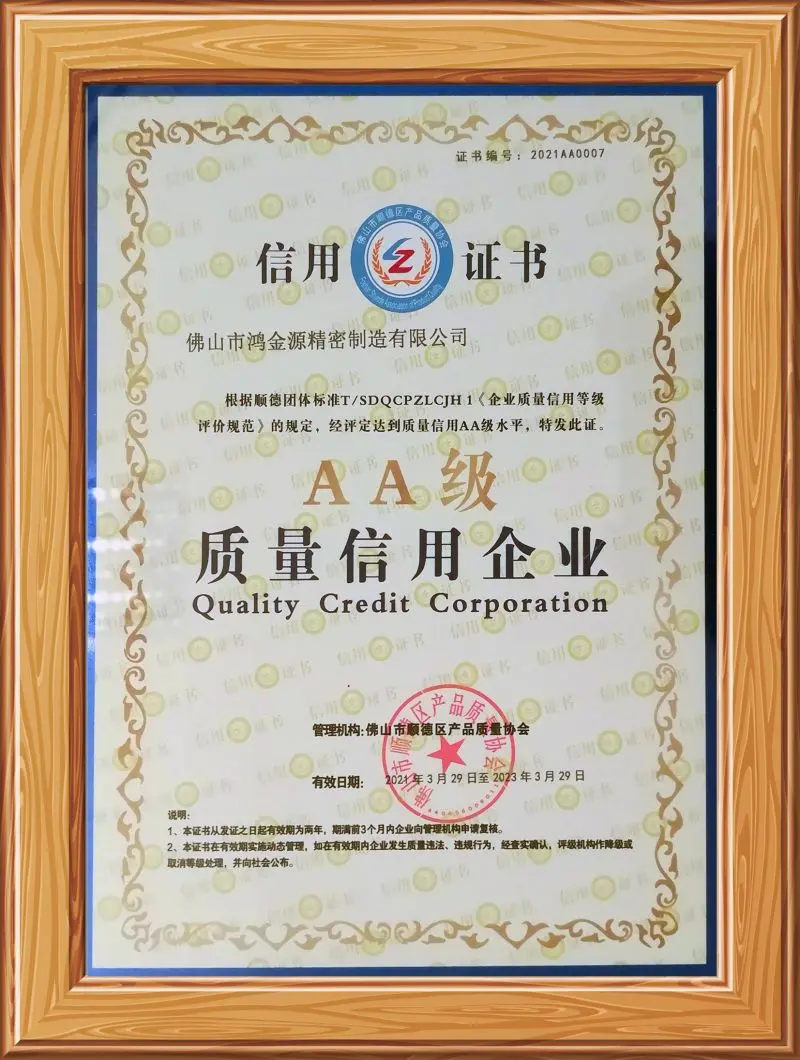
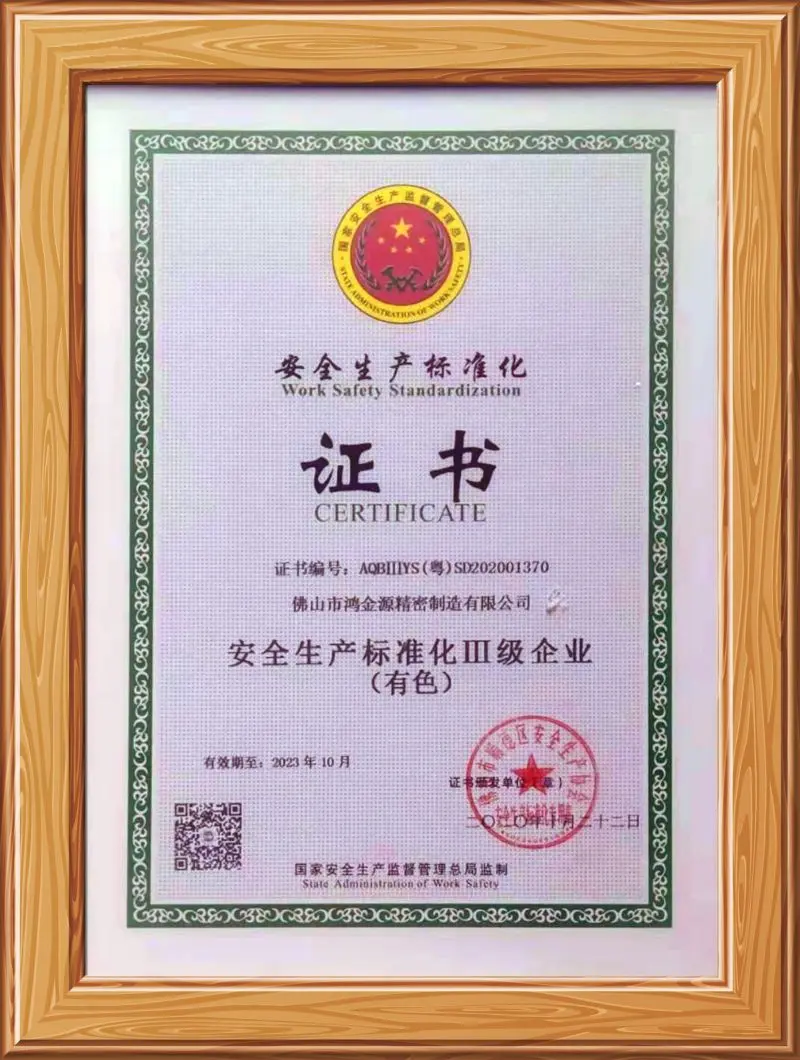
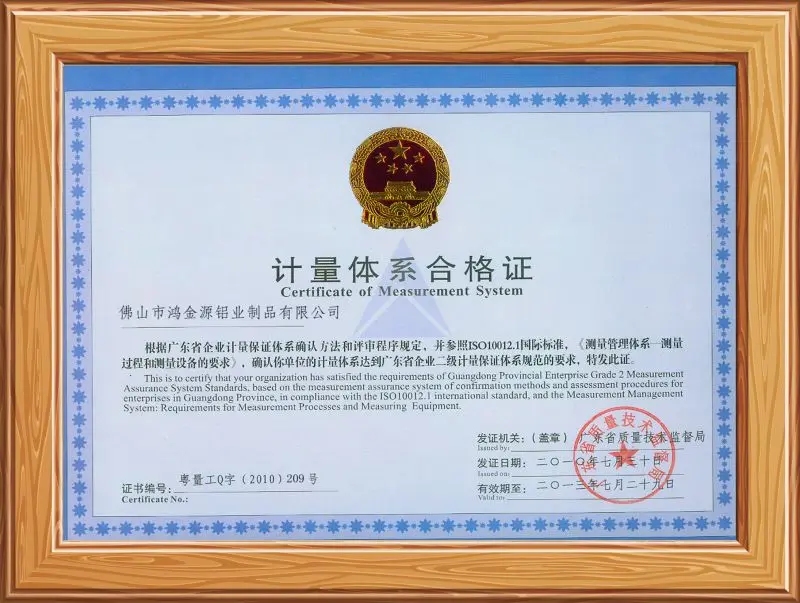
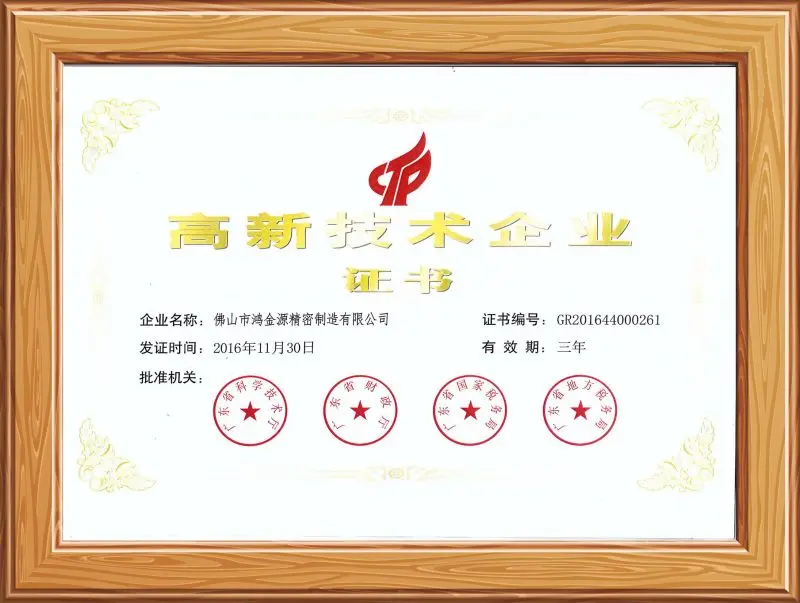
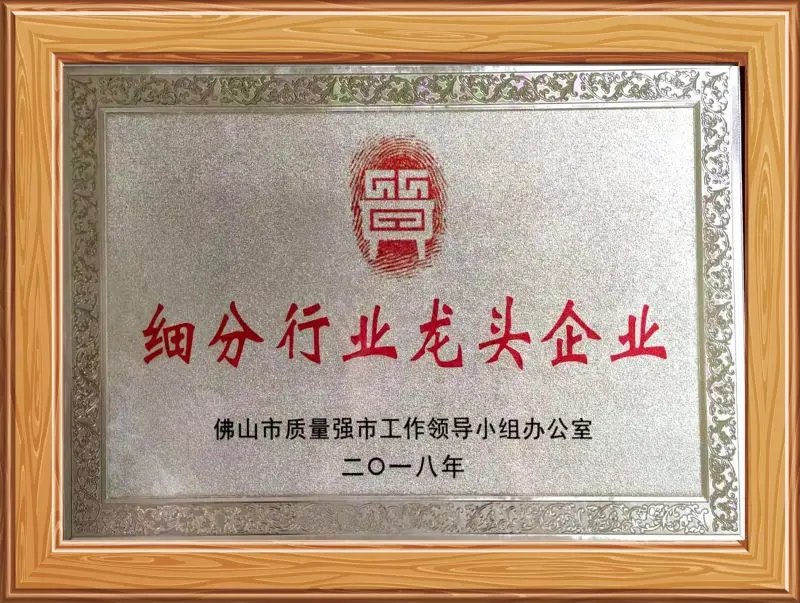
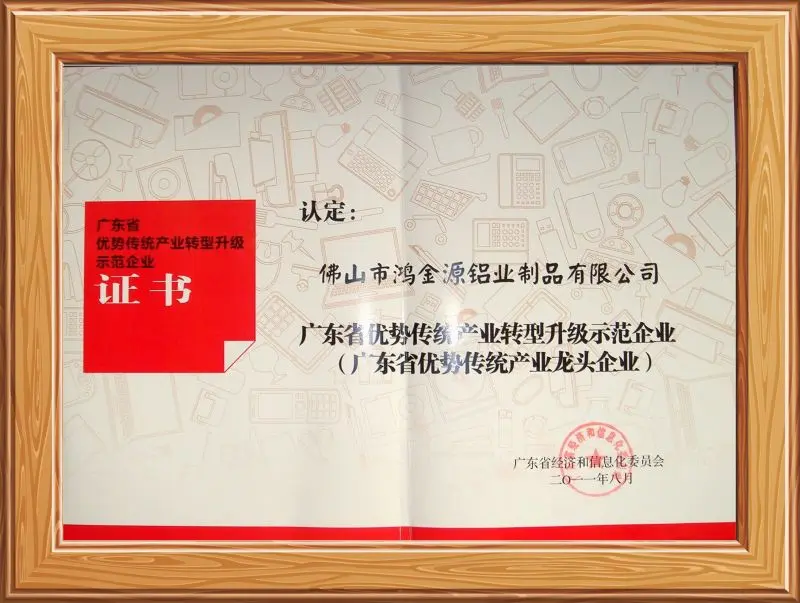
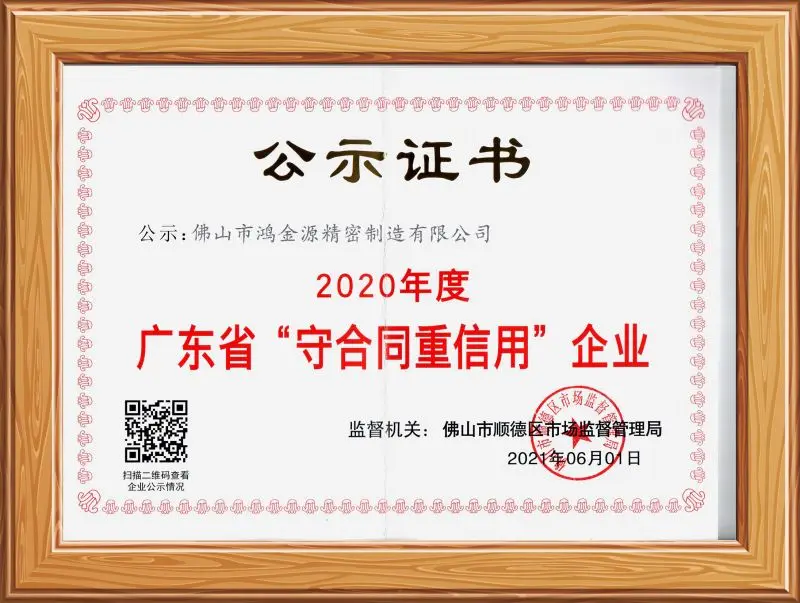
Recognitions on clean production, technology innovation, and structural manufacturing capacity from provincial and central governments.
Essential questions and engineering specifications answered by our technical department.
Industrial clamps, structural hinges, and high-performance components manufactured in our Foshan facility.
 HG Precision