Explore our premium selection of high-precision custom aluminum profiles and thermal dissipation structural elements designed to exact tolerances.
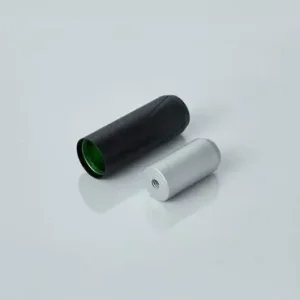
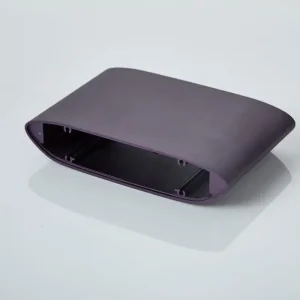
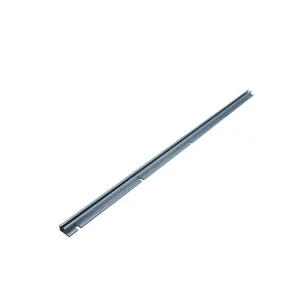
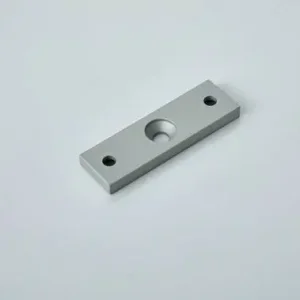
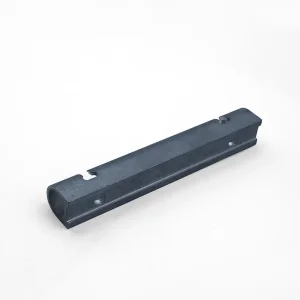
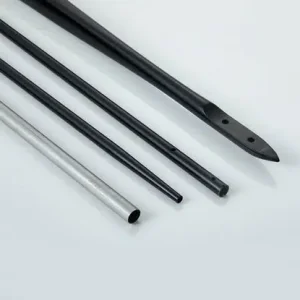
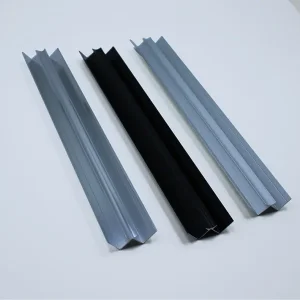
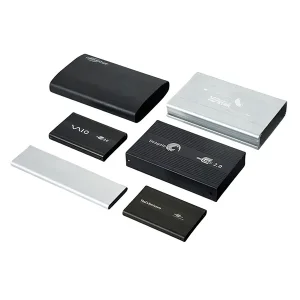
Established in 1991, Foshan Golden Source Precision Manufacturing Co., Ltd. is a globally recognized professional manufacturer specializing in high-strength, high-precision customized aluminum profiles, complex CNC machined components, high-efficiency heatsinks, welded configurations, and fully integrated aluminum assemblies.
Spanning a state-of-the-art, environmentally optimized production campus of over 73,000 square meters, we deliver true vertical integration. Our comprehensive internal production ecosystem includes direct alloy melting & casting, proprietary die and mold R&D and fabrication, high-tonnage extrusion, advanced multi-axis CNC machining, structural welding, precision assembly, and high-performance electro-chemical surface treatment.
By maintaining absolute control over the entire supply chain—from raw ingot chemistry customization to final anodization layer thickness verification—we guarantee unmatched quality standards that align with rigorous global industrial norms.
Company Catalogue Download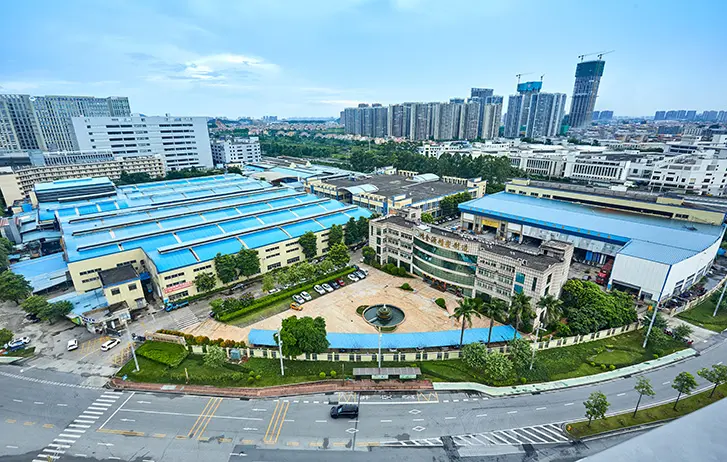
For procurement directors, engineering leads, and supply chain heads, selecting a high-performance thermal partner requires solving deep structural and quality issues.
Many extruders buy third-party scrap billets, leading to high levels of impurities. These microscopic inclusions drastically degrade electrical and thermal conductivity (W/m·K) and cause cosmetic defects after anodization.
Standard commercial extrusion profiles often have variations in twist, bow, and flatness. This forces secondary machining cycles, which increases costs. Tight extrusion tolerances (like half-EN standard tolerances) save thousands in secondary machining fees.
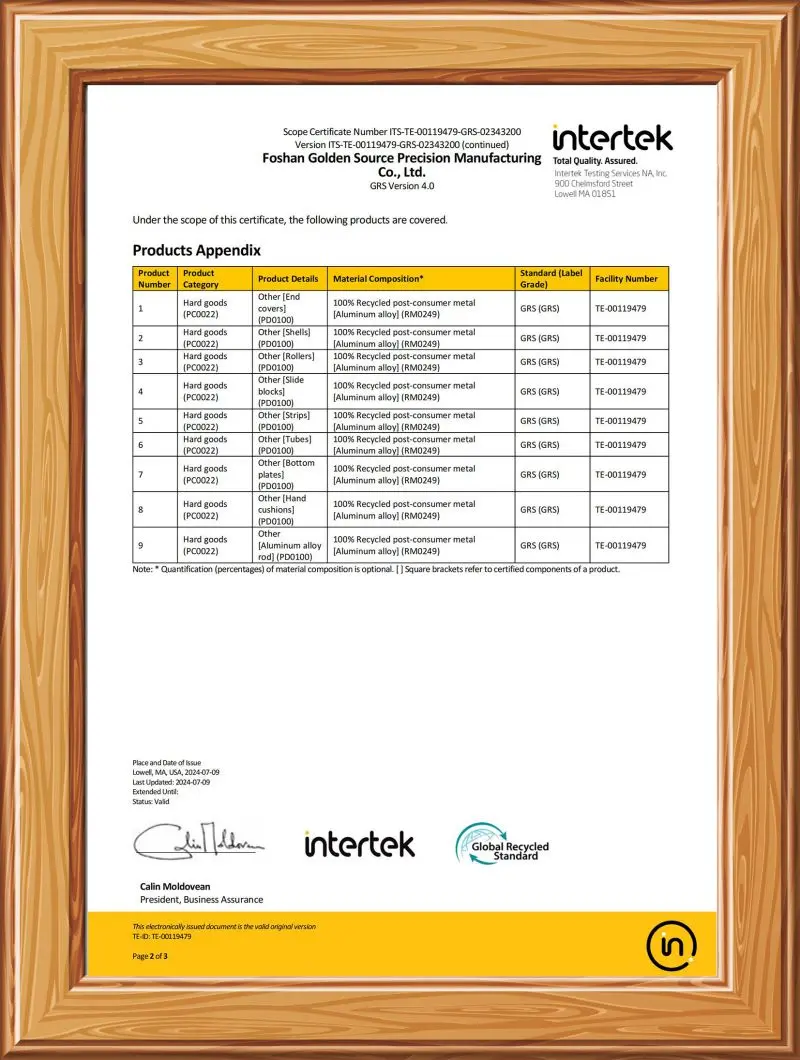
Exporting electronic components globally requires strict compliance with regulations like RoHS and REACH, along with certifications like GRS (Global Recycled Standard). Traceable supply chains are now a vital business requirement rather than a secondary concern.
Foshan Golden Source guarantees performance and risk management through our in-house, vertically integrated production lines.
We melt and cast our aluminum alloys in-house. This allows us to adjust trace chemical compositions down to single-digit parts per million (ppm). This control optimizes physical properties, grain structure, and thermal conductivity while ensuring excellent consistency for critical cosmetic anodizing finishes.
By keeping extrusion, multiaxis CNC milling, tool development, and chemical finishing under one roof, we eliminate intermediate shipping markups and multi-vendor delays. This direct oversight lowers per-unit costs and ensures superior quality compared to outsourced production.
Our vertically integrated workflow accelerates rapid prototyping and volume production. We transition smoothly from 3D CAD design to die building, custom extrusion, precision machining, and final surface treatment to help you meet demanding project schedules.
From lightweight consumer electronics cases to high-strength railway structural parts, we match specific applications with the ideal alloy chemistry.
| Alloy Series | Key Characteristics | Primary Applications |
|---|---|---|
| 1XXX Series | Pure Al (>99%), exceptional electrical & thermal conductivity. | Electrical busbars, specialized foil, low-stress conductors. |
| 3XXX / 5XXX | Excellent corrosion resistance, high weldability and formability. | Marine hardware, heat exchangers, chemical storage vessels. |
| 6XXX (T5/T6) | Outstanding extrudability, high strength-to-weight, anodizes clean. | Electronic heatsinks, CNC housings, solar panel mounting structures. |
| 7XXX Series | Ultra-high yield strength (zinc-alloyed), good fatigue resistance. | Aerospace parts, structural climbing poles, high-impact defense. |
Standard 6063 alloy heatsinks often fall short under extreme industrial thermal loads. That is why we provide custom-tailored chemistry modifications.
By optimizing raw magnesium (Mg) and silicon (Si) ratios, we can elevate thermal conductivity by up to 10% to 15% (reaching up to 200-210 W/m·K) compared to generic recycled extrusions.
Additionally, refining these composition boundaries helps prevent surface pitting and color variance, delivering a clean finish across high-volume production batches.
Our engineered solutions support high-performance thermal applications across several global industries.
Liquid cooling plates and high-power heatsink profiles designed to manage thermal loads in electric vehicle battery packs, high-voltage converters, and drive motor controllers.
Large-format, complex fin geometries that maximize natural and forced convection cooling. Designed to withstand harsh environmental exposures in remote outdoor base stations.
High-power heatsinks engineered to handle thermal dissipation in solar inverters, ensuring consistent energy conversion efficiency and long-term hardware reliability.
Our chemical treatment line maintains tight controls over baths, anodization current densities, and sealing temperatures. This ensures excellent corrosion resistance and optimal thermal emissivity values.
Heatsink efficiency relies on more than just fin geometry. Surface finishes play a major role in radiation heat transfer. Our precision sandblasting creates a uniform surface texture, increasing the effective surface area to boost heat transfer.
Furthermore, we run dedicated anodizing lines that produce corrosion-resistant surface coatings ranging from 10 to over 25 microns thick.
Anodized surfaces significantly improve radiative heat dissipation compared to raw mill-finish aluminum. This helps keep critical power electronics running within safe temperature limits under heavy operation.
Our manufacturing processes focus on environmental compliance and high efficiency, preparing your supply chain for future regulations.
As global environmental regulations tighten, the carbon footprint of structural raw materials is increasingly scrutinized. Foshan Golden Source is proactive in meeting these sustainability requirements.
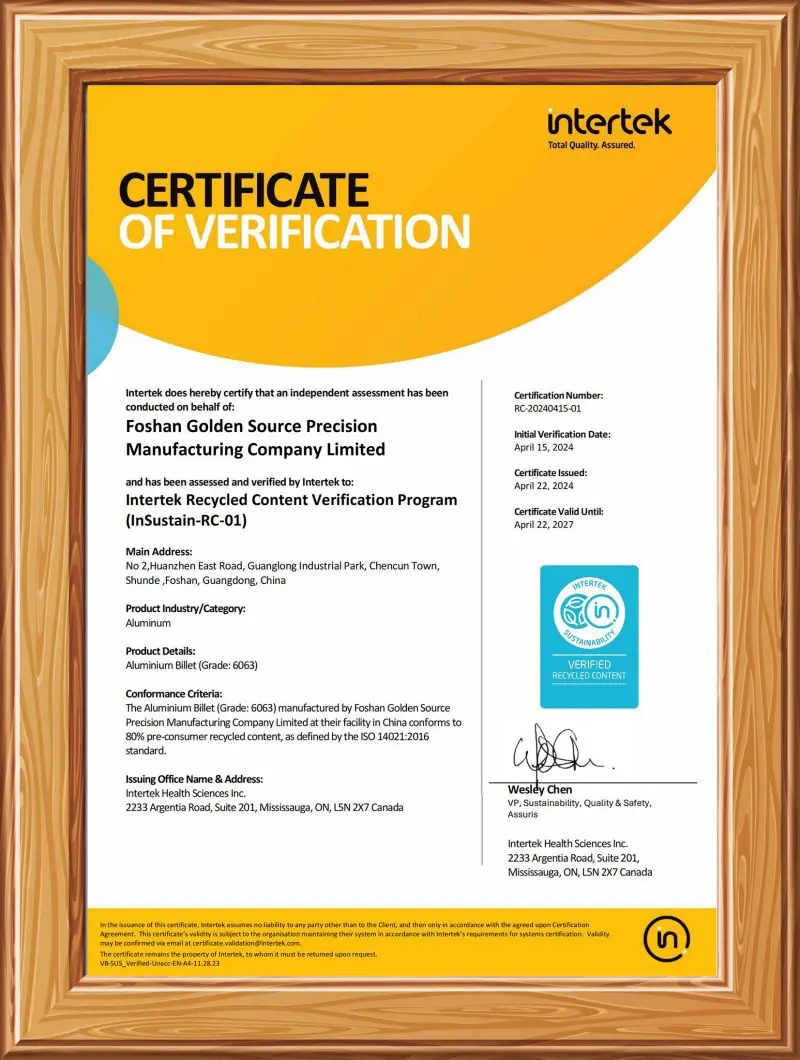
Holding Global Recycled Standard (GRS) and Recycled Content Verification (RCV) certifications, we offer verified, eco-friendly alloy compositions that meet EU REACH standards. This helps global partners reduce their indirect Scope 3 emissions without sacrificing mechanical performance.
To support high-power devices, we are refining our extrusion techniques to achieve larger tongue ratios and thinner fin walls.
We are also expanding our multi-axis CNC machining, structural welding, and assembly capabilities to supply complex liquid-to-air cooling modules. Our team provides end-to-end design, manufacturing, and finishing support.
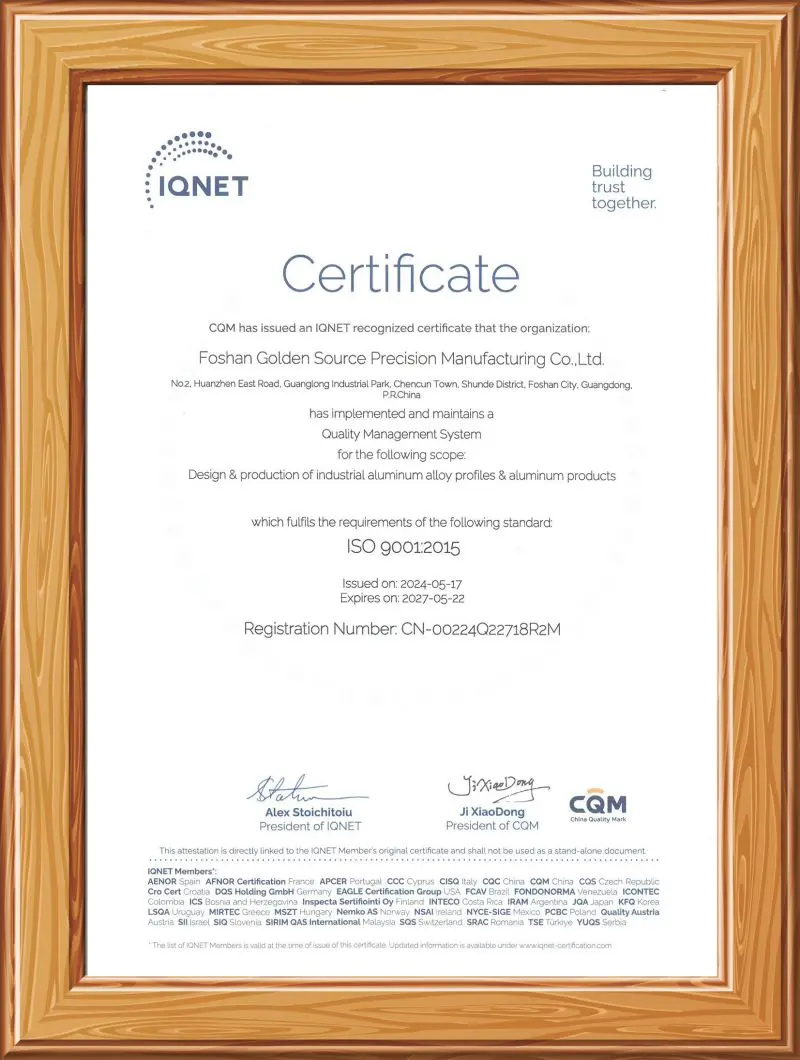
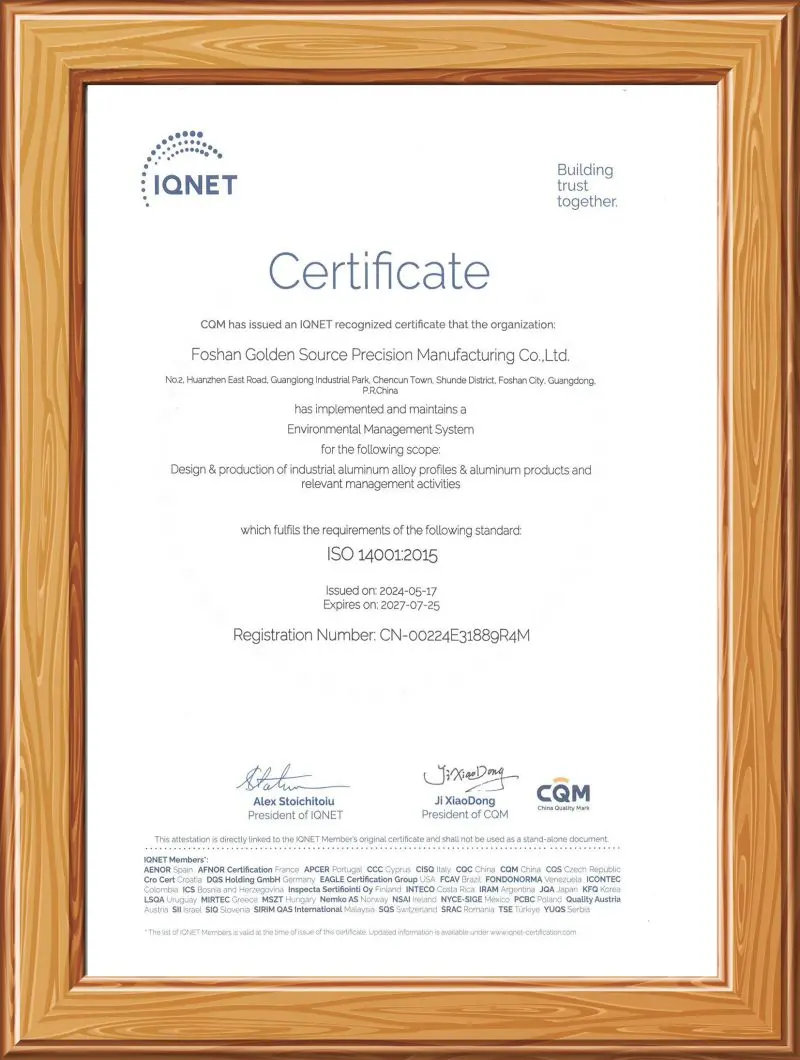
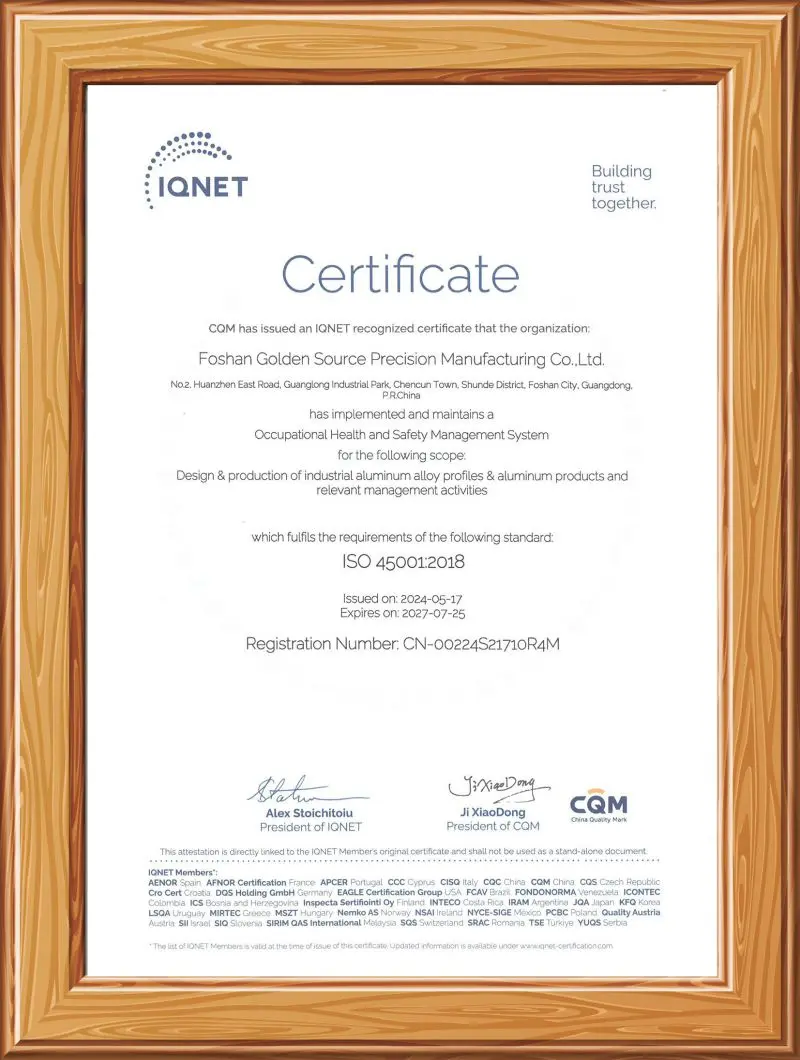
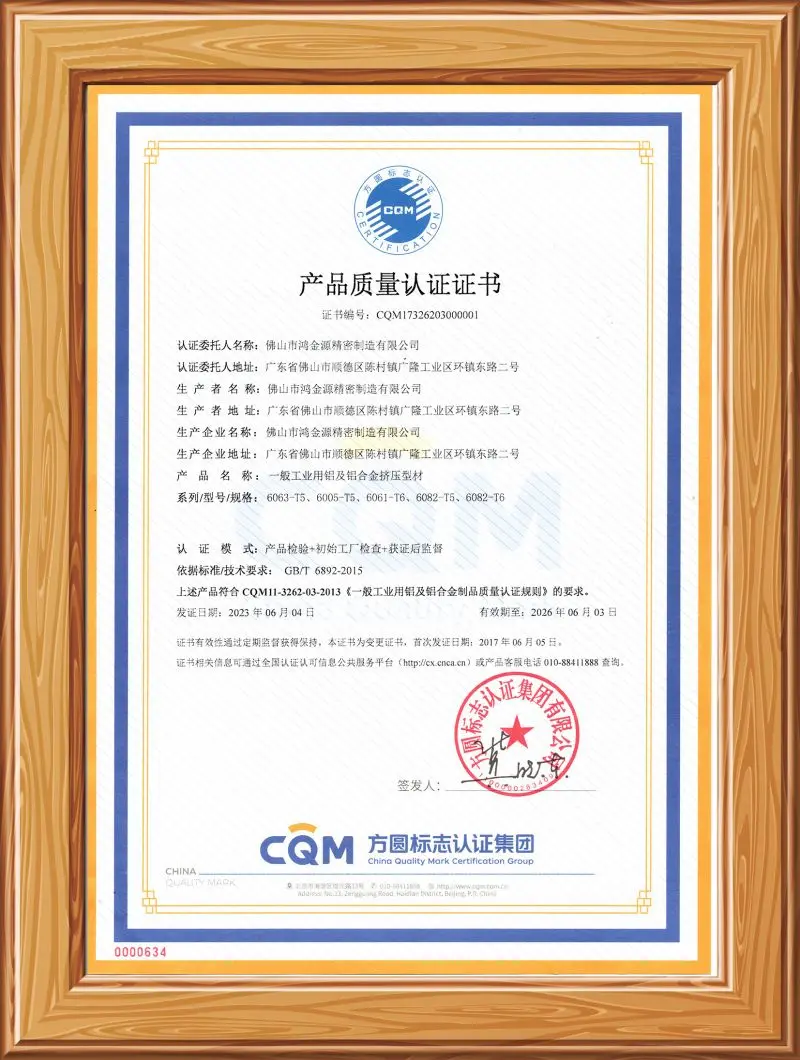
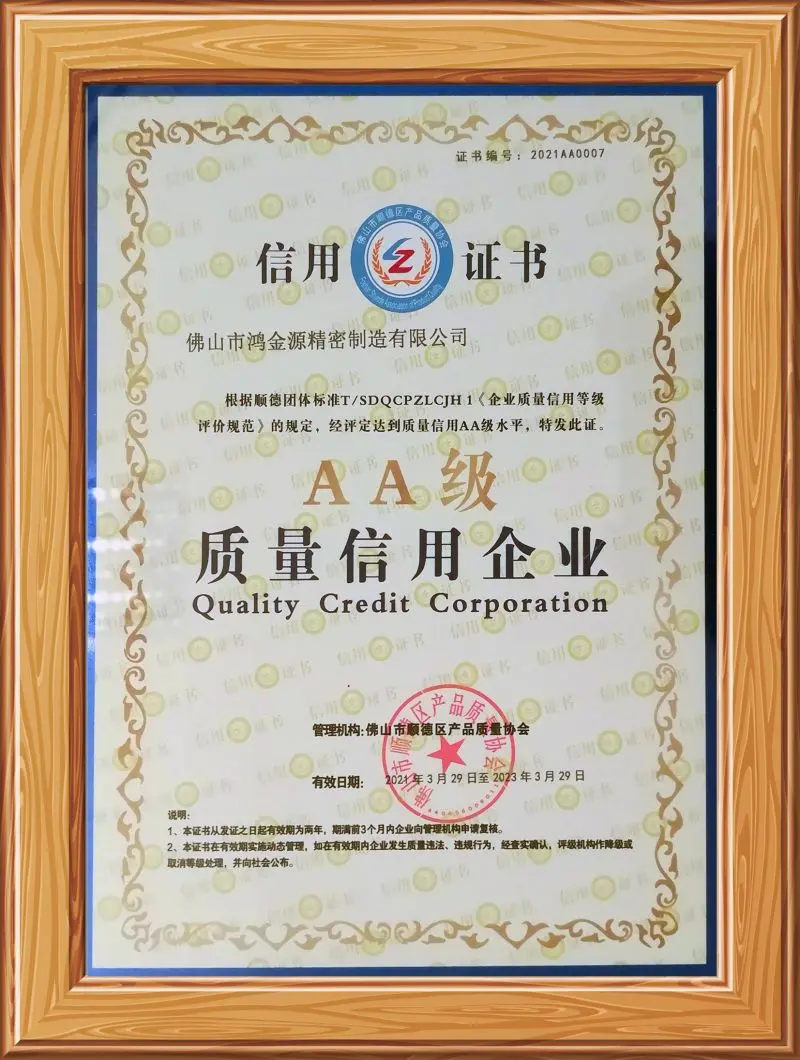
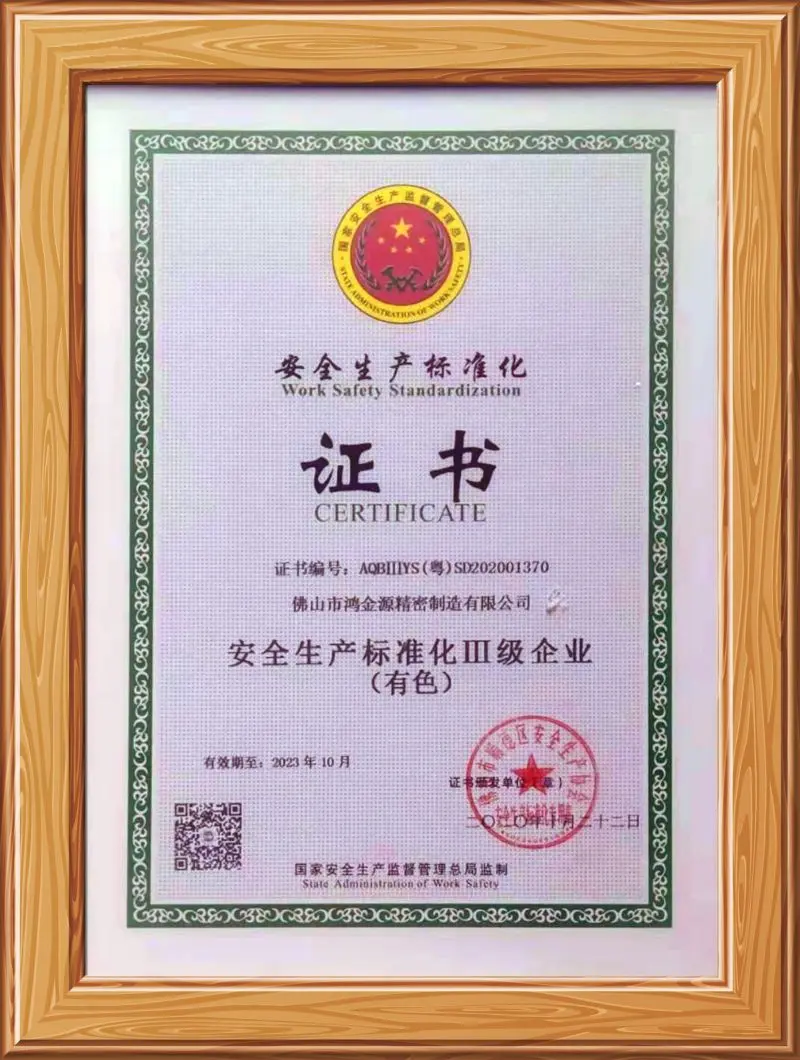
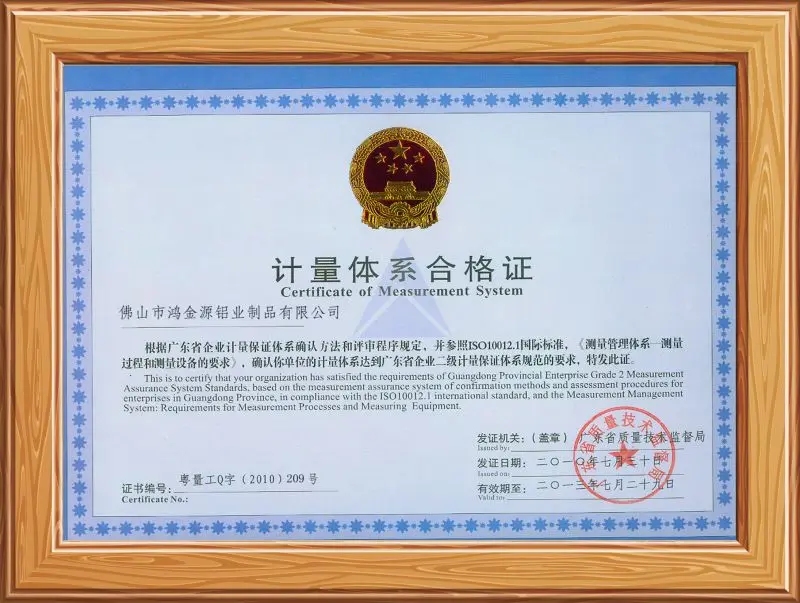
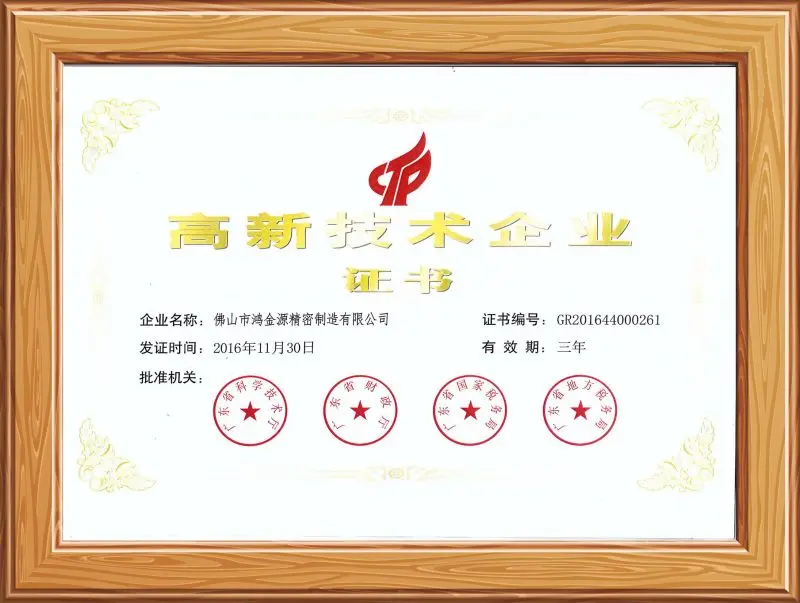
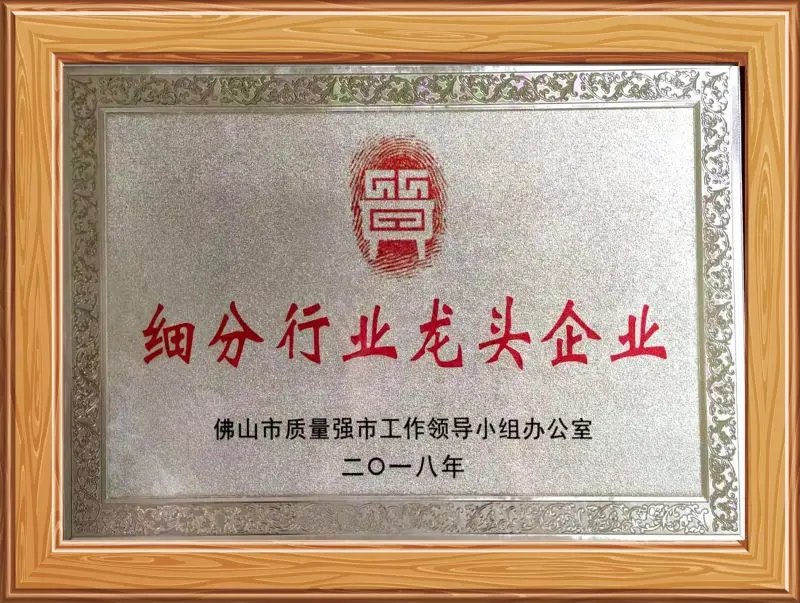
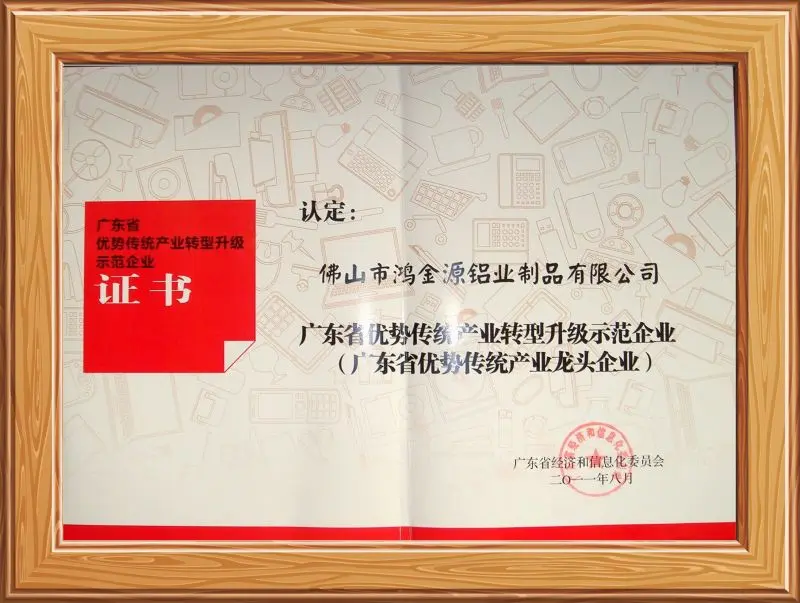
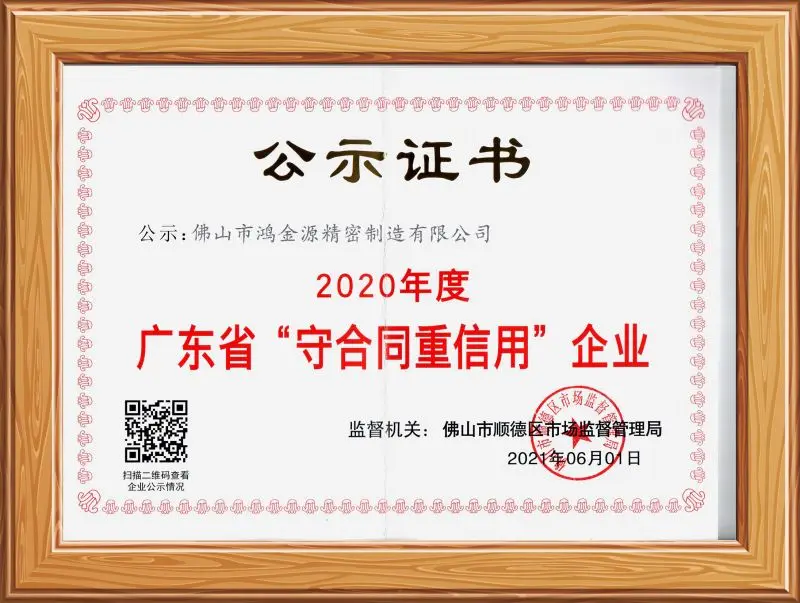
Our operations comply with key international quality, environmental, and occupational safety management standards.
Find answers to common technical, metallurgical, and design questions below.
Generally, 6063 and 6061 alloys are the most popular choices for extruded heatsinks. 6063 alloy provides excellent extrudability, making it ideal for complex, high-fin-ratio heatsink geometries, and delivers a thermal conductivity of around 200 W/m·K. For applications requiring higher mechanical strength, 6061 is often preferred, though its thermal conductivity is slightly lower (around 166 W/m·K). If heat transfer is the sole priority, 1XXX series pure aluminum can be used, but its low mechanical strength limits its application to simple structural shapes.
In-house melting allows us to control the exact chemical composition of each batch rather than relying on variable market scrap. This helps us minimize iron and other metallic impurities that can degrade thermal conductivity and cause surface defects. Precise control over composition also ensures clean, consistent results during post-extrusion anodizing, avoiding the cosmetic defects and color differences common in lower-grade alloys.
Extrusion capabilities are primarily determined by the extrusion ratio and tongue ratio of the tooling. For typical high-density heatsinks, we achieve fin thicknesses down to 1.0mm - 1.2mm, with a fin height-to-gap ratio (tongue ratio) of up to 10:1 or 12:1 under standard configurations. For specialized designs requiring higher aspect ratios, custom tooling and modified processing parameters can be developed to optimize heat dissipation.
Anodizing is important for both protective and thermal reasons. Chemically, it creates a durable aluminum oxide layer that prevents corrosion. Thermally, anodizing significantly increases the surface emissivity (up to 0.8 - 0.9) compared to raw mill-finish aluminum (approx 0.05). This boost in emissivity improves radiative heat dissipation, which is particularly beneficial in applications relying on natural convection.
We maintain certified environmental management systems under ISO14001, and our products comply with EU REACH and RoHS standards. Furthermore, our certifications under the Global Recycled Standard (GRS) and Recycled Content Verification (RCV) verify our supply chain transparency, helping global clients meet strict environmental requirements and Scope 3 emission targets.
Under our vertically integrated system, custom die fabrication typically takes 10 to 14 days. Once the tool is completed, sample extrusions and initial CNC-machined prototypes are delivered within 7 to 10 days. Mass production timelines vary depending on profile complexity and post-processing, typically ranging from 3 to 4 weeks.
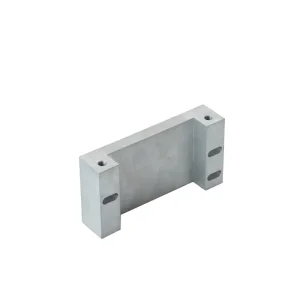
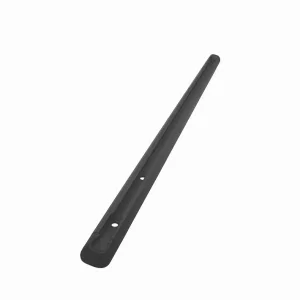
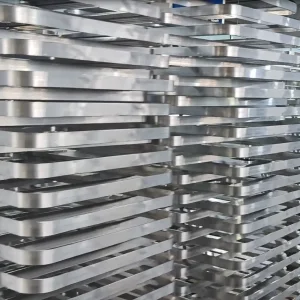
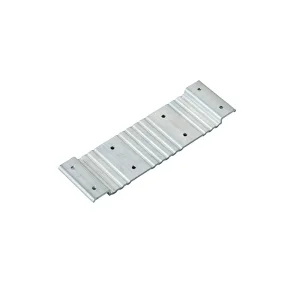
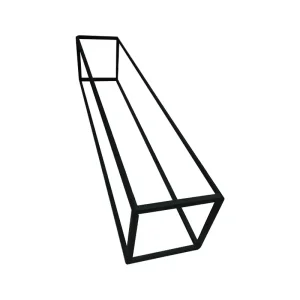
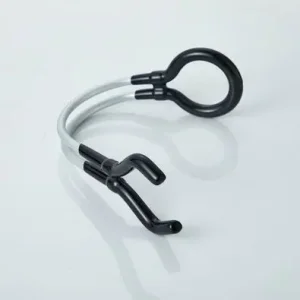
Our capabilities extend to custom structural components, architectural trim, and specialized marine hardware.
 HG Precision