Explore our premium 6000 and 7000 series aluminum profiles, CNC structural components, and custom hardware accessories engineered for heavy load performance.
An in-depth analysis of aluminum alloy applications in high-load structural engineering, global trade dynamics, and factory cost optimization frameworks.
ATV loading ramps have transitioned from basic recreational accessories to critical industrial, logistical, and military field equipment. Sourcing managers worldwide seek light weight, high yield strength, and robust safety mechanisms.
By vertically integrating alloy smelting, mold tooling, custom extrusion, CNC machining, and automated finishing in a single cluster, Chinese manufacturers provide unprecedented structural reliability and economy-of-scale advantages.
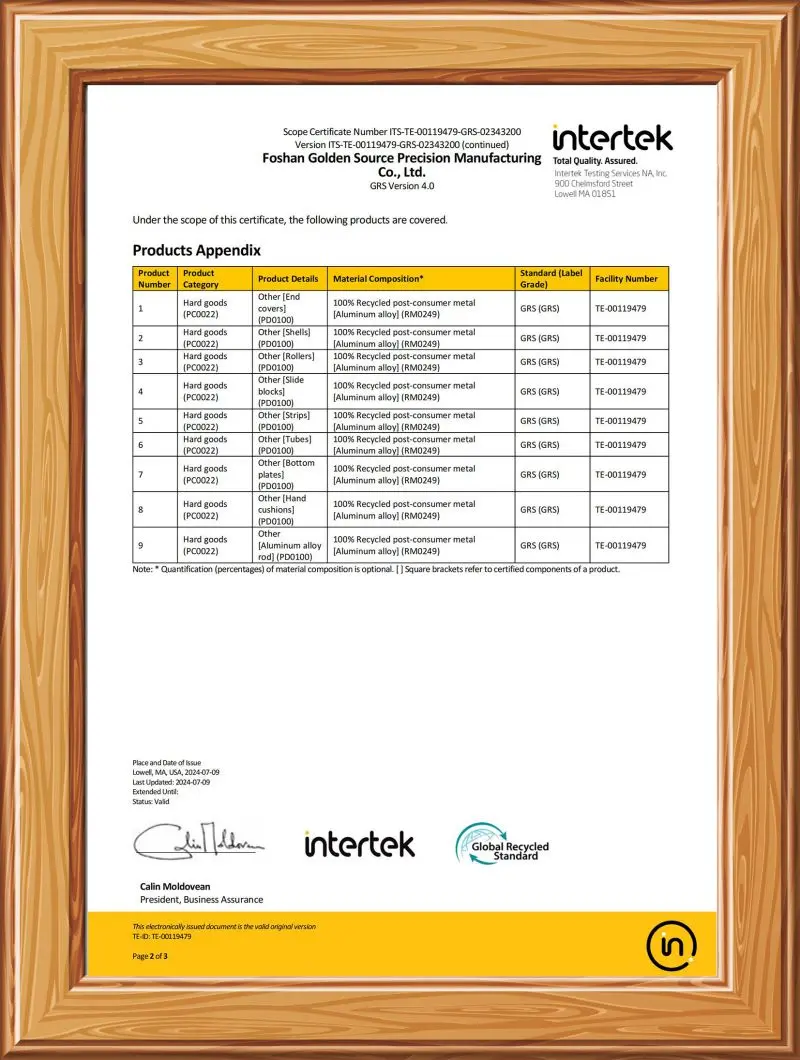
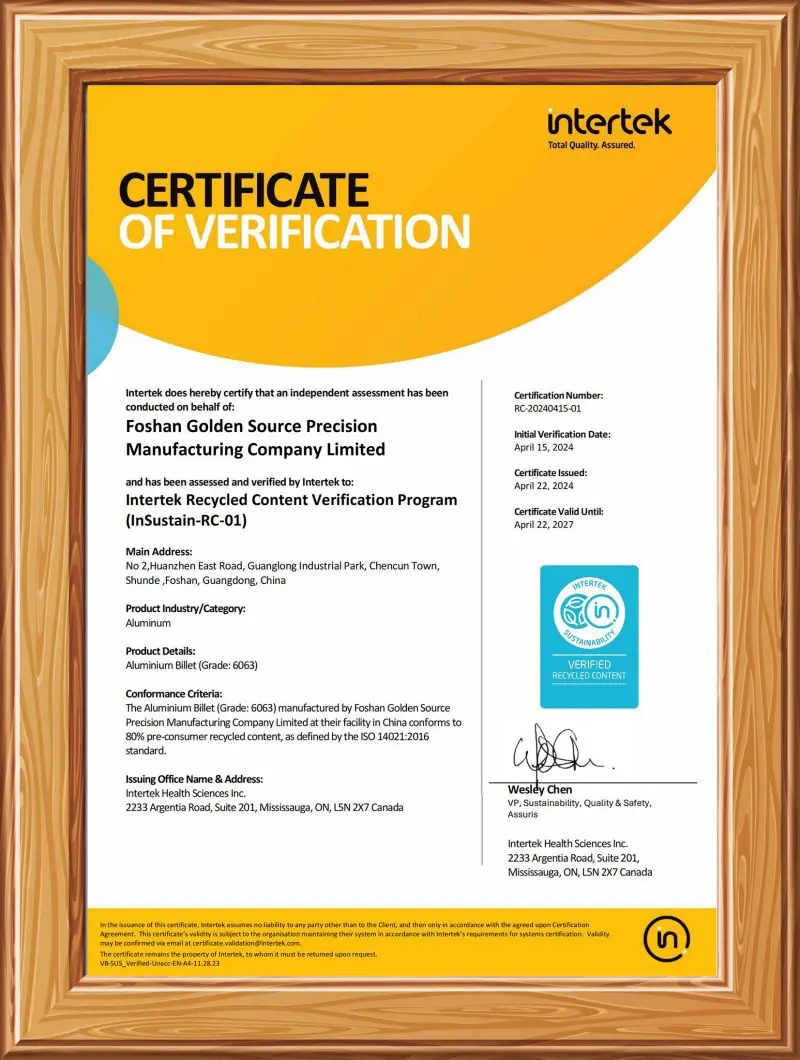
Sustainability and lightweight alloys (like 6063-T5 and 6061-T6) are taking center stage. With the European REACH regulations and the growing demand for green circular economies, GRS (Global Recycled Standard) is a non-negotiable metric.
In modern supply chains, utility loading systems are crucial interfaces between cargo transit networks and terrain vehicles. The demand for ATV (All-Terrain Vehicle) and UTV (Utility Terrain Vehicle) loading ramps has surged across commercial agricultural operations, remote construction sites, military mobilizations, and consumer powersports markets. Selecting the appropriate loading ramp requires deep engineering knowledge of metallurgical structures, dynamic load distribution, and surface coefficient of friction parameters.
Historically, steel ramps dominated the market due to low initial raw material costs. However, steel's high self-weight makes deployment dangerous and labor-intensive, while its susceptibility to atmospheric oxidation limits its lifespan in outdoor marine or wet agricultural settings. The emergence of specialized high-strength aluminum alloys, specifically from the 6XXX (Al-Mg-Si) and 7XXX (Al-Zn-Mg-Cu) families, has revolutionized the industry. Aluminum alloy ramps offer up to a 60% reduction in weight compared to steel equivalents, while maintaining matching structural load parameters when properly temper-treated.
Procurement teams do not merely search for "cheap ramps." Their search intent centers on safety coefficients, verified load capacities (e.g., distributed weight limits of 1,500 lbs to 3,000 lbs), and regulatory compliance certifications. Assuring buyers of raw material traceability (such as in-house spectrographic analysis of chemical compositions) is the single most effective way to establish brand authority and gain Search Quality Guideline E-E-A-T credentials.
Not all aluminum ramps are created equal. The mechanical strength, stress-corrosion cracking resistance, and weldability of a ramp depend heavily on its alloy composition and aging tempers. The following table showcases the critical physical parameters of the structural aluminum alloys utilized by premium custom manufacturers.
| Alloy & Temper | Yield Strength (MPa) | Tensile Strength (MPa) | Elongation (%) | Key Performance Attributes & Sourcing Use-Cases |
|---|---|---|---|---|
| 6063-T5 | 175 | 215 | 8% - 12% | Highly extruded, superior surface finishes, excellent for decorative framing, structural joints, and medium-load domestic folding ramp profiles. |
| 6061-T6 | 276 | 310 | 12% - 17% | Aircraft-grade toughness. Exceptional weldability and fatigue resistance. Standard specification for commercial and heavy-duty industrial utility ramps. |
| 7075-T6 | 503 | 572 | 11% | Ultra-high strength-to-weight ratio. Used in high-impact structural nodes, aerospace components, climbing shafts, and heavy vehicle recovery systems. |
The manufacturing integrity of a loading ramp dictates its safety margin. Reputable factories implement a closed-loop "one-stop" system. This starts with in-house alloy casting to adjust silicon, magnesium, and iron levels precisely. Purity of the melt determines the uniformity of the mechanical properties across the entire profile length and avoids internal micro-porosities that could lead to sudden loading failures.
Following extrusion, precise thermal treatment (aging) is performed to reach the designated temper (T5 or T6). CNC machining centers execute structural slot milling, bolt hole alignment, and hinge assembly preparations. The joints are then welded using advanced automated robotic MIG/TIG stations. Finally, surface finishing (natural anodization, sandblasting, or outdoor-rated thermosetting powder coating) protects the structure from mud, road salt, and harsh UV radiation.
A pioneer in high-precision customized aluminum profiles, structural parts, and complete assembled solutions for global industries.
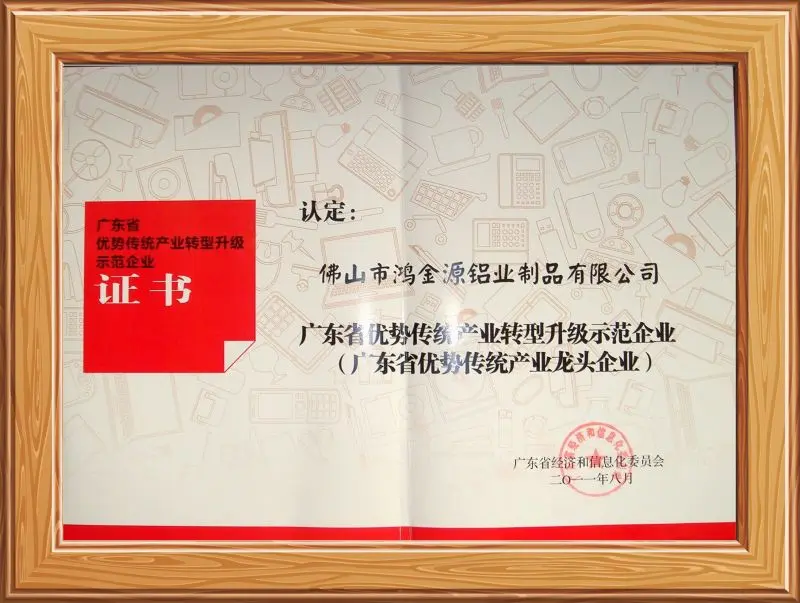
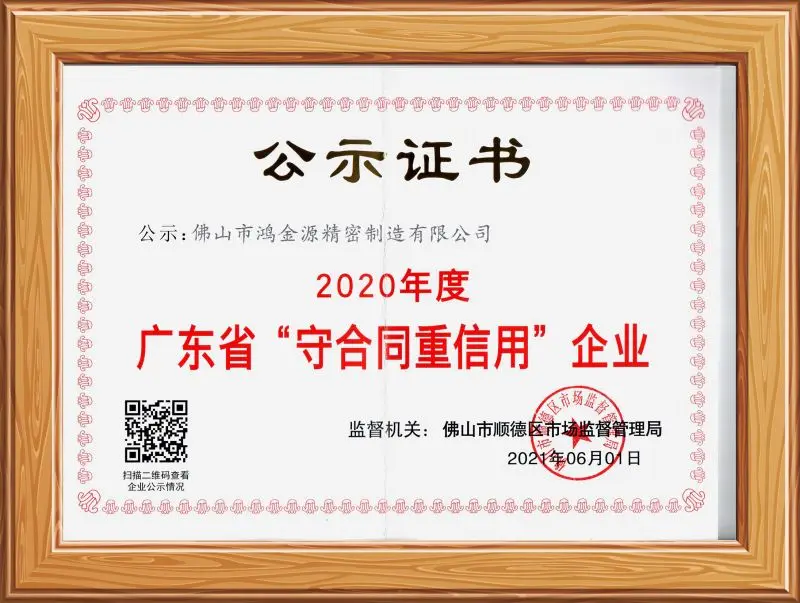
Established in 1991, Foshan Golden Source Precision Manufacturing Co., Ltd. is a professional manufacturer specializing in high-strength, high-precision, customized aluminum profiles and precise machining aluminum parts, welded parts, and assembled aluminum products. Our modern, environmentally friendly production base spans over 73,000 square meters.
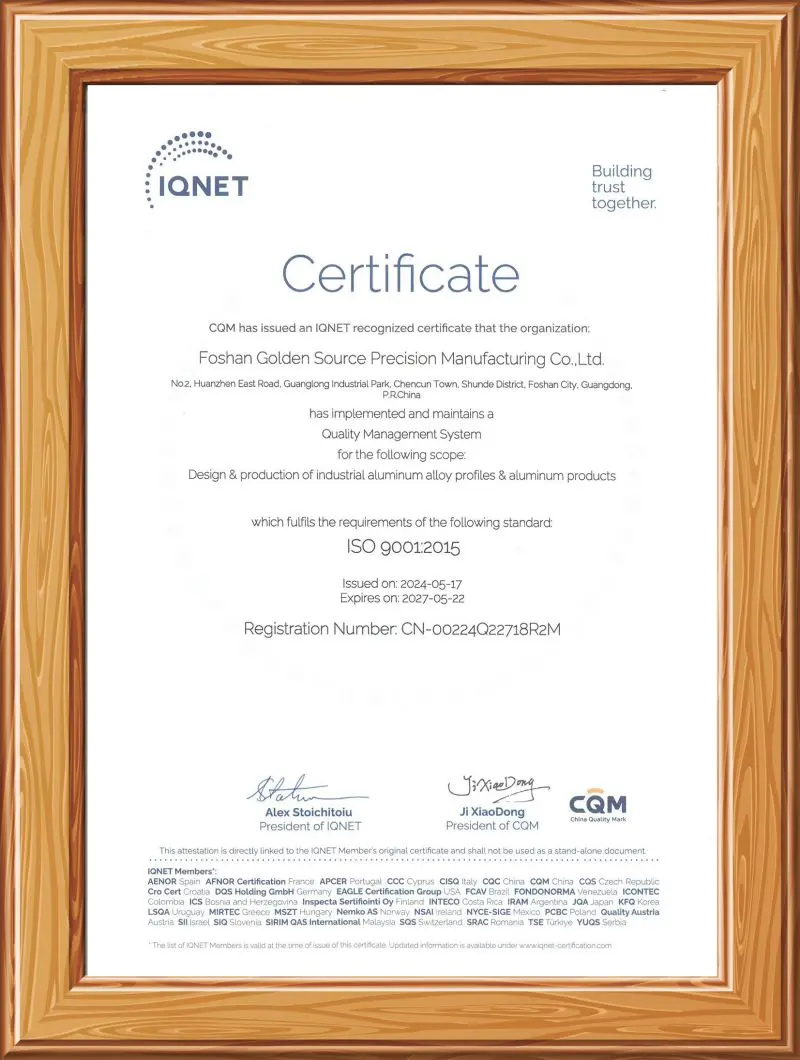
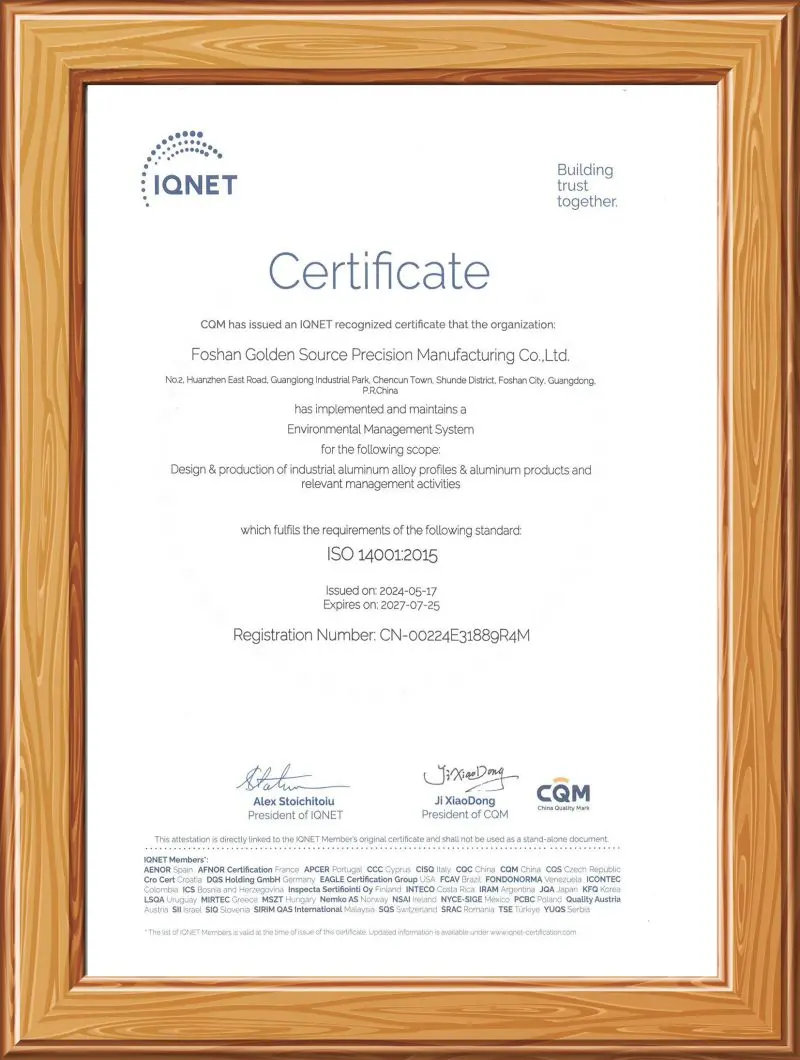
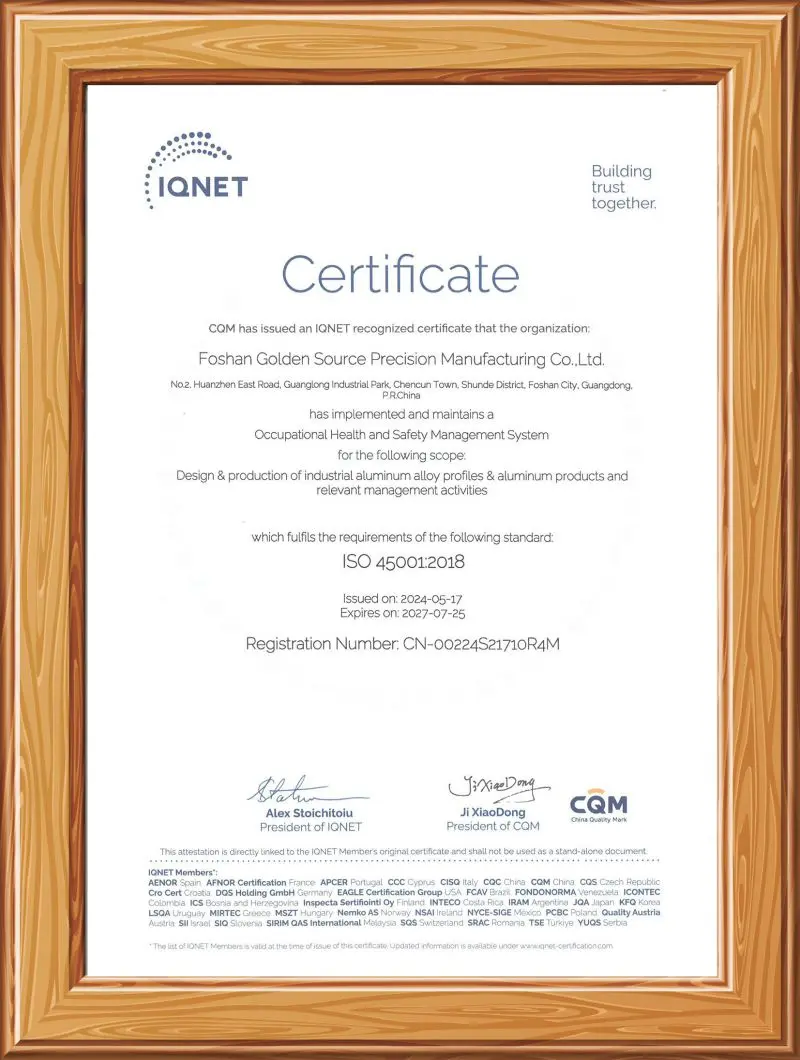
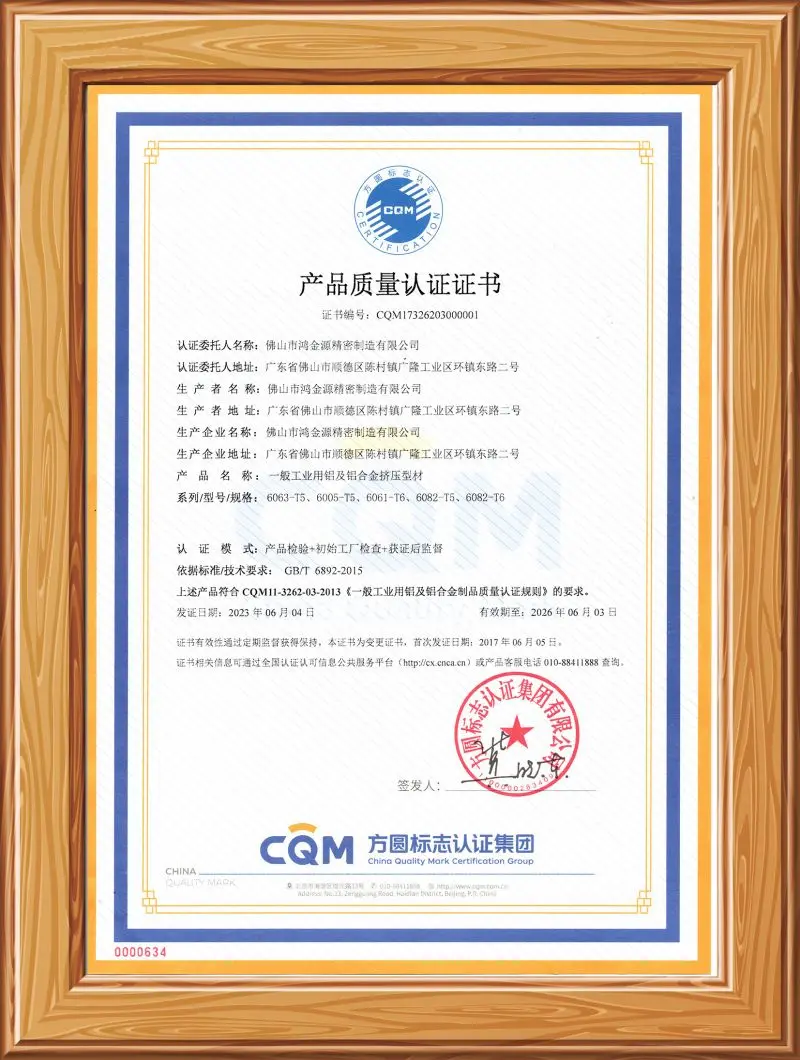
We offer comprehensive, one-stop services, including alloy casting, mold research & design & building, aluminum extruding, precise CNC machining, welding, assembly, and surface treatment. We hold certifications such as ISO9001, ISO14001, ISO45001, RCV, and GRS, ensuring our processes and materials comply with the strict environmental requirements of the EU’s REACH regulation.
With our capability to process 1XXX, 3XXX, 5XXX, 6XXX, and 7XXX alloy series, we serve various sectors worldwide, including hardware tools, 3C products, automobiles, railway transit, outdoor sports, and structural furniture.
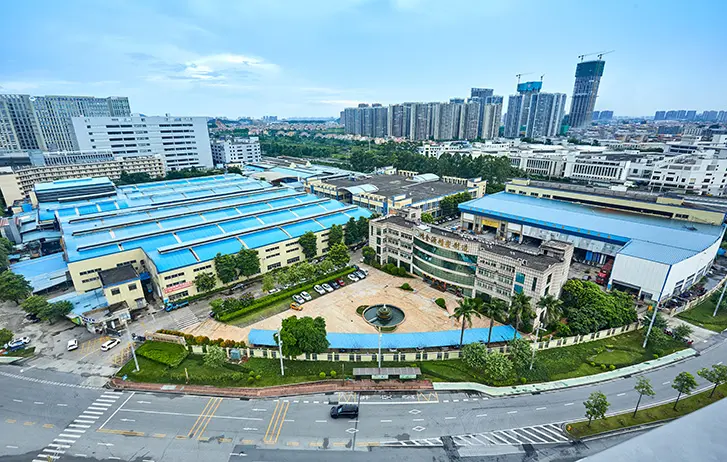
We melt raw alloy in-house, enabling precise adjustment of composition. This achieves optimal physical properties for extrusion profiles, guaranteeing raw alloy purity and high-quality anodizing finishes.
All machining, welding, and surface treatments are kept strictly in-house. This centralized control reduces logistics costs and improves quality standards, keeping unit prices highly competitive.
Our integrated "One-Stop" workflow minimizes transit times between different processing stages, ensuring fast turnaround cycles for massive industrial orders.
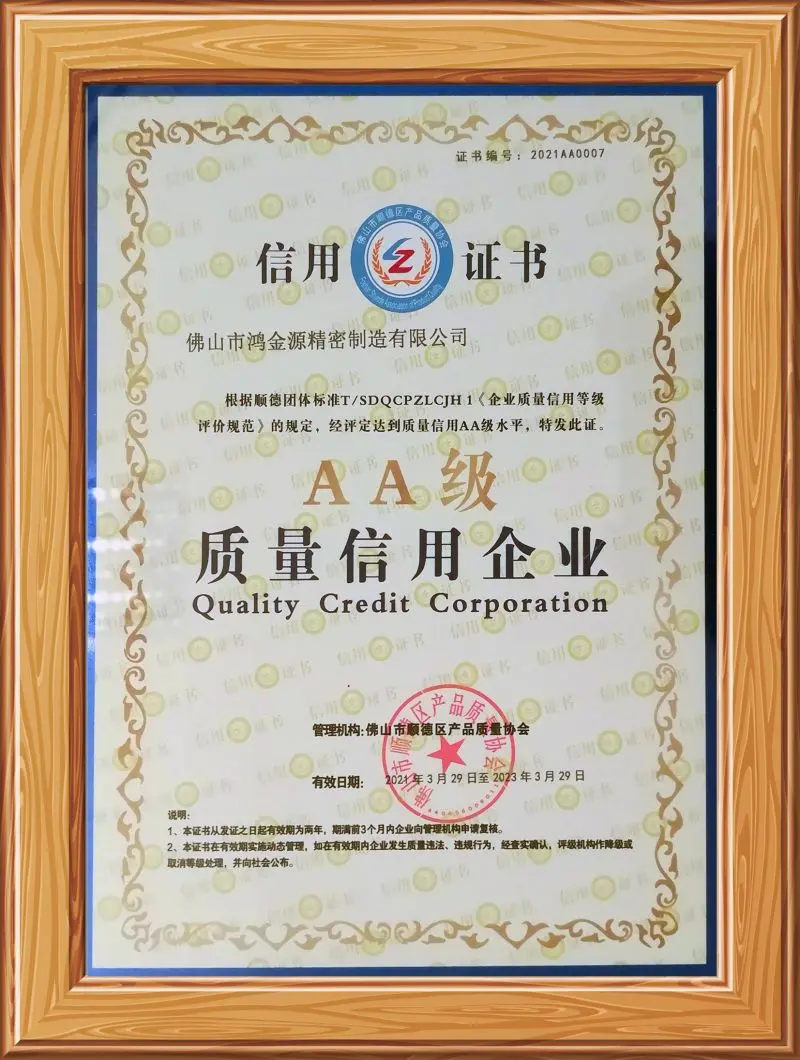
We strictly maintain global standards for environment, health, and quality. Our compliance certificates include ISO9001, ISO14001, ISO45001, and eco-centric RCV and GRS certifications.
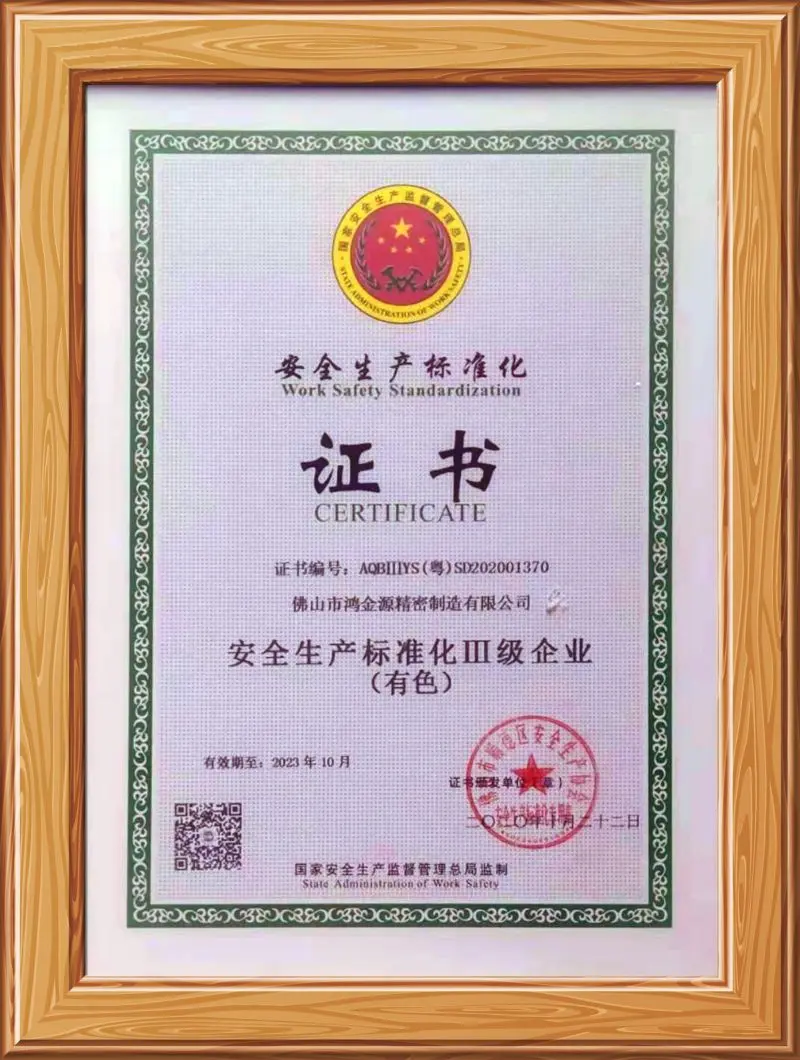
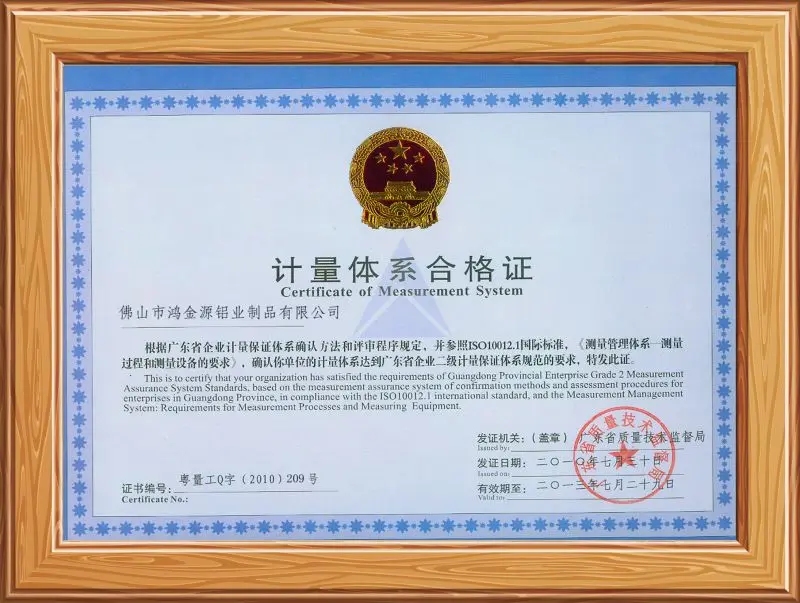
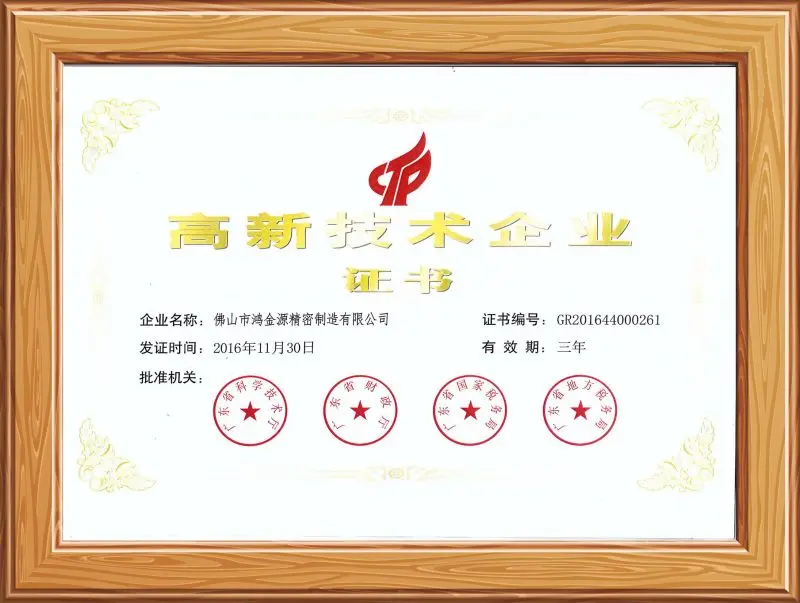
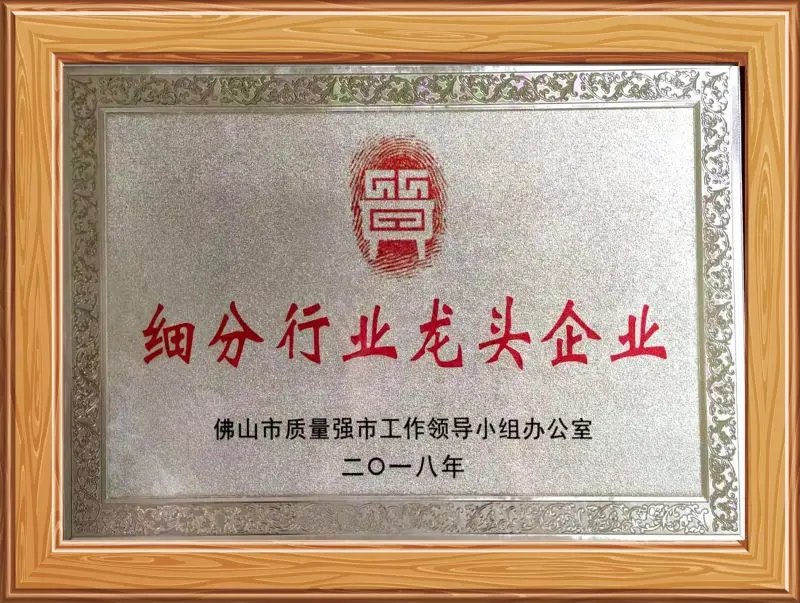
Expert answers addressing weight limits, alloy configurations, surface treatability, and direct sourcing logistics.
6061-T6 aluminum provides an optimal balance of high tensile yield strength (approx. 276 MPa), excellent fatigue limit parameters, and superior weldability. This makes it structurally sound for repeatedly bearing heavy dynamic vehicle loads. The T6 temper (solution heat-treated and artificially aged) maximizes resistance to deformation and structural crack propagation under intense stress.
We handle alloy melting and casting in-house. This allows our metallurgical engineers to perform optical emission spectrometry (OES) directly on molten batches. By adjusting precise percentages of Silicon (Si), Magnesium (Mg), and Chromium (Cr), we prevent trace impurity build-ups, ensuring consistent anodization finishes and structural uniformity.
European buyers look for compliance with environmental regulations like REACH. Foshan Golden Source holds GRS (Global Recycled Standard) and RCV certifications. These verify sustainable material loops and confirm the absence of substances of very high concern (SVHC), simplifying customs clearance and local compliance checks.
Anodization forms an integral, highly hard aluminum oxide layer that is highly resistant to scratching, peeling, and corrosion. This makes it ideal for precision sliding interfaces or telescoping ramp mechanisms. Powder coating offers a thicker polymer protective shell, providing impact resistance and allowing for customizable colors, making it well-suited for heavy-duty structural frames.
Because we offer integrated mold tooling design and building, trial samples can typically be produced within 10 to 15 working days. Once the dimensional accuracy of the sample is approved by the client, mass extrusion and precision machining cycles usually range from 20 to 30 days, depending on batch volume and surface treatments.
We use finite element analysis (FEA) software during the design phase to identify potential stress concentrations under load. Physical verification is then conducted using hydraulic load testers, applying up to 2x the rated static limit to ensure a generous safety margin before structural deformation occurs.
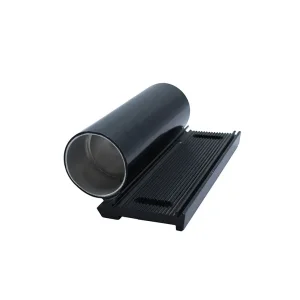
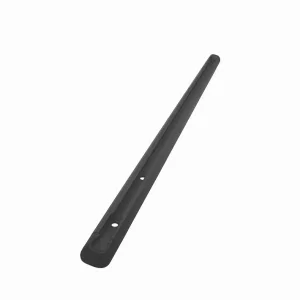
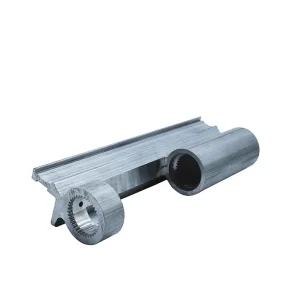
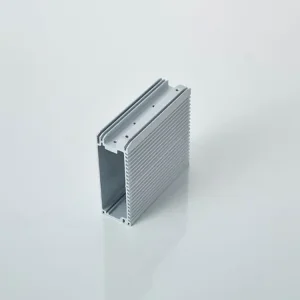
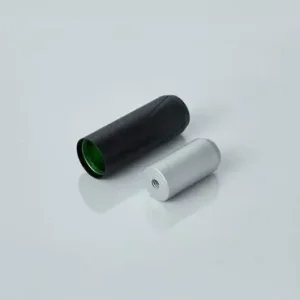
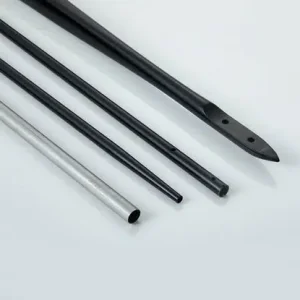
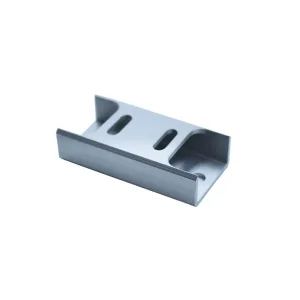
Discover our range of custom cylinders, heat sink cases, multi-angle hinges, structural tubes, and stamping profiles tailored for industrial applications.
 HG Precision