High-precision aluminum alloy solutions engineered to rigorous tolerances for automotive, architectural, and aerospace applications.
Key structural shifts, engineering alloy standards, and macroeconomic market dynamics.
Aluminum tubing remains one of the most critical structural components of modern industrial economies. Due to its high strength-to-weight ratio, thermal conductivity, and natural corrosion resistance, industrial demand has surged significantly. The transition toward low-carbon operations has positioned aluminum as the premier metal of choice for structural and mechanical engineers globally.
We source and melt custom formulations ranging from structural 6063 and 6061 alloys to high-stress 7075 and 2024 aerospace-grade materials, delivering customized chemical compositions for optimized performance.
Proper heat treatment determines mechanical yield. We utilize computerized artificial aging furnaces to precisely control T4, T5, T6, and T651 tempers, guaranteeing mechanical strength limits.
By adding precise amounts of titanium-boron (TiB2) grain refiners to the melt, we generate fine, equiaxed grain zones in extruded tubes. This reduces surface tearing during heavy fabrication steps.
Consolidated, vertically integrated production capacities that ensure structural consistency, global environmental compliance, and rapid turnaround times.
Why downstream integration and geographical specialization drive global manufacturing success.
For global supply chains, manufacturing efficiency is about structural, end-to-end integration. The Foshan precision manufacturing cluster leverages downstream proximity to primary raw materials, tooling manufacturers, specialized surface finishers, and logistics hubs.
At Foshan Golden Source Precision Manufacturing Co., Ltd, we deliver a turnkey manufacturing system. Many traditional extrusion mills focus solely on producing long linear shapes, forcing purchasers to ship profiles to independent third-party machine shops for CNC milling, then to custom anodizers, and finally to assembly lines. Each step introduces logistics costs, shipping delays, handling defects, and split vendor liabilities.
By keeping alloy casting, die R&D, profile extrusion, multi-axis CNC machining, advanced structural welding, and eco-friendly surface finishing within a single facility, we eliminate middle-man logistics markups. This ensures component traceability and single-vendor responsibility for final dimensional compliance.
How our custom-fabricated aluminum profiles and machined parts perform in complex, real-world environments.
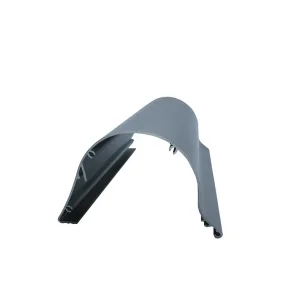
High-strength extrusion profiles used in battery pack frames, chassis subframes, and crash management systems. Engineered to absorb crash energy while minimizing EV curb weight.
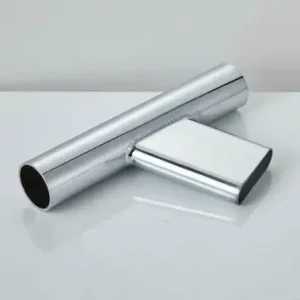
Ultrathin structural tubes, enclosures, and internal heat sinks. Requiring precise CNC machining tolerances down to ±0.02mm and defect-free anodized cosmetic surfaces.
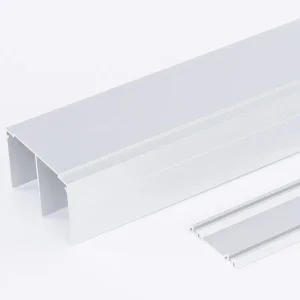
Shower door assemblies, custom sliding wardrobe door tracking, and curtain walls. Finished with sandblasted, brushed, and anodized coatings for long-term corrosion resistance.
Navigating ESG regulations, recycling standards, and global logistics constraints.
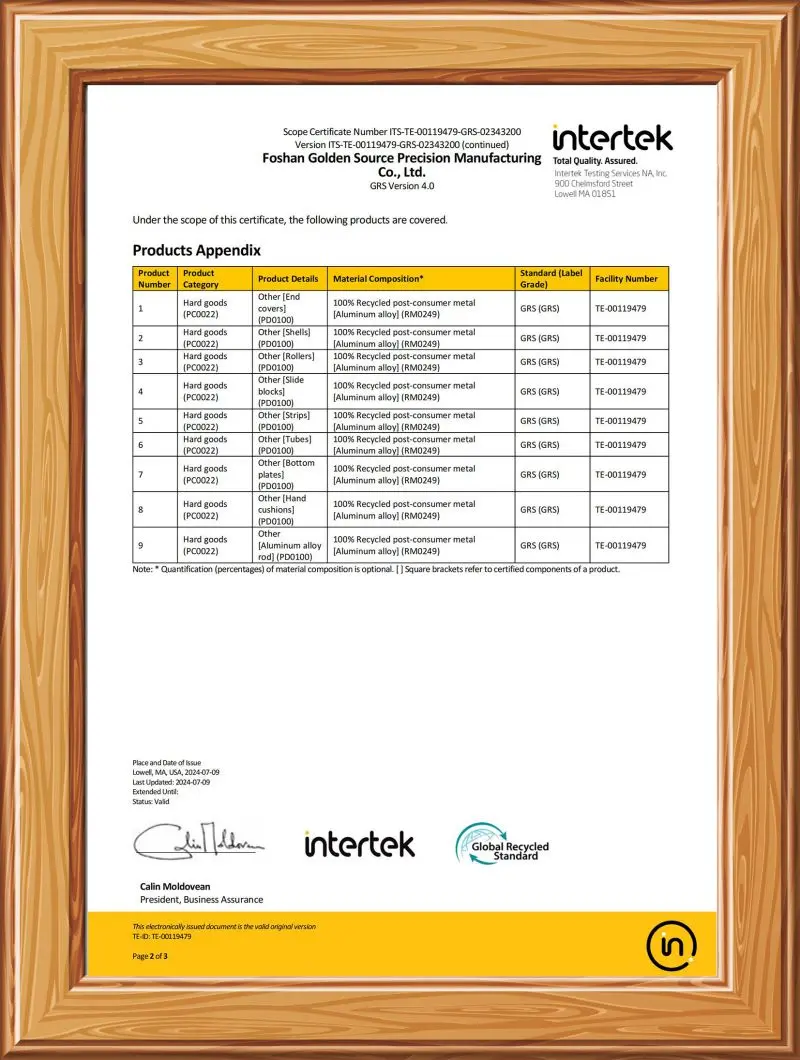
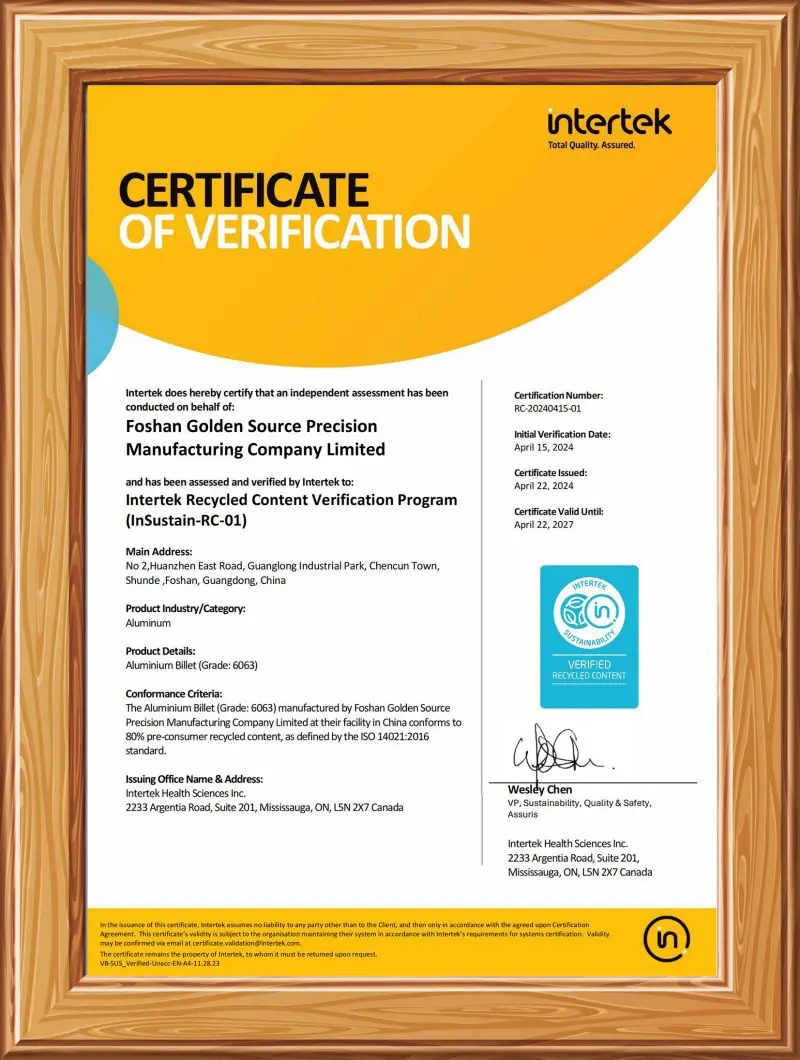
Modern global brands must document the carbon footprints of their supply chains. The transition to low-carbon aluminum relies heavily on post-consumer and industrial scrap recycling. Through our Global Recycled Standard (GRS) and RCV certifications, we help clients meet strict environmental requirements. This ensures full compliance with the European Union's REACH and RoHS frameworks.
Traditional clear anodizing is now augmented by specialized finishes. Micro-arc oxidation (MAO), ultra-fine mechanical sandblasting, and chemical etching provide distinct aesthetic options while enhancing wear and corrosion resistance in marine and industrial environments.
When selecting an aluminum fabrication partner, global procurement teams must verify several capabilities:
Over three decades of precision engineering, custom aluminum extrusions, and assembly services.
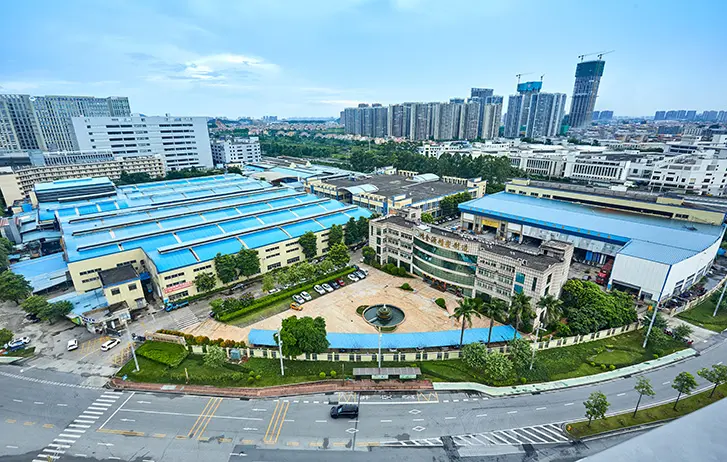
Established in 1991, Foshan Golden Source Precision Manufacturing Co., Ltd is a professional manufacturer of high-strength, high-precision, customized aluminum profiles and precise machining aluminum parts, welded parts, and assembled aluminum products.
With a modern and environmentally friendly production base covering an area of over 73,000 square meters, the company offers a true one-stop service, including alloy casting, mold research & design & building, aluminum extruding, precise machining, welding, assembly, and surface treatment.
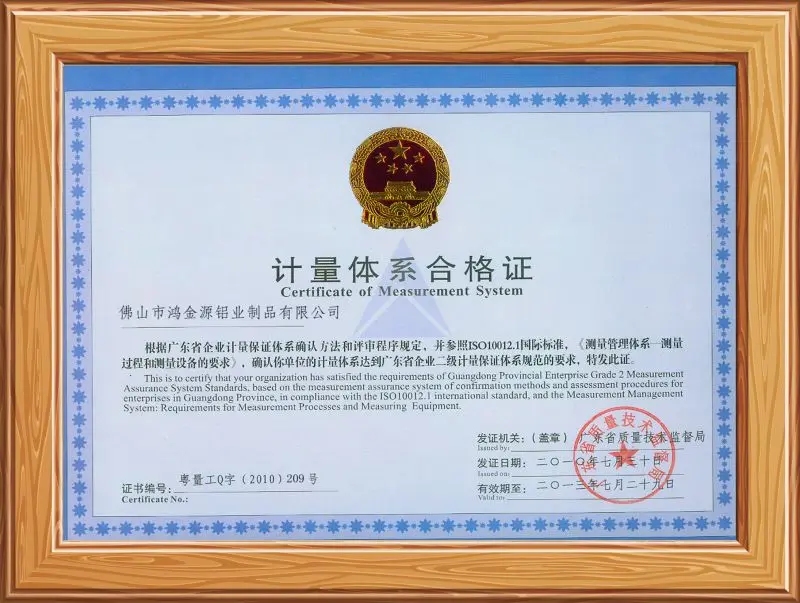
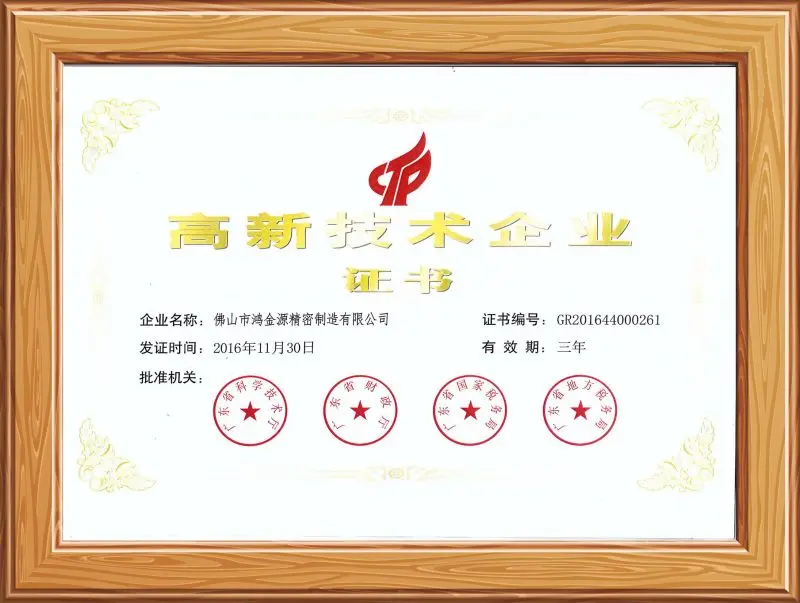
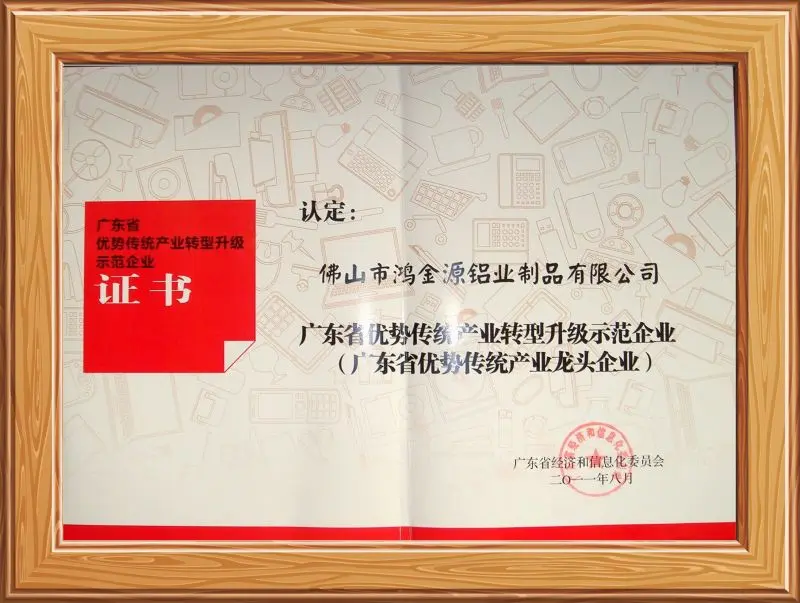
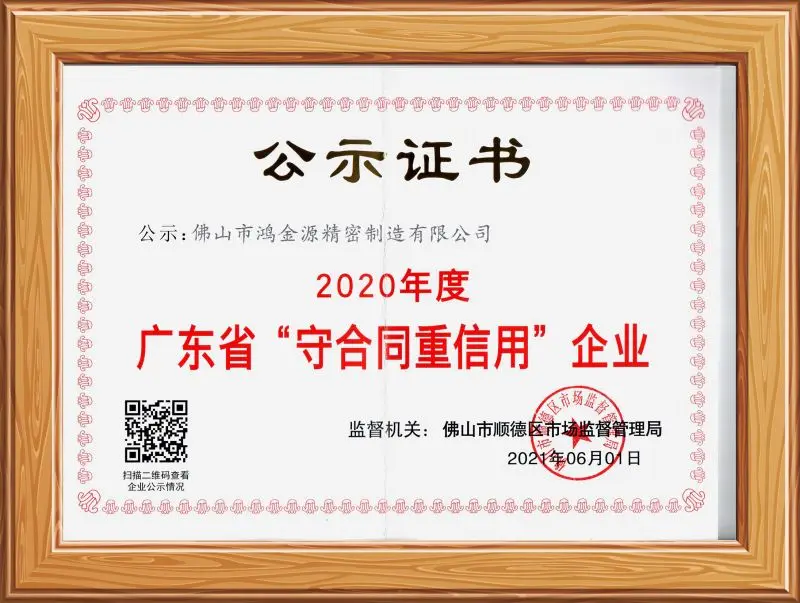
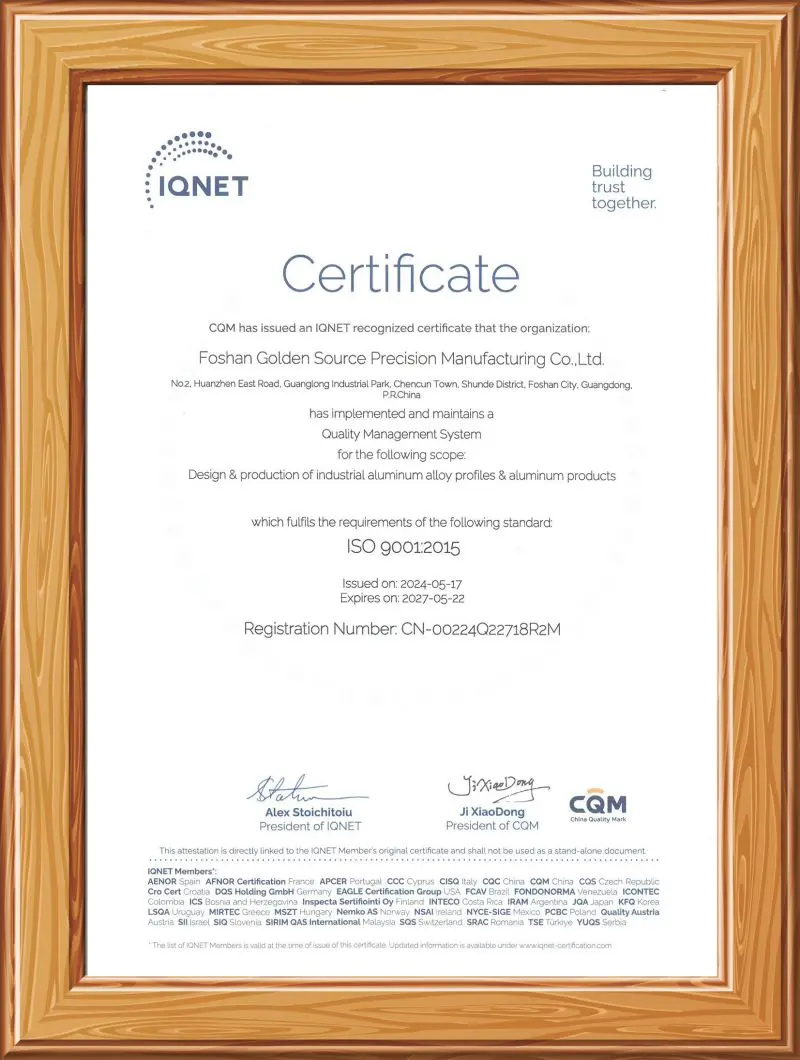
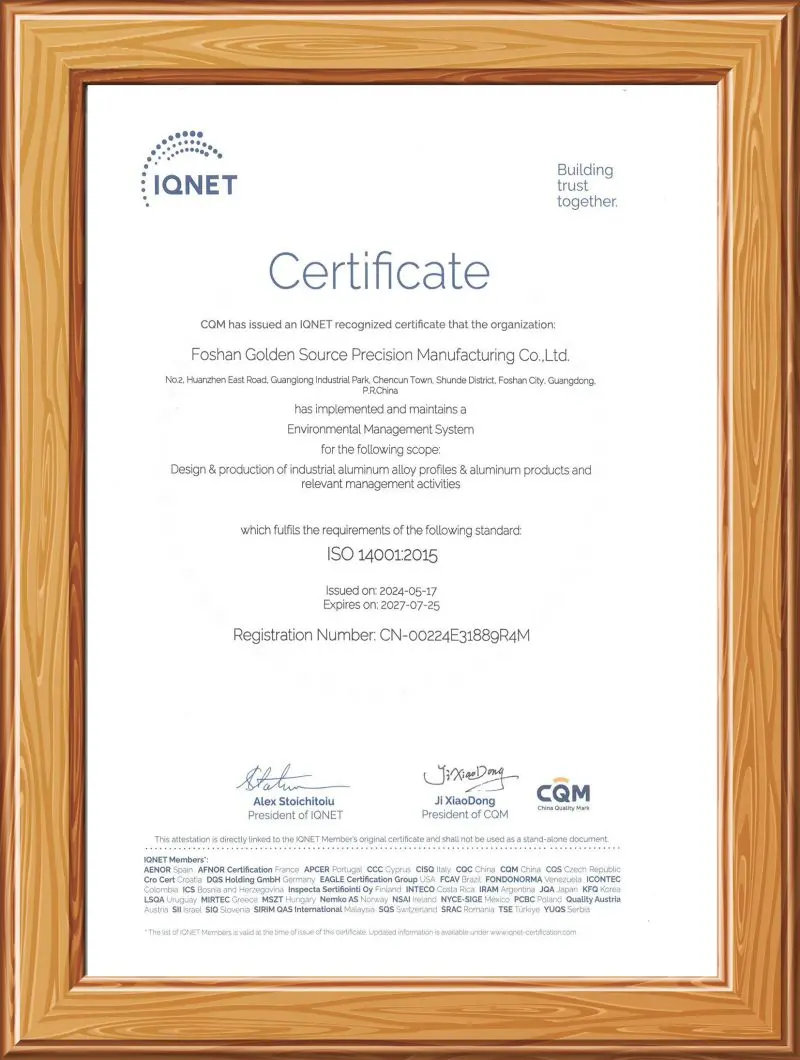
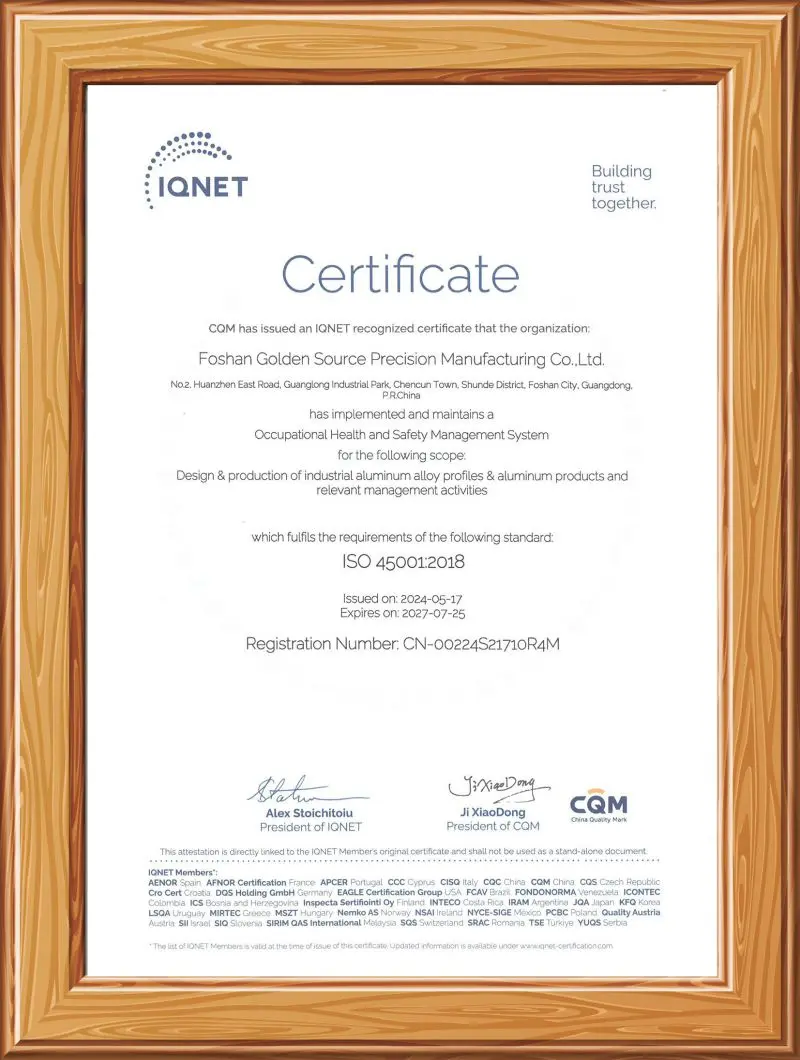
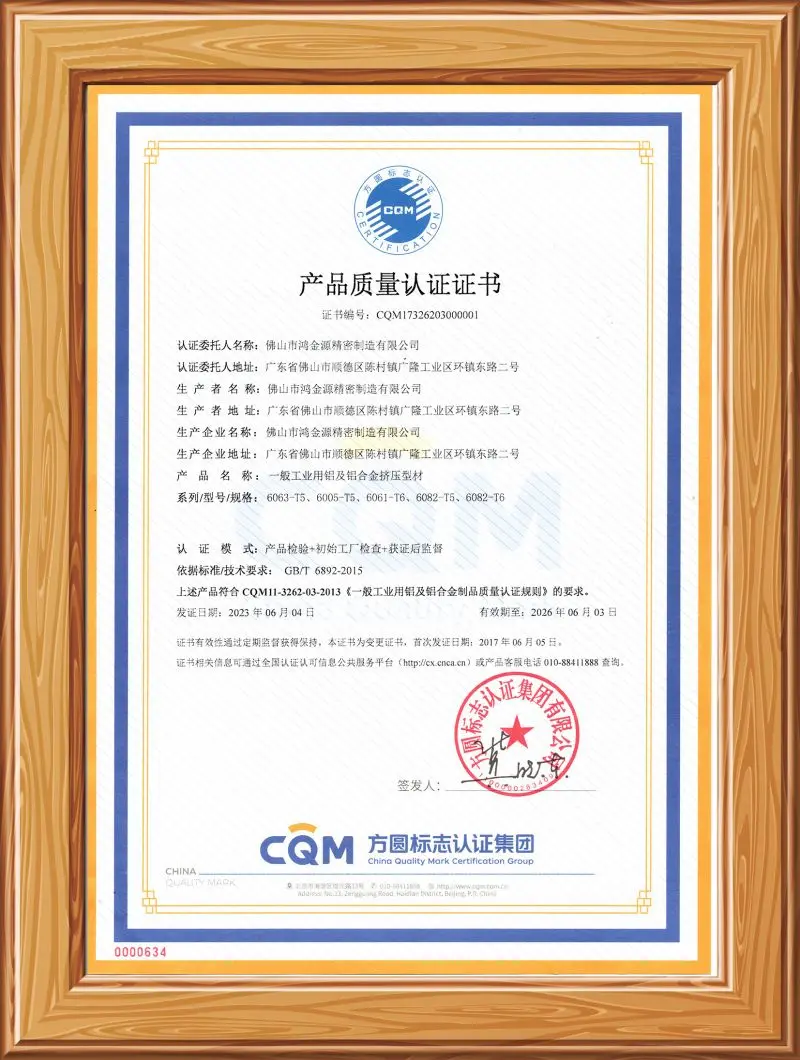
The company holds certifications such as ISO9001, ISO14001, ISO45001, RCV, and GRS, ensuring that its products comply with the environmental requirements of the EU’s REACH regulation. A wide range of aluminum alloy series are available, including: 1XXX, 3XXX, 5XXX, 6XXX, and 7XXX alloy, which allow us to meet different demands of various industries and fields, including hardware tools, 3C products, automobile, railway, furniture, decoration, and outdoor products.
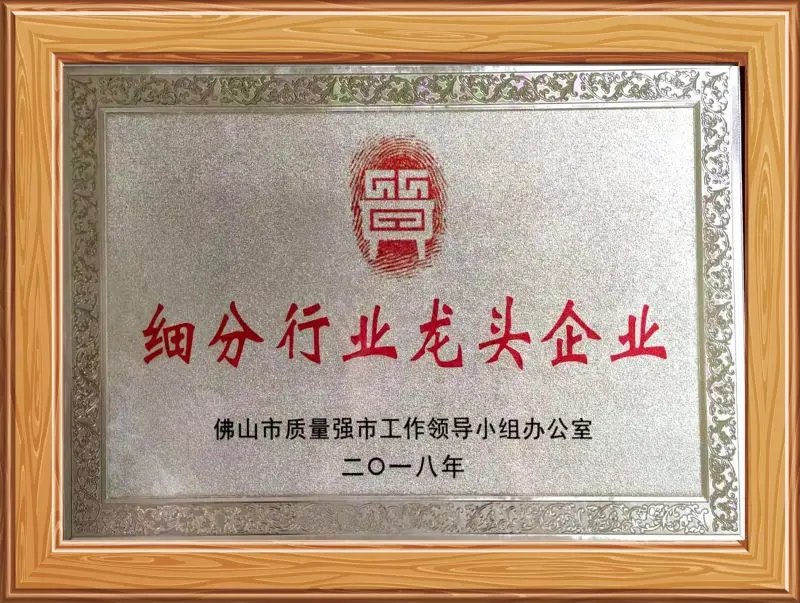
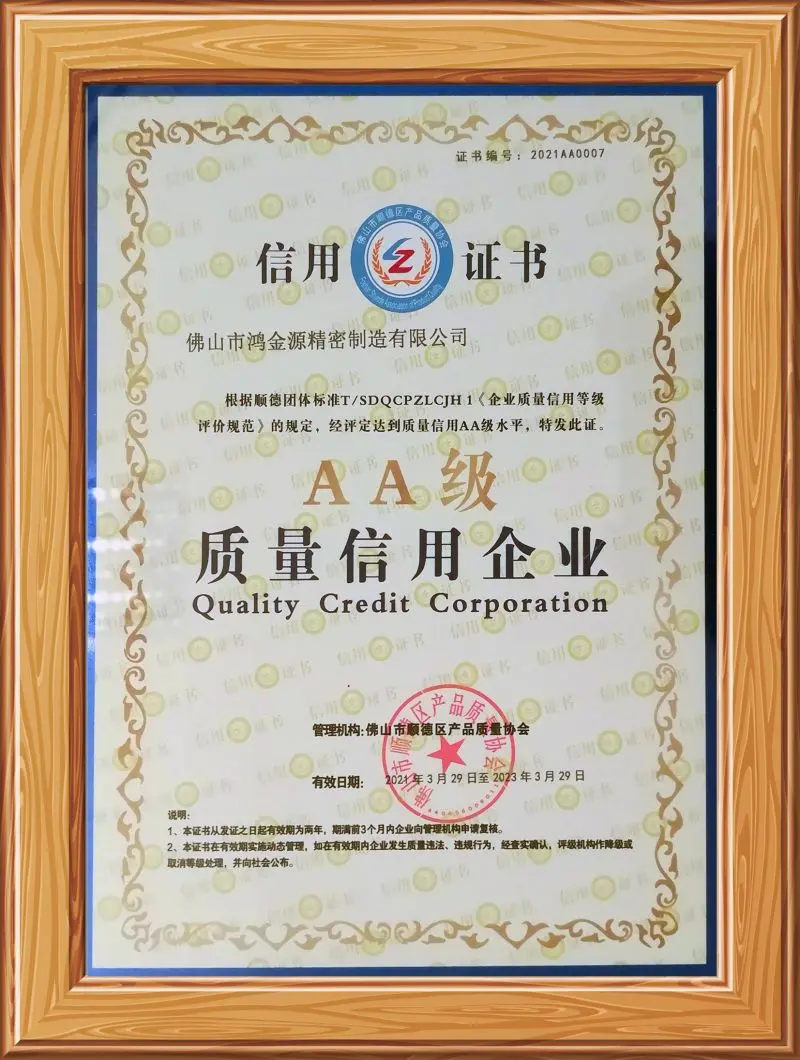
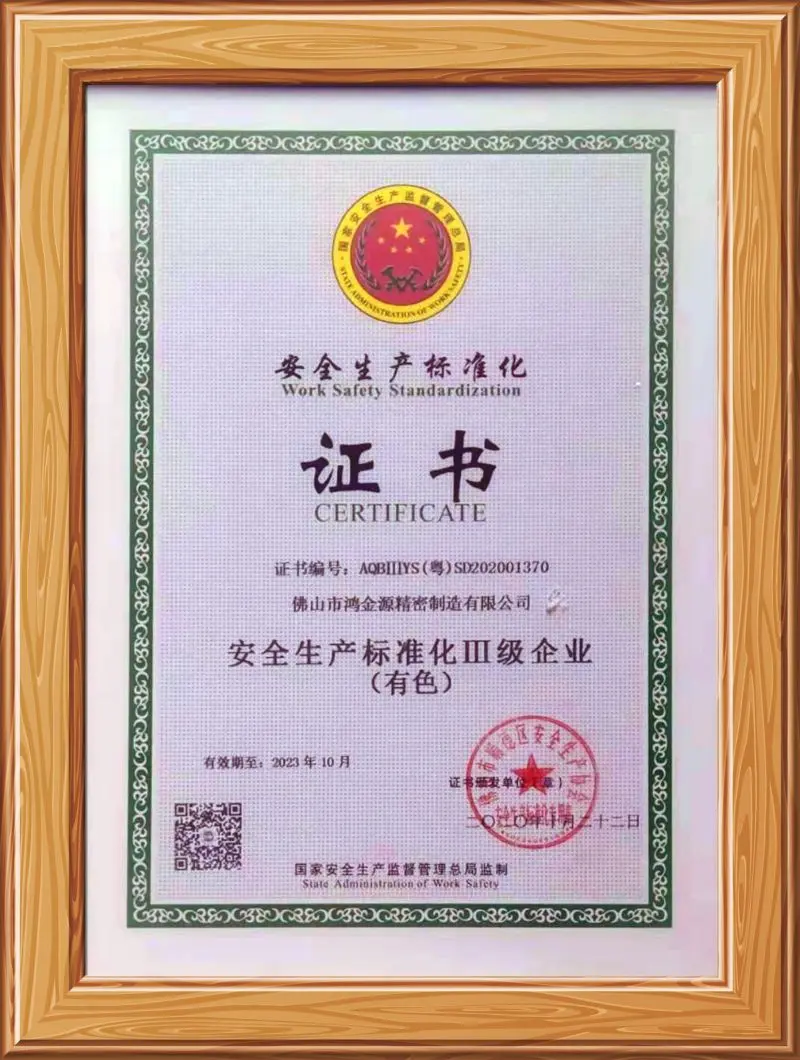
Our commitment to quality and environmental stewardship is backed by our certifications. We actively implement energy conservation, scrap alloy recovery, and wastewater treatment systems to ensure stable, long-term operations.
Detailed answers to common engineering, procurement, and surface treatment inquiries.
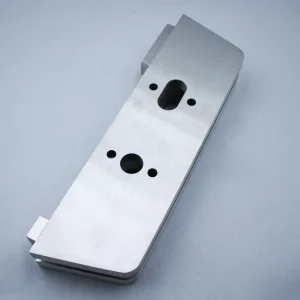
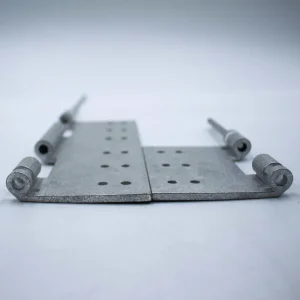
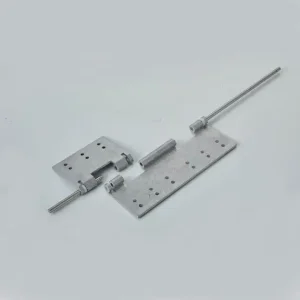
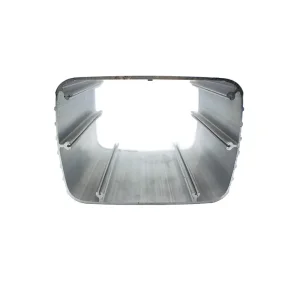
Discover our custom-fabricated and surface-finished aluminum solutions for industrial applications.
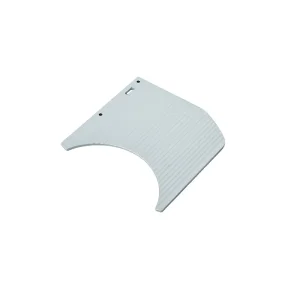
 HG Precision