 HG Precision
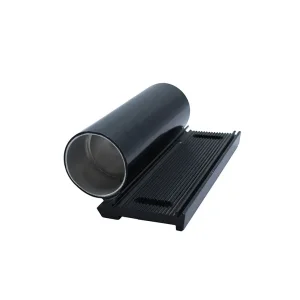
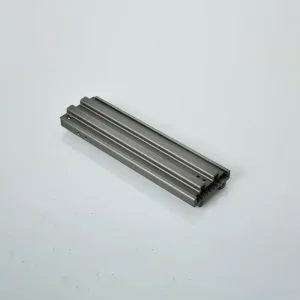
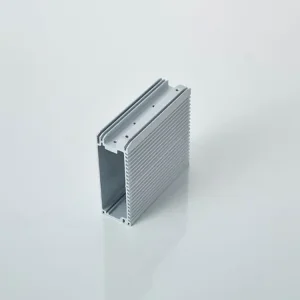
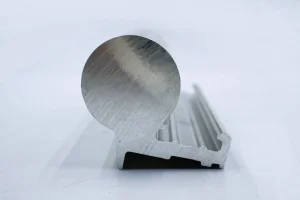
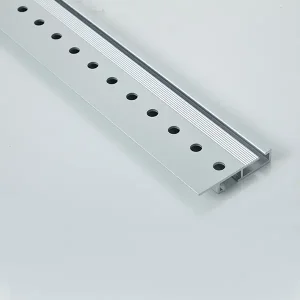
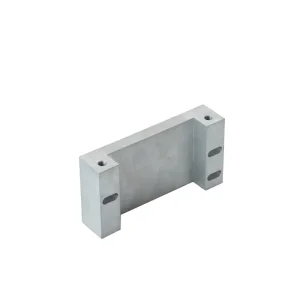
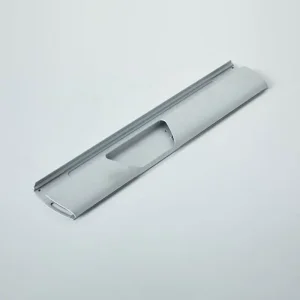
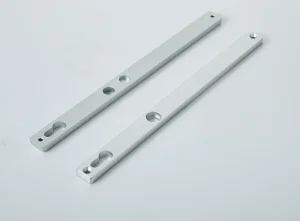
Aluminum Threshold Strips: Architectural Trends & Engineering Paradigms
An in-depth guide to modern threshold profiles, material requirements, and global commercial applications.
1. The Evolution of Modern Architectural Thresholds
In modern commercial, residential, and industrial construction, the threshold strip is no longer treated as a simple transition joint. It acts as an essential barrier for energy insulation, mechanical stress isolation, and structural safety. The shift from wood and brass thresholds to advanced high-strength aluminum alloys (primarily within the 6XXX series) has revolutionized architectural transition design. Modern thresholds must meet strict ADA (Americans with Disabilities Act) compliance for wheel accessibility, provide effective thermal breaks, and integrate smoothly with complex subfloor systems.
2. Technical Demands in High-Traffic Commercial and Industrial Environments
B2B procurement agents and civil structural engineers demand aluminum threshold strips that withstand heavy dynamic loads—particularly in settings like airports, hospitals, hypermarkets, and modern logistics hubs. Key mechanical properties include:
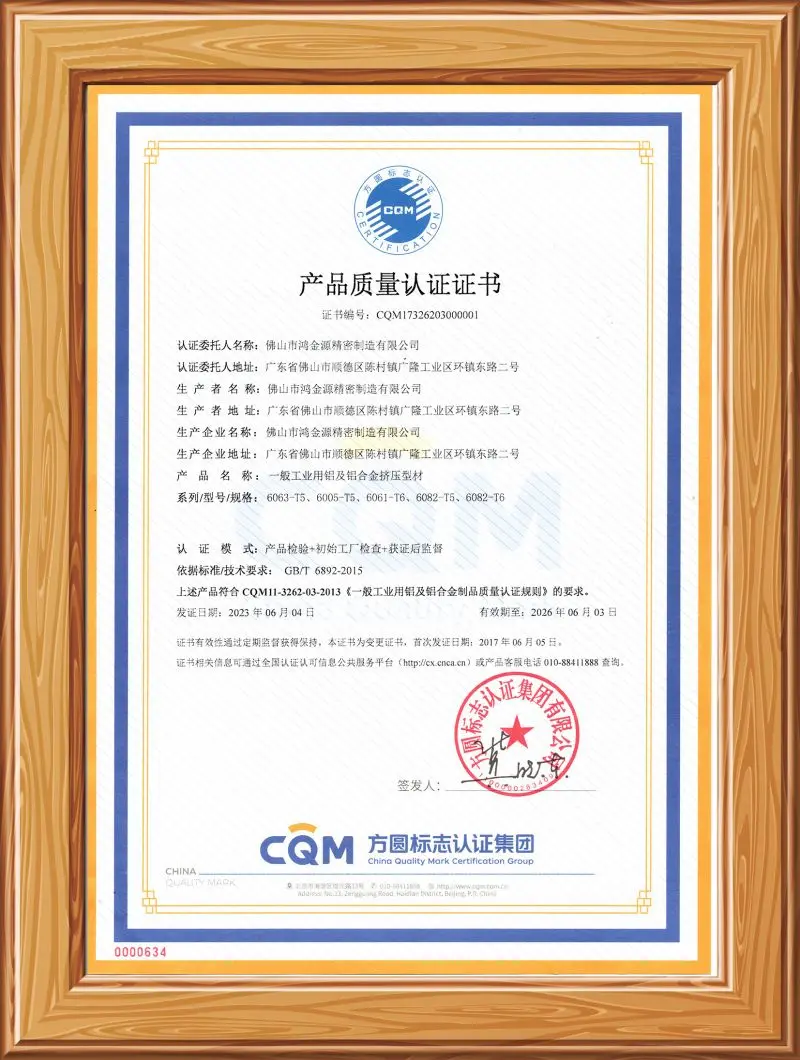
- Yield and Tensile Strength: Tempered profiles such as 6061-T6 or 6063-T6 are critical to prevent deformation from heavily laden forklifts and pallet jacks.
- Corrosion and Wear Resistance: High-grade anodizing (ranging from 10 to 25 microns) is standard to prevent surface damage from foot traffic, industrial cleaning chemicals, and weather exposure.
- Slip Resistance: Architectural profiles feature surface texture patterns—including fluted or serrated top surfaces—to optimize friction coefficient metrics.
3. ESG, Sustainability, and Recycled Materials in Construction
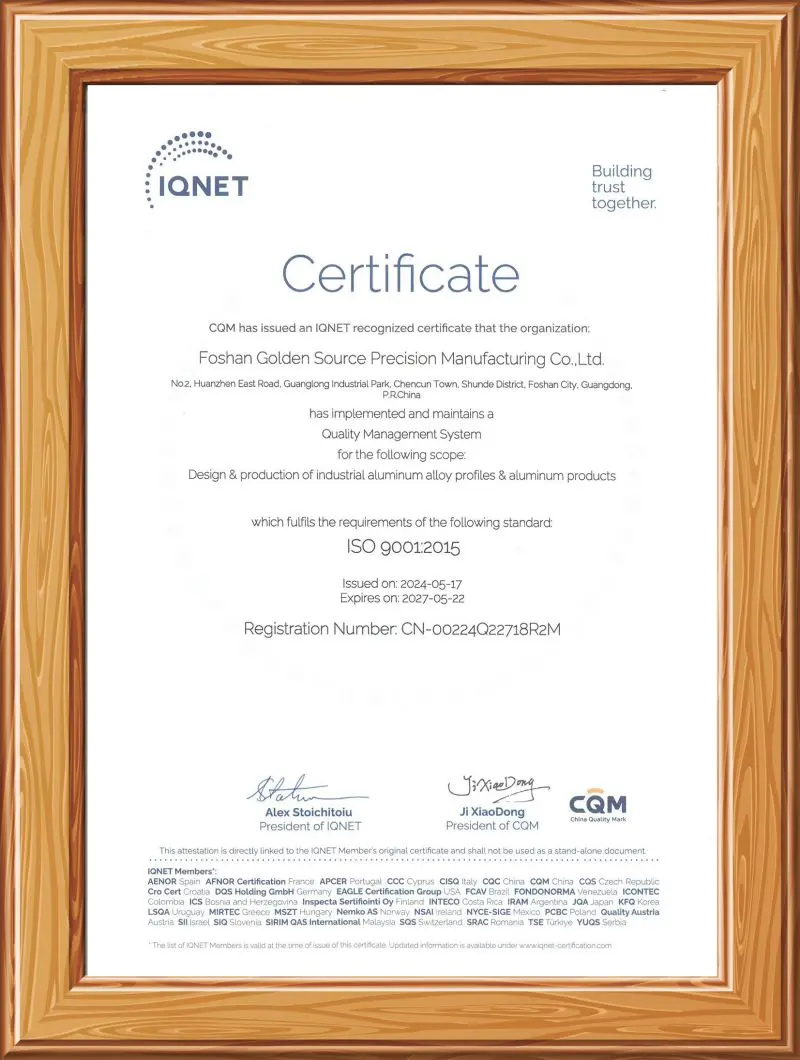
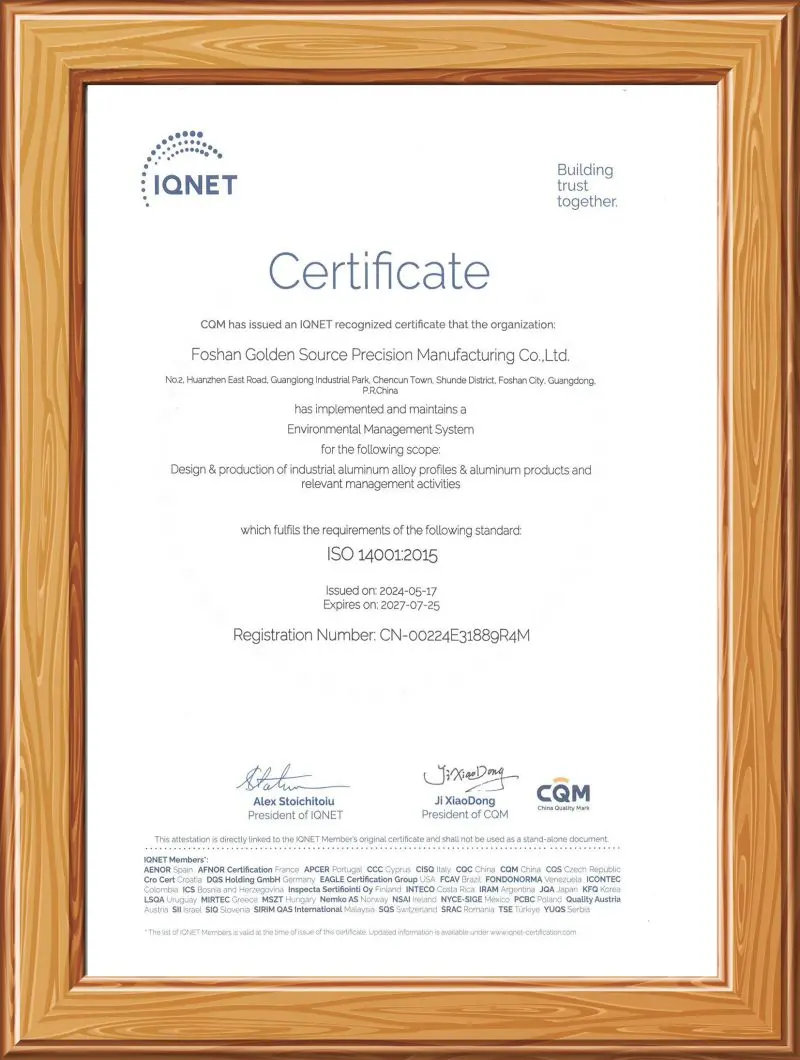
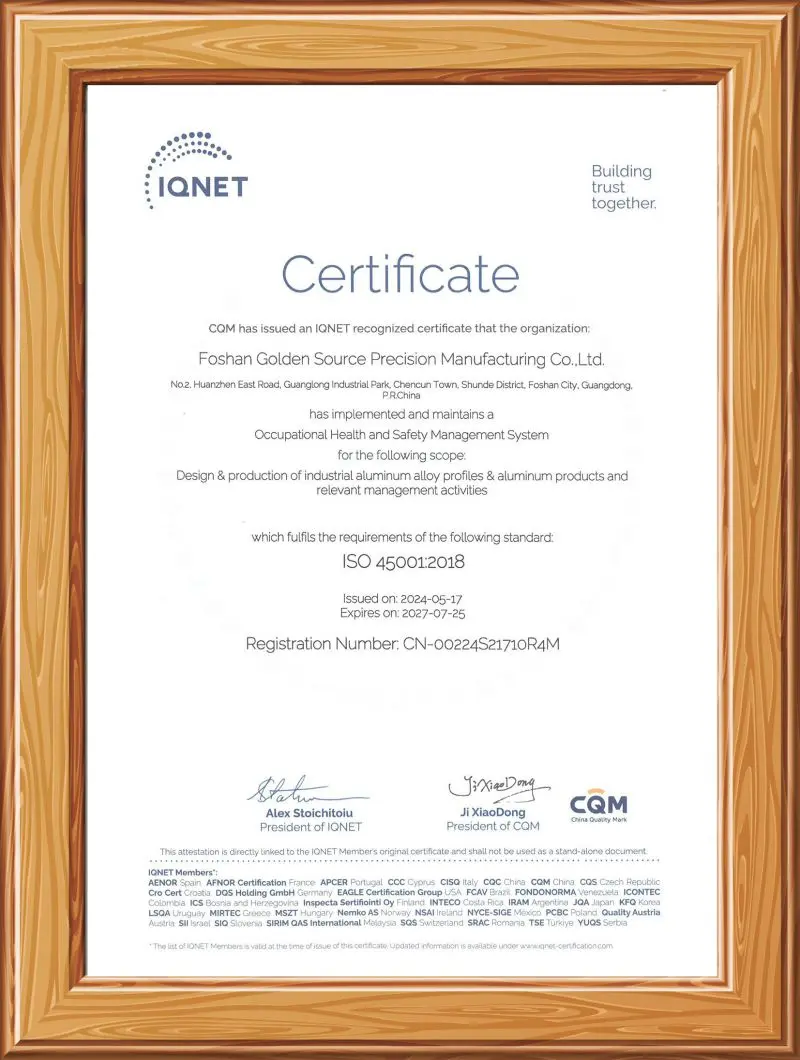
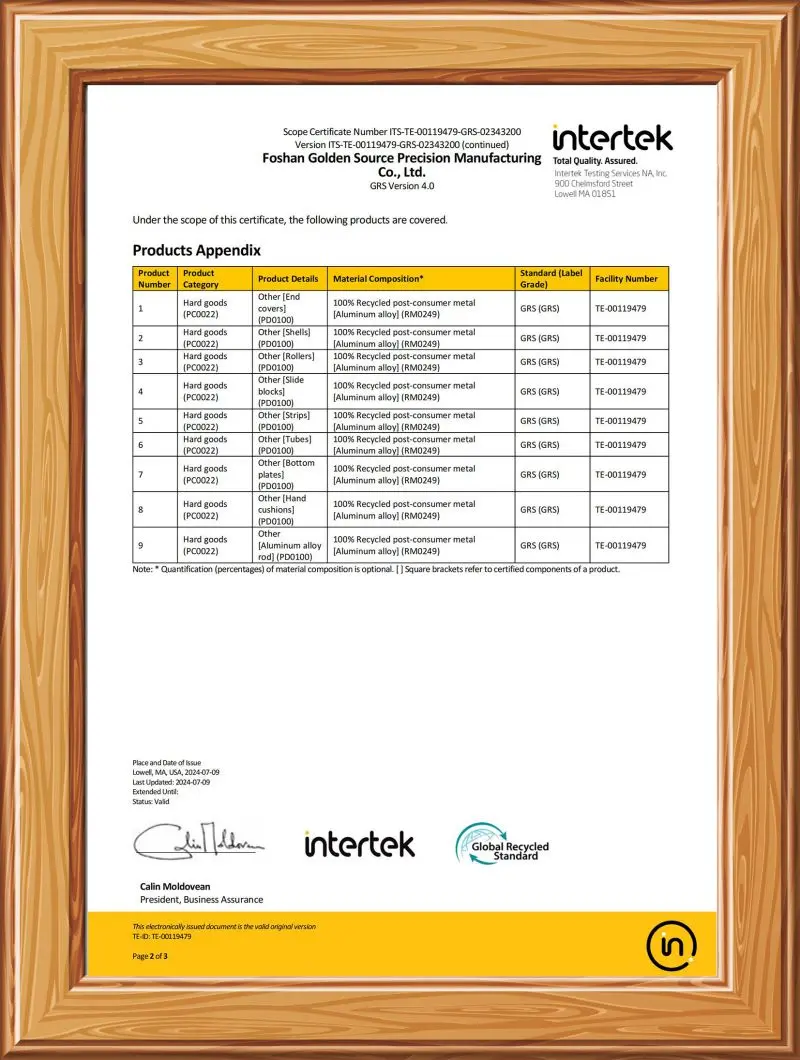
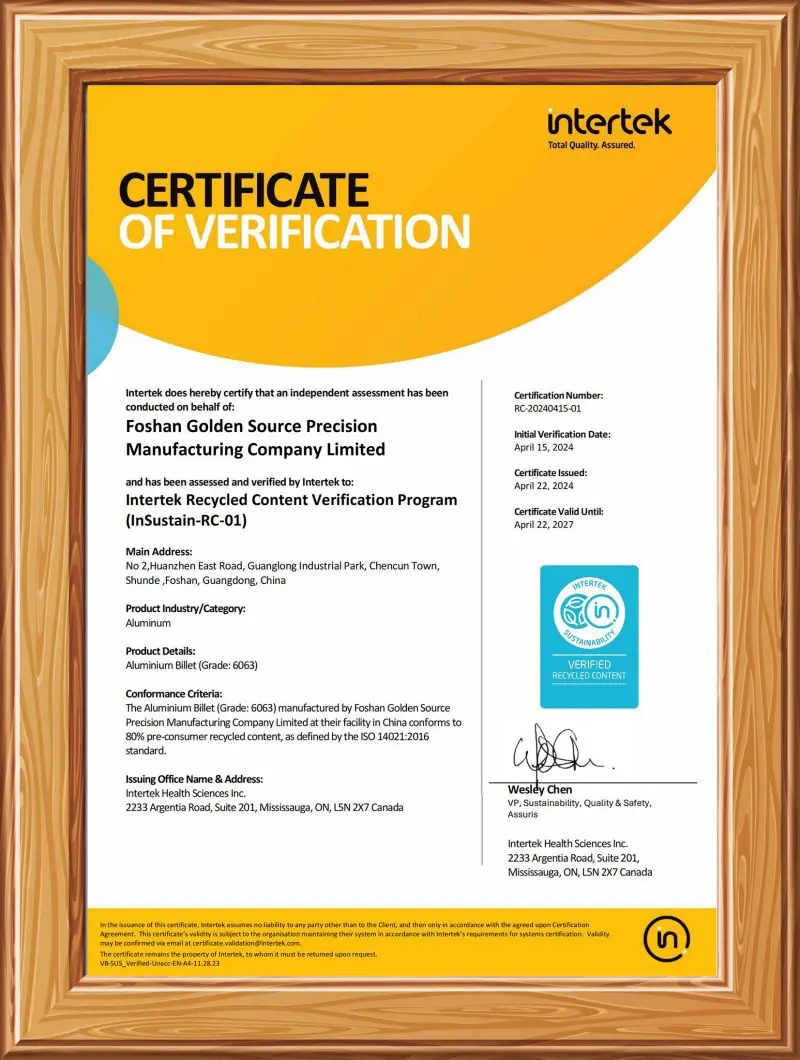
Green building schemes like LEED and BREEAM have elevated green manufacturing. Procurement processes now prioritize recycled aluminum and low-carbon production. Possessing certifications like the Global Recycled Standard (GRS) and Recycled Content Verification (RCV) ensures that threshold extrusions meet European Union REACH and RoHS standards, assisting developers in meeting low embodied carbon targets.