Engineered to exact tolerances. Click to explore our direct manufacturers' pricelist.
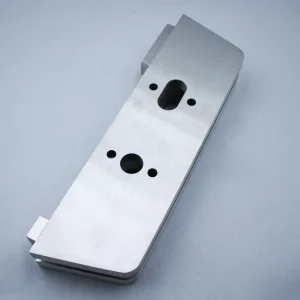
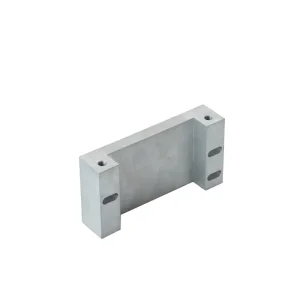
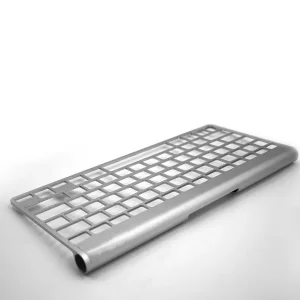
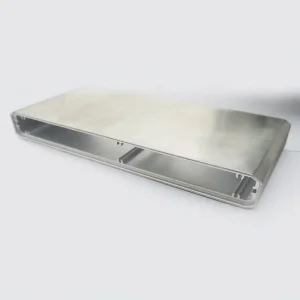
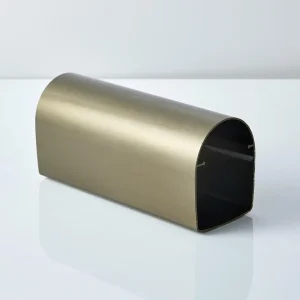
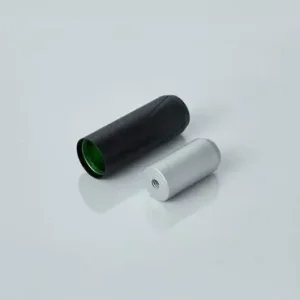
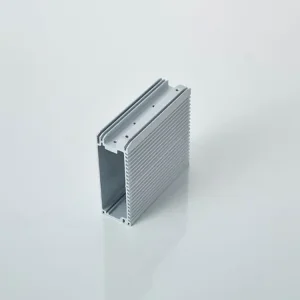
The 2020 T-slot aluminum extrusion represents the global baseline for modular hardware architecture. Measuring precisely 20mm x 20mm in its cross-section and featuring a standardized 6mm slot diameter, this profile system is the core foundation for lightweight, heavy-duty structures. Engineers and supply chain officers favor the 2020 design because it eliminates the need for complex welding, reducing project assembly overhead while providing highly robust load-bearing structures.
However, procuring 2020 profiles requires more than just picking a catalog item. It requires an understanding of mechanical metallurgy, structural loading capacity, and chemical surface treatments. For industrial systems operating in harsh or highly controlled environments (such as cleanrooms, marine vessels, or high-vibration assembly tracks), custom-formulated aluminum alloys are crucial to prevent mechanical fatigue and oxidation.
Many base-tier aluminum extrusions suffer from micro-porosity and internal crystal defects due to low-quality scrap melt lines. At Foshan Golden Source, we melt and cast all aluminum billets in-house. This gives us molecular control over elements like silicon, magnesium, and iron—maximizing tensile strength while preventing stress corrosion cracking (SCC) under continuous structural loads.
The industrial demand for modular frameworks is evolving rapidly. Key trends impacting global supply lines include:
The traditional sourcing model often involves a fragmented supply chain: purchasing profiles from one supplier, outsourcing CNC machining to another, and shipping parts to a third facility for anodizing. This approach increases transit times and raises the risk of damage during handling.
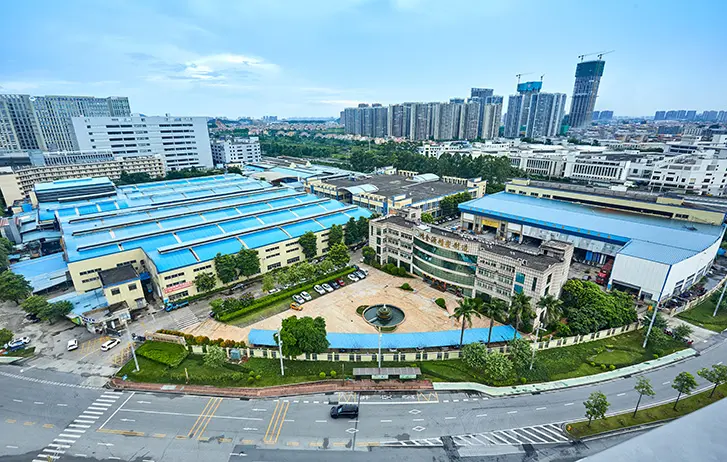
Foshan Golden Source operates on a highly integrated Factory 4.0 "One-Stop Shop" model. From our 73,000-square-meter facility in China, we manage every production phase:
An engineering-based breakdown of pricing factors for industrial sourcing managers
Raw material represents a large portion of extrusion costs. Standard 6063-T5 offers good extrudability and finishing properties, making it the base benchmark. Upgrading to 6061-T6 or 7075-T6 for high-load applications increases the billet cost by 15% to 35% due to harder extrusion cycles and specialized heat treatments.
Custom slot geometries, varying wall thicknesses, and multi-hollow profiles require specialized extrusion dies. While a standard 2020 die has a lower cost, custom configurations involve design engineering, test extrusions, and die correction cycles to guarantee structural integrity.
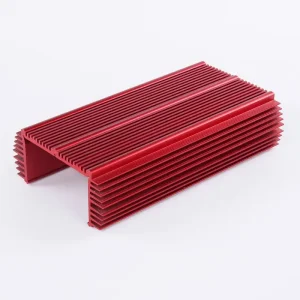
Mill finish profiles are cost-effective but prone to oxidization. Standard clear anodizing protects the surface, while options like chemical polishing, color anodizing (such as bronze or red), and satin sandblasting require extra processing stages that influence the final cost per meter.
Selecting the right alloy is essential for finding the balance between cost and performance. The table below lists the mechanical differences of the most common extrusion alloys used in our facilities:
Technical details to support informed procurement decisions.
Compliance documentation and quality credentials
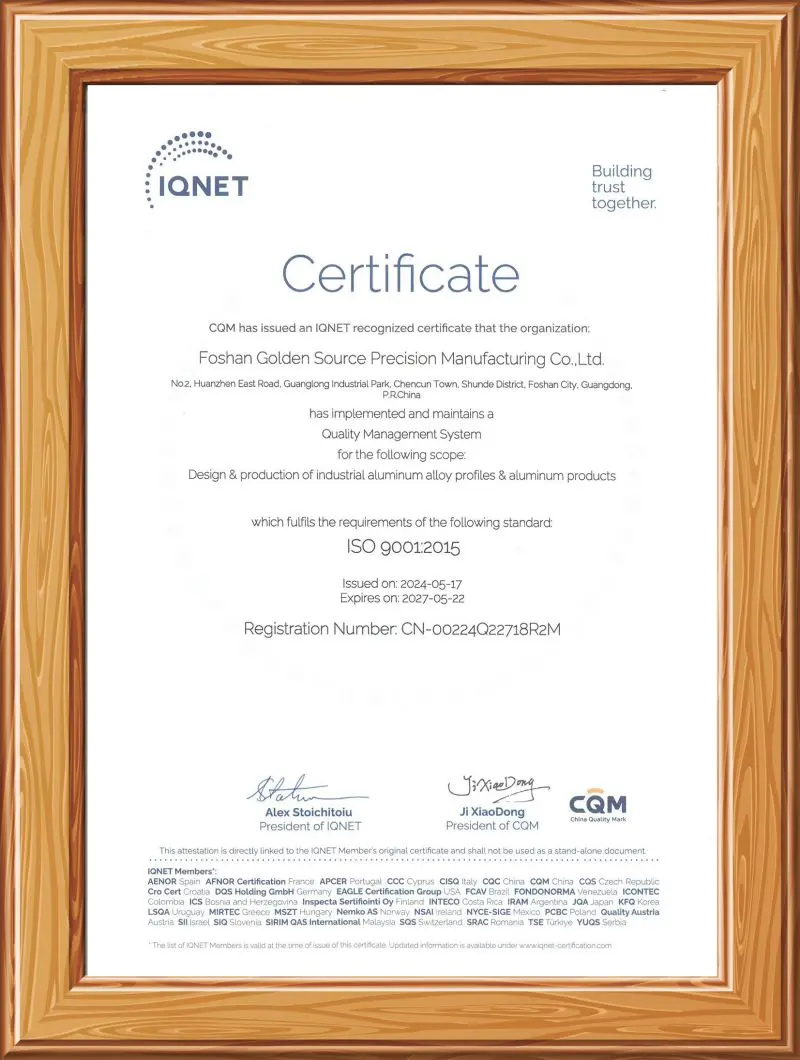
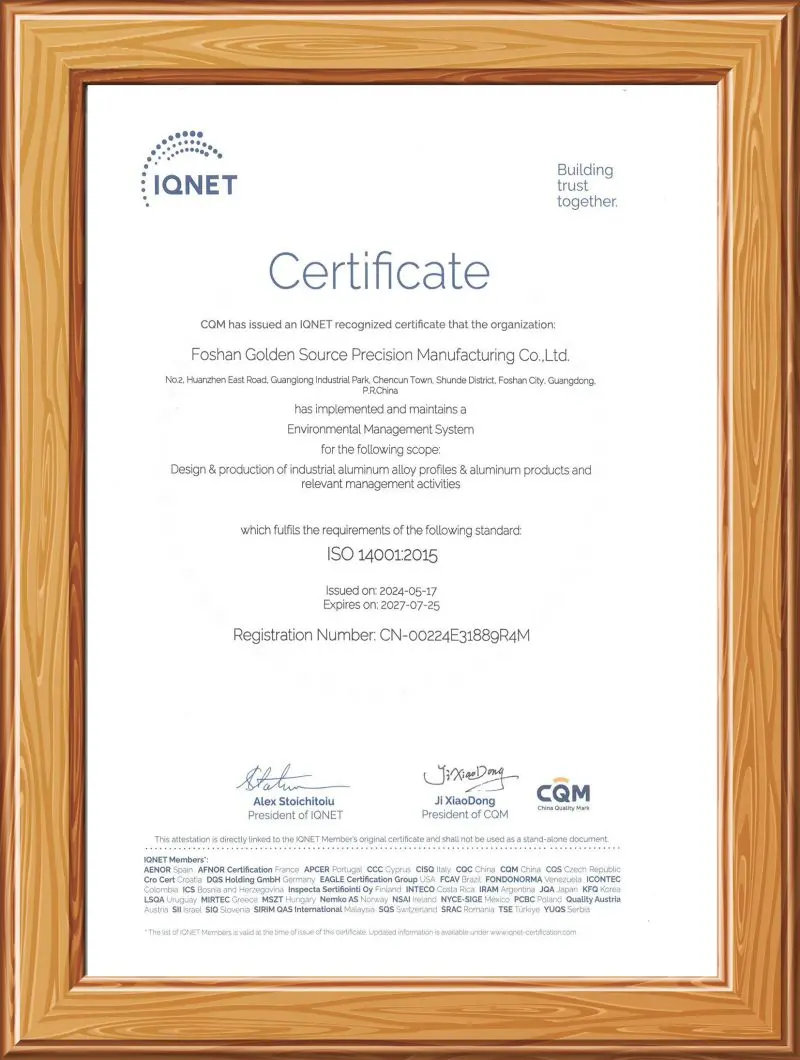
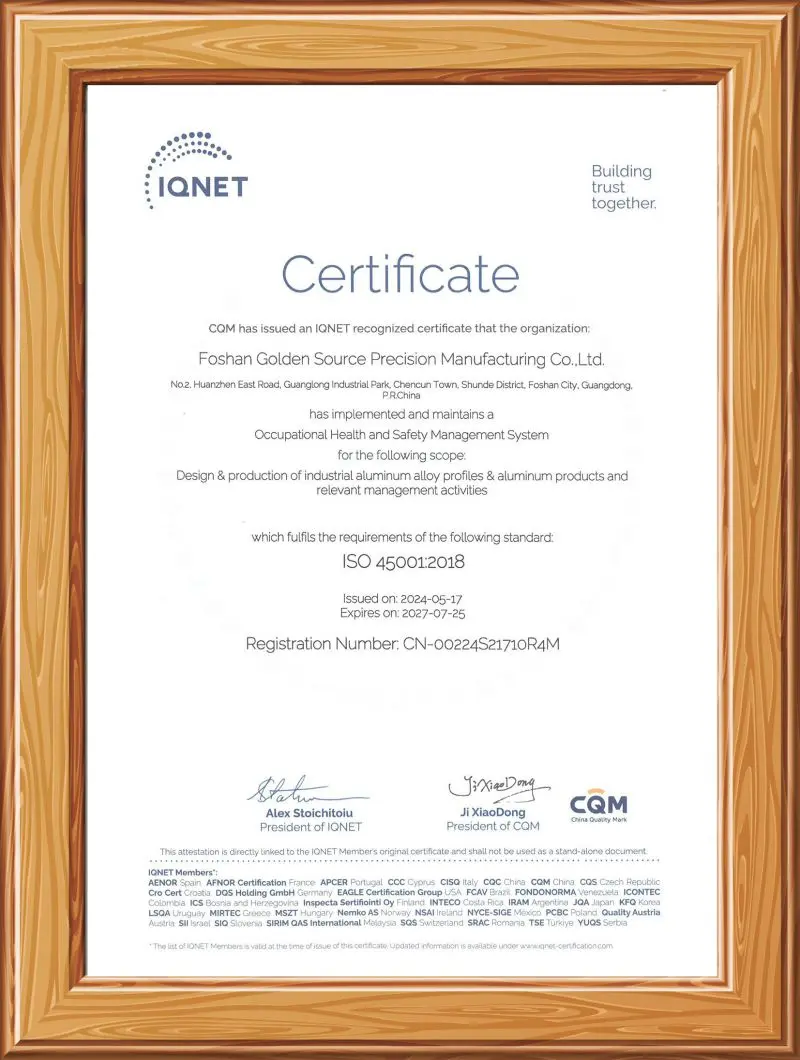
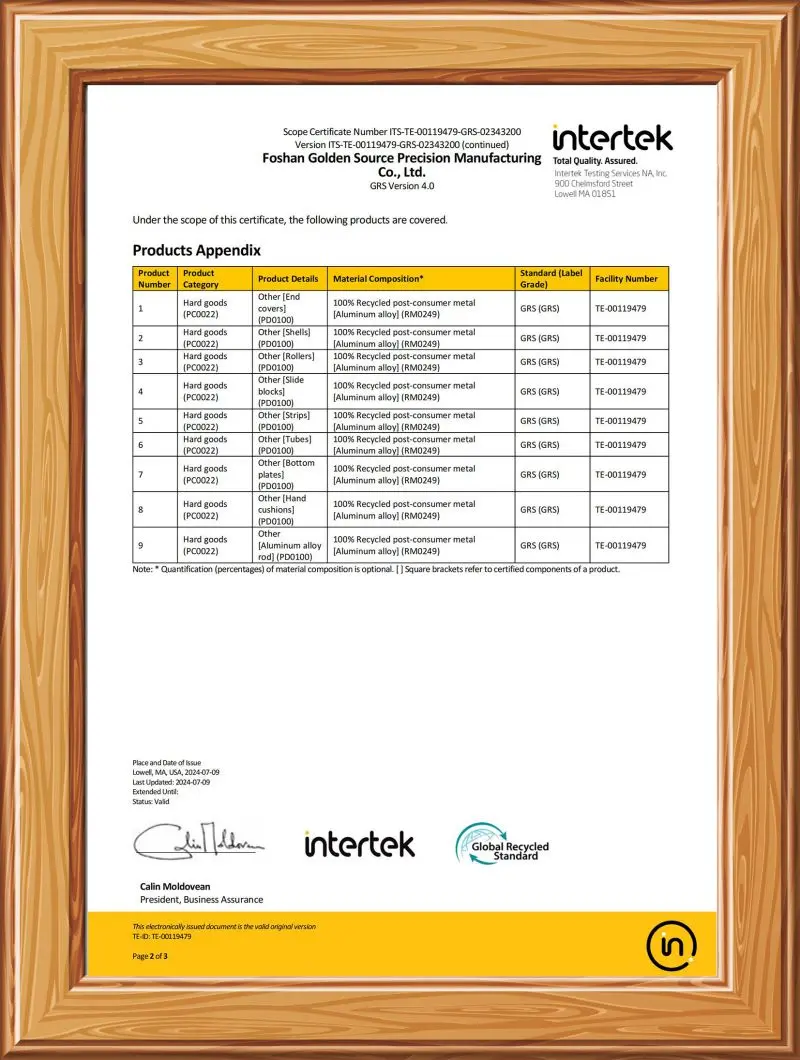
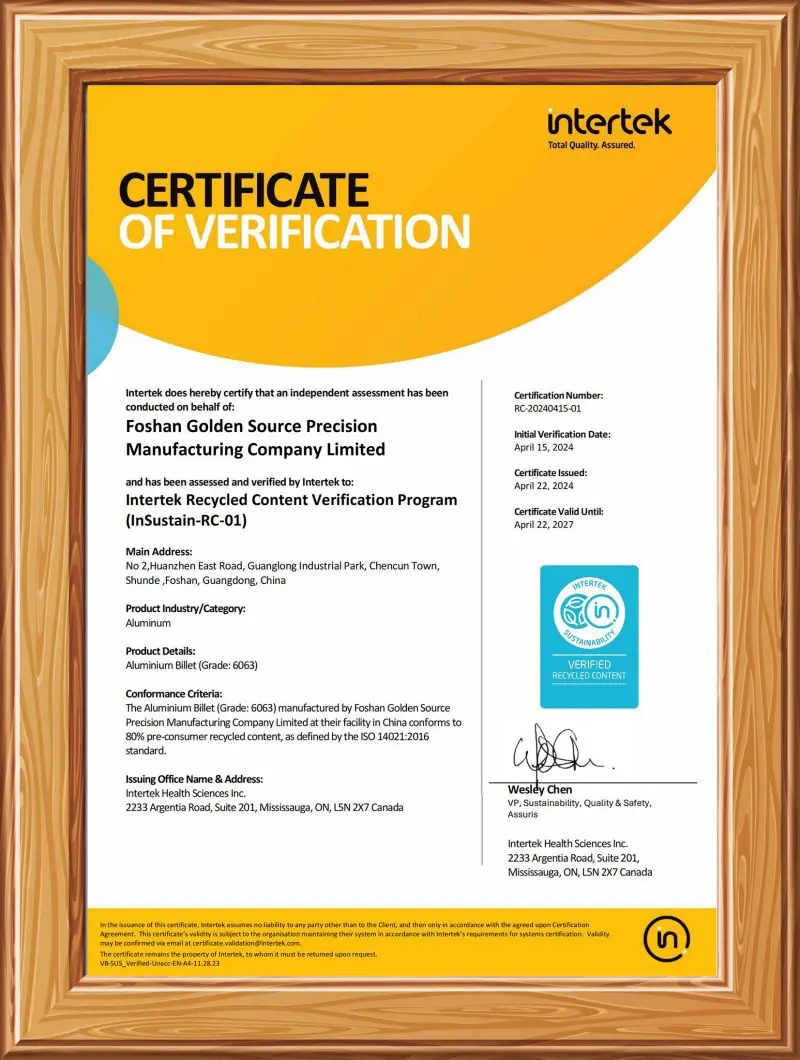
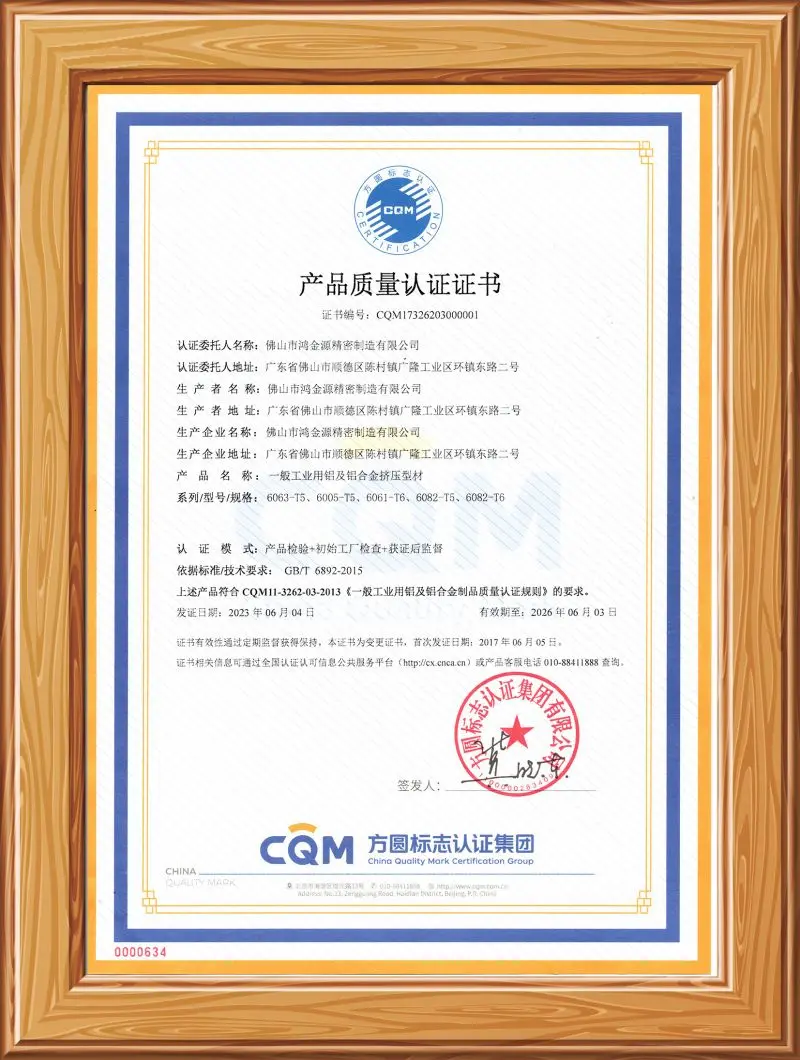
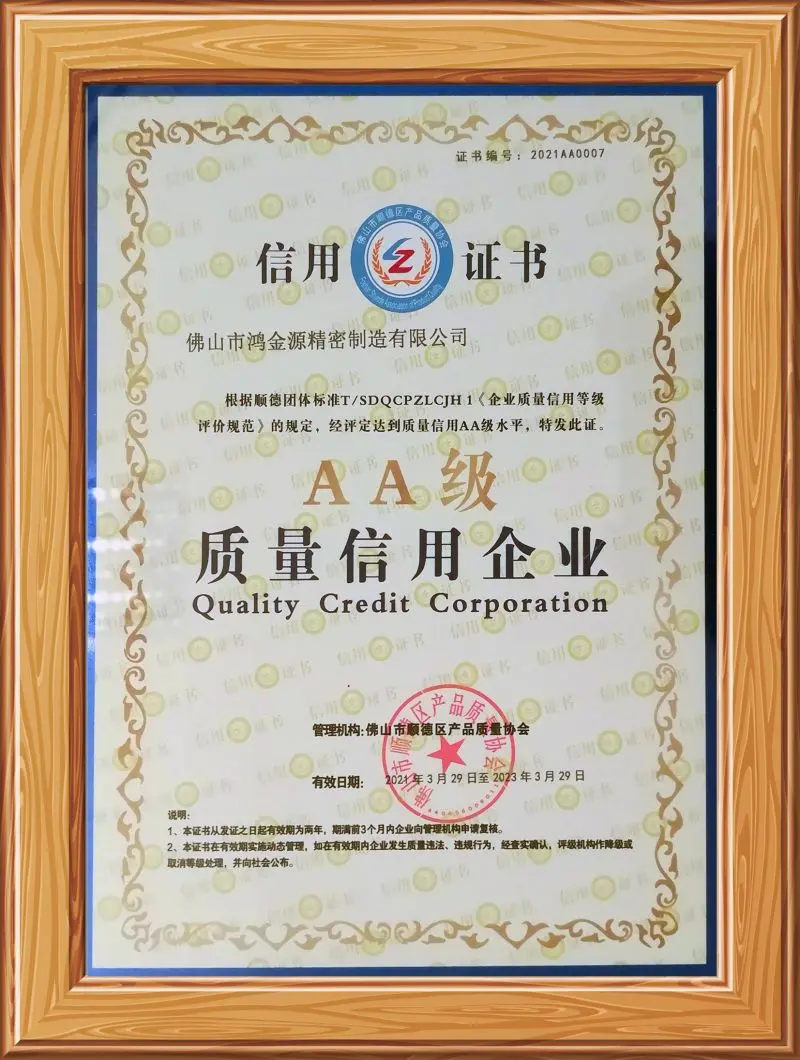
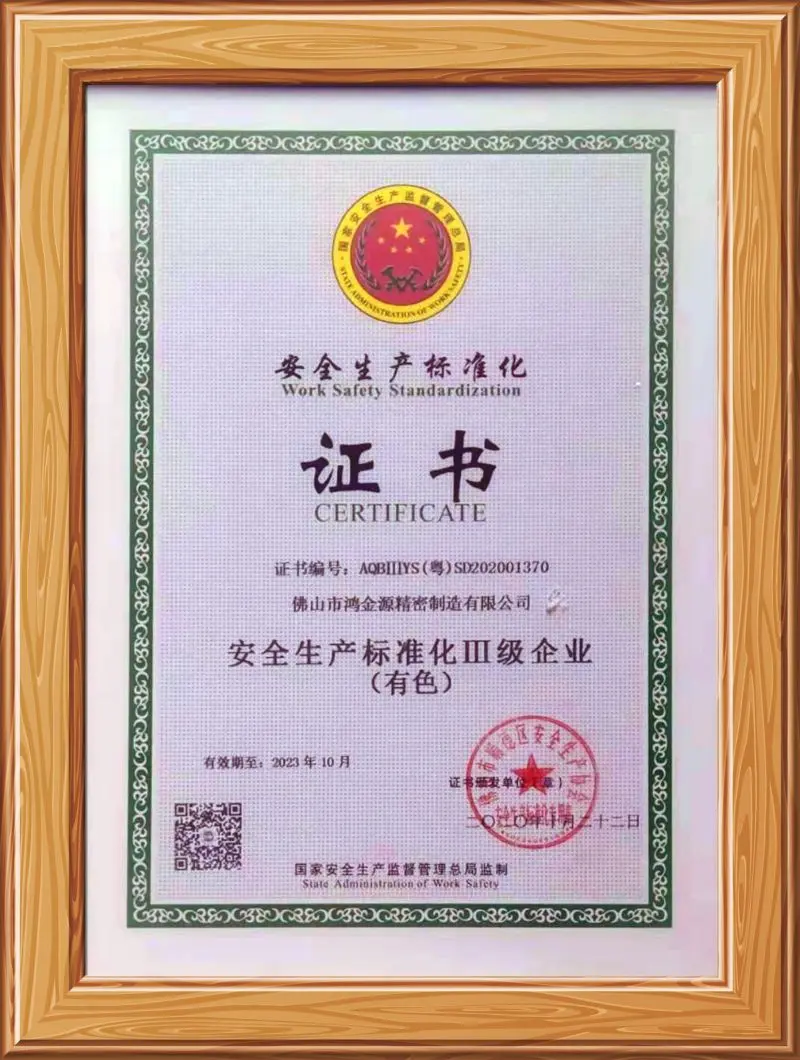
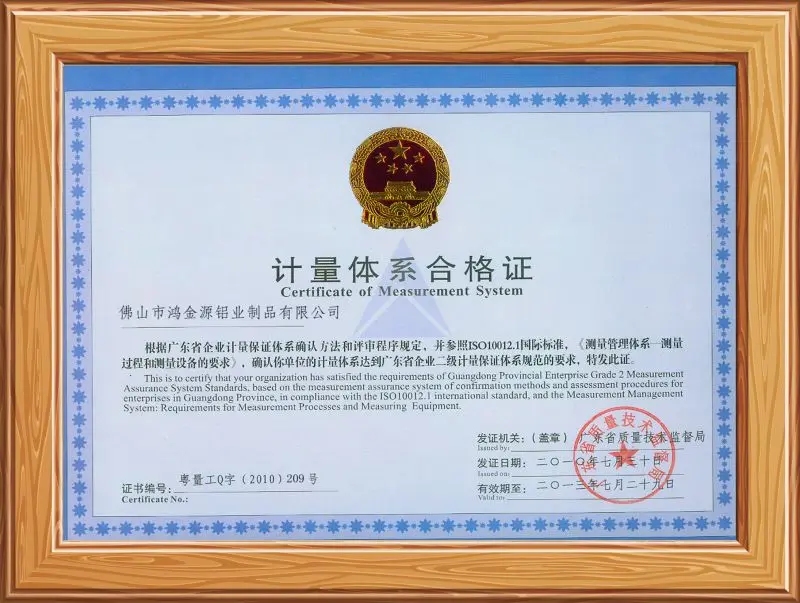
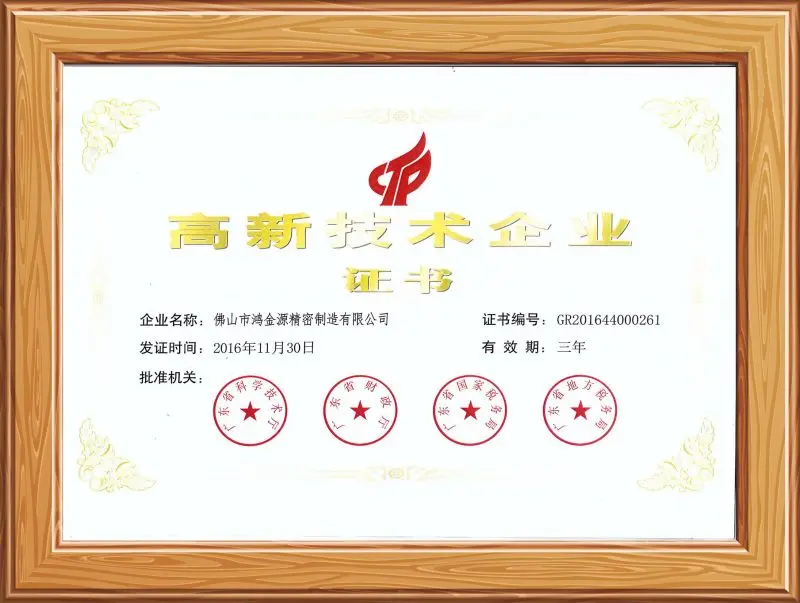
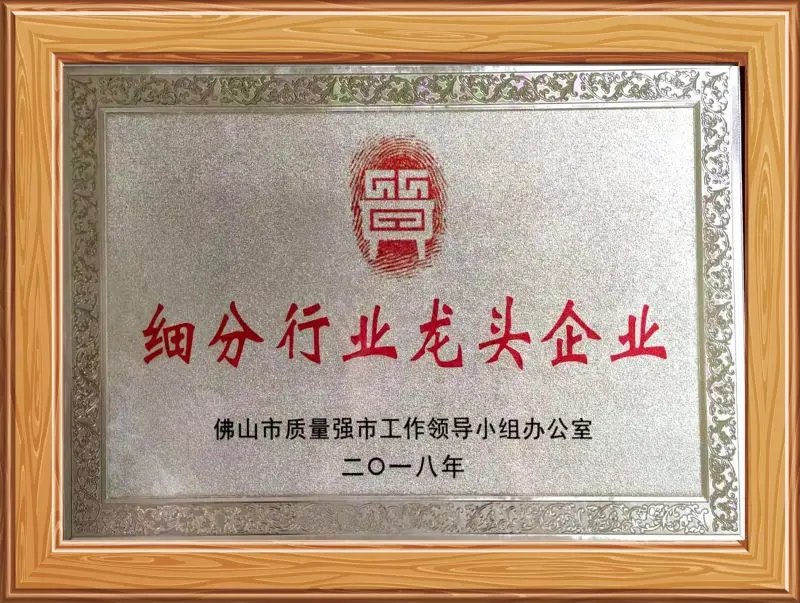
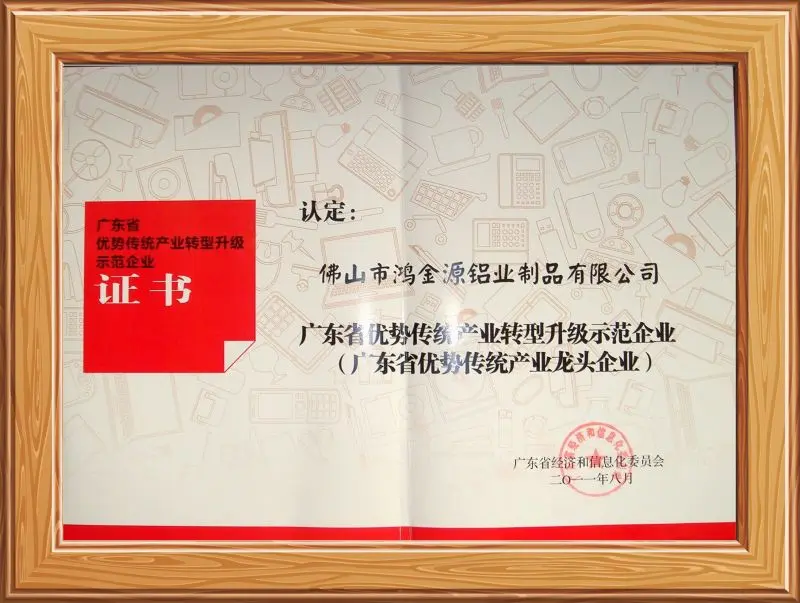

Additional custom profile solutions manufactured under ISO quality controls
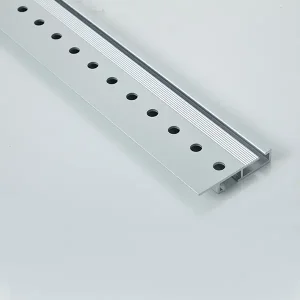
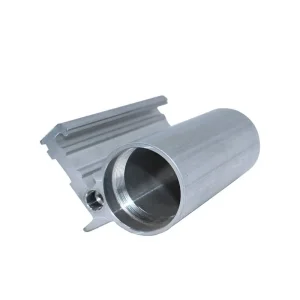
 HG Precision