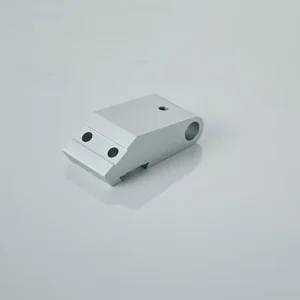
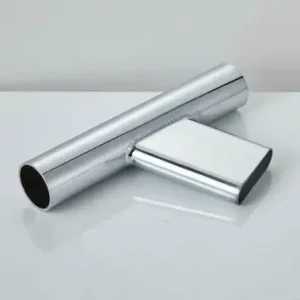
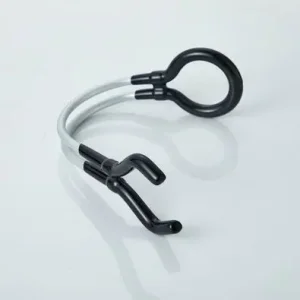
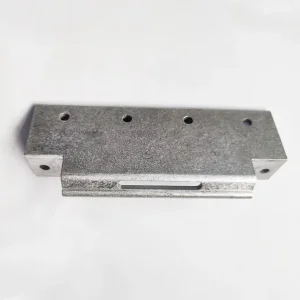
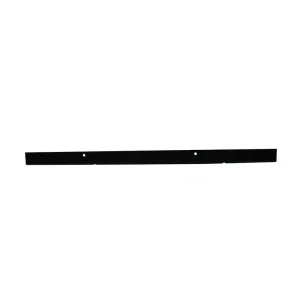
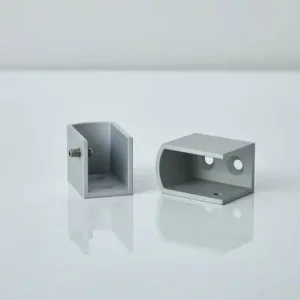
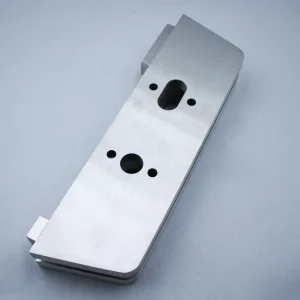
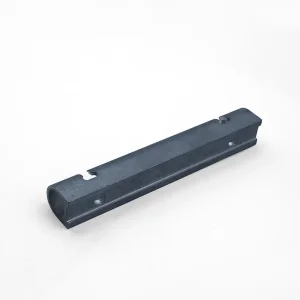
Explore our high-precision structural profiles, CNC machined components, and custom-anodized architectural configurations engineered for demanding industrial environments.
Established in 1991, Foshan Golden Source Precision Manufacturing Co., Ltd. has developed into a premier global manufacturer specializing in high-strength, high-precision custom aluminum profiles, precise CNC machining, professional structural welding, and turn-key mechanical assembly. Operating from our state-of-the-art, ecologically sound 73,000 square meter manufacturing campus, we deliver a completely integrated single-roof process flow.
From initial spectral alloy formulation and custom die/mold R&D to advanced extrusion runs, intricate Multi-Axis CNC machining, structural welding, and advanced electrochemical surface finishing, we control every parameter in-house. Our compliance framework is globally audited, holding active certifications for ISO9001, ISO14001, ISO45001, RCV, and GRS (Global Recycled Standard), satisfying all stringent European Union REACH and environmental declarations.
We work across a vast metallurgical spectrum including 1XXX, 3XXX, 5XXX, 6XXX, and 7XXX series alloys. This unique capacity enables us to supply precise metallurgical solutions for structural hardware, high-end 3C consumer electronics, automotive structural chassis, railway infrastructure, high-end architectural fixtures, and heavy-duty outdoor marine equipment.
Company Catalogue Download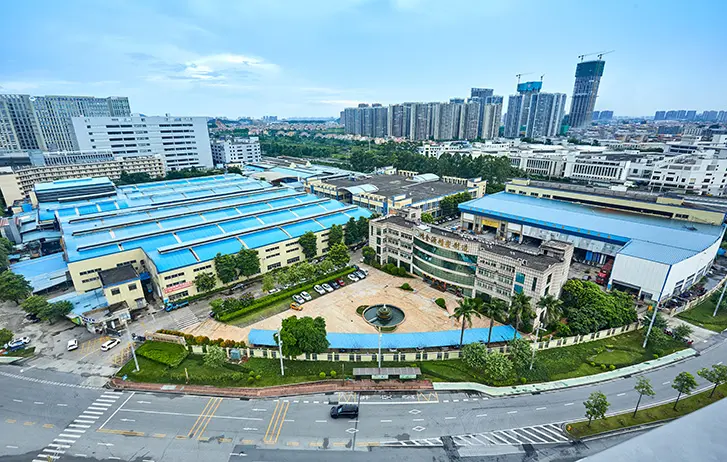
Uncompromising metallurgy meeting structural design limits. Why our electrochemical anodizing guarantees wear resistance, dimensional consistency, and deep optical density.
We perform controlled acid-bath electrolysis to convert the aluminum surface into a robust aluminum oxide structure. Type II provides vibrant aesthetic deep black color, while Type III (Hardcoat) delivers a layer exceeding 50 microns for extreme wear resistance and dielectric barrier properties.
By executing billet melting and alloy homogenization in-house, we eliminate zinc, iron, and silicon trace variations. This guarantees an ultra-clean anodizing response without optical clouding, grain boundary defects, or differential shading across structural runs.
Extruding round tubing requires precise cooling and tensioning control to avoid ovality. Our modern multi-point sizing dies keep concentricity deviation under ±0.08mm, critical for slip-fit sleeves, telescoping rigs, and fluid-routing systems.
An in-depth analysis of metallurgical composition, corrosion resistance mechanisms, global supply dynamics, and structural implementation protocols.
Anodizing is not a superficial paint or powder film coating; it is an electro-chemical passivation process that transforms the external layers of the aluminum substrate. By submerging our precision-drawn round tubing in a controlled sulfuric acid bath and applying a direct electrical current, we drive oxygen ions into the metal. This reaction forms a highly organized, porous structure of aluminum oxide (Al₂O₃) that is fully integrated with the underlying aluminum core.
To achieve the signature deep black satin or matte finish, the porous anodized layer is filled with premium light-stable organic or inorganic black dyes. Once dyed, the tubing undergoes a meticulous sealing process using high-temperature nickel acetate or deionized hot water. This closes the microscopic pores, locking in the dye and protecting the tube from UV degradation, corrosive chemical attack, and physical wear. The result is a structural element that will not chip, peel, flake, or corrode under demanding marine, aerospace, or industrial environments.
Choosing the correct alloy is fundamental to structural efficiency and cosmetic finish consistency. At Foshan Golden Source, we melt and cast our billets in-house, giving us unmatched control over alloy formulations:
Sourcing your custom black anodized tubing from a Chinese factory like Foshan Golden Source offers distinct competitive advantages. The localized supply chain ecosystem in Guangdong Province consolidates ingot sourcing, die fabrication, chemical suppliers, and shipping infrastructure into a highly efficient network. This high industrial density eliminates logistics bottlenecks and reduces raw material lead times.
By retaining casting, extrusion, precise CNC machining, welding, and surface treatment in-house, we eliminate the margin markups of external subcontractors. This vertical integration allows us to achieve superior cost efficiency without compromising quality, passing the savings directly to our global OEM partners.
Modern global procurement requires compliance with stringent environmental standards. Large enterprises must document the carbon footprint and recycling rates of their supply chains. Holding the **Global Recycled Standard (GRS)** and **RCV** certifications, we verify the origin and tracing of our recycled content, supporting our clients' sustainability and circular economy initiatives.
Furthermore, our compliance with EU REACH and RoHS regulations prevents regulatory holds at international customs. With dedicated logistics support, we provide clear traceability, structured packaging (anti-scratch protective sleeves, robust wooden crates), and secure shipping, mitigating typical cross-border freight risks.
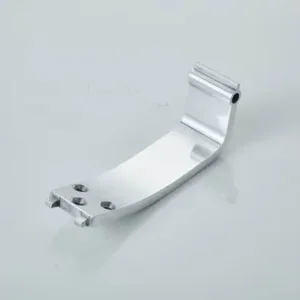
Many applications require more than raw cut-to-length tubing. Our production lines feature multi-axis CNC machines capable of performing precise machining on extruded round tubes, including cross-drilling, slotting, tapping, precision laser cutting, and complex 3D milling. Our engineering team designs custom structural components with tight mechanical tolerances, allowing you to source fully finished parts that integrate directly into your final assembly lines.
Consistently delivering superior material properties, faster turnarounds, and globally recognized quality compliance.
We melt and refine our alloys in-house. This allows us to adjust chemical compositions dynamically to achieve optimal physical performance, maximum tensile strength, and high purity levels needed for defect-free anodizing.
By executing precision machining and surface finishing under one roof, we enforce rigorous quality control at every stage. This in-house workflow minimizes handling damage and keeps production costs low, ensuring superior quality at competitive prices.
Our integrated "One-Stop" manufacturing capability speeds up processing times by eliminating transportation delays between casting, extrusion, machining, and anodizing facilities, ensuring faster lead times for our clients.
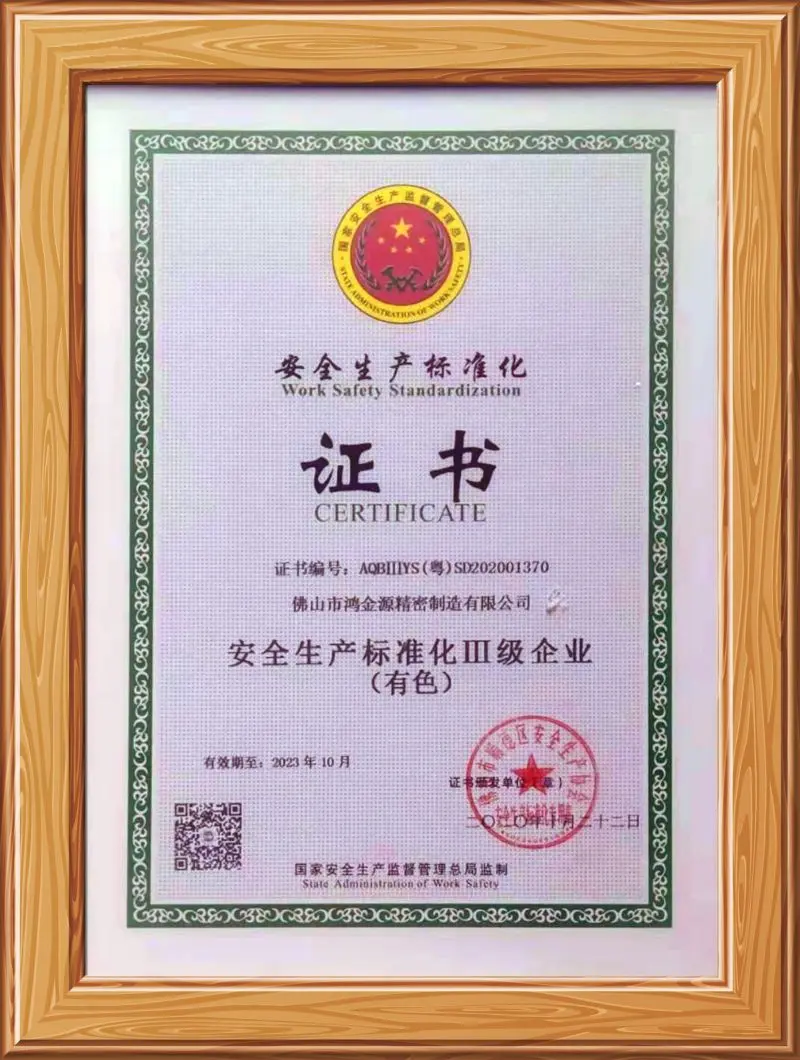
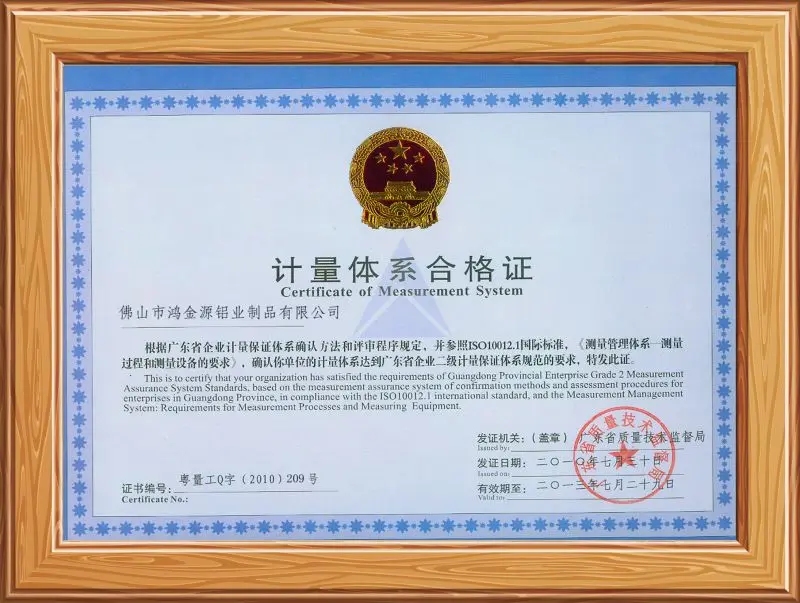
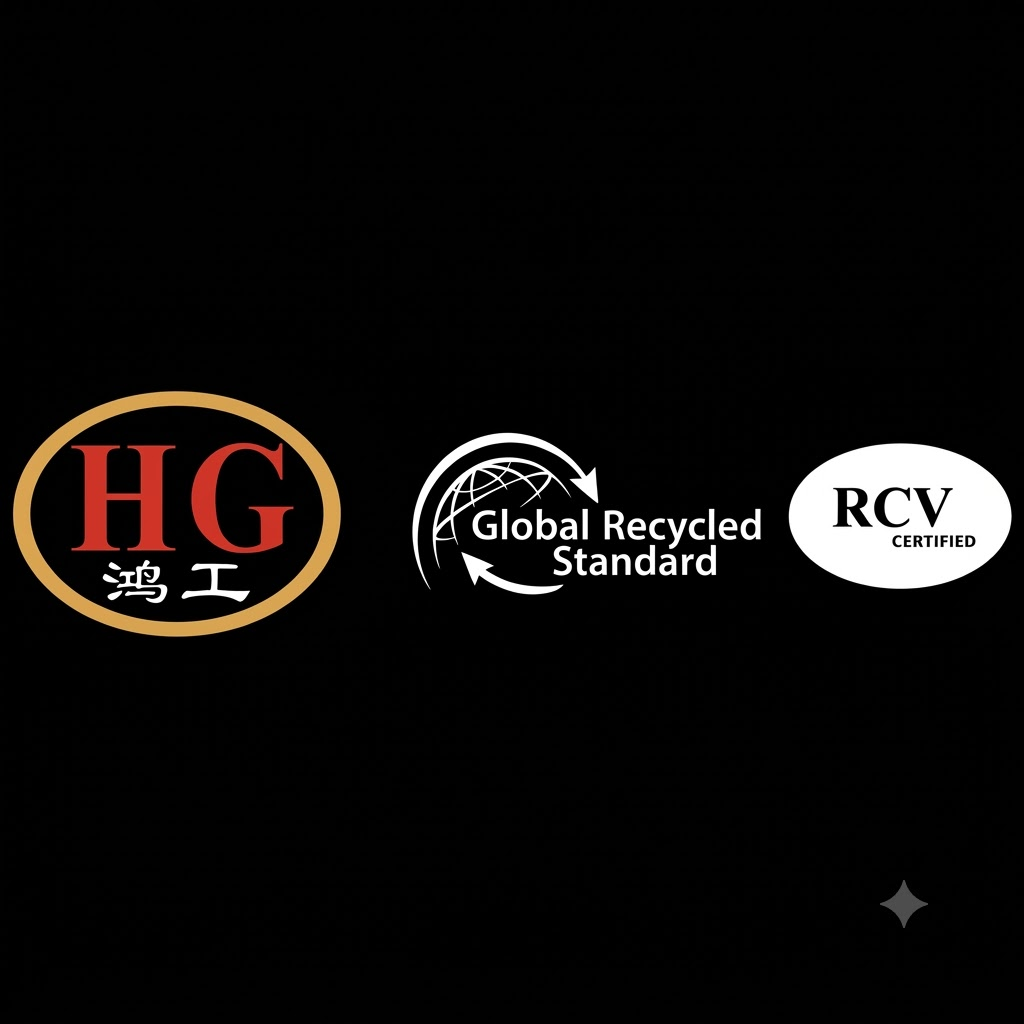
Our production facilities are certified to meet international environmental and management system standards.
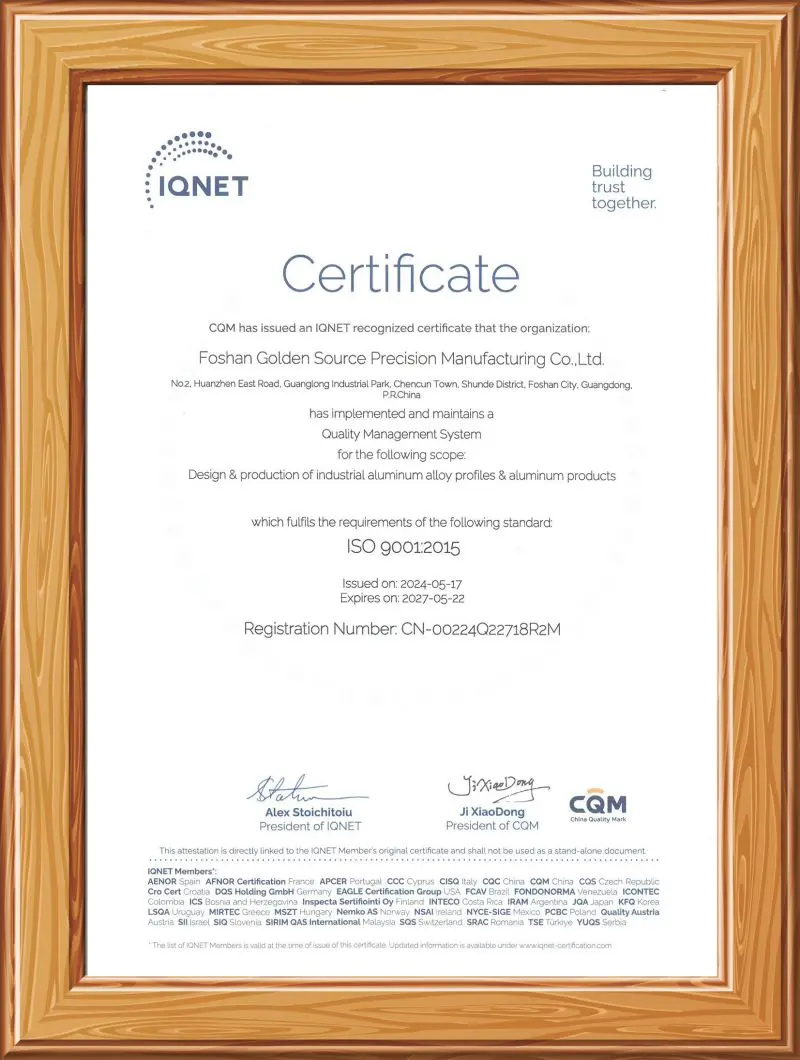
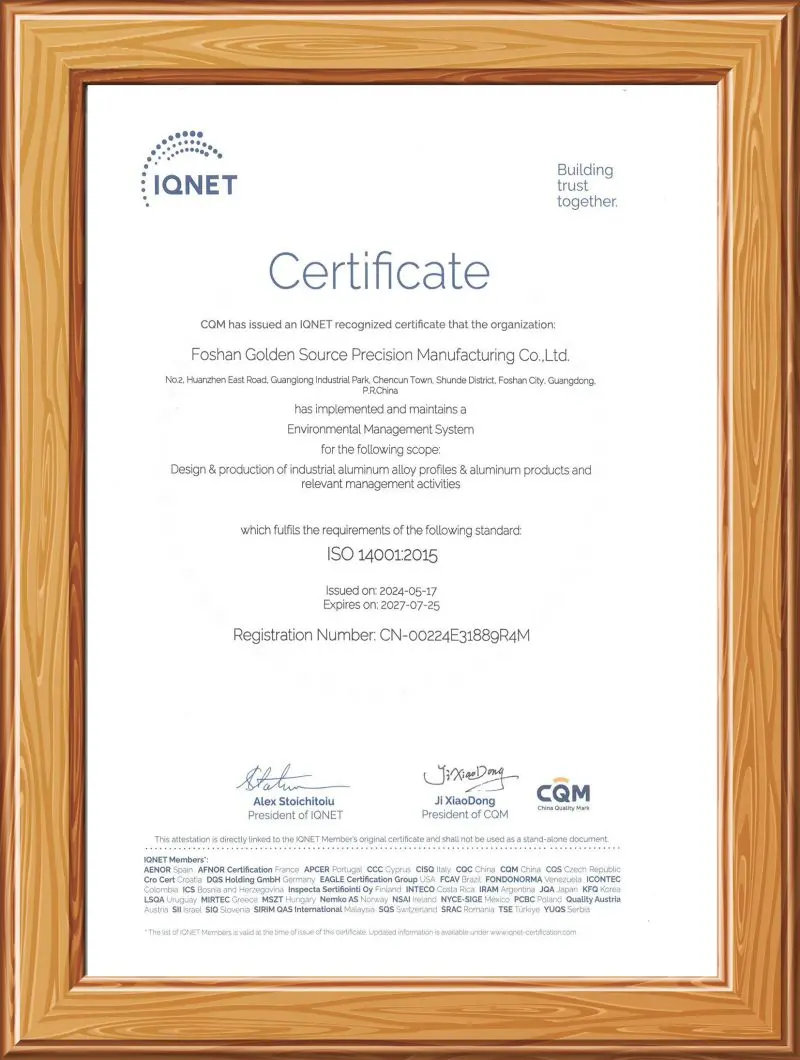
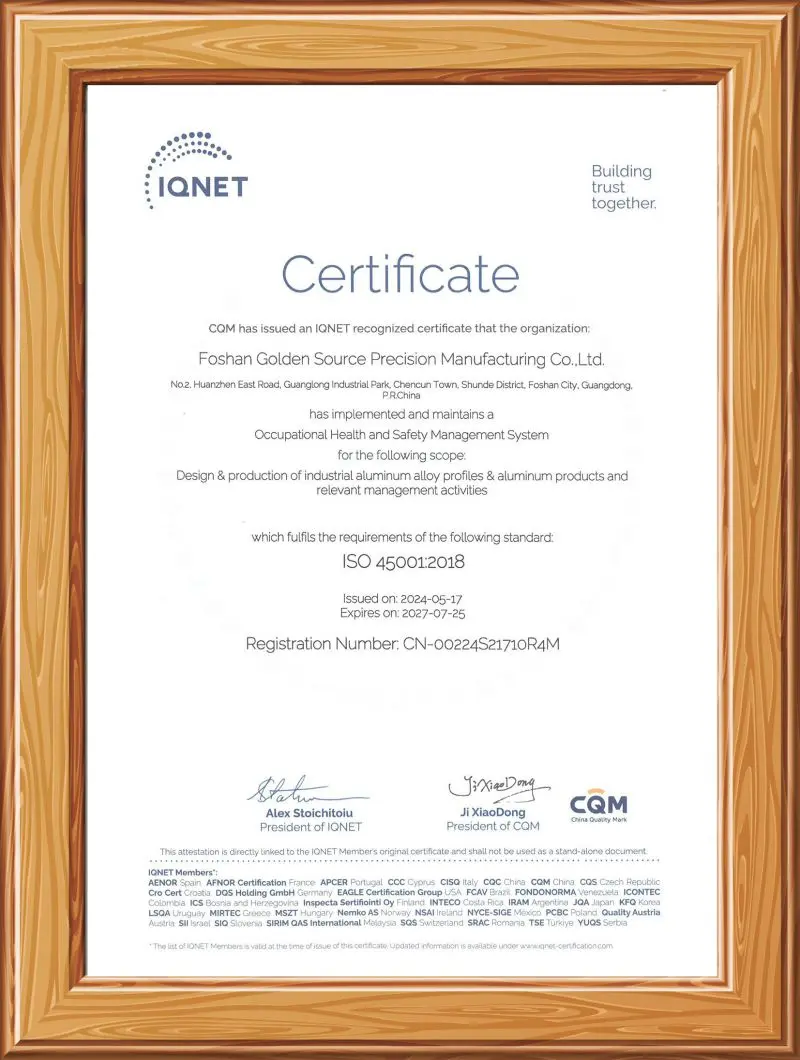
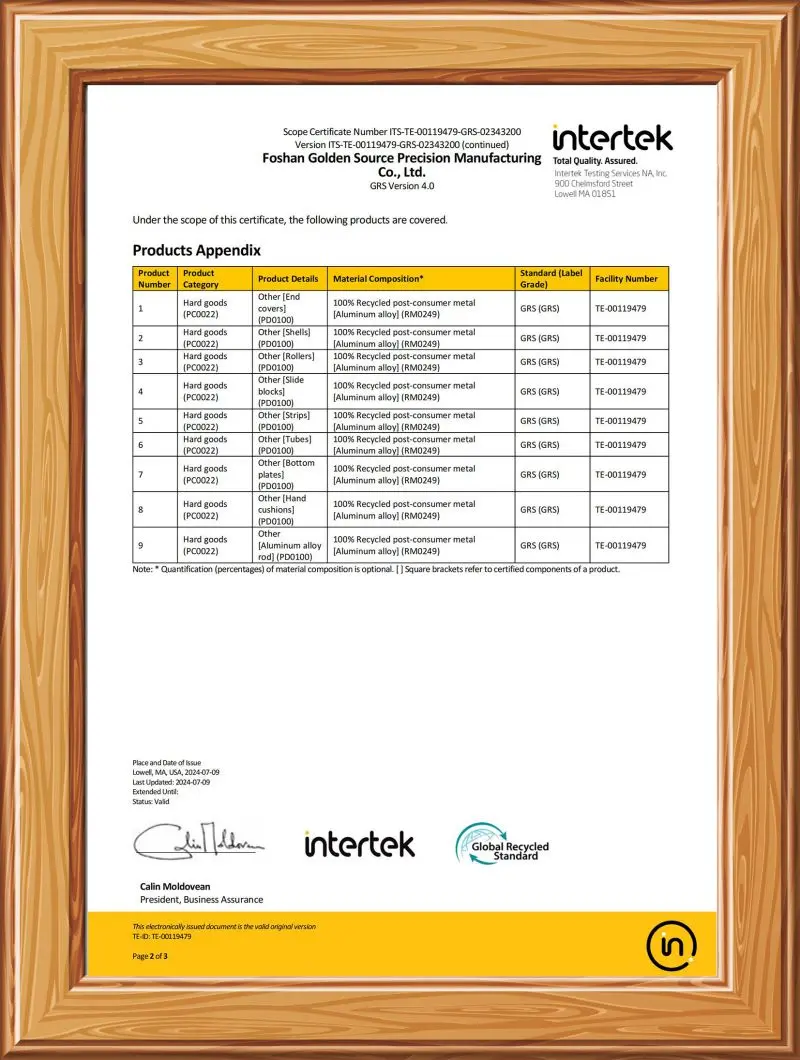
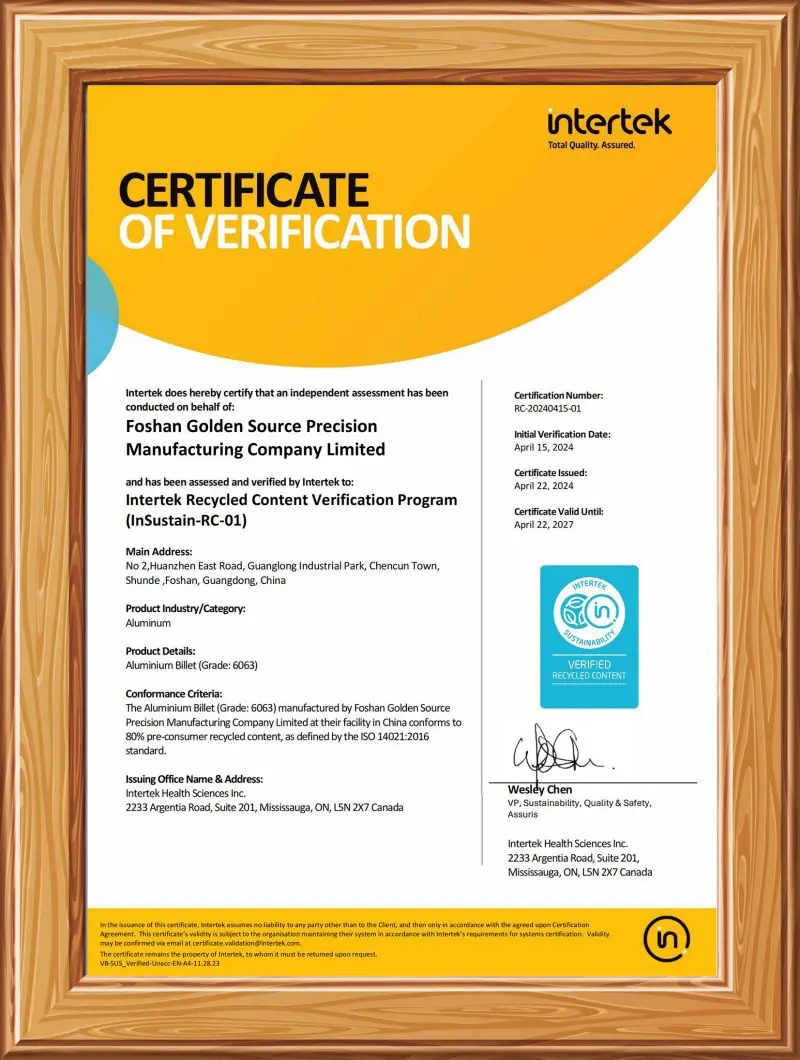
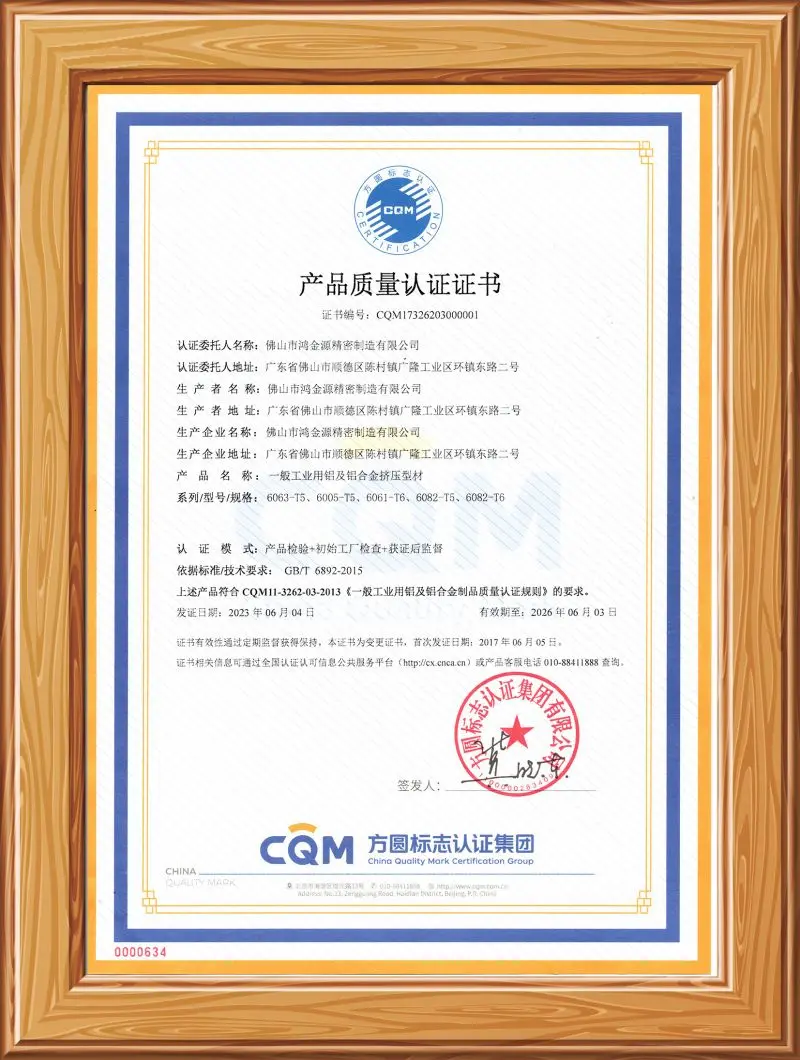
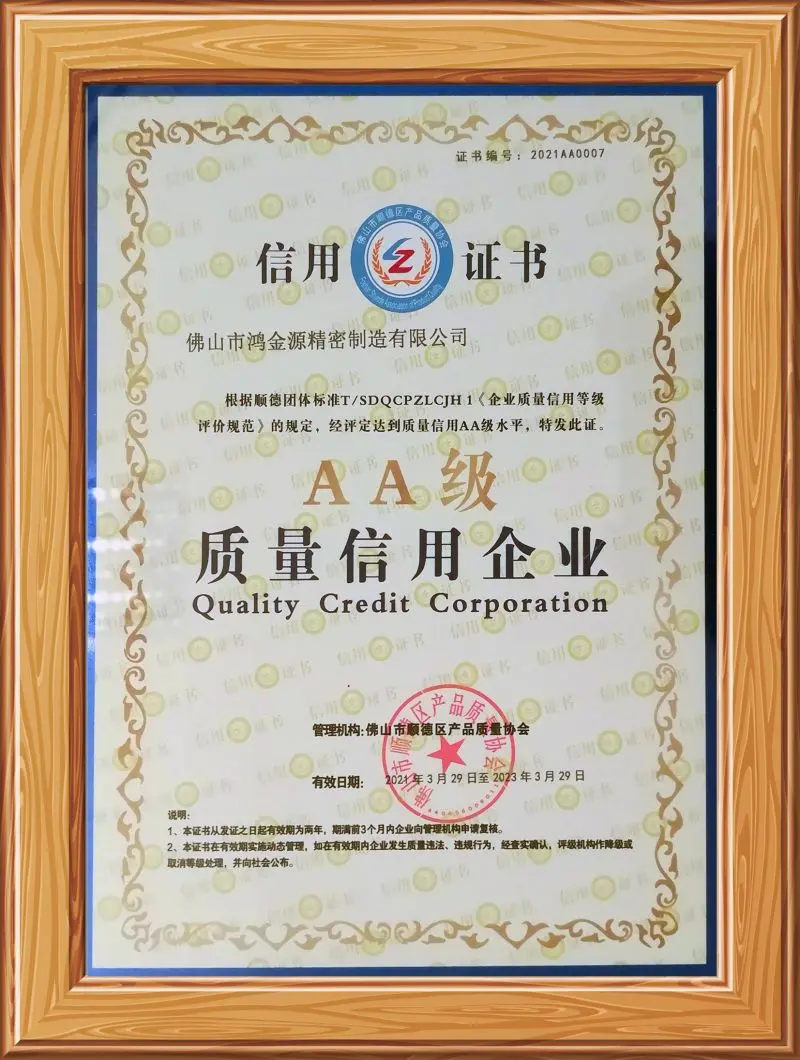
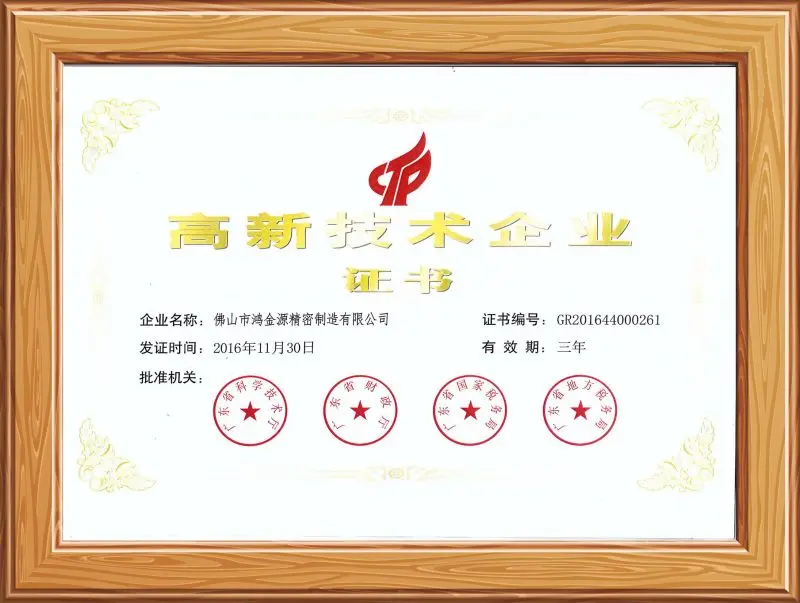
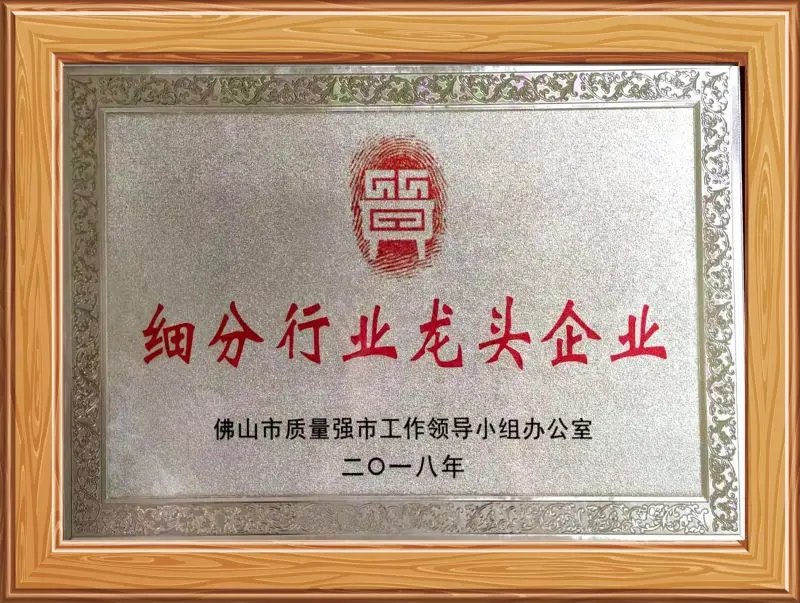
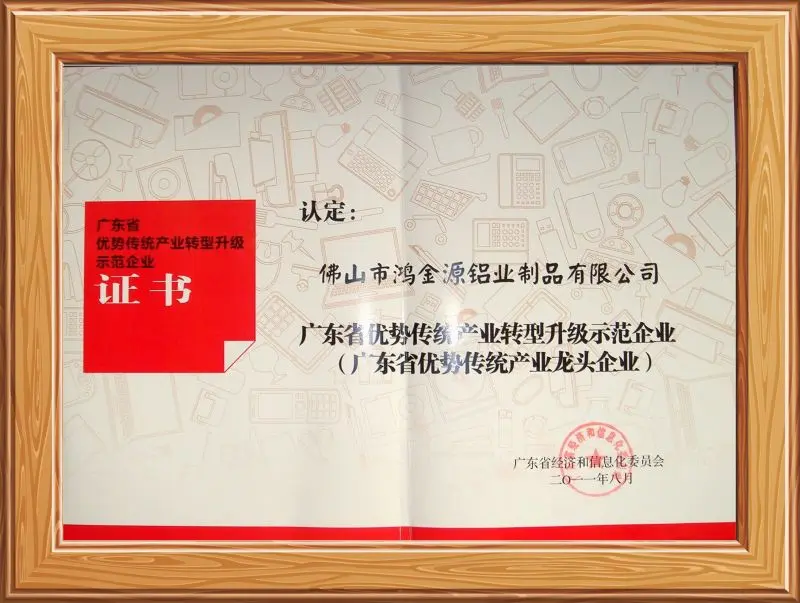
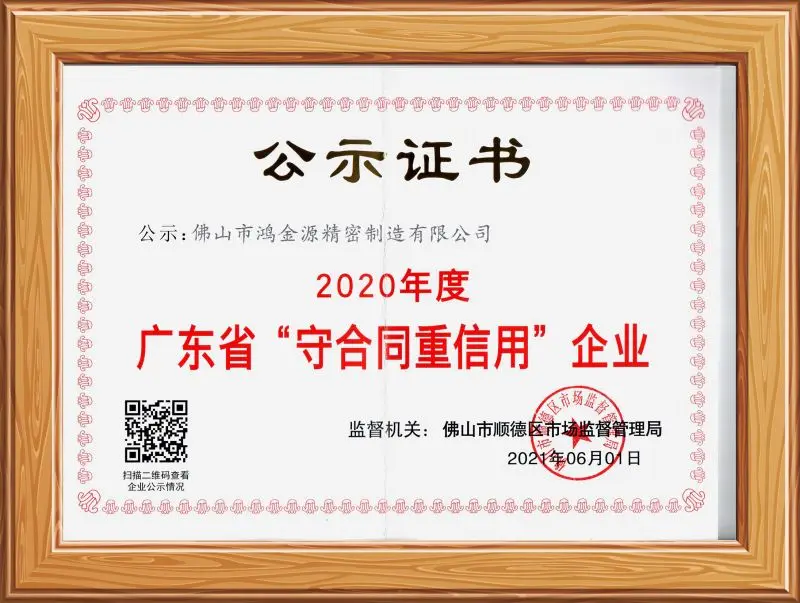
Recognitions from regional and national associations for innovation, clean production, and industry contribution.
Expert answers to critical engineering, design, and supply questions regarding black anodized aluminum round tubing.
We supply standard Type II anodizing with layer thicknesses from 8 to 25 microns for structural and decorative applications. For severe wear, chemical exposure, or marine environments, we recommend Type III Hardcoat anodizing, which provides thicknesses of 50 microns or more, maximizing wear resistance and surface hardness.
Color variation typically stems from trace differences in raw aluminum chemistry or variations in the anodizing bath's temperature and current density. By refining and casting our aluminum billets in-house, we control trace element concentrations. In our anodizing line, we manage temperature, concentration, and current parameters using digital controls to ensure consistent color matches across production lots.
Because the anodized layer is hard and brittle, post-anodizing bending can cause micro-cracking, also known as "crazing," on the tension side of the bend. We advise performing all structural bending, punching, drilling, and machining on the raw aluminum tubing before the final anodizing process to preserve surface integrity.
Our standard extrusion tolerances follow EN 755-9 specifications. For high-precision applications, our CNC machining lines can achieve tolerances of ±0.05 mm on critical dimensions, hole spacing, and concentric slip-fits.
The Global Recycled Standard (GRS) and Recycled Claim Standard (RCV) verify that our aluminum alloys incorporate recycled material. This verification helps our customers satisfy environmental and ESG requirements, such as EU REACH, and reduces the overall carbon footprint of their supply chains.
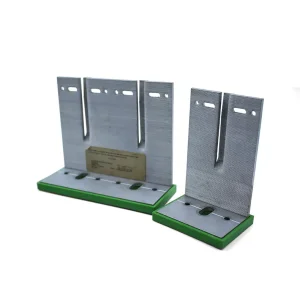
Discover our range of custom mounting systems, specialized door frames, high-precision electronic housings, and structural connectors.
 HG Precision