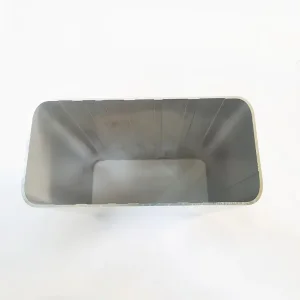
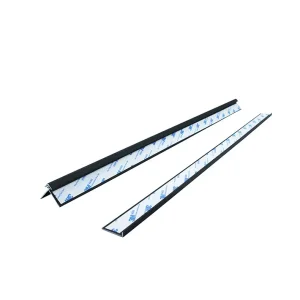
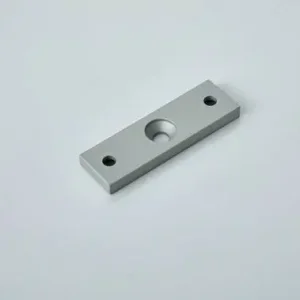
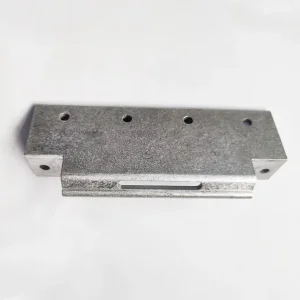
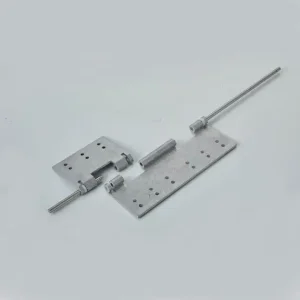
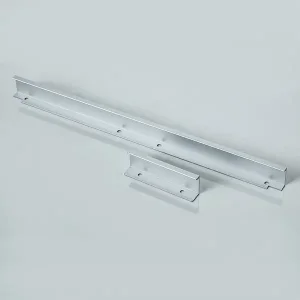
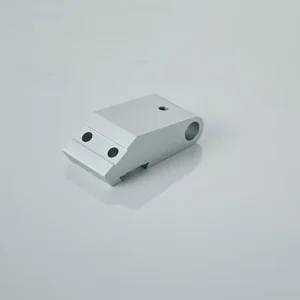
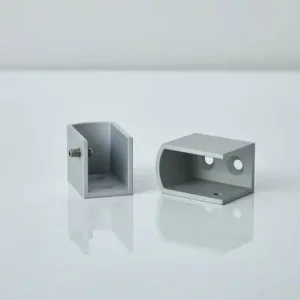
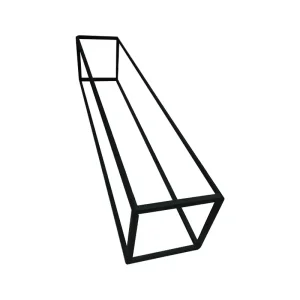
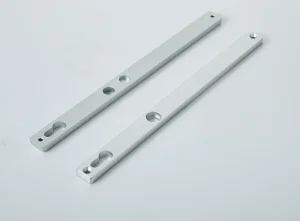
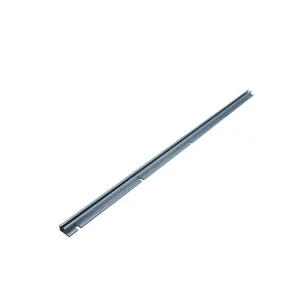
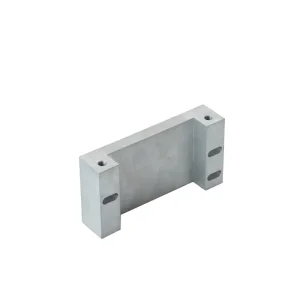
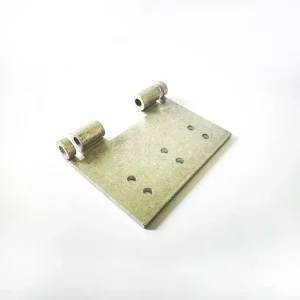
Discover our primary catalog of high-precision machined profiles, components, and customized assemblies, manufactured to exacting global standards.
The high-strength 7075 series aluminum alloy represents the pinnacle of non-ferrous structural performance. Known historically as "aerospace grade," this zinc-alloyed matrix is reshaping modern manufacturing paradigms across primary industrial markets globally.
Over the last decade, the commercial demand for 7075-T6 and T6511 custom aluminum tubing has expanded far beyond classic military and aerospace fuselage configurations. Today, the global automotive, robotics, marine, and extreme-environment consumer goods sectors utilize 7075 tubing to replace heavy carbon steel and titanium components.
By leveraging its exceptional yield strength (upwards of 500 MPa depending on heat treatment) and high strength-to-weight ratio, designers can achieve critical weight reduction without compromising safety or structural integrity. As industrial sectors prioritize fuel efficiency and low rotational inertia, the demand for thin-walled, highly concentric custom tubing has experienced an unprecedented compound annual growth rate (CAGR).
Our global distribution and precision manufacturing framework address volatile metal commodity trends, providing long-term pricing stability and rigorous quality control for supply chains across Europe, North America, and the Asia-Pacific region.
Understanding the chemical constraints and performance margins of 7075 compared to typical 6000-series options is essential for precise engineering design.
| Alloy & Temper | Yield Strength (MPa) | Ultimate Tensile Strength (MPa) | Elongation at Break (%) | Thermal Conductivity (W/m·K) | Primary Alloying Elements |
|---|---|---|---|---|---|
| 7075-T6 / T6511 | 503 | 572 | 11% | 130 | Zn (5.6-6.1%), Mg (2.1-2.5%), Cu (1.2-1.6%) |
| 7075-O (Annealed) | 103 | 228 | 17% | 130 | Zn (5.6-6.1%), Mg (2.1-2.5%), Cu (1.2-1.6%) |
| 6061-T6 (Comparison) | 276 | 310 | 12% | 167 | Mg (0.8-1.2%), Si (0.4-0.8%) |
| 6063-T5 (Comparison) | 145 | 186 | 12% | 209 | Mg (0.45-0.9%), Si (0.2-0.6%) |
The high concentration of Zinc ($Zn$) in 7075 creates strong precipitates during artificial aging (precipitation hardening), which allows the material to reach yield strengths comparable to many structural steels. However, because of the copper content, special care must be taken with surface treatment options, such as hard anodizing or Alclad coatings, to prevent galvanic and atmospheric corrosion in marine or coastal environments.
Our engineering teams focus on solving traditional manufacturing issues like concentricity variance, micro-cracking during extrusion, and tooling wear.
We melt and refine our alloys in-house, adjusting trace elements (like Chromium and Zirconium) to optimize grain structures and maximize the purity of the anodized finish.
We utilize direct and indirect extrusion presses with active temperature feedback loops, minimizing structural imperfections in thin-walled hollow sections.
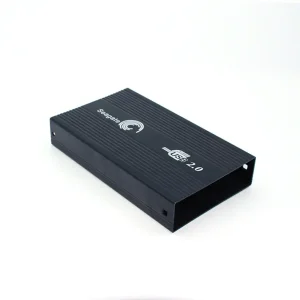
Our 5-axis CNC machining capabilities include boring, high-speed milling, slotting, and precision tapping, transforming raw extrusions into ready-to-assemble parts.
Industry Solutions & Future Outlook: Over the 2025–2030 cycle, sustainability metrics and lifecycle carbon footprints are key priorities. Aligning with these shifts, our facilities are certified under modern circular economy standards (including GRS and RCV), supporting projects with carbon-sensitive and recycled material requirements.
Established in 1991, we provide high-strength, high-precision, customized aluminum profiles and precisely machined aluminum parts, welded components, and assemblies.
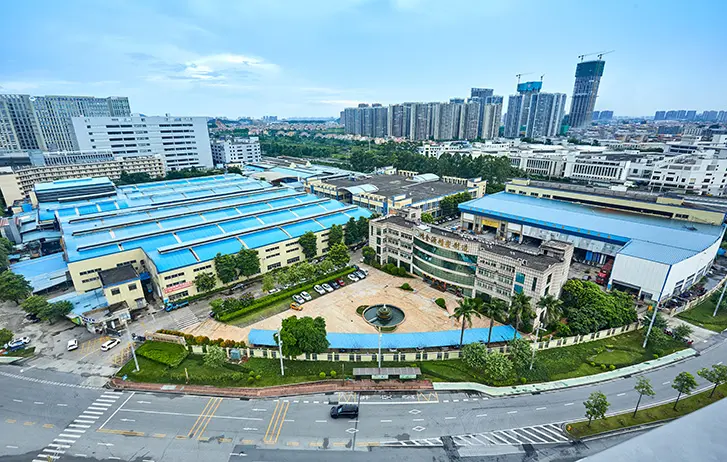
Operating a modern, environmentally responsible production base covering over 73,000 square meters, we offer a comprehensive one-stop service. This includes in-house alloy casting, mold R&D, structural design and tool building, extrusion, CNC machining, welding, surface finishing, and assembly.
Our production compliance framework is certified under ISO 9001, ISO 14001, ISO 45001, RCV, and GRS, meeting all requirements of the EU’s REACH regulations. We work with a wide range of aluminum alloys—from the 1XXX, 3XXX, and 5XXX series up to the high-strength 6XXX and 7XXX series—supporting hardware tools, 3C electronics, automotive structural components, railway systems, furniture, and outdoor equipment.
Our GRS (Global Recycled Standard) and RCV certifications demonstrate our commitment to the environmental regulations of the European Union and international green supply chain standards. Here is a selection of our typical certifications and honors:
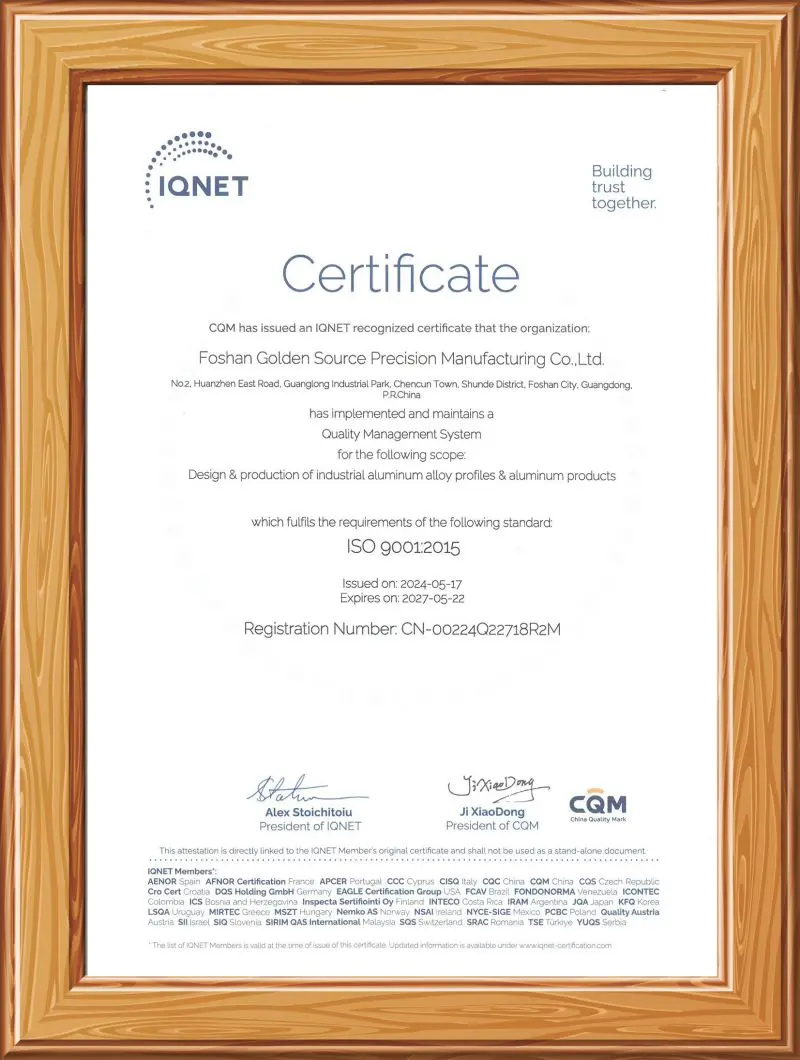
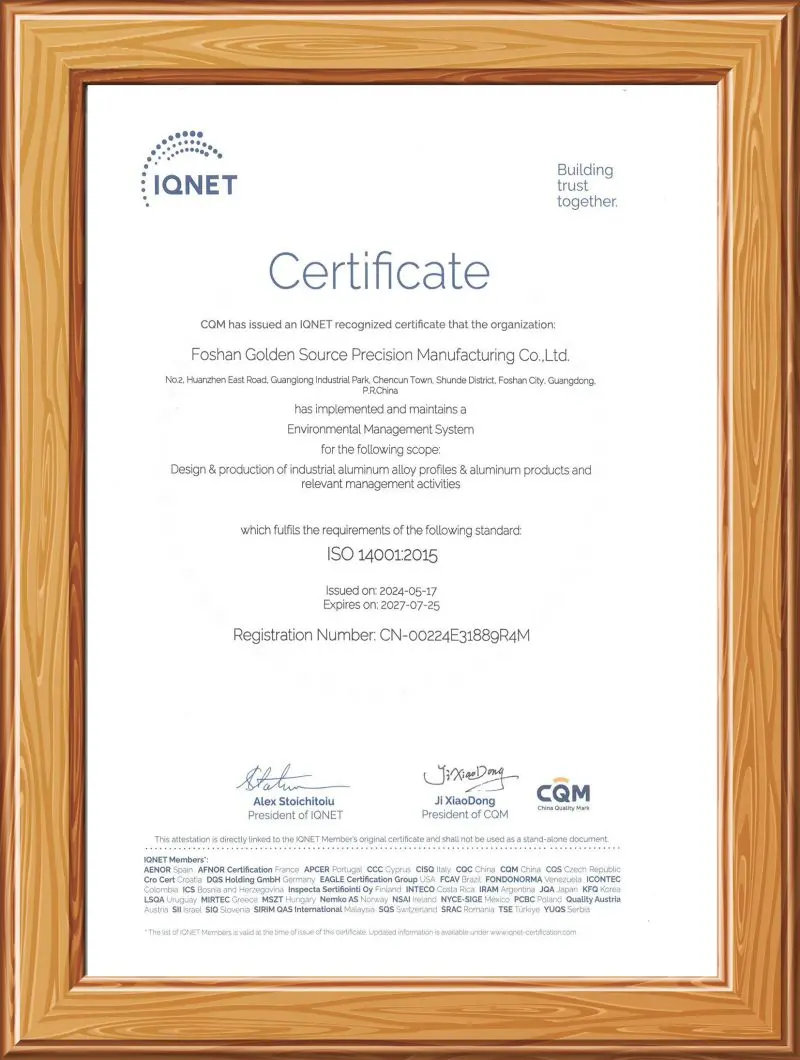
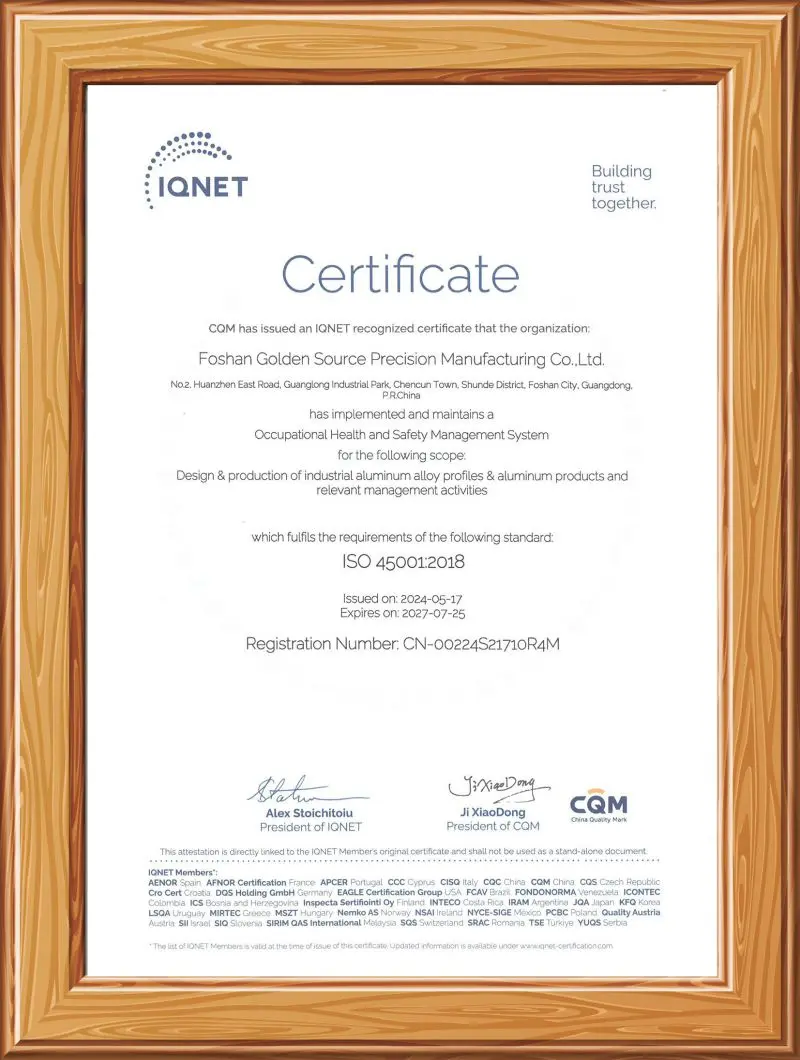
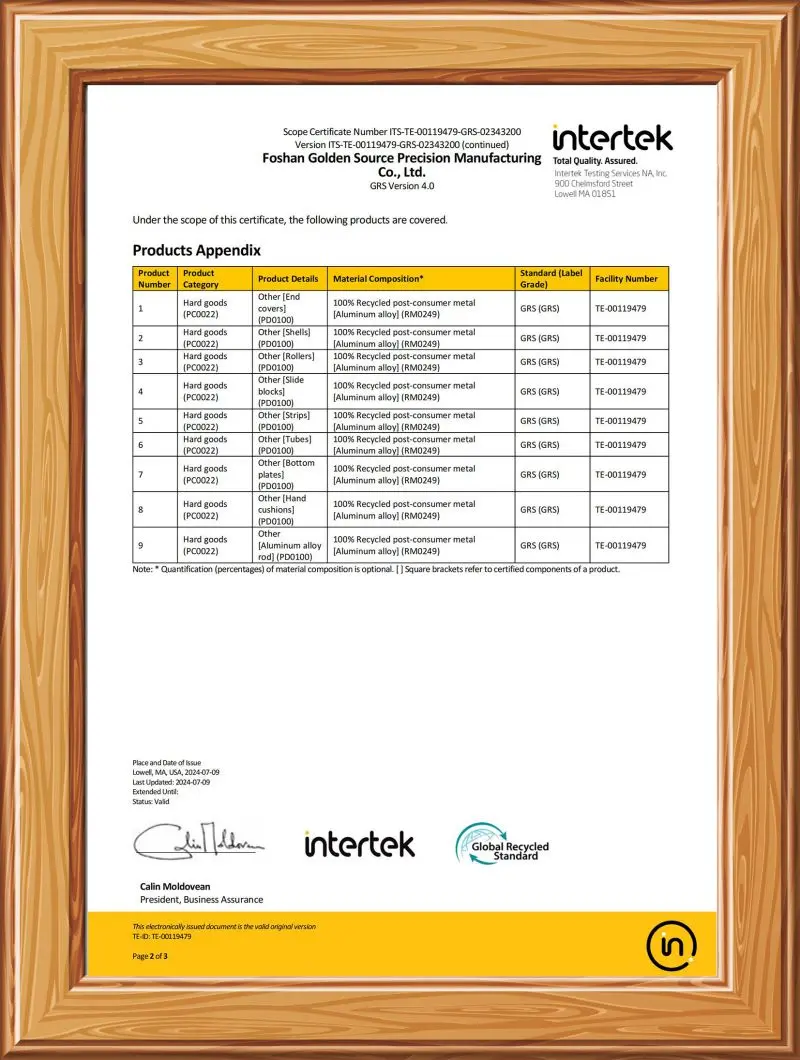
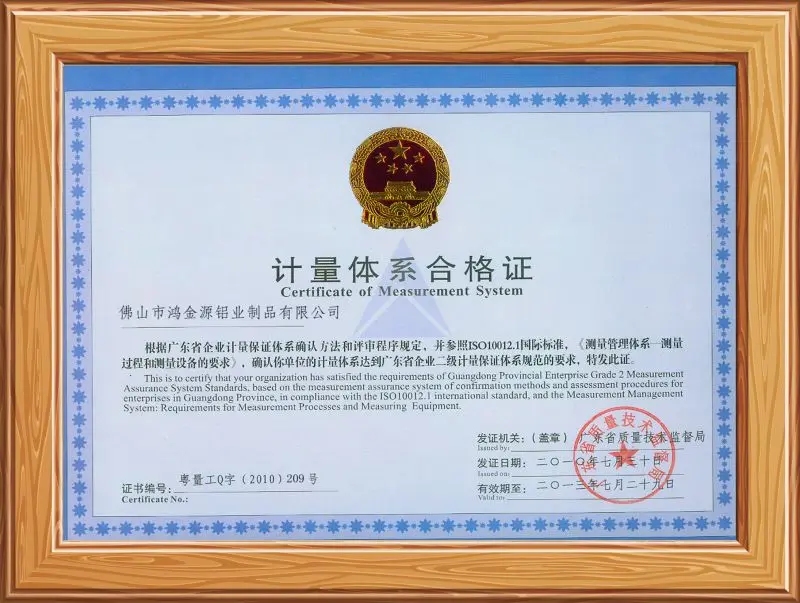
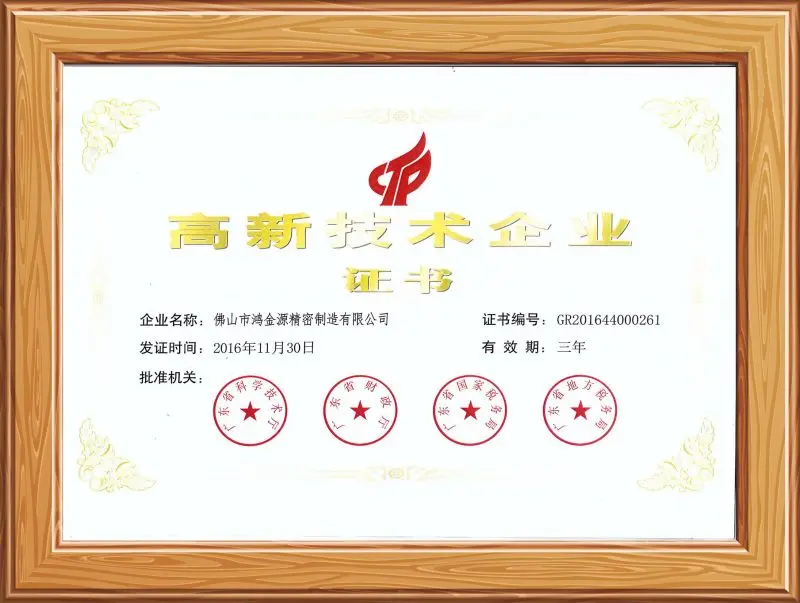
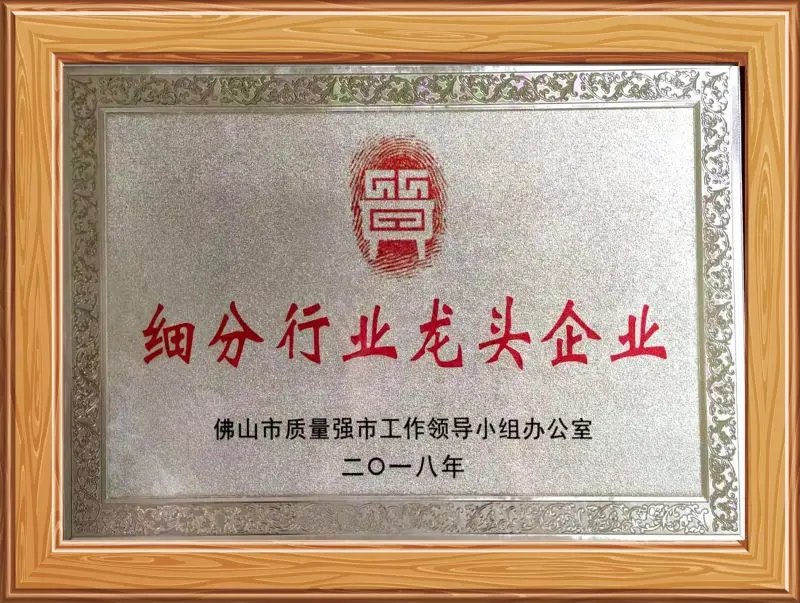
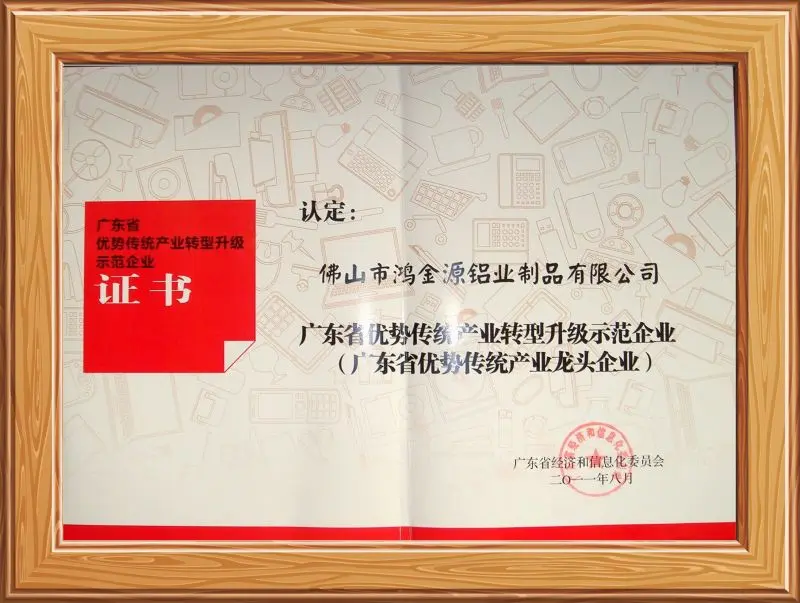
Our vertical integration delivers optimized physical properties, cost efficiency, and fast lead times.
By melting our alloys in-house, we can adjust chemical compositions to optimize physical properties and ensure high purity for anodizing.
With machining and surface treatments completed in-house, we maintain close control over quality and production costs to offer competitive pricing.
Our single-source manufacturing model simplifies logistics, streamlining the production process and ensuring fast, reliable delivery.
Established
Production Base
Traceability
CNC Machining
Purchasing high-strength 7075 alloy tubing requires balancing physical performance requirements with budgetary constraints. Understanding key pricing variables helps optimize total cost of ownership:
| Dimensional & Process Variables | Impact on Production Cost | Engineering Recommendations |
|---|---|---|
| Base LME Aluminum Rate | Variable baseline cost driven by daily global market fluctuations. | Work with your account manager to schedule bulk purchases during stable market windows. |
| Concentricity / Tolerance | Ultra-tight tolerances (e.g., ±0.05 mm or less) require specialized drawing or machining, which increases costs. | Specify high-precision tolerances only on critical mating surfaces, using standard tolerances elsewhere. |
| Heat Treatment Temper | Custom tempers like T73, designed to resist stress corrosion cracking, require multi-stage thermal aging. | Use standard T6 or T6511 for pure tensile environments; choose T73/T76 for high-fatigue or marine applications. |
| Surface Anodizing | Hard anodizing (Type III) and specialized chemical etching require precise bath chemistry and processing time. | Ensure the raw extrusion has a clean surface profile to minimize pretreatment costs. |
Our pricing model is transparent, calculating the baseline ingot cost alongside fabrication fees, tooling amortization, and quality validation processes. Contact our sales department with your CAD drawings to receive a detailed quote.
Clear, technical answers to common questions about selecting, machining, and finishing 7075 aluminum tubing.
Review our secondary catalog of specialized hardware components, mountings, and custom architectural solutions.
 HG Precision